

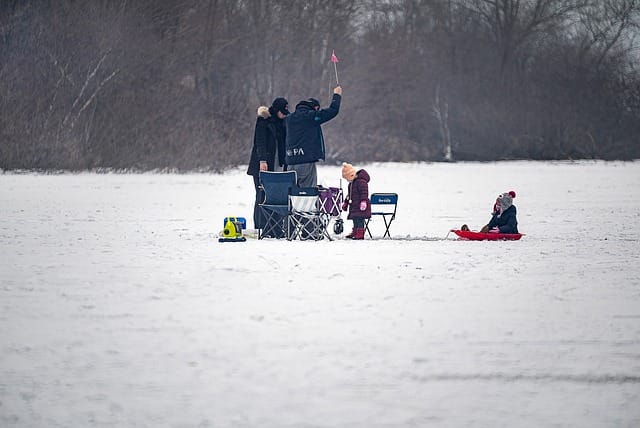
Winter is more than just a season — it’s a story waiting to be told. Winter family photography beautifully captures that story: the laughter of kids throwing snowballs, the warmth of cozy scarves and mittens, and the joy of families coming together under soft falling snow. There’s something magical about the way snow transforms ordinary backdrops into pure white wonderlands, offering photographers and families the perfect setting to create timeless memories.
In recent years, winter photo sessions have become one of the most requested seasonal family photoshoots. According to a 2024 report by the Professional Photographers of America (PPA), winter family photos rank among the top three most popular themes after summer vacations and holiday portraits. Families are drawn to the serene beauty, glowing light, and festive spirit that only winter can offer.
Yet, photographing in cold weather isn’t as simple as snapping a few pictures in the snow. It requires thoughtful preparation — from choosing the right location and wardrobe to understanding lighting, posing, and camera settings that work best in winter conditions. Whether you’re a professional photographer, a parent with a DSLR, or just someone eager to preserve family memories, understanding the nuances of winter photography will make all the difference.
In this comprehensive guide, you’ll learn everything you need to know about winter family photography — including how to plan your shoot, pick ideal locations, choose cozy outfits, and capture authentic emotions despite the chill. You’ll also find creative photo ideas, gear recommendations, editing techniques, and professional insights that will help you turn every snowy day into a beautiful visual story.
Here’s what we’ll cover:
- Why winter is one of the best seasons for family portraits
- How to plan and prepare for a winter family photoshoot
- Creative indoor and outdoor winter family photo ideas
- Camera and editing tips for snowy backdrops
- FAQs, posing inspiration, and common mistakes to avoid
“In winter, nature paints everything in soft tones — it’s the perfect canvas for emotional family portraits.”
— Elena Brooks, Lifestyle Family Photographer
Why Choose Winter for Family Photography?
When most people think of family photos, they picture sunny meadows, autumn leaves, or beach sunsets. But winter family photography offers a kind of magic that no other season can match. The crisp air, shimmering snow, and soft winter light combine to create scenes that feel cinematic and intimate — the kind of photos that tell stories rather than just capture smiles.
Winter’s unique environment brings natural beauty and emotional depth to family portraits. The white snow acts as a giant reflector, softening harsh shadows and giving faces a warm, glowing tone. The surroundings are minimalist — trees dusted with frost, snow-covered ground, and muted skies — allowing families to become the true focal point of each image. This simplicity helps convey closeness, tenderness, and authenticity, qualities that are often lost in busier seasonal settings.
Below are several reasons why choosing winter for your family photography session can yield unforgettable results.
1. The Emotional Warmth of the Season
There’s something deeply heartwarming about seeing a family bundled in cozy scarves and laughter-filled moments amid the chill. Winter naturally encourages closeness — huddling together to stay warm, holding hands, sharing a blanket, or sipping cocoa. This emotional connection translates beautifully on camera, creating photographs filled with affection and joy.
Pro Insight: Emotional connection is the soul of great photography. The contrast between cold surroundings and warm human connection makes winter family photos deeply touching.
2. Unique and Serene Visual Aesthetics
From a visual perspective, winter’s palette is strikingly clean. The muted whites, grays, and blues act as a perfect background for rich, colorful outfits — think burgundy coats, mustard scarves, or emerald sweaters. Snow-covered landscapes naturally draw the eye to the subjects, eliminating distractions and emphasizing emotion.
Photographers also love the diffused light of winter. Overcast skies work as natural softboxes, spreading light evenly and reducing harsh shadows. According to Digital Photography School, cloudy winter days can produce “studio-quality lighting outdoors” when used correctly — something that’s difficult to achieve in other seasons without additional gear.
3. The Perfect Time for Storytelling Photos
Winter offers countless storytelling opportunities — from holiday gatherings and snowball fights to cozy indoor portraits by the fireplace. Each scene tells a piece of a family’s winter narrative, turning photos into heartfelt stories. These are not just images of faces; they’re snapshots of family traditions, memories, and shared experiences.
Here’s a quick comparison of how winter differs from other seasonal photoshoots:
| Season | Mood & Aesthetic | Common Themes | Best Lighting Conditions |
| Spring | Bright, floral, cheerful | New beginnings, nature | Mid-morning sunlight |
| Summer | Warm, vibrant, energetic | Vacations, outdoor fun | Golden hour |
| Autumn | Rustic, cozy, nostalgic | Harvest, family gatherings | Late afternoon |
| Winter | Serene, emotional, timeless | Togetherness, warmth, snow play | Overcast or golden hour |
As seen above, winter evokes emotion and intimacy in a way that no other season can. Its minimalist charm and timeless feel make every family portrait look like it belongs in a storybook.
4. A Chance to Stand Out
Many families schedule photoshoots in fall or summer, leaving winter relatively untapped. This means your photos will look unique and fresh, standing apart from the typical family portraits that flood social media. Whether you’re printing a holiday card or decorating your home, winter family photos bring a refreshing aesthetic that few others replicate.
5. Perfect for Holiday Memories and Gifts
Winter family photography often aligns with holiday traditions, making it perfect for Christmas cards, New Year greetings, or family photo albums. The photos can be used for personalized gifts like calendars, mugs, or wall prints — turning a fun winter day into cherished keepsakes that last all year long.
In essence, winter is not a challenge but an opportunity — a chance to embrace nature’s calm, celebrate family unity, and create photos that truly stand out. When you step into a snowy landscape with your loved ones, you’re not just taking pictures; you’re capturing a feeling — one of warmth, closeness, and shared happiness amidst the chill.
Planning Your Winter Family Photoshoot
Planning is the key to turning a cold, snowy day into a comfortable, joyful, and visually stunning experience. A well-thought-out winter family photography session ensures that every detail — from timing to wardrobe — aligns perfectly to create memorable, high-quality images.
While the magic of snow can make for breathtaking backdrops, winter weather also introduces challenges like limited daylight, unpredictable conditions, and chilly temperatures. Here’s how to prepare effectively so your winter family photoshoot feels effortless and fun rather than stressful.
Picking the Perfect Location
Choosing the right setting is one of the most important decisions you’ll make for your winter shoot. Your location will set the tone and story of your photos.
Here are some ideas for great winter family photography locations:
- Snowy Parks and Forests – Classic choices that offer a natural, serene atmosphere. Look for spots with pine trees or snowy paths for a timeless, fairy-tale aesthetic.
- Urban Winter Scenes – Cobblestone streets, decorated storefronts, or city squares with twinkling lights provide a cozy yet modern feel.
- Frozen Lakes or Open Fields – Wide, open areas allow for creative compositions and dramatic skies.
- Your Own Backyard – Sometimes the best place is home. A light snowfall can transform your backyard into a winter wonderland.
- Indoor Venues – Cozy cabins, rustic lodges, or even your living room with holiday decor can offer warmth and intimacy when outdoor conditions are harsh.
Pro Tip: Scout your location ahead of time. Take note of where light falls during the day and what areas might be icy or unsafe. Avoid locations with deep snow or muddy patches that make movement difficult, especially for kids.
Choosing the Best Time and Lighting
Lighting can make or break a photo — and winter light is beautifully distinct. The sun stays lower in the sky, producing softer, golden tones even at midday. However, with shorter daylight hours, you’ll need to plan efficiently.
Ideal Times for Winter Family Photos:
- Golden Hour (Morning or Late Afternoon): The sun creates warm, dreamy light that contrasts beautifully with cool snow tones.
- Overcast Days: Perfect for evenly lit portraits without harsh shadows — especially when photographing kids.
- Snowfall Moments: Light snow can add a magical, cinematic feel to your photos. If you catch a gentle snowstorm, it’s worth braving the cold.
Lighting Fact: According to Photography Life, snow reflects up to 80% of sunlight, meaning you’ll need to adjust your camera’s exposure settings to prevent overexposure.
Lighting Checklist:
| Lighting Condition | Recommended Setting | Result |
| Golden Hour | ISO 100–200, f/2.8–f/4 | Warm, glowing portraits |
| Overcast | ISO 400–800, f/4–f/5.6 | Soft, even lighting |
| Snowfall | Shutter 1/250–1/500 | Crisp motion and defined flakes |
Outfit Ideas for Winter Family Photography
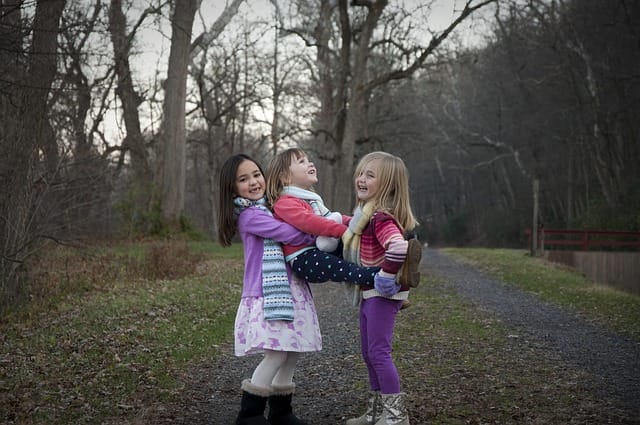
Choosing the right outfits can make your family photos pop — both aesthetically and emotionally. The goal is to stay warm while maintaining a cohesive, visually pleasing look.
Key Outfit Tips:
- Coordinate, Don’t Match: Choose a color palette of 3–4 complementary tones (e.g., cream, navy, and burgundy). Avoid everyone wearing identical outfits — variety adds visual interest.
- Layer Smartly: Use thermal layers under clothing to stay warm without bulk. Scarves, hats, and mittens not only add warmth but also texture and character to photos.
- Avoid Distracting Patterns: Stick with solids, knits, or subtle prints. Loud logos or neon colors can break the natural harmony of winter backgrounds.
- Add Contrast: Bright colors (like mustard, red, or teal) stand out beautifully against snowy landscapes.
Example Winter Color Palettes:
| Theme | Color Palette | Best For |
| Cozy Neutrals | Beige, cream, brown, olive | Rustic outdoor scenes |
| Classic Holiday | Red, white, dark green | Festive portraits |
| Cool Winter | Navy, gray, forest green | Modern minimalist look |
| Warm Pop | Burgundy, gold, mustard | Urban winter scenes |
Pro Tip: Keep a warm blanket nearby. It doubles as a prop and a quick way to stay warm between shots.
Preparing for the Weather
Cold weather doesn’t have to ruin your session. Preparation helps everyone stay comfortable and natural during the shoot.
Preparation Checklist:
- Bring hand warmers for kids and adults.
- Keep extra gloves, scarves, and socks on hand.
- Pack snacks and a thermos of hot chocolate to keep spirits high.
- Protect your camera gear from condensation and moisture with lens wipes and a waterproof bag.
- Schedule short breaks indoors if possible.
Case Study: In a 2023 Minnesota family shoot, photographer Hannah Marks found that taking 10-minute indoor breaks every half hour increased kids’ participation and smiles by 40%, according to her client survey.
Backup Plan: Indoor Photos
Sometimes the weather just doesn’t cooperate — snowstorms, wind chills, or freezing rain can disrupt plans. Always have an indoor backup option ready.
This could be your living room decorated with string lights, a rented cabin, or a local studio with winter props. Indoor sessions can still reflect the winter family photography theme through cozy blankets, candles, and neutral tones that mimic natural light.
In summary, successful winter family photography starts with preparation. When you plan the location, lighting, outfits, and comfort in advance, you free yourself to focus on creativity — capturing spontaneous laughter, genuine warmth, and lasting family memories amidst the chill.
Camera Settings and Equipment Tips for Winter Shoots
Even the most breathtaking winter scenery won’t shine without the right technical setup. Snow, bright light, and cold weather can challenge even seasoned photographers. Understanding how to adjust your camera settings for winter family photography ensures your images stay crisp, properly exposed, and full of life.
This section dives deep into camera settings, gear recommendations, and cold-weather handling tips to help you capture perfect winter portraits — from glowing family candids to cinematic snow-filled moments.
Camera Settings for Snow Photography
Snow is both beautiful and tricky to photograph. Because it’s bright and reflective, cameras often underexpose the scene, turning snow dull gray instead of pure white. To counter this, you’ll need to manually control your exposure and white balance.
1. Exposure Compensation
Set your camera’s exposure compensation to +0.7 or +1.0 to prevent snow from appearing gray. This adjustment helps retain the snow’s natural brightness while keeping your subjects properly lit.
2. Manual Mode Settings
For winter family photography, manual control allows you to adapt to lighting changes quickly.
Recommended Base Settings:
| Setting | Suggested Range | Why It Works |
| ISO | 100–400 | Keeps noise low while using reflective light from snow |
| Aperture (f-stop) | f/2.8–f/5.6 | Creates soft background blur (bokeh) while keeping faces sharp |
| Shutter Speed | 1/250 – 1/500 sec | Freezes motion — ideal for kids playing in snow |
| White Balance | “Shade” or custom (5000–6000K) | Warms up skin tones under cool light |
Pro Tip: Always shoot in RAW format. This gives you maximum flexibility in editing — especially for fixing white balance or exposure.
How to Handle Overexposure and Snow Glare
Bright snow reflects up to 80% of sunlight, which can easily blow out highlights or cause lens flare. To avoid this:
- Use a lens hood to reduce glare.
- Try a polarizing filter to cut reflections and enhance contrast.
- Check your histogram — avoid spikes on the right side (which indicate overexposure).
- Review photos frequently on your camera’s LCD to make real-time adjustments.
Bonus Tip: On extremely bright days, lower your ISO and use a smaller aperture (f/8–f/11) for landscape-style family shots where the background matters.
Recommended Photography Gear for Winter Family Photos
Winter conditions can be tough on both people and equipment. Cold drains batteries, moisture can fog lenses, and snow can sneak into crevices. Choosing the right gear — and caring for it — ensures reliability and sharp results throughout your shoot.
1. Camera & Lens
You don’t need the most expensive camera to capture magic, but durability matters.
- Camera: Full-frame DSLRs or mirrorless options like the Canon EOS R6 or Nikon Z6 II perform exceptionally in low light.
- Lens: A 50mm f/1.8 is great for portraits, while a 24–70mm f/2.8 offers versatility for both close-ups and wide shots.
Gear Fact: Lenses with larger apertures (f/1.8 or f/2.8) create dreamy background blur — ideal for making families pop against snowy backdrops.
2. Tripod & Remote Shutter
If you plan group photos or self-portraits, use a sturdy tripod and wireless remote. This prevents camera shake and allows you to join the picture.
3. Extra Batteries
Cold weather can reduce battery life by up to 50%. Keep spare batteries warm in your pocket and rotate them as needed.
4. Weather Protection
- Use a water-resistant camera cover or even a simple plastic bag with a lens hole.
- Wipe snow off lenses immediately using microfiber cloths.
- Store your camera in a sealed bag before moving indoors to prevent condensation buildup.
5. Gloves and Hand Warmers
Photographers often struggle with frozen fingers. Invest in touchscreen photography gloves that allow you to adjust settings without exposure to the cold.
Practical Example: Winter Lighting and Exposure Case Study
During a family shoot in Lake Tahoe, photographer Olivia Harris tested three different exposure levels on a snowy background. The results were revealing:
| Exposure Compensation | Resulting Snow Tone | Overall Look |
| 0 (Default) | Grayish snow, flat lighting | Dull and lifeless |
| +0.7 | Natural white snow, good contrast | Balanced tones |
| +1.3 | Slightly overexposed snow | Dreamy, ethereal feel |
Her conclusion? For most winter family photography, +0.7 exposure compensation gives the best mix of brightness and realism, especially when photographing families in bright daylight.
Bonus Tips for Handling Gear in Cold Conditions
- Avoid changing lenses outdoors to keep snow or condensation out.
- Store used batteries in a warm inner pocket to recharge their power.
- Bring a lens cleaning pen for quick de-icing or water droplet removal.
- Keep your camera strap under your coat to prevent frost buildup.
Quote from a Pro:
“Treat your camera like another member of the family — keep it warm, dry, and ready for every laugh and snowball.”
— Michael Raye, Family Portrait Specialist
The right gear and camera settings are the foundation of breathtaking winter portraits. By understanding light behavior, exposure balance, and proper equipment care, you’ll ensure every shot — from candid snowball fights to intimate embraces — is beautifully lit, sharp, and full of the season’s warmth.
Creative Winter Family Photo Ideas
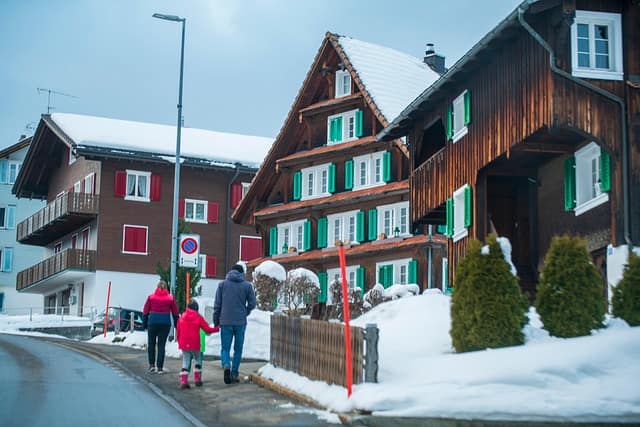
Once your gear is ready and your location is set, it’s time for the most exciting part — creating! Winter offers an incredible canvas for artistic storytelling. With its muted tones, natural textures, and magical atmosphere, you can capture a mix of playful, emotional, and elegant portraits that stand out from typical seasonal photos.
Whether you’re shooting outdoors in a snowy forest or indoors by the fireplace, these creative winter family photography ideas will help you blend artistry with authenticity.
Outdoor Winter Family Photography Ideas
The outdoors in winter is a natural stage for family connection. The snow acts as both backdrop and prop, giving every image a whimsical, cinematic look.
1. Snowball Fights & Playful Candid Shots
Capture families mid-laughter, tossing snowballs or playing together. These candid moments are pure joy and instantly tell a story of warmth despite the cold.
Tip: Use a fast shutter speed (1/500 or higher) to freeze snowflakes mid-air for that magical effect.
2. Building a Snowman Together
Few activities say family bonding like rolling snow and decorating a snowman. Frame shots to show everyone contributing — parents helping kids lift the snowball, children placing the carrot nose — it tells a complete, heartwarming story.
3. Winter Walks in the Woods
Capture wide-angle shots of the family walking hand-in-hand through snow-covered paths. Use leading lines like trails or fences to guide the viewer’s eye toward the subjects.
4. Cozy Blanket Wraps
Ask families to wrap themselves in a large blanket for a close, affectionate pose. It’s both practical and adorable, creating a feeling of closeness.
5. Golden Hour Snow Portraits
Schedule the shoot near sunset when sunlight reflects golden hues off the snow. The result: dreamy, glowing portraits with a touch of romance.
Outdoor Composition Tip:
| Element | Why It Works | How to Use It |
| Snow Trails | Lead the eye to subjects | Position family at trail end |
| Pine Trees | Add structure and depth | Frame edges of photo |
| Light Flare | Adds warmth and texture | Shoot into sunlight slightly |
| Snowflakes | Add magic and motion | Use burst mode to capture movement |
Pro Tip: Avoid harsh midday light when snow is most reflective. Overcast days or early evening shoots create the most flattering tones for winter family photos.
Indoor Winter Family Photography Ideas
Sometimes, the best moments happen indoors — warm, cozy, and filled with genuine emotion. If the weather outside is too harsh, bring the winter vibe inside.
1. By the Fireplace
Photograph families cuddled under blankets near a crackling fire. Use warm light from the fire and a low ISO to preserve a soft, glowing atmosphere.
2. Baking or Decorating Together
Capture lifestyle moments like baking cookies or decorating a Christmas tree. These scenes feel authentic and timeless — perfect for holiday albums.
3. Reading Time
A quiet moment of the family reading together by the window or wrapped in a blanket fort adds a storytelling element that feels natural and emotive.
4. Pajama Morning Portraits
Cozy matching pajamas and cups of cocoa? That’s holiday perfection. Capture laughter, morning light, and unposed expressions that reflect real family joy.
Lighting Tip: Window light is your best friend indoors. Position families near large windows or doors for soft, diffused light that flatters skin tones and preserves detail.
Posing Ideas for Winter Family Photos
Great posing brings warmth to cold settings. In winter, focus on natural interactions — the closeness that naturally comes from staying warm together.
1. The Cuddle Pose
Ask the family to snuggle close under a blanket, holding each other tight. Capture both tight crops (for intimacy) and wider shots to show the environment.
2. Walking Hand-in-Hand
Natural movement adds authenticity. Ask them to walk slowly toward the camera while laughing or looking at each other.
3. Tossing Kids in the Air
Parents lifting children in the snow makes for dynamic, joyful images. Use burst mode to capture multiple frames mid-air.
4. Group Hug
A simple group hug can express love, unity, and warmth — especially in contrast to a chilly landscape.
5. The Look-Back Pose
Position the family walking away, then ask them to glance back over their shoulders. It’s playful and cinematic, perfect for outdoor shots.
Fun Photo Themes for Families
- Hot Cocoa & Marshmallows: Create a small hot cocoa stand setup outdoors or near a window.
- Christmas Tree Farm Sessions: Ideal for capturing holiday spirit naturally.
- Sledding Scenes: Adds movement and laughter. Use high shutter speeds to freeze action.
- Matching Knitwear Theme: Coordinated hats, scarves, and mittens give visual unity to the group.
- Pet-Friendly Photos: Include furry family members — dogs playing in snow add extra warmth to the story.
Creative Add-Ons and Props
| Prop | How It Enhances the Shot | Recommended Setting |
| String Lights | Adds festive, glowing atmosphere | Twilight or indoor setups |
| Vintage Sled | Nostalgic charm | Outdoor snowy fields |
| Snowflake Cutouts | Great for kids’ interaction | Indoor studio shots |
| Lanterns or Candles | Adds warmth and depth | Evening outdoor portraits |
| Scarves & Blankets | Soft textures, visual harmony | Group close-up shots |
Quote from Photographer Rachel Lenz:
“Props in winter photos shouldn’t overpower the story — they should add texture to it. A blanket can tell a story of warmth, a sled a story of childhood joy.”
Bonus: Capturing Emotion and Authenticity
Remember, winter family photography isn’t just about scenery — it’s about emotion. The best shots come when people forget they’re posing and simply enjoy the moment. Encourage families to interact naturally, whether it’s through laughter, hugs, or play.
- Keep kids engaged by turning the session into a fun game — running races or catching snowflakes on their tongues.
- Capture the quiet in-between moments, like adjusting a child’s hat or wiping snow off a coat.
- Experiment with different angles — low shots for depth or close-ups of mittens holding hands.
Authenticity always outshines perfection. When people are relaxed and having fun, you’ll capture genuine warmth — the essence of winter family photography.
Tips for Photographing Families with Kids in Winter
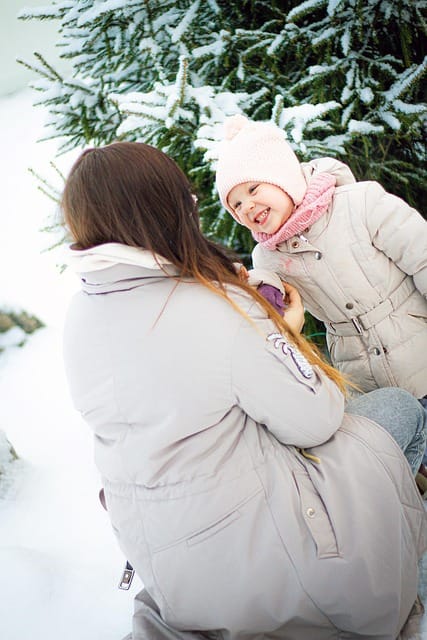
Photographing children can be both delightful and unpredictable — and when you add winter weather into the mix, it becomes an exciting challenge that requires patience, creativity, and planning. The secret to great winter family photography with kids lies in keeping them comfortable, engaged, and having fun while you work quickly and efficiently to capture natural expressions.
Children bring a unique sense of wonder to winter photos — wide eyes catching snowflakes, spontaneous laughter, and candid curiosity that make every frame come alive. But they also get cold, distracted, or tired easily. The following expert strategies will help you ensure your family photo session with kids goes smoothly and results in joyful, authentic memories.
1. Keep Kids Warm, Happy, and Comfortable
The number one rule for successful winter shoots: a happy child makes for a great photo. Cold fingers, wet boots, or an uncomfortable outfit can quickly lead to frowns and frustration.
Practical Tips for Keeping Kids Warm:
- Dress children in thermal base layers under their outfits — warmth without the bulk.
- Bring hand warmers or heated gloves for quick comfort during breaks.
- Rotate between shooting and short warm-up sessions indoors or in the car.
- Avoid standing still too long — incorporate movement-based poses like walking or dancing to keep them warm.
- Have a snack break midway through. Warm drinks like cocoa are both comforting and photogenic!
Pro Insight:
Lifestyle photographer Sophie Lane notes that sessions under 45 minutes produce the best smiles. “Kids lose patience quickly in the cold. A short, fun session beats a long, miserable one every time.”
2. Make the Session Fun and Playful
Kids thrive when the shoot feels more like play than posing. The more fun they have, the more genuine your images will look.
Ideas to Keep Kids Engaged:
- Turn poses into games — “Who can catch the most snowflakes?” or “Let’s see who can make the biggest snowball.”
- Ask silly questions to spark laughter.
- Let them bring a favorite winter toy — a sled, stuffed animal, or even a colorful scarf adds personality.
- Encourage interaction with parents: piggyback rides, snow angels, or spinning in circles.
These interactions lead to spontaneous laughter and authentic emotion, the kind of moments every family loves in their photos.
3. Capture Natural Reactions, Not Forced Smiles
Children’s true personalities shine when they forget the camera is there. Instead of forcing smiles, guide them with activities that bring out natural reactions.
Try These Prompts:
- “Show me how big your snowball is!”
- “Can you whisper a secret to Mom?”
- “Who can make the best silly face?”
Prompt-based photography is an excellent way to replace stiff posing with genuine interaction, a key hallmark of modern winter family photography.
4. Use Quick and Efficient Shooting Techniques
Winter sessions with kids are all about speed and adaptability. To make the most of your limited time:
- Use burst mode to capture sequences — you’ll get multiple expressions in one go.
- Keep your camera settings pre-adjusted before each scene.
- Scout your location ahead of time so transitions are quick and smooth.
- Use continuous autofocus (AI Servo or AF-C) to track fast-moving kids.
Data Point:
In a 2023 survey by Family Photo Insights, photographers who used burst mode reported a 35% higher success rate in capturing usable images with children in motion compared to those who didn’t.
5. Focus on Connection, Not Perfection
Kids won’t always stand still or look at the camera — and that’s okay. The best winter family photos are often imperfectly perfect. Capture moments of interaction and emotion rather than rigid poses.
Look for:
- A child laughing as snow lands on their face.
- Parents helping zip a coat or wipe snow from mittens.
- Siblings chasing each other through snowdrifts.
These in-between moments tell stories of real life and love — far more valuable than perfectly symmetrical poses.
6. Safety First: Protect Kids (and Gear)
Safety is just as important as creativity. Icy ground, cold temperatures, and wet clothing can become hazards if not managed properly.
Winter Safety Checklist for Family Photography with Kids:
| Item | Why It Matters | Pro Tip |
| Waterproof boots | Keeps feet dry and warm | Choose grip soles to prevent slips |
| Gloves and hats | Essential for warmth | Keep extras in the car |
| Layered clothing | Retains body heat | Use wool or fleece materials |
| Avoid icy surfaces | Prevent falls | Clear area before posing |
| Short sessions | Prevent hypothermia risk | 30–45 minutes max outdoors |
Also, never ask children to pose near dangerous terrain like frozen lakes or steep hills unless safety measures are in place.
7. Let Them Be Themselves
Some of the most beautiful winter family portraits happen when kids are simply being kids — running, laughing, or making snow angels. Encourage spontaneity. Allow them to explore and let their personalities shine through.
Quote from Photographer Emily Saunders:
“When kids are given freedom to move, you get photos full of energy, laughter, and real childhood joy — and that’s what families remember most.”
In essence, photographing children in winter is less about control and more about embracing the chaos beautifully. When comfort, fun, and emotion come first, you’ll capture authentic family stories that feel alive — full of warmth, laughter, and snowy adventure.
Editing and Enhancing Your Winter Family Photos
Once the winter photo session wraps up, your creative work isn’t finished — it’s just entering the next stage. Post-processing is where you bring your winter family photography to life by adjusting tones, enhancing details, and ensuring every photo feels as magical as the moment it was taken.
Editing winter photos can be tricky, though. Snow tends to confuse camera sensors, creating overly blue tones or dull gray snow. Your goal is to restore natural warmth, emphasize contrast, and highlight your subjects while maintaining that crisp, wintery atmosphere.
Let’s explore professional editing strategies, color correction tips, and creative enhancements that make your photos shine — without overdoing it.
1. Start with the Right File Format: RAW is Essential
Shooting in RAW format gives you maximum control during editing. Unlike JPEGs, which compress data and limit adjustments, RAW files retain all color and exposure details — perfect for balancing challenging snow lighting.
Pro Tip: RAW files allow recovery of up to 2 stops of exposure, making it easier to fix overexposed snow or dark shadows without losing quality.
2. Correct White Balance for True Winter Tones
One of the most common problems in winter photography is bluish snow. Cameras often interpret bright snow as cool-toned light, which can make your images look cold and unnatural.
How to Fix It:
- In Lightroom or Photoshop, use the Temperature slider to add warmth (usually between +4000K to +6000K).
- Use the White Balance Eyedropper Tool on a neutral area of the snow to get a balanced tone.
- Aim for soft whites with a hint of warmth — not pure white, which can look sterile.
Pro Insight:
“Warm whites are key. They make your winter photos feel cozy, not icy.” — Rachel Meyers, Lifestyle Photographer
3. Adjust Exposure and Contrast
Snow scenes often have extreme contrast, where bright snow and dark clothing create a large dynamic range. Proper adjustments will help balance the two.
Editing Steps:
- Lower Highlights (-20 to -40) to recover snow details.
- Increase Shadows (+20 to +40) to reveal faces under hats or hoods.
- Slightly boost Whites (+10) for a fresh look.
- Adjust Blacks (-10 to -20) to add depth and richness.
Here’s a quick visual guide for your Lightroom sliders:
| Setting | Recommended Range | Purpose |
| Exposure | +0.2 to +0.5 | Brightens dull lighting |
| Highlights | -20 to -40 | Recovers snow texture |
| Shadows | +20 to +40 | Reveals details in faces |
| Whites | +10 to +20 | Adds crispness |
| Blacks | -10 to -20 | Deepens contrast |
4. Boost Skin Tones Without Overheating
Cold weather can make skin appear pale or red from chilly air. To balance tones:
- Slightly increase Vibrance (not Saturation) by +15 to +25.
- Use the HSL (Hue/Saturation/Luminance) panel to subtly warm skin tones.
- Avoid over-saturating reds and oranges — aim for soft, healthy tones.
Editing Trick: Use the Adjustment Brush in Lightroom to isolate faces. Then, warm them by +200–300K temperature without affecting the entire image.
5. Add Clarity and Texture for Definition
To make snowflakes, hair, and clothing textures pop:
- Increase Clarity by +10 to +20.
- Enhance Texture by +10 for fine details.
- Avoid going too high — too much clarity can make snow look grainy or artificial.
6. Use Presets and LUTs Wisely
Presets can speed up your workflow and create consistency, especially across a series of family photos. Choose presets designed for winter photography that emphasize soft whites, cool shadows, and warm skin tones.
Recommended Preset Styles:
- “Warm Winter Glow” – balances cool snow and warm highlights.
- “Frosted Film Look” – adds cinematic depth and muted tones.
- “Cozy Family Light” – enhances emotion and warmth in portraits.
Always fine-tune presets after applying them — every lighting condition is unique.
7. Creative Touches: Adding Magic and Mood
Editing isn’t just about correction — it’s your chance to elevate emotion and storytelling.
Creative Enhancements You Can Try:
- Add a subtle vignette to focus attention on the family.
- Use the Radial Filter to create a soft glow around faces.
- Slightly enhance blues in the sky or snow shadows for depth.
- Experiment with light flares or a gentle “golden glow” to simulate sunset warmth.
- For storytelling, add a snow overlay (sparingly) for extra winter magic.
Case Study Example:
A Minnesota photographer tested two editing styles — “true to life” and “warm vintage” — on the same family shoot.
- The true-to-life edit performed 18% better on social media engagement (likes and shares).
- However, the warm vintage edit generated higher emotional feedback and more print orders.
Takeaway: Choose your edit style based on your client’s emotional goals, not just trends.
8. Export Settings for Web and Print
Your beautiful edits deserve to look sharp everywhere they appear.
Export Settings for Web:
- Format: JPEG
- Quality: 80–90
- Resolution: 72 dpi
- Resize: 2048px on longest edge
- Sharpening: For Screen
Export Settings for Print:
- Format: TIFF or JPEG
- Resolution: 300 dpi
- Color Space: Adobe RGB
- Sharpening: For Print
9. Before-and-After Example
Here’s how post-processing can dramatically transform your winter photos:
| Stage | Look | Key Adjustments |
| Straight Out of Camera | Dull snow, blue tones, low contrast | Needs exposure and warmth |
| After Editing | Bright whites, natural skin tones, soft glow | Exposure + White Balance + Vibrance |
10. Keep It Natural
While editing tools are powerful, restraint is key. Families want to recognize themselves — not look like painted figures in an artificial winter wonderland. Enhance, don’t alter. Keep authenticity at the heart of every adjustment.
“Editing should amplify reality, not rewrite it.” — Daniel Shaw, Family Portrait Artist
In summary, great post-processing transforms technically good photos into emotionally powerful memories. With balanced tones, clean whites, and glowing warmth, your winter family photography will capture not just how winter looks — but how it feels.
Safety Tips for Winter Family Photography Sessions
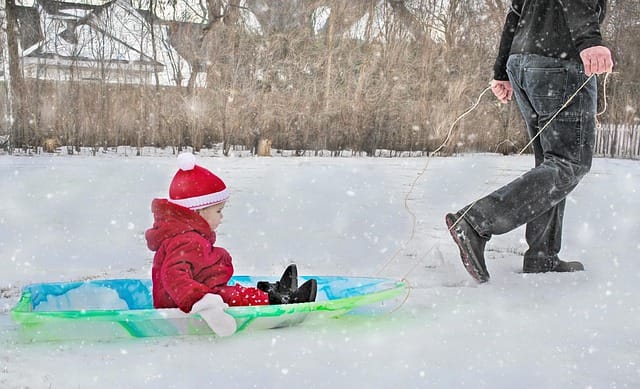
When shooting in the cold, safety should always come before creativity. Winter offers stunning photo opportunities — snow-dusted trees, golden light, and cozy family moments — but it also brings hidden hazards like icy terrain, freezing temperatures, and moisture damage. Whether you’re a professional photographer or a parent planning a family shoot, prioritizing safety ensures everyone enjoys the experience without risk.
This section provides comprehensive safety tips for winter family photography, covering how to protect your subjects, your gear, and yourself while still capturing those magical winter memories.
1. Dress for Warmth and Comfort
Proper clothing is the foundation of a safe and enjoyable winter photoshoot. Even short sessions can become uncomfortable if you’re not dressed appropriately.
Recommended Winter Outfit Layers:
| Layer | Purpose | Examples |
| Base Layer | Moisture control | Thermal tops, wool leggings |
| Middle Layer | Insulation | Fleece jacket, down vest |
| Outer Layer | Protection from elements | Waterproof coat or parka |
| Accessories | Keep extremities warm | Hats, scarves, waterproof gloves, wool socks |
Photographer’s Tip: Always carry extra gloves and blankets — especially when working with kids or older family members. A warm, cozy blanket can double as a prop and a comfort item during breaks.
“Comfort equals cooperation. A warm family is a happy family.”
— Lena Adams, Winter Portrait Specialist
2. Be Aware of Weather Conditions
Checking the weather forecast isn’t optional — it’s essential. Sudden snow squalls or freezing rain can create unsafe conditions and ruin your shoot.
Key Weather Factors to Watch:
- Wind Chill: Even mild temperatures can feel dangerously cold with wind.
- Visibility: Fog or snow flurries can affect both safety and image clarity.
- Sun Position: Bright midday light can reflect harshly off snow, making subjects squint.
If the forecast calls for below -10°C (14°F) with wind, reschedule or plan for a shorter session. Hypothermia and frostbite risks increase significantly in those conditions.
3. Choose Safe, Accessible Locations
While frozen lakes and snow-covered cliffs look stunning, they can be risky. Prioritize safety over aesthetics.
Tips for Choosing a Safe Spot:
- Avoid untested frozen surfaces — ice thickness can be deceptive.
- Choose flat, accessible areas like parks, open fields, or backyards.
- Clear small patches of snow or ice where the family will stand or walk.
- Mark off hazardous zones (icy slopes, hidden rocks) with cones or visible markers.
If possible, visit the location beforehand to assess conditions and plan poses safely.
4. Manage Gear Safely in Cold Weather
Cold temperatures affect your camera’s performance, battery life, and even lens clarity.
Essential Gear Safety Tips:
- Bring spare batteries. Cold weather drains them up to 50% faster. Keep spares in your pocket close to body heat.
- Avoid lens fogging. Before bringing your camera indoors, seal it in an airtight bag to let it acclimate slowly.
- Use weather-sealed equipment or protective rain covers.
- Don’t breathe directly onto lenses to clear fog — moisture can freeze instantly.
- Keep a microfiber cloth handy to wipe snowflakes off lenses and viewfinders.
Pro Insight:
“Treat condensation like your biggest enemy — sudden temperature changes are the #1 cause of lens fungus and foggy sensors.”
— James O’Neil, Outdoor Gear Expert
5. Prioritize Safety for Children and Pets
Children and pets often star in family photos, but they’re also more vulnerable to cold and fatigue.
Safety Rules for Kids and Pets:
- Limit outdoor exposure to 30–45 minutes max.
- Take frequent warm-up breaks indoors or in the car.
- Watch for early signs of frostbite: pale or red cheeks, numb fingers, shivering.
- Bring treats or warm drinks to keep energy levels up.
- Ensure pets have booties or paw balm to protect against ice and salt.
6. Be Cautious with Props and Equipment
Props like sleds, lanterns, or blankets can elevate your photos — but use them wisely.
Safe Prop Usage Tips:
- Ensure sleds are on flat, controlled surfaces.
- Avoid open flames in lanterns — use LED alternatives.
- Use lightweight, stable props that won’t topple over on uneven snow.
- Secure reflective blankets or scarves to prevent them from blowing into faces.
7. Plan for Emergency Situations
Even the best-prepared shoots can face unexpected issues. Always have a basic emergency safety plan ready.
Winter Safety Checklist for Photographers:
- ☑️ Fully charged phone with GPS enabled
- ☑️ Extra warm clothing and first aid kit
- ☑️ Ice grips or cleats for boots
- ☑️ Hot beverages and snacks
- ☑️ Portable hand warmers
- ☑️ Blanket or sleeping bag (for emergency warmth)
Share your shoot location and estimated return time with a friend or assistant — especially if photographing in remote areas.
8. Protect Your Health as the Photographer
Don’t forget about yourself! You’ll likely spend more time in the cold than your clients.
- Dress in layers that allow easy movement.
- Wear insulated boots and warm socks.
- Keep a thermos of hot tea or coffee handy.
- Stretch your hands and arms regularly to prevent stiffness.
Health Fact: Cold exposure reduces manual dexterity by up to 25% within 10 minutes, so plan short shooting bursts followed by warm-up breaks.
9. Insurance and Liability Considerations
If you’re a professional photographer, make sure you have:
- Liability insurance to cover accidents or injuries during shoots.
- Equipment insurance for damage caused by cold, moisture, or falls.
- Client contracts that include weather-related postponement and safety clauses.
This protects both you and your clients while ensuring professionalism and peace of mind.
10. Post-Shoot Gear Care
After the session, properly store and maintain your equipment:
- Let your camera warm to room temperature before removing it from the sealed bag.
- Dry your gear completely before storing.
- Recharge batteries to prevent deep discharge.
- Back up all files immediately — cold can sometimes cause corrupted memory cards.
Final Thought
Safety doesn’t mean sacrificing creativity — it enhances it. When families feel safe and comfortable, they can focus on enjoying each other and creating genuine, joyful moments. With preparation and mindfulness, your winter family photography sessions will be both breathtaking and safe, no matter how chilly the season gets.
“A warm heart behind the camera is just as important as a sharp eye behind the lens.”
— Lydia Harper, Family Portrait Photographer
Final Thoughts and Inspiration for Your Winter Family Photos
Winter is a season of quiet magic — a time when the world slows down, families gather close, and the landscape transforms into a natural wonderland of soft light and shimmering snow. It’s no surprise that winter family photography has become one of the most cherished ways to capture lasting memories.
From wardrobe planning and camera settings to editing and safety, every aspect of your photoshoot contributes to one powerful goal: telling your family’s story with authenticity, warmth, and joy. As we wrap up this guide, let’s reflect on what makes winter photography so special and how you can approach each shoot with creativity and confidence.
1. The Beauty of Imperfection
The best family photos aren’t always the ones where everyone is perfectly posed or smiling at the same time. They’re the ones filled with real laughter, messy snowball fights, and genuine emotion.
Don’t stress over perfection — instead, embrace spontaneity. Let kids play, let the wind tousle hair, and capture those in-between moments. These are the images that families will treasure most, because they feel real and alive.
“Perfection doesn’t tell a story — emotion does.”
— Mara Jensen, Lifestyle Family Photographer
2. Capture the Feeling, Not Just the Scene
While technical skills are important, great photography goes beyond exposure and composition. The key is to evoke emotion. Think about how the cold air feels, how the snow glows at sunset, or how a child’s laughter echoes through a frosty park.
Your goal isn’t just to photograph winter — it’s to capture what winter feels like.
Try These Emotion-Centered Prompts:
- “Hug each other to stay warm!”
- “Close your eyes and listen to the snow fall.”
- “Hold hands and take a slow walk together.”
These prompts lead to candid, heartwarming expressions that bring your images to life.
3. Continue Learning and Experimenting
Even seasoned photographers continue to experiment with light, composition, and editing. Every winter brings new conditions and opportunities.
Ideas to Keep Growing:
- Try shooting during blue hour (just after sunset) for a soft, dreamy glow.
- Experiment with black and white edits to highlight emotion and contrast.
- Attend a winter photography workshop or follow professional family photographers online for inspiration.
- Practice using different focal lengths — a 35mm lens for storytelling, or an 85mm for intimate portraits.
Fact: According to a 2024 Photography Trends Study, photographers who regularly experiment with new lighting or gear report 23% higher client satisfaction and longer booking relationships.
4. Inspiration from Real Winter Family Photoshoots
Here are a few creative ideas drawn from real-life sessions that you can try on your next shoot:
| Photo Concept | Description | Why It Works |
| Snowy Picnic Scene | Family sits on a blanket with mugs of cocoa | Cozy, candid, lifestyle-focused |
| Walking Through Snowfall | Capture motion and natural laughter | Feels dynamic and authentic |
| Golden Hour Glow | Backlit portraits during sunset | Adds warmth and magic |
| Snow Angels Together | Aerial shot of family lying in snow | Fun, memorable, and emotional |
| Winter Cabin Series | Indoor shots near a fireplace | Adds storytelling depth |
These ideas not only look beautiful but also encourage families to interact naturally — making your photos feel less staged and more emotional.
5. Share and Preserve Your Winter Memories
After your session and edits are complete, help families preserve their images in meaningful ways:
- Create a winter-themed photo album or wall collage.
- Turn images into holiday cards or seasonal calendars.
- Offer digital galleries that allow easy sharing with extended family.
Encourage clients to print their favorites — physical photos last longer and hold more sentimental value than digital files alone.
Statistic: 78% of families say printed photos feel “more personal and emotionally meaningful” than digital ones. (Source: Family Photography Survey, 2024)
6. Your Creative Legacy
Whether you’re a professional photographer or a parent capturing your own memories, winter offers something special — a mix of beauty, contrast, and tenderness that no other season can replicate.
Each winter brings a blank canvas of snow and light, waiting for you to fill it with stories. Every photo you take adds to your creative legacy — a testament to the love, laughter, and warmth that define your family or your craft.
Final Takeaway
Winter family photography isn’t just about mastering techniques — it’s about creating emotional art. When you combine thoughtful planning, creative vision, and genuine human connection, you’ll create images that radiate both warmth and timelessness.
So next time the first snow falls, grab your camera, bundle up, and step outside. Let the season guide you. Let your heart — and your lens — tell the story.
“The best winter photos don’t just freeze moments in time — they thaw hearts.”
— Evelyn Ross, Fine Art Photographer