

Travel photography is more than just taking snapshots—it’s about capturing stories, emotions, and unforgettable moments from your journeys. While a good camera is the foundation of any photography kit, the right travel photography accessories can dramatically improve your results, making your workflow easier, your images sharper, and your gear safer.
The modern travel photographer has a dizzying array of choices when it comes to accessories, from lightweight tripods and versatile lenses to weatherproof camera bags and portable storage devices. Selecting the right gear can feel overwhelming, but understanding the purpose of each accessory, how it fits your travel style, and its impact on your photography is key.
Why Travel Photography Accessories Matter:
- Enhance Photo Quality: Tripods stabilize your shots for low-light conditions, filters improve color and reduce glare, and extra lenses expand your creative possibilities.
- Protect Your Investment: Cameras and lenses are expensive. Protective bags, lens caps, and rain covers safeguard your equipment from accidents, theft, and environmental hazards.
- Increase Convenience: Well-organized accessories, like portable SSDs, battery banks, and compact tripods, make photography more efficient, allowing you to focus on creativity rather than logistics.
Case Study:
Professional travel photographer Sarah Kim documented her 3-month journey through South America with just a mirrorless camera, two lenses, and a lightweight backpack with padded compartments. By strategically selecting her travel photography accessories, she managed to shoot over 5,000 high-quality photos without overpacking or sacrificing mobility.
By the end of this guide, you’ll know exactly which accessories to prioritize, how to organize them, and how to optimize your gear for different types of trips, ensuring your travel photography is professional, practical, and stress-free.
What Are Travel Photography Accessories?
When it comes to travel photography, having a high-quality camera is just the beginning. Travel photography accessories are supplemental tools that enhance your ability to capture stunning images, protect your gear, and improve your workflow while on the go. They are designed specifically for photographers who face dynamic travel conditions, unlike standard studio or casual photography gear.
Definition and Purpose
Travel photography accessories encompass a wide range of tools, including bags, tripods, lenses, filters, lighting, and storage solutions. Their primary purposes are:
- Enhancing Image Quality
- Tripods allow for long exposures or night photography.
- Filters like polarizers reduce reflections on water or glass.
- Portable lights help illuminate subjects in dim or uneven conditions.
- Tripods allow for long exposures or night photography.
- Protecting Gear
- Camera bags with padded compartments prevent damage from bumps or drops.
- Lens caps, camera skins, and weatherproof cases shield your equipment from dust, rain, and extreme temperatures.
- Anti-theft straps and locks safeguard gear in crowded areas.
- Camera bags with padded compartments prevent damage from bumps or drops.
- Improving Convenience and Efficiency
- Extra batteries and portable chargers ensure uninterrupted shooting.
- Memory cards, external SSDs, and cloud storage allow you to back up photos during long trips.
- Compact tripods and stabilizers reduce setup time for creative shots.
- Extra batteries and portable chargers ensure uninterrupted shooting.
How Travel Accessories Improve Your Photography
Using the right accessories can elevate your travel photography from casual snapshots to professional-quality images. Here’s how:
- Stability and Precision: Tripods, monopods, and gimbals reduce camera shake for sharp images and smooth videos.
- Versatility in Lighting: Portable LED panels and reflectors allow you to adapt to any lighting condition, indoor or outdoor.
- Creative Control: Lens filters, extra lenses, and remote triggers give you more control over composition, depth of field, and motion capture.
- Safety and Mobility: Lightweight, weatherproof bags let you carry all essential gear without slowing you down, while protecting expensive equipment from environmental hazards.
Example: A landscape photographer traveling to Iceland used a wide-angle lens, a sturdy tripod, and ND filters to capture long-exposure waterfall shots under harsh weather conditions. The right accessories enabled creativity while protecting gear from water and wind.
Extra Tips for Selecting Travel Photography Accessories
- Think About Your Destination: Desert, mountain, or urban environments each have unique gear requirements.
- Prioritize Multi-Purpose Items: A single compact tripod can serve multiple functions, reducing your packing load.
- Invest in Essentials First: Camera bags, batteries, and memory cards should take priority over specialty gadgets.
Fun Fact: According to a 2023 survey, 82% of travel photographers reported that using the right accessories significantly improved the quality and consistency of their photos, especially during outdoor shoots.
Top Travel Photography Accessories You Should Pack
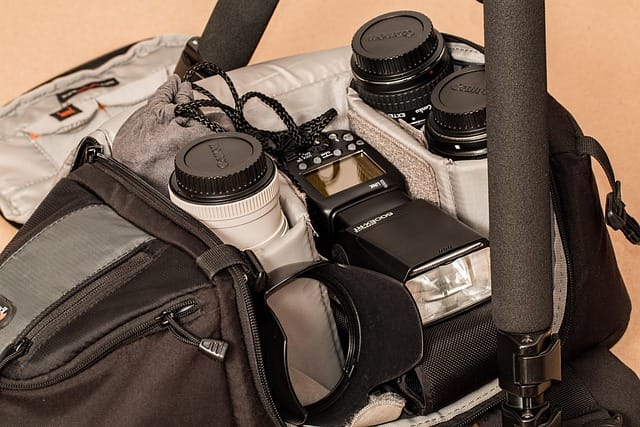
Packing the right travel photography accessories is essential for maximizing your photography potential while traveling. The right gear improves image quality, protects your equipment, and ensures you can work efficiently in any environment. Below is a detailed breakdown of must-have accessories for every travel photographer.
Camera Bags and Backpacks
A well-designed camera bag is the foundation of a travel photographer’s kit. It protects gear, keeps accessories organized, and allows you to carry your equipment comfortably.
Features to Look For:
- Padded compartments: Prevent lenses and camera bodies from being damaged during transit.
- Weatherproof material: Shields gear from rain, dust, and snow.
- Multiple compartments: Keeps batteries, memory cards, and small accessories organized.
- Comfortable straps: Vital for long hikes or city tours.
Types of Bags:
- Backpacks: Ideal for adventure travel or photographers carrying multiple lenses.
- Sling Bags: Allow quick access for urban or street photography.
- Compact Bags: Perfect for minimalist travelers or short day trips.
Example: The Lowepro ProTactic series is a popular choice among travel photographers for its customizable compartments and rugged design.
Lenses and Lens Accessories
Your choice of lens greatly impacts your photography style. Travel photography accessories like lens filters and cleaning kits help maximize their performance.
Essential Lenses:
- Wide-Angle Lens: Perfect for landscapes, architecture, and cityscapes.
- Prime Lens (35mm or 50mm): Excellent for low-light situations, portraits, and street photography.
- Telephoto Lens: Allows you to capture distant subjects like wildlife or sports events.
Lens Accessories:
- Filters: UV filters protect lenses, polarizers enhance skies and water, ND filters help with long exposures.
- Lens Cleaning Kits: Essential for removing dust, smudges, and water spots.
- Lens Hoods: Reduce lens flare and protect from accidental bumps.
Pro Tip: Carry one versatile lens like a 24-105mm zoom for trips where packing multiple lenses isn’t practical.
Tripods and Stabilizer
A sturdy tripod or stabilizer is crucial for capturing sharp images, long exposures, and smooth video footage.
Key Features:
- Lightweight Materials: Carbon fiber or aluminum for portability without sacrificing stability.
- Foldable Design: Compact and easy to pack.
- Flexible Heads: Ball heads allow versatile shooting angles.
Specialized Accessories:
- Gimbals: Reduce shake for smooth video footage.
- Monopods: Lightweight alternative for on-the-go shooting.
- Mini Tripods: Perfect for smartphone or compact cameras.
Case Study: A photographer shooting the northern lights in Norway used a lightweight carbon fiber tripod and remote shutter release to achieve perfectly sharp, long-exposure images under extreme cold.
Memory Cards and Storage Accessories
Running out of storage mid-trip can be disastrous. Proper memory and storage solutions are essential for safeguarding your work.
Recommendations:
- High-Capacity SD Cards: Minimum 64GB, preferably UHS-II for fast write speeds.
- External SSDs: Compact, portable, and reliable for backing up large photo libraries.
- Cloud Storage: Useful for remote backups if you have internet access.
Tip: Organize memory cards in labeled holders and rotate them regularly to avoid data loss.
Batteries and Power Accessories
Nothing ruins a photography session like a dead battery.
Must-Have Accessories:
- Extra camera batteries (2–3 for long trips).
- Portable power banks for charging cameras, phones, and lights.
- Solar chargers for remote or outdoor locations without electricity.
Pro Tip: Use a dedicated battery organizer to keep track of charged and used batteries.
Camera Protection and Weather Gear
Travel exposes your gear to unpredictable elements. Protective accessories ensure longevity and functionality.
Recommended Accessories:
- Waterproof camera cases or rain sleeves.
- Lens caps, body caps, and camera skins for added protection.
- Anti-theft straps and locks for crowded tourist spots.
Example: In tropical locations like Thailand, many photographers rely on rain covers and silica gel packs to protect against humidity.
Lighting and Flash Accessories
Proper lighting is essential for professional-quality photos, especially in low-light or indoor environments.
Portable Options:
- Compact LED panels for continuous lighting.
- Small, portable flash units with adjustable intensity.
- Reflectors and diffusers to soften harsh sunlight.
Pro Tip: A foldable silver reflector can double as a fill light for portraits in bright outdoor conditions.
Quick Reference Table: Essential Travel Photography Accessories
| Accessory Type | Purpose | Recommended Examples |
| Camera Bag / Backpack | Protect and organize gear | Lowepro ProTactic, Peak Design Everyday Backpack |
| Lenses | Capture various perspectives | 24-105mm zoom, 35mm prime, 70-200mm telephoto |
| Tripod / Stabilizer | Stability and smooth shots | Manfrotto BeFree, Joby Gorillapod, DJI Ronin-S |
| Memory Cards / Storage | Backup and expand storage | SanDisk Extreme Pro, Samsung T7 SSD |
| Batteries / Power Banks | Ensure uninterrupted shooting | Anker PowerCore, Canon LP-E6N |
| Camera Protection / Weather | Safeguard against damage & elements | Rain covers, lens caps, camera skins |
| Lighting / Flash | Improve photo quality in varied light | Lume Cube LED, Neewer flash kit, collapsible reflector |
Travel Photography Accessories for Different Types of Trips
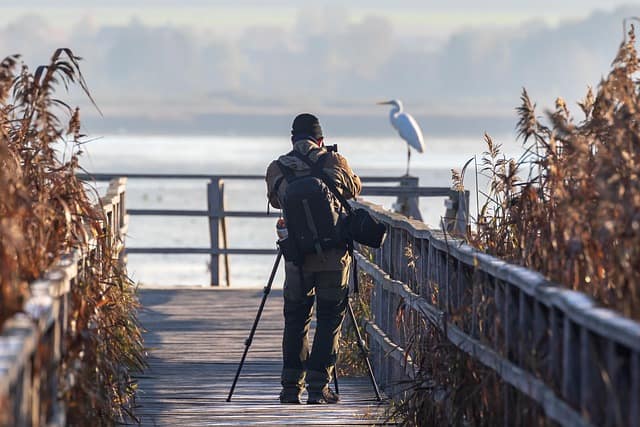
Not all travel experiences are the same, and neither should your travel photography accessories. Selecting the right gear based on your trip type ensures your photography is efficient, versatile, and safe. Here’s a more in-depth look at how to tailor your accessories for various travel styles.
Adventure Travel Accessories
Adventure trips like hiking, trekking, kayaking, or extreme sports require durable, lightweight, and versatile gear. These environments can be unpredictable, so protection and mobility are key.
Recommended Accessories:
- Rugged Camera Backpacks: Waterproof and padded for rough terrain.
- Action Cameras or Mirrorless Cameras: Lightweight and durable alternatives for extreme conditions.
- Foldable Tripods or Monopods: Easy to carry on trails or rough paths.
- Protective Gear: Rain sleeves, lens covers, and dust-proof cases.
- Straps and Harnesses: Keep cameras secure during climbing, biking, or rafting.
Example: A travel photographer trekking through the Andes used a lightweight mirrorless camera, foldable tripod, and weatherproof backpack, capturing sharp, dramatic landscape shots while staying mobile.
Urban Travel Accessories
City and street photography require mobility, quick access, and discretion. You want gear that allows you to capture spontaneous moments without drawing attention.
Essential Urban Accessories:
- Compact Sling Bags or Crossbody Bags: Quick access for street photography.
- Lightweight Tripods or Mini Gimbals: For capturing architecture, low-light street scenes, or time-lapses.
- Prime Lenses (35mm or 50mm): Perfect for street portraits and candid shots.
- Portable LED Lights: Useful in cafes, museums, or dimly lit streets.
Case Study: While photographing night markets in Bangkok, a photographer relied on a mirrorless camera with a 35mm lens and mini tripod, allowing for low-light shots without disturbing the scene.
Wildlife and Nature Photography Accessories
Capturing wildlife or remote landscapes often requires specialized gear for distance, camouflage, and safety.
Must-Have Accessories:
- Telephoto Lenses (200mm+): For photographing animals safely from a distance.
- Tripods or Monopods: Stabilize heavy lenses for sharp wildlife shots.
- Camouflage Gear: Helps blend into natural environments.
- Remote Shutter Releases: Allows shooting without disturbing wildlife.
- Protective Clothing: For yourself as well as weatherproof gear for your equipment.
Fun Fact: Wildlife photographers often carry two camera bodies simultaneously, one with a wide-angle lens for landscapes and another with a telephoto lens for animals.
Travel Photography Accessories for Backpackers
Backpackers need minimalist, multi-purpose gear due to space and weight constraints. Efficiency is key without sacrificing quality.
Essential Gear:
- Compact Camera Backpack: Lightweight, organized compartments for essentials.
- All-in-One Lens (24-105mm): Reduces the need for multiple lenses.
- Portable Storage & Batteries: SD cards, SSDs, and power banks for continuous shooting.
- Foldable Tripod or Gorillapod: Offers creative flexibility without bulk.
- Multi-Use Accessories: Lens cleaning kits, collapsible reflectors, or LED lights that fit into small spaces.
Pro Tip: Prioritize gear that serves multiple purposes, such as a Gorillapod that can be used as a tripod, clamp, or stabilizer.
Comparison Table: Travel Types and Accessories
| Travel Type | Key Accessories | Notes & Pro Tips |
| Adventure Travel | Rugged backpack, action camera, foldable tripod | Focus on durability, weatherproofing, and mobility |
| Urban Travel | Compact sling bag, mini tripod, prime lenses | Quick access and discretion are essential |
| Wildlife/Nature | Telephoto lens, tripod, camouflage, remote triggers | Safety, distance, and blending in environment |
| Backpacking | Lightweight backpack, all-in-one lens, SSD, power bank | Minimalist multi-purpose gear is key |
How to Choose the Right Travel Photography Accessories
Selecting the right travel photography accessories can be overwhelming, given the abundance of gear available. However, making informed decisions ensures your kit is efficient, practical, and tailored to your photography style. Here’s an expanded guide to choosing the best accessories for your trips.
Factors to Consider
- Weight and Portability
- Travel photography often involves walking long distances, hiking, or using public transport.
- Lightweight backpacks, foldable tripods, and compact lenses reduce fatigue without sacrificing functionality.
- Example: Carbon fiber tripods weigh up to 40% less than aluminum ones while maintaining stability.
- Travel photography often involves walking long distances, hiking, or using public transport.
- Durability and Weather Resistance
- Travel exposes cameras to rain, dust, sand, and extreme temperatures.
- Gear like weatherproof camera bags, rain covers, and silicone camera skins protects your investment.
- Pro Tip: Look for bags with waterproof zippers and reinforced stitching for long-term durability.
- Travel exposes cameras to rain, dust, sand, and extreme temperatures.
- Compatibility with Your Camera
- Not all accessories are universal. Check lens mount compatibility, tripod head sizes, and battery type before purchasing.
- Using incompatible gear can result in poor performance or even damage to your equipment.
- Not all accessories are universal. Check lens mount compatibility, tripod head sizes, and battery type before purchasing.
- Functionality and Multi-Purpose Gear
- Choose accessories that can perform multiple roles.
- Example: A Gorillapod can act as a tabletop tripod, a clamp on railings, or a flexible mount for unusual angles.
- Choose accessories that can perform multiple roles.
- Travel Style and Destination
- Adventure, urban, wildlife, or backpacking trips each have unique requirements.
- Consider local climate, terrain, and regulations (e.g., drone restrictions, tripod rules).
- Adventure, urban, wildlife, or backpacking trips each have unique requirements.
Budget-Friendly vs. Professional Gear
Choosing between budget-friendly and professional accessories depends on your experience level and photography goals.
| Gear Type | Advantages | Ideal For |
| Budget-Friendly Accessories | Affordable, lightweight, basic functionality | Beginners, casual travelers |
| Professional Accessories | High-quality, durable, advanced features | Experienced photographers, long-term travel |
Pro Tip: Beginners should focus on essentials like a small tripod, one versatile lens, and a compact bag. Professionals may invest in multiple lenses, weatherproof tripods, and advanced lighting systems.
Prioritizing Essentials
Not every accessory is necessary for every trip. Prioritize based on:
- Trip Length: Short trips require compact, essential gear like a small backpack, one lens, and extra batteries.
- Photography Goals: Landscape, street, wildlife, or adventure photography dictate specific gear.
- Environmental Conditions: Rainy, dusty, or extreme weather trips require specialized protective gear.
Example: A photographer traveling to Iceland prioritized a wide-angle lens, waterproof tripod, ND filters, and extra batteries to capture the northern lights in unpredictable weather.
Additional Tips for Choosing the Right Gear
- Test Before You Travel: Try out tripods, stabilizers, and bags to ensure comfort and usability.
- Read Reviews and Watch Tutorials: Online reviews and video guides can help determine gear reliability and functionality.
- Think Long-Term: Investing in durable, versatile gear pays off over multiple trips rather than buying cheaper items repeatedly.
- Consider Multi-Purpose Accessories: Collapsible reflectors, mini LED panels, or all-in-one lenses reduce the total gear load.
Tips for Packing and Organizing Travel Photography Accessories
Even the best travel photography accessories can become cumbersome if not packed and organized properly. Thoughtful packing ensures your gear is protected, accessible, and easy to carry, which is essential for long trips or challenging environments. Here’s a detailed guide to packing efficiently.
Smart Packing Strategies
- Use Dedicated Gear Organizers
- Camera inserts, packing cubes, and modular compartments keep lenses, batteries, and memory cards organized.
- Example: Peak Design camera inserts transform a regular backpack into a well-organized camera bag.
- Camera inserts, packing cubes, and modular compartments keep lenses, batteries, and memory cards organized.
- Distribute Weight Evenly
- Heavier items like camera bodies and tripods should be positioned close to your back.
- Light accessories (memory cards, cleaning kits) can be stored in outer compartments for easy access.
- Heavier items like camera bodies and tripods should be positioned close to your back.
- Pack Multi-Purpose Gear
- Items like a Gorillapod tripod can function as a tripod, clamp, or stabilizer, reducing the total number of accessories you need.
- Items like a Gorillapod tripod can function as a tripod, clamp, or stabilizer, reducing the total number of accessories you need.
- Protect Fragile Items
- Wrap lenses and delicate gear in soft cloths or padded sleeves.
- Use dedicated compartments to avoid gear shifting during travel.
- Wrap lenses and delicate gear in soft cloths or padded sleeves.
Protecting Gear While Traveling
- Padded Compartments
- Always pack cameras and lenses in padded sections to minimize impact damage.
- Always pack cameras and lenses in padded sections to minimize impact damage.
- Carry-On vs. Checked Luggage
- Carry valuable photography gear in your carry-on to avoid damage, theft, or extreme temperatures in checked luggage.
- Carry valuable photography gear in your carry-on to avoid damage, theft, or extreme temperatures in checked luggage.
- Weather Protection
- Rain covers, waterproof bags, and silica gel packets help keep moisture away.
- Example: Travel photographers in tropical regions often use waterproof backpack covers to protect their cameras during sudden rain showers.
- Rain covers, waterproof bags, and silica gel packets help keep moisture away.
Quick Access Essentials
Some items should be easily reachable for spontaneous shots:
- Memory Cards and Card Readers: For quick backups.
- Extra Batteries: For uninterrupted shooting.
- Lens Wipes or Cleaning Kits: To maintain clarity.
- Small Day Bag or Sling Bag: Allows carrying just the essentials for short trips without the full kit.
Pro Tip: Organize accessories based on frequency of use. Items used daily should be in outer compartments, while backup gear can stay deeper inside the bag.
Digital Organization
- Label memory cards by date, location, or project for easier photo management.
- Use portable SSDs or cloud storage to back up images during long trips.
- Keep a small notebook or digital notes app to track gear, shooting conditions, and camera settings.
Example: A travel blogger in Italy used labeled SD cards and a portable SSD to manage thousands of images efficiently, preventing loss or confusion during a multi-city trip.
Additional Packing Tips
- Roll Accessories Instead of Stacking: Rolling cables, straps, and cleaning cloths prevents tangling and saves space.
- Use Soft Pouches for Lenses and Batteries: Protects against scratches and bumps.
- Keep a Checklist: Helps ensure nothing is left behind during transfers or flights.
- Prepare a Minimalist “Day Kit”: A small bag for daily excursions with just your camera, one lens, memory card, and battery.
Common Questions About Travel Photography Accessories
Planning your photography trips often raises many questions about travel photography accessories. Below are the most frequently asked questions, answered in detail to help you make informed decisions and optimize your gear for different situations.
Can I Travel Light with All Essential Gear?
Yes, traveling light is possible with the right selection of multi-purpose accessories:
- Prioritize Versatile Lenses: A 24-105mm zoom can replace multiple lenses for most trips.
- Compact Tripods or Gorillapods: Lightweight options are easy to carry and set up quickly.
- Digital Backup Solutions: Portable SSDs and memory cards reduce the need to carry extra equipment.
Tip: Make a checklist of essentials for each trip type, focusing only on what you’ll realistically use. This prevents overpacking while maintaining photography flexibility.
Do I Need Specialized Accessories for Different Countries?
Yes, some accessories depend on destination-specific factors:
- Voltage Adapters: Necessary for charging batteries in foreign countries.
- Weather-Specific Gear: Rain covers for tropical locations, snowproof bags for winter trips.
- Local Regulations: Some countries restrict drone use, tripod placement, or flash photography in public spaces.
Example: In Europe, street photographers often carry compact bags and small lenses for convenience in crowded cities like Paris or Barcelona.
How Do I Maintain and Clean Travel Photography Accessories?
Proper maintenance keeps your gear performing optimally:
- Lens and Camera Cleaning: Use microfiber cloths, brushes, and lens cleaning solution to remove dust and smudges.
- Camera Bag Care: Wipe down bags after dusty or wet trips; keep compartments dry and clean.
- Battery and Storage Maintenance: Charge batteries periodically, avoid overcharging, and format memory cards regularly.
Pro Tip: Carry a mini cleaning kit in your bag for on-the-go maintenance, especially in dusty or humid environments.
Are There Must-Have Accessories for Smartphone Travel Photography?
Yes! Modern smartphones can produce stunning travel photos with the right accessories:
- Clip-On Lenses: Wide-angle, fisheye, or macro lenses for creative shots.
- Mini Tripods or Gimbals: Stabilize shots for low-light conditions and smooth videos.
- Portable LED Lights: Enhance lighting in dim areas or indoor locations.
- Power Banks: Ensure your phone stays charged throughout the day.
Case Study: Travel bloggers in Europe often rely solely on smartphones with compact accessories, achieving professional-quality results while maintaining mobility and convenience.
Can I Combine DSLR and Smartphone Gear?
Absolutely! Many photographers use a hybrid setup:
- DSLR or Mirrorless for High-Quality Shots: For landscapes, wildlife, or professional work.
- Smartphone for Quick Captures: Ideal for street photography, social media updates, or backup shots.
- Shared Accessories: Tripods, portable lights, and memory banks can often work for both devices.
Quick Reference Table: FAQs About Travel Photography Accessories
| Question | Answer / Tip |
| Can I travel light with essential gear? | Use versatile lenses, compact tripods, and portable storage; prioritize what you’ll actually use. |
| Do I need country-specific accessories? | Yes—consider voltage, weather, and local regulations before traveling. |
| How do I maintain and clean gear? | Use microfiber cloths, brushes, lens solutions; keep bags dry and batteries charged. |
| Must-have smartphone photography accessories? | Clip-on lenses, mini tripods/gimbals, portable LED lights, power banks. |
| Can I combine DSLR and smartphone gear? | Yes, share compatible accessories and use each for its strengths. |
Conclusion: Maximizing Your Travel Photography with the Right Accessories
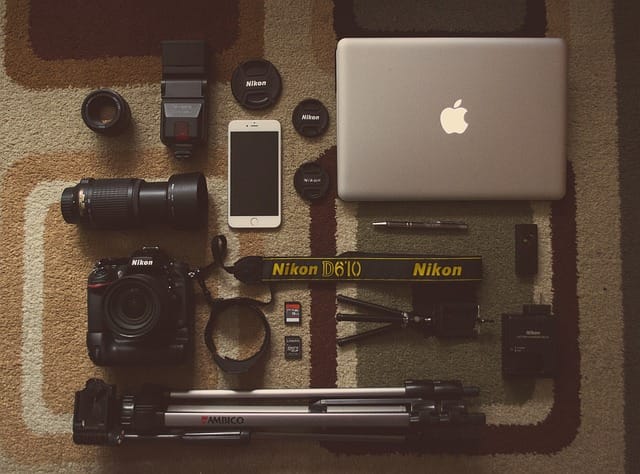
Choosing the right travel photography accessories can transform your photography experience, allowing you to capture stunning images while traveling efficiently and safely. From protective gear to versatile lenses, tripods, and storage solutions, each accessory plays a crucial role in improving your workflow and enhancing photo quality.
Key Takeaways for Selecting Travel Photography Accessories
- Match Gear to Your Travel Style
- Adventure travelers benefit from rugged, weatherproof accessories.
- Urban explorers prioritize lightweight, discreet gear for street photography.
- Wildlife photographers need telephoto lenses, camouflage, and remote triggers.
- Backpackers focus on minimalist, multi-purpose gear.
- Adventure travelers benefit from rugged, weatherproof accessories.
- Prioritize Protection and Durability
- Padded camera bags, rain covers, and protective skins safeguard your investment.
- Weather-resistant gear ensures your equipment performs well in harsh environments.
- Padded camera bags, rain covers, and protective skins safeguard your investment.
- Optimize Packing and Organization
- Use dedicated compartments, packing cubes, and modular bags.
- Keep frequently used items accessible and backup gear well-organized.
- Use dedicated compartments, packing cubes, and modular bags.
- Invest in Multi-Purpose Accessories
- A Gorillapod can function as a tripod, clamp, or stabilizer.
- LED panels can act as continuous lighting for video and portraits.
- All-in-one lenses reduce the need to carry multiple lenses.
- A Gorillapod can function as a tripod, clamp, or stabilizer.
- Digital Backup is Essential
- Carry extra memory cards, portable SSDs, and consider cloud storage for long trips.
- Label and organize files to avoid confusion and data loss.
- Carry extra memory cards, portable SSDs, and consider cloud storage for long trips.
Pro Tips for Travel Photography Success
- Test Your Gear Before You Travel: Ensure tripods, bags, and accessories are comfortable and functional.
- Plan for Environmental Conditions: Anticipate rain, dust, or snow and pack appropriate protective gear.
- Balance Quality and Portability: Don’t sacrifice photo quality for lightness, but avoid overpacking.
- Learn from Case Studies: Study professional travel photographers to see how they balance gear selection and mobility.
Example: Professional travel photographer Alex Reynolds traveled across Patagonia with a mirrorless camera, wide-angle lens, foldable tripod, and compact backpack. The right travel photography accessories allowed him to capture sharp long-exposure shots, wildlife moments, and vast landscapes without carrying excessive weight.
Quick Reference: Essential Accessories for Any Trip
| Accessory Type | Purpose | Recommended Examples |
| Camera Bag / Backpack | Protect and organize gear | Lowepro ProTactic, Peak Design Everyday Backpack |
| Lenses | Capture various perspectives | 24-105mm zoom, 35mm prime, 70-200mm telephoto |
| Tripod / Stabilizer | Stability and smooth shots | Manfrotto BeFree, Joby Gorillapod, DJI Ronin-S |
| Memory Cards / Storage | Backup and expand storage | SanDisk Extreme Pro, Samsung T7 SSD |
| Batteries / Power Banks | Ensure uninterrupted shooting | Anker PowerCore, Canon LP-E6N |
| Camera Protection / Weather | Safeguard against damage & elements | Rain covers, lens caps, camera skins |
| Lighting / Flash | Improve photo quality in varied lighting | Lume Cube LED, Neewer flash kit, collapsible reflector |
Final Thoughts
Investing in the right travel photography accessories is an investment in your ability to tell compelling visual stories. Proper selection, organization, and maintenance of your gear allow you to focus on creativity, not logistics, whether you’re capturing bustling city streets, remote landscapes, or wildlife in the wild.
By combining durable, multi-purpose accessories with smart packing, digital backups, and tailored gear for your travel type, you’ll maximize efficiency, enhance image quality, and ensure a stress-free photography experience.
Travel photography isn’t just about equipment—it’s about preparation, creativity, and capturing moments that last a lifetime. The right accessories help you do just that.