

Choosing the right wedding photography lenses is one of the most crucial decisions a photographer can make. The difference between a stunning wedding album and a collection of mediocre images often comes down to the lenses used. While cameras capture the image, it’s the lens that defines the look, feel, and emotion of each shot.
Weddings are dynamic events filled with fleeting moments—emotional vows, laughter-filled dances, intricate decor, and candid guest interactions. Capturing these requires lenses that can handle low-light conditions, fast movement, wide compositions, and intimate close-ups. For instance:
- A fast 85mm f/1.4 prime lens allows for portraits with creamy bokeh, isolating the couple beautifully against the background.
- A versatile 24-70mm f/2.8 zoom lens is perfect for moving between wide environmental shots and close-ups without needing to change lenses constantly.
- A macro lens lets you capture details like wedding rings, invitation cards, and floral arrangements in sharp, artistic focus.
Why Lenses Matter More Than Cameras
Even the most expensive camera cannot compensate for a poor lens. Lenses impact:
- Image Sharpness – High-quality glass delivers crisp images essential for prints and large-format albums.
- Depth of Field Control – Lenses allow you to blur backgrounds, create a sense of depth, and highlight subjects.
- Low-Light Performance – Wide-aperture lenses enable shooting in dimly lit venues like churches, candlelit receptions, or evening events.
- Creative Storytelling – Different focal lengths allow for storytelling through perspective, whether capturing the grandeur of the venue or a close-up of the bride’s tears.
Key Benefits of Understanding Wedding Photography Lenses
Photographers who understand their lenses can:
- Capture Emotional Moments Discreetly – Telephoto lenses allow candid photography without interrupting the ceremony.
- Work Efficiently – Knowing which lens to use for each scenario reduces missed shots.
- Improve Image Quality – Sharp, high-quality lenses enhance details, textures, and colors.
- Adapt to Any Venue or Lighting – From bright outdoor gardens to low-light banquet halls, the right lens ensures consistent results.
- Tell a Complete Story – Combining multiple lenses allows for comprehensive coverage: wide venue shots, intimate portraits, and intricate detail photography.
Expanded Key Points You’ll Learn in This Guide
- How to select lenses based on shooting style and venue
- Detailed insights into prime, zoom, and specialty lenses
- Professional recommendations for ceremony, reception, and portrait lenses
- Techniques to maximize lens performance
- Common mistakes to avoid when selecting lenses
- Lens care and maintenance tips to ensure reliability throughout long wedding days
Whether you are a beginner preparing for your first wedding or a seasoned professional looking to upgrade your lens kit, understanding wedding photography lenses is crucial for capturing every treasured moment beautifully.
✅ Pro Tip: Many professional wedding photographers recommend starting with two lenses—one versatile zoom for coverage and one prime for portraits. This simple setup allows you to capture every aspect of a wedding without being overwhelmed by gear.
What Are Wedding Photography Lenses?
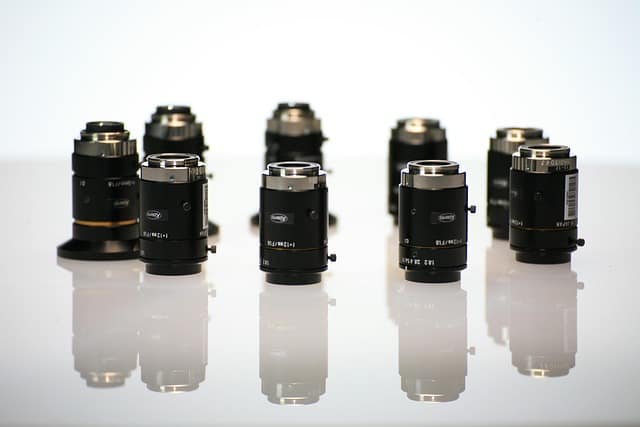
Understanding wedding photography lenses is fundamental for capturing high-quality images that tell a story. Simply put, a lens is the component of a camera that focuses light onto the sensor, shaping the image’s clarity, depth, and perspective. While a camera body records the photo, it’s the lens that defines the image’s quality, mood, and storytelling potential.
Why Lenses Matter in Wedding Photography
In wedding photography, moments are fleeting. From the first kiss to the final dance, photographers need lenses that can adapt to changing environments and lighting conditions. The right lens allows you to:
- Control Depth of Field: A lens with a wide aperture (f/1.2 – f/2.8) can create shallow depth of field, making subjects pop against a beautifully blurred background.
- Capture Sharpness and Detail: High-quality glass delivers sharp, clear images ideal for large prints and albums.
- Handle Challenging Light Conditions: Fast lenses enable shooting in dimly lit churches, receptions, or evening outdoor ceremonies without using disruptive flash.
- Frame Your Story: Wide-angle lenses capture the scale of venues and group shots, while telephoto lenses let you capture candid moments discreetly.
For example, using an 85mm f/1.4 lens for bridal portraits creates flattering compression for faces, while a 16-35mm wide-angle lens allows capturing the entire wedding venue and decorations in a single frame.
Key Lens Terms Every Wedding Photographer Should Know
Familiarity with lens terminology is crucial for choosing the right wedding photography lenses. Here’s a breakdown of the most important terms:
| Term | Meaning | Importance for Wedding Photography |
| Focal Length | Distance between the lens and the image sensor (mm) | Determines framing and perspective; 35mm for environmental portraits, 85mm for close-up portraits |
| Aperture | Size of the lens opening (f-stop) | Wide apertures (f/1.2 – f/2.8) improve low-light performance and create bokeh |
| Prime Lens | Lens with a fixed focal length | Sharper images and better low-light performance for portraits |
| Zoom Lens | Lens with variable focal lengths | Flexible framing without switching lenses; ideal for ceremonies and receptions |
| Full-Frame vs. Crop Sensor | Camera sensor size | Full-frame sensors capture more light and detail, influencing lens choice |
| Bokeh | Quality of out-of-focus background | Adds artistic blur to portraits, enhancing visual appeal |
| Image Stabilization (IS/VR/OSS) | Reduces motion blur | Essential for handheld shots in low-light or fast-moving scenarios |
Case Study: Lens Impact on Wedding Photography
A professional photographer covering a winter wedding in a dimly lit cathedral noticed significant differences based on lens choice:
- Using a 24-70mm f/2.8 Zoom: Allowed quick adjustments between wide group shots and mid-range portraits but struggled slightly with extremely low light without bumping ISO.
- Switching to a 50mm f/1.2 Prime: Enabled stunning low-light portraits with creamy background blur and minimal noise, capturing intimate moments beautifully.
- Adding a 16-35mm Wide-Angle: Captured the venue architecture and large group photos without distortion, giving a sense of scale and grandeur.
Insight: Choosing lenses that match the lighting, environment, and subject distance ensures sharper, more compelling images, highlighting why lens knowledge is crucial.
Why Understanding Lenses Matters More Than Camera Bodies
While a high-end camera can offer better resolution and dynamic range, the lens often has a greater effect on image quality. A sharp, fast lens can:
- Enhance portrait clarity and smooth skin tones
- Improve low-light performance without relying on flash
- Provide creative control over depth of field and composition
Investing in the right wedding photography lenses is therefore more impactful than upgrading the camera body alone.
✅ Pro Tip: Always test lenses in the type of lighting and environments you’ll be shooting. Understanding how each lens behaves helps avoid surprises during the actual wedding day.
Types of Lenses for Wedding Photography
Choosing the right wedding photography lenses is essential because different lenses serve different purposes. Understanding which lens to use for portraits, ceremonies, receptions, and details can elevate your work from ordinary to extraordinary. Here’s an in-depth look at the main types of lenses and how professionals use them.
Prime Lenses for Weddings
Prime lenses have a fixed focal length, which means you can’t zoom in or out. Despite this limitation, they are a favorite among professional wedding photographers because they offer:
- Exceptional Sharpness – Fixed focal lengths provide higher clarity compared to zoom lenses.
- Wide Apertures – Lenses like the 50mm f/1.2 or 85mm f/1.4 allow more light in, ideal for low-light environments like dim churches or evening receptions.
- Beautiful Bokeh – Wide apertures help create a creamy, artistic blur in the background, making subjects stand out.
- Lightweight and Portable Design – Easier to carry during long wedding days, reducing fatigue.
Popular Prime Lens Focal Lengths for Wedding Photography:
| Focal Length | Best Use | Key Benefits | Example Lens |
| 35mm | Environmental portraits, wide shots | Captures context without distortion | Canon 35mm f/1.4L II |
| 50mm | Candid shots, medium portraits | Natural perspective, versatile | Nikon 50mm f/1.8G |
| 85mm | Close-up portraits | Flattering facial compression, creamy bokeh | Sony 85mm f/1.4 GM |
Pro Tip: Primes require moving physically to frame your subject, which encourages more creative composition and storytelling.
Zoom Lenses for Weddings
Zoom lenses offer variable focal lengths, providing flexibility to capture multiple types of shots without switching lenses. They are particularly useful for:
- Capturing ceremonies from a distance without being intrusive
- Switching between wide group shots and tighter portraits quickly
- Adapting to fast-moving events, such as the first dance or bouquet toss
Recommended Zoom Lenses for Weddings:
| Zoom Lens | Focal Length | Best Use | Key Benefit |
| Canon 24-70mm f/2.8 | 24-70mm | Ceremony coverage, general portraits | Versatile all-in-one lens, excellent sharpness |
| Nikon 70-200mm f/2.8 | 70-200mm | Candid shots, distant subjects | Telephoto compression, perfect for unobtrusive shooting |
| Sony 24-70mm f/2.8 GM | 24-70mm | Portraits, ceremony, reception | High-quality optics, wide-to-medium coverage |
Pro Tip: Zoom lenses are ideal for photographers starting in weddings because they allow versatility without needing multiple lenses immediately.
Specialty Lenses for Wedding Photography
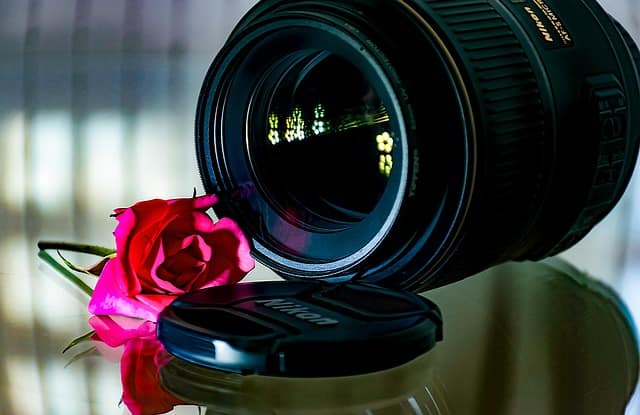
Sometimes, standard prime or zoom lenses are not enough. Specialty lenses help you capture unique creative shots or details that elevate your portfolio:
- Macro Lenses: Perfect for small details like rings, flowers, invitations, and jewelry. Example: Canon 100mm f/2.8 Macro.
- Wide-Angle Lenses: Great for large group shots, venue architecture, and environmental portraits. Example: Nikon 16-35mm f/2.8.
- Tilt-Shift Lenses: Allow perspective correction and creative compositions, particularly for architectural shots of venues.
Pro Tip: A single specialty lens can dramatically enhance your wedding coverage by capturing shots others may miss.
Why You Might Need Multiple Lenses
Professional wedding photographers typically carry 2–4 lenses to cover every scenario:
- Primary Zoom Lens (24-70mm) – Covers most shots during the ceremony and reception.
- Prime Lens (50mm or 85mm) – Ideal for portraits and low-light situations.
- Telephoto Zoom (70-200mm) – Discreet candid shots from a distance.
- Specialty Lens (Macro or Wide-Angle) – Captures details and venue context.
Using multiple lenses ensures no moment is missed and allows the photographer to switch quickly based on the scene, light, or subject.
Mini Case Study: Lens Choice in Action
At a summer outdoor wedding:
- Ceremony: The photographer used a 24-70mm zoom to cover the vows and wide family shots.
- Portraits: Switched to an 85mm prime for crisp portraits with smooth background blur.
- Reception: Used a 35mm f/1.4 prime for low-light dancing and candid moments.
- Detail Shots: Macro lens captured the rings, cake, and flower arrangements.
Outcome: The combination of lenses allowed complete coverage with sharp, creative, and professional-quality images throughout the day.
How to Choose the Best Lenses for Wedding Photography
Selecting the right wedding photography lenses is not just about buying the most expensive gear—it’s about understanding your style, the venue, lighting conditions, and the moments you want to capture. Making informed choices ensures you capture every detail with precision and creativity.
Factors to Consider When Choosing Wedding Lenses
1. Shooting Style
Your photography style dictates which lenses will work best:
- Candid/Documentary Style: If you focus on storytelling, capturing unposed moments, zoom lenses like 24-70mm f/2.8 or 70-200mm f/2.8 allow quick adjustments and discreet shooting.
- Traditional/Formal Portrait Style: Wide-aperture prime lenses like 85mm f/1.4 create flattering portraits with creamy bokeh for posed shots.
- Editorial/Artistic Style: Specialty lenses such as tilt-shift or macro lenses help create unique compositions and detailed shots.
2. Venue and Lighting Conditions
The environment strongly affects lens choice:
- Indoor Low-Light Venues: Churches or dim reception halls require lenses with wide apertures (f/1.2 – f/2.8) to maintain sharpness without increasing ISO too much.
- Outdoor Venues: Daytime gardens or beaches allow more flexibility. Wide-angle lenses capture scenic backgrounds, while medium primes (50mm – 85mm) work well for portraits.
- Mixed Lighting: Receptions often have colorful lights, candles, or moving spotlights. Lenses with fast apertures and image stabilization are essential for clean, sharp shots.
3. Budget Considerations
Lenses vary widely in price, from budget-friendly to professional-grade:
| Lens Type | Price Range | Notes |
| Entry-Level Prime (50mm f/1.8) | $125 – $250 | Lightweight, affordable, excellent for portraits and low-light |
| Mid-Range Zoom (24-70mm f/2.8) | $1,200 – $1,800 | Versatile all-in-one lens, ideal for ceremony and reception coverage |
| Professional Prime (85mm f/1.4) | $1,200 – $1,800 | Perfect for portraits and artistic shots |
| Specialty Lenses (Macro/Tilt-Shift) | $900 – $2,500 | Capture details, architectural shots, or creative compositions |
Pro Tip: Beginners should start with two high-quality lenses—a versatile zoom and a prime lens. This covers almost all scenarios without breaking the bank.
Key Lens Features That Matter
- Aperture Size: Wide apertures let in more light, improve low-light performance, and create background blur (bokeh).
- Image Stabilization (IS/VR/OSS): Reduces blur from handheld shots, particularly useful for long focal lengths or dim lighting.
- Autofocus Speed and Accuracy: Fast, reliable autofocus ensures you don’t miss fleeting moments like the first kiss or emotional speeches.
- Build Quality and Weather Sealing: Weddings can be unpredictable. Durable, weather-sealed lenses prevent damage from rain, dust, or spills.
- Weight and Portability: Lightweight lenses reduce fatigue during long days, but heavier telephoto lenses may be necessary for certain shots.
Comparing Prime vs. Zoom Lenses for Weddings
| Feature | Prime Lenses | Zoom Lenses |
| Sharpness | Extremely sharp, ideal for portraits | Slightly less sharp, but very versatile |
| Flexibility | Fixed focal length; requires moving | Variable focal lengths, adjust framing easily |
| Low-Light Performance | Wide apertures (f/1.2 – f/1.8) | Typically f/2.8, less light intake |
| Weight | Lightweight | Often heavier, especially telephoto zooms |
| Cost | Affordable per focal length | Expensive, but covers multiple scenarios |
Pro Photographer Advice
“Your lens choice should reflect your style more than gear obsession. A versatile 24-70mm zoom covers most scenarios, while a sharp 85mm prime elevates your portraits. Using them strategically ensures you capture every moment beautifully.”
— Emily Johnson, professional wedding photographer
Planning Your Lens Setup for a Wedding
Most professionals use a strategic combination of lenses:
- Primary Lens: 24-70mm f/2.8 for ceremony and general coverage.
- Secondary Lens: 85mm or 50mm prime for portraits and low-light situations.
- Specialty Lens: Macro for rings, flowers, and small details; Wide-angle for group shots and venue photography.
- Optional Telephoto Zoom: 70-200mm for discreet candid shots and compressing the scene.
✅ Pro Tip: Always rehearse your lens swaps during pre-wedding shoots to minimize missed moments on the actual day.
Top Wedding Photography Lenses Recommended by Professionals
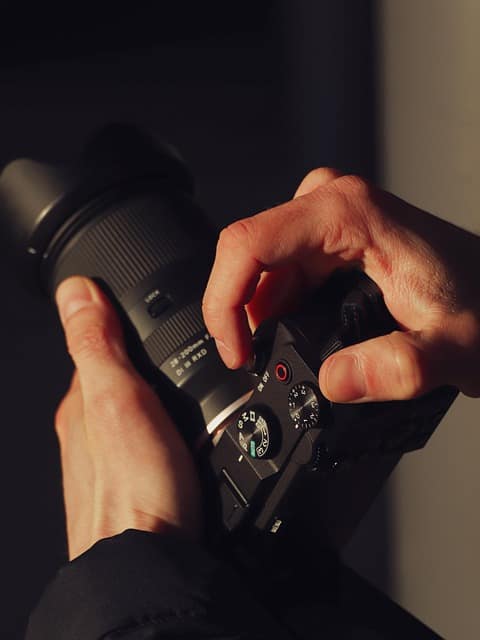
When it comes to wedding photography lenses, professionals rely on a combination of primes, zooms, and specialty lenses to cover every moment—from intimate close-ups to grand venue shots. Here’s a detailed breakdown of the top lenses used by experts, why they’re favored, and how they’re applied in real weddings.
Best Lenses for Portraits
Portraits are the cornerstone of wedding photography. To capture flattering, expressive images, professionals often use lenses with:
- Wide apertures (f/1.2 – f/1.8) for shallow depth of field and creamy bokeh
- Medium focal lengths (50mm – 85mm) for natural perspective and flattering facial compression
Recommended Portrait Lenses:
| Lens | Focal Length | Aperture | Why Professionals Love It | Approx. Price |
| Canon EF 85mm f/1.4L IS | 85mm | f/1.4 | Creamy bokeh, ideal for bridal portraits | $1,599 |
| Nikon 85mm f/1.8G | 85mm | f/1.8 | Lightweight, excellent low-light performance | $499 |
| Sony 50mm f/1.2 GM | 50mm | f/1.2 | Incredible low-light performance, versatile | $1,498 |
| Sigma 35mm f/1.4 Art | 35mm | f/1.4 | Wide environmental portraits, sharp and detailed | $699 |
Pro Tip: Prime lenses are excellent not only for portraits but also for capturing rings, bouquets, and emotional moments due to their sharpness and shallow depth of field.
Best Lenses for Ceremony Coverage
Ceremonies require wide coverage and discreet shooting. Zoom lenses are preferred because they allow photographers to:
- Quickly adjust framing without moving around
- Capture distant moments without being intrusive
- Switch between wide shots of the altar and tight close-ups of the couple
Recommended Ceremony Lenses:
| Lens | Focal Length | Aperture | Best Use | Approx. Price |
| Canon 24-70mm f/2.8L II | 24-70mm | f/2.8 | Covers wide and medium shots | $1,699 |
| Nikon 70-200mm f/2.8 | 70-200mm | f/2.8 | Telephoto candid shots | $2,096 |
| Sony 24-70mm f/2.8 GM | 24-70mm | f/2.8 | Ceremony, portraits, reception | $2,198 |
Pro Tip: Use a 24-70mm zoom for general coverage and a 70-200mm telephoto for candid reactions from a distance.
Best Lenses for Reception and Low-Light Photography
Receptions often feature dim lighting, colorful lights, and fast-moving subjects. Photographers rely on fast prime lenses to handle these challenges:
Recommended Reception Lenses:
| Lens | Focal Length | Aperture | Best Use | Approx. Price |
| Canon 35mm f/1.4L II | 35mm | f/1.4 | Dance floor and environmental shots | $1,599 |
| Nikon 50mm f/1.2 | 50mm | f/1.2 | Low-light portraits and candids | $1,396 |
| Sony 85mm f/1.4 GM | 85mm | f/1.4 | Close-ups of the couple, guests, and details | $1,498 |
Fun Fact: Many professional photographers shoot receptions almost entirely with prime lenses, avoiding flash to maintain the natural ambiance of the scene.
Budget-Friendly Options for Beginners
High-quality wedding lenses can be expensive, but there are excellent budget-friendly options for photographers just starting:
- Canon 50mm f/1.8 STM – Affordable, lightweight, excellent for portraits and low-light shots.
- Nikon 35mm f/1.8G – Great for environmental shots and wide-angle portraits.
- Tamron 24-70mm f/2.8 – Versatile zoom covering most wedding scenarios at a lower price point.
Pro Tip: Beginners can achieve professional results with two lenses: a prime (50mm f/1.8) and a versatile zoom (24-70mm f/2.8). This setup handles almost every wedding scenario.
Summary Table: Recommended Wedding Photography Lenses by Scenario
| Scenario | Lens Type | Recommended Models | Key Feature | Price Range |
| Portraits | Prime | 85mm f/1.4, 50mm f/1.2 | Flattering bokeh, low-light performance | $499 – $1,599 |
| Ceremony | Zoom | 24-70mm f/2.8, 70-200mm f/2.8 | Flexible framing, unobtrusive | $1,699 – $2,198 |
| Reception | Prime | 35mm f/1.4, 50mm f/1.2 | Sharp images, excellent low-light | $1,396 – $1,599 |
| Details & Close-Ups | Macro | 100mm f/2.8 | Sharp, artistic focus for rings, flowers | $699 – $1,099 |
| Wide Venue Shots | Wide-Angle | 16-35mm f/2.8 | Captures entire venues or large groups | $1,199 – $1,999 |
Mini Case Study: Real Wedding Lens Setup
At a summer outdoor wedding, the photographer used:
- 24-70mm Zoom: General coverage for ceremony and group shots
- 85mm Prime: Crisp, emotional portraits with creamy bokeh
- 35mm Prime: Low-light reception shots and candid dancing
- Macro Lens: Captured rings, table décor, and bouquet details
Outcome: Every critical moment was captured with professional clarity, showing how combining multiple lenses maximizes coverage and creativity.
Tips for Using Wedding Photography Lenses Effectively
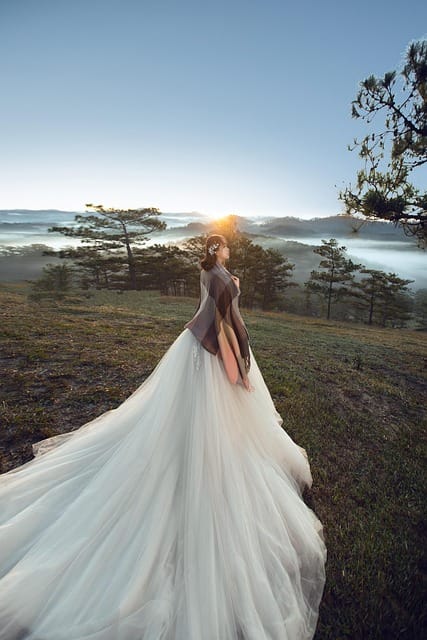
Even the best wedding photography lenses won’t deliver perfect results without proper technique. Understanding composition, lighting, lens behavior, and creative framing is essential for capturing professional-quality images that tell a complete story. Here’s a detailed guide to using your lenses effectively.
1. Master Lens Techniques for Stunning Shots
- Wide vs. Tight Shots:
- Use wide-angle lenses (16-35mm) for capturing venues, large groups, and environmental portraits.
- Switch to medium or telephoto lenses (50mm – 200mm) for portraits or candid close-ups to isolate subjects and create intimacy.
- Use wide-angle lenses (16-35mm) for capturing venues, large groups, and environmental portraits.
- Using Bokeh Creatively:
- Lenses with wide apertures (f/1.2 – f/2.8) create beautiful background blur.
- Keep your subject away from the background and focus precisely to enhance the effect.
- Example: An 85mm f/1.4 prime lens can make a bride and groom pop beautifully against a blurred crowd.
- Lenses with wide apertures (f/1.2 – f/2.8) create beautiful background blur.
- Capturing Candid Moments Discreetly:
- Telephoto lenses (70-200mm) allow you to photograph guests without being intrusive.
- Ideal for emotional reactions, such as the first kiss, laughter, or speeches.
- Telephoto lenses (70-200mm) allow you to photograph guests without being intrusive.
- Shooting in Low Light:
- Fast primes like 35mm f/1.4 or 50mm f/1.2 perform well in dimly lit churches or reception halls.
- Reduces the need for flash, maintaining a natural and authentic ambiance.
- Fast primes like 35mm f/1.4 or 50mm f/1.2 perform well in dimly lit churches or reception halls.
2. Lens Maintenance and Care During Weddings
- Clean Lenses Before Every Shoot: Dust or smudges can ruin sharpness. Carry a microfiber cloth and lens cleaning solution.
- Use Lens Hoods: Prevents lens flare from sunlight or artificial lights, improving image quality.
- Carry Backup Lenses: Always have at least one backup lens in case of malfunction.
- Weather Protection: Use weather-sealed lenses or protective covers for outdoor weddings in rain, wind, or dust.
- Lens Caps: Keep them handy when changing lenses, especially outdoors.
3. Combining Multiple Lenses During a Wedding
Professional photographers rarely rely on a single lens. Strategic lens switching ensures complete coverage:
| Event Stage | Recommended Lens | Purpose |
| Ceremony | 24-70mm Zoom | Wide to medium shots of couple and family |
| Ceremony | 70-200mm Telephoto | Candid reactions from a distance |
| Portraits | 50mm / 85mm Prime | Crisp portraits with creamy bokeh |
| Reception | 35mm Prime | Low-light dancing and candid moments |
| Details | Macro | Rings, flowers, table décor |
Pro Tip: Pre-plan your lens usage. Knowing which lens is ideal for each part of the wedding minimizes missed moments and wasted time.
4. Experiment and Understand Your Lenses
- Test in Similar Lighting Conditions: Before the wedding, practice in dim rooms, outdoor sunlight, and mixed lighting to understand lens performance.
- Understand Distortion: Wide-angle lenses can distort faces and objects up close; learn how to frame appropriately.
- Play with Depth of Field: Adjust your aperture to creatively isolate subjects or include environmental context.
- Experiment with Angles and Perspective: Move around and try different heights and angles to capture unique compositions.
5. Additional Professional Tips
- Keep Lenses Mounted When Possible: Switching lenses frequently can introduce dust into your camera sensor.
- Use Two Cameras if Possible: Some pros use one camera with a zoom and another with a prime lens to avoid constantly switching lenses.
- Stay Light on Your Feet: Long focal lengths can be heavy; plan your movement to avoid fatigue.
- Mind the Background: Even with wide-aperture lenses, a distracting background can ruin a perfect shot.
✅ Pro Photographer Quote:
“Understanding how your lenses behave in different lighting and distances is as important as knowing your camera settings. It allows you to capture moments creatively without interrupting the flow of the day.” — Daniel Martinez, wedding photographer
Frequently Asked Questions About Wedding Photography Lenses
Choosing the right wedding photography lenses can be confusing, especially for beginners. Here are the most common questions photographers have, answered with practical examples and detailed guidance.
1. Which lens is best for wedding photography?
There’s no single “best” lens—it depends on your shooting style, venue, and lighting conditions.
- Portrait-focused photographers: 85mm f/1.4 or 50mm f/1.2 primes for stunning bokeh and sharp portraits.
- Documentary/candid shooters: 24-70mm f/2.8 zoom for flexible framing without constantly changing lenses.
- Low-light environments: 35mm f/1.4 or 50mm f/1.2 primes for clean, low-noise images without flash.
Pro Tip: Combining a versatile zoom with a fast prime covers almost all wedding scenarios efficiently.
2. How many lenses do professional wedding photographers use?
Most professionals carry 2–4 lenses to cover all situations:
| Lens | Purpose |
| 24-70mm f/2.8 Zoom | Ceremony, group shots, mid-range portraits |
| 70-200mm f/2.8 Telephoto | Candid shots from a distance |
| 50mm / 85mm Prime | Portraits, low-light situations |
| Macro or Wide-Angle | Rings, flowers, venue context |
Insight: This setup ensures no moment is missed, and photographers can switch lenses based on the scene, lighting, or subject.
3. Can I shoot a wedding with only a zoom lens?
Yes, but there are limitations:
- A 24-70mm f/2.8 zoom is versatile and covers most situations.
- Limitations: Wide-aperture primes provide better low-light performance and more artistic bokeh for portraits.
- Beginners often start with a single zoom lens, but adding one or two primes enhances image quality and creative options.
4. What’s the best lens for low-light wedding photography?
- Prime lenses with wide apertures are ideal:
- 35mm f/1.4
- 50mm f/1.2
- 85mm f/1.4
- 35mm f/1.4
- Benefits: Capture sharp images in dimly lit churches, receptions, or evening outdoor weddings without flash.
- Fast lenses also help prevent motion blur during dances or moving guests.
Pro Tip: Combine wide-aperture primes with cameras that have good high-ISO performance for optimal low-light results.
5. Should I invest in prime or zoom lenses first?
- Zoom lenses: Best for beginners due to versatility; allows capturing various shots without constantly changing lenses.
- Prime lenses: Ideal once you want sharper images, better low-light performance, and artistic bokeh.
- Professional advice: Start with a 24-70mm zoom, then add a 50mm or 85mm prime for portraits and low-light shooting.
6. Are specialty lenses necessary for weddings?
- Macro lenses: Essential for close-ups of rings, floral arrangements, and fine details.
- Wide-angle lenses: Capture large group shots, venues, or scenic outdoor weddings.
- Tilt-shift lenses: Optional, mainly for creative architectural compositions.
Case Example: A photographer using a 100mm macro lens captured sharp, detailed images of wedding rings and table décor that elevated the client’s album quality.
7. How do I choose lenses based on the venue?
| Venue Type | Recommended Lenses | Notes |
| Church / Low-Light | 50mm f/1.2, 35mm f/1.4 | Wide-aperture primes avoid flash, capture ambient light |
| Outdoor / Garden | 35mm f/1.4, 24-70mm f/2.8 | Wide-angle for environment, zoom for flexible framing |
| Reception / Ballroom | 35mm f/1.4, 85mm f/1.4 | Low-light performance, tight portraits, candid shots |
| Large Venue / Hotel | 16-35mm, 24-70mm | Wide-angle lenses capture venue scale and group shots |
✅ Pro Photographer Advice:
“Selecting lenses for a wedding is about balancing flexibility and creativity. Start with one versatile zoom for coverage, add a prime for portraits, and consider specialty lenses for unique shots.”
— Samantha Lee, professional wedding photographer
Conclusion
Choosing the right wedding photography lenses is one of the most important decisions a photographer can make. The right lenses allow you to capture every moment, emotion, and detail with clarity, depth, and artistic creativity. From intimate close-ups to grand venue shots, each lens plays a vital role in telling a couple’s unique story.
Key Takeaways for Choosing Wedding Photography Lenses
- Understand Your Style:
- Portrait-focused? Use prime lenses with wide apertures for creamy bokeh.
- Candid/documentary style? Zoom lenses offer flexibility for changing scenes.
- Portrait-focused? Use prime lenses with wide apertures for creamy bokeh.
- Consider Venue and Lighting Conditions:
- Low-light venues: Use f/1.2–f/2.8 primes to avoid flash and maintain ambiance.
- Outdoor weddings: Wide-angle lenses capture scenic surroundings.
- Mixed-light receptions: Fast primes and image-stabilized zooms prevent blur.
- Low-light venues: Use f/1.2–f/2.8 primes to avoid flash and maintain ambiance.
- Balance Prime and Zoom Lenses:
- Zoom lenses provide flexibility for wide and medium shots.
- Prime lenses deliver sharper images, better low-light performance, and beautiful bokeh.
- Zoom lenses provide flexibility for wide and medium shots.
- Plan Your Lens Setup:
- Most professionals carry 2–4 lenses: a versatile zoom, one or two primes, and optionally a specialty lens.
- Pre-plan lens usage for each part of the wedding to avoid missed moments.
- Most professionals carry 2–4 lenses: a versatile zoom, one or two primes, and optionally a specialty lens.
- Practice and Experiment:
- Test your lenses in lighting conditions similar to the wedding.
- Experiment with different focal lengths, perspectives, and angles.
- Test your lenses in lighting conditions similar to the wedding.
- Invest in Lens Quality:
- High-quality lenses impact image sharpness and color reproduction more than camera upgrades.
- Consider durability and weather-sealing for outdoor or long-duration events.
- High-quality lenses impact image sharpness and color reproduction more than camera upgrades.
Pro Tips for Wedding Photographers
- Carry a backup lens or camera to avoid technical failures during the wedding.
- Use two cameras with different lenses for seamless coverage.
- Always pay attention to backgrounds and framing to maximize lens potential.
- Clean lenses and sensor frequently to maintain image quality throughout the day.
Summary Table: Recommended Lenses by Use Case
| Scenario | Lens Type | Recommended Lenses | Purpose |
| Portraits | Prime | 50mm f/1.2, 85mm f/1.4 | Sharp, creamy bokeh for intimate portraits |
| Ceremony | Zoom | 24-70mm f/2.8, 70-200mm f/2.8 | Flexible coverage of couple and guests |
| Reception | Prime | 35mm f/1.4, 50mm f/1.2 | Low-light dancing, candid moments |
| Details | Macro | 100mm f/2.8 | Rings, flowers, invitations |
| Wide Venue Shots | Wide-Angle | 16-35mm f/2.8 | Capture entire venue or large groups |
By understanding the strengths of different lenses, practicing with them, and planning your gear setup, you can elevate your wedding photography from good to exceptional. The right combination of lenses ensures every moment—from tears and laughter to intricate details—is preserved beautifully.