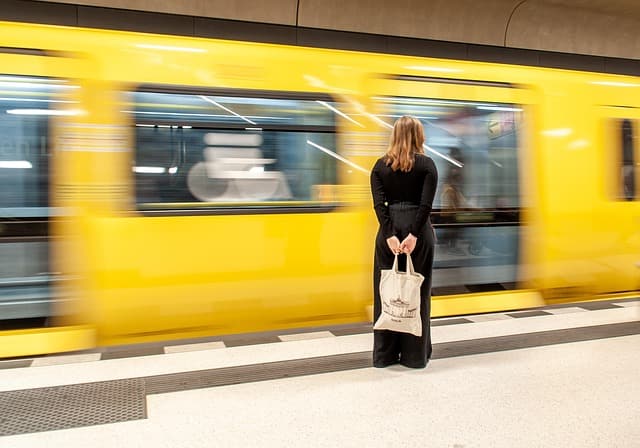


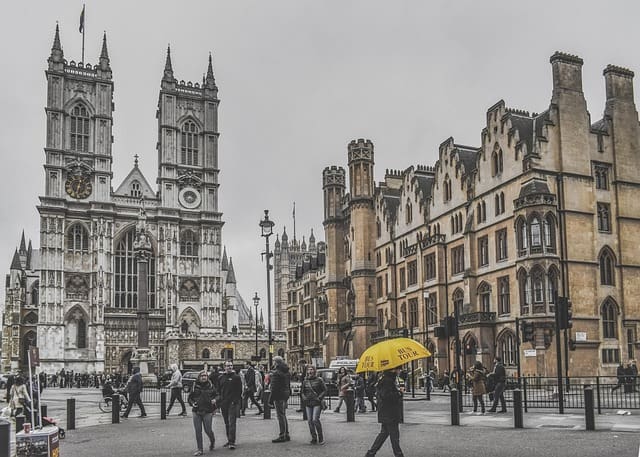
Street photography captures the energy, stories, and character of urban life, and few cities are as dynamic and diverse as London. From the bustling crowds of Oxford Street to the hidden alleyways of Shoreditch, London provides a playground for photographers of all skill levels. London street photography isn’t just about snapping random people or landmarks—it’s about telling stories through your lens, observing everyday life, and creating images that resonate with viewers.
Whether you’re a beginner trying to capture your first street scene or an experienced photographer looking to explore London in new ways, this guide will provide in-depth tips, best locations, equipment recommendations, and expert insights to help you master the art of street photography in London. We’ll also cover legal and ethical considerations, post-processing techniques, and practical advice for shooting in London’s unpredictable weather.
By the end of this article, you’ll have a complete roadmap to exploring London’s streets with your camera, understanding the nuances of urban photography, and creating compelling stories through your images.
What You’ll Learn in This Guide:
- Best locations for London street photography, including hidden gems and iconic landmarks.
- Photography tips for capturing candid moments, urban landscapes, and the city’s multicultural vibe.
- Equipment recommendations for cameras, lenses, and accessories ideal for street photography.
- Post-processing techniques to enhance your photos without losing authenticity.
- Legal and ethical considerations to shoot confidently and responsibly in London.
Why London is Unique for Street Photography:
| Factor | Why It Matters for Street Photography |
| Diversity | London’s multicultural population provides endless candid storytelling opportunities. |
| Architecture | From historical landmarks to modern skyscrapers, varied architecture creates dynamic compositions. |
| Events & Culture | Street festivals, markets, and performers add vibrancy to photographs. |
| Weather & Light | London’s changing weather allows for dramatic lighting and moody atmospheres. |
Fun Fact: According to a 2023 study by the British Journal of Photography, London ranks as one of the top 5 cities globally for street photography due to its mix of culture, architecture, and street life diversity.
What is Street Photography?
Street photography is the art of capturing candid moments in public spaces. Unlike posed portraits or commercial photography, street photography focuses on the authentic, unplanned interactions between people, objects, and the urban environment. It’s about telling a story through your lens, observing the rhythms of daily life, and freezing fleeting moments that might otherwise go unnoticed. In essence, it’s life unfolding naturally in front of your camera.
In the context of London street photography, this art form takes on a unique dimension. London streets are alive with diverse cultures, historical architecture, busy commuters, street performers, and spontaneous moments that make every shot interesting. From a lone busker on South Bank to tourists exploring Covent Garden, there’s always a story waiting to be captured.
Differences Between Street Photography and Other Photography Styles
| Photography Type | Key Difference | How It Relates to London Street Photography |
| Portrait | Focuses on posed or studio images | Street photography captures unposed, natural moments of Londoners in their environment |
| Documentary | Focuses on factual storytelling | Street photography blends storytelling with artistic composition in urban settings |
| Travel Photography | Highlights places and landmarks | Street photography captures the people, culture, and mood of London streets rather than just sights |
| Event Photography | Focuses on organized events | Street photography often thrives in spontaneous moments, like busy markets or street festivals |
Why London is Ideal for Street Photography
London is a city that combines history, modernity, and diversity, making it a photographer’s playground. Key factors that make it ideal include:
- Cultural Diversity: Over 300 languages are spoken in London, creating a vibrant mix of faces, clothing styles, and street interactions perfect for candid shots.
- Iconic Landmarks & Hidden Gems: From the bustling Piccadilly Circus to the quiet alleys of Shoreditch, there’s always a unique backdrop for every shot.
- Dynamic Street Life: London’s busy markets, commuter-filled streets, and cultural festivals provide a constant flow of photographic opportunities.
- Light & Weather Variety: The city’s unpredictable weather offers everything from soft diffused light on foggy mornings to dramatic contrasts on sunny days, allowing photographers to experiment with different moods.
Expert Insight
“Street photography is about patience and observation. London is a city where every corner tells a story if you’re willing to look.” — Martin Parr, British documentary and street photographer
London street photography is not just about taking pictures; it’s about seeing life differently, noticing the small details in people, architecture, and urban life that others might overlook. Understanding the basics of street photography is the first step to mastering it in London’s vibrant environment.
History of Street Photography in London
London street photography has a rich and fascinating history, reflecting the city’s cultural, social, and architectural evolution over the decades. From early black-and-white documentary photography to today’s digital and AI-assisted street photography, London has always been a hub for capturing life as it unfolds on the streets.
Early Beginnings (1900s – 1950s)
The roots of street photography in London can be traced back to the early 20th century. Photographers like Bill Brandt captured working-class life, markets, and the social contrasts of the city in black-and-white. During this period, street photography was often documentary-focused, highlighting the daily life and struggles of Londoners.
Key Characteristics:
- Black-and-white images to capture contrast and mood
- Focus on social documentary and urban life
- Long exposure photography in crowded streets
The 1960s – 1980s: Street Photography Becomes Art
London in the post-war period experienced dramatic cultural changes, from the Swinging Sixties to the rise of punk in the 1970s. Photographers like Don McCullin and Martin Parr began exploring street photography as an art form, focusing on candid, humorous, and sometimes ironic observations of daily life.
Notable Features:
- Emphasis on social commentary and storytelling
- Capture of emerging subcultures and street fashion
- Development of iconic London street imagery
Modern Street Photography (1990s – Present)
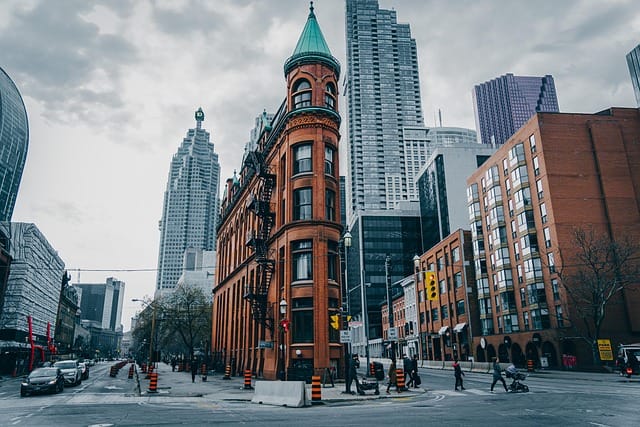
With the advent of digital cameras and social media, London street photography has become more accessible than ever. Today, photographers combine traditional techniques with digital tools, capturing vibrant color, dynamic urban life, and diverse communities.
Modern Trends:
- Use of smartphones and compact cameras for spontaneity
- Street photography workshops and community meetups in London
- Incorporation of architectural elements, reflections, and shadows
- Focus on multiculturalism, festivals, and public events
Famous London Street Photographers
- Martin Parr – Known for satirical and humorous depictions of British life
- Bruce Gilden – Focused on intense, close-up portraits on the streets
- Bill Brandt – Pioneer of black-and-white London documentary photography
- Don McCullin – Captured social realism and the city’s contrasts
London’s Influence on Street Photography
London’s unique combination of historical streets, modern architecture, and diverse population has made it a playground for photographers. Its ever-changing weather, cultural festivals, and bustling markets create endless opportunities to capture candid moments. Many contemporary street photographers cite London as a city that challenges them creatively, pushing the boundaries of composition, timing, and storytelling.
Why London is Perfect for Street Photography
London is one of the world’s most photogenic and dynamic cities, making it ideal for street photography enthusiasts. The city offers a unique blend of history, culture, and everyday life that can inspire photographers to capture truly compelling stories through their lens. Whether you’re after the hustle and bustle of crowded streets or quiet, atmospheric corners, London has something for every street photography style.
1. Iconic Landmarks and Streets
London’s landmarks are more than just tourist attractions—they serve as dynamic backdrops for street photography. Locations like Piccadilly Circus, Oxford Street, and Tower Bridge are perfect for capturing movement, light, and diverse crowds. By combining these iconic locations with candid street moments, photographers can create images that are instantly recognizable yet uniquely personal.
Tip: Focus on unexpected angles or fleeting interactions rather than standard “postcard” shots to make your photos stand out.
2. Cultural and Social Diversity
London is one of the most multicultural cities in the world, with people from over 300 nationalities. This diversity creates endless opportunities to capture varied fashion, traditions, street performances, and daily interactions. From markets in Camden and Brick Lane to street performers in Covent Garden, the variety of human activity is a goldmine for street photographers.
Fun Fact: According to a 2022 report by the Greater London Authority, over 8 million people move through London streets daily, giving photographers a constant flow of candid moments to capture.
3. Dynamic Street Life
London streets are never static. Commuters rushing through the Tube stations, cyclists weaving through traffic, and street performers entertaining crowds all make for high-energy photography opportunities. Capturing these moments requires timing, patience, and observation, which are essential skills for any street photographer.
4. Seasonal Changes and Weather
London’s unpredictable weather can dramatically change the mood of your photos. Misty mornings, rainy streets reflecting neon lights, and golden hour sunlight create unique atmospheres that can enhance storytelling. Seasonal events such as Christmas markets, Notting Hill Carnival, and summer festivals also add layers of color and cultural interest.
| Season | Street Photography Opportunities |
| Spring | Blossoming parks, outdoor markets, festivals |
| Summer | Bright sunlight, street performers, tourists |
| Autumn | Falling leaves, cozy streets, softer light |
| Winter | Rain-soaked streets, Christmas lights, long shadows |
5. Blend of Old and Modern Architecture
London’s streets combine centuries-old architecture with modern skyscrapers, allowing photographers to play with lines, symmetry, and reflections. This contrast gives depth and context to street photos, highlighting both the historical and contemporary aspects of city life.
Expert Tip: Look for intersections of old and new architecture to create compelling compositions, such as historic streets with modern glass buildings in the background.
Essential Tips for London Street Photography
Mastering London street photography requires more than just having a camera—it involves observation, patience, timing, and understanding the urban environment. Here are some practical tips and strategies to help photographers capture compelling street moments in London.
1. Observe Before You Shoot
One of the key principles of street photography is patience and observation. Spend a few minutes watching a scene before pressing the shutter. Look for interesting interactions, contrasts, or gestures that tell a story.
- Observe how people move through busy areas like Oxford Street or King’s Cross.
- Notice lighting changes, shadows, and reflections on glass or wet streets.
- Watch for spontaneous moments that create emotional impact.
2. Shoot Candidly and Respectfully
Candid photos are the essence of street photography, but it’s essential to respect people’s privacy.
Tips for candid shots in London streets:
- Use a telephoto or zoom lens to capture moments from a distance.
- Avoid drawing attention; blend in with the crowd.
- If someone notices you, be polite and smile—it often results in better candid interactions.
Legal Insight: In the UK, it is legal to photograph people in public spaces without their consent, but commercial use of such photos may require permission.
3. Master Composition Techniques
Great street photography in London isn’t just about snapping random moments—it’s about composing your shots creatively.
Essential techniques include:
- Leading Lines: Use streets, railings, or bridges to guide the viewer’s eye.
- Symmetry & Patterns: Look for repetitive architecture or crowd formations.
- Framing: Capture subjects through windows, doorways, or arches.
- Rule of Thirds: Place your subject off-center for more dynamic shots.
- Juxtaposition: Contrast modern and historical elements for storytelling.
Example: Capturing a modern cyclist passing a historic red telephone booth in London can create a visually striking contrast.
4. Understand Light and Shadow
London’s weather and light vary throughout the day, which affects the mood of your photos.
Tips for lighting in London street photography:
- Golden Hour: Early morning or late afternoon for soft, warm light.
- Overcast Days: Soft, diffused light is perfect for portrait-like street shots.
- Night Photography: Wet streets reflect neon lights, creating dramatic urban compositions.
5. Blend Into the Scene
Being unobtrusive allows you to capture authentic street moments.
- Wear neutral clothing to avoid standing out.
- Avoid using a large tripod in crowded areas.
- Familiarize yourself with local pedestrian flow to anticipate interesting moments.
6. Keep Your Gear Simple
Simplicity is key in street photography, especially in busy London areas.
- Camera: Mirrorless or compact DSLR for mobility.
- Lens: 35mm or 50mm prime lens for versatility and candid shots.
- Accessories: Minimal gear—lightweight camera bag, spare batteries, and memory cards.
Expert Quote:
“Street photography is about anticipation, empathy, and patience. The city is your canvas, and the people are your storytellers.” — Trent Parke, street photographer
Best Locations for London Street Photography
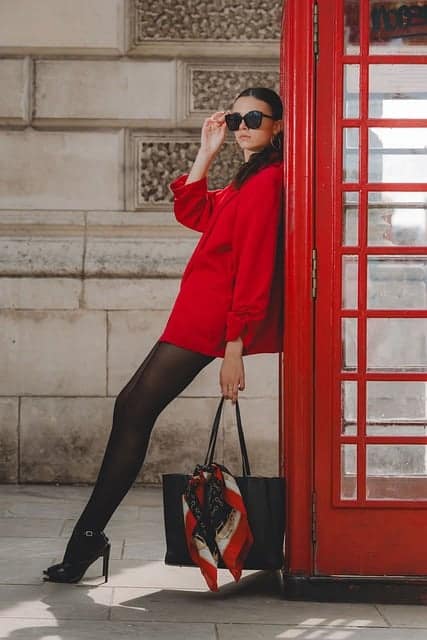
London is a city full of diverse locations and vibrant street life, offering endless opportunities for photographers. Whether you’re looking for iconic landmarks, hidden gems, or atmospheric night scenes, these areas are perfect for capturing the essence of London street photography.
1. Iconic Streets and Squares
These locations are instantly recognizable and provide high-energy street photography opportunities:
- Oxford Street: Bustling with shoppers, neon signs, and double-decker buses—perfect for capturing movement and crowd dynamics.
- Piccadilly Circus: Famous for its neon lights, massive billboards, and tourist activity. Ideal for both day and nighttime photography.
- Covent Garden: Street performers, markets, and lively crowds make it a hotspot for candid portraits.
- Leicester Square & Trafalgar Square: Perfect for capturing events, tourists, and urban interactions against historic landmarks.
Tip: Focus on spontaneous interactions rather than just the landmarks themselves to create compelling street stories.
2. Hidden Gems for Authentic London Photography
For photographers seeking less touristy, more authentic urban moments:
- Brick Lane: Known for its street art, markets, and diverse community. A great place for capturing color, culture, and urban grit.
- Shoreditch: Trendy area with graffiti, quirky shops, and bustling streets—perfect for creative compositions.
- Camden Market: Busy market stalls, performers, and eclectic crowds provide endless storytelling opportunities.
- Southbank: Riverwalks, street performers, and bridges give dynamic perspectives for urban photography.
Fun Fact: Brick Lane hosts a famous Sunday market, attracting photographers who want to capture London’s multicultural street life in action.
3. Parks and Open Spaces
London’s parks provide a mix of urban and natural elements, great for balanced street photography:
- Hyde Park & Kensington Gardens: Capture joggers, families, and tourists interacting with nature in an urban environment.
- Regent’s Park: Beautiful pathways and gardens add structure to candid shots.
- Greenwich Park: Offers scenic city views and relaxed street activity.
Tip: Use the greenery to frame your subject, creating contrast between nature and urban life.
4. Nighttime Street Photography in London
London transforms after dark, offering unique opportunities for street photography:
- Soho: Neon signs, nightlife, and bustling streets make it ideal for colorful night shots.
- Southbank & Millennium Bridge: Reflections on the Thames provide dramatic urban compositions.
- Covent Garden at night: Fewer crowds, glowing street lamps, and illuminated facades create moody shots.
Night Photography Tips:
- Use a tripod or stabilize your camera for low-light conditions.
- Shoot in RAW for better post-processing flexibility.
- Experiment with reflections on wet streets for creative effects.
5. Markets and Cultural Hotspots
London’s markets are hubs of activity and color, perfect for storytelling:
| Market | What to Photograph | Best Time |
| Borough Market | Vendors, fresh produce, busy crowds | Early morning for soft light and fewer people |
| Portobello Road Market | Antiques, street performers, tourists | Weekends for maximum activity |
| Columbia Road Flower Market | Colorful flowers, shoppers, interactions | Sunday mornings |
| Greenwich Market | Artisans, local culture, outdoor food stalls | Midday for lively scenes |
Markets offer opportunities for close-up details, candid interactions, and vibrant street compositions, making them essential for any London street photography portfolio.
Equipment for London Street Photography
Having the right equipment can make a huge difference when capturing London’s dynamic streets. While skill and observation are key, choosing gear that is lightweight, versatile, and unobtrusive will help you blend into the scene and shoot candidly. Here’s a comprehensive guide to the best tools for London street photography.
1. Cameras
Choosing the right camera depends on your style, budget, and shooting preferences:
- Mirrorless Cameras: Compact, lightweight, and fast. Ideal for candid street shots. Popular models: Sony A7 series, Fujifilm X-T series.
- DSLR Cameras: Offer excellent image quality and versatility, but can be bulkier. Recommended models: Canon EOS 90D, Nikon D7500.
- Compact Cameras: Perfect for spontaneous shooting without drawing attention. Examples: Ricoh GR III, Sony RX100 series.
Pro Tip: Mirrorless cameras are particularly suited for London street photography because they are small, quick to handle, and unobtrusive in crowded areas.
2. Lenses
Your lens choice shapes how you capture the street:
- 35mm Prime Lens: Versatile, natural perspective, great for full-body shots and environmental context.
- 50mm Prime Lens: Excellent for portraits and capturing candid moments with a slightly tighter frame.
- 24–70mm Zoom Lens: Flexible for variable scenes, perfect for markets, streets, and bridges.
Tip: Prime lenses often produce sharper images and better low-light performance, which is essential for London’s often cloudy or rainy streets.
3. Accessories
Minimal but practical accessories can enhance your street photography experience:
- Camera Bag: Lightweight, padded, and discreet to carry essentials without drawing attention.
- Extra Batteries & Memory Cards: Street photography involves a lot of shooting—always be prepared.
- Tripod or GorillaPod: Optional for night or long-exposure shots, especially along the Southbank or city bridges.
- Filters: Polarizers can reduce reflections on wet streets or glass surfaces.
4. Mobile Street Photography Tips
Modern smartphones can be surprisingly effective for street photography, especially for beginners or when traveling light:
- Use portrait mode for subject separation.
- Take advantage of night mode for low-light urban shots.
- Install editing apps like Snapseed or Lightroom Mobile to enhance images post-shoot.
- Shoot in RAW format if your phone supports it for better editing flexibility.
5. Practical Gear Tips for London
- Keep gear compact to navigate crowded streets like Oxford Street, Camden, or Tube stations.
- Avoid flashy or expensive equipment in busy areas for safety and discretion.
- Use camera straps or harnesses for quick access to your camera, which is essential for spontaneous street moments.
Summary Table: Recommended Equipment for London Street Photography
| Gear | Recommendation | Purpose |
| Camera | Mirrorless (Sony A7, Fujifilm X-T) | Lightweight, fast, unobtrusive |
| Lens | 35mm or 50mm prime | Natural perspective, low-light capability |
| Bag | Compact padded bag | Carry essentials without bulk |
| Accessories | Extra batteries, memory cards, filters | Prepare for long shoots and varied lighting |
| Mobile | iPhone Pro, Google Pixel, or equivalent | Spontaneous street shots and editing flexibility |
Post-Processing for London Street Photography
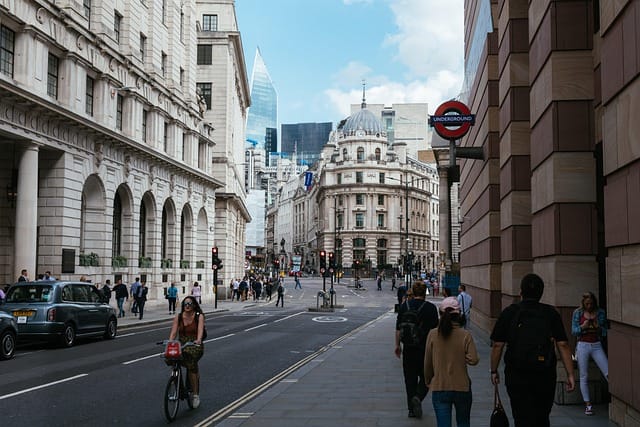
Post-processing is a crucial step in London street photography, helping you enhance your images while maintaining their authenticity. The goal isn’t to over-edit, but to bring out the mood, lighting, and story captured on the streets. Here’s a detailed guide to editing your London street photos effectively.
1. Basic Adjustments
Start with fundamental edits to correct exposure, color, and clarity:
- Exposure & Brightness: Adjust to ensure details in both shadows and highlights are visible. London’s streets often have contrasting lighting due to clouds, reflections, and artificial lights.
- Contrast: Boost contrast slightly to make elements like architecture, shadows, and pedestrians stand out.
- White Balance: Correct for the soft gray light on overcast days or the warm glow during golden hour.
- Sharpening: Enhance the edges for clarity, especially when shooting with a wide aperture that blurs background elements.
2. Color Grading and Mood
London’s streets offer different lighting and weather conditions, which can be accentuated in post-processing:
- Desaturated Tones: For moody, rainy-day photos, reduce saturation slightly to emphasize atmosphere.
- Vibrant Colors: Market scenes or neon-lit streets in Soho benefit from increased vibrancy.
- Split Toning: Apply subtle color tones to shadows and highlights for artistic effects.
Example: A red double-decker bus reflected on wet pavement can pop beautifully when shadows are tinted with cooler blue tones and highlights retain warmer colors.
3. Cropping and Composition Adjustments
Post-processing is also an opportunity to refine your composition:
- Crop to remove distractions from edges.
- Straighten lines for architectural shots.
- Use the rule of thirds to reposition subjects for more visual impact.
4. Removing Distractions
Street photography can include unwanted elements like trash bins, poles, or accidental photobombs:
- Use Photoshop or Lightroom’s healing brush or content-aware tools to remove minor distractions.
- Avoid over-editing; retain the authenticity of London’s streets.
5. Black and White Street Photography
Many photographers prefer black-and-white processing for street photography:
- Highlights textures, contrasts, and patterns in streets, buildings, and crowds.
- Ideal for overcast London days or when you want a timeless, classic feel.
- Focus on lighting, shadows, and composition rather than color.
6. Recommended Software
| Software | Best For | Notes |
| Adobe Lightroom | Exposure, color grading, cropping | Excellent for batch editing and presets |
| Adobe Photoshop | Removing distractions, detailed edits | Ideal for advanced adjustments |
| Snapseed | Mobile editing | Lightweight, great for on-the-go editing |
| Luminar Neo | Creative effects, AI-powered enhancements | Useful for subtle AI adjustments to skies or light |
Pro Tip
“Post-processing should never overpower the story. Let your images breathe, highlight the mood, and maintain the reality of the street.” — Trent Parke, street photographer
Challenges of London Street Photography
While London is an incredible city for street photography, it comes with its own set of challenges. Understanding these obstacles and how to overcome them is key to consistently capturing compelling images.
1. Crowds and Busy Streets
London’s streets, especially in areas like Oxford Street, Covent Garden, and Leicester Square, can be extremely crowded. While this provides dynamic scenes, it also makes framing and focusing on subjects difficult.
Tips to Overcome:
- Shoot during off-peak hours (early morning or late evening).
- Use a telephoto or zoom lens to isolate subjects.
- Embrace the crowd—sometimes, a bustling street can enhance the story in your photo.
2. Unpredictable Weather
London is famous for its unpredictable weather, which can affect lighting and comfort while shooting. Sudden rain showers, overcast skies, or dim light can challenge photographers.
Tips to Overcome:
- Carry a weatherproof camera or rain cover.
- Use umbrellas or shelters creatively to frame your shots.
- Adjust ISO and shutter speed to compensate for low light.
- Embrace the weather—it can create unique reflections and mood.
3. Fast-Moving Subjects
Commuters, cyclists, and traffic in London move quickly, making it hard to capture the perfect moment.
Tips to Overcome:
- Use continuous shooting mode to capture multiple frames quickly.
- Anticipate movement by observing patterns (e.g., people crossing streets).
- Pre-focus on areas where action is likely to occur.
4. Legal and Ethical Concerns
Although the UK allows photography in public spaces, there are ethical and legal considerations:
- Respect Privacy: Avoid aggressive shooting or photographing sensitive subjects.
- Commercial Use: If you plan to sell photos, you may need consent from recognizable individuals.
- Cultural Sensitivity: Be mindful when photographing street performances, religious events, or cultural gatherings.
5. Maintaining Originality
London is a highly photographed city, which can make it challenging to create unique images.
Tips to Overcome:
- Explore lesser-known streets, alleys, and markets.
- Experiment with angles, reflections, and shadows.
- Capture candid moments that tell personal stories rather than focusing only on landmarks.
6. Equipment Limitations
Carrying bulky cameras in crowded streets or dealing with low-light conditions can be frustrating.
Tips to Overcome:
- Use lightweight gear like mirrorless cameras or prime lenses.
- Shoot with mobile phones for flexibility and discretion.
- Familiarize yourself with camera settings for quick adjustments.
Key Takeaway:
Challenges are part of London street photography. By anticipating crowded streets, unpredictable weather, and moving subjects, photographers can turn obstacles into creative opportunities. London’s streets reward patience, observation, and adaptability.
Inspiring London Street Photography Projects
Creating focused projects is a great way to develop your skills and explore London through a unique lens. Whether you’re a beginner or a seasoned photographer, structured projects help you tell cohesive stories and build a strong portfolio of London street photography.
1. Capture Daily Life in London
Focus on ordinary moments that reflect London’s lifestyle:
- Commuters rushing through Tube stations
- People waiting at bus stops or crossing busy streets
- Street vendors and small shops interacting with locals
Tip: Use wide-angle lenses to capture context and surroundings alongside your main subject, providing a sense of place.
2. Markets and Festivals
London’s markets and cultural festivals are rich with color, movement, and human interaction:
- Camden Market: Street performers, vendors, and eclectic crowds
- Portobello Road Market: Antiques, colorful stalls, and tourists
- Notting Hill Carnival: Vibrant costumes, music, and street celebrations
Pro Tip: Shoot during early or late hours to capture soft light and avoid overly crowded scenes while still showing activity.
3. Night Street Photography
Explore London after dark to capture urban life in a different light:
- Soho and Chinatown: Neon signs, nightlife, and reflections on wet streets
- Southbank & Millennium Bridge: Street lamps reflecting on the Thames
- Piccadilly Circus: The glow of billboards and crowds at night
Tip: Use long exposure or higher ISO settings to capture motion while maintaining clarity.
4. Architectural and Street Contrast
London’s blend of historic and modern architecture makes for visually striking compositions:
- Historic red telephone booths against modern skyscrapers
- Cobblestone streets leading to contemporary buildings
- Reflections of iconic structures in puddles or glass surfaces
Pro Tip: Look for juxtaposition to create visually engaging and story-driven photographs.
5. Close-Up Street Portraits
Candid portraits provide personal and emotional connections:
- Capture gestures, expressions, and interactions in everyday settings
- Focus on street performers, shopkeepers, or commuters
- Maintain ethical photography by being respectful and unobtrusive
Tip: Use a 50mm lens for a natural perspective and to create subject-background separation.
6. Themed Story Projects
Create a project with a consistent theme for depth and cohesion:
| Theme | Ideas | Locations |
| Street Color | Capture bold colors in clothing, markets, and signs | Brick Lane, Camden, Shoreditch |
| Urban Motion | Focus on movement of people, buses, and cyclists | Oxford Street, King’s Cross, Southbank |
| London Faces | Portraits of locals and tourists | Covent Garden, Borough Market |
| Rainy Streets | Reflections, umbrellas, wet pavements | Southbank, Soho, Westminster |
Case Study: Martin Parr, a renowned British photographer, often uses thematic projects to explore social commentary and humor in everyday life, capturing candid, human-focused street scenes across London.
7. Tips for Project Success
- Plan your shooting schedule to cover different times of day and weather conditions.
- Focus on consistency in style, color grading, and subject matter.
- Keep a journal or photo log to track ideas, locations, and inspiration.
Frequently Asked Questions About London Street Photography
This section answers the most common questions photographers have about capturing London’s streets. Optimized for clarity, it can also serve as featured snippet content in search engines.
1. What is the best time of day for London street photography?
The best time depends on your desired lighting and activity:
- Golden Hour (early morning or late afternoon): Soft, warm light perfect for portraits and urban landscapes.
- Overcast Days: Diffused light reduces harsh shadows, ideal for consistent exposure.
- Nighttime: Neon lights, street lamps, and reflections on wet streets create dramatic effects.
Tip: Early mornings are ideal for capturing quieter streets, while afternoons are better for lively markets and crowds.
2. Can I take photos of strangers in London legally?
Yes. In the UK, it is legal to photograph people in public spaces without their consent for personal use.
However:
- For commercial use, permission may be required from recognizable individuals.
- Always respect people’s privacy and cultural sensitivity.
- Avoid aggressive or intrusive photography practices.
3. What are the top London streets for street photography?
Some of the most photogenic streets include:
- Oxford Street – Busy shopping street with dynamic crowds
- Brick Lane – Street art, markets, and multicultural life
- Shoreditch – Trendy area with graffiti and vibrant street scenes
- Southbank – Riverside walk with performers and bridges
- Piccadilly Circus – Neon lights and iconic landmarks
Tip: Explore lesser-known streets and alleyways to capture unique, candid moments.
4. How do I capture candid moments without being intrusive?
- Use long lenses to shoot from a distance.
- Blend in with the crowd and avoid drawing attention.
- Anticipate moments by observing human behavior and street flow.
- Approach subjects politely if interaction is necessary.
5. What equipment is ideal for street photography in London?
- Camera: Mirrorless or compact DSLR for mobility.
- Lens: 35mm or 50mm prime for natural perspective.
- Accessories: Extra batteries, memory cards, lightweight bag.
- Mobile phones: Modern smartphones are suitable for spontaneous shooting.
Tip: Keep gear minimal and lightweight to stay agile in crowded areas.
6. How can I make my London street photography stand out?
- Focus on unique perspectives, reflections, and light conditions.
- Explore hidden alleys, markets, and side streets instead of only tourist spots.
- Develop personal themes or projects to give cohesion to your work.
- Experiment with black-and-white photography to emphasize contrast and mood.
Key Takeaway:
These FAQs address the practical, legal, and creative concerns most photographers face in London, helping you shoot confidently and creatively in one of the world’s most vibrant cities.
Conclusion: Mastering London Street Photography
London street photography offers endless opportunities for creativity, storytelling, and skill development. From the iconic landmarks to the hidden alleys, the city is a canvas for photographers seeking to capture life as it unfolds. By combining observation, technique, and creativity, anyone can produce compelling street images that tell authentic stories of London.
Key Takeaways for Successful London Street Photography
- Observe and Anticipate: Patience is crucial—watch your surroundings to capture spontaneous moments.
- Choose the Right Gear: Lightweight cameras, 35mm or 50mm lenses, and minimal accessories help you stay agile.
- Master Composition and Light: Use leading lines, framing, and reflections, and adapt to London’s varied weather and lighting.
- Explore Iconic and Hidden Locations: From Piccadilly Circus to Brick Lane, diversify your shots for authenticity.
- Respect Legal and Ethical Boundaries: Shoot responsibly, respect privacy, and understand commercial limitations.
- Post-Process Thoughtfully: Enhance mood and storytelling without losing the natural authenticity of the streets.
- Develop Projects and Themes: Focused projects help build cohesion, creativity, and a strong portfolio.
Why London is a Photographer’s Playground
London’s unique combination of diverse culture, historical architecture, dynamic street life, and unpredictable weather provides a variety of scenes for every street photographer. The city challenges photographers to adapt, observe, and think creatively, rewarding patience with remarkable stories frozen in time.
Final Thought:
“Street photography is about seeing the extraordinary in the ordinary. In London, every street corner has a story waiting to be told.”
Whether you’re capturing the quiet moments of a misty morning in Hyde Park, the bustling crowds at Camden Market, or the neon reflections of Soho at night, London street photography allows you to create images that are both timeless and uniquely yours.