


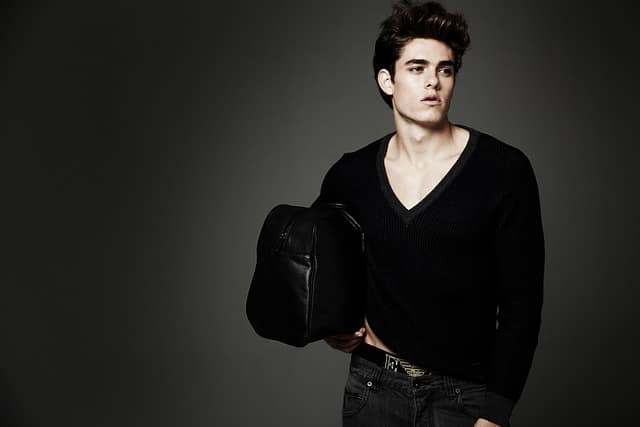
A male model headshot is much more than just a picture—it’s the gateway to opportunities in modeling, commercial work, and acting. A strong headshot can be the deciding factor in whether a casting director or modeling agency calls you in for an audition. For male models, headshots are a critical tool for creating a lasting first impression that communicates confidence, professionalism, and versatility.
Why a Male Model Headshot Matters
- First Impressions Count: On average, casting directors spend less than 10 seconds reviewing a model’s portfolio. A high-quality headshot can immediately make you stand out.
- Versatility Showcase: A professional headshot can highlight multiple looks—smiling, serious, edgy, or casual—to show your adaptability for various modeling genres.
- Career Longevity: Unlike social media posts or paid advertising, a well-executed headshot continues to work for you for years, used across portfolios, agency submissions, and promotional materials.
The Role of Headshots in Different Modeling Types
| Modeling Type | Importance of Headshot | Example Use Case |
| Fashion | Highlights bone structure and high-fashion potential | Agencies review headshots to determine runway suitability |
| Commercial | Shows approachability and relatability | Used for brand campaigns, print ads, and TV commercials |
| Editorial | Demonstrates versatility and storytelling ability | Magazines and editorial shoots require expressive and dynamic headshots |
| Lifestyle | Showcases personality in natural settings | Used for influencer campaigns or brand promotions |
| Acting | Focuses on emotional range and expressions | Casting directors use headshots for film and TV roles |
Case Study: The Power of a Professional Headshot
- Example: David S., an aspiring male model, submitted amateur headshots online and received minimal agency responses. After investing in a professional session that included wardrobe guidance, multiple expressions, and high-quality lighting, his submissions resulted in three agency signings within six months.
- Insight: This demonstrates that a single investment in professional headshots can accelerate career growth and opportunities.
Common Misconceptions About Male Model Headshots
- “It’s just a photo; I don’t need a professional.”
- Reality: Casting directors judge professionalism based on headshots—amateur shots can reduce credibility.
- Reality: Casting directors judge professionalism based on headshots—amateur shots can reduce credibility.
- “I only need one headshot.”
- Reality: Multiple expressions, wardrobe options, and angles help agencies see your full potential.
- Reality: Multiple expressions, wardrobe options, and angles help agencies see your full potential.
- “I can retouch heavily to look perfect.”
- Reality: Authenticity is key. Over-edited photos can appear unrealistic and reduce trustworthiness.
- Reality: Authenticity is key. Over-edited photos can appear unrealistic and reduce trustworthiness.
Quick Tips for a Standout Male Model Headshot
- Invest in a photographer experienced with male models.
- Focus on lighting and background—natural light or soft studio lighting works best.
- Keep expressions and posture natural.
- Update headshots every 12–18 months to reflect your current appearance.
- Include subtle wardrobe variations to showcase versatility.
Pro Tip: Your headshot is your career calling card. Consider it your most important investment in your modeling journey. A professional headshot can make the difference between being noticed or overlooked.
What Is a Male Model Headshot?
A male model headshot is a professional photograph focused on the model’s face, expressions, and overall look. Unlike lifestyle or full-body shots, headshots emphasize facial features, symmetry, and personality. They are a crucial part of a model’s portfolio, providing casting directors and agencies with a clear and immediate understanding of the model’s potential.
The Different Types of Headshots
Understanding the variations can help you decide what type of headshot is best for your career goals:
| Headshot Type | Purpose | Best For | Key Features |
| Traditional Studio Headshot | Professional portfolio submission | Fashion, commercial, editorial | Neutral background, soft lighting, minimal props |
| Lifestyle Headshot | Show personality and relatability | Commercial brands, social media campaigns | Natural environment, casual wardrobe, candid poses |
| Editorial Headshot | Creative storytelling | Magazines, fashion spreads | Dramatic lighting, expressive poses, artistic styling |
| Acting/Commercial Headshot | Demonstrates emotional range | Film, TV, advertisements | Focus on facial expressions, approachable or intense look depending on role |
Key Elements That Make a Male Model Headshot Stand Out
- Lighting: Balanced, flattering light highlights facial features and reduces harsh shadows.
- Background: Minimal and clean, keeping the focus on the model. Neutral colors like white, gray, or black work best.
- Expression: Versatile expressions—from confident and serious to approachable and friendly—demonstrate adaptability.
- Angles and Posing: Slight head tilts, shoulder positioning, and micro-expressions can dramatically enhance your look.
- Wardrobe and Grooming: Clothes should be simple and flattering, while hair, skin, and facial hair must be well-groomed.
Why Male Model Headshots Are Essential
- First Impressions: Agencies often spend 30 seconds or less reviewing portfolios. Headshots are your first chance to make an impact.
- Versatility Showcase: A strong headshot can highlight a range of looks, making you suitable for multiple types of modeling work.
- Portfolio Foundation: Your headshot sets the tone for the rest of your modeling portfolio, ensuring consistency and professionalism.
Additional Tips for Perfecting Your Headshot
- Use Subtle Retouching: Minor blemishes are okay, but retain natural skin texture.
- Capture Multiple Angles: Slight head tilts and different expressions increase the versatility of the image.
- Include Neutral and Colored Wardrobe Options: This provides variety for agency submissions and casting calls.
Example:
- A male model submitting a traditional studio headshot with a neutral expression may be considered for high-fashion runway work, while a lifestyle-inspired headshot may attract commercial brand campaigns. Having both types in your portfolio increases your chances of getting diverse jobs.
Pro Tip: Headshots are not just photos—they are a reflection of your professionalism and personality. Invest in creating images that are polished, authentic, and adaptable to different modeling opportunities.
Why Professional Male Model Headshots Matter
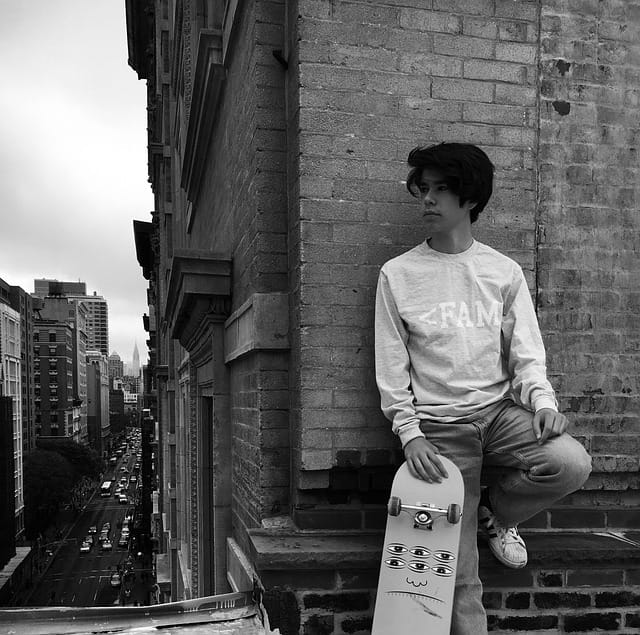
A professional male model headshot is one of the most important tools in a model’s career toolkit. It’s more than just a photograph—it communicates your personality, professionalism, and versatility in a single image. High-quality headshots can significantly increase your chances of booking jobs, signing with agencies, and establishing a strong personal brand.
1. First Impressions Are Critical
Casting directors and modeling agencies often review hundreds of submissions for a single role. Studies show that first impressions account for 70% of initial evaluations, making your headshot a decisive factor in whether you advance to an audition or booking.
Example:
- Alex P., an aspiring commercial model, updated his amateur headshots to professional ones with clean lighting, wardrobe guidance, and multiple expressions. As a result, he received 50% more callbacks within three months compared to his previous submissions.
2. Increased Chances of Booking Jobs
A professional headshot clearly demonstrates your potential for different modeling jobs:
- Fashion Modeling: Agencies look for facial symmetry, bone structure, and unique features.
- Commercial Modeling: Brands need approachable, relatable, and authentic visuals.
- Editorial Work: Expressive, versatile headshots indicate storytelling ability.
Data Insight:
Agencies report that models with professional headshots are 40–60% more likely to get signed or booked than those with casual or DIY images.
3. Showcasing Versatility
A single headshot can communicate multiple qualities: confidence, approachability, seriousness, or creativity. Modern modeling requires flexibility—one session can produce several images suitable for fashion, commercial, lifestyle, and editorial work.
Example:
- Liam R., a male model, included three expressions in his portfolio headshots: a soft smile for commercial work, a neutral look for fashion agencies, and a confident gaze for editorial submissions. This versatility helped him secure contracts in three different modeling sectors.
4. Building a Consistent Personal Brand
In the digital era, your personal brand extends across social media, agency profiles, and personal websites. A consistent, professional headshot:
- Projects credibility and professionalism.
- Establishes trust with potential clients and agencies.
- Ensures you are recognized across platforms.
5. Long-Term Career Investment
Unlike paid advertisements or social media posts that have limited longevity, a professional headshot provides long-term value:
- Reusable for multiple submissions and platforms.
- Serves as a foundation for your portfolio.
- Represents your career growth as you update it over time.
Case Study:
- David S., a fashion model, invested in a high-quality headshot session. Within six months, he signed with two agencies, booked five commercial jobs, and gained followers on Instagram who appreciated his professional presentation. This demonstrated the long-term value of investing in professional imagery.
Pro Tips for Maximizing Impact
- Choose an experienced photographer specializing in male model headshots.
- Update headshots regularly to reflect current appearance.
- Include multiple expressions and angles to show versatility.
- Keep the background simple and lighting professional to ensure focus stays on you.
Final Insight: A professional male model headshot is your first opportunity to impress agencies and clients. It’s a career investment that can open doors, increase bookings, and establish your brand in the modeling industry.
How to Prepare for a Male Model Headshot Session
Preparation is key to getting the most out of your male model headshot session. A well-prepared model can significantly improve the quality, versatility, and effectiveness of their headshots. Here’s a comprehensive guide to ensure you’re fully ready for your shoot.
1. Wardrobe Tips
Your clothing plays a critical role in highlighting your features without distracting from your face.
Best Practices:
- Keep it simple: Solid colors like black, white, navy, or gray work best.
- Avoid busy patterns or logos: Stripes, logos, or bright prints can divert attention from your face.
- Bring multiple options: Include 2–3 outfits representing casual, formal, and fashion-forward styles.
- Fit matters: Clothing should be neither too tight nor too loose, providing a clean silhouette.
- Textures: Subtle textures like knitted sweaters or soft cotton can add depth without being distracting.
Example:
- A white t-shirt with a blazer offers a clean, versatile look suitable for commercial and fashion modeling, while a black turtleneck can convey sophistication and editorial appeal.
2. Grooming and Skincare
The focus of a headshot is your face, so attention to grooming is essential.
Tips:
- Hair: Make sure your hair is clean and styled. If you have long hair, consider trimming or tidying flyaways.
- Facial Hair: Decide whether a clean-shaven or groomed beard look works best for your niche. Ensure symmetry and cleanliness.
- Skin: Moisturize to prevent dryness. Minor blemishes can be retouched, but healthy skin looks best.
- Teeth: Keep your teeth clean if smiling in the shot. Whitening is optional but subtle.
- Nails and hands: If your hands are included in poses, make sure they’re clean and well-kept.
3. Posing Practice
Even professional models benefit from rehearsing poses. Natural, confident posture translates into better photos.
Techniques:
- Mirror Work: Practice facial expressions in front of a mirror to see what looks best.
- Subtle Movements: Small head tilts, shoulder shifts, or slight body angles can dramatically improve the photo.
- Eye Contact: Try looking directly at the camera or slightly off-camera for varied looks.
- Relaxation: Loosen your shoulders, jaw, and neck to avoid stiffness.
4. Mental Preparation
Confidence in front of the camera is as important as physical preparation.
Tips:
- Relaxation Techniques: Deep breathing, stretching, or listening to music can help you feel at ease.
- Visualization: Imagine your ideal headshot and the expressions you want to convey.
- Positive Mindset: Treat the shoot as a collaborative process rather than a test.
5. Choosing the Right Photographer
A professional photographer experienced with male model headshots makes a huge difference.
Considerations:
- Portfolio Review: Check their previous work to ensure their style matches your goals.
- Experience: Photographers familiar with modeling know how to direct poses and lighting.
- Pricing & Packages: Compare options, but prioritize quality over cost.
- Communication: Ensure the photographer understands your niche and career goals.
6. What to Bring to Your Session
Being prepared ensures the session runs smoothly.
Checklist:
- Multiple wardrobe options
- Grooming kit (comb, moisturizer, hair product)
- Reference images for desired poses or expressions
- Water and snacks for energy
- Confidence and a positive attitude
Pro Tip: Communicate your goals and modeling niche with your photographer beforehand. This helps them tailor lighting, poses, and angles to create headshots that best showcase your potential.
Male Model Headshot Photography Tips
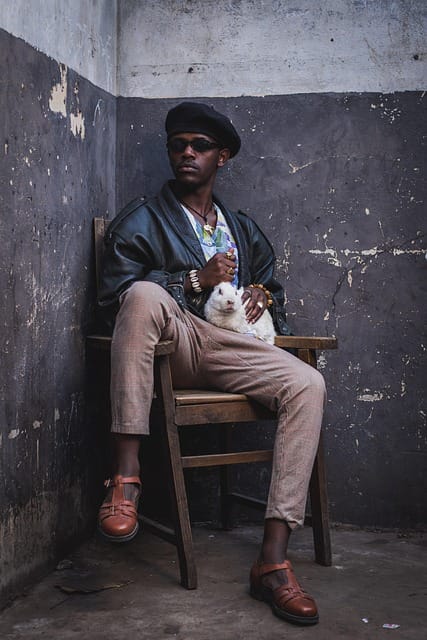
Capturing a high-quality male model headshot requires a combination of technical expertise, artistic vision, and attention to detail. Every aspect—from lighting to angles, expressions, and background—contributes to a professional image that stands out to agencies and clients.
1. Lighting Techniques for Flattering Shots
Lighting can make or break a headshot.
Best Practices:
- Natural Light: Soft, diffused sunlight during golden hour (early morning or late afternoon) produces a flattering glow. Avoid harsh midday light that casts strong shadows.
- Studio Lighting: Professional setups use softboxes, ring lights, or diffusers for even illumination. Lighting can be adjusted to accentuate jawlines, cheekbones, and facial symmetry.
- Catchlights: Small reflections in the eyes add life and depth to your gaze. Ensure the photographer captures catchlights for engaging eyes.
- Three-Point Lighting: A common studio setup includes a key light, fill light, and backlight to create dimension and depth.
2. Background Choices: Studio vs. Outdoor
Your headshot background should enhance, not distract from, your features.
| Background Type | Best Use | Tips |
| Studio / Neutral | Agency submissions, portfolio | White, gray, or black backgrounds keep focus on the model |
| Outdoor / Lifestyle | Commercial or lifestyle modeling | Use natural environments; avoid cluttered or busy areas |
| Textured / Editorial | Fashion or artistic projects | Subtle textures (brick walls, soft patterns) add interest without distracting from the face |
3. Angles That Enhance Facial Features
Minor adjustments in angles can dramatically improve a headshot:
- Head Tilt: Slight tilts forward or sideways can enhance jawlines and cheekbones.
- Eye Level: Shooting slightly above eye level elongates the neck and creates a sophisticated look.
- Shoulder Positioning: Angling shoulders slightly creates depth and avoids a flat appearance.
- Micro-Movements: Slight eyebrow raises, jaw shifts, or relaxed smiles make images appear natural.
4. Capturing Natural Expressions
Expression is key to conveying personality and versatility:
- Relaxed Smiles: Natural smiles convey approachability and relatability.
- Neutral / Serious: Confident or editorial looks are ideal for fashion modeling.
- Subtle Emotions: Small expressions—like a smirk or soft gaze—show character without exaggeration.
5. Wardrobe and Styling Tips for Photography
- Stick to solid, neutral colors to keep the focus on your face.
- Minimal accessories prevent distraction but can enhance style subtly.
- Clothing should be comfortable to allow natural posture and expression.
- Bring wardrobe variations to showcase versatility for multiple modeling niches.
6. Advanced Photography Techniques
Professional photographers may use advanced techniques to elevate your headshot:
- Shallow Depth of Field: Blurs the background to make the subject pop.
- Soft Focus: Adds a subtle, polished feel to the skin and overall image.
- Directional Lighting: Highlights facial contours, adds mood, and creates visual interest.
Expert Tip from Professional Photographers
“The best male model headshots capture authenticity. A model who is relaxed, confident, and natural will always outperform one who is stiff or over-posed.” – Sarah L., NYC Headshot Photographer
Checklist for a Perfect Headshot Session
- ✅ Proper lighting (natural or studio)
- ✅ Clean, simple background
- ✅ Well-groomed hair, skin, and facial hair
- ✅ Comfortable, solid-colored wardrobe
- ✅ Relaxed posture and natural expressions
- ✅ Photographer guidance for poses and angles
Example:
- A male model shooting in a studio with softbox lighting, neutral gray background, and multiple wardrobe options produced 10 versatile headshots in a single session—ready for agency submission, social media, and portfolio use.
Common Mistakes to Avoid in Male Model Headshots
Even experienced models can make mistakes that reduce the effectiveness of their male model headshots. Avoiding these pitfalls ensures your images look professional, versatile, and appealing to agencies and clients.
1. Over-Editing or Heavy Retouching
Excessive retouching can make your photos look artificial. Agencies prefer authenticity, and over-Photoshopped images may harm your credibility.
Tips:
- Retouch minor blemishes, stray hairs, or shine.
- Maintain natural skin texture to retain authenticity.
- Avoid filters that drastically change eye color, skin tone, or facial features.
Example:
- A male model who over-edited his DIY headshot noticed lower agency interest. After creating professionally retouched images that maintained his natural look, he received 35% more callbacks.
2. Poor Lighting or Distracting Backgrounds
Harsh shadows, uneven lighting, or busy backgrounds can distract from your face. Agencies need clean, clear images to assess your potential.
Tip:
- Use soft, diffused lighting (studio or natural).
- Stick to neutral or solid backgrounds.
- Avoid cluttered or visually busy locations.
3. Stiff or Unnatural Poses
Rigid poses or forced expressions can make you appear tense. Natural movement conveys confidence and authenticity.
Tips:
- Relax your shoulders, jaw, and neck.
- Experiment with subtle head tilts and shoulder angles.
- Practice micro-expressions in front of a mirror.
4. Wearing Distracting or Trendy Clothing
Loud patterns, logos, or overly trendy outfits shift focus away from your face. Your headshot should highlight you, not your wardrobe.
Tips:
- Stick to solid, neutral colors.
- Bring 2–3 wardrobe options for variety.
- Avoid accessories that draw attention from your face.
5. Ignoring Grooming and Skin Care
Neglecting grooming or skincare can affect your headshots. Messy hair, unkempt facial hair, or dry skin can make a model appear unprofessional.
Tips:
- Schedule haircuts and beard trims before the shoot.
- Moisturize your skin for a healthy glow.
- Keep nails and hands clean if they appear in the frame.
6. Not Updating Your Headshots Regularly
Using outdated headshots is a common mistake. Agencies want current images that reflect your look accurately.
Tips:
- Update your headshots every 12–18 months.
- Refresh images if you significantly change hairstyles, facial hair, or physique.
Case Study: Impact of Mistakes
- Michael R., Fashion Model: Michael submitted casual, poorly-lit headshots to agencies and received few responses. After investing in a professional session with proper lighting, wardrobe, and grooming, he secured five new bookings within two months.
Quick Checklist of Mistakes to Avoid
- ❌ Over-editing or filters
- ❌ Poor lighting or cluttered backgrounds
- ❌ Stiff poses or unnatural expressions
- ❌ Distracting wardrobe or accessories
- ❌ Neglecting grooming or skincare
- ❌ Using outdated headshots
Pro Tip: Even small mistakes in headshots can affect first impressions. Proper preparation and professional guidance are key to creating impactful images.
Male Model Headshot Cost and Budgeting
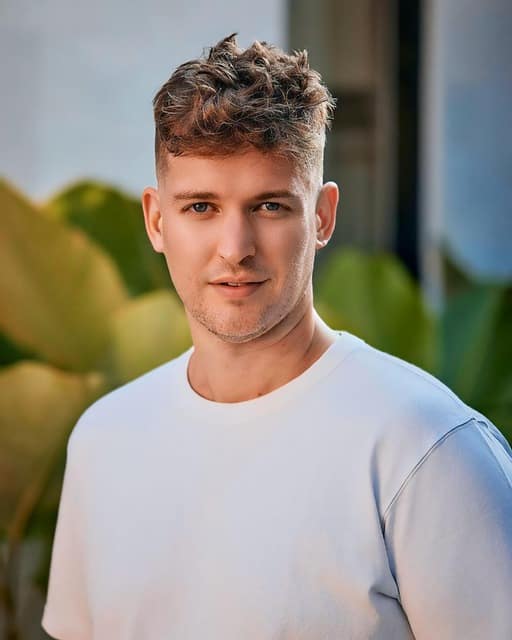
Investing in a professional male model headshot is crucial for career success, but understanding costs and budgeting ensures you get the best value. Prices vary depending on location, photographer experience, session length, and additional services.
1. Average Cost of Professional Male Model Headshots
| Service Type | Average Price Range | What’s Included |
| Basic Session | $100 – $250 | 1 outfit, 1–2 background options, 5–10 digital images |
| Standard Session | $250 – $500 | Multiple outfits, retouching, 2–3 background options, 15–20 images |
| Premium Session | $500 – $1,000+ | Full wardrobe changes, professional styling, multiple locations, advanced retouching, high-resolution images |
Tip: Costs can differ by city. For example, sessions in major cities like New York or Los Angeles often cost more due to higher studio fees and photographer experience.
2. Factors Affecting Cost
- Photographer Experience: Experienced photographers with strong portfolios charge more but deliver higher-quality results.
- Location & Studio: Studio rentals or on-location shoots may increase expenses.
- Number of Outfits & Backgrounds: More wardrobe changes or setups require extra time, which can affect pricing.
- Post-Processing & Retouching: Extensive editing adds to total cost.
- Additional Services: Hair, makeup, and styling services may be included in premium packages or added for an extra fee.
3. Budgeting Tips Without Compromising Quality
- Prioritize Photographer Quality: Investing in a skilled photographer pays off more than cutting costs.
- Plan Ahead: Schedule sessions in advance to avoid rush fees.
- Bundle Services: Some photographers offer discounts for multiple sessions or portfolio packages.
- Focus on Essentials: Good lighting, grooming, and multiple expressions matter most for agency submissions.
4. Why Investing in Quality Matters
A high-quality male model headshot provides long-term benefits:
- Increased Agency Callbacks: Models with professional headshots are 40–60% more likely to get signed.
- Versatility: One session can produce multiple images for agency submissions, portfolio, and social media.
- Long-Term Career Growth: A professional headshot remains relevant for years, saving time and money in future updates.
5. Example of Budget Planning
- Scenario: You book a $350 standard session with 3 wardrobe options and 15 edited images.
- Studio fee: $50
- Photographer: $250
- Hair & makeup: $50
- Total: $350
- Studio fee: $50
- ROI: If this headshot leads to even one modeling booking, the investment is justified many times over.
Pro Tip: Treat professional male model headshots as an investment in your career. Spending more upfront on quality images often leads to faster career growth and more opportunities.
Where to Use Your Male Model Headshot
A male model headshot is a versatile tool that can be leveraged across multiple platforms and mediums to showcase professionalism, versatility, and personal branding. Proper usage ensures your headshot reaches the right audience and maximizes career opportunities.
1. Modeling Agencies and Casting Websites
Agencies rely heavily on headshots when reviewing potential models. Submitting polished, professional images:
- Helps agents quickly assess your look and potential.
- Increases your chances of being shortlisted for auditions.
- Demonstrates professionalism and seriousness in your modeling career.
Popular Casting Platforms:
- Backstage – widely used for commercial and acting roles.
- Models.com – showcases professional portfolios for fashion and editorial work.
- Model Mayhem – a networking platform for freelance models and photographers.
2. Social Media Profiles
Social media has become an essential tool for models:
- Instagram: Use your headshot in your bio or profile picture to maintain a professional, cohesive look.
- LinkedIn: A polished headshot adds credibility for industry connections and collaborations.
- TikTok or YouTube: Headshots can serve as profile images or thumbnails for personal branding and promotional content.
3. Personal Websites and Online Portfolios
Having a personal website with a professional headshot:
- Serves as a central hub for your modeling portfolio.
- Shows brands and agencies that you take your career seriously.
- Allows integration of headshots into galleries, blogs, and contact pages.
4. Print and Commercial Submissions
Even in the digital age, print materials are still relevant:
- Comp cards: Standard for agencies, often featuring headshots on one side.
- Advertisements & brochures: High-resolution images are required for print campaigns.
- Editorial submissions: Fashion and lifestyle magazines may request print-ready headshots.
5. Networking and Professional Materials
Professional headshots enhance networking efforts:
- Business cards: Include a small headshot for modeling events or trade shows.
- Press kits: Editors and agencies appreciate seeing a consistent, professional image.
- Collaboration proposals: Brands and photographers look for polished visuals when selecting talent.
Tips for Maximizing Headshot Exposure
- Keep your headshot consistent across platforms for a strong personal brand.
- Use different crops and sizes for digital and print applications.
- Update your headshot regularly to match your current look and style.
- Include both neutral and lifestyle images to appeal to different opportunities.
Pro Tip: Treat your male model headshot as a marketing tool. How and where you use it can significantly impact your visibility and the opportunities you receive in the modeling industry.
DIY vs. Professional Male Model Headshots
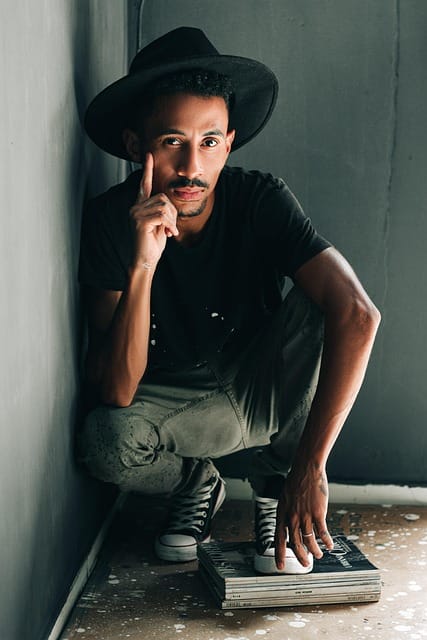
Aspiring male models often wonder whether they can take their own headshots or if investing in a professional photographer is necessary. Both approaches have advantages, but understanding the differences can help you make an informed decision.
DIY Headshots: Pros and Cons
Pros:
- Cost-Effective: No need to pay a professional photographer, studio, or equipment fees.
- Convenience: Can be done at home or any location you prefer.
- Creative Control: You can experiment with angles, lighting, and wardrobe at your own pace.
Cons:
- Quality Limitations: DIY headshots often lack professional lighting, depth, and editing finesse.
- Lack of Guidance: Without an experienced photographer, it can be challenging to know the best poses and angles.
- Perception: Agencies and casting directors typically prefer professional headshots; DIY images may appear amateurish.
DIY Tips:
- Use a high-resolution camera or smartphone with portrait mode.
- Utilize natural lighting, preferably near a window or outdoors during golden hour.
- Keep the background clean and uncluttered.
- Practice relaxed expressions and subtle head/shoulder angles.
Professional Headshots: Pros and Cons
Pros:
- High-Quality Results: Professionals know how to use lighting, angles, and editing to create polished images.
- Expert Guidance: Photographers direct poses, expressions, and wardrobe adjustments to highlight your best features.
- Versatility: Professionals can capture multiple expressions and wardrobe looks for different modeling niches.
- Industry Standard: Agencies recognize professional headshots as a sign of seriousness and professionalism.
Cons:
- Cost: Professional sessions can range from $100 to $1,000+, depending on location, experience, and services.
- Scheduling: Requires booking in advance and coordinating wardrobe, grooming, and travel.
When to Choose a Professional Headshot
- Submitting photos to modeling agencies.
- Building a portfolio with multiple expressions and looks.
- Wanting a high-quality image that stands out in a competitive industry.
- Targeting commercial, editorial, or fashion modeling, where quality is essential.
When DIY Can Work
- Practicing poses before your first professional shoot.
- Creating content for social media or personal networking.
- On a limited budget, when professional services are temporarily unavailable.
Case Study:
- Jake T., a new model, started with DIY headshots for social media exposure. After a few months, he booked a professional session. The professional images resulted in three agency signings and multiple commercial campaigns—showing the clear ROI of investing in quality headshots.
Pro Tip: Even if you start with DIY images, plan to upgrade to professional headshots as soon as possible. Investing in high-quality imagery early in your career pays off with faster growth and better opportunities.
Male Model Headshot Trends in 2025
The modeling industry is evolving rapidly, and male model headshots are no exception. Staying updated with current trends ensures your headshots remain competitive, relevant, and appealing to agencies, brands, and casting directors.
1. Natural and Minimal Editing
Overly retouched or heavily filtered images are becoming less popular. Casting directors prefer authentic representations:
- Subtle retouching to remove blemishes or stray hairs is acceptable.
- Retain natural skin texture, lines, and facial features.
- Models are encouraged to embrace individuality instead of conforming to unrealistic beauty standards.
Example:
- A commercial agency rejected heavily edited headshots for one model but approved a minimally retouched session that showcased natural features, resulting in multiple bookings.
2. Lifestyle-Inspired Headshots
While traditional studio shots remain important, lifestyle headshots are gaining traction:
- Capturing models in natural environments like streets, parks, or workspaces.
- Emphasizing personality, energy, and relatability in addition to physical appearance.
- Ideal for brands seeking authentic representation in commercial campaigns.
3. Versatility in Expressions and Looks
Agencies now value models who can showcase a wide range of emotions and styles:
- One headshot session may include serious, playful, confident, and approachable looks.
- Multiple wardrobe and hairstyle options demonstrate adaptability.
- Micro-expressions, like subtle smiles or eyebrow raises, convey depth and personality.
4. Diversity and Inclusion
Modern modeling emphasizes diversity across ethnicity, body type, age, and style:
- Agencies seek male models who reflect global audiences.
- Unique facial features are celebrated rather than edited to fit traditional norms.
- Inclusive campaigns prefer models with authentic characteristics, which broadens market appeal.
5. Integration with Digital Platforms
Headshots are optimized for multiple platforms:
- High-resolution versions for agencies and print submissions.
- Optimized versions for Instagram, LinkedIn, and casting websites.
- Multiple crop formats (vertical, square, horizontal) ensure versatility across digital platforms.
6. Editorial and Artistic Styling
Some male model headshots incorporate creative elements while maintaining professionalism:
- Use of soft shadows, unique lighting, and minimal props adds visual interest.
- Wardrobe and styling focus on textures and color coordination.
- Useful for fashion campaigns and editorial portfolios that require an artistic edge.
Data Insight:
According to a 2024 survey of modeling agencies:
- 75% of agencies preferred natural, minimally edited headshots.
- 60% valued lifestyle-inspired images that conveyed personality and versatility.
Pro Tip: When planning your headshot session, discuss current trends with your photographer. Incorporating these modern styles ensures your images are competitive, professional, and appealing to today’s agencies and brands.
Frequently Asked Questions About Male Model Headshots
Aspiring male models often have many questions about headshots, from preparation to usage. Addressing these FAQs ensures you approach your shoot confidently and professionally.
1. How often should I update my male model headshot?
It’s recommended to update your headshot every 12–18 months, or sooner if you experience significant changes in hairstyle, facial hair, or physique. Current images give agencies and clients an accurate representation of your look.
Pro Tip: Always update headshots before submitting to new agencies or campaigns to avoid outdated impressions.
2. Can I take headshots at home?
Yes, DIY headshots are possible using natural light and a clean background. However, professional headshots are preferred for:
- Agency submissions
- Commercial work
- Fashion and editorial portfolios
DIY headshots can work for social media, practice, or personal branding, but professional guidance ensures high-quality results.
3. What should I wear for my male model headshot?
- Solid, neutral colors like black, white, gray, or navy.
- Avoid patterns, logos, or overly trendy outfits.
- Bring multiple wardrobe options (casual, formal, and fashion-forward) to showcase versatility.
Tip: Fit is crucial—well-fitted clothing highlights your physique without being restrictive.
4. How long does a typical male model headshot session last?
Sessions can last 30 minutes to 2 hours, depending on:
- Number of outfits
- Background or location changes
- Desired expressions and poses
Longer sessions are often ideal for building a versatile portfolio.
5. How do I look natural and confident in headshots?
- Relax your shoulders and jaw.
- Practice expressions in front of a mirror.
- Engage with the camera as if interacting with a person.
- Trust the photographer’s guidance for posing and angles.
6. How many headshots do I need for my portfolio?
Most male models include 5–10 high-quality headshots:
- Mix of expressions (smiling, neutral, serious)
- Multiple angles and wardrobe styles
- Versatility for fashion, commercial, and editorial work
7. Should I smile or maintain a serious expression?
Both are important:
- Smiling: Friendly, approachable, relatable
- Serious/Neutral: Confident, professional, editorial-ready
Including both ensures your portfolio appeals to a wide range of clients.
8. Can headshots be used for social media and casting submissions?
Yes. Headshots should be versatile for:
- Agency submissions
- Casting websites
- Social media profiles
- Personal portfolios
Optimizing your headshots for multiple platforms increases visibility and opportunities.
9. What if I have unique features or facial characteristics?
Embrace your individuality. Agencies and brands increasingly seek diverse looks. Authentic features make you memorable and can help you stand out in a crowded industry.
10. Can I include lifestyle or creative elements in headshots?
Yes, but keep the focus on your face and expressions. Creative elements work well for lifestyle or editorial portfolios but should complement, not distract from, your main features.
Pro Tip: Think of your headshots as both a marketing tool and a professional representation. Addressing these FAQs ensures you approach each session fully prepared and confident.
Conclusion
A male model headshot is more than just a photograph—it’s a powerful career tool. It’s often the first impression agencies, casting directors, and brands have of you, and it can make the difference between being noticed or overlooked. Investing in high-quality, professional headshots sets the foundation for a successful modeling career.
Key Takeaways:
- Professional Headshots Matter: High-quality images increase your chances of signing with agencies and booking jobs.
- Preparation is Essential: Grooming, wardrobe selection, and mental readiness all contribute to standout images.
- Versatility is Key: Include multiple expressions, angles, and wardrobe styles to appeal to various modeling niches.
- Stay Current: Update headshots every 12–18 months or whenever your appearance changes significantly.
- Follow Trends Wisely: Embrace natural looks, lifestyle-inspired shots, and diverse expressions to stay relevant in 2025.
Actionable Advice:
- Invest in a professional photographer experienced with male models.
- Practice poses and expressions to feel confident during shoots.
- Use your headshots across portfolios, social media, and casting platforms consistently.
- Track agency feedback and update your images as needed to reflect industry expectations.
Final Thoughts:
Your headshot is more than a picture—it’s your personal marketing tool and career investment. A professional, versatile, and updated headshot communicates confidence, authenticity, and professionalism. By following best practices, embracing modern trends, and preparing thoroughly, you can create headshots that open doors, attract opportunities, and accelerate your modeling career.
Pro Tip: Treat your headshots as a long-term investment. Quality images pay off with faster career growth, higher visibility, and more bookings—making them one of the most important assets in your modeling journey.


