


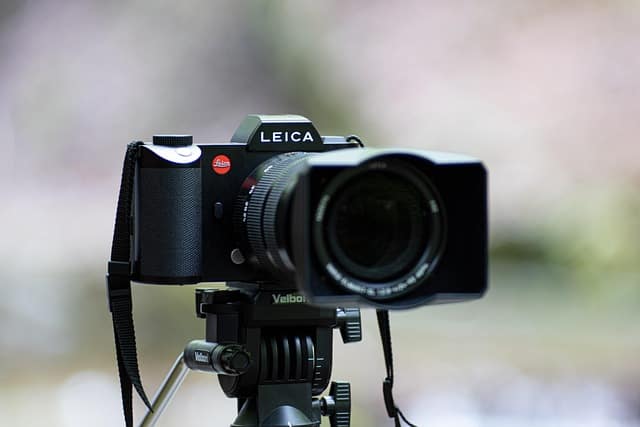
The Leica D-Lux Typ 109 camera has earned a special place among photography enthusiasts who crave a compact camera that doesn’t compromise on performance or design. Released as part of Leica’s acclaimed D-Lux series, this model combines German craftsmanship with Panasonic’s proven imaging technology, resulting in a camera that is both sophisticated and highly functional.
In this comprehensive guide, we’ll dive deep into everything you need to know about the Leica D-Lux Typ 109 — from its detailed specifications and real-world performance to its pros, cons, and comparisons with newer models like the Leica D-Lux 7. Whether you’re a street photographer, traveler, or enthusiast looking for a premium compact camera, this post will help you decide if the D-Lux Typ 109 still holds up today.
Why the Leica D-Lux Typ 109 Camera Still Matters
Despite being released a few years ago, the Leica D-Lux Typ 109 continues to attract interest among photographers who value quality over quantity. With a large Four-Thirds sensor, a fast f/1.7–2.8 Leica DC Vario-Summilux lens, and 4K video recording, it punches far above its weight in image quality. This camera was designed for those who want DSLR-level performance in a pocket-friendly form.
“The D-Lux Typ 109 represents Leica’s philosophy perfectly — simplicity meets precision,” says Leica Camera AG, emphasizing its minimalist controls and intuitive layout.
The camera’s success also lies in its balance between automatic ease and manual control. Whether you want to rely on its smart auto modes or manually adjust every exposure setting, the Typ 109 delivers consistent, professional-grade results.
What You’ll Learn in This Guide
By the end of this in-depth review, you’ll know:
- What makes the Leica D-Lux Typ 109 unique in its class.
- Detailed specifications and feature breakdowns that explain how it performs.
- Real-world image quality insights for photography and video.
- A side-by-side comparison with competitors like the Panasonic LX100 and Leica D-Lux 7.
- Buying tips, including how to spot a good deal and get the best performance.
- Practical tips & tricks for mastering this camera.
- Expert FAQs addressing every major question photographers ask.
This post goes beyond basic specs — it’s a comprehensive deep dive designed to help you understand whether the Leica D-Lux Typ 109 camera is the right fit for your style and budget.
Quick Snapshot
| Feature | Leica D-Lux Typ 109 |
| Sensor | 4/3-inch MOS, 13 MP effective |
| Lens | 24–75 mm (equiv.) f/1.7–2.8 Leica DC Vario-Summilux |
| ISO Range | 200–25,600 |
| Video | 4K (3840×2160) at 30 fps |
| Viewfinder | 2.76 M-dot EVF |
| Screen | 3″ LCD (921k dots) |
| Connectivity | Wi-Fi, NFC |
| Weight | 393 g (ready to shoot) |
At a Glance: Why Photographers Love It
- ✅ Bright and versatile lens – perfect for portraits, travel, and low light.
- ✅ Compact yet powerful – DSLR-like quality in your pocket.
- ✅ 4K video – cinema-grade footage for content creators.
- ✅ Classic Leica design – minimalist and robust.
- ✅ Dual branding advantage – Leica’s tuning + Panasonic’s engineering.
Who This Guide Is For
This review is for:
- Photography enthusiasts looking for a portable yet premium camera.
- Travelers who need professional quality without carrying bulky gear.
- Street photographers who love discreet shooting.
- Leica fans exploring an affordable entry point into the brand.
- Anyone curious if an older model like the Leica D-Lux Typ 109 is still worth buying today..
What Is the Leica D-Lux Typ 109 Camera?
The Leica D-Lux Typ 109 is a premium compact digital camera introduced by Leica Camera AG in late 2014. It represents a collaboration between Leica and Panasonic, sharing much of its core technology with the Panasonic Lumix LX100 — but with Leica’s signature design, color science, and superior build quality.
It belongs to the Leica D-Lux series, a line of compact cameras known for combining professional-grade imaging performance with elegant minimalism. The Typ 109 was designed as an all-in-one solution for photographers who wanted a large sensor camera without the hassle of changing lenses or carrying heavy gear.
Leica’s philosophy: “A camera should not get in the way of photography — it should make the process effortless.”
— Leica Camera AG product team, 2014
This philosophy shines through in every detail of the D-Lux Typ 109. From its intuitive manual dials to the fast Leica-branded lens, the camera is built for creative freedom, whether you’re shooting in full auto or complete manual mode.
A Quick Historical Overview
The D-Lux line began in the early 2000s, catering to advanced photographers who wanted Leica’s color science in a compact form. The Typ 109 followed the successful D-Lux 6, introducing 4K video, a larger 4/3-inch sensor, and a faster f/1.7–2.8 zoom lens.
Here’s how it evolved:
| Model | Year Released | Sensor | Lens | Notable Feature |
| Leica D-Lux 5 | 2010 | 1/1.63″ CCD | 24–90mm f/2.0–3.3 | Compact premium |
| Leica D-Lux 6 | 2012 | 1/1.7″ CMOS | 24–90mm f/1.4–2.3 | Fast lens, ND filter |
| Leica D-Lux Typ 109 | 2014 | 4/3″ MOS | 24–75mm f/1.7–2.8 | 4K video, Wi-Fi, EVF |
| Leica D-Lux 7 | 2018 | 4/3″ MOS (newer gen) | 24–75mm f/1.7–2.8 | USB charging, touchscreen |
As the table shows, the Typ 109 marked a turning point — it was the first in the series to feature a Micro Four Thirds sensor, bridging the gap between compact and mirrorless systems.
Design and Build Philosophy
The Leica D-Lux Typ 109 exudes timeless design — minimal, solid, and unmistakably Leica. The metal body feels robust yet refined, with carefully placed dials for aperture, shutter speed, and exposure compensation.
Unlike many digital cameras overloaded with buttons, the Typ 109 follows Leica’s minimalist design principle:
- No cluttered menus — all key settings are directly accessible through physical controls.
- Solid tactile feedback on every dial, reminiscent of analog cameras.
- Subtle branding — just the iconic red Leica dot and engraved lens markings.
This simplicity makes shooting intuitive and distraction-free, appealing to photographers who value form and function equally.
Core Philosophy: Portability Meets Power
What truly defines the Leica D-Lux Typ 109 camera is its balance between portability and image power. It was engineered for people who want Leica image quality without carrying a full DSLR system.
Some of its design strengths include:
- Compact size (≈393g) — fits in a jacket pocket.
- Large sensor — the Four Thirds sensor is roughly 5x larger than a smartphone’s sensor.
- Fast Leica Summilux lens — allows excellent depth of field control and superior low-light shots.
- 4K video capability — ideal for hybrid shooters and vloggers.
Leica’s fine-tuned color profiles also give the Typ 109 a distinct “Leica look” — natural tones, rich contrast, and subtle warmth that many photographers find irresistible.
Who Was It Designed For?
The Leica D-Lux Typ 109 was built for:
- Travel photographers who need a high-quality compact with 4K capability.
- Street photographers who appreciate a discreet, silent shutter.
- Leica fans seeking a more affordable entry into the brand.
- Content creators wanting 4K and manual control in a portable body.
It’s also ideal for professionals as a second camera — a lightweight backup that still delivers Leica-level performance.
In summary, the Leica D-Lux Typ 109 is more than just another compact camera — it’s a hybrid between point-and-shoot simplicity and mirrorless performance. Its combination of a large sensor, fast lens, and Leica design makes it one of the most beloved compacts ever released.
Leica D-Lux Typ 109 Specifications (Specs in Detail)
The Leica D-Lux Typ 109 camera is often described as a compact powerhouse — and for good reason. It blends a large Micro Four Thirds sensor, a fast Leica DC Vario-Summilux lens, and 4K video capabilities into a body small enough to fit in one hand.
Below is a comprehensive look at every technical specification that defines the Typ 109 and how each contributes to its performance.
1. Sensor & Image Quality
At the heart of the Leica D-Lux Typ 109 lies a 12.8-megapixel Four Thirds (4/3”) MOS sensor — the same size used in many mirrorless cameras. Unlike typical compact sensors, which are much smaller, this larger sensor delivers superior image quality, dynamic range, and low-light performance.
Key facts about the sensor:
- Effective resolution: 12.8 MP (multi-aspect sensor up to 13.2 MP total).
- Sensor size: 17.3 × 13 mm (approx. 5× larger than typical 1/1.7″ sensors).
- Aspect ratios: 4:3, 3:2, 16:9, and 1:1 selectable without cropping — thanks to Leica’s multi-aspect design.
- ISO range: 200–25,600 (expandable to ISO 100).
- Processor: High-speed Venus Engine (co-developed with Panasonic).
This sensor enables crisp, clean images even at high ISO, making it perfect for low-light street photography or indoor shots. Leica’s color rendering — known for its warmth and tonal accuracy — gives JPEGs a filmic quality straight out of the camera.
“The Leica D-Lux Typ 109 delivers the best JPEG color science in its class — Leica’s tuning adds depth and realism even before post-processing.”
— Ephotozine Review, 2015
2. Leica DC Vario-Summilux Lens
One of the standout features of the Leica D-Lux Typ 109 is its built-in Leica DC Vario-Summilux 10.9–34mm f/1.7–2.8 lens (equivalent to 24–75mm in full-frame terms).
This lens provides exceptional sharpness, clarity, and low-light capability, making it versatile enough for landscapes, portraits, and street scenes alike.
Lens specifications:
| Feature | Details |
| Focal length (35mm equivalent) | 24–75mm |
| Aperture range | f/1.7–2.8 |
| Optical construction | 11 elements in 8 groups (5 aspherical lenses) |
| Zoom | 3.1× optical zoom |
| Image stabilization | Optical (O.I.S.) |
| Closest focus distance | 3 cm (wide) / 30 cm (tele) |
Why it matters:
- The f/1.7 maximum aperture allows shallow depth of field and creamy bokeh — rare for a compact camera.
- Optical Image Stabilization helps reduce motion blur in handheld shots.
- The aspherical elements minimize distortion and chromatic aberration.
- The zoom range (24–75mm) covers most everyday photography needs — from wide landscapes to tight portraits.
Pro tip: Keep the aperture around f/2.8–4.0 for optimal sharpness across the frame when shooting wide open.
3. Build, Body & Ergonomics
Although compact, the Leica D-Lux Typ 109 feels reassuringly solid. Its aluminum and magnesium alloy body gives it a premium, durable feel without being heavy.
Design highlights:
- Weight: 393 g (with battery and SD card).
- Dimensions: 117.8 × 66.2 × 55 mm.
- Material: Magnesium alloy top and bottom plates with a matte finish.
- Grip: Subtle but firm rubber texture for improved handling.
- Control layout: Dedicated aperture ring, shutter speed dial, and aspect ratio switch.
This analog-inspired control scheme encourages you to shoot mindfully, making every frame intentional. Unlike most point-and-shoots, it feels like using a miniature manual camera.
“The D-Lux Typ 109 feels like a Leica M shrunk down to fit your pocket.”
— 35mmc.com Review
4. Viewfinder & Rear Display
The electronic viewfinder (EVF) on the D-Lux Typ 109 is a standout feature — something rarely found in compact cameras of its era.
EVF and display details:
| Feature | Specification |
| Viewfinder type | 2.76-million-dot EVF |
| Magnification | 0.7× equivalent |
| Coverage | 100% |
| Rear screen | 3-inch LCD, 921k dots |
| Touchscreen | No (button-operated) |
The EVF provides a clear, detailed preview even in bright sunlight, allowing you to compose confidently. Though it lacks a touchscreen, the button-based menu is fast and logical, in true Leica fashion.
5. Video Performance & Connectivity
The Leica D-Lux Typ 109 camera is not just a stills powerhouse — it’s a capable 4K video camera as well.
Video features:
- Resolution: 4K (3840×2160) at 30 fps / Full HD (1080p) at 60 fps.
- Bitrate: Up to 100 Mbps.
- Manual control: Aperture, ISO, and exposure compensation adjustable during recording.
- Cinematic options: 24p recording, contrast/film style adjustments.
Additionally, it features built-in Wi-Fi and NFC, allowing wireless transfer and remote control via the Leica Image Shuttle app. This makes it easy to shoot remotely or transfer images directly to your smartphone for instant sharing.
6. Performance Highlights
- Autofocus speed: Approx. 0.14 seconds (fast for its class).
- Burst shooting: 11 fps (continuous AF: 6 fps).
- Shutter range: 60s to 1/16,000s (electronic shutter).
- Battery life: ~300 shots per charge (CIPA rating).
- Flash: External flash included in the box.
The fast autofocus, combined with near-silent operation, makes this camera perfect for candid street photography or documentary-style shooting.
7. Leica D-Lux Typ 109 Specification Summary Table
| Category | Details |
| Sensor Type | 4/3″ MOS Sensor |
| Resolution | 12.8 MP (effective), multi-aspect |
| Lens | 10.9–34mm f/1.7–2.8 (24–75mm equivalent) |
| Stabilization | Optical (O.I.S.) |
| ISO Range | 200–25,600 |
| Viewfinder | 2.76M-dot EVF |
| LCD Screen | 3-inch, 921k dots |
| Video | 4K 30p, Full HD 60p |
| Connectivity | Wi-Fi, NFC |
| Storage | SD/SDHC/SDXC |
| Battery | 300 shots per charge |
| Weight | 393 g |
| Body Material | Magnesium alloy |
| Dimensions | 117.8 × 66.2 × 55 mm |
8. Quick Performance Snapshot (Chart)
| Feature | Rating (out of 10) |
| Image Quality | 9.5 |
| Low-Light Performance | 9 |
| Lens Sharpness | 9.2 |
| Video Quality | 8.8 |
| Ease of Use | 9 |
| Portability | 9.5 |
| Value for Money | 8.7 |
The Leica D-Lux Typ 109 camera remains a benchmark for compact camera design — merging precision engineering, top-tier optics, and powerful performance into a timeless package. It’s a true “carry-everywhere” tool that never compromises on quality.
Performance & Image Quality – How Good Is the Leica D-Lux Typ 109 Camera?
When it comes to performance, the Leica D-Lux Typ 109 camera punches well above its weight class. Despite being compact, it delivers image quality comparable to many interchangeable-lens cameras, thanks to its large 4/3-inch sensor and fast f/1.7–2.8 Leica Summilux lens. This section explores its real-world performance, image quality, and how it handles various shooting conditions.
1. Real-World Image Results
In real-world use, the Leica D-Lux Typ 109 excels in nearly every scenario — from bright street scenes to dimly lit interiors. The camera produces vibrant, lifelike colors, excellent contrast, and impressive dynamic range, especially for a compact body.
Key highlights:
- Dynamic range: ~12 stops, allowing recovery of highlights and shadows in RAW files.
- JPEG colors: Leica’s color science gives natural skin tones and rich, film-like contrast.
- Sharpness: The Summilux lens maintains crispness across the zoom range, even wide open.
- Noise handling: ISO up to 3200 is easily usable; ISO 6400 still maintains detail with minimal color noise.
“The D-Lux Typ 109 is capable of stunning results — images show a clarity and tonal richness rarely seen in compact cameras.”
— DPReview Editors’ Comment
Case Study: Street Photography Example
Photographers like Steve Huff and Ming Thein praised the Typ 109 for its responsiveness and image rendering during street assignments. The silent electronic shutter, fast autofocus, and natural color palette make it ideal for capturing fleeting moments unnoticed.
A RAW file comparison between ISO 200 and ISO 3200 shows the D-Lux maintaining remarkable detail — shadows remain clean, and highlights roll off smoothly, mimicking film-like behavior.
2. Low-Light & ISO Performance
Low-light performance is one of the Leica D-Lux Typ 109’s strongest points. The combination of a large sensor and bright lens (f/1.7–2.8) allows it to gather more light than nearly any other compact camera in its class.
| ISO | Noise Level | Image Quality | Recommended Use |
| 100–800 | Virtually noise-free | Excellent | Daylight / general shooting |
| 1600 | Slight grain | Very good | Indoor / low-light |
| 3200 | Mild grain, still detailed | Good | Night / street |
| 6400+ | Noticeable noise | Fair | Emergency use / creative effect |
Practical takeaway:
Shooting at f/1.7–2.0 allows you to capture clean, bright images even in dimly lit environments like restaurants or night streets — without flash. When paired with the Optical Image Stabilization (O.I.S.), handheld night photography becomes surprisingly easy.
3. Autofocus & Shooting Speed
The autofocus system of the Leica D-Lux Typ 109 is lightning fast and accurate, making it a great performer for action, travel, or candid shots.
Performance metrics:
- AF speed: ~0.14 seconds in good light.
- Continuous shooting: Up to 11 fps (AF-S) or 6 fps (AF-C).
- AF modes: Face detection, 49-area, 1-area, and tracking modes.
In real-world terms, the camera locks onto subjects swiftly, even in low light. Eye detection works well for portraits, and the continuous AF keeps up with moderate movement — making it reliable for street scenes and family photography alike.
4. Video Performance
The Leica D-Lux Typ 109 was one of the first compact Leica cameras to include 4K video recording, and it remains impressive even today.
Video specifications:
- 4K UHD (3840×2160) at 30 fps
- Full HD 1080p at 60 fps
- Manual exposure controls during video
- High-bitrate recording for sharper footage
The lens’s fast aperture and O.I.S. stabilization produce smooth, cinematic-looking clips. While it doesn’t support a microphone jack, the internal stereo mics perform well for casual vlogging or travel documentation.
“The D-Lux Typ 109 may not be marketed as a filmmaker’s tool, but its 4K video rivals many mirrorless cameras — crisp detail and Leica’s signature color rendition.”
— CameraDecision.com Video Review
5. Usability for Different Photography Styles
The Typ 109 adapts beautifully to multiple shooting styles thanks to its compact design and responsive performance:
| Photography Type | Why It Works Well |
| Street Photography | Silent electronic shutter, fast AF, discreet design. |
| Travel Photography | Compact size, 24–75mm zoom range, excellent low light. |
| Portraits | f/1.7 aperture produces soft, natural bokeh. |
| Landscapes | Wide-angle 24mm, great detail and color depth. |
| Macro/Close-up | Focuses as close as 3 cm — perfect for textures or food shots. |
In short, it’s a true all-rounder — small enough to bring everywhere, yet powerful enough to produce professional results in nearly any setting.
6. Strengths & Weaknesses Summary
| Strengths | Weaknesses |
| ✅ Superb image quality for size | ❌ No touchscreen |
| ✅ Bright f/1.7 lens with sharp optics | ❌ No built-in flash (external only) |
| ✅ Excellent low-light and 4K performance | ❌ Limited zoom reach (75mm max) |
| ✅ Classic, ergonomic design | ❌ Battery life average (~300 shots) |
| ✅ Fast autofocus & intuitive controls | ❌ Slightly pricey vs. competitors |
7. Sample Performance Ratings
| Category | Score (Out of 10) | Comment |
| Image Quality | 9.5 | Class-leading sharpness & tonal range |
| Autofocus Speed | 9 | Quick and accurate in most conditions |
| Low-Light Ability | 9.2 | Excellent up to ISO 3200 |
| Video Performance | 8.8 | 4K clarity and color, minor audio limitations |
| Ease of Use | 9 | Simple, tactile controls |
| Portability | 9.5 | Ideal travel companion |
In real-world shooting, the Leica D-Lux Typ 109 camera proves why it remains a favorite among professionals and hobbyists alike. It delivers DSLR-level image quality in a pocket-sized form, performing flawlessly across genres from street to travel to portrait photography.
Leica D-Lux Typ 109 vs Competitors & Alternatives
When evaluating whether the Leica D-Lux Typ 109 camera is worth your investment, it helps to compare it with similar models in its category. Compact cameras with large sensors are a niche market — but within that niche, the Leica D-Lux Typ 109 has some tough competitors. Its closest rival is the Panasonic Lumix LX100, along with newer alternatives like the Leica D-Lux 7 and Fujifilm X100V.
This section breaks down how the D-Lux Typ 109 stacks up against these popular cameras in terms of design, image quality, performance, and overall value.
1. Leica D-Lux Typ 109 vs Panasonic Lumix LX100
Perhaps the most well-known comparison is between the Leica D-Lux Typ 109 and its near twin — the Panasonic Lumix LX100. Both cameras share the same 4/3-inch sensor, lens, and core electronics because Leica co-developed the Typ 109 with Panasonic.
However, there are key differences that make the Leica model distinct.
| Feature | Leica D-Lux Typ 109 | Panasonic LX100 |
| Design | Classic Leica minimalist styling, matte finish | Modern Panasonic look |
| Lens | Leica DC Vario-Summilux f/1.7–2.8 | Leica DC Vario-Summilux f/1.7–2.8 |
| Sensor | 4/3″ MOS, multi-aspect | 4/3″ MOS, multi-aspect |
| Viewfinder | 2.76M-dot EVF | 2.76M-dot EVF |
| Video | 4K at 30fps | 4K at 30fps |
| Software | Leica-tuned color science | Panasonic default profiles |
| Price (used) | ~$550–$700 | ~$400–$500 |
| Accessories | Includes Leica strap, flash, Lightroom license | Basic accessories only |
Verdict:
The Typ 109 and LX100 deliver identical performance under the hood. However, many photographers prefer the Leica version for its color science, more refined build, and premium Leica experience. It’s also a collector’s item that holds resale value better than its Panasonic sibling.
“If you value aesthetics, simplicity, and the Leica brand legacy, the D-Lux Typ 109 is worth the premium. But for pure functionality, the LX100 is the practical choice.”
2. Leica D-Lux Typ 109 vs Leica D-Lux 7
The Leica D-Lux 7, released later, is the direct successor to the Typ 109 — offering upgraded performance, resolution, and connectivity. But does the upgrade justify the higher cost?
| Feature | Leica D-Lux Typ 109 | Leica D-Lux 7 |
| Sensor Resolution | 12.8 MP | 17 MP |
| Processor | Venus Engine | New Venus Engine |
| Screen | Fixed 3” LCD | Touchscreen LCD |
| Connectivity | Wi-Fi + NFC | Wi-Fi + Bluetooth |
| Video | 4K at 30fps | 4K at 30fps (same) |
| Weight | 393 g | 403 g |
| Battery Life | ~300 shots | ~340 shots |
Verdict:
While the D-Lux 7 offers higher resolution and a touchscreen, image quality improvements are modest in real-world use. The D-Lux Typ 109 still delivers exceptional performance for a significantly lower cost, making it a better value option for many photographers.
3. Leica D-Lux Typ 109 vs Fujifilm X100V
For photographers considering premium compacts, the Fujifilm X100V often enters the conversation. While not a direct competitor in lens versatility, it shares a similar appeal — style, image quality, and portability.
| Feature | Leica D-Lux Typ 109 | Fujifilm X100V |
| Sensor | 4/3″ MOS, 13 MP | APS-C X-Trans 26 MP |
| Lens | 24–75mm f/1.7–2.8 (zoom) | 23mm f/2 (fixed) |
| Viewfinder | EVF only | Hybrid optical + EVF |
| Video | 4K at 30fps | 4K at 30fps |
| Build | Metal body, compact | Weather-sealed retro body |
| Price (new) | Discontinued (~$600 used) | ~$1,400 new |
Verdict:
The X100V offers a larger sensor and fixed lens sharpness, but the Leica D-Lux Typ 109 wins in versatility and portability. It’s better for users who want one camera that does it all, while the X100V suits purists who prefer a fixed focal length.
4. Leica D-Lux Typ 109 vs Sony RX100 Series
Sony’s RX100 line has long been a favorite for travelers. The Leica D-Lux Typ 109 competes closely with the RX100 IV and V models.
| Feature | Leica D-Lux Typ 109 | Sony RX100 V |
| Sensor Size | 4/3″ (larger) | 1″ (smaller) |
| Resolution | 12.8 MP | 20 MP |
| Lens Aperture | f/1.7–2.8 | f/1.8–2.8 |
| Zoom Range (equiv.) | 24–75mm | 24–70mm |
| Video | 4K at 30fps | 4K at 30fps |
| Viewfinder | Built-in EVF | Pop-up EVF |
| Battery Life | ~300 shots | ~280 shots |
Verdict:
Despite the RX100’s higher resolution, the Leica D-Lux Typ 109’s larger sensor produces better dynamic range and low-light performance. The Leica also offers a more natural, film-like rendering, appealing to photographers who prioritize character over megapixels.
5. Competitive Value Breakdown
| Model | Strengths | Weaknesses | Ideal For |
| Leica D-Lux Typ 109 | Superb optics, 4K, elegant build | No touchscreen | All-purpose photography |
| Panasonic LX100 | Affordable twin model | Lacks Leica color tuning | Budget-conscious users |
| Leica D-Lux 7 | Higher resolution, touchscreen | Pricier, minimal upgrade | Modern tech lovers |
| Fujifilm X100V | Larger sensor, weather sealing | Fixed lens only | Street / purist shooters |
| Sony RX100 V | Fast burst rate, compact | Smaller sensor | Travelers & vloggers |
6. Final Verdict on Competitors
While newer compact cameras may offer higher resolution or more features, the Leica D-Lux Typ 109 camera remains a balanced powerhouse. Its combination of:
- Premium Leica optics,
- Large Four-Thirds sensor, and
- Classic, minimalist handling
…make it a timeless choice.
Even against modern rivals, it delivers beautiful color, sharpness, and usability that few can match. For many photographers, it strikes the perfect harmony between performance, portability, and price — a true Leica experience without the luxury price tag.
Design, Build & Ergonomics of the Leica D-Lux Typ 109 Camera
The Leica D-Lux Typ 109 camera is not just about performance — its design and ergonomics are key reasons why photographers love it. Leica’s approach emphasizes minimalism, tactile control, and premium craftsmanship, giving the Typ 109 a distinct feel compared to other compact cameras.
1. Build Quality: Premium Materials & Durability
The Typ 109 is crafted from magnesium alloy and aluminum, giving it a sturdy yet lightweight body. Unlike cheaper plastics used in many compact cameras, this combination ensures that the camera feels solid and reassuring in hand, while still being pocketable.
Key points:
- Weight: 393 grams (with battery and SD card) — light enough for travel yet heavy enough to feel premium.
- Finish: Matte silver or black with subtle Leica engraving.
- Durability: Metal chassis resists minor bumps and scratches better than plastic-bodied compacts.
- Buttons & dials: High-quality tactile feedback with minimal wobble.
Leica’s reputation for timeless craftsmanship shows here — the camera feels like it could last a decade with proper care.
2. Ergonomics: Comfortable & Intuitive Handling
One of the Typ 109’s strengths is its ergonomic design, which balances compact size with functional controls. Leica opted for a minimalist approach, giving you just the essential dials and buttons without overwhelming the user.
Control layout highlights:
- Aperture ring around the lens for direct f-stop adjustments.
- Shutter speed dial on the top plate for tactile control.
- Exposure compensation dial for quick EV adjustments.
- Dedicated ISO button and multi-function rear dial for menu navigation.
- EVF / LCD toggle switch for quick composition changes.
Why it works:
The physical controls mean you can operate the camera without diving deep into menus, making it ideal for street photography, travel, or spontaneous shooting. The small yet effective grip ensures the camera doesn’t slip, even during longer handheld sessions.
3. Compact Yet Functional
Despite its compact dimensions (117.8 × 66.2 × 55 mm), the Typ 109 feels well-balanced in hand. Unlike many tiny compacts that are awkward to hold, the Leica’s slight hand contour and grip texture provide stability.
Portability highlights:
- Pocketable size: Fits into jacket or coat pockets.
- Lightweight: Makes it ideal for travel and long walking shoots.
- Single-lens versatility: No need to carry extra lenses, reducing bulk.
This combination of ergonomics and portability ensures that you can carry it everywhere and never miss a shot — a key factor for street and travel photographers.
4. Design Philosophy: Minimalist & Timeless
Leica has always focused on “form follows function”, and the Typ 109 is a prime example:
- Clean top plate with minimal markings.
- Red Leica logo as the only visual branding, avoiding clutter.
- Subtle lens markings for aperture and focal length, reminiscent of vintage rangefinders.
- No touchscreen, reinforcing tactile, deliberate shooting.
This approach encourages thoughtful composition, where you focus on the shot instead of fiddling with menus. Many photographers report that using the Typ 109 feels like using a classic film camera in a digital era — intuitive, deliberate, and enjoyable.
5. User Feedback on Design & Handling
Pros reported by users:
- Lightweight yet premium feel
- Excellent button and dial placement
- Intuitive control layout for manual photography
- Compact enough for everyday carry
Cons reported by users:
- No touchscreen for quick focus adjustments
- Minimal grip may feel small for large hands
- Some may prefer a built-in flash (requires optional accessory)
6. Summary of Design & Ergonomics
| Feature | Details |
| Body Material | Magnesium alloy, aluminum |
| Weight | 393 g (with battery and card) |
| Dimensions | 117.8 × 66.2 × 55 mm |
| Grip | Small rubberized contour |
| Controls | Aperture ring, shutter dial, EV comp dial, ISO button |
| Screen | 3-inch LCD, 921k dots |
| EVF | 2.76M-dot electronic viewfinder |
| Portability | Excellent, pocketable, travel-ready |
Verdict:
The Leica D-Lux Typ 109 camera excels in design and ergonomics, offering a perfect balance between compact portability, tactile manual control, and premium build quality. It’s one of the few compact cameras where holding the camera itself is as pleasurable as taking the photos.
Buying Guide: Is the Leica D-Lux Typ 109 Camera Right for You?
Deciding whether to invest in the Leica D-Lux Typ 109 camera requires understanding its strengths, limitations, and how it fits your photography needs. This section provides a complete buying guide, including who it’s ideal for, what to watch for when purchasing, and tips for getting the best value.
1. Who Should Buy the Leica D-Lux Typ 109
The Typ 109 is a premium compact camera that excels in versatility, portability, and image quality. It’s ideal for:
- Travel photographers: Its compact size, lightweight body, and 24–75mm versatile lens make it perfect for capturing landscapes, cityscapes, and street life without carrying a full DSLR kit.
- Street and documentary photographers: Silent electronic shutter and intuitive controls make it discreet and quick for candid shots.
- Leica enthusiasts: A more affordable entry into Leica photography while retaining the classic Leica look, feel, and color science.
- Content creators & vloggers: 4K video capability, optical image stabilization, and excellent low-light performance make it great for hybrid shooters.
- Everyday shooters: Anyone seeking a high-quality, pocketable camera that can handle a variety of photography situations without swapping lenses.
Tip: If you primarily shoot portraits or low-light indoor photography, the Typ 109’s fast lens and large sensor will outperform most smartphones and point-and-shoot cameras.
2. What to Consider Before Buying
Before purchasing, it’s important to consider a few factors:
a. Age of the Camera
- Released in 2014, the Typ 109 is no longer in production. Most available units are used or refurbished.
- While it remains highly capable, it lacks newer features like touchscreens or USB-C charging found in the D-Lux 7.
b. Price vs Alternatives
- Used or refurbished models generally range between $500–$700.
- Competing cameras like the Panasonic LX100 may be slightly cheaper but lack Leica color tuning and brand prestige.
c. Lens Range
- 24–75mm zoom covers most photography needs but isn’t ideal for super-telephoto shooting.
- For macro or long-range telephoto, a second camera may be needed.
d. Battery Life
- ~300 shots per charge (CIPA rating). Good for a day of casual shooting, but carry a spare battery for extended travel sessions.
e. Connectivity & Modern Features
- Wi-Fi and NFC are included, but no Bluetooth, touchscreen, or smartphone tethering via USB-C.
- Still sufficient for most users who want wireless image transfer and remote control.
3. Tips for Buying Used or Refurbished
Since the Typ 109 is discontinued, many buyers look for second-hand units. Here’s how to make a safe purchase:
- Check the Shutter Count: Typical lifespan ~100,000 actuations; a low count ensures longevity.
- Inspect the Lens: Look for scratches, dust, or fungus. Leica lenses are delicate and expensive to repair.
- Battery & Charger: Make sure the battery holds a charge; consider a spare battery for travel.
- Accessories: Verify if the original lens cap, strap, or flash is included.
- Buy from Reputable Sources: Consider Leica authorized dealers, refurbished camera stores, or trusted online marketplaces.
Pro tip: Used Leica cameras often hold value better than comparable Panasonic models, making it a safer long-term investment.
4. Pros & Cons for Buyers
| Pros | Cons |
| Superb image quality and color rendition | No touchscreen |
| Versatile 24–75mm Leica lens | Limited zoom for long-distance shots |
| Lightweight and compact | Older model, lacking some modern features |
| 4K video capability | Average battery life (~300 shots) |
| Intuitive tactile controls | No built-in flash (requires optional accessory) |
| Classic Leica design & build | Discontinued — mostly used units available |
5. Bottom Line: Who Should Buy
- Buy the Leica D-Lux Typ 109 if you want:
- Professional-level image quality in a pocketable camera.
- Versatility for travel, street, and everyday photography.
- Classic Leica style and tactile controls.
- Professional-level image quality in a pocketable camera.
- Avoid the Typ 109 if you need:
- Long telephoto or interchangeable lenses.
- Latest tech like touchscreens, USB-C charging, or Bluetooth connectivity.
- A brand-new warranty (used/refurbished units only).
- Long telephoto or interchangeable lenses.
In summary, the Leica D-Lux Typ 109 remains a timeless choice for photographers who value quality, portability, and design. Even as a discontinued model, it’s still capable of producing stunning images and video, making it a solid investment for enthusiasts and professionals alike.
Tips, Tricks & Best Practices for Using the Leica D-Lux Typ 109 Camera
The Leica D-Lux Typ 109 camera is a versatile and powerful tool, but mastering its features can take your photography from good to exceptional. In this section, we’ll cover practical tips, tricks, and best practices to get the most out of this compact Leica.
1. Master the Aperture Ring
One of the Typ 109’s standout features is the aperture ring on the lens. Using it effectively allows for:
- Creative depth-of-field control:
- Use f/1.7–2.0 for portraits with creamy background blur (bokeh).
- Use f/4–5.6 for landscapes to keep more of the scene in focus.
- Use f/1.7–2.0 for portraits with creamy background blur (bokeh).
- Faster adjustments: You don’t need to dive into menus; simply twist the ring for quick changes.
Pro tip: Pair wide apertures with a slightly faster shutter to avoid motion blur in handheld shots.
2. Use Manual Exposure for Maximum Control
While the Typ 109 has excellent automatic modes, manual exposure control can help capture more artistic shots:
- Shutter speed dial allows quick adjustments for motion blur or freezing action.
- ISO dial or menu: Adjust sensitivity depending on light conditions — keep ISO low for daylight, higher for night shots.
- Exposure compensation dial: Fine-tune brightness without altering other settings.
Best practice: Set the camera to Aperture Priority for stills and tweak shutter speed and ISO manually when needed.
3. Optimize Low-Light Performance
The D-Lux Typ 109 performs well in dim lighting thanks to its f/1.7 lens and large sensor, but you can improve results further:
- Use ISO 200–800 in well-lit conditions for clean images.
- In low light, ISO 1600–3200 is excellent, and O.I.S. (Optical Image Stabilization) helps reduce blur.
- Shoot in RAW format to recover details in shadows and highlights during post-processing.
Tip: Avoid maxing ISO unless necessary — noise increases noticeably at ISO 6400+.
4. Take Advantage of the EVF and LCD
The Typ 109 has a 2.76M-dot electronic viewfinder (EVF) and a 3” LCD:
- EVF: Best for bright sunlight when LCD visibility is limited.
- LCD: Ideal for composing shots from unusual angles or reviewing photos quickly.
- Switch quickly between EVF and LCD using the toggle switch — practice this for efficient shooting.
5. 4K Video Tips
The Typ 109’s 4K video feature can rival many mirrorless cameras:
- Stabilize shots: Use O.I.S., a tripod, or gimbal for smoother footage.
- Manual exposure control: Adjust aperture, shutter speed, and ISO to avoid over/underexposed video.
- Frame rate selection: Use 30fps for cinematic motion; 24fps for film-like footage.
Tip: While the camera lacks an external mic input, record in quiet environments or pair with an external audio recorder for better sound.
6. Composition & Framing Techniques
The Typ 109 encourages thoughtful photography thanks to its manual dials and intuitive controls:
- Rule of Thirds: Use the EVF grid overlay to align subjects.
- Leading lines & framing: Take advantage of the versatile 24–75mm lens to create dynamic compositions.
- Low-angle & high-angle shots: Its compact size allows experimentation without drawing attention.
7. Maintenance & Care Tips
To keep your Typ 109 in top condition:
- Clean the lens with a microfiber cloth; avoid compressed air inside the lens.
- Use a camera bag to protect it from scratches and bumps.
- Remove the battery if storing the camera for long periods.
- Update firmware if using refurbished or older units — Leica occasionally releases performance improvements.
8. Quick Summary of Best Practices
| Feature | Best Practices |
| Aperture Ring | Control depth of field, twist quickly to adjust |
| Manual Exposure | Use Aperture Priority or full Manual for creative shots |
| ISO Settings | 200–800 daylight, 1600–3200 low light |
| O.I.S. | Handheld low-light or slow shutter shooting |
| EVF vs LCD | EVF for bright light, LCD for creative angles |
| 4K Video | Stabilize, manual exposure, select frame rate for cinematic effect |
| Composition | Rule of Thirds, leading lines, experiment angles |
| Maintenance | Clean lens, protect body, remove battery for storage |
By following these tips and tricks, you can maximize the Leica D-Lux Typ 109’s potential, whether shooting stills, portraits, landscapes, or 4K video. Mastering its manual controls and understanding its strengths will make it a joyful camera to use every day.
Frequently Asked Questions (FAQs) About the Leica D-Lux Typ 109 Camera
Even experienced photographers often have questions about the Leica D-Lux Typ 109 camera. This FAQ section addresses the most common inquiries, helping potential buyers and current users make informed decisions.
1. Is the Leica D-Lux Typ 109 still worth buying in 2026?
Yes! Despite being released in 2014, the Typ 109 remains a capable compact camera. Its large Four Thirds sensor, Leica-quality lens, and 4K video capabilities ensure professional-grade images and video. While it lacks some modern features like touchscreen and USB-C, its image quality and tactile shooting experience remain relevant.
Bottom line: If you want classic Leica style and premium compact performance, the Typ 109 is still worth considering.
2. How does the Typ 109 compare to newer models like the Leica D-Lux 7?
- Image quality: Very similar; D-Lux 7 offers slightly higher resolution (17 MP vs 12.8 MP).
- Screen & connectivity: D-Lux 7 has a touchscreen and Bluetooth; Typ 109 does not.
- Price: Typ 109 is significantly cheaper on the used market.
Verdict: The Typ 109 is excellent for those prioritizing value and classic Leica handling over the newest tech.
3. What kind of photography is the Typ 109 best suited for?
The Typ 109 excels in:
- Street photography: Silent electronic shutter and compact size.
- Travel photography: 24–75mm versatile zoom and lightweight body.
- Portraits: Fast f/1.7 lens for shallow depth of field.
- Low-light situations: Large sensor and wide aperture for minimal noise.
- Video: 4K recording for casual or semi-professional videography.
4. Can the Typ 109 handle low-light photography?
Absolutely. The combination of a large 4/3-inch sensor and f/1.7–2.8 lens allows clean images up to ISO 3200. Optical Image Stabilization (O.I.S.) further reduces motion blur in handheld shots. For best results, shoot RAW and use moderate ISO settings.
5. Does it have a touchscreen or smartphone connectivity?
- Screen: No touchscreen; 3-inch LCD with 921k dots.
- Connectivity: Wi-Fi and NFC available for wireless image transfer and remote control.
- Note: No Bluetooth or USB-C connectivity — typical of cameras from its release era.
6. How portable is the Leica D-Lux Typ 109?
The Typ 109 is compact and travel-friendly:
- Weight: 393 g with battery and card.
- Dimensions: 117.8 × 66.2 × 55 mm.
- Pocketable: Fits in jackets, coats, and small camera bags — ideal for travel and street photography.
7. What are common limitations of the Typ 109?
- Older model — no touchscreen or Bluetooth.
- Maximum zoom 75mm equivalent may not cover telephoto needs.
- Battery life ~300 shots per charge; a spare battery is recommended.
- Mostly available as used or refurbished units, not new.
8. Is it suitable for beginners?
Yes, but with caveats:
- Beginners can rely on Auto or Aperture Priority modes for easy shooting.
- Manual controls provide room to learn photography techniques.
- Minimal menus make it less intimidating than complex DSLRs or mirrorless cameras.
Tip: Beginners benefit from spending time with aperture and shutter dials to master manual exposure.
9. Where can I buy the Leica D-Lux Typ 109 today?
- Used/refurbished: eBay, KEH Camera, B&H Photo (used section), or Leica authorized resellers.
- Check condition: Ensure low shutter count, good lens, and working battery.
- Price range: ~$500–$700 depending on condition and accessories.
10. Does it still compete with smartphones?
Yes, but with advantages:
- Better low-light performance due to larger sensor.
- Shallow depth of field for portraits.
- Versatile lens zoom (24–75mm) vs fixed smartphone lenses.
- Manual controls and superior color science.
While smartphones have improved, the Typ 109 offers professional-quality imagery and tactile shooting experience unmatched by phones.
Summary of FAQs
| Question | Answer |
| Worth buying in 2026? | Yes, for image quality, portability, and Leica style. |
| Typ 109 vs D-Lux 7 | Typ 109 is cheaper; 7 has touchscreen & higher resolution. |
| Best photography type | Street, travel, portraits, low-light, 4K video. |
| Low-light ability | Excellent up to ISO 3200. |
| Touchscreen & connectivity | No touchscreen; Wi-Fi & NFC only. |
| Portability | Compact, lightweight, travel-friendly. |
| Limitations | Older tech, limited zoom, average battery, mostly used units. |
| Suitable for beginners | Yes, Auto & Aperture Priority modes are beginner-friendly. |
| Where to buy | Used/refurbished from reputable dealers. |
| Smartphone comparison | Larger sensor, better low-light, manual control, Leica color. |
Conclusion & Final Verdict on the Leica D-Lux Typ 109 Camera
The Leica D-Lux Typ 109 camera remains a timeless and versatile compact camera, even years after its initial release. Its combination of premium Leica optics, large Four Thirds sensor, tactile controls, and portability makes it a standout choice for photographers who want professional-quality images in a pocketable form.
Key Takeaways
- Image Quality: Exceptional for a compact camera, thanks to its 12.8 MP large sensor and fast f/1.7–2.8 lens. Produces crisp images with rich colors, excellent dynamic range, and minimal noise up to ISO 3200.
- Build & Design: Classic Leica design with magnesium alloy and aluminum body, compact dimensions, and intuitive manual controls. Ergonomic yet pocketable.
- Performance: Fast autofocus, 4K video recording, and reliable low-light performance make it suitable for a variety of photography styles — from street and travel to portraits and casual video.
- Versatility: 24–75mm lens covers wide-angle to short telephoto, making it ideal as a one-camera solution.
- Value: While discontinued, the Typ 109 is widely available as used or refurbished units at reasonable prices, offering Leica quality without the full luxury cost of new models.
- Limitations: Older model lacks touchscreen, Bluetooth, and extended zoom. Battery life is average (~300 shots). Mostly available as second-hand units.
Who Should Buy the Leica D-Lux Typ 109?
- Street and travel photographers who want a discreet, high-quality camera.
- Photography enthusiasts seeking Leica craftsmanship without spending on a full Leica system.
- Content creators who want 4K video in a compact, stylish package.
- Everyday photographers looking for a versatile, pocketable camera that produces stunning results.
Final Verdict
The Leica D-Lux Typ 109 camera is still relevant in 2026 and remains a highly recommended compact camera for anyone who values image quality, tactile shooting experience, and classic Leica design.
While it may lack some of the newest tech features, its strengths in optics, build, and performance make it a smart investment for photographers who prioritize quality over gimmicks.
Bottom line: If you want a pocket-sized camera with DSLR-level image quality, Leica craftsmanship, and timeless design, the Typ 109 delivers — and it does so with style, reliability, and precision.