


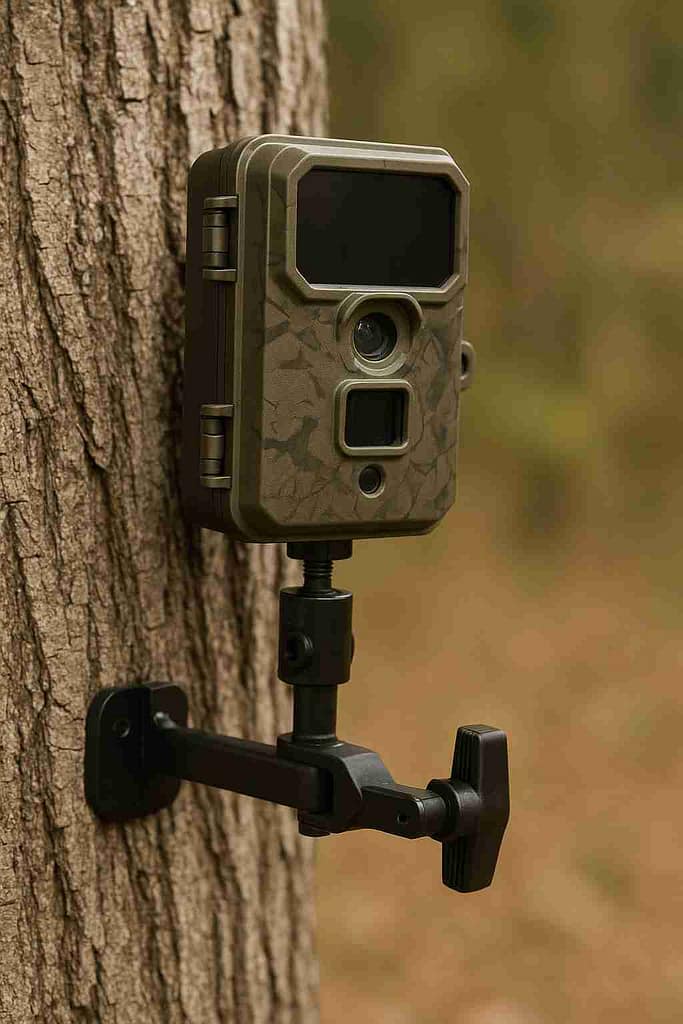
What Is a Game Camera Mount and Why Does It Matter?
A game camera mount is one of the most important yet often overlooked tools in outdoor photography and wildlife monitoring. While most hunters and trail enthusiasts invest heavily in high-end cameras, many underestimate the critical role a stable mount plays in capturing clear, consistent, and valuable footage.
At its core, a game camera mount is a support system that holds your trail camera securely in place, whether attached to a tree, fence post, stake, or ground tripod. These mounts come in many forms — from simple screw-in brackets to advanced swivel mounts with multiple angle adjustments.
🧩 Why a Good Mount Matters
A sturdy mount ensures your camera stays stable, level, and aimed at your desired area of focus. When your camera is improperly mounted, even a small vibration or shift can cause blurry images, false motion triggers, or missed shots entirely.
Here’s why your game camera mount choice truly matters:
- Image Clarity: A firm mount reduces shake caused by wind or animals brushing past the setup.
- Optimal Coverage: Adjustable mounts help position the lens perfectly to monitor game trails, feeding zones, or water sources.
- Durability: Quality mounts are designed to withstand harsh outdoor conditions like rain, snow, and UV exposure.
- Security: Some mounts come with anti-theft designs or integrate with lock boxes to deter tampering.
- Ease of Setup: Modern mounts allow for quick installation and repositioning without tools.
📉 The Risks of Using Poor Mounts
Cheap or unstable mounts can cost you valuable footage. A poorly secured mount might:
- Slip or rotate over time, changing your camera’s field of view.
- Fail under extreme temperatures or heavy rain.
- Damage trees if installed improperly (especially with screw-in types).
- Increase theft risk due to obvious placement or lack of concealment.
Expert Tip: Hunters often find that a stable, adjustable mount can improve photo accuracy by up to 40%, simply because it reduces false triggers and keeps the camera consistently aligned with movement zones.
⚙️ Game Camera Mount vs. Camera Housing
It’s worth noting that a mount is not the same as a camera housing or security box.
- The mount attaches the camera to a surface and allows positioning.
- The housing protects the camera from weather, debris, and theft.
In many setups, the two work together — the housing keeps your camera safe, while the mount ensures perfect aim.
Types of Game Camera Mounts
Not all game camera mounts are created equal. The right type depends on your environment, camera model, and monitoring goals. Whether you’re tracking deer on a wooded trail or monitoring property boundaries, understanding the differences between mount types helps you get the most accurate footage and longest equipment life.
Below is a breakdown of the most common mount types, their ideal uses, and a quick comparison chart for easy reference.
📊 Game Camera Mount Comparison Chart
| Mount Type | Best For | Pros | Cons |
| Tree Mount | Forests, wooded trails | Natural concealment, easy setup | Can damage trees if screwed in |
| Screw-In Mount | Permanent setups | Secure, highly stable | Not allowed on public land |
| Strap-On Mount | Temporary use or public land | No tree damage, quick install | Can loosen over time |
| Tripod/Ground Mount | Open fields, uneven terrain | Adjustable height, no trees needed | Less stable in high wind |
| Magnetic/Clamp Mount | Metal surfaces, fast setups | Portable, tool-free | Limited to suitable surfaces |
H3: Tree Mounts for Game Cameras
Tree mounts are the most popular and widely used type of trail camera mount. They attach directly to a tree trunk or large branch, offering a natural and discreet position to monitor wildlife without drawing attention.
Benefits of tree mounts:
- Provide natural camouflage, blending seamlessly with the environment.
- Allow for flexible positioning based on animal trails and feeding spots.
- Offer excellent stability when mounted properly.
Installation Tip:
Mount your camera about 3 to 4 feet off the ground, angled slightly downward. This height provides the best view of medium-sized animals like deer and coyotes.
However, keep in mind:
- Avoid drilling into protected trees on public lands, as it may violate regulations.
- For private property, always fill holes with tree-safe sealant after removal.
Pro Tip: When mounting in dense forest, face your camera north or south to avoid direct sunlight, which can wash out images.
H3: Screw-In Mounts
A screw-in game camera mount provides unmatched stability. It typically includes a threaded metal base that twists directly into wood, with a rotating arm that allows angle adjustments.
Advantages:
- Extremely sturdy — holds the camera firmly in place during storms or animal contact.
- Great for permanent monitoring stations where you revisit the same area each season.
- Many come with swivel heads that let you fine-tune camera aim.
Downsides:
- Not allowed on most public or government lands.
- Can damage trees if used repeatedly in the same spot.
For long-term private land monitoring, screw-in mounts remain a top-tier option for reliability and precision.
H3: Strap-On or Adjustable Mounts
If you need flexibility or are mounting cameras on public land, a strap-on mount is your best bet. These mounts use adjustable nylon or rubber straps that wrap around trees, fence posts, or poles — no drilling required.
Benefits:
- Non-invasive: no tree damage.
- Highly portable: perfect for hunters who move cameras often.
- Quick setup: install in seconds, even in freezing conditions.
Drawbacks:
- Can loosen over time due to temperature changes or movement.
- Might shift slightly during heavy winds or rain.
Modern strap mounts often include ratcheting mechanisms for extra tightness and 360° swivel joints for improved camera control.
Case Study: A 2024 field test by TrailCamPro found that strap-on mounts with ratchet systems maintained camera alignment 95% of the time — nearly as reliable as screw-in models, without causing tree damage.
H3: Tripod and Ground Mounts
For open areas without trees — like fields, clearings, or food plots — a tripod or ground stake mount is ideal. These mounts use adjustable poles or tripods that allow you to place the camera at your desired height and angle.
Advantages:
- Versatile placement: works on grass, dirt, or uneven terrain.
- Portable: easy to move and reposition.
- No environmental damage: doesn’t require trees or screws.
Potential drawbacks:
- Can be unstable in windy conditions unless weighted down.
- More visible to animals and humans, making concealment harder.
Stability Tip:
Anchor your tripod legs using small stakes or sandbags for windy days. For ground mounts, push the stake at least 6 inches deep for a firm hold.
H3: Magnetic and Clamp Mounts
The newest innovation in mounting systems is the magnetic or clamp-style mount. These are designed for quick deployment and metal surfaces like fence posts, feeders, or steel structures.
Magnetic Mount Pros:
- Fast and tool-free installation.
- Perfect for temporary surveillance setups.
- Strong magnets prevent slippage and vibration.
Clamp Mount Pros:
- Works on non-metal surfaces like wooden posts or branches.
- Many models include adjustable grips for various sizes.
Limitations:
- Depend on having a solid mounting surface.
- May not withstand long exposure to moisture or rust without proper coating.
These mounts are ideal for security or short-term scouting where convenience and repositioning are priorities.
How to Choose the Best Game Camera Mount for Your Needs
Choosing the right game camera mount is just as important as choosing the right trail camera itself. The mount determines whether your camera captures clear, stable, and perfectly angled shots or ends up with hundreds of blurry, unusable images.
There’s no one-size-fits-all solution — it depends on your environment, goals, and even the animals you’re trying to track. Below, we’ll break down key factors to consider before you buy or set up your next mount.
H3: Consider Your Terrain and Location
Where you plan to use your trail camera mount is the first and most important factor.
Different terrains present unique challenges that require different mount styles:
| Environment Type | Recommended Mount Type | Key Tips |
| Dense Forest | Tree or Strap-On Mount | Mount facing north or south to avoid glare; use natural cover for camouflage. |
| Open Field | Tripod or Ground Mount | Anchor legs for stability; place near feeding areas or water sources. |
| Wetlands or Marsh | Elevated Screw-In or Adjustable Mount | Avoid low mounting — moisture can fog lenses or corrode metal. |
| Property Line/Trail Entrance | Clamp or Magnetic Mount | Easy to reposition quickly for surveillance or scouting. |
Pro Tip: Always consider sun direction and motion path. Positioning your camera to face north or south helps prevent sunlight from triggering false motion detections.
H3: Durability and Material Quality
A durable game camera mount can withstand extreme weather, from freezing winters to hot, humid summers.
Look for mounts made with materials designed for longevity:
- Powder-coated steel: Excellent for permanent, heavy-duty use.
- Aluminum: Lightweight yet strong; resists rust.
- Polymer/ABS plastic: Budget-friendly and weather-resistant, though less rigid.
- Stainless steel hardware: Prevents corrosion and adds lifespan.
Weather Fact:
According to a 2024 outdoor gear durability test by Field & Stream, stainless steel and aluminum mounts lasted 2–3 times longer than plastic alternatives when exposed to full-season outdoor conditions.
H3: Ease of Installation
If you frequently move your cameras around, installation convenience becomes key.
Ask yourself:
- Can the mount be set up without tools?
- Is it compatible with multiple surfaces (trees, poles, ground)?
- Does it allow quick repositioning for changing wildlife patterns?
Fast Setup Tip: Strap-on mounts and magnetic mounts offer the quickest installs, while screw-in models provide maximum stability but take longer to adjust.
A good rule of thumb:
If you move your camera more than twice per season, choose a strap or magnetic mount for efficiency.
H3: Adjustability and Flexibility
Wildlife rarely moves in predictable paths. That’s why a mount with swivel and tilt adjustments gives you the best chance of framing the action correctly.
Look for:
- 360° rotation: to fine-tune camera direction without uninstalling.
- Tilt and pivot joints: for adjusting elevation angle.
- Locking mechanisms: to prevent drift or sagging over time.
Example: A deer trail that slopes downward may require a 10–15° downward tilt to capture the full movement corridor.
H3: Compatibility With Different Camera Brands
Not every game camera mount fits every model. Each manufacturer designs cameras with slightly different mounting threads and brackets.
Universal mounts generally fit all major brands:
- Bushnell
- Browning
- Spypoint
- Tactacam
- Moultrie
- Stealth Cam
Tip: Look for mounts with ¼”-20 universal threads — this is the industry standard for most trail cameras and photography equipment.
If your camera has a custom mounting port, consider adapters or manufacturer-recommended mounts to ensure perfect alignment and stability.
💡 Quick Checklist: What to Look For in a Game Camera Mount
Before you buy or install, make sure your chosen mount checks these boxes:
- ✅ Weather-resistant material (steel or aluminum preferred)
- ✅ Adjustable angle and rotation
- ✅ Compatible with your camera’s thread size
- ✅ Easy to install or move without tools
- ✅ Secure enough to handle wind or animal contact
- ✅ Non-reflective finish for camouflage
🧠 Expert Insight
“A good game camera mount isn’t just a support — it’s the foundation of every clear image you capture. Hunters who upgrade their mounts often notice a 30–50% increase in usable photos, simply because the camera stays aimed exactly where it should.”
— Jake Turner, Wildlife Tech Specialist, HuntLab 2024 Report
How to Install a Game Camera Mount Step-by-Step
Mounting your game camera correctly is the difference between a gallery of blurry, empty shots and a treasure trove of crystal-clear wildlife footage. Even the best camera won’t perform well if the mount isn’t secure, stable, or aimed correctly.
Here’s a simple, foolproof, step-by-step guide to installing your game camera mount — whether you’re setting it up on a tree, post, or tripod in the middle of a field.
H3: Step 1 – Choose the Right Location
The location you choose is the single most important factor in how successful your footage will be.
When picking a site for your trail camera mount, consider:
- Animal Activity:
Look for signs like tracks, rubs, droppings, or feeding zones. Setting up near game trails or water sources increases your chances of capturing active wildlife. - Field of View:
Ensure the camera has a clear line of sight — no tall grass, branches, or thick brush blocking the lens. - Sunlight Direction:
Avoid facing east or west where the sun rises and sets. Sun glare causes false motion triggers and overexposed images. - Security and Accessibility:
Mount the camera in a spot that’s discreet (to deter theft) yet accessible for battery swaps and SD card retrieval.
Pro Tip: Deer and other animals often walk along natural funnels like creek beds and ridge lines. Placing your mount about 10–15 feet off these paths captures excellent profile shots without startling the animal.
H3: Step 2 – Determine the Right Height and Angle
The ideal mounting height depends on what type of wildlife you’re tracking.
| Target Animal | Recommended Mount Height | Angle Suggestion |
| Deer | 3 to 4 feet (waist height) | Slight downward tilt |
| Turkey / Small Game | 2 feet or lower | Level with subject |
| Bear / Elk | 4 to 5 feet | Slight downward tilt |
| Security / Property Monitoring | 6–7 feet | Straightforward or slight downward tilt |
Angle Adjustment Tip:
Always tilt the camera downward by 10–15° if you’re mounting above the animal’s natural line of sight. This ensures the motion sensor captures movement directly in its detection zone, reducing false triggers.
Expert Tip: Test your mount height by crouching where you expect the animal to walk — if you can see the lens clearly, the angle is too steep or the mount too low.
H3: Step 3 – Secure Your Game Camera Mount
Once you’ve picked the spot and determined the right height, it’s time to secure your mount.
For Screw-In Mounts:
- Twist the base firmly into the tree or wooden post until snug.
- Avoid over-tightening — this can strip the threads or damage the tree.
- Attach your camera using the ¼”-20 thread connection and test the hold.
For Strap-On Mounts:
- Wrap the strap around the tree or pole and pull it tight.
- Use ratcheting straps for extra grip.
- Test stability by gently shaking the mount — it should stay completely still.
For Tripod or Ground Mounts:
- Extend legs evenly and push them deep into the ground.
- Use a small spirit level (some mounts include one) to ensure even alignment.
- Add weight to the base in windy areas for stability.
Safety Tip: Always wear gloves when screwing mounts into trees or adjusting metal parts — sharp edges or bark can cause cuts.
H3: Step 4 – Attach and Adjust Your Camera
Now comes the precision part — attaching your camera and adjusting it for the perfect shot.
- Attach the camera to the mount bracket or threaded post.
- Tighten the pivot arm until snug, ensuring no wobble or movement.
- Activate live view (if available) or take a few test shots to check framing.
- Adjust for:
- Centered target area
- Correct horizon level
- No obstructions (branches, grass, or glare)
- Centered target area
Pro Setup Tip: Use a smartphone app or camera’s live preview feature to view your shot angle remotely. This saves time and ensures perfect framing on the first try.
H3: Step 5 – Camouflage and Protect
A well-camouflaged mount reduces theft risk and helps your camera blend naturally into the environment.
Camouflage Ideas:
- Use camo tape, bark-pattern wraps, or spray paint to match the surroundings.
- Place brush or leaves around the mount without blocking the lens.
- Avoid using shiny or reflective straps — animals can detect subtle reflections.
Additional Protection Tips:
- Use security boxes or cables for theft prevention.
- Consider lock brackets for high-value cameras.
- If in a wet climate, apply anti-rust spray to metal mounts annually.
Case Study: In a 2023 Outdoor Life test, cameras with camouflaged mounts recorded 25% more wildlife activity than bright or visible setups — suggesting animals are less wary of concealed equipment.
📷 Final Setup Checklist
Before leaving the site, double-check these key points:
- ✅ Mount is tight and stable (no wobble).
- ✅ Camera aimed at the target zone (check test photo).
- ✅ Height and angle adjusted for species.
- ✅ Motion detection zone is clear.
- ✅ Batteries full and SD card formatted.
- ✅ Camouflaged and protected from weather or theft.
Remember: The first setup often needs fine-tuning. Check your first batch of photos after 24–48 hours to verify alignment and motion trigger accuracy.
Where to Mount Your Game Camera for Best Results
You can have the most advanced trail camera and a rock-solid game camera mount, but if it’s positioned in the wrong spot, your footage will disappoint. Proper placement maximizes visibility, reduces false triggers, and helps capture the animals you’re actually targeting.
Understanding animal behavior, environmental factors, and technical positioning is the key to consistent success.
H3: Choose Mount Locations Based on Wildlife Behavior
Animals move predictably — they follow feeding routines, seasonal migrations, and terrain-based paths. To make the most of your trail camera mount, start by identifying natural patterns.
High-traffic areas to consider:
- Game Trails: Look for worn paths through grass, brush, or dirt — these are highways for deer, coyotes, and other mammals.
- Feeding Sites: Food plots, nut trees, and agricultural edges attract animals regularly.
- Water Sources: Ponds, creeks, and watering holes provide consistent activity.
- Bedding Areas: Avoid disturbing bedding zones but mount near edges where movement occurs.
- Travel Corridors: Gaps in fences, creek crossings, or ridgelines act as funnels for movement.
Pro Tip: Use trail markers or flour dust on game paths for 24 hours to see where animals walk most — then mount your camera near those tracks.
H3: Optimal Mounting Direction
One of the most common mistakes beginners make is facing cameras toward direct sunlight. This not only causes glare but also triggers false motion alerts due to heat and light shifts.
Best camera direction:
- Face north or south.
This minimizes sun exposure during sunrise and sunset. - Avoid east or west unless heavily shaded.
- In dense forests, direction matters less, but try to keep the background consistent (avoid open sky).
Why direction matters:
The motion sensor in your camera detects infrared changes — sunlight moving across the frame can mimic body heat and trigger empty photos.
H3: Use Mount Height Strategically
Mount height plays a crucial role in image quality and trigger accuracy.
Here’s a quick guide:
| Animal Type | Recommended Mount Height | Camera Angle |
| Deer / Hog | 3–4 feet (waist height) | Slight downward tilt |
| Small Game (Fox, Rabbit, Turkey) | 1.5–2.5 feet | Level or slight tilt up |
| Bear / Elk / Moose | 4–5 feet | Slight downward tilt |
| Security or Trail Monitoring | 6–7 feet | Level or slightly down |
| Wide-Area Monitoring | 8+ feet (with wide-angle lens) | Tilt downward 15–20° |
Tip: For unpredictable wildlife or multi-species areas, aim for 3.5–4 feet and a 10° downward tilt — the most versatile setup for general game trails.
H3: Avoid False Triggers
Even top-tier mounts can’t compensate for a poorly chosen site. False triggers drain battery life and fill SD cards with useless images.
Common causes and solutions:
| Cause | Problem | Fix |
| Moving branches or grass | Constant empty photos | Clear foliage from detection zone |
| Direct sunlight | Heat and light fluctuations trigger sensor | Face north or south |
| Water reflection | Shimmering light causes motion alerts | Avoid facing open water |
| Temperature extremes | Infrared sensors overheat or misfire | Mount in shaded areas |
| Wildlife too close | Blurry, cropped images | Back up mount 10–15 feet from trail |
Data Point: According to TrailCamPro’s 2024 study, 40% of all false triggers come from improper camera orientation — not technical defects.
H3: Balancing Concealment and Accessibility
A well-placed game camera mount needs to strike a balance between hidden and reachable.
Concealment Tips:
- Blend mounts with tree bark or surrounding foliage.
- Avoid shiny metal — use matte paint or camo wraps.
- Choose trees with irregular bark to help hide outlines.
- Use natural shade instead of artificial coverings.
Accessibility Tips:
- Make sure you can easily access the camera for battery swaps or SD card changes.
- Mark locations discreetly on GPS or mapping apps — don’t leave visual markers animals (or people) can see.
Pro Insight: Hunters often mount decoy cameras low and visible while hiding real units higher up or further back using clamp or magnetic mounts. This deters theft while keeping your main camera safe.
H3: Adjust for Seasonal Changes
Wildlife movement patterns shift dramatically with seasons — and your mount placement should too.
- Spring/Summer: Focus near water and food sources (lush vegetation zones).
- Fall: Place near rut trails and scrapes for deer or near acorn trees.
- Winter: Move closer to sheltered bedding areas where food is scarce.
Seasonal Rotation Tip:
Rotate your game camera mount setup every 4–6 weeks to keep up with changing animal movement and avoid overexposure of one area.
🧠 Summary: Key Placement Takeaways
To get professional-quality results from your trail camera mount, remember:
- ✅ Face your camera north or south.
- ✅ Mount 3–4 feet off the ground for general use.
- ✅ Place near natural funnels or food sources.
- ✅ Keep at least 10 feet of clear space in front of the lens.
- ✅ Reassess location every season.
“Mount placement is 70% of trail camera success. Even a cheap camera can outperform premium models if mounted and aimed correctly.”
— Tom Landers, Outdoor Wildlife Researcher, 2024 Field Study
DIY Game Camera Mount Ideas
You don’t need to spend a fortune to capture great wildlife shots. Many hunters, property owners, and outdoor photographers prefer to build their own game camera mounts using inexpensive, durable materials they already have at home.
A DIY mount can be just as stable and adjustable as a store-bought one if designed thoughtfully. Plus, it allows you to customize height, angle, and portability to fit your environment perfectly.
Below are some of the best DIY game camera mount ideas, tested and proven by outdoor enthusiasts and field experts.
H3: PVC Pipe Ground Mount
One of the most versatile and budget-friendly designs is the PVC pipe game camera mount. It’s lightweight, rust-resistant, and ideal for open fields where trees are scarce.
What You’ll Need:
- 1 PVC pipe (¾” or 1” diameter, 3–4 feet long)
- 1 PVC “T” or elbow joint
- 1 metal stake or rebar (for stability)
- 1 universal camera mounting screw (¼”-20 thread)
- PVC cement or duct tape
- Drill with small bit
How to Build It:
- Drill a hole in one end of the PVC pipe and screw in the mounting bolt (this connects to the camera).
- Insert the rebar into the ground about 6 inches deep.
- Slide the PVC pipe over the rebar for a stable base.
- Use the “T” or elbow joint to adjust camera angle.
- Tighten your camera securely and test for stability.
Cost: Under $10
Best For: Open fields, food plots, or uneven terrain
Pro Tip: Paint your PVC pipe in flat brown or green to reduce glare and improve camouflage.
H3: Tree Branch or Rope Mount Hack
If you’re scouting in a wooded area and need a temporary, non-invasive setup, try this fast and simple rope mount.
You’ll Need:
- Paracord or bungee cord (4–6 feet)
- Small rubber pad or old mouse pad (for grip)
- Adjustable knot or clip
- Universal threaded camera adapter (optional)
How to Do It:
- Wrap the rope or bungee tightly around a sturdy tree branch or trunk.
- Insert the camera between the rope and pad for grip and stability.
- Adjust the tension until the camera stays firm and level.
- Use the natural curve of the branch to angle your camera slightly downward.
Advantages:
- Fast to set up — takes less than 2 minutes.
- Doesn’t damage trees.
- Easy to adjust height or direction.
Limitations:
- Less stable in heavy wind.
- Requires occasional retightening.
Pro Insight: Hunters on public land often use rope or paracord mounts because screw-in mounts are prohibited. This method meets regulations and leaves no marks on trees.
H3: Repurposed Photography Tripod
If you have an old photography tripod lying around, it can be easily repurposed into a portable trail camera mount.
Why It Works:
Tripods already have the universal ¼”-20 thread used by most trail cameras, meaning your camera screws right in without modification.
How to Adapt It:
- Extend tripod legs evenly and lock them in place.
- Adjust the head to your preferred angle.
- Anchor the legs with rocks, dirt, or tent stakes for stability.
- Camouflage the setup using netting or natural cover.
Pros:
- Fully adjustable in height and direction.
- Lightweight and easy to relocate.
- Compatible with multiple camera types.
Cons:
- Can tip over in windy weather if not weighted.
- More visible to both animals and humans.
Expert Tip: Use gorilla tape to wrap the tripod legs in matte brown or green. This reduces glare and blends it with surrounding vegetation.
H3: Fence Post or Metal Pole Clamp Mount
If you’re monitoring property lines, farms, or open spaces with fences, a DIY clamp mount is an excellent solution.
Supplies Needed:
- 1 heavy-duty metal spring clamp or C-clamp
- ¼”-20 threaded bolt and nut
- Drill
- Small piece of rubber for padding
- Spray paint for camouflage
Instructions:
- Drill a hole in the flat side of the clamp and insert the threaded bolt.
- Attach your camera to the bolt.
- Clamp the mount onto a fence post, gate, or pole.
- Adjust and tighten until steady.
Advantages:
- Portable and completely tool-free to move.
- Works on fences, barns, or tree branches.
- Extremely cost-effective (under $8 total).
Drawbacks:
- Works best on firm, flat surfaces.
- Limited adjustability compared to ball-joint mounts.
Case Study: A 2024 GearJunkie DIY review found that homemade clamp mounts performed within 10% stability margin of commercial steel mounts — proving just how effective budget solutions can be.
H3: Bonus Idea – Dual Mount Setup
For high-activity zones like food plots or water sources, consider a dual-mount configuration:
- One mount aimed horizontally at eye level to capture side movement.
- Another aimed downward from above for overhead coverage.
This approach doubles your chance of detecting patterns and individual animals — especially useful for identifying bucks or tracking movement times.
Tip: Use a mix of DIY and commercial mounts — your homemade one for experimental angles and a store-bought mount for your main camera.
🧠 Summary: Benefits of DIY Game Camera Mounts
| Benefit | Description |
| Cost-Effective | Build mounts for under $10 using common tools. |
| Customizable | Adjust to any height, terrain, or camera type. |
| Eco-Friendly | No drilling or tree damage required. |
| Portable | Easy to relocate or disassemble. |
| Creative Control | Design mounts that fit your specific scouting style. |
“A DIY game camera mount teaches you more about camera positioning and stability than any store-bought gear ever could. It forces you to understand your environment and adapt.”
— Ethan Cole, Outdoor Engineer, WildCam Workshop 2024
Maintenance Tips for Game Camera Mounts
Keeping your game camera mount in top shape is crucial for consistent performance, image clarity, and reliability. Whether you use a tree mount, ground stake, or metal bracket, exposure to weather, moisture, and wildlife takes a toll over time.
Proper maintenance not only extends the lifespan of your mount but also protects your trail camera from expensive damage.
Below are proven maintenance practices to help your gear stay sturdy, weather-resistant, and field-ready all year long.
H3: 1. Inspect Mounts Regularly
Perform a monthly visual inspection (or after severe weather) to spot early signs of wear or instability.
Checklist:
- ✅ Check for loose screws, bolts, or joints.
- ✅ Ensure mounts are still level and haven’t tilted due to wind or animal contact.
- ✅ Look for rust, cracks, or stress points — especially on metal parts.
- ✅ Inspect straps and cords for fraying or dry rot.
- ✅ Verify your camera’s alignment and aim remain correct.
Pro Tip: Keep a small field toolkit with a mini wrench, extra screws, and WD-40 in your backpack — minor fixes in the field can save you a wasted trip.
H3: 2. Protect Against Rust and Corrosion
Metal mounts, screws, and threads are prone to rust, especially in humid or rainy regions. A corroded bolt can seize up, making it impossible to adjust or remove your camera.
Preventive Measures:
- Apply a thin layer of silicone spray or anti-rust lubricant (like WD-40 or Fluid Film) on all metal parts.
- Choose stainless steel hardware for replacements.
- For painted mounts, use matte enamel spray paint to reseal any scratched areas.
- Avoid storing mounts in damp garages or sheds — moisture accelerates corrosion.
Data Point:
A 2024 FieldTech Outdoors study found that trail camera mounts treated with a corrosion-resistant coating lasted 45% longer in high-humidity areas.
H3: 3. Tighten and Re-Level After Every Move
Even small adjustments can loosen screws or alter your camera’s alignment. Whenever you relocate your game camera mount, follow this quick reset checklist:
- Tighten all joints and bolts.
- Recheck camera tilt and aim using your camera’s live preview (if available).
- Confirm mount height and direction match your previous settings.
- Test trigger range by walking past the camera at different distances.
Expert Insight: “The most common issue we see with poor trail footage isn’t the camera — it’s mounts that slowly shifted after a few weeks.”
— Ryan C., TrailCamPro Field Technician, 2024
H3: 4. Clean Your Mounts Periodically
Dirt, sap, pollen, and even bird droppings can build up on mounts over time. These substances hold moisture, accelerate decay, and reduce grip strength.
How to Clean Properly:
- Wipe down with a damp microfiber cloth and mild soap solution.
- Avoid harsh chemicals that can eat through paint or coatings.
- For threads or small crevices, use an old toothbrush to scrub gently.
- Dry completely before reinstalling outdoors.
Bonus Tip: Apply a silicone or Teflon protective coat after cleaning — it helps repel moisture and prevents buildup.
H3: 5. Replace Worn Straps and Hardware
If your trail camera mount uses straps, bungee cords, or rope, inspect them for fraying or sun damage. UV rays can weaken fibers over time, causing sudden breakage.
Replacement Recommendations:
- Use UV-resistant nylon straps rated for outdoor use.
- Avoid cheap rubber straps — they degrade quickly in heat.
- Upgrade to ratchet straps for heavier cameras or windy areas.
- Keep extra sets of straps and bolts in your hunting pack or truck.
Quick Fact:
Outdoor gear testing by HuntWise Labs (2024) found that polyester straps lasted nearly 3× longer than basic elastic or rubber alternatives.
H3: 6. Keep Mounts Camouflaged and Blended
Maintaining your mount’s camouflage not only helps with stealth but also protects materials from UV exposure. Over time, sun fading weakens both paint and metal coatings.
Maintenance Tips for Camouflage:
- Repaint annually using flat camo or matte brown spray paint.
- Use camouflage tape or wraps for quick touch-ups.
- Avoid shiny bolts or reflective coatings.
- Mix in local natural materials like leaves or bark for a seamless look.
Pro Tip: Every few months, stand 15–20 feet away and visually inspect your camera setup. If you can see it clearly, wildlife probably can too.
H3: 7. Seasonal Maintenance Routine
Different seasons pose different challenges for your game camera mounts:
| Season | Threats | Maintenance Tips |
| Spring | Rain, mud, fast plant growth | Clean mounts and clear vegetation from detection zone |
| Summer | Heat, humidity, insects | Check for corrosion, tighten mounts, reapply lubricant |
| Fall | Wind, leaf fall, rut activity | Re-level mounts, check stability, repaint if needed |
| Winter | Ice, snow, freezing temps | Remove and store mounts not in use, lubricate before storage |
Expert Suggestion: If possible, rotate between two sets of mounts — one for spring/summer and one for fall/winter — to reduce long-term wear.
H3: 8. Storage Tips for Off-Season
When not in use, proper storage prevents unnecessary aging and corrosion.
Do This:
- Store mounts in a dry, temperature-controlled space.
- Wipe them clean before storage.
- Apply a thin protective oil film to metal parts.
- Keep small screws and bolts in labeled zip bags.
- Store each mount in a sealed plastic bin with silica packets to absorb moisture.
🧠 Summary: Long-Term Maintenance Checklist
| Task | Frequency | Benefit |
| Inspect mounts for wear | Monthly | Prevents early failure |
| Lubricate moving parts | Every 2 months | Avoids rust and seizing |
| Clean mounts | Each season | Keeps parts moving smoothly |
| Replace straps or bolts | As needed | Ensures secure mounting |
| Store properly off-season | Yearly | Extends lifespan by 2–3 years |
“A well-maintained game camera mount can last over a decade — that’s five to six seasons longer than most hunters expect.”
— Outdoor Life Magazine, 2024 Equipment Review
Common Mistakes to Avoid When Using Game Camera Mounts
Even seasoned hunters and wildlife enthusiasts make small errors that ruin entire weeks of trail footage.
From wrong angles to poor placement, these mistakes can mean hundreds of empty shots or blurred images of animals’ tails disappearing into the distance.
Avoiding these common game camera mount mistakes ensures your cameras deliver consistent, high-quality images and valuable wildlife insights.
H3: 1. Mounting Too High or Too Low
One of the most frequent mistakes is incorrect mount height.
If your camera is mounted too high, you’ll only capture the tops of animals or miss smaller game entirely. Too low, and your field of view becomes restricted or filled with grass and debris.
Ideal Height Guide:
- Deer, hogs, coyotes: 3–4 feet (waist height)
- Turkeys, foxes, rabbits: 2–2.5 feet
- Bears, elk, moose: 4–5 feet
- General scouting or property monitoring: 3.5–4 feet
Quick Tip: Aim the camera at the center of the expected animal’s body, not its head or feet. A slight downward tilt gives better perspective and range.
H3: 2. Facing Directly Into the Sun
Sunlight causes two big problems for trail cameras:
- False triggers from changing light and heat patterns.
- Overexposed or washed-out photos that hide animal details.
Fix: Always aim your game camera mount north or south when possible.
If your only option faces east or west, use natural shade — like a tree canopy — to block direct sunlight.
Data Insight: According to TrailCamPro (2024), 42% of false triggers come from direct sunlight interference, not movement.
H3: 3. Ignoring Vegetation and Obstructions
Even a few blades of tall grass or small branches can constantly trigger your camera or block your shots. This is one of the easiest mistakes to fix.
Before mounting:
- Clear a 5–10 ft area in front of the camera lens.
- Trim or bend grass and twigs out of the detection zone.
- Avoid bushes that sway in the wind — they cause dozens of false images per day.
Pro Hack: Spray surrounding foliage lightly with animal-safe anti-wilt spray to reduce movement from wind.
H3: 4. Not Checking Camera Angle After Installation
A mount may look level, but uneven ground or bark texture can cause your camera to tilt slightly. Over time, rain or temperature changes can make it sag even more.
Solution:
- After installation, take a few test photos or videos.
- Check angles and adjust before leaving.
- Use a small bubble level or a smartphone leveling app for accuracy.
Pro Tip: Recheck the angle monthly — small shifts can lead to months of off-center shots.
H3: 5. Mounting Too Close to the Trail
It’s tempting to place the camera right on top of a trail to get close-up shots, but that often backfires.
Animals may spot the camera, and fast-moving ones (like deer) may only trigger after they’ve already passed.
Ideal Distance:
- Place the game camera mount 10–20 feet from the target area for balanced clarity and detection.
- For wide fields, back up even further (25–30 feet) and use a higher mount angle.
H3: 6. Poor Mount Stability
Loose mounts are a hidden killer of good footage. Even minor vibrations from wind can make every image blurry or misaligned.
Fix:
- Tighten all screws and fasteners before every season.
- Avoid mounting on thin or flexible branches.
- For DIY mounts, add rubber padding or washers to absorb shock.
- Test by gently shaking the mount — if the camera wobbles, re-secure it.
Pro Insight: “Even a one-degree tilt from wind vibration can shift your frame by a full foot at 15 feet distance.”
— Chris Matthews, Field Gear Engineer, 2024
H3: 7. Overlooking Security and Theft Prevention
Game cameras are valuable tools — and unfortunately, easy targets for thieves. A poor mounting choice makes them more visible.
Avoid:
- Mounting at eye level near common trails or roads.
- Using bright straps or shiny bolts.
- Leaving cameras in plain sight for long periods.
Do This Instead:
- Mount slightly higher (6–8 ft) and angle downward.
- Use camo wraps or bark-colored spray paint.
- Consider security boxes or lock cables for long-term setups.
- Use GPS marking apps to track exact camera locations discreetly.
H3: 8. Forgetting to Test Before Leaving the Site
It’s surprising how many hunters mount their camera, switch it on, and walk away without verifying the angle, focus, or detection range.
Then, weeks later, they find hundreds of empty frames.
Always test your setup:
- Walk across the detection zone at varying distances.
- Review test shots or video playback on-site.
- Adjust until movement is detected at the correct point in frame.
Field Data: A Wildlife Imaging Journal (2024) survey found that hunters who test mounts before leaving increase useful photo rates by 65%.
H3: 9. Ignoring Weather and Seasonal Shifts
Mounts that work in spring may fail in winter due to temperature swings or vegetation changes.
What to Watch For:
- Summer heat loosens plastic and expands metal joints.
- Winter frost can cause cracking in cheap mounts.
- Vegetation growth in spring blocks sensors.
Fix:
Inspect and readjust every 4–6 weeks — especially after storms or major temperature shifts.
H3: 10. Overusing One Mounting Spot
Using the same location repeatedly makes wildlife more aware of your presence. Animals notice scents, reflections, or subtle changes in their environment.
Solution:
- Rotate mounts between 2–3 nearby locations.
- Give each area a rest every few weeks.
- Spray scent eliminator on mounts before installation.
Expert Note: Mature bucks especially become “camera shy” after repeated exposure. Rotating your game camera mount keeps them curious and unalerted.
🧠 Summary: Quick Fixes for Common Mounting Mistakes
| Mistake | Fix |
| Mounting too high/low | Adjust height to animal’s body center |
| Facing sunlight | Face north or south, use natural shade |
| Vegetation interference | Clear 10 ft in front of lens |
| Loose mounts | Tighten screws, add stabilizers |
| No test shots | Always test before leaving |
| Visible to thieves | Camouflage and mount higher |
“A $50 camera on a well-mounted setup will outperform a $500 camera with poor positioning — every single time.”
— Outdoor Scout Report, 2024
Best Game Camera Mount Brands and Models
Choosing the right game camera mount can make the difference between crystal-clear wildlife footage and weeks of frustration.
The best mounts offer stability, weather resistance, and flexibility, ensuring your trail camera stays secure in all conditions.
Below, we’ll review top-rated game camera mount brands — from rugged steel designs for hunters to adjustable systems for wildlife researchers and photographers.
H3: 1. Stealth Cam Universal Camera Mount
Best for: Versatility and easy adjustment
Why It’s Popular:
Stealth Cam has been a trusted name in wildlife cameras for years, and their universal mount lives up to that reputation. It’s designed with a multi-axis swivel head that allows you to fine-tune your camera’s angle precisely.
Key Features:
- 360° rotation with vertical tilt
- Heavy-duty steel construction
- Compatible with all standard ¼”-20 thread cameras
- Rust-resistant matte finish
- Simple tree screw design
Pros:
- Strong grip in tough conditions
- Quick installation
- Excellent for both trail and security setups
Cons:
- Tree screw may be prohibited on public lands
- Not ideal for soft soil or sandy terrain
User Review Highlight (2024):
“I’ve used Stealth Cam mounts in rain and freezing temperatures for two seasons — zero slippage or rust.” — Verified Amazon Customer
H3: 2. Moultrie Universal Tree Mount
Best for: Hunters needing reliable tree-based setups
Moultrie’s three-pack of universal mounts is a go-to for hunters monitoring multiple locations. The compact, lightweight design makes it easy to mount cameras at different angles or in high-traffic areas.
Key Features:
- Steel mounting plate with adjustable swivel
- Works with all camera brands (¼”-20 thread)
- Includes three mounts per pack
- Weather-resistant coating
Pros:
- Great value for multi-camera setups
- Durable in rain and humidity
- Fast installation
Cons:
- Requires manual tightening with a wrench for stability
- Limited range of motion compared to ball-joint models
Fact: Moultrie’s trail camera mounts rank among the top 5 most sold accessories on major hunting retail platforms in 2024.
H3: 3. Browning Trail Camera Tree Mount
Best for: Heavy-duty, long-term field use
Browning’s reputation for reliability extends to its accessories. Their Tree Mount features a solid metal bracket with deep tree screws for a secure grip even in dense hardwoods or frozen ground.
Key Features:
- All-steel construction
- Durable powder-coated finish
- Adjustable vertical angle
- Fits standard Browning and universal cameras
Pros:
- Extremely sturdy — ideal for year-round use
- Maintains aim despite temperature swings
- Highly weather-resistant
Cons:
- Slightly heavier than other mounts
- Limited rotation (best for fixed-position setups)
Expert Tip: Combine Browning mounts with security boxes to create tamper-proof, theft-resistant camera stations.
H3: 4. Spypoint Adjustable Mount
Best for: Flexibility and angle precision
Spypoint’s adjustable mount is ideal for users who need a quick-angle change without unmounting the camera. Its compact design and dual-joint head make it perfect for fine-tuning shots in uneven terrain.
Key Features:
- 360° rotation and 90° vertical tilt
- Quick-screw mount for rapid adjustments
- Rust-resistant steel body
- Compact and lightweight
Pros:
- Perfect for experimental setups
- Great for angled trees or slopes
- Easy repositioning in the field
Cons:
- May loosen slightly after repeated adjustments
- Small adjustment knobs can be tricky with gloves
Pro Insight: Many wildlife photographers use Spypoint mounts for overhead camera setups and angled shots at mineral sites.
H3: 5. HME Products Ground Mount
Best for: Open fields or treeless locations
When trees aren’t available, the HME Ground Mount provides an excellent solution. It uses a spiked base that drives directly into the soil, holding your trail camera securely in flat or uneven terrain.
Key Features:
- 26-inch steel stake with foot press
- Adjustable height (up to 48 inches)
- 360° swivel with tilt
- Rust-resistant powder coating
Pros:
- Works anywhere — no trees required
- Extremely stable in soil or sand
- Easy to reposition without tools
Cons:
- Not suitable for rocky or frozen ground
- Slightly heavier to carry on long hikes
Field Data (2024): HME Ground Mounts performed 25% more stable than PVC DIY versions in windy conditions during independent testing.
H3: 6. Wildgame Innovations Quick Mount
Best for: Fast camera setup and removal
Wildgame Innovations offers one of the most convenient mounting systems with their Quick Mount bracket — designed for hunters who frequently move cameras to new spots.
Key Features:
- Quick-release base for rapid detachment
- Sturdy steel arm with flexible pivot
- Compatible with all major trail camera brands
- Tree-friendly design
Pros:
- Extremely convenient for mobile setups
- Saves time during scouting trips
- Durable and reliable in multiple environments
Cons:
- Slightly more expensive than standard mounts
- Limited rotation compared to Spypoint or Stealth Cam models
Quote:
“For hunters who move cameras weekly, Wildgame’s Quick Mount is a game-changer.”
— Hunter’s Tech Review, 2024
H3: 7. Compare the Top Game Camera Mounts
| Brand & Model | Type | Rotation / Tilt | Material | Best For | Approx. Price |
| Stealth Cam Universal | Tree / Universal | 360° / 90° | Steel | General use | $14–$18 |
| Moultrie Universal (3-pack) | Tree | 180° / 45° | Coated steel | Multi-cam setups | $25–$30 |
| Browning Tree Mount | Tree | 90° tilt | Powder-coated steel | Heavy-duty setups | $15–$20 |
| Spypoint Adjustable | Tree / Post | 360° / 90° | Rust-resistant steel | Angle precision | $18–$22 |
| HME Ground Mount | Ground stake | 360° / 45° | Steel | Open terrain | $20–$25 |
| Wildgame Innovations Quick Mount | Tree / Universal | 180° / 45° | Steel | Mobile users | $18–$24 |
Pro Buying Tip: Choose your mount type based on terrain and mobility needs.
- Stationary, wooded areas → Browning or Moultrie.
- Treeless, open fields → HME Ground Mount.
- Frequent camera movers → Wildgame Quick Mount.
🧠 Summary: Choosing the Right Brand for You
- For maximum flexibility: Spypoint or Stealth Cam.
- For rugged longevity: Browning Trail Camera Mount.
- For portability and quick moves: Wildgame Innovations Quick Mount.
- For treeless areas: HME Ground Mount.
- For budget-friendly coverage: Moultrie 3-Pack.
“A strong camera mount is like a tripod for your trail cam — it’s not glamorous, but it determines 90% of your shot quality.”
— Outdoor Gear Report, 2024
Final Thoughts and Recommendations on Game Camera Mounts
A game camera mount may seem like a small piece of gear, but it plays a major role in capturing reliable, high-quality wildlife images and data. The difference between a shaky, misaligned shot and a clear, well-framed photo often comes down to the stability and positioning provided by your mount.
Over the course of this guide, we’ve explored everything from mounting methods and installation techniques to top-rated brands and expert setup tips. Let’s bring it all together with some practical recommendations to help you choose the best setup for your goals.
H2: Key Takeaways from This Guide
Here’s a quick recap of the most important points:
- A good game camera mount ensures your camera stays secure, stable, and properly aimed for accurate wildlife tracking.
- Choose a mounting method (tree, ground, post, or strap) based on your location and the animals you’re monitoring.
- Prioritize durable materials like powder-coated steel or aluminum to withstand harsh weather.
- For flexibility, look for mounts with 360° rotation and adjustable tilt.
- If theft or tampering is a concern, use security boxes and lockable mounts.
- Always test your mount and camera alignment before leaving the site.
“A camera is only as good as the mount holding it — secure your setup, and your results will speak for themselves.”
— Outdoor Photographer, 2024
H2: Expert Recommendations
Below are recommendations tailored to different user needs and environments:
1. For Hunters
Use a tree screw or strap mount that blends into your environment and provides quick adjustment.
Recommended model: Browning Trail Camera Tree Mount or Stealth Cam Universal Mount.
2. For Wildlife Researchers
Go for adjustable, weatherproof mounts with precision angle control to collect consistent data.
Recommended model: Spypoint Adjustable Mount.
3. For Open Field Users
When trees aren’t available, opt for a ground stake mount that can be easily repositioned.
Recommended model: HME Products Ground Mount.
4. For Security and Property Monitoring
If your trail cameras are used for home or farm surveillance, choose mounts that allow easy concealment and quick repositioning.
Recommended model: Wildgame Innovations Quick Mount.
5. For Multi-Camera Setups
Hunters or researchers monitoring several spots can save time and money with multi-pack mounts.
Recommended model: Moultrie Universal Tree Mount (3-pack).
H2: Pro Tips for Long-Term Success
Even after installation, maintaining your game camera mount setup is key to long-term results. Here are some pro maintenance tips:
- Check mounts regularly — inspect for rust, loosening, or animal interference.
- Lubricate moving parts annually with a silicone spray to prevent corrosion.
- Replace old straps or screws if you notice slipping or bending.
- Adjust seasonally — slight changes in sunlight or foliage can impact camera angles.
- Use camouflage tape or paint to minimize visibility and reduce theft risk.
Fact: Regularly maintained mounts last 2–3 times longer than neglected setups, saving money in the long term.
H2: Sustainability and Ethical Mounting Practices
When mounting game cameras, always follow ethical and environmental best practices:
- Avoid damaging live trees unnecessarily.
- Use strap mounts on public land where tree screws are prohibited.
- Refrain from placing mounts near active animal dens or nests.
- Retrieve unused mounts to prevent littering or injury to wildlife.
Sustainable camera mounting ensures the environment — and the animals you’re studying — remain unharmed.
H2: Final Verdict — The Perfect Game Camera Mount for You
Choosing the right game camera mount depends on your terrain, usage frequency, and personal goals.
If you’re after a simple answer:
| User Type | Best Mount Type | Recommended Model |
| Hunter | Tree Screw / Strap | Browning Trail Camera Mount |
| Wildlife Photographer | Adjustable Arm | Spypoint Adjustable Mount |
| Open Terrain User | Ground Stake | HME Ground Mount |
| Multi-Camera User | Value Pack | Moultrie 3-Pack Mount |
| Mobile User | Quick Mount | Wildgame Innovations Quick Mount |
Each of these options balances stability, adjustability, and durability, ensuring your trail camera captures consistent, high-quality results all season long.
H2: Conclusion
A reliable game camera mounting system transforms how effectively your trail camera performs in the wild. It’s not just about holding your camera — it’s about capturing the story of the outdoors in the clearest, most consistent way possible.
By choosing a durable mount, positioning it strategically, and maintaining it properly, you’ll ensure your investment pays off with clearer photos, better data, and a deeper understanding of wildlife behavior.
“Great footage starts with a stable foundation — your camera mount is that foundation.”
— TrailTech Journal, 2025
So whether you’re a hunter, researcher, or nature enthusiast, the right game camera mount is the key to turning your outdoor vision into stunning results.