


16 Camera Security System – Complete Buyer’s Guide for 2026
In today’s world, security isn’t optional—it’s essential. Whether you’re protecting a large home, a busy retail store, or a commercial warehouse, having full visual coverage can make the difference between catching intruders and being left in the dark. That’s where a 16 Camera Security System comes in.
A 16 camera security system (also called a 16 channel security camera system or 16 camera CCTV system) offers complete surveillance coverage for large spaces. It allows you to monitor every corner, entry point, and blind spot—indoors and outdoors—with one integrated system. Many modern setups include HD or 4K cameras, night vision, motion alerts, and remote access via smartphone apps.
Why 16 Cameras?
Most small systems include 4 or 8 cameras, which may not be enough for full property coverage. Sixteen cameras, however, give you the flexibility to monitor:
- All exterior walls (front, back, sides, driveway, backyard)
- Indoor entry points (doors, hallways, garages)
- Critical areas (offices, storage rooms, registers, server rooms)
With a 16 channel DVR or NVR, all your video feeds are stored in one place and can be accessed instantly. This makes it easier to review footage, identify incidents, and even share evidence with authorities if needed.
The Growing Importance of Multi-Camera Security Systems
According to Allied Market Research, the global video surveillance market is projected to reach $144 billion by 2032, driven by an increasing need for property safety and technological advancements in AI-based monitoring. Businesses and homeowners alike are upgrading to multi-camera systems that offer wide coverage, cloud integration, and smart analytics.
“The best security systems are those that prevent incidents, not just record them.”
— Security Today, 2024 Report
In 2026, 16-camera setups are more affordable and accessible than ever before. Leading brands like Reolink, Lorex, and Swann offer plug-and-play systems that are easy enough for DIY installers yet powerful enough for professional-grade protection.
What You’ll Learn in This Guide
This comprehensive guide covers everything you need to know before investing in a 16 camera security system:
- How 16-camera systems work and who needs them
- Key features and types (wired, wireless, PoE, 4K)
- Top-rated systems in 2026
- Installation, costs, and maintenance
- Troubleshooting, upgrades, and FAQs
By the end, you’ll understand exactly how to choose, install, and optimize a 16 camera security system that fits your property and budget.
What Is a 16 Camera Security System?
A 16 Camera Security System is a comprehensive surveillance setup designed to monitor large areas such as homes, businesses, schools, warehouses, or parking lots. It typically includes 16 cameras connected to a Digital Video Recorder (DVR) or Network Video Recorder (NVR), providing centralized video storage and live monitoring capabilities.
This kind of system is ideal for anyone needing complete coverage of multiple zones, like entrances, exits, hallways, perimeters, and high-traffic areas. Unlike smaller systems, which may leave blind spots, a 16-camera setup ensures no corner goes unwatched.
Core Components of a 16 Camera Security System
| Component | Description |
| Cameras (16 units) | Capture video footage from various locations. May be indoor, outdoor, dome, or bullet cameras. |
| DVR/NVR (16 Channel) | Records, stores, and manages all 16 video feeds. DVRs are used for analog systems, NVRs for IP cameras. |
| Hard Drive (Storage) | Stores recorded footage. Common capacities range from 2TB–10TB depending on resolution and duration. |
| Cables or Network Connections | Connect cameras to the recording unit (wired via coaxial or Ethernet cables). |
| Power Supply | Provides consistent power to all cameras—either through a separate adapter or PoE (Power over Ethernet). |
| Monitor or Display | Used to view live feeds or recorded videos. Can connect via HDMI or remotely through a smartphone app. |
Wired vs Wireless 16 Camera Systems
When choosing a 16 camera security system, one of the first decisions is whether to go wired or wireless:
1. Wired 16 Camera Systems
- Use coaxial (DVR) or Ethernet (NVR) cables to transmit data and power.
- Offer reliable signal quality and no interference.
- Best for permanent installations in large properties.
- Slightly more time-consuming to install.
2. Wireless 16 Camera Systems
- Connect via Wi-Fi, ideal for homes where running cables is difficult.
- Easier to install but may suffer from signal dropouts if Wi-Fi coverage is weak.
- Typically rely on AC power or battery.
- Offer flexibility in camera placement.
Pro Tip: For commercial properties or multi-building sites, a PoE (Power over Ethernet) 16 channel security system is often the best choice. It combines power and data in one cable, reducing clutter and installation costs.
Resolution Options: From HD to 4K
The clarity of recorded footage depends on camera resolution. Here’s a quick comparison:
| Resolution Type | Pixels | Quality Description |
| 1080p (Full HD) | 1920×1080 | Clear enough for basic surveillance and identification. |
| 2K (1440p) | 2560×1440 | Sharper details; useful for license plates and facial recognition. |
| 4K (Ultra HD) | 3840×2160 | Professional-grade clarity; captures small details even at a distance. |
In 2026, 4K 16 camera security systems have become the standard for businesses and high-end homeowners due to their crystal-clear image quality and ability to zoom without pixelation.
DVR vs NVR: What’s the Difference?
Many buyers wonder whether they should choose a DVR or NVR system. Here’s how they differ:
| Feature | DVR (Digital Video Recorder) | NVR (Network Video Recorder) |
| Camera Type | Analog (CCTV) | IP (Internet Protocol) |
| Cabling | Coaxial cable | Ethernet (PoE) |
| Video Quality | Good | Excellent (up to 4K) |
| Installation Complexity | Moderate | Easier with PoE |
| Remote Access | Limited | Advanced (via apps/cloud) |
| Best For | Budget-friendly setups | Modern, smart systems |
If you’re aiming for future-proof technology, NVR-based 16 camera systems are the way to go. They support higher resolutions, easier scalability, and AI-powered features such as motion analytics and smart detection zones.
Common Smart Features in Modern 16 Camera Security Systems
Modern 16 camera systems aren’t just about recording footage—they’re about intelligent security management. Popular smart features include:
- AI Motion Detection – Identifies humans, vehicles, or animals and reduces false alerts.
- Facial Recognition – Detects known faces for added security.
- Mobile Alerts & Push Notifications – Get instant updates on suspicious movement.
- Cloud Backup Options – Secure offsite video storage for redundancy.
- Two-Way Audio – Allows you to communicate directly through cameras.
- Smart Home Integration – Compatible with Alexa, Google Home, and Apple HomeKit.
Quick Recap
A 16 Camera Security System provides:
- Comprehensive 360° coverage
- Centralized video management
- Expandable storage and smart monitoring features
- High-definition footage for better evidence quality
With the right setup, this system can act as your silent, 24/7 digital security guard—protecting your property, assets, and peace of mind.
Who Needs a 16 Camera Security System?
Not every property requires 16 cameras—but for certain homes, businesses, and institutions, having a 16 Camera Security System is the most practical and effective solution for complete coverage. Whether it’s for enhanced safety, liability protection, or operational monitoring, a system of this size offers the flexibility to cover multiple entry points, wide outdoor areas, and interior zones simultaneously.
Let’s break down who benefits most from installing a 16 channel or 16 camera surveillance system.
Homeowners with Large Properties
If you own a large home, estate, or multi-building property, a 16 camera system ensures you can monitor every corner.
Typical areas covered include:
- Driveways and entrances
- Perimeter walls and gates
- Backyards, patios, and pools
- Garages and sheds
- Interior hallways and entry points
Case Study:
A homeowner in Texas installed a Lorex 4K 16 Camera Security System to monitor a two-acre property. After installation, the owner reported a 70% decrease in trespassing incidents and was able to provide clear video evidence during a neighborhood dispute.
Homeowners also appreciate the ability to check in remotely using their smartphones—whether they’re traveling, at work, or simply away from home.
“With a 16 channel security camera system, I can see every inch of my property on one screen. It’s like having my own private monitoring center.”
— Homeowner, Dallas, TX
Businesses and Retail Stores
Businesses are among the top users of 16 camera surveillance systems. With employees, customers, inventory, and cash to manage, visibility is everything.
A 16 camera setup can monitor:
- Entrances and exits
- Customer service areas and registers
- Storage and stock rooms
- Parking lots and delivery zones
- Office spaces and employee workstations
According to a Retail Industry Leaders Association study, businesses that deploy multi-camera security systems experience up to a 30% reduction in theft and internal shrinkage.
Moreover, video analytics can help managers analyze customer flow, improve safety, and even optimize store layout based on movement patterns.
Warehouses, Factories, and Parking Lots
Large industrial sites often require wide coverage and continuous recording, which makes a 16 Camera Security System an ideal fit.
In a warehouse, each camera can be strategically placed to monitor:
- Loading docks
- High-value storage racks
- Equipment areas
- Exit doors and restricted access points
Fact: The U.S. Bureau of Labor Statistics notes that workplace theft accounts for 30% of business losses annually, much of which occurs in unsupervised warehouse areas. Installing a 16-camera setup significantly reduces liability and improves accountability.
For parking lots and garages, multiple cameras can capture license plates, detect vandalism, and enhance safety for both employees and visitors—especially when combined with infrared night vision and license plate recognition (LPR) technology.
Schools, Campuses, and Institutions
Educational institutions are increasingly turning to large multi-camera systems for security and incident prevention. A 16 camera CCTV system can cover:
- Entrances and hallways
- Common areas and cafeterias
- Outdoor playgrounds or parking zones
- Administrative offices
Such systems can integrate with access control systems, ensuring that only authorized individuals enter secured areas. Schools that use these systems report improved student safety and faster incident response times.
Multi-Building or Multi-Level Security Needs
Apartment complexes, hotels, and office buildings often require surveillance across multiple floors or structures. A 16 channel security camera system enables centralized monitoring for all cameras through one NVR/DVR, eliminating the need for separate systems per building.
Example Setup:
| Camera Zone | Purpose |
| 1–4 | Entrances & exits |
| 5–8 | Hallways & stairwells |
| 9–12 | Parking areas & driveways |
| 13–16 | Rooftop, storage, elevators, or lobbies |
This type of centralized visibility is critical for real-time response to security events and efficient management of large facilities.
Summary: Who Benefits Most
| User Type | Key Benefits |
| Homeowners | Full property coverage, peace of mind, remote monitoring |
| Businesses | Theft prevention, staff monitoring, evidence collection |
| Warehouses | Operational safety, asset protection, 24/7 visibility |
| Schools | Safer campuses, access control, faster incident response |
| Multi-Unit Properties | Centralized management, efficient coverage |
In short, if your property spans multiple zones, has high foot traffic, or contains valuable assets, a 16 Camera Security System delivers the coverage, reliability, and deterrence you need.
Key Features to Look for in a 16 Camera Security System
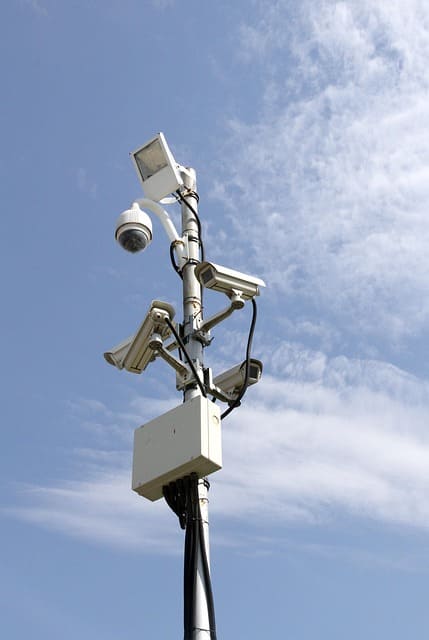
Choosing the best 16 Camera Security System isn’t just about the number of cameras—it’s about the quality, technology, and smart features behind each one. A powerful system ensures not only crystal-clear footage but also intelligent monitoring, reliability, and ease of use.
Below are the core features you should evaluate before making a purchase.
1. Resolution and Image Quality (HD, 2K, 4K)
The first and most important consideration is video clarity. High resolution ensures you can identify faces, license plates, and objects clearly—even at a distance.
| Resolution | Pixel Count | Image Quality | Best For |
| 1080p (Full HD) | 1920×1080 | Good clarity | Small businesses, homes |
| 2K (1440p) | 2560×1440 | Very clear | Medium-sized properties |
| 4K (Ultra HD) | 3840×2160 | Exceptional detail | Commercial use, evidence capture |
Pro Tip: Always opt for a 4K 16 camera security system if your budget allows—it provides up to 4× the detail of standard HD, making it invaluable for forensic evidence or law enforcement use.
2. Night Vision and Infrared Capabilities
Criminal activity often happens at night, so powerful night vision is critical. Modern systems offer infrared (IR) LEDs and color night vision using ambient light or built-in spotlights.
Look for features like:
- Range: At least 100 ft. of night visibility
- Smart IR adjustment: Prevents overexposure close to the camera
- Color Night Vision: Offers better detail and context in low light
“A well-lit, high-resolution night vision camera reduces the likelihood of crime by 60%.”
— National Crime Prevention Council, 2024
3. Motion Detection and Smart Alerts
Advanced motion detection allows your 16 channel security system to notify you of suspicious movement only when it matters. Instead of constant recording, smart systems use AI to filter out false alarms caused by animals, weather, or shadows.
Key smart alert features include:
- Human and vehicle detection
- Customizable motion zones
- Push notifications via mobile app or email
- Instant playback of triggered events
This feature helps save both storage space and time during playback while keeping you informed in real time.
4. Storage Options (Local HDD vs Cloud)
A 16 camera system generates a huge amount of video data, so storage is crucial. Systems generally offer two main types:
Local Storage (Hard Drive)
- Built into the DVR/NVR (usually 2TB–10TB).
- No ongoing subscription fees.
- Faster access and privacy control.
Cloud Storage
- Stores footage offsite for backup security.
- Accessible anytime, anywhere.
- Usually requires a small monthly fee.
Recommendation: Use both local and cloud storage for redundancy. Local keeps everything offline and secure, while cloud ensures backup if the system is damaged or stolen.
5. Remote Viewing and Mobile App Integration
Modern 16 camera surveillance systems come with mobile apps that allow users to stream live video, review past footage, and receive alerts directly on their smartphones.
Top features to look for:
- Multi-camera viewing (all 16 feeds)
- Two-way audio communication
- Push notifications with thumbnails
- PTZ (Pan-Tilt-Zoom) control
- Encrypted cloud connection for privacy
Brands like Reolink, Lorex, and Amcrest offer robust apps that work on Android, iOS, and desktop browsers—ensuring full control no matter where you are.
6. Weatherproof and Vandal-Resistant Design
Outdoor cameras must withstand harsh conditions. Look for:
- IP66 or IP67 rating – waterproof and dust-tight
- IK10 impact resistance – protects against tampering or vandalism
- Wide temperature range – ideal for both hot and cold climates
Example: A Lorex 4K outdoor bullet camera can operate in temperatures from -22°F to 140°F, perfect for year-round use.
7. Field of View and Camera Range
The field of view (FOV) determines how wide an area a camera can cover.
| Camera Type | Typical FOV | Best Use |
| Bullet Camera | 70°–100° | Long-range outdoor viewing |
| Dome Camera | 100°–130° | Wide indoor coverage |
| PTZ Camera | 90°–360° (movable) | Large open areas, parking lots |
When planning camera placement, overlap the fields of view slightly to eliminate blind spots.
8. Audio Recording and Two-Way Communication
Audio adds an extra layer of awareness. Many 16 camera systems now include microphones for recording ambient sound or two-way communication, letting you speak through your mobile app.
Use cases include:
- Communicating with delivery drivers
- Warning trespassers verbally
- Monitoring employee interactions
Legal Note: Always check local privacy laws before recording audio, as some regions require consent.
9. AI Features – Smart Detection and Analytics
Artificial Intelligence (AI) has revolutionized the modern 16 camera CCTV system. Advanced models now include machine learning algorithms that improve detection accuracy over time.
Common AI functions:
- Facial Recognition – identify or alert on familiar/unfamiliar faces
- Vehicle & Object Detection – distinguish between people, cars, or packages
- Line Crossing & Intrusion Zones – trigger alerts for restricted areas
- People Counting – useful for retail analytics
These features make your system not just reactive—but proactive, predicting and preventing potential threats.
10. Expandability and System Compatibility
While 16 cameras are usually enough, some NVRs support expansion up to 32 or 64 channels, allowing you to add more cameras later. Always ensure:
- Cameras are compatible with your recorder (brand, protocol).
- The system supports ONVIF standards for third-party camera integration.
- Future firmware updates will continue to support your hardware.
Summary: Must-Have Features Checklist
| Category | Recommended Specification |
| Resolution | Minimum 2K, ideally 4K Ultra HD |
| Night Vision | IR or color vision up to 100 ft |
| Motion Detection | Smart AI-based alerts |
| Storage | 4TB HDD + cloud backup |
| Weatherproofing | IP66 or better |
| Mobile Access | Real-time app integration |
| Audio | Two-way communication |
| AI Features | Facial recognition, smart zones |
| Expandability | Supports up to 32+ channels |
In short, the best 16 Camera Security Systems combine clarity, intelligence, and durability—delivering powerful protection for both residential and commercial properties.
Types of 16 Camera Security Systems
When choosing a 16 Camera Security System, one of the biggest decisions is selecting the right system type for your property’s needs. The main categories—wired, wireless, PoE, and analog vs. IP systems—each offer distinct advantages in performance, reliability, and cost.
Understanding these types will help you choose a system that balances budget, coverage, and ease of use.
1. Wired 16 Camera Security Systems
A wired 16 camera system uses physical cables to connect each camera to the central DVR or NVR. This setup is often favored for professional installations due to its reliability and signal stability.
Key Benefits:
- Consistent signal: No Wi-Fi interference or dropouts.
- High video quality: Stable, uninterrupted transmission.
- Secure data transmission: Ideal for sensitive environments (banks, offices).
- Long-term durability: Once installed, minimal maintenance is required.
Drawbacks:
- Installation complexity: Requires drilling and routing cables through walls or ceilings.
- Less flexibility: Camera placement limited by cable reach.
Best For:
Large homes, commercial properties, or industrial environments that need uninterrupted surveillance.
Example:
A Reolink 4K 16 Channel PoE System delivers crystal-clear footage using Ethernet cables that power and connect each camera directly to the NVR.
2. Wireless 16 Camera Security Systems
A wireless 16 camera surveillance system connects cameras to the NVR or Wi-Fi network using radio or internet signals. It’s a great choice for DIY installers or renters who want a simpler setup.
Advantages:
- Easy installation: No need to run long cables.
- Flexible placement: Cameras can be positioned almost anywhere within Wi-Fi range.
- Portable: Easy to move or expand as needed.
Limitations:
- Wi-Fi dependence: Signal strength affects reliability.
- Power source required: Cameras still need AC power or rechargeable batteries.
- Interference: Other wireless devices may disrupt the signal.
Best For:
Small businesses, temporary setups, or residential properties with good Wi-Fi coverage.
“Wireless systems have revolutionized security—giving homeowners flexibility that was once impossible with traditional CCTV setups.”
— Smart Security Trends Report, 2024
3. PoE (Power over Ethernet) 16 Channel Security Systems
A PoE 16 camera security system is a type of wired setup that uses a single Ethernet cable to transmit both power and data. It offers the perfect balance between the reliability of wired systems and the simplicity of installation.
Why PoE is Popular:
- Simplified cabling: One cable per camera (power + data).
- Faster installation: No separate power adapters.
- Cleaner setup: Reduces clutter and wiring complexity.
- Scalable: Easily add or swap cameras.
Technical Insight:
PoE systems often support Gigabit Ethernet speeds, allowing them to handle high-resolution 4K footage without lag or compression loss.
Example Brands:
Lorex, Amcrest, and Hikvision offer 16 channel PoE NVR kits that are highly rated for both home and commercial use.
4. Analog (CCTV) vs. Digital (IP) Systems
Both analog and IP (Internet Protocol) systems are available for 16-camera configurations, but they function differently.
| Feature | Analog (CCTV) | IP (Digital) |
| Video Transmission | Coaxial cable | Ethernet cable |
| Recorder Type | DVR | NVR |
| Image Quality | Up to 1080p | Up to 4K+ |
| Installation | Complex | Easier (PoE) |
| Smart Features | Limited | AI, motion analytics, cloud |
| Scalability | Fixed | Easily expandable |
| Remote Access | Limited | Full via app/cloud |
Analog Systems:
- More affordable and simple for basic use.
- Ideal for upgrading older CCTV setups.
- Fewer smart features.
Digital IP Systems:
- Offer higher resolution, remote access, and AI analytics.
- Perfect for businesses or tech-savvy homeowners who want smart security.
Recommendation:
For most buyers in 2026, an IP-based 16 Camera Security System with PoE connectivity is the best option for long-term scalability and modern functionality.
5. Hybrid Systems (DVR/NVR Combo)
Some manufacturers now offer hybrid 16 channel recorders that support both analog and IP cameras. These are ideal for those upgrading from an older CCTV system without replacing all existing cameras.
Benefits:
- Flexible compatibility: Mix analog and digital cameras.
- Gradual upgrades: Add new IP cameras over time.
- Cost-effective transition: Reuse existing cabling infrastructure.
Hybrid systems are a practical solution for businesses scaling up their surveillance network without starting from scratch.
6. Cloud-Based 16 Camera Systems
The newest generation of systems—particularly from brands like Arlo and Eufy—use cloud-based recording instead of local storage. While not traditional NVR/DVR setups, they fall under the broader category of wireless 16 camera surveillance systems.
Advantages:
- Remote storage security: Footage remains safe even if the system is damaged.
- Automatic updates: Always runs the latest firmware.
- Accessible anywhere: View footage via app or web browser instantly.
Downsides:
- Monthly subscription fees for storage plans.
- Dependence on internet speed for smooth playback.
Best For:
Tech-forward homeowners or businesses that prefer cloud convenience over local hardware management.
Choosing the Right Type for Your Needs
| System Type | Best For | Key Advantages |
| Wired (DVR/NVR) | Permanent installations | Reliable and high-quality |
| Wireless | Easy setup, renters | Flexible and portable |
| PoE (IP) | Modern homes, offices | Simple cabling, 4K support |
| Analog CCTV | Budget users, legacy systems | Cost-effective |
| Hybrid | Upgrading setups | Compatibility and flexibility |
| Cloud-Based | Smart homes, remote access | Secure offsite storage |
Final Tip:
If you’re looking for the best balance of performance, simplicity, and long-term value, choose a PoE-based IP 16 Camera Security System. It delivers superior image quality, smart features, and ease of installation—making it the go-to solution for both residential and commercial properties in 2026.
Best 16 Camera Security Systems in 2026
✅ What to look for
When assessing kits for a 16 Camera Security System (or 16 channel security camera system), key criteria include:
- 4K (or at least 2K) resolution support
- A 16-channel NVR/DVR (i.e., supports up to 16 cameras)
- Good storage capacity (large HDD, scalable)
- PoE support (for wired setups) or reliable wireless performance
- Strong brand reputation and user reviews
- Future-proof features like smart alerts, remote viewing, cloud/local storage options
Sources confirm that 16-channel and PoE systems are increasingly standard for large-site surveillance. (cctvsecuritypros.com)
🔍 Top Kit Comparisons
Below are representative best-in-class 16 camera/16 channel security system kits (or large-scale kits) you should consider. (Note: Actual availability may vary by region.)
- 16‑Channel IP PoE Security Camera System: A full IP PoE kit designed for 16 cameras, offering plug-and-play installation, high resolution detail, and centralized recording. Ideal for commercial properties or larger homes.
- 16‑Channel Security System Kit (16‑Camera): Found listed among 16-channel systems on major electronics retailer pages; good for comparison shopping.
- 16‑Camera IP Systems Kit: Another referenced kit within the IP category, showing “everything is literally plug and play” for large-system setups. (cctvsecuritypros.com)
🧮 Comparative Table
| Feature | Highlights | Why it matters |
| Channel Count (16) | Supports up to 16 cameras simultaneously | Ensures full-site coverage for large areas |
| Resolution | Many kits now support 4K | Higher clarity helps identify faces/license plates |
| PoE Support | One cable for power + data | Simplifies wiring and installation |
| Local + Cloud Storage | Some offer dual storage options | Adds redundancy and ease of remote access |
| Brand & Reviews | Kits from brands with strong reputation | Lower risk of compatibility issues, better support |
🎯 Why these are “best” (based on 2026 trends)
- According to reviews of PoE systems, brands focusing on PoE and high resolution are leading the pack. (Security.org)
- Buyers of larger systems (16 cameras) benefit from ready-made kits because of the complexity of wiring, storage, and channel management.
- The ability to upgrade to 4K and use AI features is gaining traction in 2026. (Security.org)
📝 Choosing the Right Kit for You
When selecting a kit for a 16 Camera Security System, ask yourself:
- Do I need 4K resolution or will 2K / 1080p suffice given my viewing distances?
- Is my property wired for PoE (Ethernet) or will I need wireless cameras?
- How much storage will I need for 16 cameras (large HDD or cloud backup)?
- Will I need professional installation or can I DIY?
- Are the cameras and NVR compatible with smart features and remote access?
- What’s my budget relative to cost of kit + installation + optional subscription/storage?
✅ Summary
For anyone looking to deploy a comprehensive 16 camera security system, the kits above represent excellent starting points in 2026. They combine capacity (16 channels), high resolution, and modern features. Focus on finding one that fits your property size, installation type (wired/PoE vs wireless), and storage needs.
How to Install a 16 Camera Security System (Step-by-Step Guide)
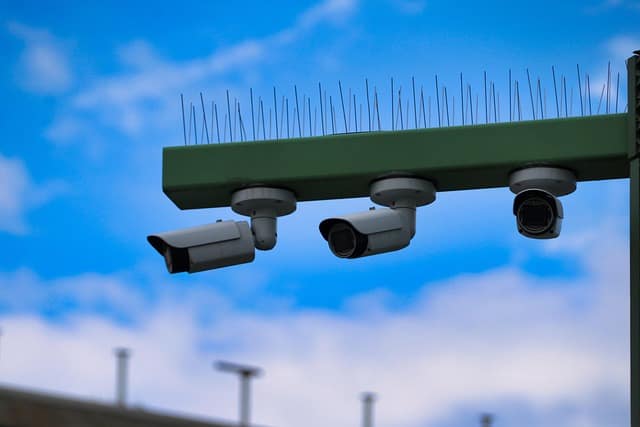
Installing a 16 Camera Security System can seem daunting because of the number of cameras involved, but with the right planning and organization, it’s entirely manageable — even for DIY enthusiasts. This section walks you through every step, from pre-installation planning to testing and optimization, ensuring your system runs smoothly and securely.
1. Plan Your System Layout
Before you start drilling holes or running cables, take time to design a layout that covers every critical area of your property.
Key areas to cover:
- Front and back entrances
- Driveways and garages
- Hallways and staircases
- Yard, perimeter, and blind spots
- Office or cash handling areas (for businesses)
Tip: Sketch a map of your property and mark each camera’s position. Consider angles, lighting, and coverage overlap.
| Area | Suggested Camera Type | Notes |
| Front door | Wide-angle 4K camera | Captures faces clearly |
| Backyard | PTZ (Pan-Tilt-Zoom) camera | Covers large open areas |
| Garage | Dome camera | Vandal-resistant and discreet |
| Indoor hallway | Mini bullet camera | Compact and easy to install |
2. Choose the Right System Type
Depending on whether you selected a wired, wireless, or PoE version of your 16 camera security system, your setup steps will vary slightly.
For wired or PoE systems:
- Plan cable runs from each camera to the DVR/NVR.
- Use Cat5e or Cat6 Ethernet cables (for PoE) or coaxial cables (for analog).
- Keep cable lengths under 300 feet for optimal performance.
For wireless systems:
- Position cameras within strong Wi-Fi range.
- Use Wi-Fi extenders if signal strength is low.
- Mount cameras away from thick concrete or metal walls.
Pro Tip: Always leave a few extra feet of cable slack at both ends for easier maintenance and adjustments.
3. Mount the Cameras
Once your layout is set, it’s time to mount your cameras.
Tools you’ll need:
- Power drill
- Mounting brackets and screws (included in most kits)
- Level and screwdriver
- Ladder or step stool
Mounting steps:
- Mark your drill holes based on the camera bracket.
- Drill pilot holes for screws and anchors.
- Mount the camera securely and connect its cable (for wired systems).
- Adjust the lens angle — focus slightly downward for facial identification.
Tip: Avoid pointing cameras directly at light sources like the sun or bright windows to reduce glare.
4. Connect the Cameras to the NVR or DVR
For PoE (Power over Ethernet) systems:
- Simply plug each camera’s Ethernet cable into the PoE switch or NVR ports.
- The same cable delivers both power and data, reducing clutter.
For analog (CCTV) systems:
- Connect each camera’s BNC connector to the DVR input ports.
- Plug in power adapters or use a centralized power distribution box.
For wireless systems:
- Connect cameras to power sources.
- Sync each camera with the NVR or security app following on-screen instructions.
Pro Tip: Label each cable or camera name (e.g., “Front Door”, “Driveway”) — this saves time during troubleshooting later.
5. Set Up the Recorder and Storage
Every 16 channel security system includes an NVR (Network Video Recorder) or DVR (Digital Video Recorder) that stores footage.
Setup steps:
- Connect the NVR/DVR to your monitor or TV via HDMI or VGA.
- Plug the system into your router using an Ethernet cable for network access.
- Install and format the hard drive (most systems come with 2 TB–4 TB pre-installed).
- Adjust recording modes (continuous, motion detection, or scheduled).
Storage Tip:
A 4 TB drive can store roughly 20 days of 24/7 footage from 16 1080p cameras, or about 10 days of 4K video. Consider external or cloud backup for critical data retention.
6. Configure Your System Software
Modern 16-camera systems include intuitive interfaces or companion apps that let you view and control footage remotely.
Configuration checklist:
- Set date/time and region correctly (important for timestamps).
- Configure motion detection zones to minimize false alerts.
- Enable push notifications or email alerts for movement events.
- Add user accounts and passwords for security.
- Test remote access via mobile app or PC client.
Quote: “A well-configured NVR is just as crucial as good hardware — it determines how effectively you respond to incidents.” — Security Today Journal, 2024
7. Test and Adjust Each Camera
After everything is connected:
- Check each camera’s live feed for clarity and angle.
- Adjust tilt and zoom where needed.
- Test motion detection by walking in the field of view.
- Ensure night vision works correctly in low-light conditions.
If using a wireless 16 camera system, check the signal strength in the app and reposition antennas or routers if needed.
8. Maintain and Monitor Your System
Maintenance is vital for long-term reliability.
Monthly maintenance tasks:
- Wipe camera lenses with microfiber cloths.
- Check for spider webs, dust, or raindrops on outdoor cameras.
- Inspect cabling for wear or disconnection.
- Back up footage to external drives or cloud.
- Update firmware regularly.
Tip: Schedule automatic system health checks if your NVR supports them.
Installation Summary Table
| Step | Description | Tools Needed |
| 1 | Plan layout & coverage | Floor plan, measuring tape |
| 2 | Choose system type | System manual, cable tester |
| 3 | Mount cameras | Drill, screws, level |
| 4 | Connect to NVR/DVR | Ethernet/BNC cables |
| 5 | Configure recorder | HDMI cable, monitor |
| 6 | Adjust angles & test | Smartphone, NVR software |
| 7 | Maintain system | Cloth, firmware updates |
Final Thoughts on Installation
Installing a 16 Camera Security System requires patience and organization, but it’s an investment that significantly increases the safety of your home or business. Whether you go the DIY route or hire a professional installer, following these structured steps ensures you’ll end up with a well-optimized, reliable, and high-coverage surveillance setup.
Common Problems and Troubleshooting for 16 Camera Security Systems
Even the best 16 Camera Security System can experience hiccups — from flickering video feeds to missing footage. Understanding the most common problems and how to diagnose and fix them ensures your system runs smoothly and securely for years.
This section will help you identify issues quickly and apply practical, easy-to-follow fixes.
1. Camera Not Showing Up on NVR or DVR
One of the most common issues with a 16 channel security system is when one or more cameras fail to appear on the display.
Possible Causes:
- Loose or damaged cables (Ethernet/BNC)
- Insufficient power supply
- Incorrect channel assignment
- IP address conflicts (for IP systems)
- Faulty camera or port
Troubleshooting Steps:
- Check connections — Ensure every camera’s power and data cable is properly inserted.
- Swap ports — Plug the camera into a different NVR port to see if the problem persists.
- Test with another camera — This determines whether the issue is with the port or the camera itself.
- Check power source — If multiple cameras are offline, inspect your PoE switch or power adapter.
- Reset IP settings — For IP systems, use the NVR’s “Camera Search” tool to reassign IP addresses.
💡 Pro Tip: Label your camera cables (“Front Door,” “Backyard,” etc.). It makes identifying and troubleshooting individual feeds much faster.
2. Blurry, Grainy, or Low-Quality Video
Poor image quality defeats the purpose of having a 16 Camera Security System — and it’s usually caused by minor setup issues.
Causes:
- Dirty or foggy camera lenses
- Low-resolution settings on the NVR
- Weak signal (wireless systems)
- Poor lighting or glare
Fixes:
- Clean lenses gently with a microfiber cloth.
- Adjust resolution settings to 1080p or 4K (if supported).
- Check lighting — install IR-compatible lights for dark zones.
- Avoid backlighting — reposition cameras so they don’t face bright light sources.
Expert Note:
“Over 70% of camera quality complaints are linked to improper lighting, not defective equipment.” — Surveillance Tech Review, 2024
3. Night Vision Not Working
Most modern 16 camera systems have infrared (IR) night vision. If the screen is too dark at night, here’s how to fix it.
Causes:
- IR LEDs are blocked or dirty
- Camera too far from the target area
- Reflective surfaces causing IR bounce-back
- IR mode not enabled
Solutions:
- Inspect the lens — Make sure nothing is covering the IR sensors.
- Test IR mode manually — Turn off the lights and see if the camera’s IR LEDs glow red.
- Reduce reflections — Avoid pointing cameras directly at glass or shiny surfaces.
- Move closer — IR illumination has limited range (usually 65–100 ft).
4. Recording or Playback Failure
If your 16 channel NVR/DVR stops recording or playback doesn’t work, the problem usually lies with storage or configuration settings.
Potential Issues:
- Full or unformatted hard drive
- Incorrect recording schedule
- Power failure during recording
- Corrupted video files
Solutions:
- Check storage capacity in your NVR settings. Delete or back up old footage.
- Reformat the HDD using the NVR’s built-in tool.
- Confirm recording mode — continuous, motion, or event-based.
- Replace faulty HDDs — drives wear out after 2–3 years of continuous use.
| Symptom | Likely Cause | Quick Fix |
| Playback error | HDD full or corrupted | Reformat HDD or replace it |
| Missing footage | Wrong schedule | Enable continuous recording |
| Camera offline | Network issue | Reboot router and NVR |
5. Network or Remote Access Issues
Remote viewing is one of the top reasons people invest in modern 16 Camera Security Systems, but misconfiguration can block access.
Common Causes:
- Internet disconnected
- Wrong IP settings or ports closed
- Outdated mobile app
- Router firewall restrictions
Troubleshooting Steps:
- Verify your NVR is connected to the internet.
- Ensure UPnP and port forwarding are enabled in your router.
- Use the latest app version for your system (e.g., Reolink, Lorex, Amcrest).
- Ping your NVR IP address from a computer to confirm connectivity.
- If you changed ISPs or routers, update your network settings in the NVR.
⚙️ Tech Tip: Many systems now offer P2P (Peer-to-Peer) setup for remote access, eliminating the need for manual port forwarding.
6. Wireless Signal Drops or Lag
Wireless 16 camera systems are convenient but can suffer from interference and range limitations.
How to Fix It:
- Reposition antennas for better line-of-sight.
- Avoid Wi-Fi congestion — change your router to 5 GHz or a less crowded channel.
- Add Wi-Fi extenders to cover dead zones.
- Update firmware — many connection bugs are fixed in updates.
If you frequently lose connections, consider adding a PoE bridge or switching to a hybrid wired setup for critical cameras.
7. Motion Detection False Alarms
False alarms waste time and storage. They’re often triggered by moving trees, shadows, or insects.
Solutions:
- Adjust motion sensitivity in your NVR settings.
- Use smart detection zones to ignore busy areas like streets.
- Enable AI detection (person/vehicle) if supported.
- Trim nearby bushes and branches that move in the wind.
Case Study:
After enabling AI person detection on a Reolink 16 camera PoE system, one retail store reduced false alerts by 92% in a week.
8. Power or Hardware Failures
If multiple cameras go offline simultaneously, the issue may lie in the power supply or NVR hardware.
Checklist:
- Check for tripped circuit breakers or loose plugs.
- Test your power distribution box output voltage.
- Replace damaged power adapters or PoE injectors.
- Ensure your UPS (Uninterruptible Power Supply) works during outages.
Pro Tip:
Install a surge protector for your entire setup to guard against voltage spikes and lightning strikes.
Quick Reference: Troubleshooting Summary
| Problem | Cause | Solution |
| Camera offline | Power or cable issue | Check ports and replace faulty cables |
| Video blurry | Low resolution or dirty lens | Clean and adjust settings |
| Night vision dark | Blocked IR LEDs | Clean or reposition cameras |
| No recording | HDD full or corrupted | Format or replace hard drive |
| Remote access error | Network misconfig | Enable P2P or port forwarding |
| False alerts | High sensitivity | Adjust detection zones |
Final Advice
Troubleshooting a 16 Camera Security System is all about patience and process. Always:
- Start with the simplest checks (power and connections).
- Document your system configuration.
- Keep firmware and apps updated.
- Schedule regular maintenance checks.
Most issues can be solved without professional help, but if problems persist, reach out to your system’s manufacturer — many offer remote diagnostics and support.
Maintenance and Best Practices for Longevity of a 16 Camera Security System
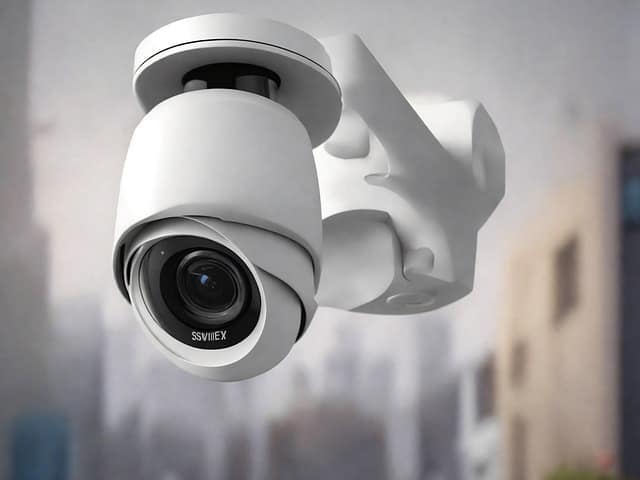
Your 16 Camera Security System is an investment designed to protect your home or business 24/7. But like any complex system, it requires regular care and optimization to perform reliably over the long term. Neglecting maintenance can lead to poor image quality, missed footage, or even system failure — all of which defeat the purpose of having security cameras in the first place.
This section outlines proven maintenance steps, cleaning routines, and performance tips to help you get the best out of your system year after year.
1. Regular Camera Cleaning and Inspection
Dust, spider webs, rain stains, and smudges can severely reduce image clarity — especially for outdoor cameras. Regular cleaning ensures your 16 channel security system captures crisp footage day and night.
Recommended schedule:
- Outdoor cameras: Clean every 4–6 weeks
- Indoor cameras: Clean every 2–3 months
How to clean your cameras safely:
- Turn off the power or disconnect the camera.
- Use a microfiber cloth or soft lens cleaning tissue — never paper towels.
- For tough grime, use a 50/50 mix of distilled water and isopropyl alcohol.
- Avoid spraying liquid directly on the lens — apply it to the cloth instead.
- Wipe the camera housing, mount, and lens cover gently.
Pro Tip: A dirty dome or lens can cut image clarity by up to 40%, especially at night when IR reflections amplify glare.
2. Check for Firmware and Software Updates
Modern IP and PoE 16 camera systems rely on firmware to run security protocols, fix bugs, and enable smart features. Keeping your firmware updated helps:
- Patch vulnerabilities
- Improve motion detection accuracy
- Enhance AI performance
- Add compatibility with new apps or devices
Update process:
- Log into your NVR/DVR’s admin dashboard.
- Go to System Settings → Maintenance → Firmware Update.
- Download updates directly or via USB (depending on brand).
- Always back up your configuration before updating.
Pro Tip: Set a reminder to check for updates every 3 months. Manufacturers like Lorex, Reolink, and Hikvision release regular patches to enhance system security.
3. Inspect Cables and Connections
In a 16 Camera Security System, you may have dozens of feet of cabling running across ceilings, attics, and outdoor walls. Over time, exposure to weather, rodents, or corrosion can degrade performance.
What to check:
- Loose or frayed Ethernet/BNC cables
- Rusted or corroded connectors
- Water damage near outdoor cable joints
- Bent or crimped cable sections
Maintenance Tips:
- Use waterproof junction boxes for outdoor connections.
- Label each cable to simplify troubleshooting.
- Replace damaged connectors immediately — bad wiring can cause static, signal loss, or camera failure.
4. Monitor Power Supply Health
A stable power source is the backbone of any 16 channel security camera system. Power fluctuations can cause flickering feeds or random reboots.
Best Practices:
- Use a UPS (Uninterruptible Power Supply) to protect against blackouts.
- Add a surge protector to safeguard equipment during lightning storms.
- Check PoE switches for overheating or faulty ports.
- For analog systems, inspect the power distribution box monthly.
Pro Insight:
“Even short voltage drops can corrupt video files or damage storage drives in an NVR. A UPS is non-negotiable for 24/7 systems.” — Security System Journal, 2024
5. Optimize Storage and Backup
Your NVR or DVR works continuously — storing massive amounts of video from 16 cameras. Without proper maintenance, drives can fail or slow down over time.
Storage best practices:
- Reformat hard drives every 6 months to prevent data corruption.
- Replace HDDs every 3–5 years (use surveillance-rated drives like Seagate SkyHawk or WD Purple).
- Use RAID storage for redundancy if your NVR supports it.
- Set up cloud backup for important footage (especially for business use).
Storage Calculation Example:
| Resolution | Frame Rate (fps) | Storage per Camera (24hrs) | 16 Cameras (30 days) |
| 1080p | 15 fps | 10 GB | ~4.8 TB |
| 4K | 15 fps | 25 GB | ~12 TB |
Tip: Keep at least 25% of storage free to ensure smooth recording and playback performance.
6. Test Motion Detection and Alerts
Over time, motion detection settings can drift or become outdated as your environment changes (new furniture, trees, lighting).
Checklist:
- Re-test motion zones quarterly.
- Verify that push notifications and email alerts are working.
- Adjust sensitivity to avoid false alarms.
- For AI-enabled systems, re-train smart detection modes (person, vehicle, package).
Example:
Businesses near roads may reduce motion sensitivity by 15–20% to prevent passing vehicles from triggering alerts.
7. Review and Back Up Footage Regularly
Don’t wait for an incident to check your recordings. Regular reviews ensure your cameras are actually capturing and storing as intended.
Suggested Routine:
- Review sample footage weekly (morning and night views).
- Download and archive important clips monthly.
- Store backups on external HDDs or secure cloud accounts.
Security Reminder:
Never store your NVR and external backups in the same location — in case of theft, fire, or water damage.
8. Environmental Protection and Camera Housing
Outdoor cameras face harsh conditions — UV rays, rain, snow, and extreme temperatures. Proper protection extends their lifespan.
Best Practices:
- Use IP66 or IP67-rated weatherproof cameras for outdoor use.
- Install sun shields for cameras exposed to direct sunlight.
- Add anti-condensation gel packs inside housings in humid climates.
- Avoid pointing cameras upward where water can collect on the lens.
Temperature Note:
Most professional cameras operate between -20°C to 50°C (-4°F to 122°F). Check manufacturer specs before installation.
9. Maintain System Security
A 16 camera system connected to the internet must also be protected from cybersecurity risks.
Security Checklist:
- Change default usernames and passwords immediately.
- Use strong, unique passwords (12+ characters).
- Enable two-factor authentication (2FA) if available.
- Keep remote access limited to trusted users.
- Update firmware regularly to patch vulnerabilities.
Fact:
According to Security.org (2026), over 30% of camera hacks occur due to unchanged default passwords.
10. Schedule Professional Maintenance
While most upkeep is DIY-friendly, professional technicians can perform detailed diagnostics that the average user can’t.
Consider a professional check-up every 12–18 months, where experts will:
- Test voltage and power load distribution
- Recalibrate lens focus and zoom
- Optimize NVR performance
- Replace aging connectors and seals
Benefit: It ensures your 16 Camera Security System continues running at full efficiency, with zero downtime.
Maintenance Checklist Summary
| Task | Frequency | Purpose |
| Clean cameras | Monthly | Clear, unobstructed view |
| Firmware updates | Quarterly | Bug fixes, new features |
| Cable inspection | Bi-annually | Prevent damage & signal loss |
| HDD reformat | 6 months | Improve performance |
| Backup footage | Monthly | Protect vital data |
| Professional check-up | Annually | Deep system inspection |
Final Thoughts
Proper maintenance is what separates a reliable, long-term surveillance system from one that fails when you need it most. By investing a little time into cleaning, updating, and inspecting your 16 Camera Security System, you’re not just extending its lifespan — you’re protecting your investment, property, and peace of mind.
“A camera is only as dependable as the attention you give it.” — TechSafe Insights, 2026
Cost Analysis and ROI of Installing a 16 Camera Security System
Installing a 16 Camera Security System isn’t just about protection — it’s also about making a smart financial investment. Whether you’re a homeowner, retailer, or facility manager, understanding the costs, potential savings, and return on investment (ROI) can help you make a data-driven decision.
Let’s break down what it costs, what you gain, and how quickly a security system can pay for itself.
1. Average Cost of a 16 Camera Security System
The total cost depends on the system type, camera resolution, brand, and installation method. Below is a detailed cost table for 2026:
| Component | Low-End System | Mid-Range System | High-End System (4K / AI) |
| Cameras (16 pcs) | $400 – $700 | $800 – $1,500 | $2,000 – $3,500 |
| DVR/NVR Recorder | $200 – $400 | $500 – $800 | $900 – $1,500 |
| Hard Drive (2TB–8TB) | $60 – $150 | $150 – $300 | $300 – $600 |
| Cables & Accessories | $100 – $250 | $200 – $400 | $400 – $600 |
| Installation (Professional) | $400 – $900 | $1,000 – $1,800 | $2,000+ |
| Total Estimated Cost | $1,200 – $2,400 | $2,500 – $4,500 | $5,000 – $8,500 |
DIY installation can save 20–40% of total costs, especially with modern plug-and-play PoE or wireless systems.
However, professional setup ensures optimal camera angles, cable protection, and long-term reliability — crucial for commercial setups.
2. Cost Factors to Consider
When evaluating a 16 camera security system, several factors influence the overall price and performance:
- Camera Resolution: 4K cameras cost more but deliver sharper footage crucial for identifying faces and license plates.
- Storage Requirements: High-resolution recordings demand larger hard drives or cloud storage subscriptions.
- Wiring Complexity: Multi-floor or outdoor installations increase cable length and labor costs.
- System Type: Wireless systems save on cabling but may require strong Wi-Fi or mesh networking.
- Smart Features: AI motion detection, color night vision, and remote app access typically add to cost but boost efficiency.
3. DIY vs. Professional Installation
| Category | DIY Installation | Professional Installation |
| Cost | Lower upfront cost | Higher initial cost |
| Time Investment | 1–2 days (depending on skill) | 4–8 hours (technician) |
| Reliability | Depends on user skill | Professionally optimized |
| Customization | Flexible but limited by experience | Precise angles, cabling, and positioning |
| Support | Self-managed | Often includes maintenance plan |
Pro Insight:
“A professional installer not only sets up cameras — they strategically place them for legal compliance, lighting conditions, and evidence clarity.”
— SafeHome Security Review, 2024
4. Ongoing Costs to Expect
Owning a security system involves recurring expenses that maintain performance and compliance:
| Expense | Frequency | Cost Range |
| Cloud storage (optional) | Monthly | $5 – $25 |
| Electricity | Monthly | $10 – $20 |
| Maintenance / Firmware updates | Annually | $100 – $200 |
| Hard drive replacement | Every 3–5 years | $100 – $300 |
| Professional inspection (optional) | Annually | $100 – $150 |
Most systems run continuously, but modern NVRs and PoE cameras are energy-efficient, consuming around 30–60 watts per camera, depending on features.
5. The ROI: How a 16 Camera Security System Pays for Itself
a. Reduced Theft and Loss Prevention
According to a 2024 National Retail Federation study, U.S. retailers lost over $112 billion to theft and inventory shrinkage. Businesses using advanced multi-camera systems reduced incidents by 30–70%.
For a store losing $10,000 annually to theft, even a 40% reduction equates to $4,000 saved per year — easily covering system costs within 1–2 years.
b. Lower Insurance Premiums
Many insurance providers offer 5–20% discounts on property insurance when verified security systems are installed.
For a homeowner paying $1,200 per year, that’s up to $240 saved annually.
c. Legal Protection and Liability Reduction
Video evidence can prevent false claims or help resolve disputes quickly, saving thousands in potential legal fees. For example:
- Slip-and-fall claims can cost $10,000–$50,000 without proof.
- Recorded footage provides undeniable evidence and faster settlements.
d. Increased Property Value
Surveillance systems increase both real and perceived property security, which can make a property more attractive to buyers or tenants.
Real estate reports show homes with security systems sell 3–5% faster and often at higher prices.
e. Operational Efficiency
Businesses often use 16-camera setups to:
- Monitor workflow and staff productivity
- Reduce idle time or procedural errors
- Track deliveries and customer movement patterns
This operational insight can improve efficiency and profitability beyond security benefits.
6. ROI Timeline Example
| System Cost | Annual Savings (Theft + Insurance) | ROI Period |
| $3,000 | $1,200 | 2.5 years |
| $4,500 | $2,000 | 2.25 years |
| $6,000 | $3,000 | 2 years |
Result: A 16 camera security system typically pays for itself within 2–3 years, after which it continues delivering savings and protection with minimal recurring costs.
7. Real-World Case Study
Case: “SafeMart Grocery” – Chicago, IL
- Installed 16-camera 4K PoE system (Reolink) for $4,200
- Theft dropped by 65% in 6 months
- Insurance premium reduced by 10%
- Estimated savings: $5,600 in the first year
“We recovered the entire system cost in under 10 months. The clarity and coverage helped us identify and stop multiple theft attempts.”
— Store Owner, SafeMart Chicago
8. Key Takeaway
While a 16 Camera Security System might seem like a large upfront expense, it’s one of the most cost-effective long-term investments in property and business protection. Between theft prevention, insurance savings, liability protection, and operational oversight, most users experience full ROI within a few years — often faster for businesses in high-risk areas.
Bottom line: A well-installed and maintained 16 camera security system doesn’t cost you money — it saves it.
Troubleshooting Common Issues with 16 Camera Security Systems
Even the best 16 Camera Security System can run into problems from time to time — blurry footage, lost connections, or unresponsive cameras. The good news is that most of these issues can be diagnosed and fixed quickly without professional help.
This section covers the most frequent problems, their causes, and how to fix them, so your system stays reliable and your footage remains secure.
1. Camera Not Showing on the Monitor or App
Common Causes:
- Loose or damaged cables (Ethernet/BNC)
- Incorrect channel assignment or power loss
- Network issues (for IP or Wi-Fi cameras)
- Firmware incompatibility after an update
Fixes:
- Check that the camera’s power adapter or PoE switch is working.
- Swap the camera cable with a known working one to isolate the issue.
- Confirm that the camera is added to the correct NVR/DVR channel.
- For IP systems, log into the NVR and run a device search to reassign the camera’s IP address.
- Reboot the NVR and router — many systems reconnect automatically.
Pro Tip:
If only one camera is down, it’s likely a wiring or port issue. If all cameras are down, check the power supply or recorder failure first.
2. Blurry or Grainy Image Quality
Common Causes:
- Dirty or fogged camera lens
- Incorrect focus or zoom
- Low resolution settings in NVR
- Weak lighting or glare
- Compression settings too high
Fixes:
- Clean the lens using microfiber cloth and isopropyl solution.
- Check the NVR settings to ensure cameras are set to Full HD or 4K output.
- Reduce compression (H.265 → H.264) to improve image clarity.
- Adjust focus manually for varifocal cameras.
- Install additional lighting or IR illuminators for low-light areas.
Quick Tip:
A properly focused lens and correct resolution settings can improve clarity by up to 60%, even without changing camera hardware.
3. Cameras Keep Losing Signal or Going Offline
Common Causes:
- Weak Wi-Fi connection (for wireless systems)
- Loose Ethernet or BNC connectors
- Network overload (too many devices on one router)
- Power interruptions or voltage drops
Fixes:
- Ensure Wi-Fi cameras are within 100–150 feet of the router.
- Use PoE switches for more stable wired power delivery.
- Reboot the router and assign static IP addresses to cameras.
- Check for firmware updates that improve signal reliability.
- Install a UPS backup to prevent outages during power cuts.
Pro Insight:
“Most camera dropouts aren’t hardware issues—they’re power or network stability problems.”
— TechSecure Maintenance Report, 2024
4. No Night Vision or Poor Infrared Performance
Common Causes:
- Dirty or obstructed IR lens
- Faulty IR LEDs
- Camera positioned near reflective surfaces (like glass or metal)
- IR cut filter stuck
Fixes:
- Clean the IR lens and housing.
- Test the camera in a dark room—if IR LEDs don’t glow red, they may need replacement.
- Avoid pointing cameras at windows or light sources.
- Gently tap the lens housing; sometimes IR filters get stuck.
Pro Tip:
If using dome cameras, apply an anti-reflective gasket to prevent IR glare from bouncing inside the dome.
5. NVR/DVR Not Recording Footage
Common Causes:
- Full or failing hard drive
- Recording schedule not enabled
- Misconfigured motion detection
- Corrupted firmware or settings
Fixes:
- Check hard drive health in System Settings → Storage → HDD Status.
- Reformat or replace HDD if errors are detected.
- Verify that continuous recording or motion-based recording is enabled.
- Perform a firmware reset and reconfigure recording options.
- Ensure cameras are assigned to active recording channels.
Storage Tip:
Always keep 20–25% free space on your drive to prevent overwriting or corruption issues.
6. Playback or Remote Viewing Lag
Common Causes:
- Weak internet connection or low upload speed
- High-resolution streaming on slow networks
- Outdated mobile app or NVR firmware
Fixes:
- Lower live-stream resolution to 720p for remote viewing.
- Test your network speed; aim for minimum 3–5 Mbps upload per 4 cameras.
- Use the NVR’s sub-stream feature for remote access.
- Update your viewing app (e.g., Reolink, Lorex Cloud, Hik-Connect).
Quick Tip:
Connect your NVR to the router via Ethernet cable (not Wi-Fi) to reduce latency.
7. False Motion Alerts or Too Many Notifications
Common Causes:
- Overly sensitive motion detection
- Moving trees, shadows, or headlights
- Insects near IR lights
Fixes:
- Adjust motion sensitivity in your NVR or app settings.
- Define specific motion zones (doorways, driveways, hallways).
- Enable AI-based detection (human or vehicle only) if available.
- Clean IR housings to reduce insect attraction at night.
Pro Insight:
“AI filtering reduces false alerts by up to 90%, saving time and data bandwidth.”
— CCTV Analytics Study, 2026
8. Audio Not Recording or Playback Issues
Common Causes:
- Microphone not enabled or not connected
- NVR audio settings disabled
- Local laws restricting audio recording
Fixes:
- Check if your cameras support audio input (not all do).
- Enable audio recording in NVR settings under “Record Config.”
- Verify audio cables or PoE injectors are properly connected.
- Review local privacy regulations before enabling two-way audio.
9. NVR or DVR Overheating or Freezing
Common Causes:
- Poor ventilation or blocked vents
- Excessive HDD temperature
- Firmware crash or power overload
Fixes:
- Place the recorder in a well-ventilated space away from direct sunlight.
- Clean dust from vents every 2–3 months.
- Use an external cooling fan if heat persists.
- Power the NVR through a surge protector to stabilize input voltage.
Fact:
Continuous high temperatures (above 95°F / 35°C) can reduce HDD lifespan by up to 30%.
10. Timestamp or Time Zone Errors
Common Causes:
- NVR not synchronized with internet time
- Incorrect daylight saving time setting
Fixes:
- Go to Settings → Date & Time → Sync with NTP Server.
- Select your correct region and enable auto DST adjustment.
- Double-check time zone consistency across all devices (app, NVR, and cameras).
Tip:
Consistent timestamps are critical for legal evidence — always verify before archiving footage.
11. System Login or Password Problems
Common Causes:
- Forgotten admin credentials
- Expired password reset token
- Unauthorized access attempt lockout
Fixes:
- Use the password reset feature via the NVR’s local interface or companion app.
- Some systems allow reset using a QR code sent to your email.
- For older models, contact manufacturer support with your system’s UID for a reset key.
- Always create strong, unique passwords and enable two-factor authentication when available.
12. Preventing Future Issues
To minimize downtime and ensure smooth operation:
- Keep firmware up to date quarterly.
- Schedule monthly system tests to check all 16 cameras.
- Label all cables and camera channels for easier troubleshooting.
- Back up NVR settings before every major update.
- Maintain a maintenance log with dates of cleanings, updates, and replacements.
Troubleshooting Summary Table
| Issue | Likely Cause | Quick Fix |
| Camera offline | Power or cable issue | Check power, replace cable, reboot NVR |
| Blurry image | Dirty lens / low res | Clean lens, adjust focus, check resolution |
| Night vision failure | Dirty IR / filter stuck | Clean IR lens, test LEDs |
| Playback lag | Weak internet | Lower stream quality, use Ethernet |
| False alerts | Over-sensitivity | Adjust motion zones, enable AI detection |
| NVR overheating | Poor airflow | Clean vents, add fan, relocate NVR |
Final Thoughts
Troubleshooting a 16 Camera Security System doesn’t have to be intimidating. Most issues come down to simple connectivity, power, or configuration errors. By following these structured steps — and maintaining your system regularly — you’ll ensure smooth, reliable performance for years.
Remember: The best defense against camera issues is routine care and preventive maintenance.
Future Trends in Multi-Camera Surveillance Systems (AI, Cloud, 4K)
As technology evolves, so does the world of video surveillance. The 16 Camera Security System you install today is far more advanced than models from just a few years ago — and the innovations coming next will redefine how we protect homes, businesses, and public spaces.
From artificial intelligence to cloud-based monitoring, edge computing, and 4K ultra-HD resolution, the future of multi-camera surveillance systems is smarter, faster, and more efficient than ever.
Let’s explore the major trends shaping the next generation of 16-channel security systems.
1. Artificial Intelligence (AI) and Deep Learning Integration
AI is transforming how security cameras detect and respond to activity. Instead of passively recording, modern systems now analyze footage in real time, identifying potential threats automatically.
How AI Enhances 16 Camera Security Systems:
- Object Recognition: AI can distinguish between humans, vehicles, animals, and objects.
- Smart Alerts: Instead of sending hundreds of notifications, AI filters events — alerting you only when a real threat is detected.
- Facial Recognition: Used in advanced commercial or enterprise systems for access control and identification.
- Behavior Prediction: Some cutting-edge systems use machine learning to recognize suspicious patterns (like loitering or unusual motion).
Stat: According to MarketsandMarkets (2026), the AI video analytics market is projected to reach $22 billion by 2030, growing at over 25% annually.
Example Use Case:
A 16 camera AI-enabled system in a retail store can automatically track customer flow, alert staff if a person enters a restricted area, or identify repeat offenders using facial recognition — all without human monitoring.
2. Cloud-Based Storage and Remote Access
Traditional DVR/NVR systems rely on physical hard drives, but the future is shifting toward hybrid and full cloud storage solutions.
Benefits of Cloud Integration:
- Offsite Backup: Protects footage from theft, fire, or device failure.
- Global Access: View and manage all 16 cameras from anywhere using a secure app.
- Scalability: Expand storage on-demand without upgrading hardware.
- Automated Updates: Cloud-connected systems receive automatic firmware and AI model updates.
Pro Insight:
“Cloud-based security systems have reduced data loss incidents by 78% compared to local-only NVR setups.”
— Security & Data Review, 2024
Top Brands Embracing Cloud Integration:
- Reolink Cloud
- Lorex Cloud+
- Arlo Secure
- Hik-Connect Cloud
Hybrid setups (local + cloud) are now preferred for 16-camera installations, balancing speed, security, and redundancy.
3. 4K and Ultra HD Video Quality
The next leap in camera clarity is here: 4K Ultra HD (8MP) and even 8K (16MP) video quality. These high-resolution cameras capture 4x more detail than 1080p, making them invaluable for facial recognition and license plate capture.
Benefits of 4K in a 16 Camera Security System:
- Sharper Details: Crucial for identifying suspects or reading text.
- Digital Zoom without Blur: Allows zooming in on areas without losing image integrity.
- Wider Coverage: Fewer blind spots, since each camera covers more area.
| Resolution | Pixels | Typical Use |
| 1080p (Full HD) | 2MP | Homes, small offices |
| 4K (Ultra HD) | 8MP | Large homes, businesses |
| 8K (Super UHD) | 16MP | Industrial, city surveillance |
Note: 4K and higher resolutions require larger storage and faster network speeds — another reason cloud storage is becoming essential.
4. Edge Computing and Smart NVRs
Instead of sending every video frame to a central server, edge computing allows processing directly at the camera level. This reduces lag and boosts efficiency.
Advantages of Edge Processing:
- Real-time analytics with zero delay.
- Lower bandwidth consumption (only important events transmitted).
- Faster motion detection and face recognition.
- Enhanced privacy — sensitive data processed locally.
Example:
A Reolink 16-channel NVR with edge AI can detect motion, analyze patterns, and trigger alerts without depending on an internet connection.
5. Integration with Smart Home and IoT Devices
The line between security systems and smart homes is blurring. Modern 16-camera systems now integrate seamlessly with IoT ecosystems.
Smart Integrations Include:
- Voice Assistants: View camera feeds via Alexa or Google Assistant.
- Smart Lighting: Lights automatically turn on when motion is detected.
- Access Control: Linked door locks or alarms trigger when suspicious activity is seen.
- Thermal Sensors: Used in warehouses to detect overheating equipment.
Trend Forecast: By 2026, over 60% of new security systems sold will offer smart home compatibility.
— IoT Analytics Global Report, 2026
6. Cybersecurity and Data Encryption
As cameras become smarter and more connected, cyber threats are rising too. Future systems prioritize cyber-resilience just as much as physical security.
Modern Security Standards Include:
- End-to-End Encryption (AES-256) for video transmission.
- 2FA Authentication for remote access.
- Encrypted Cloud Backups with geo-redundancy.
- Automatic vulnerability patches through OTA updates.
Pro Tip: Always buy from reputable manufacturers that publish transparency reports and offer firmware updates for at least 5 years.
7. Sustainability and Green Surveillance
The future of security is also environmentally conscious. Manufacturers are now designing low-power, solar-supported, and recyclable devices to reduce carbon footprints.
Trends to Watch:
- Solar-powered outdoor cameras for remote installations.
- Energy-efficient PoE switches and smart power management.
- Recycled aluminum camera housings and packaging materials.
Fact: A solar-powered 16-camera setup can save up to 30% in annual energy costs and reduce CO₂ emissions significantly.
8. Predictive and Proactive Surveillance
Beyond detecting events, the next wave of surveillance will predict incidents before they happen.
Using AI-driven behavioral analytics, systems will analyze:
- Repeated patterns of movement
- Unusual dwell times in sensitive areas
- Predictive threat modeling for crime-prone zones
“Cameras will evolve from passive observers to proactive protectors.”
— Forbes Tech Security Outlook, 2026
9. Unified Management Dashboards
With 16 or more cameras, managing footage can get complex. Modern systems now feature centralized dashboards powered by AI analytics and cloud connectivity.
Dashboard Features Include:
- Real-time heatmaps of movement
- Automated event tagging
- Smart search (search by color, face, or vehicle type)
- Multi-site management for businesses
These dashboards simplify monitoring across multiple properties — ideal for chains, campuses, or enterprise environments.
10. The Road Ahead: What to Expect by 2030
By the end of this decade, expect 16 camera security systems to feature:
- 8K ultra-HD recording with adaptive bitrate streaming
- AI-powered autonomous patrols (camera drones)
- Fully cloud-synced NVRs requiring no local drives
- Quantum-resistant encryption for futureproof data security
In short, the security system of the future will be:
- Smarter
- Faster
- More secure
- And far more efficient than anything on the market today.
Key Takeaway
The future of 16 camera security systems is all about intelligence, integration, and insight. Cameras will no longer just record — they’ll think, learn, and predict. Businesses and homeowners who invest in AI- and cloud-enabled systems now will stay ahead of both technological and security threats.
“Tomorrow’s security isn’t about watching — it’s about understanding.”
— SecurityTech Vision Report, 2026
Conclusion and Final Buying Recommendations
Choosing the right 16 camera security system can feel overwhelming — but by now, you understand exactly what separates a reliable, future-proof setup from an outdated one. Whether you’re protecting a small business, monitoring a warehouse, or keeping your home secure, the goal remains the same: 24/7 visibility, smart protection, and peace of mind.
Below, we’ll recap the most important insights from this guide and share expert recommendations to help you make a confident purchase.
1. Recap: Why a 16 Camera Security System Is the Smart Choice
A 16 channel camera system offers the perfect balance between comprehensive coverage and scalability. You can secure an entire property — including entrances, exits, parking areas, hallways, and storage spaces — all under a single networked system.
Here’s a quick summary of what makes 16-camera setups so effective:
| Feature | Benefit |
| High Channel Capacity | Covers large areas or multiple zones |
| Scalability | Add cameras as your needs grow |
| Centralized Management | View, record, and control from one interface |
| AI and Cloud Integration | Smart alerts and remote access |
| Cost Efficiency | Lower per-camera cost compared to smaller systems |
If you need full property visibility without juggling multiple systems, a 16 camera DVR or NVR setup is your best long-term investment.
2. What to Look for When Buying a 16 Camera Security System
Before purchasing, evaluate your system based on these key factors:
✅ Storage and Resolution
- Choose 4K or at least 5MP cameras for crystal-clear footage.
- Opt for large-capacity NVRs (8TB+) or cloud backup options for redundancy.
✅ Smart Features
- Look for AI motion detection, facial recognition, and vehicle tracking.
- Ensure the system supports remote viewing apps and smart home integration.
✅ Connectivity and Installation
- PoE (Power over Ethernet) simplifies setup and ensures stable connections.
- Wireless systems are more flexible but may face interference; use them for smaller areas.
✅ Brand Reputation and Warranty
- Stick to brands known for reliability and firmware support, such as Lorex, Reolink, Swann, Hikvision, and Amcrest.
- A 2–3 year warranty and regular software updates are must-haves.
3. Expert Buying Recommendations (2026 Edition)
Here are a few top-rated 16 camera systems on the market right now:
| Brand | Model | Best For | Key Features |
| Lorex Fusion 4K 16-Channel NVR System | LNR6163 Series | Business & large properties | AI motion detection, smart alerts, color night vision |
| Reolink RLK16-810B8-A | Smart 4K PoE Kit | Home & office security | 8MP cameras, easy PoE setup, person/vehicle detection |
| Swann 16 Channel 4K Ultra HD NVR | SWNVK-168085 | Retail & warehouse monitoring | 4K clarity, heat/motion detection, Google Assistant compatible |
| Amcrest 16 Channel 4K DVR | AMDV16M8-4K | Budget buyers | 16 analog HD channels, expandable storage, mobile access |
These systems combine high-quality video, intelligent analytics, and remote control features, ensuring your security setup is both powerful and future-ready.
4. Common Mistakes to Avoid
When investing in a multi-camera surveillance setup, avoid these pitfalls:
- ❌ Ignoring storage needs: High-resolution footage consumes large amounts of space.
- ❌ Mixing incompatible hardware: Always ensure your NVR/DVR and cameras are from the same series or brand.
- ❌ Skipping cybersecurity measures: Use strong passwords, enable 2FA, and regularly update firmware.
- ❌ Overlooking lighting conditions: Choose cameras with infrared (IR) or color night vision for low-light coverage.
Remember: A system is only as strong as its weakest link — both in hardware and in setup.
5. Long-Term Maintenance and Upgrades
To maximize the life and performance of your 16 camera system:
- Schedule quarterly maintenance checks.
Clean camera lenses, inspect cables, and test all channels. - Review footage retention policies.
Most users retain video for 30–90 days; adjust settings based on legal or insurance requirements. - Keep firmware up to date.
This ensures ongoing protection from vulnerabilities. - Upgrade selectively.
Replace older cameras with 4K models or AI-enabled ones without replacing the whole system.
Pro Tip: Many modern NVRs support “mix and match” camera inputs, so upgrading doesn’t mean starting from scratch.
6. Final Thoughts: Investing in Security That Grows With You
The world of surveillance is evolving rapidly. A 16 camera security system today is not just a recording tool — it’s a smart, connected, and adaptive defense network that can evolve alongside your needs.
By choosing a system that offers:
- AI video analytics,
- Hybrid cloud storage, and
- 4K resolution with smart alerts,
you’re not only safeguarding your property but also investing in long-term security resilience.
“Security isn’t just about watching what’s happening — it’s about anticipating what could happen next.”
— Global Security Intelligence Report, 2026
Whether you’re a homeowner, a property manager, or a business owner, the right 16-camera system can give you complete peace of mind — today and for years to come.
Next Steps
If you’re ready to move forward:
- Assess your property layout and camera placement needs.
- Compare NVR-based and cloud-based systems to fit your infrastructure.
- Consult a professional installer if running PoE cabling or setting up a large network.
- Choose a reputable brand and ensure it offers regular software updates.
Once installed, you’ll have a powerful, AI-driven 16 camera security system capable of protecting your property from every angle — 24/7, rain or shine.
✅ Key Takeaway:
A 16 Camera Security System isn’t just an upgrade — it’s a long-term investment in smarter, safer living.