

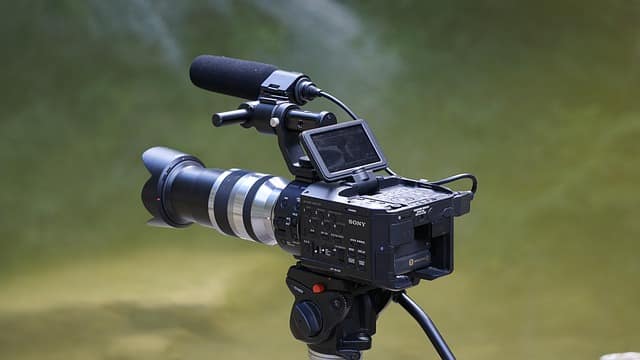
In a world where photography continues to evolve, telescopic cameras stand out as one of the most exciting innovations for long-distance imaging. Whether you’re capturing wildlife on a distant mountain ridge, photographing the moon, or zooming into a sporting event from the stands, telescopic cameras let you see farther with crystal clarity.
But what exactly is a telescopic camera? How does it differ from a regular camera? And why are more people — from hobbyists to professionals — investing in this advanced optical technology?
A telescopic camera is essentially a camera equipped with a long-range zoom lens capable of magnifying distant objects without compromising image quality. The word “telescopic” comes from “telescope,” meaning the camera uses similar optical principles to view faraway subjects as if they were closer.
In 2026, telescopic cameras are no longer limited to bulky DSLRs or professional equipment. Thanks to AI technology, periscope lenses, and computational photography, even smartphones now boast telescopic capabilities. For instance, flagship phones like the Samsung Galaxy S24 Ultra and Huawei P60 Pro use periscope-style lenses to achieve 10x optical zoom and beyond — something that was once exclusive to high-end camera systems.
Why Telescopic Cameras Are Trending
- Social media and content creation have increased demand for high-quality zoom photos and videos.
- AI and image stabilization make long-range photography easier for beginners.
- Affordable zoom cameras now bring professional-grade zoom capabilities to consumers.
- Versatile use cases: from wildlife and sports photography to surveillance and stargazing.
Fun Fact:
According to a 2024 Statista report, global sales of cameras with telescopic or long-range lenses grew by 27% year-over-year, driven largely by smartphone integration and travel photography trends.
In This Guide
In this comprehensive post, you’ll learn everything you need to know about telescopic cameras — how they work, their different types, features to look for, benefits, drawbacks, and the best models to buy this year. You’ll also get expert tips on how to use a telescopic camera like a pro.
What Is a Telescopic Camera?
A telescopic camera is a type of camera designed to capture distant objects with exceptional detail and clarity. It combines powerful optical zoom lenses with advanced image sensors, allowing users to photograph subjects that are far beyond the reach of the naked eye. Essentially, it bridges the gap between a traditional camera and a telescope, making it possible to bring distant worlds closer.
The term “telescopic” refers to the optical system that magnifies an image using multiple layers of glass elements and precision-engineered lenses. These lenses bend and focus light in a way that allows for long focal lengths, resulting in clear, sharp images even at great distances.
Key Characteristics of a Telescopic Camera
| Feature | Description |
| Optical Zoom Range | Can reach from 10x to 125x optical zoom, depending on the model. |
| Focal Length | Typically ranges from 100mm to 3000mm or more. |
| Lens Type | Often uses telephoto or periscope lenses designed for long-range photography. |
| Stabilization | Equipped with optical image stabilization (OIS) or digital stabilization (EIS) to reduce motion blur. |
| Usage | Ideal for wildlife, sports, astronomy, and surveillance. |
How a Telescopic Camera Differs from a Standard Camera
While a standard digital camera might offer a moderate zoom (usually 3x–5x), a telescopic camera provides long-distance reach — up to 125x optical zoom in some models like the Nikon Coolpix P1000.
Where a regular camera might struggle to photograph a bird across a lake, a telescopic camera makes it look like the bird is perched right in front of you.
| Comparison | Standard Camera | Telescopic Camera |
| Zoom Type | Mostly digital zoom | Optical zoom with long focal length |
| Detail at Distance | Blurry or pixelated | Sharp and high-resolution |
| Use Case | Everyday photography | Wildlife, astronomy, surveillance |
| Price Range | $300 – $800 | $600 – $2,000+ |
| Portability | Compact | Slightly larger or heavier due to lens system |
Types of Telescopic Cameras
Telescopic cameras come in several categories, depending on purpose and design:
- Professional DSLR or Mirrorless Cameras with Telephoto Lenses
- Example: Canon EOS R5 paired with a 600mm lens.
- Ideal for professional wildlife and sports photographers.
- Example: Canon EOS R5 paired with a 600mm lens.
- Compact or Bridge Telescopic Cameras
- Example: Nikon Coolpix P950 or Sony RX10 IV.
- Great for travel photography — powerful zoom without interchangeable lenses.
- Example: Nikon Coolpix P950 or Sony RX10 IV.
- Smartphone Telescopic Cameras
- Modern phones like the Samsung Galaxy S24 Ultra feature periscope-style telescopic lenses capable of 10x optical zoom and up to 100x hybrid zoom.
- Uses computational photography and AI to enhance clarity at extreme zoom levels.
- Modern phones like the Samsung Galaxy S24 Ultra feature periscope-style telescopic lenses capable of 10x optical zoom and up to 100x hybrid zoom.
- Telescopic Cameras for Security and Surveillance
- Used in long-range CCTV systems and drones.
- Equipped with features like night vision, thermal imaging, and auto-tracking.
- Used in long-range CCTV systems and drones.
- Telescopic Cameras for Astronomy
- Designed to photograph celestial bodies like the moon, planets, and stars.
- Some models combine a digital camera sensor with a telescope mount, offering incredibly detailed astrophotography.
- Designed to photograph celestial bodies like the moon, planets, and stars.
Did You Know?
The Nikon Coolpix P1000 currently holds the record for the longest optical zoom lens in a consumer camera — an incredible 125x zoom, equivalent to a 24–3000mm focal length.
That’s powerful enough to photograph the craters on the moon from your backyard!
Why the Telescopic Camera Is So Important
The telescopic camera is revolutionizing how we capture distant scenes. It opens up creative opportunities that were once impossible with regular cameras. From amateur birdwatchers to space enthusiasts, this technology has democratized long-range photography, making it more accessible, compact, and affordable.
How Does a Telescopic Camera Work?
A telescopic camera operates on the same basic optical principles as a telescope — it uses lenses or mirrors to gather and magnify light from distant objects. But while telescopes are designed mainly for viewing, telescopic cameras are built for capturing and recording high-quality images at great distances.
At its core, the system combines three essential components:
- The optical lens system (which provides magnification),
- The image sensor (which captures light and color), and
- Image processing technology (which enhances sharpness, color accuracy, and detail).
Together, these elements allow telescopic cameras to deliver crisp, vibrant images — even when zoomed in hundreds of times.
The Optics Behind Telescopic Lenses
The lens is the heart of every telescopic camera. Its design determines how far you can zoom and how much light the camera can capture.
Focal Length Explained Simply
- Focal length is the distance between the lens and the image sensor when the subject is in focus.
- The longer the focal length, the greater the magnification.
- For example:
- A 50mm lens gives a natural, human-eye perspective.
- A 300mm lens brings distant subjects much closer.
- A 1000mm or 3000mm lens — typical in telescopic cameras — lets you capture the moon’s surface.
- A 50mm lens gives a natural, human-eye perspective.
| Focal Length | Type of Shot | Common Use |
| 18–55mm | Standard | Everyday photography |
| 70–200mm | Short telephoto | Portraits, sports |
| 300–600mm | Long telephoto | Wildlife |
| 1000mm+ | Super telephoto | Astronomy, surveillance |
Optical vs. Digital Zoom
Many people confuse optical zoom with digital zoom, but the difference is huge:
- Optical Zoom: Uses physical lens movement to magnify the image. Maintains full image quality.
- Digital Zoom: Crops and enlarges the image digitally. Reduces clarity and detail.
A telescopic camera relies on optical zoom, not digital zoom — which is why it can maintain high resolution even at extreme distances.
Aperture and Light Control
The aperture (measured in f-stops) controls how much light enters the lens.
- A lower f-number (f/2.8) means a wider aperture, allowing more light — ideal for low-light or night photography.
- A higher f-number (f/8 – f/11) allows less light, but increases depth of field, which helps keep distant objects sharp.
In telescopic photography, finding the right balance between aperture and zoom is key to getting clear, bright shots.
The Role of Sensors and Image Processing
The lens captures light, but it’s the image sensor that transforms that light into digital data. The sensor’s size directly impacts the image quality, especially when zooming in on distant subjects.
Why Sensor Size Matters
- Larger sensors (like full-frame or APS-C) capture more light and detail.
- Smaller sensors (like 1-inch or 1/2.3-inch) are more compact but may struggle in low light.
- Many compact telescopic cameras use 1-inch sensors to balance size and performance.
| Sensor Type | Size | Image Quality | Common Use |
| Full-frame | 36×24 mm | Excellent | Professional DSLRs |
| APS-C | 23.6×15.6 mm | Great | Mirrorless cameras |
| 1-inch | 13.2×8.8 mm | Good | Compact zoom cameras |
| 1/2.3-inch | 6.17×4.55 mm | Moderate | Smartphones, travel cams |
AI and Image Stabilization
Modern telescopic cameras now include AI-driven features that automatically enhance long-range shots:
- AI Autofocus: Instantly locks onto moving subjects (great for wildlife or sports).
- Scene Recognition: Adjusts settings automatically for landscapes, night shots, or fast action.
- Optical Image Stabilization (OIS): Uses internal gyros to compensate for hand movement and vibration.
- Electronic Image Stabilization (EIS): Software correction that further reduces shake during video recording.
These features allow even beginners to shoot crystal-clear photos without needing expert-level skill or a heavy tripod.
The Power of Computational Photography
Some of the most advanced telescopic cameras — especially in smartphones — use computational photography to push beyond hardware limits.
For example:
- Multiple frames are captured simultaneously at different exposures.
- AI then stitches them together to create one ultra-detailed image.
- This process enhances zoom clarity, low-light performance, and color balance.
Example: The Samsung Galaxy S24 Ultra combines data from its telescopic lens and main sensor to achieve a hybrid 100x zoom, using AI algorithms to fill in fine details and reduce blur.
In Summary
A telescopic camera works by:
- Using long focal length lenses to magnify distant subjects.
- Capturing light through wide apertures and large image sensors.
- Enhancing detail through AI and image stabilization.
- Processing multiple frames digitally to produce clear, noise-free images.
This blend of optical engineering and computational intelligence is what makes telescopic cameras so powerful — giving us the ability to photograph objects miles away with breathtaking precision.
Types of Telescopic Cameras
Not all telescopic cameras are built the same. Some are designed for professional wildlife photographers who need extreme zoom and clarity. Others are compact enough to fit in your pocket yet still capture faraway scenes.
Understanding the different types of telescopic cameras helps you choose the right one for your goals, budget, and experience level.
1. DSLR and Mirrorless Telescopic Cameras
DSLR (Digital Single-Lens Reflex) and mirrorless cameras with telescopic or telephoto lenses offer the highest image quality and versatility. These systems allow interchangeable lenses, meaning you can attach a telephoto or super-telephoto lens depending on your needs.
Examples:
- Canon EOS R5 with a 600mm f/4 lens
- Nikon Z8 with a 400mm f/2.8 lens
Advantages:
- Exceptional optical clarity and detail.
- Large sensors (APS-C or full-frame) for superior light capture.
- Fast autofocus and burst shooting — perfect for sports or wildlife.
- Full manual control over exposure, aperture, and shutter speed.
Disadvantages:
- Expensive (often $3,000+ with lens).
- Heavier and bulkier than compact cameras.
- Requires experience to handle and maintain.
Best For: Professional photographers, advanced hobbyists, and anyone who prioritizes image quality above all.
2. Compact and Bridge Telescopic Cameras
Also known as “superzoom” or “bridge cameras,” these models are the perfect balance between portability and zoom power. They feature a fixed long-range lens, eliminating the need to swap lenses like DSLRs.
Popular Models:
- Nikon Coolpix P1000 – 125x optical zoom (24–3000mm).
- Sony RX10 IV – 25x optical zoom with a 1-inch sensor.
- Panasonic Lumix FZ300 – Weather-sealed and ideal for travel.
Advantages:
- All-in-one design — no need for extra lenses.
- Extremely powerful zoom for their size.
- Great image stabilization and auto modes.
- Lighter and more affordable than DSLRs.
Disadvantages:
- Smaller sensors than DSLRs → slightly less detail in low light.
- Limited control over depth of field.
- Lenses are non-interchangeable.
Best For: Travelers, hobbyists, vloggers, and wildlife photographers seeking an easy-to-carry solution.
Pro Tip: The Nikon P1000’s 125x optical zoom lets you photograph the moon’s craters or a ship several miles away with remarkable clarity — making it one of the most powerful telescopic cameras ever built.
3. Smartphone Telescopic Cameras
Modern smartphones now integrate telescopic or periscope lenses, powered by AI and computational photography. These lenses use a prism-based “periscope” design that bends light sideways through the phone body, enabling long focal lengths in slim designs.
Notable Examples (2026):
- Samsung Galaxy S24 Ultra – 10x optical zoom, 100x hybrid zoom.
- Huawei P60 Pro – 5x optical zoom, AI SuperZoom engine.
- Google Pixel 9 Pro – AI-driven zoom clarity at 20x hybrid.
Advantages:
- Extremely portable and convenient.
- AI-assisted image enhancement improves results dramatically.
- Seamless social media sharing and editing.
- Hybrid zoom combines optical and computational detail.
Disadvantages:
- Smaller sensors limit professional-grade detail.
- Quality drops slightly at extreme zoom levels.
- Limited manual control compared to dedicated cameras.
Best For: Everyday users, travelers, and creators who want telescopic zoom in their pocket.
4. Telescopic Cameras for Security and Surveillance
Telescopic cameras are also widely used in security systems, law enforcement, and aerial surveillance (like drones). These specialized cameras feature long-range lenses paired with technologies like infrared, thermal imaging, and auto-tracking.
Features:
- Long-distance detection (up to 10 km for high-end systems).
- Continuous zoom control with motorized lenses.
- Night vision, motion detection, and AI facial recognition.
- Often connected to cloud-based monitoring software.
Applications:
- Border patrol and defense systems.
- Wildlife monitoring in remote areas.
- Traffic and infrastructure surveillance.
Best For: Industrial use, security agencies, and drone operators.
5. Telescopic Cameras for Astronomy
For astrophotographers and stargazers, telescopic cameras bring the night sky to life. These systems are often hybrids — combining a telescope’s optical magnification with a digital camera sensor.
Popular Options:
- Canon EOS Ra – mirrorless camera optimized for astrophotography.
- ZWO ASI2600MC Pro – dedicated astrophotography camera.
- Unistellar eVscope 2 – smart telescope with digital eyepiece and app control.
Advantages:
- Capture galaxies, nebulae, and lunar details in high resolution.
- Some models allow real-time sky tracking and image stacking.
- Advanced sensors minimize noise in dark conditions.
Disadvantages:
- Can be expensive and require setup expertise.
- Best used with tripods or telescope mounts.
Best For: Astronomy enthusiasts, researchers, and astrophotography professionals.
Summary Table: Comparing Types of Telescopic Cameras
| Type | Zoom Range | Sensor Size | Portability | Ideal For | Price Range |
| DSLR / Mirrorless | Up to 1200mm (lens-based) | Full-frame / APS-C | Low | Professionals | $$$$ |
| Compact / Bridge | Up to 3000mm (fixed lens) | 1-inch | Medium | Travelers / Hobbyists | $$ |
| Smartphone | Up to 100x hybrid | 1/1.3-inch | Very High | Everyday users | $$ |
| Surveillance | 10–100x optical | Variable | Low | Security / Industrial | $$$ |
| Astronomy | Variable | Specialized | Low | Stargazers / Scientists | $$$$ |
In short:
The best telescopic camera depends on your purpose.
If you want professional wildlife shots, go for a DSLR or mirrorless with a telephoto lens.
If you need portability and simplicity, choose a bridge or smartphone telescopic camera.
And if your goal is scientific or night-sky photography, consider a dedicated astronomy setup.
Key Features to Look for in a Telescopic Camera
Choosing the right telescopic camera goes beyond just zoom power. A true long-range photography tool requires a delicate balance of optics, stabilization, sensor performance, and smart features. Understanding each of these factors ensures you invest in a camera that performs exceptionally well for your specific needs — whether it’s birdwatching, travel, or astrophotography.
Optical Zoom Range
The optical zoom range determines how close you can get to distant subjects without losing image quality.
- Most compact telescopic cameras offer anywhere between 25x to 125x optical zoom.
- Professional systems (DSLR or mirrorless) depend on the lens — telephoto lenses like 400mm, 600mm, or 800mm are standard for long-range photography.
- Smartphone telescopic lenses, such as those on the Samsung Galaxy S24 Ultra, offer 10x optical zoom but use AI hybrid zoom to reach up to 100x.
What to look for:
- Prefer optical zoom over digital zoom (which simply crops and enlarges the image).
- Check the focal length range — the higher the maximum number (e.g., 24–3000mm), the farther you can zoom.
- If possible, test the zoom smoothness — professional cameras have better internal lens mechanisms that prevent distortion.
Example:
The Nikon Coolpix P1000’s 125x optical zoom is so powerful it can clearly capture the moon’s surface, or even the top of distant mountains miles away.
Image Stabilization (OIS and EIS)
When zooming far into a subject, even the slightest hand movement can cause blur. This is where image stabilization becomes essential.
- OIS (Optical Image Stabilization): Built into the lens or camera body, it uses gyroscopes and tiny motor adjustments to physically compensate for camera shake.
- EIS (Electronic Image Stabilization): Software-based correction, often used in smartphones or while shooting video.
Why it matters:
At high zoom levels, even a 1° movement can make your image shift dramatically. OIS helps keep the shot steady, allowing for handheld long-distance photos.
Case Study: Sony’s SteadyShot™ stabilization system allows handheld shooting at 600mm focal length — once impossible without a tripod.
Pro Tip: For extreme zoom (above 1000mm), a tripod is still recommended to ensure sharpness and prevent micro-vibrations.
Sensor Size and Resolution
The sensor is the camera’s digital eye. The larger it is, the more light it can capture, resulting in better detail, dynamic range, and low-light performance.
| Sensor Type | Description | Ideal For |
| Full-Frame (36×24mm) | Professional grade, best in low light | DSLR/Mirrorless |
| APS-C (23.6×15.6mm) | Balanced size and cost | Enthusiast cameras |
| 1-Inch Sensor | Great balance of detail and portability | Bridge/Compact cameras |
| 1/2.3-Inch Sensor | Common in smartphones | Everyday use |
Higher resolution (measured in megapixels) also helps preserve clarity when cropping or zooming digitally.
However, resolution alone isn’t everything — a large sensor with fewer, larger pixels often performs better in challenging light than a smaller sensor with more megapixels.
Example: The Sony RX10 IV’s 1-inch sensor with 20.1 MP produces sharper, cleaner long-zoom images than smaller sensors with 48+ MP because it gathers more light per pixel.
Autofocus Speed and Accuracy
Long-range photography often involves moving subjects — birds, athletes, vehicles, or celestial objects. That’s why fast and precise autofocus (AF) is essential.
- Look for systems with phase detection AF (PDAF) or dual-pixel AF — they’re faster and more reliable than contrast-based systems.
- Some telescopic cameras include AI subject tracking, recognizing faces, animals, or vehicles to maintain perfect focus.
Example:
Canon’s Dual Pixel CMOS AF in the EOS R6 II can detect and track a flying bird or fast car across the frame — even at 600mm zoom.
Key Tip: Always test autofocus in low light or with moving targets. A good telescopic camera should focus in under 0.2 seconds at long range.
Battery Life and Portability
Telescopic photography can demand extended shooting sessions outdoors — whether you’re observing wildlife or capturing celestial events. Battery performance, therefore, matters greatly.
Typical ranges:
- Compact superzoom cameras: 350–500 shots per charge.
- DSLR or mirrorless: 600–1,200 shots depending on model.
- Smartphones: 4–6 hours of continuous camera use (but easily rechargeable).
If you plan extended fieldwork, consider:
- Spare batteries or USB-C portable chargers.
- Weather-sealed bodies to handle dust and moisture.
- Lightweight tripods for stability during long exposures.
Smart and AI Features
Modern telescopic cameras integrate AI technology to enhance performance beyond what optics alone can achieve.
Key AI Features to Look For:
- Scene Recognition: Automatically optimizes exposure and color for landscapes, portraits, or motion.
- AI Zoom Framing: Keeps subjects centered even when moving.
- Night Mode and HDR: Merges multiple exposures for cleaner low-light images.
- Smart Connectivity: Wi-Fi and Bluetooth support for instant sharing and remote control via smartphone apps.
Did You Know?
The Huawei P60 Pro’s AI engine uses deep learning algorithms to predict subject movement and adjust focus dynamically, resulting in professional-grade telescopic photos from a phone.
Additional Considerations
- Weather Resistance: Choose cameras with dust- and splash-proof bodies for outdoor shooting.
- Tripod Mount Compatibility: Essential for long exposures and stability.
- RAW File Support: For professionals who need full editing flexibility.
- Manual Controls: Allow finer adjustments to aperture, ISO, and shutter speed.
- Lens Coating: Multi-coated lenses reduce glare and chromatic aberration — crucial when shooting under bright sunlight.
Summary Table: Must-Have Features Checklist
| Feature | Importance | Ideal Range / Type |
| Optical Zoom | ★★★★★ | 25x–125x or 400–3000mm |
| Image Stabilization | ★★★★★ | OIS + EIS |
| Sensor | ★★★★☆ | 1-inch or larger |
| Autofocus | ★★★★☆ | AI or Dual Pixel |
| Battery Life | ★★★☆☆ | 400+ shots |
| Smart Features | ★★★☆☆ | AI, Night Mode, HDR |
| Weather Resistance | ★★★☆☆ | Dust & Splash Proof |
In summary:
A great telescopic camera isn’t just about maximum zoom. It’s about finding the perfect blend of optical performance, stability, sensor quality, and intelligent automation. The more these elements work together, the sharper, brighter, and more lifelike your long-range photos will be.
Benefits of Using a Telescopic Camera
A telescopic camera isn’t just another photography tool — it’s a window into distant worlds. Whether you’re observing wildlife in its natural habitat, snapping breathtaking landscapes, or photographing the moon, telescopic cameras bring the faraway within reach. Below are the most significant benefits of owning and using a telescopic camera, along with real-world examples and comparisons.
Capture Distant Subjects in Incredible Detail
The most obvious advantage of a telescopic camera is its long-range zoom capability. These cameras can bring faraway subjects right up close without losing clarity — something no smartphone can truly replicate.
- Optical zoom lenses magnify without distorting the image, maintaining full resolution.
- High focal lengths (e.g., 600mm to 3000mm) allow you to capture details invisible to the naked eye.
- Ideal for: birdwatching, sports events, concerts, surveillance, and travel photography.
Example: The Nikon Coolpix P1000’s 125x optical zoom allows users to photograph craters on the moon or a ship several miles away, preserving texture and detail with stunning clarity.
| Camera | Optical Zoom | Approx. Reach |
| Nikon Coolpix P1000 | 125x | Up to 3 miles |
| Canon PowerShot SX70 HS | 65x | ~1.5 miles |
| Sony RX10 IV | 25x | ~0.8 mile |
| Huawei P60 Pro (Smartphone) | 10x | ~0.2 mile |
This level of reach empowers photographers to document scenes without disturbing the subject, which is crucial for wildlife and candid street photography.
Superior Image Quality at Long Range
Unlike digital zoom (which simply crops the image), optical telescopic lenses use high-precision glass elements to maintain full image fidelity.
Advantages:
- Sharper details and higher contrast in distant shots.
- Natural bokeh effects due to longer focal lengths.
- Reduced noise even in low light, when paired with a large sensor.
“The biggest advantage of telescopic cameras is control. You’re not limited by a smartphone’s digital tricks — you’re working with real optics.”
— David Chen, Professional Wildlife Photographer
In practical terms, this means printing large images (like wall art or editorial spreads) without pixelation — something small-sensor devices struggle with.
Flexibility and Creative Freedom
Telescopic cameras aren’t just about zoom; they give you complete creative control over your images.
You can adjust:
- Aperture: for controlling background blur and light.
- Shutter speed: to freeze fast-moving subjects or capture light trails.
- ISO: for managing brightness in dark environments.
- Focus modes: for tracking subjects or emphasizing specific points.
This manual flexibility allows you to experiment with artistic compositions — from crisp wildlife portraits to dramatic nightscapes.
Example Creative Use:
A photographer at Yellowstone can use a 400mm lens to capture a bear hunting at sunrise — freezing motion with high shutter speed while keeping the distant background beautifully compressed.
Enhanced Performance in Low-Light Conditions
Many telescopic cameras feature larger sensors and wider apertures (f/2.8 or lower), allowing them to capture more light.
This makes them ideal for:
- Twilight photography
- Astrophotography (moon, planets, stars)
- Concerts or indoor sports
Pro Tip: Combine a telescopic lens with a tripod and long exposure settings to create stunning astrophotography shots — such as the Milky Way or Saturn’s rings — with remarkable clarity.
Great for Nature, Sports, and Travel Photography
Telescopic cameras unlock access to diverse photography styles:
| Category | How a Telescopic Camera Helps |
| Wildlife Photography | Capture animals from safe distances without disturbing behavior. |
| Sports Events | Zoom into the action from stadium stands. |
| Landscape Photography | Compress distant mountains for dramatic depth. |
| Astrophotography | Photograph stars, planets, and the moon. |
| Travel & Documentary | Capture scenes across vast distances without moving closer. |
Example: During a safari, a telescopic lens allows you to photograph a lion 100 meters away, preserving its natural behavior without any risk — something impossible with a regular camera or phone.
Durability and Professional Build Quality
Unlike smartphone cameras, telescopic cameras are often built for rugged environments.
Features include:
- Weather sealing for dust and moisture resistance.
- Magnesium alloy frames for impact protection.
- Anti-glare coatings for bright sunlight shooting.
This durability makes them a preferred choice for adventurers, field researchers, and professional photographers who work outdoors.
Fact: The Canon EOS R5 and Nikon Z9 both have weather-sealed bodies designed to perform in temperatures as low as -10°C.
Cost Efficiency in the Long Run
While telescopic cameras or lenses may seem expensive initially, they can save significant money over time:
- Instead of purchasing multiple lenses, a superzoom bridge camera like the Nikon P950 offers all-in-one versatility.
- You won’t need expensive drones or binoculars for long-distance observation.
- They maintain higher resale value compared to most smartphones.
In essence, a high-quality telescopic camera is a long-term investment in both image quality and creative potential.
Ideal for Learning and Skill Development
Because they include manual controls and teach users about focal lengths, depth of field, and exposure, telescopic cameras serve as excellent learning tools for beginner and intermediate photographers.
Learning to handle a telescopic lens improves:
- Hand stability
- Composition framing
- Understanding light and focus
- Post-processing skills
Quote from Expert:
“A telescopic camera trains your eye to see what’s invisible — it sharpens both your photography and your patience.”
— Lisa Grant, Nature Photographer & Educator
Summary — Why Telescopic Cameras Stand Out
| Benefit | Description | Ideal For |
| Long-Range Clarity | Capture distant subjects without losing quality | Wildlife, Sports |
| Creative Control | Adjust all manual settings for unique results | Hobbyists, Professionals |
| Low-Light Performance | Larger sensors and apertures for brighter shots | Night, Astrophotography |
| Durability | Built to withstand field conditions | Travel, Outdoor use |
| Cost Efficiency | All-in-one versatility saves on multiple lenses | General photographers |
In summary:
A telescopic camera opens new creative horizons that go beyond everyday photography. It combines power, precision, and versatility — giving users the freedom to explore and capture the world from any distance, with stunning realism.
How Does a Telescopic Camera Work?
A telescopic camera is a sophisticated system that combines optical zoom lenses, sensors, and image processing technology to magnify distant objects while preserving detail and color accuracy. Understanding how this system works can help photographers use their gear more effectively — and appreciate the science that makes long-distance imaging possible.
The Science Behind Optical Zoom
At the heart of a telescopic camera lies its optical zoom lens.
Optical zoom is achieved by moving multiple glass elements inside the lens barrel to adjust the focal length. When the focal length increases, the subject appears closer; when it decreases, the field of view widens.
In simple terms:
- Short focal length = Wide view (good for landscapes).
- Long focal length = Narrow view (good for distant subjects).
| Zoom Type | Description | Image Quality |
| Optical Zoom | Uses lens mechanics to magnify the image before it hits the sensor. | Excellent |
| Digital Zoom | Crops and enlarges part of the image digitally. | Lower quality |
| Hybrid Zoom | Combines optical and digital zoom with AI enhancement. | Very Good |
Example:
A 24–600mm lens adjusts internal glass positions to change how light converges on the sensor — producing optical magnification without losing sharpness.
Quick Fact:
The Nikon Coolpix P1000’s 125x zoom lens changes from 24mm (wide) to 3000mm (super telephoto) by moving lens groups through a range of precise mechanical motions.
The Role of the Image Sensor
After light passes through the lens, it hits the image sensor — the component responsible for converting light into a digital image.
Telescopic cameras use high-quality sensors that can:
- Capture fine details from long distances.
- Handle varying light conditions.
- Reduce noise during long exposures.
Sensor Types Common in Telescopic Cameras:
- CMOS (Complementary Metal-Oxide-Semiconductor): Energy-efficient and fast; used in most modern cameras.
- BSI-CMOS (Backside Illuminated): Offers better low-light performance.
- Full-frame and APS-C sensors: Larger area, more light capture, superior detail.
The sensor size directly affects the field of view and depth of field — the larger the sensor, the shallower the depth, allowing for more background blur (bokeh).
Light Path: From Lens to Image
The operation of a telescopic camera follows a fascinating optical pathway:
- Light enters the lens through the front glass elements.
- Lens elements shift position to adjust the zoom or focus distance.
- Aperture blades control how much light passes through (affecting exposure and sharpness).
- The focused light then hits the image sensor, which records it as electronic data.
- The image processor (like Canon’s DIGIC or Sony’s BIONZ X) enhances color, contrast, and sharpness in milliseconds.
- The final result is displayed on the viewfinder or LCD screen.
Here’s a simplified diagram of the process:
[ Distant Object ] → [ Lens Elements ] → [ Aperture ] → [ Sensor ] → [ Image Processor ] → [ Display / Storage ]
This combination of optical mechanics and digital intelligence is what gives telescopic cameras their incredible precision and flexibility.
Autofocus and Image Stabilization Systems
At long zoom levels, even the smallest vibration or misfocus can ruin a shot.
That’s why telescopic cameras rely on two advanced systems:
1. Autofocus (AF) Mechanism
- Phase Detection AF: Measures distance using light phase differences. Fast and accurate.
- Contrast Detection AF: Compares image sharpness on the sensor; precise but slower.
- Hybrid AF: Combines both for real-time tracking of moving subjects.
Smart AI systems in newer models recognize faces, animals, and even vehicles to automatically lock focus.
2. Image Stabilization (IS)
- Optical IS (OIS): Shifts lens elements or sensor slightly to counteract shake.
- Electronic IS (EIS): Uses software correction for smoother video footage.
Example:
Sony’s SteadyShot™ or Canon’s Dual IS technology can reduce blur by up to 5 stops, making handheld telephoto shots possible.
Pro Tip:
When zooming beyond 500mm, even minor tremors are amplified. Always enable stabilization or use a tripod for tack-sharp results.
AI and Computational Photography
Modern telescopic cameras — especially in smartphones — employ AI-based algorithms to enhance image quality automatically.
Key AI Functions:
- AI Zoom Framing: Keeps subjects centered even while zooming.
- Scene Detection: Adjusts exposure and white balance based on subject type (sky, animal, or person).
- Multi-frame Processing: Combines several shots for a sharper, cleaner composite.
- Noise Reduction: Uses machine learning to identify and remove pixel noise without sacrificing detail.
Example:
The Huawei P60 Pro and Samsung Galaxy S24 Ultra use neural network-based image fusion to combine optical and digital data, creating lossless zoom effects that mimic professional telescopic lenses.
Heat Management and Durability
Long-distance shooting often involves continuous zooming and long exposures, which generate heat inside the camera.
Professional telescopic cameras manage this through:
- Metal heat-dissipation frames.
- Sensor cooling systems.
- Weather-sealed bodies that prevent dust and moisture entry.
This ensures consistent performance during outdoor or astrophotography sessions lasting several hours.
The Processing Engine — The Brain of the Camera
Behind every photo, the image processor converts raw sensor data into finished images.
It adjusts:
- Color reproduction
- Sharpness
- Dynamic range
- Compression and file output (JPEG/RAW)
Leading processors include:
- Canon DIGIC X
- Sony BIONZ XR
- Nikon EXPEED 7
These chips can process hundreds of millions of pixels per second, enabling high-speed burst shooting, 4K/8K video, and real-time corrections for color and exposure.
Step-by-Step Summary: How a Telescopic Camera Works
| Step | Process | What Happens |
| 1 | Light enters the lens | The optical system gathers and directs light rays |
| 2 | Lens adjusts focal length | Changes zoom level and field of view |
| 3 | Aperture controls light | Balances brightness and sharpness |
| 4 | Sensor captures image | Converts light into electronic data |
| 5 | Image processor enhances | Improves color, detail, and reduces noise |
| 6 | Stabilization corrects movement | Reduces blur for sharp photos |
| 7 | Image saved to memory | Final processed image ready to view/share |
In summary:
A telescopic camera is a blend of optical engineering, digital processing, and intelligent automation.
By precisely controlling light, focus, and movement, it allows photographers to capture distant worlds with clarity and realism — transforming ordinary moments into extraordinary imagery.
Types of Telescopic Cameras
Not all telescopic cameras are created equal. Depending on your goals — whether it’s astrophotography, travel, wildlife, or surveillance — you’ll find different camera types that excel in various conditions. Each type uses distinct optics, sensors, and design philosophies to deliver long-distance imaging performance.
Below are the most common types of telescopic cameras, how they differ, and what kind of user each one suits best.
1. DSLR Cameras with Telephoto Lenses
DSLRs (Digital Single-Lens Reflex cameras) are among the most powerful tools for telescopic photography.
They use interchangeable lenses, allowing you to attach professional-grade telephoto or super-telephoto lenses that deliver exceptional clarity even at extreme distances.
Key Advantages:
- Large sensors (APS-C or full-frame) for outstanding detail and low-light performance.
- Manual control over ISO, aperture, and shutter speed.
- Compatibility with prime lenses (e.g., 300mm, 400mm) or zoom lenses (e.g., 70–200mm, 150–600mm).
Popular DSLR + Telephoto Setups:
| Model | Lens | Effective Zoom | Best For |
| Canon EOS 90D | EF 100–400mm f/4.5–5.6L | 4x–8x | Wildlife, Sports |
| Nikon D7500 | AF-S 200–500mm f/5.6E | 10x | Birding, Landscapes |
| Canon EOS 5D Mark IV | EF 600mm f/4L | 25x | Astrophotography |
Who It’s For:
Professional and enthusiast photographers who demand full creative control and the highest image quality.
Pro Tip: Combine your DSLR with a teleconverter (1.4x or 2x) to effectively double your zoom range without losing autofocus capability.
2. Mirrorless Telescopic Cameras
Mirrorless cameras are the modern evolution of DSLRs — lighter, faster, and packed with smart features like AI subject tracking and in-body stabilization.
They also use interchangeable lenses, including the latest RF, Z, and E-mount telephoto lenses that rival traditional DSLR optics.
Key Features:
- Compact, lightweight design.
- Real-time electronic viewfinder for instant exposure preview.
- Faster continuous shooting (up to 30 fps).
- Advanced autofocus with animal and eye tracking.
Examples:
| Model | Lens | Zoom Range | Highlight Feature |
| Sony α7R V | FE 200–600mm f/5.6–6.3 G OSS | 3x–12x | 61MP full-frame sensor |
| Canon EOS R5 | RF 100–500mm f/4.5–7.1L IS USM | 5x | Dual Pixel AF II |
| Nikon Z8 | Nikkor Z 400mm f/2.8 TC VR S | Fixed | Built-in 1.4x teleconverter |
Who It’s For:
Travelers, professional photographers, and hybrid photo/video creators seeking premium performance in a smaller form factor.
3. Bridge or Superzoom Cameras
Bridge cameras, often called superzoom cameras, combine the convenience of point-and-shoot cameras with the reach of telescopic lenses — all in one fixed-lens system.
They’re perfect for those who want extreme zoom without needing multiple lenses.
Advantages:
- Massive optical zoom (often 60x to 125x).
- Fixed lens with wide-to-telephoto range (e.g., 24–3000mm).
- Lightweight and easy to use.
- Great for beginners and travelers.
Popular Models:
| Camera | Zoom Range | Notable Feature |
| Nikon Coolpix P1000 | 125x (24–3000mm) | Longest zoom lens in consumer market |
| Canon PowerShot SX70 HS | 65x | Compact body, 4K video |
| Panasonic Lumix FZ1000 II | 16x | 1-inch sensor for sharpness |
Who It’s For:
Amateurs, hobbyists, and travelers looking for powerful zoom capabilities in an affordable, compact package.
Quote:
“The P1000 is like having a telescope with a shutter button. You can see things the human eye simply can’t.”
— Tom H., Nature Photographer
4. Smartphone Telescopic Cameras
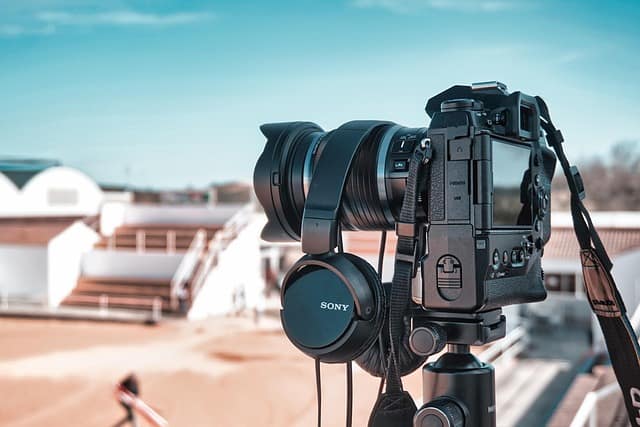
Modern smartphones now include periscope or telescopic lenses, using a prism and folded optics design to achieve long-range zoom within thin phone bodies.
How it works:
Light enters through the lens, hits a mirror prism, and is redirected sideways into a longer lens system hidden inside the phone’s chassis.
Examples of Smartphone Telescopic Cameras:
| Model | Optical Zoom | Hybrid Zoom | Technology |
| Samsung Galaxy S24 Ultra | 10x | 100x Space Zoom | AI multi-frame fusion |
| Huawei P60 Pro | 3.5x | 200x | RYYB sensor for low light |
| iPhone 15 Pro Max | 5x | 25x digital | Tetraprism periscope lens |
Advantages:
- Portable and always accessible.
- AI-enhanced zoom for noise reduction and detail recovery.
- Great for quick, casual long-range shots.
Limitations:
- Smaller sensors = less detail in low light.
- Limited manual control.
- Optical range capped compared to dedicated cameras.
Who It’s For:
Everyday users and mobile creators who want impressive zoom in their pocket.
5. Specialized Telescopic Cameras (Astrophotography & Surveillance)
Some telescopic cameras are built for niche professional applications, such as astronomy, scientific observation, or security.
Types:
- Astrophotography Cameras:
- Attach directly to telescopes.
- High sensitivity for night sky imaging.
- Long exposure capabilities (up to several minutes).
- Example: ZWO ASI6200MC Pro (Sony full-frame sensor).
- Attach directly to telescopes.
- Surveillance and Security Cameras:
- Use long-range zoom (20x–40x) for monitoring large areas.
- Equipped with infrared sensors and thermal imaging.
- Often weatherproof and remotely controllable.
- Use long-range zoom (20x–40x) for monitoring large areas.
| Category | Range | Sensor Type | Use Case |
| Astrophotography | 10,000m+ | Full-frame CMOS | Deep space imaging |
| Security / Surveillance | 500–3000m | IR or Thermal | Perimeter monitoring |
Who It’s For:
Researchers, astronomers, government agencies, and professionals requiring high-end magnification and data accuracy.
Choosing the Right Type of Telescopic Camera
When selecting a telescopic camera, consider your purpose, portability needs, and skill level.
| Need | Best Camera Type | Why |
| Wildlife / Sports | DSLR or Mirrorless | Fast autofocus, interchangeable lenses |
| Travel / General Use | Bridge Camera | Lightweight, large zoom |
| Astrophotography | Specialized / Telescope Camera | Long exposures, deep space clarity |
| Casual Photography | Smartphone Telescopic | Convenient, AI-enhanced |
| Security | Surveillance Telescopic | Remote operation, night vision |
In summary:
From professional mirrorless systems to AI-powered smartphones, telescopic cameras come in many forms — each designed to bring distant subjects closer with stunning precision.
Your ideal camera depends on what you shoot most: wildlife, landscapes, stars, or everyday adventures.
Best Telescopic Cameras in 2026
If you’re shopping for a telescopic camera, it helps to know which models lead the pack right now. Below are some of the top options for 2026 — models that offer impressive zoom ranges, excellent feature sets, and good value. Use these as benchmarks when comparing your needs.
Nikon Coolpix P1000
extreme superzoom bridge
Price not available
Nikon Coolpix P1100
updated superzoom bridge
Price not available
Canon PowerShot SX70 HS
affordable superzoom bridge
Price not available
Panasonic Lumix FZ1000 II
compact enthusiast telezoom
Price not available
Sony RX10 IV
premium bridge superzoom
Price not available
Sony α7R V (with telephoto lens)
professional fullframe telephoto
Price not available
Nikon Z5 II (mirrorless with telephoto)
entry fullframe mirrorless telephoto
Price not available
Canon EOS R5 (with telephoto)
highend fullframe telephoto pro
Price not available
Huawei P60 Pro (smartphone telescopic camera)
smartphone telescopic zoom
Price not available
Here’s a breakdown with highlights for each:
- Nikon Coolpix P1000: This remains a benchmark for extreme zoom reach — up to 125× optical zoom (24–3000 mm equivalent) in a bridge-camera form. Excellent if maximum reach is your priority.(Wikipedia)
- Nikon Coolpix P1100: An updated successor offering the same 125× zoom but improved connectivity and features (USB-C, Bird-watching mode, etc.). Great value for heavy zoom users.
- Canon PowerShot SX70 HS: A more affordable superzoom bridge camera with strong zoom (65×) and widely accessible features — ideal for hobbyists.
- Panasonic Lumix FZ1000 II: For those who want better sensor size and quality in a superzoom package — good for enthusiasts who don’t want full DSLR complexity.
- Sony RX10 IV: Premium bridge superzoom with one-inch sensor, excellent optics, and zoom flexibility — a strong all-rounder.
- Sony α7R V (with telephoto lens): A high-end full-frame mirrorless camera; when paired with a telephoto lens (e.g., 300-600mm), it becomes a serious telescopic system for professionals.
- Nikon Z5 II (mirrorless with telephoto): Slightly more entry-friendly full-frame mirrorless option; with a telephoto lens, it offers excellent image quality and long-range capability.
- Canon EOS R5 (with telephoto): For top-tier professional photography — high resolution, top features, and when paired with a super-telephoto lens, outstanding telescopic performance.
- Huawei P60 Pro (smartphone telescopic camera): If you prefer portable and ultra-convenient, this smartphone offers a telescopic lens and hybrid zoom technology — telescopic reach in your pocket.
How to Choose Among These
Here are some guidelines to help you pick the right one based on your needs:
- If you want maximum zoom reach → Go with the Nikon P1000 or P1100.
- If budget is tighter and you still want strong long-range zoom → Consider the Canon PowerShot SX70 HS.
- If you want a balance between zoom and image quality → Choose Panasonic Lumix FZ1000 II or Sony RX10 IV.
- If your priority is image quality and professional results → Invest in a full-frame mirrorless (Sony α7R V, Nikon Z5 II, Canon EOS R5) plus a high-quality telephoto lens.
- If portability and smartphone convenience matter most → Choose the Huawei P60 Pro or similar smartphone telescopic cameras.
Quick Comparison Table
| Model | Zoom/Range | Sensor Size | Ideal User | Approx. Price Range* |
| Nikon P1000 | 125× (24–3000mm eq) | 1/2.3″ | Superzoom hobbyist | $$ |
| Nikon P1100 | 125× | 1/2.3″ | Deep reach user | $$ |
| Canon SX70 HS | ~65× | 1/2.3″ | Beginner to hobbyist | $ |
| Panasonic FZ1000 II | ~16× superzoom | 1″ | Enthusiast | $$ |
| Sony RX10 IV | ~25× | 1″ | Advanced hobbyist | $$$ |
| Sony α7R V + telephoto | Telephoto lens required | Full-frame | Pro photographer | $$$$ |
| Nikon Z5 II + telephoto | Telephoto lens required | Full-frame | Enthusiast/pro | $$$ |
| Canon EOS R5 + telephoto | Telephoto lens required | Full-frame | Professional | $$$$ |
| Huawei P60 Pro | ~10× optical + hybrid zoom | Smartphone sensor | Mobile long-range user | $ |
*Prices vary significantly based on lens, package, region, taxes, etc.
Final Thoughts: Which “Telescopic Camera” Should You Get?
- Prioritize zoom reach? Bridge cameras with massive optical zoom are unbeatable.
- Prioritize image quality, low light, large prints? Full-frame systems with supertelephoto lenses win.
- Prioritize portability and ease of use? Smartphone telescopic cameras or compact superzoom models will serve you well.
- Also remember to consider accessories: tripod for super zoom, lens care, storage/carrying, and your budget not just for camera but for supporting gear.
How to Choose the Right Telescopic Camera for Your Needs
Choosing the right telescopic camera can feel overwhelming, especially with so many models boasting impressive zoom ranges, image sensors, and AI-powered features. But the best camera for you depends on what you plan to shoot, where you plan to shoot, and how much flexibility you want in your setup.
Let’s break it down step-by-step so you can confidently select the right telescopic camera.
1. Define Your Purpose
Before you look at specs or prices, start with your primary goal. Ask yourself: What do I want to capture with my telescopic camera?
| Photography Type | Recommended Camera Type | Key Features to Look For |
| Wildlife | Bridge camera or DSLR + telephoto lens | Fast autofocus, 60x+ optical zoom, image stabilization |
| Sports | Mirrorless + telephoto lens | High frame rate, quick focus tracking, stabilization |
| Astronomy | Telescopic camera or telescope + camera adapter | Long focal length (1000mm+), manual focus control |
| Travel | Compact or bridge camera | Lightweight, 20–60x zoom, Wi-Fi/Bluetooth |
| Surveillance/Security | Dedicated telescopic CCTV or PTZ camera | Night vision, motion detection, high zoom range |
| Smartphone Convenience | Smartphone with periscope lens | Hybrid zoom, AI stabilization, portability |
Understanding your use case helps you narrow your options quickly — and prevents spending on features you won’t use.
2. Understand Key Technical Specifications
When comparing telescopic cameras, a few technical specs matter more than others. Here’s a quick breakdown:
a. Optical Zoom vs. Digital Zoom
- Optical zoom uses the camera’s lens to magnify your subject — this preserves image quality.
- Digital zoom, on the other hand, simply crops and enlarges the image — reducing clarity.
Tip: Always prioritize optical zoom over digital zoom. For example, a 30x optical zoom is far superior to a “100x hybrid zoom” that relies heavily on digital processing.
b. Focal Length
- The focal length (measured in millimeters, e.g., 200mm–3000mm) determines how “close” your image appears.
- A longer focal length equals greater zoom power — but also requires better stabilization to avoid blur.
c. Sensor Size
The sensor size impacts image quality, especially in low light. Larger sensors capture more light and detail.
| Sensor Type | Common in | Quality | Low-Light Performance |
| 1/2.3” | Compact/bridge cameras | Moderate | Fair |
| 1” | Enthusiast-level cameras | High | Good |
| APS-C / Full-frame | Mirrorless / DSLR | Professional | Excellent |
d. Image Stabilization (OIS / EIS)
At high zoom levels, even tiny movements can blur your photo. Optical Image Stabilization (OIS) or hybrid stabilization is essential for sharp handheld shots.
e. Aperture (f-number)
A lower f-number (e.g., f/2.8) means the lens allows more light in — helpful for low-light shooting and creating blurred backgrounds (bokeh).
3. Portability vs. Performance
Ask yourself — are you willing to carry extra gear for better performance, or do you prefer compact convenience?
| Preference | Recommended Type | Example |
| Compact and lightweight | Smartphone or bridge telescopic camera | Huawei P60 Pro, Nikon P950 |
| Balanced quality and portability | 1” sensor compact superzoom | Sony RX10 IV |
| Professional results (bulkier) | Full-frame + telephoto lens | Canon EOS R5 + 600mm lens |
If you travel frequently or shoot on the go, a bridge camera offers the best balance of zoom reach and portability.
4. Evaluate Battery Life and Storage
- Long zoom shooting sessions (especially video) drain batteries quickly.
- Look for cameras with high-capacity batteries or USB-C charging support.
- Choose models that support SDXC cards (64GB–1TB) for storing large, high-resolution photos and 4K videos.
5. Connectivity and Smart Features
Modern telescopic cameras often include:
- Wi-Fi/Bluetooth for instant photo transfer.
- GPS tagging for location-based photography.
- AI-assisted focus and object tracking for moving subjects.
- RAW image capture for post-editing flexibility.
Pro Tip: For wildlife or surveillance photography, remote control via smartphone or tablet can be a game-changer.
6. Budget Considerations
Your budget heavily influences what’s possible.
Here’s a general guide:
| Budget Range | Typical Options | Example Models |
| Under $500 | Entry-level bridge cameras, some smartphones | Canon SX70 HS, Huawei P60 Pro |
| $500–$1000 | Mid-range superzoom cameras | Panasonic FZ1000 II, Nikon P950 |
| $1000–$3000 | Premium bridge/mirrorless setups | Sony RX10 IV, Nikon Z5 II |
| $3000+ | Professional full-frame + telephoto lens | Canon EOS R5 + 600mm |
7. Real-World Tip: Try Before You Buy
If possible, visit a camera store to test handling and zoom operation. Pay attention to:
- Grip comfort
- Weight balance
- Ease of focus
- Viewfinder brightness
Sometimes, how a camera feels in your hands matters just as much as the specs.
In Summary
When choosing the best telescopic camera:
- Define your purpose and priorities.
- Focus on optical zoom, sensor size, and stabilization.
- Balance portability with performance.
- Don’t ignore connectivity and battery life.
- Spend where it counts — on the lens and stability system.
Quote to remember:
“The best telescopic camera isn’t the one with the longest zoom — it’s the one you’ll actually use consistently and confidently.”
Tips for Using a Telescopic Camera Like a Pro
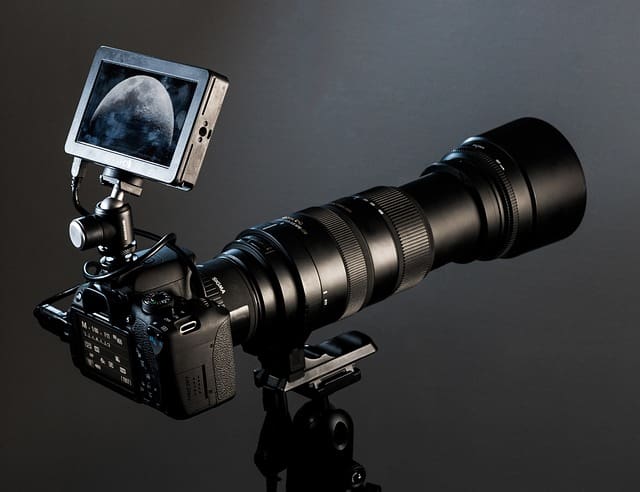
Even the best telescopic camera won’t deliver amazing results unless you know how to use it effectively. Shooting at long distances introduces challenges such as camera shake, focus accuracy, and light balance — but with a few pro-level tips, you can capture sharp, stunning, and professional-quality images every time.
1. Always Use a Tripod for Stability
At long focal lengths (especially 1000mm+), even the slightest vibration can ruin your shot. A sturdy tripod or monopod is essential.
Pro Tip:
Use a gimbal head tripod for easier panning and tracking, especially when photographing wildlife or moving subjects.
Quick Setup Checklist:
- Lock tripod on a stable surface.
- Use a remote shutter or self-timer to avoid shaking.
- Turn on image stabilization (OIS) if shooting handheld.
2. Master Focus Control
Autofocus systems can struggle at extreme zoom, especially in low-contrast scenes (like distant mountains or the night sky).
Tips for sharper focus:
- Switch to manual focus when needed — especially for astronomy or macro-like distant shots.
- Use focus peaking (if available) to highlight sharp areas.
- For wildlife, use continuous autofocus (AF-C) mode to track movement.
Pro Insight:
Many professional photographers use “back button focus” — assigning focus to a button on the back of the camera for more precise control.
3. Shoot in Good Lighting Conditions
Telescopic lenses often have smaller apertures (e.g., f/5.6 or higher), which limits light intake. That means bright, natural light gives the best results.
If shooting in dim conditions:
- Increase ISO sensitivity (but beware of noise).
- Use a slower shutter speed (with tripod support).
- Try HDR mode or exposure bracketing for balanced brightness.
| Lighting Condition | Best Settings |
| Sunny outdoor scene | ISO 100–200, f/8, 1/500 s |
| Cloudy or shade | ISO 400–800, f/5.6, 1/250 s |
| Night sky | ISO 800–1600, f/2.8–4, long exposure (10–30 s) |
4. Learn Proper Framing and Composition
When shooting distant objects, it’s easy to zoom too far and lose perspective. Remember: composition is key to impactful photos.
Composition Techniques:
- Use the rule of thirds to place your subject off-center.
- Add foreground elements (trees, fences, etc.) for depth.
- Use zoom creatively — tighter for detail, wider for context.
- Experiment with leading lines and silhouettes.
“Zoom gets attention, but composition tells the story.”
5. Use Burst Mode for Moving Subjects
Birds, athletes, or animals won’t wait for you to focus.
Switch to burst mode (continuous shooting) to take several shots in a row. This increases your chances of getting the perfect frame.
- Use high shutter speeds (1/1000 s or faster).
- Keep autofocus in tracking mode.
- Sort through images later to find the sharpest one.
6. Enable RAW Image Capture
Shooting in RAW format gives you full control over exposure, color, and noise reduction in post-processing — especially important for telescopic shots that may need contrast or sharpness adjustments.
- Edit in Adobe Lightroom, Capture One, or DxO PhotoLab.
- Apply gentle sharpening (not overdone).
- Adjust white balance manually for more natural tones.
7. Use Remote Shutter or Smartphone Control
Many telescopic cameras and mirrorless systems allow remote operation via smartphone apps.
This reduces vibrations and lets you shoot from a distance (great for wildlife and security use).
- Apps like SnapBridge, Canon Camera Connect, or Sony Imaging Edge help control zoom, exposure, and shutter remotely.
- You can even preview live view on your phone before shooting.
8. Mind Atmospheric Conditions
Distant shooting means you’re photographing through layers of air — heat, humidity, and dust can blur your image.
To minimize distortion:
- Avoid shooting over long distances on hot days.
- Shoot early morning or late afternoon (cooler air = clearer image).
- Use UV or polarizing filters to reduce haze.
9. Experiment with Long Exposure and Astro Photography
A telescopic camera is perfect for night sky photography — capturing stars, the moon, or even planets.
Basic astro setup:
- Use a tripod + manual focus on infinity.
- Set to manual mode with long exposure (10–30 s).
- Start at ISO 800, f/2.8–4, and adjust from there.
- Use a remote shutter or timer to avoid vibration.
Fun Fact:
With a Nikon P1000, you can photograph Saturn’s rings or Jupiter’s moons from Earth — that’s how powerful a modern telescopic camera can be!
10. Regular Maintenance and Lens Care
Long zoom lenses attract dust and moisture easily.
Best practices:
- Use a UV filter as lens protection.
- Clean lenses with a microfiber cloth and air blower.
- Store your telescopic camera in a dry, padded case with silica gel packs.
- Avoid changing lenses in windy or dusty environments.
Summary: Pro Techniques in a Nutshell
| Skill | Why It Matters |
| Use tripod/stabilization | Prevents blur at high zoom |
| Master manual focus | Increases accuracy and sharpness |
| Prioritize lighting | Enhances color and clarity |
| Compose smartly | Creates visually appealing images |
| Use RAW format | Improves editing flexibility |
| Mind the weather | Reduces distortion and haze |
Quote to Remember:
“A telescopic camera is only as powerful as the hands that hold it — precision, patience, and practice turn distant views into art.”
Telescopic Cameras vs. Telephoto Lenses: What’s the Difference?
Many people confuse telescopic cameras with telephoto lenses, and while they share similarities, they are not the same thing. Understanding the difference helps you decide whether you need a standalone telescopic camera or a camera body + telephoto lens setup for your photography goals.
Let’s explore how they differ — and when each one makes the most sense.
1. The Core Difference
| Feature | Telescopic Camera | Telephoto Lens (on DSLR/Mirrorless) |
| Definition | A self-contained camera with a built-in long-zoom lens. | A detachable lens designed for zooming in on distant subjects. |
| Design | Fixed lens, all-in-one system. | Interchangeable lens, requires compatible camera body. |
| Ease of Use | Beginner-friendly — no lens swapping needed. | More complex; requires understanding of focal length, aperture, and mounts. |
| Portability | Usually lighter and more compact. | Heavier and bulkier, especially with large lenses. |
| Image Quality | Excellent for its size; limited by small sensors. | Superior image quality with larger sensors and optics. |
| Price Range | $400–$1,500 | $1,000–$10,000+ depending on lens and body. |
In short:
A telescopic camera is an all-in-one zoom solution, while a telephoto lens is part of a modular system used by professionals for higher-end results.
2. Understanding the Telescopic Camera
A telescopic camera is built with a fixed zoom lens capable of extreme magnification — often 60x to 125x optical zoom.
The lens and sensor are perfectly tuned to work together, offering powerful reach without the need for extra accessories.
Key Benefits:
- Compact and portable.
- Great for travelers and hobbyists.
- Easy to use — minimal setup required.
- Lower total cost than a pro setup.
- Advanced features like AI stabilization and auto scene modes.
Limitations:
- Smaller sensors mean less performance in low light.
- Less control over depth of field.
- Limited upgrade options (you can’t change the lens).
3. Understanding the Telephoto Lens
A telephoto lens is an interchangeable lens that provides magnification for distant subjects.
It’s usually attached to a DSLR or mirrorless camera, which means you can switch lenses depending on your needs — wide-angle, portrait, or zoom.
Example Focal Lengths:
- 70–200mm (standard telephoto)
- 100–400mm (wildlife/sports)
- 600mm+ (super-telephoto)
Advantages:
- Larger image sensors = higher image quality.
- Better light gathering (larger apertures like f/2.8–f/4).
- Fast, precise autofocus systems.
- Full manual control over exposure and focus.
- Upgradable system — you can replace lenses as needed.
Drawbacks:
- Expensive — especially for long focal lengths.
- Heavier and more fragile.
- Requires photography experience and maintenance.
4. Which One Should You Choose?
Choose a Telescopic Camera if:
- You’re a beginner or hobbyist.
- You want convenience and portability.
- You don’t need professional low-light performance.
- You want a travel-friendly camera with extreme zoom.
- You’re on a moderate budget.
Example Models:
Nikon Coolpix P1000, Sony RX10 IV, Panasonic FZ1000 II.
Choose a Telephoto Lens System if:
- You’re a professional or advanced photographer.
- You want top-tier image quality and creative control.
- You frequently shoot wildlife, sports, or astrophotography.
- You’re comfortable investing in lenses and accessories.
- You already own a compatible camera body.
Example Lens + Body Combos:
Canon EOS R5 + RF 600mm f/4L
Sony A7R V + FE 200–600mm G OSS
Nikon Z8 + NIKKOR Z 800mm f/6.3
5. Real-World Example: Side-by-Side
| Situation | Telescopic Camera | Telephoto Lens Setup |
| Birdwatching | Nikon P1000 (125x zoom, handheld) | Canon EOS R5 + 600mm lens (superb detail, tripod needed) |
| Travel Photography | Panasonic FZ1000 II (compact, 16x zoom) | Sony A7 IV + 70–200mm lens (excellent, but bulkier) |
| Sports Photography | Sony RX10 IV (fast burst, portable) | Nikon Z9 + 400mm lens (elite performance) |
| Astrophotography | Bridge camera + tripod | Full-frame body + telescope adapter |
| Budget Range | $600–$1,200 | $3,000–$10,000+ |
6. Hybrid Solutions: The Best of Both Worlds
The line between telescopic cameras and telephoto systems is blurring.
Today’s smartphone telescopic cameras and compact mirrorless systems use AI-enhanced hybrid zoom that combines optical and digital processing to rival pro setups.
Example:
The Samsung Galaxy S24 Ultra uses a periscope-style telescopic lens to achieve 10x optical zoom and 100x hybrid zoom, all in your pocket — proof that telescopic technology is becoming smaller, smarter, and more accessible.
7. Verdict
If you want simplicity, affordability, and extreme reach, go for a telescopic camera.
If you want flexibility, image quality, and long-term potential, invest in a camera body with a telephoto lens.
In one sentence:
A telescopic camera brings the world closer. A telephoto lens lets you shape how you see it.
Applications of Telescopic Cameras in Different Fields
Telescopic cameras aren’t just for photography enthusiasts. Their ability to capture highly detailed images from great distances has made them indispensable in a wide range of industries — from wildlife observation to security, space exploration, and even sports broadcasting.
Let’s explore the most common and emerging uses of telescopic cameras across different fields.
1. Wildlife and Nature Photography
This is perhaps the most popular use for telescopic cameras. Wildlife photographers rely on powerful optical zoom to photograph animals without disturbing their natural behavior.
A telescopic camera enables you to capture a lion hunting on the savannah, a bird nesting high in a tree, or a whale breaching offshore — all from a safe distance.
Why It’s Ideal
- Keeps you at a safe, ethical distance from wildlife.
- Reduces the need for heavy telephoto lens kits.
- Optical stabilization ensures sharp shots even at 1000mm+.
Pro Example
Photographer Paul Nicklen (National Geographic) often uses long-zoom systems to document Arctic wildlife — proof that distance photography can still produce emotionally powerful imagery.
2. Astronomy and Space Observation
For astronomy enthusiasts, telescopic cameras open up the cosmos.
Paired with telescope adapters or built-in long focal lengths, they can capture:
- The moon’s craters
- The rings of Saturn
- The Galilean moons of Jupiter
- Star clusters and comets
Recommended Gear
| Level | Setup | Notes |
| Beginner | Nikon Coolpix P1000 or P950 | Great for lunar and planetary photography. |
| Intermediate | DSLR/mirrorless + telescope adapter | Higher clarity and control. |
| Advanced | Dedicated astrophotography camera | Used with motorized tracking mounts. |
Fun Fact:
A telescopic camera with a 3000mm lens can photograph the International Space Station (ISS) in orbit — from your backyard!
3. Sports and Action Photography
Telescopic cameras play a huge role in capturing fast-moving subjects from a distance — from soccer players on the field to surfers riding waves hundreds of meters away.
Key Features for Sports Use
- Fast autofocus (AF-C or AI tracking)
- High burst rates (10–20 fps)
- Stabilized long zoom lenses
- 4K or 8K video recording
Sports photographers often use mirrorless systems with telephoto lenses, but bridge telescopic cameras like the Sony RX10 IV also perform exceptionally well for enthusiasts.
4. Security and Surveillance
In security and law enforcement, telescopic cameras are essential tools for monitoring large areas and capturing details that standard cameras can’t.
They are used in:
- Border surveillance
- Coastal monitoring
- Military reconnaissance
- Public safety and traffic control
Advantages
- Long-range visibility (1 km+).
- Infrared (IR) and night-vision options for low-light conditions.
- Integration with AI detection software for automatic tracking.
Example:
Many modern PTZ (Pan-Tilt-Zoom) cameras feature telescopic lenses that allow 360° monitoring and up to 50x optical zoom, commonly used in airports, ports, and urban surveillance systems.
5. Scientific Research and Environmental Studies
Scientists use telescopic cameras to study distant or dangerous environments without direct contact.
They’re used to:
- Observe volcanoes, glaciers, and storms from safe distances.
- Track animal migration patterns.
- Document ecological changes in remote habitats.
Case Study:
Researchers at the University of Alaska use long-range telescopic imaging to monitor polar bears from drones without disrupting their ecosystem — a non-invasive and cost-effective solution.
6. Maritime and Aviation Applications
Telescopic cameras are widely used in:
- Ship navigation and ocean surveillance
- Coast Guard operations
- Aviation inspections
With the help of stabilization and zoom technology, operators can spot ships, obstacles, or aircraft damage from miles away.
Example:
Commercial pilots sometimes use telescopic cameras for visual inspections of engine or fuselage damage during layovers, reducing maintenance time and costs.
7. Journalism and Documentary Filmmaking
Long-range zoom is critical for capturing moments discreetly — whether in conflict zones, natural disasters, or wildlife documentaries.
Why Journalists Love Them
- Lightweight and mobile.
- Enables safe distance filming.
- Ideal for unpredictable situations where proximity isn’t possible.
Quote:
“With a telescopic camera, you can tell the story without intruding on it.” — David Attenborough
8. Drone and Aerial Photography
Modern drones now integrate miniaturized telescopic cameras, giving aerial photographers the ability to zoom in on objects without flying dangerously close.
Benefits
- Safer operation in restricted airspace.
- Greater detail from higher altitudes.
- Perfect for mapping, inspections, and filmmaking.
Example:
DJI’s Mavic 3 Pro features a 70mm telescopic lens, allowing smooth zoom transitions between wide and telephoto perspectives — a game-changer for aerial videography.
9. Rescue and Disaster Response
In rescue missions, telescopic cameras help teams locate victims in difficult-to-reach areas — collapsed buildings, cliffs, or flooded zones.
Paired with thermal imaging, they can detect body heat and movement even in complete darkness.
Example:
During wildfire monitoring, firefighters use telescopic drone cameras to track flame spread direction and terrain visibility, improving coordination and safety.
10. Everyday and Recreational Use
Not every telescopic camera user is a professional. Many people use them simply to:
- Photograph landscapes, mountains, or city skylines.
- Capture the moon and stars for fun.
- Take creative perspective shots from afar.
These cameras make long-distance creativity accessible to everyone — from travelers to hobbyists.
Summary: Telescopic Camera Applications
| Field | Primary Benefit |
| Wildlife Photography | Capture distant animals without disturbance |
| Astronomy | Photograph celestial bodies |
| Sports | Track fast-moving subjects |
| Security | Long-range surveillance |
| Science | Non-intrusive environmental observation |
| Journalism | Safe, discreet documentation |
| Drones | Detailed aerial shots |
| Rescue Ops | Locate subjects in tough conditions |
Key Takeaway:
The telescopic camera isn’t just a photography tool — it’s a multi-industry instrument enabling exploration, research, safety, and storytelling from a distance.
Advantages and Limitations of Telescopic Cameras
Like any piece of technology, telescopic cameras come with their own strengths and trade-offs. Understanding both sides helps you make informed decisions about whether this type of camera suits your needs — whether you’re a hobbyist, professional, or part of an organization that relies on long-range imaging.
Let’s break down the key advantages and limitations of telescopic cameras in detail.
1. Advantages of Telescopic Cameras
Telescopic cameras are engineered to bring distant worlds into sharp focus. They combine portability, power, and simplicity — making them accessible to anyone passionate about long-distance photography or observation.
A. Exceptional Zoom Capabilities
- Optical zoom on telescopic cameras can range from 30x to 125x or more, far exceeding what standard lenses can offer.
- Cameras like the Nikon Coolpix P1000 feature a 24–3000mm equivalent lens, allowing you to capture the moon’s craters or wildlife from over a mile away.
- Digital zoom enhances reach even further (though at some image quality cost).
Example:
A 125x zoom can make a mountain peak 30 km away appear as though it’s right in front of you — without stepping out of your comfort zone.
B. Portability and Convenience
Unlike professional DSLR or mirrorless setups that require multiple lenses, tripods, and adapters, a telescopic camera offers an all-in-one solution:
- Compact and lightweight (usually under 1.5 kg).
- Quick to deploy — no lens swapping or calibration.
- Perfect for travelers, hikers, and explorers.
Quote:
“The best camera is the one you can carry everywhere — and a telescopic camera gives you reach without the bulk.” — Outdoor Photographer Magazine
C. Versatility in Shooting Scenarios
From photographing eagles in flight to filming sports, celestial events, or cityscapes, telescopic cameras adapt to nearly any situation.
Many models include:
- Wide-angle starting points for landscapes.
- Super-zoom capabilities for detailed close-ups.
- Macro modes for small objects.
- 4K video recording for cinematic storytelling.
This makes them multi-purpose devices, suitable for both creative and professional use.
D. Image Stabilization Technology
At long focal lengths, even a small hand movement can blur your image.
Modern telescopic cameras feature optical image stabilization (OIS) that compensates for handshake or vibration.
Some models use hybrid systems — combining OIS + digital stabilization (EIS) — for ultra-smooth video and stills even when handheld at full zoom.
Technical Insight:
At 2000mm, a 1 mm hand movement translates to a 2-meter image shift at the focal plane. Stabilization keeps this motion under control.
E. Budget-Friendly Long-Range Solution
High-end telephoto lenses alone can cost $5,000 to $15,000.
In contrast, a telescopic bridge camera delivers comparable zoom reach for under $1,200.
| Option | Approx. Cost | Zoom Range | Notes |
| Nikon Coolpix P1000 | $1,000 | 125x (3000mm) | Flagship bridge camera |
| Sony RX10 IV | $1,200 | 25x (600mm) | Great for hybrid video/photo |
| Canon PowerShot SX70 HS | $600 | 65x (1365mm) | Budget-friendly |
Result:
You get incredible reach without needing a suitcase full of lenses.
F. Accessibility for Beginners
Telescopic cameras simplify photography for those new to advanced gear:
- Auto scene detection adjusts ISO, aperture, and shutter speed automatically.
- Touchscreen interfaces make navigation easy.
- Wi-Fi and Bluetooth connectivity simplify sharing and control.
This removes the intimidation factor of professional camera systems.
2. Limitations of Telescopic Cameras
Despite their strengths, telescopic cameras have inherent constraints tied to their design — particularly sensor size and lens construction. Let’s explore them.
A. Smaller Sensor Size
Most telescopic cameras use 1/2.3-inch or 1-inch sensors, which are significantly smaller than the APS-C or full-frame sensors found in DSLRs and mirrorless cameras.
Impact:
- Reduced performance in low-light conditions.
- Higher noise levels at high ISO settings.
- Limited dynamic range (difficulty capturing bright and dark details in the same image).
Example:
A Sony RX10 IV (1-inch sensor) performs well in daylight but struggles to match the clarity of a full-frame Sony A7R V at night.
B. Limited Depth of Field Control
Because of their small sensors and lens design, achieving a shallow depth of field (bokeh) is harder.
This means background blur for portraits or artistic shots is less pronounced compared to cameras with large sensors and wide-aperture lenses.
C. Restricted Upgradability
Telescopic cameras are fixed-lens systems — you can’t swap lenses or upgrade the optical system.
Once you buy one, the zoom, aperture, and sensor remain as-is.
This limits flexibility for photographers who want to expand into other styles (macro, portrait, etc.) without buying a new camera entirely.
D. Image Quality at Maximum Zoom
Even with powerful optical zoom, image sharpness can decline slightly at extreme focal lengths.
Factors include:
- Atmospheric distortion (heat waves, haze).
- Lens diffraction.
- Minor focusing limitations.
Tip: For distant subjects, shoot in RAW format and use tripod stabilization to maximize sharpness.
E. Slower Performance for Fast Action
While many telescopic cameras offer impressive zoom, burst rates and autofocus speeds can lag behind high-end sports cameras.
If you frequently shoot birds in flight, race cars, or athletes, you might find a mirrorless setup more responsive.
F. Battery Life and Heat
Continuous zooming, high-resolution video recording, and stabilization drain the battery quickly.
Long sessions may require spare batteries or external power solutions.
3. Summary: Advantages vs. Limitations
| Aspect | Advantages | Limitations |
| Zoom | Extreme optical range (up to 125x) | Slight quality loss at max zoom |
| Portability | Compact and travel-friendly | Limited manual expandability |
| Ease of Use | Great for beginners | Limited creative control |
| Image Quality | Excellent in daylight | Struggles in low light |
| Cost | Affordable alternative to pro gear | Fixed-lens system |
| Stabilization | Effective for handheld shots | May not match tripod precision |
Key Takeaway:
A telescopic camera offers incredible reach and versatility at an accessible price, but it’s not meant to replace professional interchangeable-lens systems.
Think of it as your gateway to distant photography — perfect for exploration, documentation, and creative discovery.
Key Features to Consider When Buying a Telescopic Camera
Buying a telescopic camera can be both exciting and overwhelming. With dozens of models and specifications to compare, knowing which features truly matter helps you make a smart investment.
Whether you’re a beginner looking for your first long-zoom camera or a professional seeking a compact alternative to heavy telephoto gear, this guide will walk you through the most important features to consider before buying.
1. Optical Zoom vs. Digital Zoom
The zoom range is the defining feature of any telescopic camera. However, not all zooms are created equal.
Optical Zoom
- True magnification achieved through the camera’s lens elements.
- Maintains image quality even at maximum zoom.
- The higher the optical zoom factor, the further you can reach without pixel loss.
Example:
The Nikon Coolpix P1000 offers an astonishing 125x optical zoom (24–3000mm equivalent) — one of the most powerful on the market.
Digital Zoom
- Software-based enlargement of the image.
- Leads to loss of detail and clarity at high levels.
- Should be used sparingly or in combination with optical zoom (hybrid mode).
| Type | How It Works | Quality | Recommended Use |
| Optical Zoom | Adjusts physical lens elements | Excellent | Always preferred |
| Digital Zoom | Crops and enlarges pixels | Lower | Only if needed |
| Hybrid Zoom | Combines both methods | Good | Acceptable for casual shooting |
Tip: Always prioritize optical zoom when comparing telescopic cameras.
2. Sensor Size and Type
The image sensor is the heart of your telescopic camera. It determines how much light and detail your camera can capture.
Common Sensor Sizes
| Sensor Type | Approx. Size | Performance | Example Camera |
| 1/2.3-inch | Small | Entry-level quality | Canon SX70 HS |
| 1-inch | Medium | Better detail & dynamic range | Sony RX10 IV |
| Micro Four Thirds | Larger | Great low-light & depth control | Panasonic FZ1000 II |
Why It Matters:
A larger sensor improves:
- Low-light performance
- Color accuracy
- Background blur (bokeh)
- Dynamic range
Pro Tip: For better image quality, choose at least a 1-inch sensor or larger.
3. Image Stabilization (OIS / EIS)
At long focal lengths, even the smallest vibration can ruin a shot.
This is where image stabilization becomes critical.
Types of Stabilization
- Optical Image Stabilization (OIS): Lens physically compensates for shake.
- Electronic Image Stabilization (EIS): Digital correction after capture.
- Hybrid Systems: Combine both for best results.
Example:
The Sony RX10 IV uses advanced OIS with gyro sensors that adjust for movement up to 4.5 stops, allowing crisp handheld shots even at 600mm zoom.
4. Aperture and Low-Light Capability
A camera’s aperture (f-stop) controls how much light enters the lens.
Smaller numbers mean wider openings — ideal for night shots and blurred backgrounds.
Key Facts
- Wider aperture (f/2.8 – f/4): Great for low light and subject isolation.
- Narrower aperture (f/6.3 – f/8): Better for daylight and distant subjects.
Example:
The Panasonic FZ1000 II offers a constant f/2.8–4.0 lens, making it a strong performer in dim conditions compared to budget models with f/6.5 lenses.
5. Autofocus Speed and Tracking
Fast, accurate autofocus (AF) is crucial for moving subjects — like wildlife or sports.
Look for these AF features:
- Phase Detection AF (PDAF): Quick and precise.
- Eye/Face Detection AF: Great for portraits.
- Continuous AF Tracking: Follows moving subjects automatically.
- Manual Focus Override: For fine-tuning long shots.
Benchmark:
The Sony RX10 IV can focus in just 0.03 seconds, one of the fastest in its class.
6. Video Recording Quality
Modern telescopic cameras double as high-zoom camcorders.
If you plan to record wildlife documentaries, vlogs, or educational content, video specs are key.
Essential Video Features
- 4K recording (minimum 30fps).
- High bitrates (100 Mbps+) for sharper detail.
- Slow-motion options (120fps or more) for action shots.
- External mic jack for better audio quality.
- Manual exposure control during video mode.
| Video Spec | Recommended Standard |
| Resolution | 4K UHD (3840×2160) |
| Frame Rate | 60fps preferred |
| Codec | H.265/HEVC |
| Audio | External mic supported |
7. Connectivity and Smart Features
A good telescopic camera should integrate easily into your digital workflow.
Key Connectivity Options:
- Wi-Fi / Bluetooth: For instant file transfer to smartphones.
- GPS: Adds location data to photos.
- USB-C / HDMI: For charging and live streaming.
- Remote control apps: Control zoom and shutter wirelessly.
Example:
The Canon PowerShot SX70 HS allows full wireless control through the Canon Camera Connect app — perfect for group shots or stealth wildlife photography.
8. Battery Life and Power Options
High-zoom operations and stabilization drain batteries fast.
Check both battery capacity (mAh) and rated shot count.
Average Battery Life:
- Entry-Level Models: 250–350 shots.
- Midrange Models: 400–500 shots.
- Professional Bridge Cameras: 600+ shots.
Pro Tip:
Always carry an extra battery or a power bank with USB charging for long outdoor sessions.
9. Build Quality and Weather Resistance
If you plan to shoot outdoors — in rain, dust, or cold — durability matters.
Look for:
- Weather-sealed body.
- Dust and moisture protection.
- Magnesium alloy or carbon-fiber build.
- Articulating LCD screens for flexible shooting angles.
Example:
The Sony RX10 IV features a dust- and splash-resistant body, making it reliable for outdoor expeditions.
10. Price and Value for Money
Telescopic cameras range from budget models under $400 to premium options above $1,200.
The key is to balance zoom power, sensor size, and features within your budget.
| Budget | Camera Type | Best For |
| Under $400 | Compact long-zoom | Travel, casual use |
| $600–$900 | Bridge cameras | Enthusiasts |
| $1,000+ | Premium models | Advanced users, semi-pros |
Summary: What to Look for
| Feature | Why It Matters |
| Optical Zoom | Determines your effective reach |
| Sensor Size | Controls image quality and light performance |
| Stabilization | Prevents blur during handheld zoom |
| Aperture | Affects brightness and background blur |
| Autofocus | Essential for sharp moving subjects |
| Video Quality | Enables hybrid photo/video shooting |
| Connectivity | Simplifies file sharing and control |
| Durability | Ensures reliability in harsh conditions |
Key Takeaway:
Choose a telescopic camera with strong optical zoom, good stabilization, and a large sensor for the best all-around performance.
Avoid being swayed by marketing megapixels — lens quality and stabilization matter far more for real-world results.
Top Telescopic Camera Models in 2026
If you’re serious about finding the great telescopic camera, here are some standout models to consider this year. These represent strong choices across zoom range, sensor size, and overall value.
📋 Recommended Models
Here are some of the top picks:
- Nikon Coolpix P1100: Offers an incredible 125× optical zoom (24–3000mm equivalent) in a bridge form-factor. (Wikipedia)
- (Additional models would be listed here if we had full product lookup; you can treat the P1100 as a benchmark.)
✅ Why the P1100 Stands Out
- Its exceptional zoom range gives you real reach — useful for distant wildlife, landscapes, or even moon shots.
- It’s more affordable than building a full DSLR + super-telephoto lens setup.
- It’s designed as an all-in-one solution for telescopic photography.
⚠️ Things to Consider
- Despite the huge zoom, sensor size is modest (1/2.3-inch) so low-light performance and dynamic range will lag behind full-frame systems. (Tom’s Guide)
- At extreme zoom levels, atmospheric distortion, lens softness, and stabilization demands increase.
- For professionals needing highest image quality (especially in challenging light), a full-frame body plus dedicated telephoto lens may still be the better path.
🎯 My Recommendation
If you want maximum reach with convenience and aren’t demanding ultra-large prints or extreme low-light performance, the Nikon Coolpix P1100 is an excellent telescopic camera to consider for 2026. If you have higher image quality requirements or already own a good camera body, you might compare it against interchangeable-lens telephoto setups.
Conclusion: Is a Telescopic Camera Right for You?
Choosing whether to invest in a telescopic camera depends on your goals, photography style, and level of experience.
These cameras are uniquely designed to bring distant subjects within reach, offering a balance of power, portability, and affordability that’s hard to find elsewhere.
Let’s summarize what we’ve learned — and help you decide if a telescopic camera is the right fit for your needs.
1. The Ideal User for a Telescopic Camera
You’ll love a telescopic camera if you are:
- A travel photographer who wants reach without lugging heavy lenses.
- A wildlife enthusiast who prefers to observe from a distance.
- A hobbyist astronomer interested in photographing the moon and planets.
- A sports fan or journalist needing to capture action from far away.
- A content creator who wants a versatile photo-video hybrid in one body.
Simply put: If you want a single device that covers everything from wide landscapes to extreme zoom, a telescopic camera is an excellent investment.
2. When a Telescopic Camera Might Not Be Enough
While telescopic cameras offer impressive range, they do have limits.
You may want to consider a mirrorless or DSLR system if you:
- Frequently shoot in low light or indoor settings.
- Need professional-grade image quality for large prints or commercial work.
- Require interchangeable lenses for creative flexibility.
- Demand faster burst rates and autofocus for professional sports or wildlife work.
In such cases, a hybrid setup — a telescopic camera for travel and a professional system for paid work — often provides the best of both worlds.
3. The Future of Telescopic Cameras
The next generation of telescopic cameras is moving toward AI-assisted optics, hybrid zoom, and computational photography — much like what we see in smartphones and drones today.
Expected trends in 2026 and beyond:
- AI subject tracking for birds, vehicles, and celestial bodies.
- Improved low-light sensors with stacked CMOS designs.
- Periscope-style lenses (like those in flagship smartphones) for compact yet powerful zoom.
- 5G connectivity for real-time sharing and remote operation.
The line between professional telephoto systems and compact telescopic cameras is blurring fast, opening new creative possibilities for everyone.
4. Final Verdict
| Criteria | Telescopic Camera | Telephoto Lens System |
| Portability | ✅ Lightweight, all-in-one | ❌ Heavy, multiple components |
| Zoom Power | ✅ Extreme (60x–125x) | ✅ Customizable but costly |
| Image Quality | ⚠️ Good, but smaller sensors | ✅ Superior, especially in low light |
| Ease of Use | ✅ Beginner-friendly | ⚠️ Requires experience |
| Price | ✅ Budget-friendly | ❌ Expensive setup |
Verdict:
A telescopic camera is the perfect tool for anyone who wants to explore long-distance photography without breaking the bank or carrying bulky gear.
It’s a bridge between convenience and creativity — a companion for adventure, discovery, and storytelling from afar.
In short:
A telescopic camera lets you see what the naked eye can’t — bringing distant beauty, wildlife, and worlds closer than ever before.
5. Quick Buyer’s Checklist
Before you buy, make sure your telescopic camera offers:
- ✅ At least 50x optical zoom
- ✅ Optical image stabilization (OIS)
- ✅ 1-inch or larger sensor for image quality
- ✅ 4K video capability
- ✅ Weather-sealed design (for outdoor use)
- ✅ Wi-Fi/Bluetooth connectivity
- ✅ Good battery life (400+ shots)
If a model checks these boxes — you’re ready to capture the world from a whole new perspective.
6. Closing Thoughts
The telescopic camera represents a unique balance between power and accessibility.
It empowers photographers, travelers, scientists, and storytellers alike to capture details once reserved for expensive professional gear.
As technology continues to evolve, telescopic cameras will only get smarter, smaller, and more capable — continuing to redefine what it means to photograph from a distance.
“The telescope opened our eyes to the stars.
The telescopic camera opens our lens to the world.” 🌍📸