


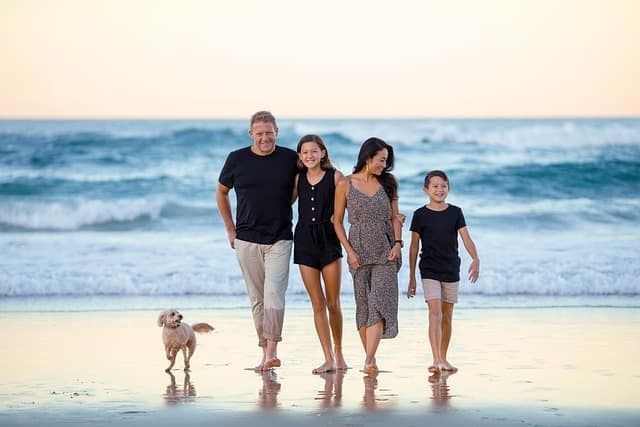
Why Beach Family Photos Are So Special
Few experiences compare to the magic of beach family photos — the sound of waves, golden sunlight reflecting on soft sand, and genuine laughter frozen in time. Whether you’re celebrating a family vacation, a milestone, or simply cherishing togetherness, the beach provides a backdrop like no other.
The Magic of the Beach Setting
Beaches offer a naturally cinematic environment for photography. The wide-open skies, shifting tides, and golden-hour lighting work together to create soft, flattering tones that enhance every complexion.
Unlike studio portraits, beach family photography allows your family to interact freely — walking barefoot, splashing waves, and embracing candid joy. This natural movement leads to authentic smiles and relaxed body language that traditional portraits often lack.
“The best beach family photos aren’t posed — they’re felt,” says photographer Rachel Morrison, who has shot over 200 coastal family sessions in California. “The ocean’s unpredictability brings out spontaneous joy you can’t stage indoors.”
The Emotional Appeal of Coastal Family Photography
Families are drawn to the beach for its emotional symbolism. The sea represents continuity, renewal, and connection — the same qualities families value.
A 2023 photography trends report by PPA (Professional Photographers of America) showed that outdoor family photoshoots have increased by 38% in the last five years, with beaches ranking among the top three preferred locations.
| Top Outdoor Family Photo Locations (2023) | Popularity (%) |
| Parks & Gardens | 42% |
| Beaches & Coastal Areas | 38% |
| Countryside & Mountains | 14% |
| Urban & Cityscapes | 6% |
This rise isn’t just about aesthetics — it’s about meaning. A family standing hand-in-hand on the shore reflects unity, change, and the endless rhythm of life. Beach family pictures beautifully capture these emotions.
Timeless Beauty and Versatility
Beach photos never go out of style. The neutral tones — blues, whites, creams, and sandy golds — make them ideal for framing and display in any home decor. Whether printed on canvas or in a family photo book, their soft, organic palette blends seamlessly into both modern and coastal-themed interiors.
Additionally, beach photography sessions offer seasonal flexibility. Families can schedule shoots year-round:
- Summer: Bright and lively, perfect for playful candids.
- Autumn/Winter: Cozy sweaters and moody skies for a warm, intimate feel.
- Spring: Gentle breezes and soft light — ideal for balanced exposure.
Connection Through Shared Experience
Beyond the images themselves, the experience of taking beach family photos strengthens family bonds. Children often see it as an adventure — running through waves, collecting shells, or building sandcastles — while parents get a chance to slow down and be present.
Planning Your Beach Family Photo Session
Planning a beach family photo session requires more than just showing up with a camera. The beach, while naturally stunning, can be unpredictable — the lighting, tides, and even the wind can change within minutes. Proper preparation ensures that your beach family photos look professional, timeless, and effortlessly beautiful.
Choosing the Perfect Beach Location
The location sets the tone for your entire shoot. When selecting where to capture your beach family pictures, consider the following factors:
| Criteria | What to Look For | Why It Matters |
| Lighting | Beaches that face west (for sunset) or east (for sunrise) | Soft, warm light is key for flattering skin tones |
| Accessibility | Easy parking, restrooms, nearby shade | Makes it easier for families with kids or elderly members |
| Crowd Levels | Less crowded or hidden beaches | Provides privacy and fewer distractions |
| Background Variety | Dunes, rocks, vegetation, boardwalks | Adds depth and visual interest to photos |
| Tide & Safety | Low-tide beaches with gentle waves | Safer for children and better for walking shots |
Pro Tip: Research your location ahead of time. Many coastal areas require photography permits, especially for professional sessions. For example, popular beaches in California, Florida, and Hawaii often enforce permit requirements for photographers, with fines for noncompliance.
If possible, visit the beach at the same time of day your shoot will occur. This helps you observe lighting conditions, shadow direction, and crowd levels firsthand.
Best Time of Day for Beach Family Photos
Lighting is everything in photography, and at the beach, it can make or break your session.
- Golden Hour (1 hour before sunset): The most popular choice for beach family photography. The light is warm, soft, and directional — perfect for glowing skin and dreamy tones.
- Sunrise Sessions: Ideal for early risers who want tranquil beaches and cooler tones. Morning light has a fresh, crisp quality that enhances blues and whites.
- Avoid Midday (10 a.m.–3 p.m.): The sun is high, shadows are harsh, and everyone squints. If you must shoot midday, look for shaded areas like dunes or piers.
“Golden hour light at the beach acts like nature’s beauty filter,” explains lifestyle photographer Mia Reyes. “The sun sits lower in the sky, creating a golden rim light around families that looks magical in prints.”
Here’s a quick reference table comparing lighting times:
| Time of Day | Lighting Quality | Best For |
| Sunrise | Soft, cool, quiet | Peaceful, early morning shoots |
| Midday | Bright, harsh, reflective | Action shots with water play |
| Golden Hour | Warm, soft, glowing | Classic portraits and silhouettes |
| Twilight | Cool blues, muted tones | Artistic, moody family shots |
Hiring a Professional Beach Photographer
A skilled beach family photographer knows how to work with changing light, wind, and water reflections — all of which can confuse even experienced amateurs.
When hiring a photographer, ask:
- Experience: “How many beach sessions have you done?”
- Portfolio: Review their gallery for style, editing, and consistency.
- Equipment: Ensure they use professional gear that handles bright and reflective environments.
- Editing Style: Do they prefer natural tones or artistic color grading?
- Backup Plan: What happens if weather conditions change or it rains?
Average Cost of a Beach Family Photo Shoot (U.S. 2026):
| Package Type | Duration | Typical Price Range |
| Mini Session | 20–30 mins | $150–$300 |
| Standard Session | 1 hour | $300–$600 |
| Extended Session | 1.5–2 hours | $600–$1,000+ |
While DIY photos can be fun and affordable, hiring a professional ensures:
- Proper exposure and color balance in bright environments
- Guidance on posing and composition
- High-quality editing and retouching
- Consistency across your entire photo gallery
Case Study Example:
A family of six booked a sunset shoot in Maui with a local photographer specializing in beach family portraits. Despite overcast weather, the photographer used a reflector and soft flash to maintain skin tone warmth. The resulting photos looked radiant — a perfect example of professional expertise overcoming environmental challenges.
Safety and Comfort Considerations
Beach sessions should be fun, not stressful. Keep everyone safe and comfortable with a few simple tips:
- Check tides and wind forecasts. Apps like Windy or Tide Charts can help avoid high-tide surprises.
- Bring towels and water. Hydration and cleanup are key, especially for kids.
- Pack sunscreen and bug spray. Avoid oily sunscreens that reflect light on skin.
- Dress for movement. Loose fabrics and breathable cottons work best for comfort and natural flow.
- Bring backup outfits. Especially for children, in case they get wet or sandy.
A calm, well-prepared family is a photogenic family — relaxed smiles always photograph better than forced poses.
Quick Checklist for Planning Your Beach Family Photo Session
| ✅ | Task |
| ☐ Choose a scenic, safe beach location | |
| ☐ Schedule during golden hour or sunrise | |
| ☐ Obtain any required photo permits | |
| ☐ Hire or consult an experienced beach photographer | |
| ☐ Pack essentials: towels, water, sunscreen, snacks | |
| ☐ Coordinate outfits in complementary colors | |
| ☐ Prepare for fun — embrace spontaneity and imperfection! |
A well-planned beach session lays the foundation for stunning, authentic family portraits that feel effortless. The key is preparation — when the details are handled in advance, you can focus on what truly matters: enjoying the moment with your loved ones.
What to Wear for Beach Family Photos
Deciding what to wear for beach family photos is one of the most important steps in planning your session. The right clothing can transform your images — helping the family look coordinated, comfortable, and timeless against the ocean backdrop. The wrong outfits, however, can clash with the environment or distract from the emotional connection the photos are meant to capture.
When choosing your beach family photo outfits, think simple, coordinated, and natural. Your clothing should complement the beach, not compete with it.
Beach Family Photo Outfit Ideas
Beach photography is all about light, movement, and color harmony. The goal is to dress your family in a way that works with the scenery — think breezy fabrics, soft tones, and organic textures.
Here’s a breakdown of outfit ideas for the entire family:
| Family Member | Outfit Ideas | Color Suggestions |
| Mom | Flowy maxi dress, linen skirt, off-shoulder top | White, blush, sage, sand, sky blue |
| Dad | Linen shirt (rolled sleeves), chinos or shorts | Cream, light gray, soft blue |
| Kids | Cotton rompers, sundresses, linen shorts | Soft pastels, beige, muted turquoise |
| Baby | Neutral onesie or romper | White, beige, powder blue |
Pro Tip: Avoid overly formal attire. Beach sessions are casual and relaxed — stiff fabrics and structured outfits look out of place. Movement-friendly clothing (like dresses that flow in the wind or light cotton shirts) photographs beautifully.
“The beach is dynamic — your clothes should move with it,” says stylist Carla Jenkins, who advises families on photography wardrobe choices. “Flow, texture, and comfort matter more than matching colors perfectly.”
Coordinating Without Matching
A common mistake families make is trying to wear identical outfits (like all white shirts and khaki shorts). While this was a trend years ago, modern beach family photography favors coordinated color palettes over matching uniforms.
Here’s how to create a cohesive look:
- Pick 2–3 base colors (like cream, light blue, and tan).
- Add 1–2 accent tones (like coral or muted teal).
- Use a mix of textures — linen, cotton, denim — to add visual interest.
- Keep patterns subtle (small stripes, florals, or dots).
Below is a visual example of complementary color palettes for beach photo sessions:
| Theme | Color Palette | Mood/Effect |
| Coastal Neutrals | Beige, white, sand, ivory | Clean, timeless, light-filled |
| Soft Pastels | Blush, powder blue, mint | Romantic, airy, relaxed |
| Earthy Coastal | Terracotta, cream, olive | Natural, bohemian, warm |
| Classic Blue & White | Navy, white, sky blue | Nautical, fresh, classic |
Outfit Do’s and Don’ts for Beach Family Photos
✅ Do’s
- Choose breathable fabrics like cotton, linen, or rayon.
- Go for flowy silhouettes that move with the wind.
- Keep accessories minimal — the focus should be on faces and emotions.
- Consider layering light cardigans or wraps for evening shoots.
- Coordinate, don’t duplicate. Balance tones across family members.
❌ Don’ts
- Avoid neon colors or bold prints — they can reflect unnatural hues onto skin.
- Skip black or dark navy unless used sparingly — they absorb heat and lose detail in shadow.
- Avoid tight or stiff clothing; comfort shows in posture and expression.
- Steer clear of large logos or text — they date your photos and distract the eye.
Accessories and Props for Beach Photo Shoots
Small touches can elevate your beach family photos from simple to unforgettable. The key is subtlety — choose props that feel natural in the seaside setting.
Simple prop ideas:
- A woven picnic blanket or beach throw
- A straw hat or sunhat for mom or kids
- A wicker basket with shells or flowers
- A light scarf or shawl for movement
- Surfboards or sand toys for candid, playful shots
For footwear, barefoot is best. It feels natural and photographs beautifully in sand. However, neutral sandals or espadrilles can also work if the beach terrain is rocky or hot.
Hair and Makeup Tips for Beach Photos
Wind and humidity can challenge even the best-styled hair. To stay picture-ready:
- Opt for loose, natural hairstyles (braids, beach waves, or low buns).
- Use a light hairspray or serum to control frizz.
- For makeup, stick to natural tones with matte finishes — shiny skin reflects too much light.
- Bring oil blotting sheets and a small comb for quick touch-ups.
Pro Tip: Highlight your natural glow. Beaches offer reflective lighting from both the sun and the sand, so softer makeup looks best. A little mascara, tinted balm, and bronzer can go a long way.
Final Thoughts on What to Wear
Your outfits set the tone for your entire beach session. When everyone feels comfortable, confident, and coordinated, it shows in every frame. The goal isn’t perfection — it’s personality. Choose clothes that reflect your family’s authentic energy while harmonizing with the serene tones of the sea and sand.
Beach Family Photo Poses and Composition Ideas
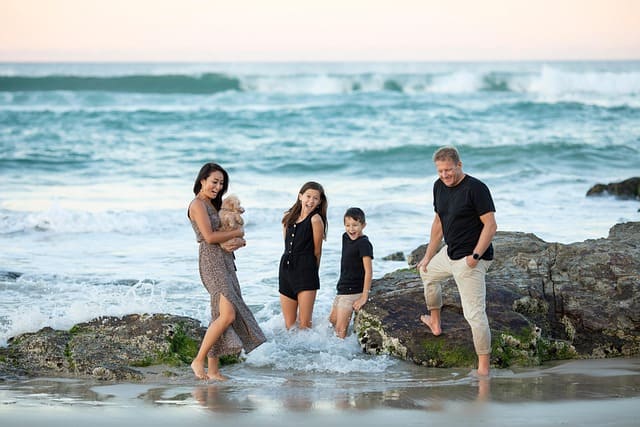
The magic of beach family photos lies not only in the stunning backdrop but in how families are positioned and interact with one another. A great pose should tell a story — of connection, joy, and togetherness. Whether you’re working with a professional photographer or taking DIY shots, understanding how to pose and compose your family photos can make the difference between a good picture and a breathtaking one.
Classic Beach Family Poses
When it comes to classic beach family photography, timeless poses work beautifully across all generations. They help showcase closeness while keeping everyone relaxed and natural.
Here are a few classic pose ideas to try:
| Pose | Description | Best For |
| Walking Along the Shoreline | The family walks hand in hand along the water’s edge, glancing at each other or the horizon. | Natural movement and candid emotion |
| Sitting in the Sand | Everyone sits in a relaxed circle or staggered formation. Can include kids sitting on laps. | Cozy, intimate family vibes |
| Group Hug | Gathered together in a hug or tight cluster, heads close. | Captures warmth and togetherness |
| Holding Hands Facing the Ocean | Family faces away from the camera toward the waves. | Symbolic of unity and new beginnings |
| Parents Behind Kids | Parents crouch or kneel behind kids, wrapping arms around them. | Great for balance and framing faces |
Pro Tip: Keep poses dynamic. Encourage movement — like walking, laughing, or playing — instead of holding still. The wind, waves, and sand naturally create candid moments that feel real and spontaneous.
“Static poses can feel stiff, especially at the beach,” says portrait photographer Lia Bender. “Ask families to interact — twirl a child, chase a wave, toss sand. That’s where the magic happens.”
Candid and Lifestyle Photo Ideas
Candid photography transforms beach family pictures into authentic storytelling. Instead of rigid posing, focus on natural interaction and emotion. Lifestyle shots are especially effective for capturing children’s personalities and family dynamics.
Candid ideas that work beautifully:
- Parents walking while children run ahead or splash in waves
- Kids chasing seagulls or building sandcastles
- A parent lifting a toddler into the air against the sunset
- Siblings laughing while sitting together in the sand
- Family members wrapping themselves in a shared beach blanket
For these shots, timing is key. The best candid moments happen in between poses — the laughter after a joke, the splash of water, the wind blowing hair. Photographers often shoot in burst mode to capture multiple frames per second, increasing the chance of freezing that perfect, genuine moment.
Case Study:
A family of five did a sunrise session in Clearwater Beach, Florida. Instead of posing, they played “follow the leader” along the shoreline. The resulting images showed pure joy — kids giggling, parents smiling naturally — a perfect example of how unposed movement creates emotional authenticity.
Creative Beach Photo Angles and Techniques
Composition is one of the most overlooked aspects of beach family photography, yet it’s crucial for creating visual depth and impact. The open horizon can make beach shots feel flat unless you use perspective and framing techniques intentionally.
Here are composition ideas and photography techniques that enhance every shot:
📸 Use Foreground Elements
Incorporate natural textures like sea grass, driftwood, shells, or rocks in the foreground. This creates depth and leads the viewer’s eye toward the family.
🌅 Play with Reflections
Wet sand during low tide acts like a natural mirror. Position your family so their reflection shows beneath them — this works especially well at sunrise or sunset when the light is soft and golden.
🌊 Include the Environment
Pull back for wide-angle shots that feature the vastness of the ocean. It emphasizes scale and emotion, making the family appear small against the endless sea — symbolic of unity and adventure.
🪶 Use Movement
Encourage spinning, walking, or playful gestures. Flowing dresses, wind-blown hair, and flying sand all add energy and authenticity.
🕊️ Try Aerial or Drone Shots
For families who want a unique perspective, drone photography can capture breathtaking overhead compositions. Imagine your family arranged in a heart shape on the sand, or walking in parallel lines as waves roll in — it’s both artistic and memorable.
Pro Tip: Use the rule of thirds — place the horizon on the upper or lower third of the frame, not in the middle. This keeps the viewer’s focus on the family, not just the sky or ocean.
Creative Pose and Composition Chart
| Pose Type | Camera Angle | Lighting Tip | Mood/Effect |
| Family walking along the beach | Eye-level or low angle | Sunset backlight | Dreamy and warm |
| Kids playing in waves | Kneeling or wide shot | Soft morning light | Playful and candid |
| Group sitting in sand | Slight overhead | Golden hour | Intimate and balanced |
| Family facing ocean | Wide landscape | Even, diffused | Peaceful and symbolic |
| Parents lifting child | Side silhouette | Backlit | Joyful and artistic |
Making Kids Comfortable During the Shoot
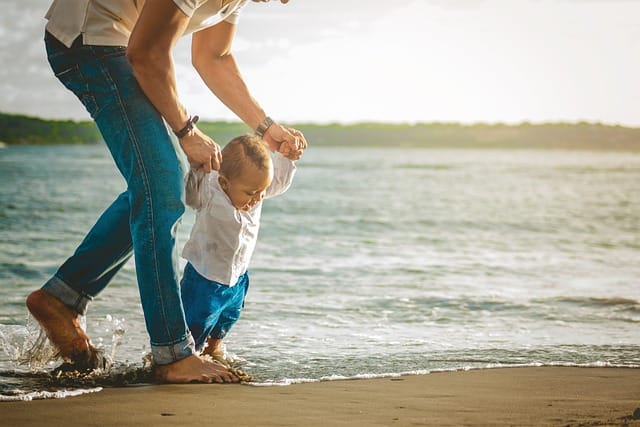
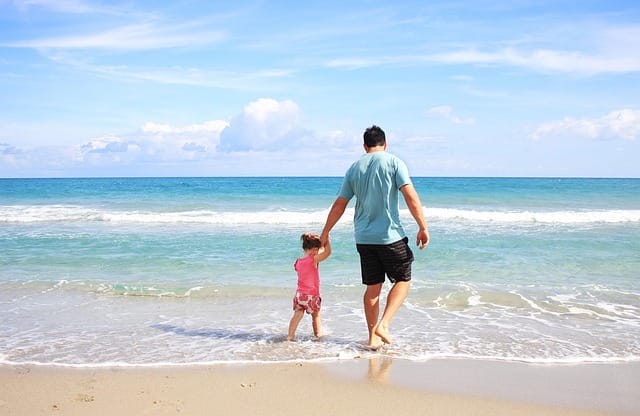
Children are the heart of most beach family photos, but they can be unpredictable. The best images happen when kids feel relaxed and engaged.
Here are a few ways to make it easier:
- Turn posing into play. Ask them to race to the waves or collect shells.
- Avoid long instructions. Keep directions simple and fun.
- Bring their favorite toy or blanket. Familiar items calm nerves.
- Take breaks. Kids tire quickly; plan pauses for snacks or water.
- Praise and laugh often. Positive energy translates beautifully into photos.
Fact: According to a 2024 Pixpa Family Photography Report, 71% of successful family photographers rank child cooperation and mood as the top factor in session success — more than weather or equipment.
Final Thoughts on Beach Family Poses
The best beach family photos blend thoughtful posing with real emotion. Whether your family is splashing in waves or snuggling in the sand, the key is connection — not perfection. Embrace movement, spontaneity, and laughter. These fleeting, imperfect moments often become the most cherished memories.
“The perfect beach photo isn’t about symmetry,” says award-winning photographer Jamie Lau. “It’s about love, light, and laughter — the three things every family has.”
Lighting and Technical Tips for Beach Photography
Lighting is the heartbeat of every great photo — and for beach family photos, mastering it is everything. The beach environment can be both a blessing and a challenge. While you get access to gorgeous natural light and open horizons, you also deal with intense reflections from sand and water, unpredictable weather, and ever-changing tones.
Understanding how to control and use light effectively will turn your photos from ordinary to breathtaking.
Managing Bright Sunlight
The biggest challenge in beach family photography is dealing with strong sunlight and glare. Midday light, in particular, can cause harsh shadows, squinting, and uneven skin tones.
Here are strategies for managing bright sunlight:
- Avoid Direct Overhead Sunlight
Schedule your session early morning or late afternoon when the sun sits lower on the horizon. This creates soft, flattering shadows and even illumination. - Use the Sun Behind the Family (Backlighting)
Position your subjects so the sun is behind them. This creates a natural halo effect, known as rim lighting, which adds warmth and depth. - Utilize Reflectors or Fill Light
A simple white reflector or a portable LED light can bounce light onto faces, softening shadows without the harshness of flash. You can even use a white towel or beach umbrella for a DIY solution. - Find Natural Shade When Possible
If the beach has dunes, boardwalks, or nearby cliffs, use them to diffuse sunlight. The indirect lighting is more forgiving on skin tones. - Watch Out for Shiny Sand Reflections
Sand reflects light upward, creating bright spots under the chin and eyes. A small diffuser or shaded position helps even this out.
“At the beach, the sand is like a second light source,” says photographer Marco Ruiz. “You’re not just lighting from above — you’re lighting from below too. Understanding that dual light effect changes everything.”
Shooting During Sunset or Sunrise
For beach family photos, there’s no better time to shoot than golden hour — the period shortly after sunrise or before sunset. The light is soft, directional, and filled with warm hues that make every skin tone glow.
Golden Hour Advantages
- Creates natural warmth and soft shadows
- Reduces harsh contrast for balanced exposures
- Produces rich golden tones perfect for beach settings
- Allows for creative silhouettes and backlit effects
Golden Hour Time Window (Average by Season):
| Season | Sunrise Golden Hour | Sunset Golden Hour |
| Spring | 6:30 AM – 7:30 AM | 6:00 PM – 7:00 PM |
| Summer | 5:30 AM – 6:30 AM | 7:30 PM – 8:30 PM |
| Fall | 7:00 AM – 8:00 AM | 5:30 PM – 6:30 PM |
| Winter | 7:30 AM – 8:30 AM | 4:30 PM – 5:30 PM |
(Times vary slightly by region — always check local sunset/sunrise schedules.)
Twilight (Blue Hour) Option
The blue hour, which occurs just before sunrise or after sunset, gives photos a cooler, cinematic tone. Perfect for more artistic or moody family portraits, it complements pastel outfits and creates dreamy contrast against the sand.
Pro Tip: Bring a tripod if you’re shooting during blue hour — light levels drop quickly, and camera shake can blur your images.
Beach Photography Camera Settings
To achieve professional-quality beach family pictures, you don’t need the most expensive gear — but understanding how to use your camera (or phone) in beach light is crucial.
Recommended DSLR or Mirrorless Settings
| Setting | Suggested Range | Why It Works |
| Aperture (f/stop) | f/2.8 – f/5.6 | Keeps subjects sharp while softly blurring background |
| Shutter Speed | 1/250 – 1/800 | Freezes movement like walking or splashing |
| ISO | 100 – 200 | Maintains image clarity with minimal noise |
| White Balance | Cloudy or Shade | Warms up tones and avoids overly cool images |
| Focus Mode | Continuous/AI Servo | Tracks movement of kids and active subjects |
Smartphone Users:
- Tap on faces to lock focus and exposure.
- Lower exposure slightly to avoid washed-out skies.
- Use “Portrait Mode” for soft background blur.
- Keep lenses clean — salt spray can fog up clarity quickly.
Pro Tip: Shoot in RAW format if your camera allows it. RAW files retain more color and detail, giving you more flexibility during editing.
Handling Weather and Wind
Beach sessions come with unpredictable conditions — wind, sea mist, or overcast skies can all affect lighting.
How to adapt:
- Overcast skies? Perfect — they act like a giant diffuser, creating even, shadow-free lighting.
- Strong winds? Embrace it! Flowing dresses and wind-blown hair create motion and emotion.
- Too cloudy? Focus on candid and close-up shots instead of wide landscapes.
“Some of my favorite beach family photos were taken during moody, overcast days,” says photographer Elena Carter. “Clouds create drama and depth that sunny skies can’t.”
Lighting Gear for Beach Sessions (Optional but Helpful)
| Equipment | Purpose | Recommended For |
| Reflector (white or silver) | Bounce light onto faces | Brightening harsh shadows |
| Diffuser | Softens direct sunlight | Midday shoots |
| External flash with diffuser cap | Gentle fill light | Evening or twilight sessions |
| Polarizing filter | Reduces glare from water | Midday sun and strong reflections |
| Tripod | Stability for long exposures | Low light conditions (sunset/blue hour) |
Quick Technical Tips Recap
✅ Shoot during golden hour for the best light
✅ Use backlighting for glowing edges and soft faces
✅ Avoid overexposure — slightly underexposed photos are easier to edit
✅ Check histograms instead of relying solely on the LCD screen
✅ Bring a microfiber cloth — saltwater mist can damage lenses
Final Thoughts on Beach Lighting and Technique
Great lighting is the secret ingredient that makes beach family photography come alive. When you combine soft natural light, proper exposure, and thoughtful timing, you can transform a simple day at the shore into a collection of glowing, magazine-worthy memories.
Remember: the beach itself is unpredictable — waves crash, clouds shift, and children laugh when they’re least expected. Your job isn’t to control the light but to dance with it, capturing the spontaneous beauty that unfolds between the waves.
Editing and Enhancing Your Beach Family Photos
Even the most stunning beach family photos can benefit from careful editing. Post-processing brings out colors, balances exposure, and highlights the emotion behind each frame. The goal is not to over-edit, but to enhance the natural beauty of the beach and your family’s connection.
In this section, we’ll cover editing software, color correction, retouching tips, and creative enhancements for glowing, timeless photos.
1. Why Editing Matters for Beach Photography
Beaches are bright, reflective environments where cameras often misjudge exposure. Editing allows you to:
- Recover washed-out skies or overexposed sand.
- Balance skin tones that appear too warm or too cool.
- Emphasize the blue of the ocean and the golden glow of sunset.
- Remove distractions like beachgoers, footprints, or debris.
A few thoughtful adjustments can make your photos feel more intentional, balanced, and professional — while still looking natural.
“Good editing isn’t about changing reality — it’s about bringing your memory of that moment to life,” says portrait photographer Leah Morrison.
2. Best Editing Tools for Beach Family Photos
| Tool | Best For | Skill Level | Notable Features |
| Adobe Lightroom | Overall color and lighting adjustments | Intermediate | Presets, batch editing, RAW support |
| Adobe Photoshop | Retouching, object removal, composites | Advanced | Layer control, healing brush, sky replacement |
| Canva / PicMonkey | Quick edits and filters | Beginner | Drag-and-drop filters, basic retouch tools |
| Snapseed (Mobile) | On-the-go editing | Beginner | Local adjustments, selective brush tool |
| VSCO / Lightroom Mobile | Filters and tone adjustments | Beginner | Stylized looks for social media |
Pro Tip: Always work from the RAW file (if available). RAW files preserve more detail and dynamic range than JPEGs, giving you more freedom in post-processing.
3. Correcting Exposure and Color Balance
When editing beach family pictures, exposure and color balance are your foundation. The key is maintaining the natural tones of skin, sand, and sea without making them look artificial.
Step-by-Step: Exposure & Color Correction
- Adjust Exposure
Increase or decrease overall brightness until faces are properly lit without washing out the background. - Recover Highlights & Shadows
- Lower highlights to bring back sky and wave details.
- Lift shadows to reveal faces and clothing details.
- Lower highlights to bring back sky and wave details.
- Fine-Tune White Balance
Beaches can cast color tints depending on the time of day:
- Morning → Cool tones (increase warmth)
- Sunset → Warm tones (decrease warmth slightly)
- Overcast → Muted tones (add contrast and vibrance)
- Morning → Cool tones (increase warmth)
- Add Contrast Carefully
Too much contrast can make sand look gray or harsh. Use soft contrast for a natural glow. - Boost Vibrance (Not Saturation)
Vibrance enhances dull colors selectively, keeping skin tones realistic. Saturation, on the other hand, affects all colors equally — often making people look orange or red.
4. Retouching and Cleanup Techniques
The beach is a dynamic place — and sometimes, unwanted elements sneak into the frame. Thoughtful retouching can subtly remove these distractions without losing authenticity.
Common Fixes:
- Remove unwanted people or clutter using the clone stamp or healing brush.
- Smooth skin naturally — use Lightroom’s Texture and Clarity sliders moderately.
- Fix stray hair or sand spots with a small spot-heal tool.
- Straighten the horizon — a tilted horizon line is one of the most common mistakes in beach photography.
Pro Tip: Always zoom in to 100% when retouching to avoid unnatural textures or soft edges.
5. Enhancing Colors and Mood
Editing isn’t just about correction — it’s also about creatively enhancing the mood of your beach family photos.
Editing for Different Beach Styles:
| Editing Style | Look & Feel | Key Adjustments |
| Warm & Golden (Sunset) | Cozy, nostalgic | Increase warmth, vibrance, and highlights |
| Soft & Pastel (Morning) | Dreamy, airy | Lift exposure, reduce contrast, cool temperature slightly |
| Bold & Tropical (Midday) | Bright, vibrant | Boost contrast, clarity, and saturation moderately |
| Moody & Dramatic (Overcast) | Cinematic | Deep shadows, desaturate slightly, increase clarity |
Example:
If your beach family photo was taken during sunset, try increasing the temperature by +10 and tint by +5 toward magenta for a rich, warm glow that mirrors the golden hour light.
6. Adding Finishing Touches
Once your colors and exposure are perfect, add subtle enhancements that give your photos depth and focus.
- Sharpen selectively: Apply sharpening mainly to the subjects’ eyes and clothing.
- Add a gentle vignette: Darken the edges slightly to draw attention toward the center of the frame.
- Crop strategically: Follow the rule of thirds — position your family slightly off-center for a more dynamic composition.
- Add grain (optional): A touch of grain can make digital photos feel film-like and timeless.
“Editing is about leading the viewer’s eye to what matters most — the emotion,” says Sophie Tan, a family portrait editor.
7. Before & After Example
| Before Editing | After Editing | |
| Lighting | Harsh midday light, blown-out sand | Soft, balanced tones with detail restored |
| Color | Dull ocean blues | Vivid but natural sea tones |
| Skin Tone | Slightly orange under sun | Warm, even complexion |
| Composition | Crooked horizon | Straightened and cropped |
| Mood | Flat and harsh | Warm, inviting, emotional |
(If using visuals on your website, consider a before/after slider plugin to show results interactively.)
8. Exporting and Saving Your Beach Family Photos
When you’re done editing:
- Save high-resolution versions for printing.
- Export web-optimized JPEGs (around 2000px on the long edge, 72 DPI) for faster website loading.
- Add metadata and alt text that includes your target keyword — e.g., “family walking along the beach at sunset – beach family photoshoot.”
Tip: Always back up your edited and raw files in cloud storage or an external drive to preserve your memories.
Final Thoughts on Editing Beach Photos
Editing brings the story of your beach family photography to life. It’s the finishing touch that ensures your memories look as vibrant as they felt in person. With a light touch, good color sense, and consistent tone, you’ll create a cohesive set of images worthy of display and sharing.
The key is balance — enhance the beauty, but never erase the authenticity.
Creative Posing and Composition Ideas for Beach Family Photos
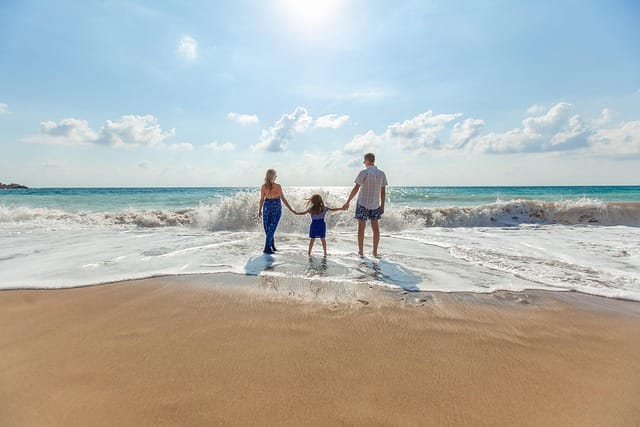
One of the most enjoyable aspects of beach family photography is capturing natural, joyful connections against a breathtaking backdrop. But even with perfect light and a stunning location, your photos can fall flat without thoughtful posing and composition.
This section explores creative pose ideas, composition techniques, and storytelling approaches to help you capture personality, emotion, and genuine family moments at the beach.
1. The Power of Natural Posing
The best beach family photos look effortless and alive — not stiff or overly directed. The secret is to encourage interaction and movement rather than static poses.
Tips for Natural-Looking Poses:
- Keep everyone moving. Ask the family to walk, run, or twirl together. Motion adds energy and emotion.
- Encourage laughter and conversation. Capture moments when they’re truly connecting — not just smiling at the camera.
- Let kids lead. Children often create the most authentic moments with their spontaneity.
- Avoid over-posing. Give general directions (“Walk hand-in-hand toward me”) rather than strict positioning.
“The most beautiful beach portraits are those where you can feel the family’s connection — not just see it,” says family photographer Anna Jacobs.
2. Classic and Candid Beach Family Pose Ideas
Below are some go-to poses that combine structure with spontaneity. Each can be modified depending on group size, lighting, and age of participants.
Classic Pose Ideas
| Pose Name | How to Do It | Why It Works |
| The Walking Shot | Family holds hands walking toward or away from camera along the waterline | Natural motion and relaxed smiles |
| The Group Hug | Everyone gathers close, arms wrapped, laughing or looking at each other | Emotionally rich and timeless |
| Parents with Kids on Shoulders | Adds height variation and playful energy | Great for young children |
| Seated on a Blanket | Everyone sits cross-legged or leaning on elbows | Comfortable and natural for mixed ages |
| Looking Out to Sea | Family faces ocean together, backs to camera | Peaceful and contemplative |
Candid Pose Ideas
| Pose Name | How to Do It | Emotion Captured |
| Splash Fight | Kids (and parents!) splash water or run through waves | Joyful, action-filled moment |
| Shell Hunt | Capture the family searching or showing shells | Curiosity, bonding |
| Running Toward the Camera | Adds life and laughter | Spontaneous energy |
| Piggyback Ride | Creates closeness and humor | Playful affection |
| Lift the Kids | Parents lift children in the air with ocean backdrop | Pure happiness |
“Some of the best family beach photos happen between poses — during laughter, teasing, or running toward the waves.”
3. Composition Techniques for Beach Photography
Strong composition guides the viewer’s eye and creates visually stunning beach family portraits. Even a simple pose can become extraordinary with thoughtful framing.
Use the Rule of Thirds
- Imagine a grid dividing your frame into nine equal parts.
- Place the horizon on the top or bottom third, not in the center.
- Position subjects off-center for a more dynamic and balanced shot.
Include Negative Space
The beach offers vast open areas — sky, sand, and sea. Use this negative space intentionally to emphasize scale and serenity. It can make your family look like part of a grand landscape.
Frame with Natural Elements
Use dunes, beach grass, rocks, or palm trees to create natural framing around the family. This adds depth and context to your composition.
Shoot from Different Angles
- Low angle: Makes children appear taller and more heroic.
- High angle: Great for group shots where everyone’s face is visible.
- Wide shot: Includes the vastness of the beach and sky for storytelling impact.
Play with Reflections
Wet sand near the water’s edge can create beautiful mirror-like reflections. Have the family stand just above the tide line for this dreamy effect.
4. Storytelling Through Poses
Every family has its own rhythm and story. Great beach family photography captures that essence through body language, interaction, and mood.
Try to:
- Sequence your shots: start with posed, move to playful, end with serene.
- Capture transitions — walking to the beach, fixing hair, or sharing a quiet moment.
- Highlight relationships: parent-child hugs, siblings laughing, grandparents smiling proudly.
Storytelling Shot List Example:
- Arriving at the beach with towels and bags
- Kids running ahead toward the water
- Family playing or building sandcastles
- Sunset cuddles wrapped in blankets
- Walking home barefoot at twilight
“Think of a photo session as a short film — every image contributes to the emotional arc,” says photographer Luis Ortega.
5. Composition Mistakes to Avoid
Even seasoned photographers can make small composition errors that detract from otherwise perfect shots. Here are a few common ones — and how to fix them.
| Mistake | Why It’s a Problem | How to Fix It |
| Crooked horizon line | Distracts the eye, feels off-balance | Use auto-straighten or align with grid |
| Too much empty sky | Makes subjects appear too small | Lower your camera angle |
| Cut-off limbs or heads | Feels awkward and incomplete | Frame subjects fully or crop intentionally |
| Busy backgrounds | Pulls focus away from family | Move or zoom in for cleaner backdrop |
| Centered subjects in every shot | Feels static or repetitive | Use variety — rule of thirds, angles, layers |
6. Props and Accessories for Creative Poses
Adding a few props can make your beach family photoshoot more playful and unique — just keep it natural and uncluttered.
Simple Prop Ideas:
- Beach blanket or straw mat
- Woven picnic basket or cooler
- Seashells or starfish
- Surfboards or beach balls
- Flowing scarves for movement shots
- Hats and sunglasses for style and fun
Pro Tip: Keep props cohesive in color and tone. Avoid overly bright objects that distract from faces or the landscape.
7. Bringing Emotion Into Composition
What makes a beach photo truly unforgettable isn’t the perfect pose — it’s emotion. Encourage families to:
- Whisper jokes to each other.
- Walk barefoot, feeling the sand.
- Hug and hold hands naturally.
- Let moments unfold, even imperfectly.
Emotion creates authenticity — and authenticity always outshines perfection in family beach photography.
Final Thoughts on Posing and Composition
The beauty of beach family photos lies in the combination of nature’s raw beauty and your family’s real emotions. When composition, lighting, and connection work together, every frame becomes a keepsake.
Remember — don’t aim for perfection. Aim for connection, story, and authentic joy. The ocean changes every day, just like families do — that’s what makes every beach session a one-of-a-kind masterpiece.
What to Wear for Beach Family Photos (Coordinating Outfits & Colors)
Choosing the right outfits can make or break your beach family photoshoot. The beach’s bright light, reflective sand, and vivid background require clothing that not only flatters each person but also harmonizes with the natural setting. The goal is to create a cohesive, timeless look that draws attention to your family — not your clothes.
This section explores outfit ideas, color palettes, do’s and don’ts, and expert styling tips to make sure your photos look as beautiful as the memories they capture.
1. Why Outfit Coordination Matters
Coordinated outfits create visual harmony. When colors and textures complement each other — and the environment — the final images feel balanced and intentional.
Think of it this way: your family’s clothing acts as the color palette of your story. Whether you’re going for soft and romantic or bright and playful, what you wear helps express that mood.
Benefits of Well-Coordinated Outfits:
- Enhances the overall composition and flow of your photos
- Keeps attention focused on faces and expressions, not clashing clothes
- Adds consistency across group shots
- Reflects your family’s personality and style
“Clothing coordination is the silent storyteller in every family portrait,” says stylist Rachel Knox. “It sets the mood before the first photo is even taken.”
2. Best Colors for Beach Family Photos
Beach lighting and tones are naturally soft — think blues, creams, whites, and neutrals. Choosing colors that complement the sand and sea ensures your photos look fresh and cohesive.
Recommended Color Palettes:
| Theme | Color Palette | Style Inspiration |
| Classic Coastal | White, beige, soft blues, khaki | Elegant, timeless, works in all seasons |
| Boho Beach | Cream, blush, sage green, dusty rose | Romantic, relaxed, textured fabrics |
| Nautical Vibes | Navy, white, light gray, tan | Crisp and preppy look |
| Sunset Tones | Coral, soft yellow, gold, muted lavender | Warm and radiant for evening shoots |
| Earthy Neutrals | Sand, taupe, terracotta, olive | Natural, grounded feel for rustic beaches |
Pro Tip:
Avoid colors that blend into the background (like bright blue against the ocean) or reflect too much light (pure white can sometimes overexpose). Off-white, cream, or light beige are softer alternatives.
3. Outfit Ideas for Each Family Member
👨 For Dads and Men
- Linen shirts (rolled sleeves) or polo shirts
- Khaki or light chino shorts/pants
- Barefoot or neutral sandals
- Avoid logos or bold stripes that distract
👩 For Moms and Women
- Flowing maxi dresses or skirts that catch the ocean breeze
- Light, breathable fabrics like cotton or chiffon
- Solid colors or subtle patterns
- Add light accessories — straw hat, bangles, or layered necklaces
“Movement in fabric adds emotion to photos. Flowing dresses photograph beautifully against the wind and waves.” — Elena Carter, lifestyle photographer
👧👦 For Kids
- Comfortable, simple outfits that let them move freely
- Coordinating tones without matching exactly
- Overalls, rompers, or soft cotton shirts
- Avoid neon or cartoon graphics — they date the photo quickly
👵👴 For Grandparents (if included)
- Stick to the same palette as the family
- Flowy blouses, linen button-downs, or light cardigans
- Keep comfort in mind for walking on sand
4. Outfit Coordination Tips
To achieve balance and unity without looking too “matchy-matchy,” follow these golden rules:
✅ Choose 2–3 main colors and mix shades within that palette.
✅ Vary textures and fabrics — linen, cotton, lace, knits — for visual interest.
✅ Coordinate, don’t copy. Each outfit should feel unique but harmonious.
✅ Lay outfits side-by-side before the shoot to ensure colors work together.
✅ Avoid heavy patterns that clash or pull focus from faces.
✅ Keep it seasonal. Light fabrics for summer; cozy neutrals for fall or winter beach shoots.
Example Coordination Plan (Classic Coastal Theme):
- Mom: Cream maxi dress
- Dad: Light blue button-up, beige chinos
- Daughter: Pale blue romper
- Son: White linen shirt, khaki shorts
Together, the tones flow effortlessly against sand and sea.
5. What NOT to Wear for Beach Family Photos
Avoid clothing that competes with the natural tones or introduces distracting elements.
| ❌ Avoid | 🚫 Reason Why |
| Neon or bright primary colors | Reflects harshly and overpowers the beach scene |
| Heavy black clothing | Absorbs heat, can look too dark for a beach tone |
| Busy prints or logos | Distracts from faces |
| Matching white T-shirts and jeans (old trend) | Feels outdated and flat |
| Stiff, formal outfits | Restricts natural movement and comfort |
Pro Tip:
If you’re unsure, stick to muted, neutral shades — they’re timeless and photograph beautifully in every lighting condition.
6. Accessories and Styling Details
Accessories can add dimension, personality, and polish to beach family portraits when used tastefully.
Recommended Accessories:
- Hats: Wide-brimmed straw hats or subtle fedoras add charm.
- Jewelry: Simple, minimal gold or pearl accents. Avoid shiny metals that reflect sunlight.
- Blankets or throws: Light woven textures double as props.
- Footwear: Often optional — barefoot shots feel most authentic at the beach.
For Hair and Makeup:
- Go for natural, wind-friendly hairstyles — loose waves or low buns.
- Use matte makeup to avoid glare from sunlight.
- Waterproof mascara is a must if the sea breeze gets misty.
7. Case Study: Coordinated Family Outfit Example
Case Study: The Emerson Family – Sunset Beach Photoshoot (Maui)
- Color Palette: Sand beige, soft coral, and cream
- Vibe: Relaxed and cohesive with warm undertones
- Outfits:
- Mom: Flowing cream dress with coral earrings
- Dad: Beige chinos, light linen shirt
- Kids: Coral romper and white shirt + tan shorts
- Mom: Flowing cream dress with coral earrings
Result: The entire family looked unified yet natural. The coral popped beautifully against the sunset sky without overpowering the overall aesthetic.
8. Outfit Prep Checklist
Before heading to your beach family photo session, review this checklist to avoid last-minute stress:
✅ Outfits clean, ironed, and wrinkle-free
✅ Backup outfits for kids in case of spills
✅ Hair ties, brush, and light hairspray for windy conditions
✅ Neutral blanket or towel for sitting shots
✅ Accessories pre-approved by photographer (for consistency)
Final Thoughts on What to Wear
Choosing what to wear for beach family photos should feel fun — not stressful. Keep the focus on coordination, comfort, and authenticity. The beach itself is already the perfect backdrop; your outfits just need to complement, not compete.
When you combine harmonious colors, light fabrics, and natural textures, the result is timeless — a collection of portraits that look as effortless as a day spent by the sea.
Best Time of Day and Locations for Beach Family Photos
When it comes to capturing unforgettable beach family photos, timing and location are everything.
The right light, tide, and backdrop can transform an ordinary image into a breathtaking memory that feels cinematic, natural, and full of emotion.
In this section, we’ll explore the best times of day, ideal locations, and practical tips for choosing your perfect beach photo setting — whether you’re shooting locally or on vacation.
1. Understanding Beach Lighting Throughout the Day
The beach offers ever-changing light. Knowing how to work with those shifts will help you plan the most flattering and magical session.
Golden Hour (Sunrise or Sunset) — 🌅 The Photographer’s Favorite
Golden hour is the most sought-after time for beach family photography. The sun sits low on the horizon, producing warm, diffused light that flatters every skin tone and creates a romantic glow.
Why It’s Ideal:
- Soft, flattering light without harsh shadows
- Warm golden tones for dreamy, emotional photos
- Perfect for silhouettes and backlit compositions
Best for: Family cuddles, walking shots, and candid connection moments.
“Golden hour light wraps around your subjects beautifully — it’s nature’s softbox.” — Photographer Mia Santos
Blue Hour (After Sunset or Before Sunrise) — 🌌 For Dreamy, Artistic Vibes
The “blue hour” occurs right after the sun dips below the horizon or before it rises. The sky turns deep blue and pink, giving your photos a moody, cinematic feel.
Why It’s Unique:
- Creates soft, even light for silhouettes
- Adds an ethereal, pastel color palette
- Works beautifully with soft, neutral outfits
Best for: Creative portraits, reflection shots, and emotional storytelling.
Midday (11 AM–3 PM) — ☀️ Bright but Tricky
Midday light is harsh, with strong shadows and bright reflections off the sand and water. However, it’s still usable with proper technique.
How to Make It Work:
- Use shade (umbrellas, dunes, or cliffs).
- Add a diffuser or reflector to soften shadows.
- Turn subjects away from direct sunlight for backlighting.
Best for: Action shots (running, splashing), bright tropical looks, or drone photography.
Overcast Days — ☁️ Soft and Dreamy
Don’t cancel your shoot if it’s cloudy! Overcast weather provides diffused light that eliminates squinting and makes colors pop naturally.
Benefits:
- Even, flattering light on faces
- Richer color saturation in sky and water
- Minimal glare
Best for: Playful, relaxed family sessions where comfort matters more than sunlight.
2. Choosing the Right Beach Location
The best beaches for family photography balance beauty, privacy, and accessibility. You want enough scenic variety for creativity — but not so crowded that you spend your time dodging photo-bombers.
Key Location Features to Look For:
- Open horizons for sunset views
- Interesting natural textures — dunes, grasses, driftwood, rocks
- Shallow water zones safe for children
- Clean, uncluttered sand without heavy debris
- Accessible paths for carrying props or strollers
Pro Tip: Visit your chosen beach a day before at the same time you plan to shoot. Observe where the sun sets, where shadows fall, and how crowded it gets.
3. Best Beaches and Scenic Spots (U.S. Examples)
Here are some top-rated U.S. beaches known for their family-friendly photo settings and breathtaking backdrops.
| Region | Beach / Location | Why It’s Great for Photos |
| West Coast | Cannon Beach, Oregon | Iconic Haystack Rock, moody skies, dramatic cliffs |
| Coronado Beach, CA | Wide sands, gentle light, classic sunsets | |
| East Coast | Outer Banks, NC | Soft dunes, wooden piers, golden sunsets |
| Cape Cod, MA | Calm waters, vintage seaside charm | |
| Gulf Coast | Siesta Key, FL | Powder-white sand, turquoise water |
| Galveston, TX | Gentle waves, rustic piers | |
| Hawaii | Lanikai Beach, Oahu | Crystal-clear water, lush mountains |
| Poipu Beach, Kauai | Golden sand and palm-lined horizon |
“Pick a beach that fits your family’s personality — serene for quiet portraits, or lively for playful energy.” — Travel photographer Noah Green
4. Factors to Consider When Choosing a Location
Selecting the right spot goes beyond just scenery — it’s also about comfort, safety, and the kind of story you want your photos to tell.
Safety & Accessibility
- Check tides ahead of time (avoid high tide).
- Ensure the terrain is walkable for all family members.
- Bring a towel or blanket to prevent sandy discomfort.
Privacy
- Early morning shoots offer the best seclusion.
- Avoid public beaches on weekends or holidays.
- Lesser-known coves or local beaches often yield more relaxed, candid sessions.
Amenities
- Parking, restrooms, and changing areas are especially useful for families with young children.
- Some beaches require photography permits — check local regulations in advance.
Weather Considerations
- Always have a backup plan for wind or light rain.
- Bring hair ties, clips, and props that can withstand breezy conditions.
5. Incorporating Background Elements
Every beach tells a story through its landscape. Thoughtful use of background elements elevates your family portraits from simple photos to works of art.
Elements to Feature:
- Ocean waves: Capture motion and energy.
- Dunes or grasses: Add depth and texture.
- Piers or boats: Create a sense of scale and context.
- Rocks and cliffs: Offer contrast against the softness of water and sky.
Avoid cluttered backgrounds (e.g., crowds, buildings, or trash bins). Simplicity enhances emotion.
6. Ideal Seasons for Beach Family Photos
While summer is the most popular season, spring and fall often produce better conditions for lighting and comfort.
| Season | Pros | Cons |
| Spring | Fresh greens, soft light, fewer crowds | Unpredictable weather |
| Summer | Vibrant colors, longer daylight hours | Harsh midday sun, busy beaches |
| Fall | Golden hues, warm ocean tones | Cooler temperatures |
| Winter | Dramatic skies, moody light | Shorter days, potential chill |
Pro Tip:
If your goal is golden, glowy portraits, late summer through early fall offers the perfect balance of warmth, light, and manageable crowds.
7. Case Study: Timing + Location Perfection
Case Study: The Diaz Family – Outer Banks, North Carolina
- Time: 6:45 PM (Golden Hour)
- Conditions: Light breeze, low tide, soft pink sky
- Location: Sand dunes overlooking calm surf
Result: The combination of timing and setting created luminous portraits with balanced light and golden warmth. Their barefoot walk along the tide line produced the family’s favorite candid photos of the session.
8. Quick Checklist for Planning Your Beach Session
✅ Scout location and check tides the day before
✅ Confirm golden hour time for your date
✅ Plan travel time (arrive 30–45 minutes early)
✅ Bring sunscreen, water, and baby wipes for sand
✅ Check weather apps and have a plan B spot nearby
Final Thoughts on Time and Location
Timing and location are the twin pillars of every beautiful beach family photo.
Whether you’re chasing sunrise calm or sunset glow, what matters most is the connection between your family and the natural magic of the beach.
Pick a setting that reflects your story — and let the light do the rest.
How to Capture Authentic Emotions and Candid Moments in Beach Family Photos
When it comes to beach family photos, the most cherished images aren’t always the perfectly posed ones — they’re the candid, unplanned moments filled with laughter, movement, and real emotion.
Authentic photography tells a story. It captures not just what your family looks like, but who you are together — your personalities, your love, and the small, fleeting gestures that define connection.
1. The Power of Emotion in Family Photography
Emotion is what transforms a picture into a memory. Families often remember how they felt during a session more than how they looked.
In the context of the beach, emotion is naturally heightened — the sound of crashing waves, wind in your hair, and the openness of the ocean all invite you to relax, play, and be present.
“I always remind families that perfection isn’t the goal — connection is,” says photographer Lauren Hines. “The sand might get messy, but that’s part of the story. When people feel free, the camera captures truth.”
2. Tips for Creating Candid, Emotional Beach Family Photos
Candid photos look effortless, but they often come from thoughtful direction and awareness. Here’s how to bring out natural expressions during your session:
Encourage Movement
- Walk hand-in-hand along the waterline.
- Have the kids run ahead, then look back at the camera.
- Dance together at sunset — movement relaxes faces and bodies.
Use Play as a Prompt
- Ask your children to race to a seashell or jump over small waves.
- Build a quick sandcastle or collect shells together.
- Play a “tickle game” or whisper a secret — it always brings genuine smiles.
Give Minimal Posing Cues
Instead of rigid posing, use natural prompts like:
- “Walk toward me slowly.”
- “Look at each other, not me.”
- “Whisper something funny to Mom.”
These cues spark interaction, not stiffness.
Capture Between-Moments
Some of the best images happen before or after the “official” shot — when everyone’s laughing, adjusting clothes, or wiping sand off a toddler’s hands. Keep the camera ready for these transitions.
3. Emotional Storytelling Through Composition
Composition plays a huge role in making your beach family pictures feel authentic. Use the environment to add emotional depth.
| Technique | How It Enhances Emotion |
| Wide shots | Capture the vastness of the beach — symbolize family unity. |
| Close-ups | Highlight intimacy — hands holding, hair blowing, laughter. |
| Silhouettes | Evoke nostalgia and timelessness. |
| Rule of thirds | Keeps focus balanced between people and nature. |
Pro Tip: Frame your subjects slightly off-center to create a sense of movement and life.
4. Capturing Children Naturally
Kids bring magic to beach photography because they don’t overthink — they simply play.
To photograph them authentically:
- Let them explore freely (within safety limits).
- Follow their curiosity instead of directing it.
- Keep sessions short (30–45 minutes) before fatigue sets in.
A child collecting shells, laughing mid-splash, or running with wind-tossed hair — those are the timeless moments every parent treasures.
“With children, the goal isn’t perfection — it’s personality,” says PPA member and family photographer Emma Brooks. “Every giggle and splash tells part of your family’s story.”
5. Lighting for Emotion
Light has emotional weight. The right lighting can make a photo feel peaceful, joyful, or nostalgic.
Examples:
- Golden light (sunset): warm and soft, perfect for connection and closeness.
- Blue hour: cool, cinematic tones — great for reflective or moody portraits.
- Backlighting: sun behind the subjects creates glowing hair and halos.
Use light to reinforce emotion. For example, shoot a quiet moment of parents holding their child at dusk, with the setting sun wrapping them in warmth.
6. Editing for Natural Feel
Editing can enhance emotion — but only if used subtly.
Avoid over-saturation or excessive filters. Instead, focus on:
- Warm tones to evoke nostalgia.
- Soft contrast for natural skin tones.
- Consistent color grading to unify the story.
A cohesive, filmic edit can make your beach family photos feel timeless and emotionally rich.
7. Case Study: Real Moments, Not Poses
Case Study: The Nguyen Family — Maui, Hawaii
- Goal: Capture authentic moments for a family of five.
- Approach: Photographer gave light prompts (“walk and tell each other your favorite vacation moment”).
- Result: The children burst into laughter mid-walk. The parents joined in naturally. That single candid sequence became the family’s favorite image — chosen for their holiday card and framed above their fireplace.
This demonstrates that real emotion always outshines perfect posing.
8. Emotional Anchors — What to Focus On
In every beach photo session, try to focus on emotional “anchors” — small interactions that tell the bigger story:
- A parent brushing hair from a child’s face.
- Kids chasing waves hand-in-hand.
- Grandparents watching from a distance, smiling softly.
These unspoken gestures are what make family beach portraits feel alive and heartfelt.
9. Quick Tips for Natural Family Connection
✅ Laugh together between shots
✅ Avoid telling kids to “smile” — make them laugh instead
✅ Focus on shared actions (walking, hugging, talking)
✅ Let go of perfection — embrace the wind, sand, and splashes
Final Thoughts: Emotion Over Perfection
At the end of the day, the most meaningful beach family photos come from genuine connection.
Don’t worry about perfect hair or spotless clothes — focus on being present.
When your family is relaxed and connected, the camera becomes invisible — and that’s when magic happens. 🌊✨
Editing, Printing, and Displaying Your Beach Family Photos
Once your beach family photo session is complete, the next step is transforming those raw moments into beautiful, lasting works of art. Editing, printing, and displaying your photos thoughtfully can elevate them from digital files on a computer to meaningful centerpieces in your home.
This section explores everything from photo editing techniques to the best print formats, so your beach memories stay as vibrant and emotional as the day they were captured.
1. The Role of Editing in Beach Family Photography
Editing isn’t about altering reality — it’s about enhancing the emotion and tone that were already there.
The goal of post-processing beach family photos is to balance exposure, color, and warmth while maintaining a natural, timeless look.
Common Beach Photo Challenges
| Issue | Cause | Editing Solution |
| Harsh shadows | Midday light | Adjust highlights/shadows; use radial filters |
| Overexposed sand | Reflective surfaces | Lower whites and highlights; add contrast |
| Flat colors | Cloudy skies | Boost vibrance, not saturation |
| Cool tones | Blue reflections from water | Add warmth in white balance |
Editing Software Recommendations
- Adobe Lightroom – Perfect for global adjustments, batch edits, and color correction.
- Photoshop – Great for detailed retouching (like removing distractions or footprints).
- Capture One – Excellent for fine color control and professional workflows.
- Mobile Apps (like VSCO or Snapseed) – Ideal for quick touch-ups before sharing online.
Pro Tip: Keep edits consistent across all images to create a unified, storytelling gallery.
2. Color Grading for Beach Aesthetics
Color is what gives your family beach portraits their emotional tone. Choose a palette that enhances the natural beauty of the beach.
Popular Editing Styles for Beach Photos
| Editing Style | Mood/Effect | Best For |
| Warm & Golden | Cozy, nostalgic, romantic | Sunset sessions |
| Soft & Pastel | Dreamy, gentle, serene | Morning or overcast days |
| Crisp & Natural | Clean, realistic tones | Midday or bright sunlight |
| Muted Film Look | Vintage, timeless | Artistic or documentary sessions |
“Consistency is key — your editing should feel like an extension of your brand or your family’s story,” says photographer Alicia Hartman, who specializes in coastal photography.
3. Retouching vs. Overediting
The best beach family pictures are honest. Retouching should enhance, not erase.
- ✅ Remove distractions (stray hair, background objects)
- ✅ Lightly smooth skin and adjust exposure
- 🚫 Avoid over-brightening eyes or teeth
- 🚫 Don’t oversaturate skies — natural tones feel timeless
Remember: imperfections are part of your family’s authenticity. A bit of windblown hair or sandy toes tells a story worth preserving.
4. Printing Your Beach Family Photos
Don’t let your favorite photos live only on your phone or computer. Printed photos create emotional impact — they’re tangible reminders of love and connection.
Best Print Options
| Print Type | Description | Why It’s Great for Beach Photos |
| Canvas Prints | Textured and painterly | Enhances soft tones and depth |
| Acrylic Prints | Modern and glossy | Makes colors pop; ideal for ocean blues |
| Metal Prints | Vibrant and durable | Perfect for bright, high-contrast scenes |
| Photo Books | Storytelling layout | Best for vacations or multi-day shoots |
Pro Tip: For beach photos, matte finishes often look more elegant and reduce glare from natural light.
Recommended Print Sizes
- Small (8×10): Perfect for desks or hallways
- Medium (16×20): Balanced choice for family rooms
- Large (24×36+): Statement wall art, especially for wide landscape shots
5. Displaying Your Beach Family Photos at Home
Your beach family photography deserves to be showcased with care and creativity.
Here’s how to design displays that tell a story and enhance your home’s atmosphere:
Creative Display Ideas
- Gallery Wall: Mix sizes and frame styles for a storytelling effect.
- Triptych Layout: Use three complementary shots (wide, medium, close-up).
- Shelf Displays: Lean framed photos alongside shells, driftwood, or candles.
- Digital Frames: Rotate your favorite beach memories daily.
Best Rooms for Display
| Room | Why It Works |
| Living Room | Focal point for guests and family gatherings |
| Hallways/Stairways | Natural flow for storytelling displays |
| Bedrooms | Create a personal, calming retreat |
| Beach Houses/Vacation Homes | Reinforce coastal themes and memories |
“Family photos personalize your space more than any artwork could — they remind you daily of what matters most,” says interior designer Claire Matthews.
6. Archiving and Backup Tips
Digital storage is just as important as physical printing. Always keep your family beach photos safe for future generations.
Best Practices for Photo Preservation:
- Store backups in at least two locations (e.g., cloud + external drive).
- Use platforms like Google Photos, Dropbox, or iCloud.
- Label folders with date and location for easy retrieval.
- Consider creating a yearly photo album (digital or printed).
7. Case Study: From Session to Wall Art
Case Study: The Patel Family — Destin, Florida
- Session Goal: Capture playful yet elegant beach family portraits during vacation.
- Editing: Warm film tones with subtle vignetting.
- Print Choice: 24×36 matte canvas print above living room sofa.
- Result: Their wall art became the emotional centerpiece of their home — a daily reminder of laughter, connection, and ocean breeze.
8. Final Thoughts on Showcasing Your Beach Memories
Editing and printing are the final, creative steps that complete your beach family photo journey.
Through mindful color correction, artistic presentation, and heartfelt display, your beach session becomes more than a set of images — it becomes part of your family’s visual legacy.
Pro Tip: Schedule annual family photos and create a chronological “coastal story wall” — a living gallery of your family growing together through time and tide. 🌊💙
Perfect 🌊 — here’s the final section (Section 11): Conclusion + Frequently Asked Questions About Beach Family Photos. This wraps up the post with an emotional close and provides a practical FAQ section — optimized for beach family photos and related search intent queries (like what to wear for beach family pictures, best time for beach photos, etc.).
Conclusion + Frequently Asked Questions About Beach Family Photos
Final Thoughts: Preserving Family Memories by the Sea
Beach family photos are more than just pretty pictures — they’re a reflection of life, love, and connection.
Every wave, laugh, and grain of sand tells part of your story. Whether it’s your toddler’s first time feeling the ocean foam or your family’s annual summer tradition, these photos become timeless chapters of your legacy.
From choosing the perfect beach and golden-hour timing to styling outfits and editing with care, each step of your photography journey builds toward one goal — authentic memories you can relive forever.
“Photos fade, but the emotions they capture stay eternal.” — Elena Rhodes, Family Photographer
So, let the sea breeze guide your hair, let the kids run wild, and embrace the joy of imperfection. Because the best beach family pictures don’t just show what you looked like — they show how it felt to be together.
Frequently Asked Questions About Beach Family Photos
Below are some of the most common questions families ask before booking or planning a beach family photoshoot.
1. What should we wear for beach family photos?
Choose light, neutral, or pastel tones that complement the natural surroundings.
Great color choices include:
- Soft blues, creams, beige, white, blush, or sage
- Avoid heavy patterns or neon colors (they distract from faces)
- Coordinate rather than match exactly — use a color palette with 2–3 complementary tones
Pro Tip: Flowy fabrics look amazing in beach wind and create movement in photos.
2. What’s the best time of day for beach family photos?
The golden hour — within 1 hour after sunrise or before sunset — provides the softest, most flattering light.
However:
- Sunrise: Quieter, cooler, and ideal for families with small kids.
- Sunset: Warm, glowing tones and relaxed atmosphere.
Avoid harsh midday light unless shooting in shaded areas or using reflectors.
3. How long does a typical beach family photo session last?
Most sessions last 45 minutes to 1.5 hours, depending on group size and conditions.
This allows time for:
- Posed group shots
- Candid family interactions
- Individual portraits of children or parents
- Lighting changes as the sun sets
4. What if it’s windy or overcast during our session?
Don’t worry! Wind and clouds can actually add character and movement to family beach pictures.
Overcast light is soft and even, reducing squinting and harsh shadows.
If it’s too windy, choose sheltered spots behind dunes or cliffs — or embrace it for natural, dynamic shots.
5. How do we keep kids happy during the session?
- Schedule around naps and snacks.
- Bring familiar toys, snacks, or props.
- Let them play and explore freely — natural smiles beat forced poses every time.
- Keep the session short and fun — the goal is joy, not perfection.
6. Should we hire a professional or take photos ourselves?
If you want consistently beautiful results, hiring a professional beach photographer is worth it.
They understand:
- How to manage challenging lighting
- Ideal camera settings for reflection and exposure
- Candid posing techniques for families
However, with modern cameras and smartphones, DIY sessions can still be wonderful — just plan for early or late light and bring a tripod.
7. What’s the best season for beach family photos?
While summer is popular, spring and early fall often yield the best light and fewer crowds.
Here’s a quick breakdown:
| Season | Lighting | Crowds | Vibe |
| Spring | Soft, gentle | Light | Fresh and bright |
| Summer | Strong, warm | Heavy | Fun and energetic |
| Fall | Golden, moody | Light | Warm and cozy |
| Winter | Dramatic | Minimal | Peaceful and cinematic |
8. How far in advance should we book a beach family photographer?
For popular destinations (like California, Florida, or Hawaii), book 2–3 months in advance, especially for summer weekends.
For local or off-season shoots, 2–4 weeks may suffice.
9. Can we include pets in our beach photos?
Absolutely! Dogs can add personality and warmth to family beach portraits.
Just make sure the beach allows pets, bring a leash, and have water and towels ready.
Include a few solo shots of your pet too — they’re part of the family story!
10. What’s the best way to store and share our photos?
- Cloud Storage: Google Photos, Dropbox, or iCloud.
- Physical Backups: External hard drives or USBs.
- Albums: Create a yearly printed photo book.
- Sharing: Use private galleries from your photographer or cloud links for family and friends.
Bonus Tip: Make It a Tradition
Consider making beach family photography an annual ritual. Over the years, your photos will tell a visual story of your family growing together — a legacy of love and laughter by the shore.
🌴 Final Word
The best beach family photos aren’t about perfect poses or pristine sand — they’re about connection, storytelling, and love.
The ocean changes with every tide, just as families do with every season. Capturing that evolution through photography ensures that even as years pass, you’ll always have a piece of those golden, wind-swept days to hold onto.
So go ahead — plan your beach family photo session, feel the waves, and let your memories shine as brightly as the sun on the horizon. ☀️📸