


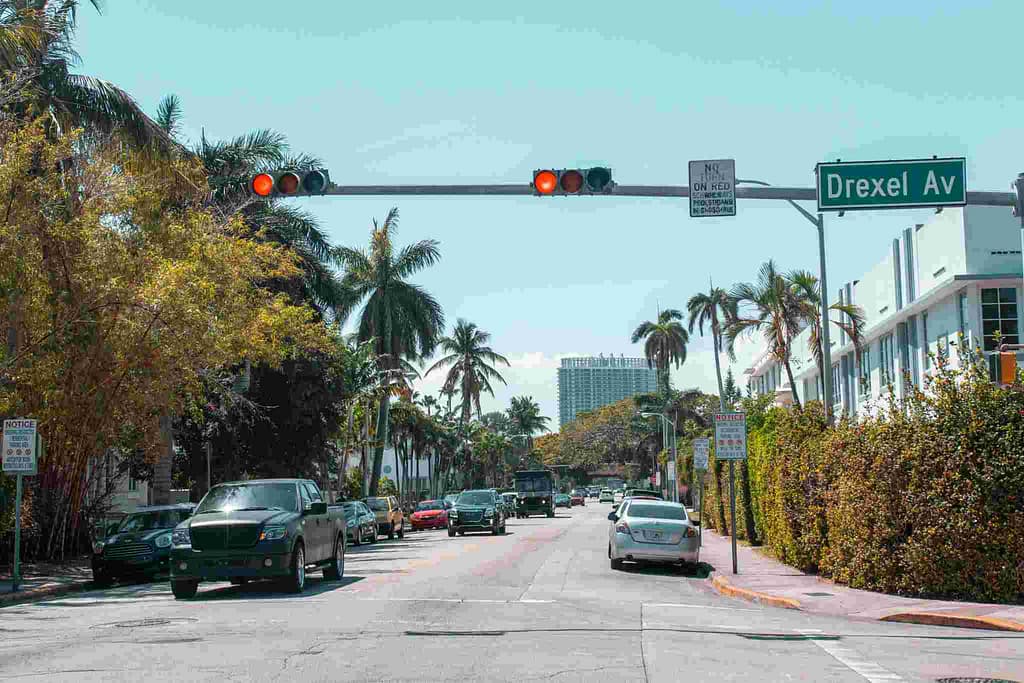
If you’ve ever driven through a busy Florida intersection and noticed a small camera perched above the traffic lights, you might have wondered — are red light cameras legal in Florida?
This question isn’t just common; it’s important. Many Florida drivers have received unexpected notices in the mail with a photo of their vehicle allegedly running a red light. These notices often come with a fine, a link to view the footage, and confusion about whether such citations are truly enforceable.
In simple terms, red light cameras are automated systems designed to capture images of vehicles that enter intersections after the light has turned red. The idea behind them is to reduce accidents caused by red-light running, which is one of the leading causes of intersection-related crashes. But the legal landscape around them has been anything but simple — especially in Florida.
Over the years, red light cameras have been debated in Florida’s courts, legislature, and cities. Some see them as a valuable safety tool that saves lives. Others argue they’re more about revenue generation than road safety, raising serious concerns about fairness, accuracy, and driver privacy.
This guide provides a complete, easy-to-understand explanation of everything you need to know, including:
- ✅ The current legal status of red light cameras in Florida
- ✅ What happens if you get a red light camera ticket
- ✅ How to challenge or pay a violation correctly
- ✅ The rights Florida drivers have under state law
- ✅ The pros and cons of these systems and why some cities have banned them
By the end, you’ll have a clear answer to the main question — “Are red light cameras legal in Florida?” — and a full understanding of how to protect yourself from unnecessary fines or mistakes.
📊 Quick Snapshot: Red Light Camera Facts in Florida (as of 2026)
| Category | Details |
| Legal Status | Yes, legal under the Mark Wandall Traffic Safety Act (2010) |
| Main Statute | Florida Statute §316.0083 |
| Typical Fine | $158 for initial notice |
| Penalty Points | None for paid notice (may apply if escalated) |
| Cities Using Cameras | ~40 municipalities across Florida |
| Court Ruling | Florida Supreme Court upheld legality (2018) |
| Recent Updates | Transparency reporting required as of July 1, 2024 |
What Are Red Light Cameras?
Before we answer “Are red light cameras legal in Florida?”, it’s important to understand what they are and how they operate. Red light cameras aren’t new — they’ve been around since the 1990s — but their technology and legal use have evolved dramatically, especially in states like Florida.
How Red Light Cameras Work
A red light camera is an automated traffic enforcement system that uses sensors and cameras to monitor vehicles at intersections. The system is triggered when a vehicle enters the intersection after the light has turned red.
Here’s how the process typically works in Florida:
- Sensors are embedded in the pavement or use radar technology to detect vehicles.
- When a car crosses the stop line after the light turns red, the system automatically captures several photographs and a short video clip.
- These images include the vehicle’s license plate, date, time, location, and duration of the red light.
- The captured evidence is then reviewed by law enforcement officers, not just the camera system. If the officer verifies the violation, a Notice of Violation is mailed to the vehicle’s registered owner.
💡 Did you know? In Florida, every red light camera image must be reviewed by a sworn law enforcement officer before a citation can be issued. This requirement was added to ensure fairness and prevent false violations caused by technical errors.
Purpose of Red Light Cameras
The main reason red light cameras were introduced is public safety. According to the Insurance Institute for Highway Safety (IIHS), red-light running leads to hundreds of fatalities and tens of thousands of injuries nationwide each year.
Key goals of red light cameras:
- Reduce intersection crashes caused by drivers running red lights.
- Encourage compliance with traffic signals, making intersections safer for pedestrians and cyclists.
- Free up police resources so officers can focus on other enforcement areas.
- Collect data on traffic violations to improve future road safety planning.
In Florida, many municipalities justified camera programs under the belief that automated enforcement saves lives. However, this claim remains controversial — as we’ll see later when we discuss the pros and cons of red light cameras in Florida.
How Red Light Cameras Operate in Florida
Florida’s red light cameras are governed by the Mark Wandall Traffic Safety Act, passed in 2010 after a tragic crash caused by a red-light runner. This law authorized cities and counties to use cameras to enforce red-light violations electronically.
Under this act:
- Local governments may install and operate red light cameras at high-risk intersections.
- Violations are issued to the registered vehicle owner, not necessarily the driver.
- The fine for a violation is $158, payable within 60 days.
- Drivers have the right to review photo and video evidence online before deciding whether to pay or contest the notice.
Why Florida Uses Red Light Cameras
Florida is one of the nation’s most dangerous states for intersection collisions. According to data from the Florida Department of Highway Safety and Motor Vehicles (FLHSMV):
- More than 4,000 crashes per year are caused by red-light running.
- Approximately 36% of those accidents result in injuries.
- Nearly half of the violators are caught at the same intersections repeatedly, suggesting persistent problem areas.
Supporters of red light cameras argue that the technology acts as a deterrent — once drivers know intersections are monitored, they’re more likely to stop.
However, critics counter that the cameras often lead to rear-end collisions as drivers slam on their brakes to avoid tickets.
Interesting Fact: The Human Review Process
Even though red light cameras use automation, human judgment still plays a key role in Florida’s enforcement system. Each potential violation is reviewed by a certified traffic enforcement officer to confirm:
- The vehicle clearly entered on red (not yellow).
- The license plate is visible and correctly identified.
- The driver’s behavior truly constitutes a violation under state law.
Only after this review is the Notice of Violation issued. This ensures that the system remains fair and that drivers are not penalized for borderline situations or unclear footage.
In short, red light cameras in Florida are designed to automate the detection of dangerous driving behaviors while maintaining human oversight. They combine technology and law enforcement to improve safety — but whether their use is always fair or effective remains up for debate.
Are Red Light Cameras Legal in Florida?
If you’ve ever received a notice in the mail after passing through a monitored intersection, your first question was probably: “Are red light cameras even legal in Florida?” The short answer is yes — they are legal. But the full story involves years of court challenges, state laws, and ongoing debates among drivers, lawmakers, and judges.
The Law That Made Red Light Cameras Legal in Florida
Red light cameras became officially legal in Florida under the Mark Wandall Traffic Safety Act, passed in 2010.
Named after Mark Wandall, who tragically died when another driver ran a red light in 2003, the act was designed to improve road safety and reduce intersection-related deaths.
This law is codified in Florida Statute §316.0083, which gives local governments — such as cities and counties — the authority to install and operate red light cameras.
Key provisions of the law include:
- Municipalities and counties may use cameras to enforce red light violations.
- Registered vehicle owners are liable for camera-based citations, regardless of who was driving.
- Violators receive a Notice of Violation by mail, typically within 30 days.
- The initial fine is $158, payable within 60 days of issuance.
- If unpaid, the violation escalates to a Uniform Traffic Citation, which can add points to your license and increase penalties.
- Drivers have the right to review photo and video evidence before deciding to pay or contest the citation.
🧠 Fun Fact: Florida is one of over 20 U.S. states that legally permit red light cameras, but it’s also one of the few that requires police officers to review and approve every ticket before it’s mailed.
Florida Supreme Court Ruling on Red Light Cameras
Even after the Mark Wandall Act, the legality of red light cameras was hotly contested in court.
The Florida Supreme Court finally settled the debate in 2018 in a landmark case:
City of Aventura v. Jimenez, 211 So.3d 158 (Fla. 2018).
In this case, the defendant argued that cities were improperly delegating enforcement authority to private camera companies.
The Court ruled that:
- Cities can legally contract private vendors to operate red light cameras, as long as law enforcement officers make the final decision to issue a violation.
- The process does not violate due process rights of Florida drivers.
- Therefore, red light cameras are constitutional and legally enforceable under Florida law.
This ruling officially affirmed that red light cameras in Florida are legal, provided they follow the procedures outlined in state statutes.
Are Red Light Cameras Used Everywhere in Florida?
While red light cameras are legal statewide, not every city or county chooses to use them.
Local governments have the discretion to decide whether to operate red light camera programs based on public opinion, safety data, and cost-benefit analysis.
As of 2026:
| Florida Municipality | Camera Program Status |
| Miami-Dade County | Active |
| Palm Beach County | Active |
| Orlando | Active |
| Tampa | Discontinued (2019) |
| St. Petersburg | Discontinued (2015) |
| Jacksonville | Discontinued (2018) |
| Fort Lauderdale | Active |
| Sarasota | Active |
According to the Florida Department of Highway Safety and Motor Vehicles (FLHSMV), as of 2024, about 40 cities and counties across the state still actively operate red light cameras — down from nearly 70 just five years earlier.
This shows a clear trend: while the technology is legal, some cities have opted out due to public backlash, costs, or concerns over fairness.
Recent Changes in Florida Red Light Camera Laws (2025–2026)
In 2024, a new transparency measure took effect under an amendment to the existing statute.
It requires municipalities to publicly disclose red light camera statistics each year, including:
- The number of violations issued
- The total amount of revenue collected
- How those funds are used (e.g., road safety projects)
- Crash data comparisons before and after camera installation
This measure was enacted after criticism that some local governments were using red light cameras primarily as revenue generators, rather than safety tools.
Key Takeaways: Florida Red Light Camera Legality
| Aspect | Details |
| Legal Status | ✅ Yes, red light cameras are legal in Florida |
| Primary Law | Mark Wandall Traffic Safety Act (2010) |
| Governing Statute | Florida Statute §316.0083 |
| Court Ruling | Florida Supreme Court (2018) upheld legality |
| Who Issues Violations | Sworn law enforcement officer |
| Fine Amount | $158 initial fine |
| Transparency Rules | Municipalities must publish annual reports as of 2024 |
Expert Insight
“Florida’s red light camera law is one of the most detailed in the country. It strikes a balance between safety enforcement and due process by ensuring that a police officer — not a private vendor — makes the final call on every violation.”
— Attorney Michael Suttle, Florida Traffic Law Specialist
Summary
So, are red light cameras legal in Florida?
✅ Yes, absolutely. The law is clear — red light cameras are authorized under the Mark Wandall Act and have been upheld by the Florida Supreme Court.
However, their use is not universal. Some cities embrace them as safety tools, while others have removed them after public outcry or cost concerns.
Whether you’re driving through Miami, Orlando, or Sarasota, the best rule is simple: always stop when the light turns red — camera or not.
How the Red Light Camera System Works in Florida for Violations
Now that we know red light cameras are legal in Florida, it’s crucial to understand how the system actually works — from the moment your car is photographed to what happens if you decide to fight the ticket.
Florida’s red light camera process is designed to balance automated enforcement with human oversight, but it can still feel confusing if you receive a notice for the first time. Let’s break it down step by step.
Step 1: The Violation Capture
When you drive through an intersection equipped with a red light camera, sensors and cameras constantly monitor vehicles.
If your car enters the intersection after the traffic light has turned red, the camera system is triggered. It captures:
- Two or more photographs showing your vehicle before and after crossing the stop line.
- A short video clip of the violation.
- Data including time, date, location, and signal duration.
This evidence is then reviewed by a law enforcement officer. If the officer determines that the violation is valid — meaning the car clearly entered on red — a Notice of Violation (NOV) is mailed to the registered vehicle owner.
⚖️ Important: Florida law requires a police officer to review every red light camera violation before a notice is issued. Automated systems alone cannot legally fine drivers.
Step 2: Receiving the Notice of Violation
You’ll typically receive the Notice of Violation within 30 days of the incident.
The notice will include:
- The date, time, and location of the alleged violation.
- The photographs of your vehicle.
- A link or QR code to view the video evidence online.
- The fine amount ($158).
- Instructions on how to pay, dispute, or transfer liability (if you weren’t the driver).
You have 60 days from the date of the notice to respond.
Failing to respond can result in a Uniform Traffic Citation (UTC) — a more serious infraction that may carry higher penalties and even affect your driving record.
Step 3: Who Is Responsible?
In Florida, red light camera citations are based on vehicle ownership, not necessarily who was driving.
That means if you’re the registered owner of the vehicle, the law presumes you are responsible for the violation — unless you can prove otherwise.
However, Florida allows owners to transfer liability if they weren’t driving. You can complete an affidavit of non-responsibility stating one of the following:
- You sold or transferred the vehicle before the violation occurred.
- The vehicle was stolen or used without your consent.
- Another person (such as a family member or employee) was driving.
You’ll need to provide supporting information, like the driver’s name or police report if stolen.
Step 4: Paying or Contesting the Violation
Once you receive the notice, you have two main options:
Option 1: Pay the Fine
- The fine is $158 and can typically be paid online, by mail, or in person.
- If you pay within the 60-day period, the violation does not add points to your driving record.
- The case is considered closed once payment is received.
Option 2: Contest the Violation
If you believe the citation was issued in error, you can request a hearing with your local traffic enforcement office or clerk of court.
You may have a valid defense if:
- The light was still yellow when you entered the intersection.
- The camera captured the wrong vehicle or the license plate was misread.
- You were making a lawful right turn on red after a complete stop.
- The vehicle was not in your possession at the time.
- The signal timing did not comply with Florida’s minimum standards (a common defense).
You’ll have the chance to present evidence, review the camera footage, and explain your side before a hearing officer.
Step 5: Escalation to a Traffic Citation
If you ignore the initial Notice of Violation, the violation becomes a Uniform Traffic Citation (UTC).
At that point:
- The fine increases (often up to $262 or more).
- You may receive points on your license.
- Your insurance premiums could rise.
- The unpaid amount may go to collections or appear on your driving record.
That’s why it’s essential to either pay or dispute the notice within the 60-day window.
Step 6: Viewing Evidence Online
Florida’s system is fairly transparent.
Each red light camera violation includes access to online evidence, usually hosted on a secure vendor site such as Verra Mobility or RedFlex Traffic Systems.
Drivers can view:
- Multiple photos showing the sequence of the event.
- A video clip (typically 10–15 seconds).
- Intersection data including signal timing.
This transparency is required by Florida law to allow drivers to make informed decisions about paying or contesting the violation.
Fines, Fees, and Payment Breakdown
| Type of Violation | Fine Amount | Points on License | Impact on Insurance |
| Notice of Violation (paid on time) | $158 | None | No |
| Escalated Uniform Traffic Citation | $262+ | 3–4 points possible | Yes |
| Failure to pay or contest | Additional penalties | Possible license hold | Yes |
Common Misconceptions About Florida Red Light Camera Tickets
| Myth | Fact |
| “I can ignore the notice since it’s not a real ticket.” | ❌ False — it’s enforceable under Florida law (§316.0083). Ignoring it leads to higher fines. |
| “Red light camera tickets always add points to my record.” | ❌ False — only if escalated to a formal citation. |
| “I can’t fight a red light camera ticket.” | ❌ False — you have a right to a hearing and to view the evidence. |
| “The cameras aren’t legal in my county.” | ⚠️ Depends — while cameras are legal statewide, not all counties operate them. |
Quick Example: Real-World Case Study
Case: Miami-Dade County v. Rivera (2023)
Summary: A driver challenged a red light camera citation claiming the photo didn’t clearly show his car crossing on red. The court found the video evidence clearly showed movement after the light turned red — the citation was upheld.
Lesson: Still images can be misleading; always check the video footage before contesting.
Summary
In Florida, the red light camera process is legal, structured, and backed by state law.
However, it’s essential for drivers to know their rights and responsibilities:
- Respond within 60 days.
- Review your video evidence.
- Contest the citation if you believe it’s unfair or incorrect.
- Pay on time to avoid points and extra penalties.
Understanding this process ensures you handle any red light camera notice confidently and correctly — without falling for myths or unnecessary costs.
Rights of Drivers Under Florida’s Red Light Camera Laws
Even though red light cameras are legal in Florida, drivers have specific rights and protections under state law. These rights are designed to ensure fairness, prevent abuse of automated systems, and give citizens the opportunity to challenge wrongful violations.
Understanding your rights can make the difference between paying a fine you don’t owe — and successfully disputing an unfair ticket.
1. The Right to Receive Proper Notice
According to Florida Statute §316.0083, a Notice of Violation (NOV) must be issued to the registered owner of the vehicle within 30 days of the alleged infraction.
If this notice is mailed late, the violation may be invalidated.
This rule prevents cities or vendors from holding violations for months before notifying drivers.
Key Takeaway:
Always check the issue date and mailing date on your notice. If it’s sent more than 30 days after the alleged violation, you have grounds to challenge the ticket.
2. The Right to View Evidence
Florida law gives you the right to view all evidence against you before deciding to pay or contest the violation.
You can typically view:
- High-resolution photos of your vehicle entering the intersection.
- A timestamped video clip of the event.
- Details about the intersection, signal timing, and camera vendor.
This transparency helps drivers verify whether:
- The vehicle in the image is really theirs.
- The light was red when they crossed.
- The camera’s timing system operated properly.
💡 Pro Tip: When reviewing your footage, check if your vehicle completely crossed the stop line before the light turned red. If so, you did not commit a violation.
3. The Right to Contest or Appeal a Violation
If you believe you were wrongfully cited, you have the right to request a hearing with your local traffic enforcement officer or the clerk of court within 60 days of receiving the NOV.
During the hearing, you can:
- Present your own evidence, such as dashcam footage or witness statements.
- Question the accuracy of the red light camera or the timing of the light.
- Argue any technical errors in how the violation was processed.
If you lose, you can appeal the decision to the county court — though this must be done promptly after the initial hearing.
4. The Right to Transfer Liability
Florida’s red light camera law recognizes that the vehicle owner isn’t always the driver.
You can transfer liability by filing an affidavit of non-responsibility if:
- You sold or leased the vehicle before the violation.
- The car was stolen or borrowed without your permission.
- A different person (e.g., a family member or employee) was operating the vehicle.
To do this, fill out the form provided with your notice and include:
- The name and address of the actual driver (if known).
- A copy of the police report (if stolen).
- Any supporting documentation showing the transfer of ownership.
This affidavit must be notarized and submitted within 30 days of receiving the NOV.
5. The Right to a Fair Review
One of the most important rights Florida drivers have is the guarantee that a real law enforcement officer — not a private company — must review each violation before it’s issued.
Under the Mark Wandall Traffic Safety Act, cities may contract private vendors to maintain cameras and process data, but only a sworn officer can officially approve and mail the citation.
This ensures:
- Human oversight over automated enforcement.
- A check against false positives or technical glitches.
- Greater accountability in the citation process.
⚖️ Legal Note: In City of Hollywood v. Arem (2014), a Florida appellate court temporarily invalidated certain camera tickets because vendors, not officers, had been approving citations. The court reaffirmed that police review is mandatory under state law.
6. The Right to Privacy and Data Protection
Florida’s camera vendors must comply with strict data privacy rules.
Images and videos can only be used for enforcing traffic violations and must be destroyed within 60 days after the final resolution of the case (paid or dismissed).
Law enforcement cannot use the footage for unrelated investigations without a court order.
Statutory reference: Florida Statute §316.0083(1)(b)3
“Recorded images or video collected as part of a traffic infraction detector system shall be used exclusively for enforcing violations of traffic control signals and shall be destroyed within prescribed limits.”
7. The Right to No Points on Your License (for Paid Notices)
If you pay the initial $158 fine before it escalates to a Uniform Traffic Citation (UTC), you will not receive points on your license.
This is a major benefit compared to traditional traffic tickets.
However, if you ignore the notice and it escalates, then:
- Points may be assessed (typically 3–4 points).
- The violation becomes part of your official driving record.
- Your insurance rates may increase.
Paying or contesting the citation within the 60-day window ensures no lasting impact on your license or insurance.
8. The Right to Equal Treatment Across Florida Counties
Not every Florida county uses red light cameras — and that’s okay.
While the Mark Wandall Act allows their use statewide, local governments decide whether to implement them.
This means:
- Some cities (like Orlando, Tampa, and Miami) operate red light cameras.
- Others (like Tallahassee and Gainesville) have banned them after local opposition.
You still retain the same rights whether or not your county currently uses red light cameras.
Driver Rights Summary Table
| Right | Description | Legal Basis |
| Receive timely notice | Notice must be mailed within 30 days | §316.0083(1)(b) |
| View video evidence | Must have access to footage online | §316.0083(1)(b)3 |
| Contest or appeal | Right to request hearing and appeal decisions | §316.0083(5) |
| Transfer liability | File affidavit if not the driver | §316.0083(1)(d) |
| Human review required | Officer must approve each citation | City of Hollywood v. Arem (2014) |
| Privacy protection | Data cannot be reused for other purposes | §316.0083(1)(b)3 |
| No points on early payment | No points if paid on time | §316.0083(1)(c) |
In Summary
Even though red light cameras are legal in Florida, drivers are not powerless.
The law gives you multiple avenues to:
- Verify evidence,
- Contest a citation,
- Protect your privacy, and
- Avoid unnecessary points or penalties.
Knowing your rights is the key to navigating the system confidently and ensuring that Florida’s automated enforcement remains fair and transparent.
Florida Court Rulings and Legislative History on Red Light Cameras
The question “Are Red Light Cameras Legal in Florida?” didn’t always have a clear answer.
In fact, for several years, red light cameras sat in a gray legal area — challenged by drivers, attorneys, and even local governments.
Understanding how Florida got to its current position requires looking back at the laws, court battles, and legislative reforms that defined their use.
1. The Beginning: Early Use Before Statewide Regulation (2005–2010)
Before 2010, some Florida cities (like Aventura and Orlando) began experimenting with red light cameras without clear state authorization.
However, because there was no specific law governing these devices, courts across Florida began to receive conflicting rulings about their legality.
Key Issues at the Time:
- Were cities allowed to issue tickets using private camera vendors?
- Could automated cameras replace live police officers?
- Were the fines legitimate if not issued under state statute?
Some counties upheld them as valid local ordinances, while others struck them down as unconstitutional.
This inconsistency prompted the state legislature to intervene.
2. The Mark Wandall Traffic Safety Act (2010)
In 2010, the Florida Legislature passed the Mark Wandall Traffic Safety Act (House Bill 325) — officially legalizing the use of red light cameras statewide.
The law was named after Mark Wandall, a man who tragically lost his life in a 2003 red-light-related crash. His widow advocated for stricter traffic safety measures, which led to the bill’s passage.
Key Provisions of the Act:
| Provision | Description |
| Legalization | Authorized the use of red light cameras at intersections statewide. |
| Fine Amount | Set at $158 for initial violations. |
| Review Process | Requires law enforcement to review every violation before issuing. |
| Privacy Protection | Limits use of camera data to traffic enforcement only. |
| No Points Rule | No license points if the fine is paid on time. |
The act established a uniform framework, eliminating conflicting local ordinances and creating statewide standards.
From that point forward, red light cameras were officially legal under Florida law.
3. Major Legal Challenges (2010–2018)
Even after the law passed, several court challenges questioned whether the program was being implemented fairly — especially since private vendors handled much of the process.
Let’s explore the major court cases that shaped Florida’s red light camera system:
⚖️ Case 1: City of Aventura v. Masone (2014)
- Issue: Could cities delegate ticket review tasks to private vendors?
- Ruling: The Florida Supreme Court upheld the legality of red light cameras but clarified that only sworn law enforcement officers could make final decisions on citations.
- Impact: Confirmed the overall legality of cameras, but required police oversight.
⚖️ Case 2: City of Hollywood v. Arem (2014)
- Issue: Hollywood allowed its vendor to decide which photos to cite before police review.
- Ruling: The 4th District Court of Appeal ruled that delegating citation authority to vendors was unlawful.
- Impact: Many cities temporarily suspended their red light programs and adjusted their procedures to comply.
⚖️ Case 3: Jimenez v. State (2018)
- Issue: Were red light camera tickets constitutional?
- Ruling: The Florida Supreme Court ruled in favor of the state, stating that the process met constitutional due process standards.
- Impact: Cemented the statewide legality of red light camera enforcement under the Mark Wandall Act.
4. Legislative Reforms and Updates (2019–2026)
After the courts upheld legality, Florida lawmakers continued refining the system to improve transparency and fairness.
Recent Legislative Updates:
| Year | Change | Purpose |
| 2019 | Required annual reports on red light camera effectiveness and revenue | Increased public accountability |
| 2022 | Strengthened privacy rules and video retention limits | Enhanced driver data protection |
| 2024 | Added mandatory public dashboards showing number of tickets issued, revenue collected, and crash reduction stats | Promoted transparency |
| 2026 (Proposed) | Bill introduced to phase out vendor contracts and move toward state-run monitoring | Reduce conflicts of interest |
These reforms show that while red light cameras remain legal in Florida, state officials are continuously working to balance safety, fairness, and transparency.
5. How Court Rulings Affect Drivers
For the average Florida driver, the key takeaway from these legal battles is this:
✅ Yes — red light cameras are legal in Florida.
But they must operate under strict legal conditions:
- Each ticket must be approved by a sworn officer.
- Drivers must have a fair opportunity to view and contest evidence.
- Vendors cannot decide or issue violations independently.
If these conditions are violated, a court may dismiss your citation.
6. Timeline of Red Light Camera Legalization in Florida
| Year | Event | Impact |
| 2005–2009 | Cities begin using cameras locally | Legal ambiguity |
| 2010 | Mark Wandall Act passes | Legalizes red light cameras statewide |
| 2014 | City of Hollywood v. Arem | Requires police review of each citation |
| 2018 | Jimenez v. State (FL Supreme Court) | Confirms constitutionality |
| 2024 | Transparency law takes effect | Improves data access for citizens |
7. Ongoing Debate in the Legislature
Even today, Florida lawmakers periodically debate whether red light cameras should continue.
Opponents claim they generate revenue rather than prevent accidents, while supporters argue they save lives and promote safety.
According to a 2024 FDOT report:
“Intersections with red light cameras saw a 12% decrease in angle crashes but a 9% increase in rear-end collisions — suggesting that while cameras improve compliance, they also influence driver behavior in complex ways.”
This ongoing discussion ensures that the future of red light cameras in Florida remains dynamic and closely monitored.
In Summary
The legality of red light cameras in Florida is backed by:
- The Mark Wandall Traffic Safety Act (2010),
- Multiple Florida Supreme Court decisions, and
- Continuous legislative oversight.
However, courts have made it clear:
- Human oversight is mandatory.
- Vendors cannot act as law enforcement.
- Drivers must retain fair appeal rights.
Understanding this legal history helps explain why Florida’s red light camera system operates the way it does today — structured, lawful, and subject to citizen scrutiny.
Arguments For and Against Red Light Cameras in Florida
Even though red light cameras are legal in Florida, they remain one of the most controversial traffic enforcement tools in the state.
Supporters claim they save lives and deter reckless driving, while critics argue they prioritize revenue over safety and violate driver privacy.
Understanding both perspectives helps Florida drivers make sense of the ongoing debate — and what the evidence actually says.
1. Arguments in Favor of Red Light Cameras
✅ a. They Improve Intersection Safety
The Florida Department of Highway Safety and Motor Vehicles (FLHSMV) and various independent studies have found that intersections with red light cameras experience fewer severe crashes, especially right-angle (T-bone) collisions — which are the most deadly.
According to a 2023 FLHSMV report:
“Intersections monitored by red light cameras showed a 12% reduction in angle crashes and a 17% drop in fatalities over five years.”
These findings support the claim that cameras encourage drivers to slow down and obey signals, especially at high-risk intersections.
✅ b. They Promote Lawful Driving Behavior
Even if you’ve never received a ticket, the presence of red light cameras influences behavior.
Drivers tend to:
- Brake earlier when approaching intersections.
- Pay closer attention to light changes.
- Avoid aggressive turns on red.
This behavioral shift reduces not only crashes but also dangerous habits like speeding through yellow lights.
✅ c. They Allow for Objective Enforcement
Unlike police officers who may miss some infractions, cameras operate 24/7, ensuring that all violators — not just the unlucky few — are held accountable.
This means:
- Less bias in traffic enforcement.
- More consistent penalties.
- Reduced workload for police officers, freeing them to handle other safety priorities.
✅ d. They Provide Evidence for Accident Investigation
Camera footage often helps determine fault in serious crashes or hit-and-run cases.
This digital record can:
- Verify who had the green light at impact.
- Support insurance claims.
- Provide court evidence in disputed accidents.
✅ e. They Support State Safety Campaigns
Florida uses revenue from red light camera fines to fund road safety programs, including:
- Pedestrian safety initiatives
- Intersection redesign projects
- Public awareness campaigns
So while critics focus on “money-making,” much of the revenue goes back into improving traffic safety statewide.
2. Arguments Against Red Light Cameras
❌ a. They Prioritize Revenue Over Safety
One of the biggest criticisms is that cities rely on red light cameras for income, not safety.
A 2022 Miami Herald investigation revealed:
“Over 60% of revenue from red light cameras went to private vendors or administrative fees, while less than 25% was spent on safety improvements.”
This has led many Floridians to believe the system is more about profit than protection.
❌ b. They Can Increase Rear-End Collisions
While red light cameras reduce dangerous side-impact crashes, studies also show they may increase rear-end collisions — especially when drivers brake abruptly to avoid a ticket.
A Florida Transportation Research Center study found:
- 12% decrease in T-bone crashes
- 9% increase in rear-end collisions
These crashes are usually less severe but still costly and inconvenient.
❌ c. Errors and Technical Glitches Happen
Although law enforcement reviews every violation, technical issues can still occur.
Common problems include:
- Incorrect plate readings due to glare or dirt.
- Misinterpreted right turns on red.
- Timing calibration errors with traffic signals.
Even a small error can result in a $158 fine for an innocent driver, who then must go through a lengthy appeal process.
❌ d. Privacy Concerns
Critics argue that red light cameras create a surveillance culture, tracking vehicles without consent.
Even though Florida law restricts footage use, there’s still concern about:
- Data leaks from third-party vendors.
- Potential misuse of video evidence.
- The expansion of automated monitoring to other driving behaviors (speed, phone use, etc.).
❌ e. Uneven Application Across Counties
Since local governments decide whether to install cameras, Florida has inconsistent enforcement.
This leads to confusion — a driver might get fined in one county for behavior that’s ignored in another.
For example:
- Miami-Dade County uses over 150 red light cameras.
- Gainesville and Tallahassee have banned them altogether.
That inconsistency raises fairness questions statewide.
3. Data Comparison: Safety vs. Revenue (2024 Snapshot)
| Category | Pro-Camera View | Anti-Camera View |
| Accident Reduction | 12% fewer angle crashes | 9% more rear-end crashes |
| Fatality Rate | 17% lower at monitored intersections | Some counties report no difference |
| Revenue Allocation | Funds safety programs | Most revenue goes to vendors and admin costs |
| Public Opinion (2024) | 46% support cameras | 49% oppose cameras |
| Legislative Trend | Increasing transparency | Growing push for local bans |
4. Expert Insights
🗣️ Dr. Michael Torres, Transportation Safety Analyst, FDOT:
“The evidence suggests that red light cameras do reduce the most dangerous types of crashes. The challenge is implementing them transparently and ensuring public trust.”
🗣️ Sarah Klein, Attorney, Florida Traffic Defense Network:
“Many of my clients aren’t reckless drivers — they’re confused by how these tickets work. The system needs clearer communication and more accountability.”
5. Balanced Perspective
It’s clear that both sides have valid points.
While red light cameras help prevent serious accidents, they also create controversies over fairness, privacy, and profits.
The challenge for Florida policymakers is finding a middle ground:
- Keeping dangerous drivers accountable,
- Ensuring tickets are accurate and just, and
- Using revenue transparently for public safety improvements.
In Summary
Red light cameras in Florida remain legal — but not universally accepted.
Their impact depends largely on how cities use them and whether the public trusts the process.
For now:
- Data shows they reduce fatal crashes,
- Critics highlight revenue misuse, and
- Lawmakers continue to refine oversight.
The debate continues, but understanding both perspectives helps every Florida driver make informed decisions — and stay safer on the road.
How to Handle a Red Light Camera Ticket in Florida
If you’ve ever opened your mailbox to find an envelope labeled “Notice of Violation – Red Light Camera Enforcement,” you’re not alone. Thousands of Florida drivers receive these notices each month.
While red light cameras are legal in Florida, understanding how to handle the ticket correctly can help you avoid unnecessary penalties, license points, or court complications.
This section provides a complete, step-by-step breakdown of what to do — from verifying your violation to contesting it effectively.
Step 1: Verify That the Notice Is Legitimate
Florida’s red light camera tickets always come from an official local agency, not a private company.
Look for:
- The city or county seal (e.g., “City of Orlando,” “Miami-Dade County”).
- The Notice Number and Violation Date.
- Instructions directing you to a government-authorized website (e.g., floridaredlightcameranotices.com or violationinfo.com).
🚫 Be cautious: Scammers sometimes send fake tickets demanding payment.
If you receive a suspicious notice:
- Verify the legitimacy by calling your city’s traffic enforcement office.
- Do not click any unfamiliar links or provide payment info online until confirmed.
Step 2: Review the Evidence
Under Florida Statute §316.0083, every driver has the right to view the photo and video evidence of their alleged violation before making a decision.
Your notice will include:
- A web link or QR code where you can watch the video footage.
- High-resolution still photos showing your vehicle before and after entering the intersection.
When reviewing the footage, look for:
- Was your car already in the intersection when the light turned red?
- Were you making a legal right turn on red after a full stop?
- Is the license plate number clearly visible and accurate?
If the answer to any of these is questionable, you may have grounds to contest the citation.
Step 3: Decide Whether to Pay or Contest
Once you’ve reviewed the evidence, you’ll need to make one of two choices:
Option 1: Pay the Fine
- The standard fine is $158, payable online, by mail, or in person.
- If you pay within 60 days, no points will be added to your license.
- Payment closes the case — it’s considered an admission of responsibility, not guilt.
Option 2: Contest the Violation
You can request a hearing if you believe the citation is inaccurate or unfair.
You’ll find instructions on your notice for submitting a hearing request form through your city or county’s traffic enforcement office.
Common reasons to contest include:
- You made a complete stop before turning right on red.
- The vehicle in the photo isn’t yours (misread license plate).
- The light was still yellow when you entered the intersection.
- The notice was mailed late (after 30 days of the violation).
- The camera or signal timing was faulty.
💡 Tip: Always save screenshots or download the evidence video before your hearing — some portals delete evidence after the payment period ends.
Step 4: Submit an Affidavit (If You Weren’t Driving)
Florida law allows you to transfer liability if you weren’t the driver at the time of the violation.
You can file an Affidavit of Non-Responsibility, which is included with your notice or available online.
Acceptable reasons include:
- The vehicle was sold or transferred before the date of violation.
- It was stolen or used without permission.
- It was driven by someone else, such as a family member, friend, or employee.
You must:
- Fill out the affidavit completely.
- Provide supporting documentation (e.g., bill of sale or police report).
- Have the form notarized.
- Submit it within 30 days of receiving the notice.
If approved, the citation is either reassigned or dismissed.
Step 5: Attend the Hearing (If You Contest)
If you request a hearing, you’ll be notified by mail of your hearing date and location.
At the hearing:
- A hearing officer or magistrate will review your case.
- The city will present video and photo evidence.
- You can present your own evidence and arguments.
- The officer will make a final ruling — either uphold or dismiss the violation.
If the hearing officer rules in your favor, your case is dismissed, and you owe nothing.
If not, you may be required to pay the $158 fine plus court costs, depending on the county.
Step 6: Avoid Escalation to a Uniform Traffic Citation (UTC)
If you ignore the Notice of Violation, the case automatically escalates after 60 days to a Uniform Traffic Citation (UTC).
This results in:
| Consequence | Impact |
| Fine Increase | Fine increases to around $262 or more |
| Points on License | 3–4 points may be added |
| Insurance Impact | Potential increase in insurance rates |
| Possible Collections | Unpaid violations may be sent to collections |
| License Suspension | Continued nonpayment can result in suspension |
So it’s always better to respond early, even if you’re still gathering evidence.
Step 7: Keep Documentation
Always keep a record of your notice, payment, or hearing results for at least 12 months.
This protects you from administrative mistakes — for example, if a paid ticket is still listed as unpaid in the system.
Keep copies of:
- Payment confirmation
- Hearing request emails
- Affidavit and supporting evidence
- Court ruling (if applicable)
Quick Checklist: What to Do When You Get a Red Light Camera Ticket
| ✅ Action Item | Deadline | Result |
| Verify the notice is legitimate | Immediately | Avoid scams |
| Review video/photo evidence | Within 10 days | Identify errors |
| Decide to pay or contest | Within 60 days | Avoid escalation |
| File affidavit (if not driver) | Within 30 days | Transfer liability |
| Request hearing (if contesting) | Within 60 days | Schedule court date |
| Keep all documents | Ongoing | Proof of compliance |
Example Case: Right Turn Confusion
Scenario:
A driver in Jacksonville received a red light camera ticket for a right turn on red. The footage showed the car rolling slightly before turning but never making a complete stop.
Outcome:
At the hearing, the officer confirmed that Florida law (Statute §316.075) requires a complete stop before turning right on red — even if the road is clear.
The violation was upheld.
Lesson:
If you’re making a right turn on red in Florida, always come to a full stop behind the line before proceeding — even when no one is around.
In Summary
If you receive a red light camera ticket in Florida, remember:
- The notice is real and enforceable.
- You have rights to evidence, hearings, and appeals.
- Paying within 60 days avoids points and penalties.
- Ignoring it escalates costs and risks.
Handling it promptly, calmly, and with the right documentation ensures you stay compliant and protected under Florida law.
Penalties and Consequences of Ignoring a Red Light Camera Ticket in Florida
Even though red light cameras are legal in Florida, ignoring a ticket can result in serious consequences. Many drivers mistakenly believe these notices are optional or unenforceable. However, failing to respond can escalate the situation, leading to higher fines, license points, and legal complications.
Understanding these penalties is crucial for every Florida driver.
1. Initial Fine and Notice of Violation
When you receive a Notice of Violation (NOV):
- The standard fine is $158.
- You have 60 days to respond by either paying the fine, contesting it, or filing an affidavit if you weren’t the driver.
- If ignored, the violation escalates to a formal Uniform Traffic Citation (UTC).
2. Escalation to a Uniform Traffic Citation (UTC)
After the 60-day period, Florida law requires the NOV to escalate to a Uniform Traffic Citation.
Consequences include:
| Consequence | Details |
| Increased Fine | Typically rises to around $262 or more depending on county and administrative fees |
| License Points | Usually 3–4 points are added to your driving record |
| Court Summons | You may be required to appear in court to resolve the citation |
| Insurance Impact | Insurance premiums may increase due to the points added |
| Collections/Legal Action | Unpaid fines can be sent to collections or lead to additional penalties |
Ignoring the citation not only increases financial costs but can also affect your driving privileges and insurance rates.
3. Impact on Your Driving Record
Florida uses a point system for traffic violations. While paying the initial NOV does not add points, escalation to a UTC can result in points being assessed:
| Violation Type | Points Added |
| Red light camera citation (paid on time) | 0 points |
| Escalated UTC | 3–4 points |
Accumulating points may result in:
- License suspension if you exceed point thresholds.
- Mandatory driving school for repeat offenders.
- Long-term insurance consequences, especially for commercial drivers.
4. Insurance and Financial Consequences
Insurance companies regularly monitor traffic records. When a red light camera ticket escalates:
- Premiums can increase even if the violation doesn’t involve an accident.
- Multiple citations can compound insurance costs, especially if you accumulate points.
- Legal fees may apply if the case goes to court.
Example:
A Miami driver ignored a red light camera notice. The NOV escalated to a UTC, 4 points were added to their license, and their insurance premium increased by 15% annually.
5. Legal Consequences for Chronic Nonpayment
Failing to respond or pay can trigger additional legal consequences:
- Collection actions by the city or county.
- Court orders requiring payment.
- In extreme cases, a driver’s license suspension until fines are cleared.
Ignoring a red light camera ticket does not make it disappear — it only increases the legal and financial burden.
6. Tips to Avoid Penalties
To prevent escalation and additional consequences:
- Respond promptly to any Notice of Violation.
- Review video and photo evidence before deciding to pay or contest.
- File an affidavit if you weren’t the driver.
- Request a hearing if the citation seems inaccurate.
- Keep records of payment, evidence, and correspondence.
⚠️ Important: Florida law clearly establishes the enforceability of red light camera tickets. Ignoring them is riskier than addressing them directly.
7. Key Takeaways
- Red light cameras are legal in Florida, but the notices they generate are enforceable legal documents.
- Ignoring a ticket escalates fines, adds points, and may affect your insurance.
- The safest approach is to address the notice immediately, either by paying, contesting, or transferring liability.
- Staying proactive helps you avoid long-term financial and legal consequences.
Tips to Avoid Red Light Camera Tickets in Florida
Even though red light cameras are legal in Florida, most drivers can avoid tickets entirely by practicing safe and cautious driving.
Being proactive not only prevents fines but also improves overall traffic safety for everyone.
Here are ten essential tips every Florida driver should follow:
1. Always Stop Completely at Red Lights
Florida law requires a complete stop behind the stop line before proceeding at a red light.
- Rolling stops or inching forward can trigger a camera.
- Even a short pause of 1–2 seconds may save you a ticket.
⚖️ Remember: Right turns on red also require a full stop before turning, unless a sign explicitly permits otherwise.
2. Watch for Yellow Light Timing
Red light cameras capture vehicles after the light turns red, not yellow.
- Avoid rushing through intersections when the light turns yellow.
- If safe, slow down and stop rather than trying to beat the light.
Most Florida intersections maintain a minimum yellow duration of 3–6 seconds depending on the road type.
3. Know Where Cameras Are Located
Some Florida counties post red light camera locations online or on official city maps.
- Example: Miami-Dade County publishes an interactive camera map.
- Checking the map helps drivers anticipate monitored intersections.
💡 Pro Tip: Even if not posted, assume high-traffic intersections may have cameras — better safe than sorry.
4. Avoid Distractions at Intersections
Distracted driving increases the chance of running a red light:
- Put your phone away before approaching intersections.
- Keep your eyes on traffic lights, stop lines, and surrounding vehicles.
- Avoid multitasking when stopping or turning.
5. Drive Predictably and Defensively
- Maintain a safe following distance to avoid abrupt stops.
- Signal clearly when turning.
- Be cautious of other drivers braking suddenly — cameras won’t forgive collisions caused by risky maneuvers.
6. Stay Updated on Local Traffic Laws
Traffic laws and red light camera policies vary by county:
- Some counties have banned cameras altogether.
- Others have special rules for right turns or school zones.
Check your city or county website regularly for updates to ensure compliance.
7. Use Cruise Control on Highways Leading to Intersections
For intersections on major roads:
- Maintaining a steady speed can help you approach the light safely without rushing.
- Avoid last-second acceleration to beat a yellow light, which is a common reason for camera tickets.
8. Obey Traffic Signs and Lane Markings
- Ensure you’re in the correct turn lane well before the intersection.
- Avoid lane jumping, which is sometimes misinterpreted by cameras.
- Follow pedestrian signals, as violations can also trigger fines in some counties.
9. Consider Defensive Driving Courses
Florida offers state-approved defensive driving courses:
- Completing a course may remove points from your license for other violations.
- Improves your reaction time and situational awareness, reducing the likelihood of triggering a red light camera.
🏆 Bonus: Some insurance providers offer premium discounts for completing approved courses.
10. Monitor Your Vehicle’s Speed
- Cameras are triggered by signal violations, not speed**, but speeding through yellow lights is a major risk factor for running reds.
- Slow down as you approach intersections, especially unfamiliar ones.
Summary Table: Key Tips to Avoid Tickets
| Tip | Why It Helps |
| Complete stop at red lights | Prevents camera triggers |
| Watch yellow lights | Avoid entering intersection after red |
| Know camera locations | Be prepared for monitored intersections |
| Avoid distractions | Focus on traffic signals |
| Drive predictably | Reduce abrupt stops and collisions |
| Stay updated on local laws | Compliance with county rules |
| Use cruise control | Smooth approach to intersections |
| Obey signs and lane markings | Avoid misinterpretation by cameras |
| Take defensive driving courses | Improve driving skills and reduce points |
| Monitor speed | Avoid rushing through yellow lights |
Final Thoughts on Avoiding Red Light Camera Tickets
Being proactive, cautious, and informed is the best way to avoid fines.
Remember: red light cameras are legal in Florida, but the majority of violations can be prevented by safe, responsible driving.
Following these tips not only protects your wallet but also contributes to safer roads for everyone.
Conclusion: Are Red Light Cameras Legal in Florida and What Drivers Should Know
The question “Are Red Light Cameras Legal in Florida?” has a clear answer: Yes, they are legal statewide, regulated under the Mark Wandall Traffic Safety Act of 2010, and upheld by multiple Florida court rulings.
However, understanding their operation, legal implications, and driver rights is essential to navigating the system effectively.
Key Takeaways
- Legality and Oversight
- Red light cameras are legal across Florida but must be reviewed by a sworn law enforcement officer before a violation is issued.
- Private vendors cannot legally approve citations, ensuring accountability and fairness.
- Red light cameras are legal across Florida but must be reviewed by a sworn law enforcement officer before a violation is issued.
- How Violations Work
- Cameras capture photos and video when a vehicle enters an intersection after the light turns red.
- Notices are sent to the registered owner, who can pay, contest, or transfer liability.
- Cameras capture photos and video when a vehicle enters an intersection after the light turns red.
- Driver Rights
- Right to view evidence before paying or contesting.
- Right to contest a violation through a hearing.
- Right to transfer liability if you weren’t driving.
- Right to privacy and proper handling of data.
- Right to view evidence before paying or contesting.
- Penalties for Ignoring a Ticket
- Unpaid violations escalate to a Uniform Traffic Citation (UTC).
- This can result in higher fines, points on your license, increased insurance rates, and even collections.
- Unpaid violations escalate to a Uniform Traffic Citation (UTC).
- Tips to Avoid Violations
- Stop completely at red lights.
- Watch yellow lights and approach intersections cautiously.
- Be aware of camera locations.
- Avoid distractions, obey all lane markings and signs, and drive defensively.
- Consider defensive driving courses to improve skills and reduce risks.
- Stop completely at red lights.
- Arguments For and Against Cameras
- Supporters: Reduce serious crashes, improve intersection safety, and promote compliance.
- Critics: May increase rear-end collisions, raise privacy concerns, and generate revenue that some see as profit-driven rather than safety-driven.
- Supporters: Reduce serious crashes, improve intersection safety, and promote compliance.
Final Advice for Florida Drivers
- Treat every red light camera notice seriously — ignoring it only increases penalties.
- Always review the evidence and consider your legal options.
- Follow safe driving practices at all intersections to avoid violations entirely.
- Stay informed about local traffic laws and camera locations.
🗝️ Bottom Line: Red light cameras are legal and enforceable in Florida, but being informed and proactive can save you money, prevent license points, and keep you safer on the road.
By understanding the laws, your rights, and best practices, Florida drivers can confidently navigate intersections with red light cameras while minimizing risk and staying fully compliant.