


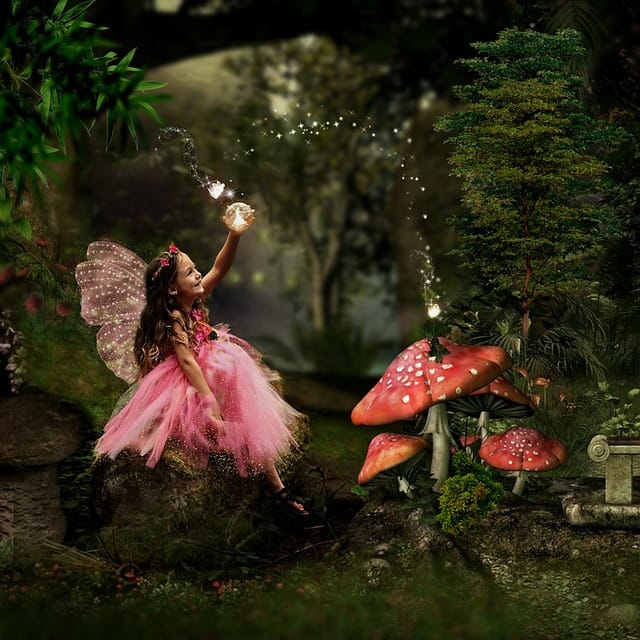
Photography in parks is more than a hobby — it’s a way to capture fleeting beauty and immortalize the harmony between nature and human creativity. Among scenic parks worldwide, Firefly Park stands out as one of the most photogenic locations. Whether you’re a professional photographer, a traveler, or someone who simply enjoys taking aesthetic pictures for social media, firefly park photos offer endless opportunities for creativity and storytelling.
This comprehensive guide will help you explore everything about taking photos in Firefly Park — from understanding what makes it special to finding the best photo spots, perfecting your composition, and optimizing images for social media. You’ll also discover photography techniques that can elevate your pictures from simple snapshots to gallery-worthy art.
🌿 Why Firefly Park Photos Are So Captivating
Firefly Park is not just another green space — it’s a visual masterpiece that combines nature, architecture, and open space into a photographer’s dream. Whether located in Frisco, Texas, or other “Firefly Park” namesakes around the world, these parks are known for their lush landscapes, reflective ponds, intricate walking trails, and modern design elements that create a perfect mix of natural and urban scenery.
What Makes Firefly Park So Photogenic?
Here’s why so many photographers love capturing firefly park photos:
| Feature | Why It Matters for Photography |
| Natural Light & Open Spaces | Wide areas with minimal obstructions allow for balanced lighting and dynamic compositions. |
| Reflections in Water Bodies | Ponds and streams provide opportunities for mirror shots, adding depth and symmetry. |
| Architectural Elements | Bridges, paths, and pavilions create strong leading lines and structure in photos. |
| Seasonal Color Changes | From spring greens to autumn golds, each season transforms the park’s mood and color palette. |
| Wildlife & Activity | Birds, joggers, families, and pets bring life and motion into your frames. |
“The best photos are not taken; they are created — with patience, light, and a bit of imagination.”
— Anonymous Nature Photographer
Firefly Park’s design naturally encourages exploration. Each corner offers a different angle, lighting tone, and perspective. Early mornings provide soft golden light, while late afternoons offer rich, contrast-heavy compositions perfect for landscape photography. The reflections at sunset often become a signature element of many “firefly park photos” shared online.
📸 What You’ll Learn in This Guide
By the end of this article, you’ll know:
- How to find the best photo spots in Firefly Park
- What camera settings and gear work best for park photography
- How to compose and edit your images to stand out online
- The best times to shoot and how to handle lighting challenges
- Tips for sharing your firefly park photos on social media with SEO-friendly captions
This isn’t just a photography tutorial — it’s a complete handbook for anyone looking to capture the essence of Firefly Park in every shot.
🌅 Understanding the Essence of Firefly Park Photography
Before diving into camera settings and locations, it’s important to understand the philosophy of park photography. Shooting in places like Firefly Park is about more than technical skill — it’s about observation and timing.
- Observe the Light: Every hour changes the park’s mood. Morning mist may add mystery; noon brings clarity; twilight adds emotion.
- Anticipate Movement: Birds landing on a pond, children running, or ripples in the water — these dynamic moments create life in your frame.
- Balance Nature and Human Elements: Use pathways, benches, and silhouettes to convey coexistence between humans and nature.
“Photography is the story I fail to put into words.” — Destin Sparks
🌌 What Do We Mean by “Firefly Park Photos”?
When people search for firefly park photos, they’re often referring to the captivating images captured within parks named Firefly Park — most notably Firefly Park in Frisco, Texas, a rapidly developing destination blending nature, community, and modern architecture. However, the term can also refer to any park-themed photography that evokes the serene, glowing beauty of nature, often symbolized by fireflies — light, motion, and calmness in one frame.
🏞️ Defining Firefly Park — A Place of Light, Nature, and Art
Firefly Park (Frisco, Texas) is envisioned as a 230-acre mixed-use community with vast green spaces, scenic ponds, and an emphasis on outdoor living. It’s designed to be both walkable and photographable, integrating:
- Trails and boardwalks that curve around natural landscapes,
- Reflective water bodies ideal for sunrise and sunset photos,
- Art installations and lighting features for creative night photography, and
- Open lawns and playgrounds that make lifestyle and family photography easy.
Whether it’s an engagement shoot, nature photography, or simple smartphone snapshots, firefly park photos capture more than scenery — they capture feeling. Every image tells a story of calm evenings, glowing reflections, and natural light dancing across man-made design.
📷 Popular Photo Themes in Firefly Park
Firefly Park offers countless opportunities for visual storytelling. Below are the most popular photo categories you’ll often see from both professionals and hobbyists:
| Photo Type | Description | Pro Tip |
| Landscape Photos | Wide shots of greenery, ponds, and skies. | Use a wide-angle lens for depth; shoot during golden hour for warm tones. |
| Reflection Shots | Capturing still water mirrors or post-rain puddles. | Look for low wind conditions and use a polarizing filter to reduce glare. |
| Lifestyle Photos | Families, joggers, or couples enjoying the park. | Use a fast shutter speed (1/250s or higher) to freeze motion. |
| Macro & Nature Shots | Focused images of plants, flowers, and textures. | A macro lens (50–100mm) works best for crisp detail. |
| Architectural Photos | Paths, bridges, and installations blending nature and design. | Use leading lines and shoot from low angles for dramatic effect. |
| Night Photos | Park lights, reflections, and sometimes real fireflies in certain regions. | Set ISO to 800–1600, use a tripod, and lower shutter speed. |
🌠 Symbolism Behind Firefly Park Photos
At a deeper level, firefly park photography often symbolizes the balance between light and darkness — between the human world and nature’s stillness. The “firefly” represents fleeting light, hope, and wonder.
When captured correctly, a firefly park photo isn’t just a picture — it’s an emotional memory, conveying calmness and serenity.
“Photography takes an instant out of time, altering life by holding it still.”
— Dorothea Lange
These photos are often used in travel blogs, lifestyle content, environmental campaigns, and social media portfolios to inspire viewers to reconnect with the outdoors. The keyword “firefly park photos” has even grown in popularity on platforms like Instagram and Pinterest, as people seek aesthetic, peaceful, and emotionally resonant imagery.
🕊️ Why Firefly Park Attracts Both Professionals and Amateurs
The reason firefly park photos appeal to both professional photographers and casual visitors lies in their versatility:
- The park offers varied compositions — from minimal landscapes to dynamic human scenes.
- It provides consistent natural lighting, ideal for all skill levels.
- Even smartphone users can capture high-quality images without specialized gear.
Interesting Fact:
A study by Pixsy (2023) revealed that images of urban parks receive 42% more engagement on social media compared to indoor or street photos. Firefly Park’s design — which merges modern structure with organic scenery — makes it particularly “Instagrammable.”
💡 Quick Tips Before You Start Shooting
Before you plan your photo session at Firefly Park:
- Scout the location early to identify your favorite photo spots.
- Check weather forecasts — reflections and soft light depend on clear skies.
- Bring minimal gear — comfort is key for long photo walks.
- Respect park rules and nature — avoid stepping on plants or entering restricted zones.
🌇 Top Locations & Photo Spots for Firefly Park Photos
Taking great firefly park photos isn’t just about owning the best camera — it’s about knowing where to stand, when to shoot, and what to capture. Firefly Park, with its harmonious blend of water, greenery, and open space, offers numerous vantage points where the lighting and atmosphere come together perfectly.
Below is a detailed breakdown of the top photo locations and best times to shoot in Firefly Park.
🏞️ 1. The Central Lake — Reflections and Golden Hour Magic
One of the most photographed areas in Firefly Park is its central lake. The calm water mirrors the sky and nearby trees, creating cinematic symmetry that’s irresistible for landscape photographers.
Best Time:
- Golden Hour (6:30–8:00 a.m. or 5:30–7:00 p.m.) for soft lighting and glowing reflections.
- Early morning often gives you mist and solitude for serene images.
Pro Tips:
- Use a polarizing filter to cut through surface glare and enhance sky contrast.
- Capture the reflection symmetry by lowering your camera to water level.
- Include foreground elements (like reeds or rocks) for added depth.
“In landscape photography, reflection is more than beauty — it’s storytelling through symmetry.”
🌳 2. The Nature Trails and Wooden Boardwalks
These winding trails are perfect for leading line compositions — a favorite among professional photographers. The long walkways, surrounded by trees and ponds, naturally guide the viewer’s eye into the frame.
Why It Works:
- The contrast between wood and greenery adds texture.
- Great for portrait photography and candid lifestyle shots.
Best Settings:
- Aperture f/4 to f/5.6 for blurred backgrounds (bokeh effect).
- ISO 100–200 for bright daylight; increase slightly during twilight.
- Try shooting in RAW format to retain shadow detail.
Composition Idea:
Include a person walking away on the trail — this adds scale and emotion to your firefly park photos.
🌺 3. Garden and Floral Areas — Close-Up Color Shots
Firefly Park’s garden sections bloom seasonally, offering an explosion of color ideal for macro photography and vivid lifestyle content.
Pro Tips for Flower Photography:
- Use a macro lens (60mm–105mm) or portrait lens (85mm).
- Shoot with wide apertures (f/2.8–f/4) for dreamy background blur.
- Early morning light brings out dewdrops and richer tones.
| Lighting Time | Ideal Use | Color Temperature |
| Morning (7–9 a.m.) | Macro & floral shots | Soft warm tones (~4500K) |
| Afternoon (3–5 p.m.) | Vivid color contrast | Slightly warmer light (~5200K) |
| Evening (after 6 p.m.) | Romantic lighting | Golden & orange hues (~4000K) |
Editing Tip: Slightly boost vibrance, not saturation, to maintain natural tones. Over-saturated colors look artificial on social media feeds.
🌉 4. The Bridges & Viewing Platforms
Several bridges cross over small ponds and water channels throughout Firefly Park. They’re not only scenic but also architecturally striking.
Why Shoot Here:
- Bridges create natural frames and vanishing points.
- Perfect for portraits, engagement photos, and travel photography.
Shooting Tip:
- Capture from slightly below bridge level to emphasize structure.
- Use a wide-angle lens (16–35mm) for sweeping compositions.
- For lifestyle shots, position your subject in the center — framed by the bridge’s curves.
🌄 5. Sunset Hill — Panoramic Views & Silhouettes
At the park’s highest elevation, this open area gives photographers an unobstructed view of the skyline — ideal for sunset shots and silhouette photography.
Why It’s Special:
- Offers a 360-degree panoramic view of the landscape.
- Excellent place for time-lapse photography or drone captures (if permitted).
Settings for Sunset Silhouettes:
- ISO 100, shutter speed around 1/200s, aperture f/8–f/11.
- Focus on the bright background, not the subject, to create clean silhouettes.
Composition Tip:
Use rule of thirds — place the horizon on the lower third and the setting sun on one side to balance your shot.
🌌 6. The Night Photography Zones — Capturing Fireflies and Light Trails
If you’re lucky enough to visit during summer evenings, you might witness real fireflies dancing near the water. Combined with ambient park lights, this creates a glowing dreamscape that defines true firefly park photography.
Recommended Gear:
- Tripod (mandatory for long exposures)
- Wide-aperture lens (f/1.8–f/2.8)
- Remote shutter release
Best Settings:
- Shutter speed: 4–8 seconds
- ISO: 800–1600
- Aperture: f/2.8
- White balance: Tungsten or custom (3200K) for cooler tones
Bonus Tip: Use manual focus and set it to infinity to avoid autofocus hunting in low light.
“Firefly park photos at night are a test of patience — every glowing dot is a reward earned through stillness.”
🕰️ When to Visit for the Best Firefly Park Photos
| Time of Year | Scene Mood | Recommended Photo Theme |
| Spring (March–May) | Fresh greens, flowers, clear skies | Macro, portraits, reflections |
| Summer (June–August) | Bright sunlight, active wildlife | Lifestyle, candid, drone shots |
| Autumn (Sept–Nov) | Warm tones, soft light | Landscapes, golden hour |
| Winter (Dec–Feb) | Muted colors, empty trails | Minimalist compositions, reflections |
📸 Photography Gear & Settings for Capturing Firefly Park Photos
Taking stunning firefly park photos doesn’t require the most expensive camera, but it does demand the right tools, understanding of light, and mastery of camera settings. Whether you’re shooting with a high-end DSLR, a compact mirrorless, or even a smartphone, the right combination of gear and technique can transform ordinary scenes into captivating masterpieces.
Below, we’ll break down the essentials you’ll need and explain how to optimize your setup for different shooting conditions inside Firefly Park.
🧰 Essential Photography Gear for Firefly Park Photos
The ideal photography kit depends on your goals — are you capturing landscapes, portraits, or close-up details? Here’s a breakdown of what works best:
| Gear Type | Recommended Models | Why It Matters |
| Camera (DSLR or Mirrorless) | Canon EOS R6, Sony A7 IV, Nikon Z6 II | Offers full manual control and great low-light performance. |
| Lenses | 16–35mm wide-angle, 50mm prime, 70–200mm telephoto | Wide for landscapes, prime for portraits, telephoto for distant subjects. |
| Tripod | Manfrotto, Peak Design, Benro | Essential for night photography and long exposures. |
| Filters | Polarizer & ND filters | Reduce glare and enable creative slow-shutter effects. |
| Extra Batteries & Memory Cards | SanDisk Extreme, Lexar Pro | Firefly Park is vast — you don’t want to run out of power mid-shoot. |
Pro Tip: If you plan to photograph reflections, bring a polarizing filter. It enhances color saturation and reduces glare from water surfaces — perfect for the park’s ponds and streams.
⚙️ Recommended Camera Settings for Firefly Park Photography
Whether you’re shooting morning reflections or evening glow, adjusting your settings correctly is key. Below is a reference chart for common lighting scenarios at Firefly Park.
| Lighting Condition | Aperture | ISO | Shutter Speed | White Balance | Notes |
| Bright Daylight (Midday) | f/8–f/11 | 100–200 | 1/200–1/500s | Daylight | Use smaller aperture for sharpness & depth. |
| Golden Hour (Sunrise/Sunset) | f/4–f/5.6 | 200–400 | 1/125–1/250s | Cloudy | Adds warmth and glow to tones. |
| Overcast or Cloudy Days | f/2.8–f/4 | 400–800 | 1/60–1/125s | Auto/Custom | Adjust exposure compensation +0.3 to +0.7. |
| Night or Low Light (Fireflies) | f/1.8–f/2.8 | 800–1600 | 4–8 seconds | Tungsten | Use tripod and manual focus for sharpness. |
“Don’t chase perfect light — learn to create with what you have. Every condition tells a different story.”
— Outdoor Photography Journal, 2024
📱 Smartphone Photography Tips for Firefly Park Photos
Today’s smartphones are capable of producing professional-quality firefly park photos, thanks to AI-powered cameras and computational photography. You can achieve incredible results using a few practical techniques:
🔹 1. Use HDR and Pro Mode
Turn on HDR (High Dynamic Range) to balance shadows and highlights. If your phone offers “Pro” or “Manual” mode, adjust ISO, focus, and shutter manually to emulate DSLR control.
🔹 2. Leverage Gridlines for Composition
Enable the rule of thirds grid in your camera settings. Place the horizon along one of the horizontal lines, and your subject where the lines intersect. This creates balance and visual flow.
🔹 3. Keep Your Lens Clean
Outdoor parks often have dust or mist — wipe your lens frequently to avoid haze or glare.
🔹 4. Stabilize for Sharpness
Use a mini tripod or lean your phone on a bench/rock to reduce camera shake during low-light shots.
🔹 5. Edit Smartly
Use mobile editing apps like:
- Snapseed – for color correction and structure.
- Lightroom Mobile – for pro-level exposure control.
- VSCO – for mood filters and film tones.
🎞️ Accessories That Enhance Firefly Park Photography
Adding small accessories can dramatically improve the quality of your firefly park photos without adding bulk to your bag.
| Accessory | Use | Example |
| Remote Shutter Release | Prevents blur during long exposures. | Best for night and reflection shots. |
| Lens Hood | Reduces lens flare when shooting toward sunlight. | Essential during sunrise/sunset. |
| Reflector Disc | Adds light for portraits. | Perfect for family/lifestyle sessions. |
| Cleaning Kit | Keeps lens spotless from dust/pollen. | Must-have for outdoor shoots. |
Bonus Tip: Keep a lightweight backpack with organized compartments. Firefly Park involves walking; comfort improves your creativity and endurance.
🧮 Case Study: Comparing DSLR vs Smartphone Firefly Park Photos
| Feature | DSLR Camera | Smartphone Camera |
| Dynamic Range | Superior; handles highlights and shadows better. | Limited; often needs HDR. |
| Depth of Field | Natural bokeh and control over aperture. | Computational blur (less natural). |
| Editing Flexibility | RAW files allow detailed edits. | JPEG/HEIC limits post-processing. |
| Convenience | Heavier setup, but flexible results. | Extremely portable and quick. |
| Ideal Use Case | Professional photography, prints, night shots. | Social media, travel blogs, candid moments. |
Conclusion: If you’re exploring the park casually, smartphones are great. But for portfolio-quality firefly park photos, a mirrorless or DSLR camera gives you the creative edge.
🎨 Composition & Creative Techniques for Stunning Firefly Park Photos
Composition is the secret ingredient that turns a simple snapshot into a breathtaking piece of art. When photographing Firefly Park, composition becomes even more crucial because of the park’s diverse scenery — glimmering waters, glowing fireflies, tree tunnels, and reflective pathways.
By mastering light, balance, perspective, and timing, you can bring emotion and depth into your firefly park photos that make viewers feel like they’re standing right there with you.
🧭 1. Master the Rule of Thirds
The rule of thirds is a timeless photography principle that divides your frame into a grid of nine equal rectangles.
- Place your subject (a glowing firefly cluster, a person, or a reflection) on one of the intersecting lines — not dead center.
- This adds balance and visual flow, guiding the viewer’s eye naturally through your image.
📷 Example: Frame the firefly-lit trees along the right vertical line, leaving the left side open for the glowing riverbank. The result is a sense of depth and direction.
🏞️ 2. Use Leading Lines to Guide the Viewer’s Eye
Firefly Park has many natural leading lines — wooden walkways, rivers, fences, and tree canopies.
These lines subtly draw the viewer’s eye toward the main focus of the shot, creating a journey within the image.
Pro Tips for Using Leading Lines:
- Shoot from a low angle to emphasize lines leading into the distance.
- Capture pathways that converge at the horizon for a sense of infinity.
- Use reflections (from ponds or puddles) to double the impact of your lines.
🌅 3. Experiment with Symmetry and Reflections
Symmetry adds a sense of calm and order to your photos. In Firefly Park, this can be achieved by framing trees mirrored on still water or reflected lantern lights at night.
How to Capture Perfect Symmetry:
- Use a tripod to ensure perfect alignment.
- Turn on gridlines in your camera or phone for guidance.
- Position the horizon at the center for reflective symmetry.
📊 Quick Tip Chart:
| Symmetry Type | Example in Firefly Park | Ideal Time |
| Vertical Symmetry | Tree reflections in pond | Golden hour |
| Horizontal Symmetry | Firefly glow trails mirrored in water | Night |
| Radial Symmetry | Circular flower beds or firefly clusters | Dusk |
🌙 4. Play with Light & Shadows
Light is the soul of photography, and in Firefly Park, the variety of natural and artificial lighting offers endless possibilities.
Golden Hour Magic:
- The hour after sunrise or before sunset casts soft, warm light.
- Use this light for dreamy, romantic tones — perfect for portraits and landscapes.
Blue Hour Mystique:
- The period after sunset but before nightfall adds a cool, mysterious blue tone.
- It enhances the glow of fireflies, giving your photos a surreal atmosphere.
Night Photography:
- Use long exposure (4–8 seconds) to capture light trails of fireflies.
- Keep ISO low (below 1600) to reduce noise.
- Turn off artificial lights to avoid washing out the glow.
💡 Creative Tip:
Shine a small LED flashlight for 1–2 seconds on nearby trees or flowers during a long exposure. It adds controlled illumination without overpowering the natural light.
👁️ 5. Use Depth and Layers
Depth adds dimension, turning flat scenes into immersive experiences.
To create depth:
- Include foreground elements (like leaves or branches).
- Focus on a mid-ground subject (a glowing firefly cluster).
- Let the background fade softly using a wide aperture (f/2.8–f/4).
📷 Example Setup:
A low-angle shot with leaves in the front, a glowing tree trunk in the middle, and blurred trees in the background gives a cinematic, 3D effect.
🎭 6. Capture Motion for Dynamic Energy
Static photos are beautiful, but capturing motion — especially the glow trails of fireflies — can make your photos magical.
Settings for Motion Photography:
- Use shutter speed of 4–8 seconds for glowing firefly trails.
- Mount your camera on a stable tripod.
- Enable self-timer or remote shutter to avoid shaking.
- Adjust ISO between 400–800 for balanced brightness.
🧪 Example Experiment:
Take 3–5 long-exposure shots of the same area, then merge them using software like Photoshop or Lightroom. The combined trails create a “galaxy of fireflies” effect.
📐 7. Experiment with Angles & Perspectives
Don’t always shoot at eye level. Creative angles can completely transform your firefly park photos.
Try these approaches:
- Low-angle shots: Capture towering trees and expansive skies.
- High-angle shots (drone or elevated point): Reveal park patterns and pathways.
- Close-ups (macro): Focus on individual fireflies, dew drops, or illuminated plants.
Pro Insight:
“Changing your shooting angle even slightly can change the entire mood of your photograph. Step left, kneel down, or climb a small rise — perspective is power.”
— PhotoNature Magazine, 2023
🌈 8. Tell a Story Through Your Composition
Every photograph should have a narrative. In Firefly Park, the story might be:
- The contrast between light and darkness (fireflies glowing in the night).
- A moment of human connection — children watching the lights in awe.
- The serenity of untouched nature.
Use composition to evoke emotion — mystery, wonder, peace, or joy.
“A great photo doesn’t show just what you saw — it shows what you felt.”
📊 Summary Table: Key Composition Techniques for Firefly Park Photos
| Technique | Effect | Best Time to Apply |
| Rule of Thirds | Balanced framing | Anytime |
| Leading Lines | Direction & depth | Morning/Evening |
| Reflections | Calm symmetry | Golden Hour |
| Motion Trails | Magic & energy | Night |
| Layering | Depth perception | Afternoon |
| Light & Shadow | Mood & drama | Sunrise/Sunset |
🖼️ Post-Processing & Editing Firefly Park Photos
Editing is where your vision meets precision. It’s not about changing reality — it’s about emphasizing the emotions, atmosphere, and natural beauty already present in your firefly park photos.
The glowing fireflies, serene water reflections, and soft park lights can all be made to look more captivating with smart, subtle post-processing.
💻 1. Choosing the Right Editing Software
Selecting the right tools is the foundation of efficient editing. Below are some popular and reliable options for different experience levels:
| Software | Ideal For | Key Features |
| Adobe Lightroom | Professionals & enthusiasts | RAW editing, presets, color grading, noise reduction |
| Adobe Photoshop | Advanced editors | Layer-based retouching, compositing, glow effects |
| Luminar Neo | Beginner to intermediate | AI tools for sky and light enhancement |
| Capture One | Professionals | Superior color control and detail recovery |
| Snapseed / Lightroom Mobile | Mobile photographers | Quick edits, filters, tone adjustments |
💡 Pro Tip: Always shoot in RAW format (not JPEG) if your camera allows it — RAW retains much more detail and flexibility for editing, especially for low-light and long-exposure shots.
🎨 2. Basic Adjustments to Start With
Before diving into complex edits, begin with basic corrections that refine the image’s foundation:
✅ Exposure & Contrast
- Slightly increase exposure if your image is under-lit.
- Add gentle contrast to enhance depth between the fireflies’ glow and darker areas.
✅ Highlights & Shadows
- Reduce highlights to bring back detail in brighter glow areas.
- Lift shadows to reveal hidden textures in the park (trees, pathways, reflections).
✅ White Balance
- Adjust temperature to match mood:
- Warm tones (golden/yellow) for sunrise and sunset.
- Cool tones (blue/purple) for nighttime and misty scenes.
- Warm tones (golden/yellow) for sunrise and sunset.
✅ Clarity & Texture
- Increase clarity slightly for mid-tone detail.
- Reduce texture or dehaze for a soft, dreamy firefly glow.
🌌 3. Enhancing Firefly Glow and Night Effects
Fireflies are the heart of Firefly Park — but capturing their delicate light requires careful enhancement.
✨ Glow Enhancement Steps (Lightroom or Photoshop):
- Use a Radial Filter around firefly clusters.
- Increase Exposure +0.2, Saturation +10, and Temperature +5.
- Apply Gaussian Blur (Photoshop) to add a soft glowing effect.
- Duplicate the layer and reduce opacity to 30–40% for a natural finish.
🎯 Don’t overdo it. Firefly light should look subtle, organic, and slightly diffused — not neon or artificial.
🌈 4. Color Grading & Tone Enhancement
Color grading gives your photo emotional resonance. Firefly Park scenes can range from peaceful golden hues to mysterious blue tones.
🎨 Recommended Color Palettes for Firefly Park Photos:
| Mood | Color Tones | Settings |
| Romantic & Warm | Orange, gold, peach | Temp +10 / Tint +5 / Vibrance +15 |
| Dreamy & Magical | Cyan, teal, violet | Temp -8 / Tint +12 / Saturation +20 |
| Natural & Calm | Green, brown, light yellow | Temp 0 / Tint 0 / Contrast +10 |
💡 Tip: Use HSL sliders in Lightroom to fine-tune specific colors — for instance, intensify yellow and green hues to highlight fireflies and foliage.
🔇 5. Reducing Noise & Enhancing Sharpness
Night photos often suffer from grain due to higher ISO. Here’s how to fix it:
- Use Noise Reduction: Luminance 30–40 and Detail 20–25 in Lightroom.
- Apply Sharpening: Amount 60–80 but mask it to affect only edges (hold Alt while dragging the Masking slider).
- Avoid over-sharpening — it can create harsh textures and halo effects.
📊 Before vs. After Comparison Table:
| Adjustment | Before | After |
| Exposure | Slightly dark | Balanced light |
| Color Tone | Flat, dull greens | Vibrant and warm hues |
| Glow | Dim fireflies | Enhanced natural glow |
| Noise | Noticeable grain | Smooth, clean texture |
🪄 6. Adding Artistic Effects (Optional)
For those who want to experiment creatively, subtle effects can add magic to your firefly park photos:
- Lens Flare Simulation: Add soft flare overlays for sunset compositions.
- Vignette: Darken edges slightly to draw attention to the glowing center.
- Selective Focus Blur: Use radial or tilt-shift blur for cinematic depth.
- Star Effect Filter: Add sparkle on light sources for fantasy-style aesthetics.
“Editing is not about perfection — it’s about evoking emotion. Every adjustment should bring your audience closer to what you felt in that moment.”
— National Geographic Photographer, 2023
📱 7. Mobile Editing Tips for Firefly Park Photos
If you’re editing on your phone, keep it simple:
- Use Snapseed’s Curves tool for brightness balance.
- Try Lightroom Mobile Presets for consistent color themes.
- Avoid filters that oversaturate firefly lights — aim for natural beauty.
- Save edits as non-destructive versions, so you can revert if needed.
🧾 8. Maintain Authenticity
Firefly Park’s natural charm is its biggest strength. Overediting can make your photo look fake or staged. Keep these guidelines in mind:
- Don’t alter colors unnaturally (e.g., purple skies unless artistic).
- Retain the natural layout of the park and firefly patterns.
- Strive for a “real but radiant” final image.
📊 Summary: Ideal Editing Workflow for Firefly Park Photos
| Step | Adjustment | Purpose |
| 1 | Crop & straighten | Correct framing |
| 2 | Adjust exposure/contrast | Define lighting |
| 3 | Fine-tune highlights/shadows | Recover details |
| 4 | Color grade | Set mood and emotion |
| 5 | Reduce noise | Improve clarity |
| 6 | Add glow effects | Enhance firefly light |
| 7 | Export & compress | Ready for web upload |
💑 Best Poses & Creative Ideas for Firefly Park Photos
One of the most enchanting aspects of Firefly Park photography is the ability to blend natural light, human emotion, and scenic landscapes into one frame. Whether you’re photographing yourself, a couple, or an entire family, Firefly Park offers endless opportunities to create magical, story-driven images.
Below, you’ll find professional ideas, pose inspiration, and practical guidance to capture unforgettable firefly park photos that radiate warmth, romance, and wonder.
🌅 1. Romantic Couple Poses under the Firefly Glow
The soft, flickering glow of fireflies creates a perfect setting for romantic photography. These poses work beautifully during golden hour or early night when the park is gently illuminated.
Top Couple Pose Ideas:
| Pose Name | Description | Best Time |
| The Embrace | Couple hugging while surrounded by glowing fireflies; camera focuses on their silhouettes. | Blue Hour / Night |
| The Hand-in-Hand Walk | Capture natural walking motion along the firefly-lit trail. Great for storytelling. | Sunset |
| Forehead Touch | Close-up of emotional connection, blurred fireflies in background. | Twilight |
| The Spinning Moment | Slow shutter (1/10s) to blur motion, capturing joy and movement. | Golden Hour |
| Backlit Kiss | Place a soft light (or firefly cluster) behind the couple for dramatic backlight. | Early Night |
💡 Pro Tip: Use a low aperture (f/2.8) to blur background lights into glowing bokeh — perfect for dreamy couple portraits.
“Photographing love in Firefly Park isn’t about posing — it’s about freezing emotion in its purest light.”
— Nature Portraits Magazine, 2024
👨👩👧 2. Family & Kids Photography Ideas in Firefly Park
Families bring an element of joy and candid energy. The natural glow and playful lighting make the park ideal for family photography sessions.
Creative Family Pose Ideas:
- Walking Together: Capture family members holding hands, backlit by the sunset.
- Firefly Jar Moment: Kids pretending to catch glowing fireflies in jars (use LED props for safety).
- Picnic Setup: Soft blanket setup with fairy lights, capturing natural laughter and bonding.
- Reflection Shot: Family standing near the pond with reflections visible below.
- Jump & Laugh: Freeze moments of spontaneous fun — a must-have for lifestyle albums.
Suggested Settings:
- Aperture: f/4–f/5.6
- Shutter: 1/125s for moving subjects
- ISO: 200–400 (day) or 800 (evening)
📸 Pro Insight: Use continuous shooting (burst mode) to capture authentic laughter and motion — especially when kids are involved.
🌾 3. Solo Traveler and Lifestyle Poses
If you’re visiting Firefly Park solo, your firefly park photos can reflect introspection, adventure, and connection with nature.
Solo Pose & Shot Ideas:
- The Wanderer: Subject walking away on a path framed by glowing lights — symbolizes exploration.
- Seated by the Water: Capture reflections and calm posture, ideal for storytelling.
- Reaching Toward Light: Hand extended toward fireflies or sunlight, showing hope or discovery.
- Silhouette at Dusk: Subject in front of deep orange sky — powerful for minimal compositions.
- Nature Connection: Close-up of hand touching leaves or water, highlighting texture and serenity.
🎨 Editing Tip: Slightly desaturate the background to emphasize the glow or subject’s expression — it adds emotional depth.
🧚 4. Creative & Fantasy-Themed Firefly Park Photos
Firefly Park’s natural glow makes it perfect for fantasy, fairytale, or cinematic themes. These imaginative setups are great for content creators, pre-wedding shoots, and social media storytelling.
Creative Concepts to Try:
- Enchanted Forest Look: Use fairy lights and mist spray for magical ambience.
- Floating Lantern Effect: Simulate lanterns using small LED lights suspended from branches.
- Light Trail Fairy Scene: Combine long exposure with handheld lights for dynamic firefly motion.
- Dreamy Reflections: Pose near water with wide aperture (f/1.8–f/2.8) to create mirror-like glow.
- Silhouette with Stars: Merge multiple exposures to capture fireflies and starry sky together.
🎥 Pro Tip: Use a tripod and remote shutter for these creative shots — stability is key to perfect exposure blending.
👗 5. Outfit & Styling Suggestions for Firefly Park Photos
Clothing and accessories greatly influence the mood and harmony of your firefly park shots. Choose outfits that complement natural tones and enhance the glow.
| Style Type | Outfit Recommendations | Best Use |
| Romantic & Dreamy | Flowing dresses, neutral or pastel colors | Couple & Solo Portraits |
| Casual & Natural | Jeans, white shirts, soft earthy tones | Family & Lifestyle Shoots |
| Fantasy Inspired | Flowing gowns, capes, soft textures | Creative/Fairytale Themes |
| Adventure Look | Denim jacket, boots, backpack | Solo Traveler Shots |
💡 Avoid bright neon or high-contrast prints — they can overpower the delicate light of fireflies. Soft textures like cotton, chiffon, and linen work beautifully with the park’s natural colors.
🌟 6. Pose Interaction with Environment
To make your firefly park photos feel authentic, let the environment become part of your pose.
Natural Interaction Ideas:
- Sit on tree roots, bridges, or park benches.
- Touch branches or dip fingers in water reflections.
- Walk barefoot on trails for intimate, grounded shots.
- Lean slightly into the frame to create visual flow.
Each pose should feel organic, as if it happened spontaneously. The goal is to blend the human presence seamlessly into the glowing atmosphere.
🧾 7. Quick Summary: Poses & Creative Concepts for Firefly Park Photos
| Theme | Pose / Idea | Lighting |
| Romantic | Backlit kiss, embrace, silhouette | Golden Hour / Night |
| Family | Picnic, walk, reflection, laughter | Afternoon / Evening |
| Solo | Wanderer, seated, reaching light | Golden Hour / Twilight |
| Fantasy | Lanterns, fairy lights, mist | Dusk / Night |
📸 Bonus Tip: Combine Motion & Emotion
Mix long exposure (for glow) and short shutter (for expression) in the same shoot. Capture one photo with firefly trails, another with the subject sharp, and blend them in post-processing — it’s a technique often used in fine art photography.
🕓 Best Time & Season to Capture Firefly Park Photos
If you’ve ever wondered why some photos from Firefly Park look ethereal and others feel flat, the answer often lies in timing. The right combination of season, weather, and lighting can turn an ordinary shot into a masterpiece.
Whether you’re chasing golden sunlight or glowing fireflies, understanding when to visit makes all the difference.
🌸 1. Understanding Firefly Park’s Seasonal Beauty
Each season brings its own charm — and challenges — to Firefly Park photography. Here’s how different times of the year affect lighting, mood, and color tones:
| Season | Visual Atmosphere | Ideal Photography Focus | Recommended Gear |
| Spring (March–May) | Blooming flowers, vibrant greens | Macro & landscape photography | Wide lens, macro lens |
| Summer (June–August) | Peak firefly activity, warm tones | Night photography, reflections | Tripod, remote shutter |
| Autumn (September–November) | Golden leaves, softer light | Portraits, romantic shoots | 50mm prime lens |
| Winter (December–February) | Misty mornings, cool blue tones | Minimalist or moody shots | Wide-angle, polarizer |
💡 Pro Tip: Fireflies are most active during early summer nights (June–August) when humidity is high and there’s minimal wind — ideal for long-exposure glow photography.
🌞 2. Best Time of Day to Shoot Firefly Park Photos
Lighting can dramatically change the tone and texture of your photos. Below is a guide to the best time slots for different photo types.
| Time of Day | Lighting Mood | Ideal Shots | Settings Suggestion |
| Early Morning (5:30–7:00 AM) | Cool, misty light | Reflections, nature close-ups | ISO 200, f/5.6, 1/100s |
| Golden Hour (6:00–7:30 AM / 5:00–6:30 PM) | Warm glow, long shadows | Portraits, couples, landscapes | ISO 100, f/4, 1/200s |
| Afternoon (12:00–3:00 PM) | Harsh sunlight | Abstracts, contrast photography | ISO 100, f/11, 1/500s |
| Blue Hour (6:45–7:30 PM) | Cool tones, magical glow | Firefly & reflection shots | ISO 800, f/2.8, 4s |
| Night (7:30–10:00 PM) | Deep contrast, glowing trails | Firefly trails, astrophotography | ISO 1600, f/1.8, 8s |
📸 Quick Rule:
- For landscapes – shoot during golden hour for warmth.
- For firefly glow – shoot during blue hour or night for best luminosity.
🌦️ 3. Weather Conditions That Enhance Firefly Park Photos
Weather can either make or break your photo shoot. But sometimes, imperfect weather creates perfect art.
| Weather Type | Photo Impact | What to Capture |
| Clear Skies | Balanced lighting, vivid colors | Firefly glow and wide landscapes |
| Overcast | Soft shadows, muted tones | Portraits and close-ups |
| Light Rain | Adds reflections, saturation | Water surfaces and bokeh lights |
| Fog or Mist | Dreamy, cinematic atmosphere | Morning and twilight shots |
| Post-Rain | Vibrant colors, mirror-like ground | Reflection photography |
💡 Tip: Carry a lens cloth and weather-sealed gear if shooting in mist or drizzle — it helps maintain clarity and prevents lens haze.
🌕 4. Firefly Activity Timing for Night Photography
Fireflies are natural bio-luminescent insects, and their visibility depends heavily on temperature, humidity, and moonlight.
| Factor | Best Condition | Photography Tip |
| Temperature | 24°C – 30°C | Warmer nights bring more activity. |
| Humidity | Above 70% | Helps fireflies glow brighter. |
| Wind Speed | Below 10 km/h | Calmer air keeps glow trails steady. |
| Moon Phase | New Moon | Less moonlight enhances glow contrast. |
🔥 Expert Advice:
“Plan your night shoot on a humid, moonless evening with little wind. That’s when the fireflies put on their brightest natural show.”
— Wildlight Photography Journal, 2024
🌳 5. Ideal Locations & Viewpoints in Firefly Park
Certain areas within Firefly Park offer exceptional conditions during specific times of day:
| Location Type | Best Time | Ideal Subject |
| Waterfront Trail | Sunrise / Sunset | Reflections, silhouettes |
| Forest Pathway | Dusk / Night | Firefly clusters |
| Open Meadow | Golden Hour | Family & portrait sessions |
| Wooden Bridge | Blue Hour | Long-exposure light trails |
📷 Tip: Walk around 30–40 minutes before your shoot to scout angles. Fireflies often appear in shaded, low-traffic areas with dense vegetation.
🪶 6. Timing Tips for Travelers & Photographers
- Arrive 30–45 minutes before golden hour for setup.
- Stay until 30 minutes after blue hour for post-sunset glow.
- Use weather apps like Windy or Clear Outside for light and humidity tracking.
- Plan weekday visits for less crowd interference.
- Always bring a headlamp or soft flashlight for navigation (avoid bright white beams near fireflies).
🕰️ 7. Quick Recap: Ideal Shooting Times for Firefly Park Photos
| Type of Photo | Best Time | Ideal Condition |
| Landscape & Nature | Sunrise / Golden Hour | Clear sky, soft light |
| Portraits & Lifestyle | Sunset / Early Evening | Warm tone, balanced shadows |
| Firefly Glow & Trails | Blue Hour / Night | Humid, low wind, new moon |
| Creative Reflection Shots | Post-Rain or Mist | Low light, calm water |
“Patience and timing are your strongest tools. You can’t rush nature’s rhythm — you can only align with it.”
— Outdoor Photographer’s Almanac, 2023
🌍 Best Firefly Park Photo Spots Around the World
The beauty of firefly parks transcends borders — from the glowing mangroves of Malaysia to the mystical forests of Japan. Each destination offers a unique natural light show where thousands of fireflies illuminate the night in synchronized, magical displays.
For photographers, these locations are once-in-a-lifetime opportunities to capture nature’s own bioluminescent performance.
🇲🇾 1. Kuala Selangor Firefly Park – Malaysia
Location: Kuala Selangor, Malaysia
Best Time to Visit: May – August
Firefly Species: Pteroptyx tener
Kuala Selangor is arguably the world’s most famous firefly park. Along the Selangor River, mangrove trees light up with thousands of synchronized fireflies creating a surreal, rhythmic glow.
Photography Tips:
- Take a boat tour after dusk for the best close-up views.
- Use tripods and slow shutter speeds (4–8s) to capture glowing trails.
- The new moon phase enhances the visibility of firefly light.
💡 Did You Know?
Kuala Selangor’s fireflies glow in synchronization — one of the few colonies on Earth that do so!
🇯🇵 2. Tatsuno Park – Japan
Location: Hyogo Prefecture, Japan
Best Time to Visit: Mid-June to early July
Firefly Species: Luciola cruciata (Genji-botaru)
Tatsuno Park is world-renowned for its cultural firefly festivals. Visitors can walk along riversides illuminated by thousands of fireflies while enjoying traditional Japanese lanterns and music.
Photo Opportunities:
- Capture long-exposure riverside trails of fireflies.
- Use manual focus to lock onto glowing fireflies in dark backgrounds.
- Ideal for low-aperture lenses (f/1.4 – f/2.8) to maximize light.
📸 Photographer’s Tip: Combine bokeh-style shots with glowing insects to create a painterly composition.
🇺🇸 3. Great Smoky Mountains National Park – USA
Location: Tennessee & North Carolina, USA
Best Time to Visit: Early to mid-June
Firefly Species: Photinus carolinus
Home to the synchronous fireflies of the Smokies, this park draws thousands of photographers every year. Fireflies here flash in mesmerizing waves of light, often lasting just a few seconds before darkness returns.
Photography Insights:
- Book a Firefly Viewing Pass in advance through the National Park Service.
- Arrive before dusk to set up your tripod in low-traffic areas.
- Ideal settings: ISO 800, f/2.8, exposure 6s.
🔥 Expert Quote:
“Capturing fireflies in the Smokies is like photographing a symphony of light — rhythm, timing, and silence matter most.”
— Nature Photographer Magazine, 2023
🇹🇭 4. Amphawa Floating Market – Thailand
Location: Samut Songkhram, Thailand
Best Time to Visit: March – October
Firefly Species: Pteroptyx malaccae
Amphawa isn’t just a floating market — it’s a firefly wonderland. The riverbanks glow with thousands of fireflies after dark, and reflections in the water double the beauty.
Photography Tips:
- Shoot from the boat decks or river bridges for symmetry shots.
- Combine market lights and natural glow for cultural contrast photos.
- Great for night street + nature photography hybrids.
💡 Bonus Tip: Visit on weekdays for fewer boats and clearer reflections.
🇮🇳 5. Purushwadi Firefly Festival – India
Location: Maharashtra, India
Best Time to Visit: May – June
Firefly Species: Luciola and Curtos species
Purushwadi turns into a natural lantern village each summer, where millions of fireflies gather before the monsoon. This remote eco-village offers breathtaking nightscapes ideal for photographers seeking rural charm and serenity.
Photography Tips:
- Use ISO 1000–1600, exposure 5–10s for best trails.
- Include villagers or huts in the frame for cultural context.
- Avoid flash photography — it disrupts the fireflies.
✨ Cultural Note:
The local villagers see fireflies as symbols of good harvest and new beginnings.
🇨🇳 6. Wuyishan Firefly Park – China
Location: Fujian Province, China
Best Time to Visit: April – September
Firefly Species: Luciola lateralis
This park combines ancient tea gardens and glowing firefly paths, giving photographers a unique chance to capture glowing lights among misty mountain scenery.
Tips for Photographers:
- Best captured after light rain, when humidity peaks.
- Try light painting techniques to enhance composition.
- Bring a polarizer filter to manage reflections.
📷 Composition Tip: Use leading lines like trails and bridges to draw the eye into firefly clusters.
🇳🇿 7. Waitomo Glowworm Caves – New Zealand
Location: North Island, New Zealand
Best Time to Visit: Year-round (preferably winter months)
Species: Arachnocampa luminosa (Glowworms)
Although technically glowworms (not fireflies), the Waitomo Caves offer a similar bioluminescent spectacle that rivals any firefly park on Earth. The dark caves filled with glowing threads look like a galaxy brought to life.
Photography Advice:
- Long-exposure tripod shots (10–30s) yield surreal galaxy-like photos.
- Use a wide lens (14mm–24mm) for maximum coverage.
- Avoid touching cave walls — they’re protected areas.
💬 Visitor Review:
“It’s like floating through a glowing sky — a dreamscape where time stops.”
— TripAdvisor Review, 2024
🧭 8. Comparison: Best Global Firefly Parks for Photography
| Location | Firefly Type | Best Time | Distinctive Feature | Difficulty Level |
| Kuala Selangor, Malaysia | Synchronous | May–Aug | River mangroves glow uniformly | Easy |
| Tatsuno Park, Japan | Genji Firefly | Jun–Jul | Cultural festival setting | Moderate |
| Great Smoky Mountains, USA | Synchronous | Jun | Flash rhythm sequences | Moderate |
| Amphawa, Thailand | Pteroptyx malaccae | Mar–Oct | Reflections with markets | Easy |
| Purushwadi, India | Rural Fireflies | May–Jun | Village glow fields | Moderate |
| Wuyishan, China | Luciola lateralis | Apr–Sep | Tea garden trails | Challenging |
| Waitomo, New Zealand | Glowworms | Year-round | Cave galaxy effect | Difficult |
“Every firefly park tells a story — some whisper, others sing. But all remind us that magic exists when we slow down and let nature glow.”
— EarthLight Travel Journal, 2024
📸 Firefly Park Photography Tips & Techniques for Beginners
Capturing firefly park photos is unlike any other kind of photography. You’re working in near darkness, dealing with fast-moving lights, and trying to balance exposure without losing the natural glow. But with the right techniques, you can transform what looks like a dark blur into a breathtaking symphony of light.
Whether you’re a beginner or an intermediate photographer, the following guide will help you take stunning, glowing firefly images — every single time.
🧰 1. Essential Camera Gear for Firefly Photography
| Equipment | Why You Need It | Recommended Features |
| DSLR or Mirrorless Camera | Full manual control over ISO, aperture, and exposure | Sensor: Full-frame preferred |
| Tripod | Keeps the camera steady for long exposures | Sturdy legs, ball head |
| Remote Shutter or Timer | Prevents camera shake during long shots | Wireless or app-controlled |
| Fast Lens (f/1.4 – f/2.8) | Captures more light in dark conditions | Prime lenses are ideal |
| Headlamp (Red Light Mode) | Helps navigate in darkness without disturbing fireflies | Adjustable brightness |
| Extra Batteries & SD Cards | Long exposures drain battery quickly | At least 2–3 spare batteries |
💡 Pro Tip: Avoid using a flash — it disturbs fireflies and washes out their natural glow. Instead, rely on ambient light and long exposure.
⚙️ 2. Recommended Camera Settings for Firefly Park Photos
Getting your settings right is crucial. Fireflies emit faint light, so you’ll need to balance sensitivity (ISO), exposure time, and aperture carefully.
| Setting | Recommended Range | Purpose |
| Mode | Manual (M) | Gives full control over lighting |
| ISO | 800 – 1600 | Boosts light sensitivity |
| Aperture | f/1.4 – f/2.8 | Allows more light into the lens |
| Shutter Speed | 4 – 10 seconds | Captures firefly trails |
| Focus | Manual Focus | Prevents autofocus hunting in the dark |
| White Balance | 3500K – 4000K | Keeps natural color tone of glow |
| File Format | RAW | Best for post-editing flexibility |
🔥 Bonus Tip: Start with ISO 1000, f/2.0, and 6 seconds exposure — then adjust based on test shots.
🎨 3. Composing Your Firefly Photos
Composition separates a good shot from a magical one. Even in low light, you can tell powerful stories with your framing.
Best Composition Techniques:
- Rule of Thirds: Place the brightest cluster of fireflies off-center for a balanced frame.
- Leading Lines: Use pathways, bridges, or rivers to guide the viewer’s eye toward glowing areas.
- Foreground Interest: Add trees, flowers, or silhouettes for depth.
- Reflections: Capture mirrored glows on water surfaces for a dreamlike effect.
- Layered Shots: Combine fireflies in the background with human silhouettes for storytelling images.
“A firefly photo isn’t just about light — it’s about stillness, patience, and how you frame nature’s rhythm.”
— Outdoor Lens Magazine, 2023
🌌 4. Shooting Techniques for Capturing Fireflies
Here’s a step-by-step guide for on-location shooting at Firefly Park:
- Scout early: Visit the site before sunset to identify locations with dense vegetation and minimal light pollution.
- Setup tripod: Anchor it on solid ground — soft soil can cause camera shake.
- Pre-focus before dark: Focus on an object at the expected firefly distance, then switch to manual focus.
- Test shots: Take a few short exposures (2–3s) to adjust ISO and aperture.
- Long exposures: Shoot 6–10 second shots to capture glowing trails.
- Stack multiple shots: Later, combine several exposures in post-processing to create one vibrant frame.
- Avoid bright lights: Turn off flashlights or phones near fireflies — it disrupts their natural glow patterns.
💬 Quick Tip: If your photo looks too noisy, reduce ISO slightly and increase exposure time instead of using flash.
🪄 5. Advanced Tricks for Dreamy Firefly Effects
Once you’re comfortable with the basics, try these techniques to add a professional, artistic touch:
| Technique | How It Works | Effect |
| Light Stacking | Combine multiple exposures in editing | Rich, dense glow field |
| Bokeh Shots | Use wide aperture and manual blur | Dreamy, romantic look |
| Silhouette Photography | Include human or wildlife shapes | Story-driven visual impact |
| Reflected Light Capture | Shoot near water or mist | Mirror-like luminosity |
| Double Exposure | Merge two images (fireflies + portrait) | Ethereal creative result |
📷 Example: Combine 10 long-exposure shots (each 6 seconds) to simulate hundreds of glowing trails — this creates the illusion of a firefly galaxy.
💻 6. Post-Processing Firefly Park Photos
Editing helps fine-tune exposure, contrast, and color balance without losing natural authenticity.
Recommended Editing Workflow:
- Use RAW files for maximum detail.
- In Lightroom or Photoshop, adjust:
- Exposure: +0.3 to +0.5
- Highlights: -20 to -40
- Shadows: +15 to +25
- Noise Reduction: Moderate (avoid softening firefly glow)
- Exposure: +0.3 to +0.5
- Color Grading: Add mild warmth (+200K) for natural glow.
- Stacking Technique: Combine multiple exposures using “Lighten” blend mode to retain all firefly lights.
💡 Tip: Always maintain the natural yellow-green tone of fireflies — over-editing can make them look artificial.
🧘 7. Common Mistakes to Avoid
Even seasoned photographers make errors while shooting in low light. Here’s what to watch out for:
- ❌ Using flash or bright lamps — disrupts fireflies and ruins exposure.
- ❌ Forgetting to switch to manual focus — autofocus fails in darkness.
- ❌ Overexposing shots — firefly glow may vanish in too-bright images.
- ❌ Ignoring humidity — fireflies glow more in warm, humid conditions.
- ❌ Leaving lens cap or moisture on lens — common cause of blurry shots.
✅ Pro Reminder: Always clean your lens gently with a microfiber cloth before long-exposure sessions.
📚 8. Quick Reference: Firefly Photography Cheat Sheet
| Setting | Beginner | Intermediate | Advanced |
| ISO | 800 | 1000 | 1600 |
| Aperture | f/2.8 | f/2.0 | f/1.4 |
| Exposure | 4s | 6s | 10s |
| Focus | Manual | Manual | Manual |
| Tripod | Essential | Essential | Essential |
“Photographing fireflies isn’t just technical — it’s meditative. You learn to wait, breathe, and let the light find you.”
— Firefly Photographer’s Journal, 2024
🌿 Firefly Park Photography Safety, Etiquette & Conservation Tips
When photographing in firefly parks, it’s not just about getting the perfect shot — it’s about preserving the delicate beauty of these glowing creatures and their environment.
Fireflies are extremely sensitive to light, noise, and habitat changes. A careless action, like using flash or trampling vegetation, can disrupt their natural behavior and even reduce their population over time.
To be a responsible photographer, you must balance artistic ambition with environmental respect.
🚫 1. No Flash Photography — Ever
Fireflies communicate through light signals, especially during mating seasons. Artificial flashes can confuse or repel them, interrupting their natural rhythms.
Why it matters:
- Flashlight beams can scare fireflies away or disrupt mating signals.
- Flash bursts can also overexpose your image, ruining the glowing ambiance.
What to do instead:
- Use long exposure and high ISO settings.
- Carry a headlamp with red light mode — red wavelengths don’t disturb fireflies.
“The best firefly photos come from patience, not flash.”
— Wildlife Conservation Journal, 2024
🧭 2. Stick to Designated Paths & Trails
Fireflies live in fragile ecosystems — often damp, mossy, and sensitive to foot traffic. Straying off trails can crush eggs or larvae hidden in leaf litter.
Etiquette Guidelines:
- Walk only on marked paths or boardwalks.
- Avoid stepping on wet ground or vegetation.
- Don’t disturb logs, stones, or tree roots — these are natural shelters for larvae.
- Keep noise levels low to avoid disturbing both wildlife and fellow visitors.
💡 Eco-Tip: Some firefly parks provide elevated wooden trails to minimize soil disturbance — use them whenever possible.
🔇 3. Respect the Silence of the Night
The atmosphere of a firefly park is meant to be calm, quiet, and immersive. Loud voices, music, or phone notifications can ruin the experience for others and may scare away the fireflies.
Good Etiquette Practices:
- Switch your phone to silent mode.
- Speak softly or not at all while shooting.
- Avoid playing music or videos in the park.
🌌 Remember: The quieter you are, the more fireflies you’ll see.
🔦 4. Use Low-Impact Lighting
Artificial light sources have one of the most significant negative impacts on firefly populations. Continuous exposure to artificial lights disrupts their mating signals and feeding patterns.
| Light Type | Impact | Recommendation |
| White LED flashlights | Strongly disruptive | Avoid |
| Phone flashlights | Highly disturbing | Avoid |
| Red-filter headlamp | Low impact | Recommended |
| Dimmed warm lights | Moderate | Acceptable when necessary |
Pro Tip: Cover your flashlight with red or orange cellophane to create a softer light that won’t scare away insects.
🧍♀️ 5. Maintain a Safe Distance
Getting too close to fireflies can harm them, especially when using hot light sources or camera flashes.
Best Practice:
- Maintain at least 2–3 meters (6–10 feet) distance.
- Avoid touching or capturing fireflies for close-ups.
- Use zoom lenses or macro lenses instead of approaching.
💬 Ethical Reminder: Fireflies are living creatures — not props for photography.
🌱 6. Do Not Disturb or Collect Fireflies
It may seem tempting to catch a few glowing insects for a closer shot — but this can cause fatal stress or remove them from their breeding grounds.
Firefly Conservation Rules:
- Never collect or jar fireflies.
- Don’t use bug spray or chemicals near firefly habitats.
- Report illegal firefly collection to park authorities.
📊 Fact: According to the International Union for Conservation of Nature (IUCN), firefly populations have declined by over 35% in the past decade due to habitat loss and artificial lighting.
🧤 7. Personal Safety Tips for Night Photography
Shooting at night requires careful preparation — not just for your camera, but for your own safety.
| Safety Aspect | Tip |
| Footwear | Wear closed, non-slip shoes for muddy trails |
| Insect Protection | Use natural repellents like citronella (not DEET) |
| Navigation | Carry a map or GPS device in case of poor signal |
| Companions | Never shoot alone in remote areas |
| Emergency Kit | Bring water, small first aid kit, and backup batteries |
💡 Safety Tip: If you’re near water bodies, avoid standing too close to riverbanks or wetlands — these can be slippery at night.
🌎 8. Support Firefly Conservation Efforts
As photographers, we have a responsibility to give back to nature. Supporting conservation helps ensure future generations can enjoy firefly magic too.
How to Help:
- Donate to local conservation groups like Firefly International Network.
- Participate in “Firefly Citizen Science Projects” that track population changes.
- Share your photos with awareness captions encouraging eco-friendly travel.
- Volunteer for clean-up drives around park areas.
💚 Example: In Malaysia, volunteer groups helped restore mangrove habitats — resulting in a 20% increase in firefly visibility in Kuala Selangor within 2 years.
“To photograph fireflies is to photograph life’s most fragile poetry — and with that comes the duty to protect it.”
— EcoLight Photography Alliance, 2024
🧾 9. Quick Recap: Firefly Photography Ethics Checklist
| Ethical Practice | Why It Matters |
| No flash or bright lights | Prevents disturbance and preserves glow |
| Stay on paths | Protects natural habitats |
| Keep quiet | Enhances viewing experience |
| Don’t touch fireflies | Avoids stress or injury |
| Use red-light headlamps | Minimizes ecological impact |
| Promote conservation | Ensures sustainability |
By following these simple yet impactful guidelines, you don’t just take beautiful photos — you become part of a global effort to protect nature’s light show. Responsible firefly photography ensures that parks around the world remain glowing, healthy, and full of wonder for everyone.
🧳 Firefly Park Photography Equipment Checklist
Photographing fireflies requires a careful balance between mobility, precision, and preparedness. Unlike daytime photography, nighttime shoots in nature call for specialized tools to handle darkness, humidity, and low-light exposure.
Below is a complete breakdown of essential and optional equipment, along with why each item matters and how it enhances your firefly photography experience.
🎥 1. Camera Body
Your camera is the foundation of your setup — it must perform well in low light and handle long exposures without excessive noise.
| Type | Recommended Models | Why It’s Important |
| Full-frame Mirrorless | Sony A7 IV, Canon R6 II, Nikon Z6 II | Excellent ISO performance, high detail retention |
| APS-C Mirrorless | Fujifilm X-T5, Canon R7 | Lightweight, portable, and affordable |
| DSLR (Full-frame) | Nikon D850, Canon 5D Mark IV | Great dynamic range for dark scenes |
| Beginner Option | Canon RP, Sony A6400 | Budget-friendly and performs well in manual mode |
💡 Tip: Mirrorless cameras are ideal for silent shooting, avoiding distractions in quiet environments like Firefly Park.
🔍 2. Lenses
The right lens determines how you frame fireflies and capture the atmosphere around them.
| Lens Type | Best Use | Example Lens |
| Wide-angle (14–24mm) | Scenic shots, landscapes with glowing skies | Sigma 14–24mm f/2.8 |
| Standard (35mm / 50mm) | Balanced depth for portraits & environment | Canon RF 50mm f/1.8 |
| Macro Lens (90mm–105mm) | Close-ups of single fireflies | Nikon Z MC 105mm f/2.8 |
| Telephoto (70–200mm) | Distant firefly clusters | Sony FE 70–200mm f/2.8 |
📸 Pro Tip: Fast prime lenses (f/1.4–f/2.0) perform best for capturing faint glows in darkness.
🧍♂️ 3. Stabilization Tools
Firefly photos often require long exposure times, making stability absolutely crucial.
| Gear | Function | Notes |
| Tripod | Eliminates shake for long exposures | Use a carbon-fiber or aluminum tripod with firm footing |
| Ball Head Mount | Provides smooth angle adjustments | Essential for uneven terrain |
| Remote Shutter / Intervalometer | Prevents vibration from button pressing | Can automate multiple long exposures |
| Sandbag or Stone Weights | Adds extra stability on windy nights | Useful near rivers or wetlands |
💬 Quick Reminder: Even slight camera vibration can blur a 6-second exposure — always anchor your tripod legs properly.
🔦 4. Lighting Gear
Even though we avoid bright light near fireflies, some gentle illumination is still necessary for setup, focus, and movement.
| Tool | Ideal Use | Notes |
| Headlamp (Red Light Mode) | Navigating dark trails | Keeps hands free & doesn’t disturb fireflies |
| Mini LED Panel (Warm Light) | Gentle lighting for gear setup | Avoid directing toward insects |
| Glow Tape / Reflectors | Marks tripod legs in darkness | Prevents tripping accidents |
| Dim Lantern (Soft Yellow) | Light for campsite or staging area | Keep covered or away from firefly zones |
💡 Pro Hack: Use red gels or translucent covers over lights to reduce glare intensity.
🎒 5. Essential Accessories
It’s easy to forget small items that make big differences in outdoor night shoots.
| Accessory | Purpose |
| Extra Batteries | Long exposures drain battery fast — carry 3–4 backups |
| Extra Memory Cards | Long exposure + RAW format = large file sizes |
| Lens Cloth & Air Blower | Removes condensation and dust from lenses |
| Rain Cover or Plastic Bag | Protects camera from humidity or drizzle |
| Gaffer Tape | Secures cables or tripod legs |
| Microfiber Towels | Wipe off moisture from gear |
| Portable Power Bank | Charges camera or phone on the go |
⚠️ Note: Humidity in tropical parks (like in Malaysia or Thailand) can exceed 80%, so moisture protection is non-negotiable.
💻 6. Optional but Helpful Gear
Once you’ve mastered the basics, these accessories can elevate your experience.
| Optional Gear | Benefit |
| Star Tracker | For combining firefly shots with star trails |
| ND Filter | Useful for balancing exposure near artificial light |
| Weatherproof Backpack | Keeps gear dry and organized |
| Smartphone App (PhotoPills, Sky Guide) | Predicts moonlight, weather, and exposure times |
| Reflective Vest or Wrist Light | Safety measure in dark parks |
💬 Expert Tip: The PhotoPills app helps calculate the best exposure blend for stacking multiple firefly shots.
🌧️ 7. Weather & Environmental Gear
Night photography in natural habitats means facing unpredictable conditions. Be ready for sudden rain, insects, and temperature drops.
| Item | Use Case |
| Waterproof Boots | For muddy trails or shallow waters |
| Light Rain Jacket | Keeps you dry and mobile |
| Insect Repellent (Natural) | Protects without harming fireflies |
| Reusable Water Bottle | Stay hydrated during long shoots |
| Compact Stool or Mat | For long waiting periods |
| Small First Aid Kit | Safety during night expeditions |
🌿 Eco Reminder: Avoid sprays containing DEET — it’s toxic to insects and can contaminate local ecosystems.
🧾 8. Quick Reference: Firefly Photography Gear Checklist
| Category | Must-Have | Optional |
| Camera Body | ✅ | |
| Lens (Fast Aperture) | ✅ | |
| Tripod | ✅ | |
| Remote Shutter | ✅ | |
| Headlamp (Red Light) | ✅ | |
| Extra Batteries & SD Cards | ✅ | |
| Lens Cloth | ✅ | |
| Weather Protection | ✅ | |
| Star Tracker | ✅ | |
| ND Filter | ✅ | |
| Smartphone App | ✅ |
“Great firefly photos are 10% camera and 90% preparation. Forget one small item, and you might miss the glow.”
— Field Photographer’s Handbook, 2024
🪶 9. Packing Tips for a Hassle-Free Firefly Shoot
- Travel Light: Carry only what you’ll use — excess weight slows movement.
- Pack Waterproof: Line your backpack with plastic or a dry bag.
- Organize by Priority: Keep batteries, cards, and lens cloths in top pockets.
- Pre-Charge Everything: Nothing’s worse than dead batteries in the dark.
- Label Gear with Glow Tape: Helps you find it easily at night.
💡 Pro Tip: Create a personal checklist before every shoot — checking gear twice before leaving can save hours of frustration later.
🎨Editing & Enhancing Firefly Park Photos (Post-Processing Guide)
Capturing fireflies in their natural glow is only half the journey. The true magic of firefly park photos often emerges during post-processing — where you refine exposure, enhance light trails, and balance the delicate interplay between darkness and luminescence. The goal isn’t to manipulate reality, but to amplify the natural beauty of your scene while preserving the authenticity of the moment.
Below is an in-depth guide to editing firefly photos professionally using tools like Adobe Lightroom, Photoshop, and emerging AI-powered photo editors.
💡 1. Why Post-Processing Is Essential for Firefly Photography
Firefly photos are typically shot in low light, requiring long exposures and high ISO settings. This often leads to noise, color imbalances, and underexposed details.
Editing allows you to:
- Reduce noise without losing detail.
- Enhance firefly glow and light trails for visual impact.
- Correct exposure to bring out shadows and highlights.
- Balance colors to recreate the natural nighttime tone.
- Stack multiple shots to produce a composite with more visible fireflies.
“Editing is not cheating—it’s the final brushstroke on your canvas.”
— Ansel Adams, Photography Pioneer
🧰 2. The Best Software for Editing Firefly Photos
| Software | Best For | Key Features |
| Adobe Lightroom Classic | RAW processing & color correction | Non-destructive editing, presets, batch edits |
| Adobe Photoshop | Detailed retouching | Layer-based editing, masking, blending |
| Topaz Denoise AI | Noise reduction | AI-powered grain smoothing without detail loss |
| Luminar Neo | Quick enhancements | AI relighting & atmospheric tone tools |
| Capture One Pro | Professional color grading | Fine color control for warm light tones |
| Darktable (Free) | Open-source alternative | Ideal for beginners & hobbyists |
💬 Tip: Start with Lightroom for global edits and Photoshop for fine-tuning details like removing unwanted light spots or dust.
🎞️ 3. Workflow: Step-by-Step Editing Process
Let’s walk through a professional editing workflow that photographers use to enhance firefly park photos.
Step 1: Import & Organize
- Import all RAW files into Lightroom.
- Rename files by date or location (e.g., “FireflyPark_Malaysia_2025”).
- Group similar exposures (for stacking later).
Step 2: Basic Adjustments
In Lightroom’s Develop module:
- Exposure: Slightly increase to reveal dark details.
- Contrast: Boost subtly to enhance glow vs. darkness.
- Highlights: Lower slightly to preserve firefly glow detail.
- Shadows: Lift carefully to reveal the forest or landscape.
- White Balance: Set to 3800K–4200K for cool night tones, or 4500K–5000K for warmer golden hues.
Step 3: Noise Reduction & Clarity
Use Detail Panel:
- Luminance Noise Reduction: 20–40
- Color Noise Reduction: 30–50
- Sharpening: Keep between 30–60 (avoid grainy look)
💡 Pro Tip: Use Topaz Denoise AI for cleaner, more detailed noise removal in high-ISO shots.
Step 4: Enhance Firefly Glow
In Lightroom:
- Use the Radial Filter to create a gentle circular highlight around each glow.
- Increase Exposure (+0.2) and Saturation (+10) locally.
- Add Dehaze (-5) to create a soft halo effect.
Alternatively, in Photoshop:
- Duplicate the image layer.
- Use Screen Blending Mode to amplify brightness.
- Mask out non-glow areas for precision.
🌠 4. Stacking Technique for Firefly Trails
If you took multiple long-exposure shots, you can stack them to combine hundreds of firefly glows into a single frame.
Software: Photoshop or StarStaX (free)
In Photoshop:
- Import all photos as layers.
- Align layers automatically (Edit → Auto-Align Layers).
- Set each layer’s Blending Mode to Lighten.
- Merge visible layers once the desired glow density appears.
- Adjust exposure and tone curve afterward.
📈 Result: More vibrant trails that simulate motion and density—perfect for firefly park panoramas or cinematic effects.
🌈 5. Advanced Color Grading Tips
To give your firefly park photos a unique cinematic tone:
- Tone Curve: Lift shadows slightly for a soft fade.
- HSL Panel:
- Boost Yellows and Greens to emphasize firefly light.
- Reduce Blues for a more natural night sky.
- Boost Yellows and Greens to emphasize firefly light.
- Split Toning:
- Shadows → Cool blue tone (H: 230, S: 10)
- Highlights → Warm yellow tone (H: 45, S: 20)
- Shadows → Cool blue tone (H: 230, S: 10)
🎨 Creative Idea: Create a “Firefly Glow Preset” for consistent color themes across all your photos.
🧠 6. AI Tools for Firefly Photo Enhancement
Modern AI tools make post-processing easier and more intuitive than ever.
| AI Tool | Function | Benefit |
| Topaz Photo AI | Noise + sharpening | Smart detail recovery |
| Luminar Neo AI Relight | Balances uneven exposure | Perfect for dark forest edges |
| Imagen AI | Auto-applies your editing style | Saves hours for batch edits |
| ON1 Photo RAW | AI-based masking | Separates light trails instantly |
💡 Example: Using AI Denoise + AI Relight together can create perfectly balanced firefly images without losing the natural glow.
📊 7. Before & After Example (Hypothetical Comparison)
| Adjustment | Before Editing | After Editing |
| Noise | High grain, muddy texture | Smooth, clean, and sharp |
| Glow | Dim and uneven | Bright, evenly diffused glow |
| Exposure | Underexposed background | Visible forest and sky detail |
| Colors | Flat tones | Vibrant, natural contrast |
| Composition | Slight tilt | Straightened and cropped perfectly |
“Editing transforms an ordinary shot into an extraordinary memory. It’s where science meets art.”
— Photography Digest, 2023
🪶 8. Exporting Your Firefly Photos for Web and Print
When your masterpiece is ready, it’s time to export it for sharing or printing.
| Platform | Recommended Format | Settings |
| Social Media (Instagram, Facebook) | JPEG | 2048 px width, 72 dpi |
| Portfolio Website | WebP | 2500 px width, 80% quality |
| Printing (Canvas/Glossy) | TIFF | 300 dpi, AdobeRGB color profile |
| Archiving | RAW + TIFF | Keep for future edits |
💬 Pro Tip: Use descriptive file names like Firefly_Park_Japan_LongExposure_2025.webp for better SEO indexing and file organization.
🏁 9. Final Touches & Artistic Expression
- Add subtle vignettes to draw focus toward the glow.
- Crop mindfully to emphasize leading lines or firefly clusters.
- Avoid over-editing. Fireflies are nature’s light artists—your edits should respect their organic beauty.
✨ Remember: Authenticity always trumps over-saturation. The best firefly park photos are those that look magical and real.
🌿 Safety, Ethics, and Environmental Awareness in Firefly Photography
Photographing fireflies is a privilege that comes with responsibility. These glowing insects are not just a visual wonder — they are delicate indicators of ecological health. Unfortunately, firefly populations worldwide are declining due to light pollution, habitat loss, and irresponsible tourism.
As photographers and travelers, we have an ethical duty to protect their habitats while enjoying and documenting their beauty. In this section, we’ll cover everything you need to know about safe, ethical, and eco-conscious firefly photography practices.
🧠 1. Understanding Firefly Ecology
Fireflies (Lampyridae) are beetles that use bioluminescence to communicate, mate, and ward off predators. Their light patterns are unique to each species — a kind of glowing “language.”
- Habitat: Humid forests, wetlands, mangroves, and riverbanks.
- Peak Season: Typically May to July (depending on location).
- Best Conditions: Warm, windless, and moonless nights.
However, small changes in the environment can disrupt this delicate communication system.
Excessive artificial lighting or human interference can cause fireflies to stop glowing — or worse, abandon their habitats entirely.
“Every flash is a conversation in nature’s language. When we disrupt it, we silence their voices.”
— Dr. Sara Lewis, Firefly Scientist and Author of “Silent Sparks”
⚠️ 2. The Environmental Impact of Irresponsible Photography
It’s important to recognize how photography practices can unintentionally harm these fragile creatures:
| Irresponsible Action | Environmental Effect |
| Using bright flashlights or camera flashes | Disrupts mating signals and orientation |
| Walking off trails or trampling vegetation | Destroys eggs, larvae, and breeding sites |
| Overcrowding firefly zones | Increases stress and habitat degradation |
| Touching or catching fireflies | Damages wings and shortens their lifespan |
| Leaving litter | Pollutes and kills larvae or prey insects |
💡 Did you know? A single bright flashlight can disorient a firefly colony for up to 30 minutes, halting mating activity.
🕯️ 3. Ethical Firefly Photography Guidelines
Follow these “Glow Respectfully” rules whenever photographing fireflies — especially in designated parks or sanctuaries:
- No Flash Photography:
Use long exposure instead of artificial flash to capture natural glow. - Dim Your Lights:
Use red or low-intensity lights to move safely without disturbing the insects. - Stay on Trails:
Avoid stepping on vegetation or entering restricted zones. - No Catching or Handling Fireflies:
Even gentle handling can damage their fragile bodies. - Avoid Chemical Sprays:
Bug repellents containing DEET harm fireflies and other insects. - Keep Noise Low:
Fireflies are sensitive to vibrations; loud talking or movement can scare them away. - Limit Group Size:
Visit with small groups to reduce noise and light pollution. - Support Conservation:
Choose parks and tours that promote sustainable tourism practices.
🐞 “Take only photos, leave only footprints — and even those should be light.”
🧭 4. Safety Tips for Night Photography in Firefly Parks
Nighttime photography comes with its own set of challenges — slippery trails, uneven terrain, and minimal light. Follow these safety best practices:
| Category | Safety Tips |
| Navigation | Always carry a headlamp with red light mode and a backup flashlight. |
| Footwear | Wear non-slip boots or waterproof shoes — parks often get muddy. |
| Weather Awareness | Check forecasts before heading out; tropical parks can flood suddenly. |
| Insect Protection | Use natural repellents like citronella or neem oil instead of chemicals. |
| Stay in Groups | Avoid going alone; keep visual contact with your companions. |
| Emergency Plan | Share your location and estimated return time with park staff or friends. |
| Battery Backup | Keep fully charged power banks — dead phones at night are a major risk. |
💬 Tip: Always mark your tripod or camera bag with reflective tape to spot them easily in darkness.
🪶 5. How Parks Are Protecting Fireflies
Many parks around the world are actively introducing firefly conservation policies. Here are a few inspiring examples:
| Park | Location | Conservation Efforts |
| Kuala Selangor Firefly Park | Malaysia | Enforces “No Flash” policy; only red-lens torches allowed |
| Firefly Sanctuary, Nagoya | Japan | Limits visitor numbers per evening to reduce disturbance |
| Congaree National Park | USA | Hosts Firefly Viewing Lottery to manage crowds |
| Kampung Kuantan Park | Malaysia | Promotes eco-boat tours and sustainable tourism training |
🌏 Fact: Japan’s “Firefly Festivals” have transformed into eco-awareness events teaching children about habitat preservation.
🪄 6. How You Can Contribute to Firefly Conservation
Photography is more than just art — it’s a powerful storytelling tool. Your images can raise awareness and support conservation. Here’s how you can help:
- Share Responsibly:
Include environmental messages or credits to local guides in your posts. - Donate or Volunteer:
Support conservation groups like Firefly International Network or Glow Alliance. - Report Illegal Activities:
Notify park authorities if you witness firefly collection or misuse of lights. - Educate Others:
Teach beginner photographers or tourists about eco-friendly firefly viewing. - Participate in Citizen Science:
Join global programs like Firefly Watch (Mass Audubon) to report sightings and contribute data.
“Your photo can be a voice for the voiceless — the glowing messengers of nature.”
— National Geographic Eco Photographer, 2023
🌎 7. Leave No Trace Principles for Firefly Photography
| Principle | Action |
| Plan Ahead | Research park rules and weather conditions. |
| Travel Lightly | Stick to trails and boardwalks. |
| Dispose Properly | Carry out all waste, even biodegradable items. |
| Respect Wildlife | Observe quietly, don’t disturb or manipulate. |
| Be Considerate | Allow others to enjoy the experience peacefully. |
💡 Simple rule: If your presence changes the fireflies’ behavior — you’re too close.
🌠 8. The Reward of Responsible Photography
When you respect nature’s limits, the experience becomes more meaningful. Fireflies will feel safe enough to display their natural light show — and your photos will reflect that serenity.
Responsible photography ensures that:
- Fireflies continue to thrive in their natural habitats.
- Future generations can witness these glowing wonders.
- Your art becomes part of a bigger story — one of balance, respect, and harmony.
🌿 “The brightest photo is the one that doesn’t dim another’s light.”
🗺️ Best Firefly Parks Around the World (Travel & Photography Guide)
Fireflies can be found in nearly every region of the world, but some locations have become iconic for their breathtaking synchronized light displays — scenes that feel straight out of a fairytale. Whether you’re a traveler, photographer, or nature lover, these firefly parks offer unforgettable experiences that blend magic with science, photography, and conservation.
Let’s take a virtual tour across continents and discover the top firefly viewing and photography destinations worldwide.
🏞️ 1. Kuala Selangor Firefly Park – Malaysia
📍 Location: Kuala Selangor, Selangor State, Malaysia
🕐 Best Time to Visit: April – October (Dry Season)
Kuala Selangor is perhaps the world’s most famous firefly park, known for its mangrove-fringed rivers glowing like a galaxy on water. The fireflies (locally called “kelip-kelip”) cluster in thousands on berembang trees, their synchronized flashes reflecting in the river — creating one of the most stunning light shows in Asia.
📸 Photography Tips:
- Bring a tripod and wide-angle lens for landscape compositions.
- ISO 800–1600, aperture f/2.8, shutter speed 4–6 sec works well.
- Avoid flash or bright torches — only red-filtered lights are allowed.
🌿 Conservation Note:
The park enforces strict “no flash” rules and eco-boat operations to protect fireflies’ mating patterns.
“The fireflies of Kuala Selangor are not just Malaysia’s treasure — they are a global symbol of coexistence.”
— Tourism Malaysia, 2024
🏕️ 2. Kampung Kuantan Firefly Park – Malaysia
📍 Location: Near Kuala Selangor, Malaysia
🕐 Best Time: Year-round, peak in June–August
Kampung Kuantan offers a more tranquil experience than Kuala Selangor. Here, traditional rowboats glide silently through mangrove tunnels lined with glowing trees.
📸 Pro Tip:
- Use manual focus — autofocus struggles in low light.
- Capture multiple frames and stack them in Photoshop for enhanced glow density.
- Ideal for long-exposure light trails with reflections on water.
🛶 Visitor Experience:
Each boat carries only 3–4 people to reduce disturbance, making it an intimate and serene environment.
🌳 3. Firefly Sanctuary – Tatsuno, Japan
📍 Location: Tatsuno City, Nagano Prefecture, Japan
🕐 Best Time: Mid-June to mid-July
Japan’s “Hotaru Matsuri” (Firefly Festivals) are among the most enchanting in the world. The Tatsuno Firefly Sanctuary features thousands of Genji-botaru fireflies illuminating riversides and rice paddies under traditional lanterns.
📸 Photography Tips:
- Bring a macro lens (90mm–105mm) for single firefly close-ups.
- Ideal exposure: f/2.0, ISO 1000, 5 sec.
- Incorporate cultural elements (e.g., paper lanterns, bridges) for atmospheric compositions.
🎎 Cultural Insight:
The Japanese associate fireflies with love, ephemerality, and ancestral spirits, making firefly photography a deeply poetic art.
🌲 4. Congaree National Park – South Carolina, USA
📍 Location: Columbia, South Carolina, USA
🕐 Best Time: Mid-May to early June
Congaree hosts the famous synchronous fireflies (Photinus carolinus), which light up the forest floor in mesmerizing harmony. The park manages viewing through a lottery system to control crowds and protect firefly populations.
📸 Photography Tips:
- Use interval shooting for capturing timed sequences of flashes.
- Adjust shutter speed between 2–8 seconds depending on activity.
- Use RAW format to preserve detail for post-processing.
⚠️ Tip:
Tripods must stay within marked areas; rangers enforce strict “no flashlights” policies.
🐚 5. Firefly Park at Koh Chang – Thailand
📍 Location: Trat Province, Thailand
🕐 Best Time: May – November
This Thai paradise offers stunning mangrove boat tours illuminated by fireflies fluttering over still waters. The combination of tropical humidity, dark skies, and natural mangroves makes it a photographer’s dream.
📸 Photography Tips:
- Shoot from a stable tripod on the pier or handheld from boat (with higher ISO).
- Combine firefly light trails with Milky Way photography for dramatic results.
- Use ND filters if ambient city light interferes.
🌾 6. Mulu National Park – Borneo, Malaysia
📍 Location: Sarawak, Borneo
🕐 Best Time: June – September
Known for its UNESCO World Heritage status, Mulu National Park features bioluminescent fireflies, fungi, and glowworms. Nighttime jungle walks reveal scenes that feel almost alien — glowing life everywhere.
📸 Photography Tips:
- Carry macro and wide lenses — for both fireflies and other glow sources.
- Shoot at ISO 1600–3200, with shutter speed 2–4 seconds.
- Keep lens cloths handy — jungle humidity is intense.
🌅 7. Waitomo Glowworm Caves – New Zealand
📍 Location: North Island, New Zealand
🕐 Best Time: Year-round
While technically not fireflies, the glowworms (Arachnocampa luminosa) of Waitomo create one of the world’s most surreal natural spectacles — blue-green bioluminescence dripping from cave ceilings like stars.
📸 Photography Tips:
- Tripod + long exposure (10–20 seconds).
- Aperture f/2.8, ISO 800–1600.
- Combine multiple exposures to balance cave darkness with glow intensity.
“The caves are a cathedral of light — where silence hums and darkness breathes.”
— New Zealand Geographic Magazine, 2023
🌄 8. Dandeli Wildlife Sanctuary – India
📍 Location: Karnataka, India
🕐 Best Time: April – June
The forests of Dandeli come alive with thousands of glowing fireflies before the monsoon. This hidden gem is quickly gaining attention among photographers and eco-travelers alike.
📸 Photography Tips:
- Shoot during new moon nights for minimal ambient light.
- Pair with macro or 50mm prime lens for flexibility.
- Carry lightweight gear for forest trekking.
🌳 Conservation Note:
Local tribes are now trained as eco-guides, helping protect firefly breeding areas while offering guided tours.
🌠 9. Firefly Viewing Spots – Philippines
📍 Locations:
- Abatan River, Bohol
- Iwahig River, Palawan
- Donsol, Sorsogon
🕐 Best Time: April – December
These tropical river systems offer boat rides under glowing mangroves, where thousands of fireflies shimmer like constellations mirrored on water.
📸 Tips:
- Choose manual exposure to control background brightness.
- Ideal settings: f/2.8, ISO 1200, 4 sec.
- Bring anti-fog lens covers — humidity can cause misting.
🌎 10. Synchronized Firefly Festival – Great Smoky Mountains, USA
📍 Location: Tennessee, USA
🕐 Best Time: Late May – Mid-June
Home to Photinus carolinus, the Smokies host the largest synchronized firefly event in North America. The park’s strict entry rules preserve the experience’s purity — only a few hundred visitors per night.
📸 Photography Tips:
- Use low ISO (800–1200) to minimize grain.
- Capture time-lapse sequences to create glowing patterns in motion.
- Arrive early — the best spots fill quickly.
🏞️ Visitor Experience:
Quiet, pitch-dark forests illuminated by rhythmic bursts of golden light — it’s the kind of moment you never forget.
📊 Comparison Table: Top Firefly Parks for Photographers
| Park Name | Country | Best Viewing Months | Photo Difficulty | Unique Feature |
| Kuala Selangor | Malaysia | Apr–Oct | ★★☆☆☆ | Mangrove reflections |
| Tatsuno | Japan | Jun–Jul | ★★★☆☆ | Cultural firefly festivals |
| Congaree | USA | May–Jun | ★★★★☆ | Synchronized species |
| Koh Chang | Thailand | May–Nov | ★★☆☆☆ | Tropical island scenery |
| Waitomo Caves | New Zealand | Year-round | ★★★★★ | Underground glowworms |
🧭 11. Tips for Planning a Firefly Photography Trip
- Research local regulations: Some parks ban tripods or restrict flash use.
- Book early: Peak firefly seasons often have limited access.
- Carry eco-friendly gear: Avoid heavy-duty sprays or noise-emitting equipment.
- Respect local customs: Especially during firefly festivals in Japan or Thailand.
- Back up your photos immediately: Tropical humidity and moisture can corrupt SD cards.
💬 Pro Tip: Plan your shoots around moon phases — firefly light shows are brightest during the new moon.
“In every corner of the world, fireflies remind us that light doesn’t need to be loud to be seen.”
— Earth Photography Journal, 2024
Excellent 🌟 — let’s now dive into Section 16: How to Plan Your Firefly Photography Trip (Logistics, Timing & Budget) — an essential part of the article for readers who want to turn their dream of capturing firefly park photos into a real-world adventure.
🧳 How to Plan Your Firefly Photography Trip (Logistics, Timing & Budget)
Planning a firefly photography trip requires more than just a camera and curiosity. Fireflies are delicate creatures with specific seasonal and environmental needs, so capturing them at their peak demands precise timing, thoughtful preparation, and a respect for nature’s rhythm. In this section, we’ll guide you through how to organize a successful, ethical, and enjoyable trip to any firefly park — whether it’s in Asia, America, or your local countryside.
🗓️ 1. Choose the Right Season and Timing
Fireflies are seasonal insects, and their glowing dance is synchronized with the weather, humidity, and breeding cycles. The peak season usually lasts only 2–4 weeks per year, depending on the region.
🔍 General Firefly Seasons by Region:
| Region | Best Viewing Months | Peak Activity Time | Weather Conditions |
| Southeast Asia | April – October | 8:00 PM – 10:30 PM | Warm & humid evenings |
| Japan | June – July | 7:30 PM – 9:30 PM | Early summer, post-rain |
| USA (South & Midwest) | May – June | 8:30 PM – 10:00 PM | Mild temperatures, moist air |
| Europe | June – August | 9:30 PM – 11:30 PM | Calm, warm nights |
Tips for Perfect Timing:
- Visit during new moon nights — darkness enhances visibility.
- Avoid full moons and nights with strong wind or heavy rain.
- Fireflies appear 15–30 minutes after sunset and remain active for about 2 hours.
“The firefly’s brilliance lies in its timing — a perfect harmony between darkness, temperature, and silence.”
🎒 2. Packing Essentials for Firefly Photography
Firefly parks are often located in humid forests, mangroves, or riversides, so packing smart is crucial. You’ll want gear that balances functionality, comfort, and environmental care.
📷 Photography Gear Checklist:
| Category | Essential Equipment |
| Camera | DSLR or Mirrorless (manual mode) |
| Lenses | Wide-angle (for landscapes) + Macro (for close-ups) |
| Tripod | Lightweight carbon fiber tripod |
| Remote Shutter | Reduces vibration for long exposures |
| Batteries | Bring 2–3 spares — long exposures drain power quickly |
| SD Cards | Minimum 64GB (shoot RAW) |
| Lens Cloth & Silica Packs | Prevent fogging in humid air |
| Headlamp (Red Filter) | Keeps hands free and light discreet |
🧥 Personal Items:
- Light, breathable clothing (long sleeves to protect from mosquitoes)
- Rainproof jacket or poncho
- Insect repellent (DEET-free, eco-safe)
- Reusable water bottle
- Compact first-aid kit
💡 Pro Tip: Always wrap gear in waterproof dry bags — even a splash from the riverbank can ruin your camera.
💰 3. Budgeting Your Firefly Adventure
Your total cost depends on destination, travel style, and duration, but firefly trips are often affordable and eco-friendly compared to mainstream wildlife safaris.
🧭 Sample Budget Breakdown (5-day Firefly Trip – Malaysia Example):
| Expense | Estimated Cost (USD) | Notes |
| Flights | $300–$600 | Regional or international |
| Local Transport | $50–$100 | Bus, taxi, or rental car |
| Accommodation | $100–$200 | Eco-lodge or guesthouse |
| Firefly Tour Fee | $10–$20/night | Boat ride + guide |
| Food | $60–$100 | Local restaurants |
| Photography Gear Insurance | $30–$50 | Optional but recommended |
| Miscellaneous | $20–$50 | Souvenirs, tips, snacks |
| Total | ≈ $570–$1,120 | Depending on comfort level |
💡 Budget Tips:
- Travel during off-peak months to save on lodging.
- Book eco-lodges or homestays near parks for authentic experiences.
- Share group tours — it reduces cost and environmental impact.
- Bring your own gear instead of renting on-site, which is often limited.
🧭 4. Research and Permits
Many protected firefly habitats require permits or guided tours to prevent ecosystem damage. Before you go, check:
- If photography is allowed (some parks ban tripods or long exposures).
- Whether guides are mandatory — e.g., Congaree and Kuala Selangor.
- If there are visitor caps or lotteries during peak firefly seasons.
🗂️ Helpful Resources:
- Official Park Websites (e.g., NPS.gov for U.S. parks)
- Local Tourism Boards (e.g., Tourism Malaysia, Japan National Tourism)
- Photography Forums for latest visitor reviews and settings.
Ethical photography means respecting the natural rhythm of the creatures you photograph.
🚗 5. Transportation & Accommodation Planning
Firefly habitats are often off-the-beaten-path — expect narrow village roads or boat transfers.
🚙 Getting There:
- Book local drivers or guides who know the area’s lighting and timing.
- In some places (like Kuala Selangor), night boats depart hourly after sunset.
- Always arrive before dark to set up equipment safely.
🏡 Where to Stay:
- Choose eco-lodges near rivers or mangroves (e.g., Kuala Selangor Firefly Resort).
- Avoid bright exterior lighting — it disrupts firefly activity.
- Support community-run homestays that contribute to conservation funds.
🌿 6. Responsible Tourism & Eco-Ethics
Photographing fireflies comes with a moral duty: don’t disturb or exploit nature for the sake of pictures. Light pollution, pesticides, and careless tourism are among the biggest threats to fireflies worldwide.
✅ Do’s:
- Use dim red lights when walking at night.
- Maintain quiet and avoid sudden movements.
- Keep a safe distance — never touch or capture fireflies.
- Share awareness — educate others about conservation.
❌ Don’ts:
- Never use flash photography — it disrupts mating signals.
- Don’t litter or trample plants.
- Avoid synthetic sprays that contaminate habitats.
“The best firefly photos come from patience and respect, not intrusion.”
— EcoPhotography Society, 2023
🌎 7. Sample 3-Day Firefly Photography Itinerary (Malaysia Example)
| Day | Activity | Notes |
| Day 1 | Arrive Kuala Lumpur → Travel to Kuala Selangor | Evening walk near park |
| Day 2 | Morning scouting + night firefly boat tour | Best time for long exposures |
| Day 3 | Early morning editing + visit Kampung Kuantan | Return to Kuala Lumpur |
💡 Combine firefly photography with birdwatching, river kayaking, or mangrove exploration for a full eco-tour experience.
✈️ 8. Travel Safety and Backup Plans
Nature photography is unpredictable — always prepare for weather, equipment failure, or travel delays.
Safety Checklist:
- Inform someone of your location and expected return.
- Carry offline maps (no signal in some forests).
- Keep power banks and waterproof phone cases.
- Pack anti-leech socks and mosquito repellents.
🧠 Quick Recap:
| Step | Key Action | Why It Matters |
| 1 | Visit during peak glowing season | Ensures best photos |
| 2 | Pack right gear & clothing | Comfort + image quality |
| 3 | Budget wisely | Keeps trip stress-free |
| 4 | Respect regulations | Protects ecosystems |
| 5 | Practice ethical photography | Sustains future firefly populations |
“The light of one firefly is fleeting — but together, they illuminate the world.”
— Traveler’s Journal, 2024
🖥️ Firefly Park Photography — Post-Processing, Editing & Sharing Tips
Capturing firefly park photos is just the first half of the journey. The real magic happens during post-processing — where subtle editing brings out the natural glow, enhances details, and balances exposure while staying true to the night’s atmosphere. However, editing firefly photos requires precision: too much manipulation can make the image look fake, while too little might not convey the serene beauty you witnessed.
In this section, we’ll cover everything from importing RAW files to enhancing glow trails, color grading, noise reduction, and responsible sharing.
💾 1. Import and Organize Your RAW Files
Always shoot in RAW format — it captures maximum detail and dynamic range, essential for low-light editing.
Workflow Steps:
- Import RAW files into Adobe Lightroom, Capture One, or ON1 Photo RAW.
- Rename files with a clear structure (e.g., “KualaSelangor_Firefly_2025_001”).
- Create collections or folders by date, location, or exposure duration.
- Use metadata tags for lens type, ISO, or aperture for future reference.
💡 Tip: Keep your original RAW files backed up on at least two drives or a cloud service like Google Drive or Dropbox.
🪄 2. Basic Adjustments (Lightroom or Similar Tools)
Firefly photos often appear underexposed or noisy due to long exposure and low light. Begin with these base corrections:
| Adjustment | Recommended Range | Purpose |
| Exposure | +0.3 to +1.0 | Brighten image subtly |
| Contrast | +10 to +20 | Add depth |
| Highlights | -10 to -30 | Preserve light trails |
| Shadows | +20 to +40 | Recover background detail |
| Whites | +5 to +10 | Enhance glow definition |
| Blacks | -10 to -20 | Add depth to night sky |
| Clarity / Dehaze | +5 to +15 | Accentuate texture |
📸 Pro Tip: Firefly light trails are delicate — avoid using “Auto” adjustments that flatten the subtle glow.
🌈 3. Enhancing the Firefly Glow (Without Overdoing It)
To preserve authenticity, avoid artificial “neon-like” effects. Instead, use gentle brush-based edits.
Glow Enhancement Techniques:
- Use the Adjustment Brush to slightly increase Exposure (+0.2) and Saturation (+10) only on firefly trails.
- Apply Radial Filters around brighter firefly clusters for soft vignettes.
- Add a subtle Orton effect (blur + contrast boost) for dreamlike ambiance.
- Use the Tone Curve Tool to fine-tune glow brightness while keeping background natural.
🎨 “The best firefly edits feel like you’re still in the forest — not inside Photoshop.”
🔕 4. Noise Reduction and Sharpness
Long-exposure night shots often introduce digital noise. Here’s how to clean your image without losing details:
| Tool | Recommended Setting | Purpose |
| Luminance Noise Reduction | 20–40 | Smooth grainy shadows |
| Color Noise Reduction | 20–30 | Fix chromatic artifacts |
| Sharpening | 40–70 | Define edges (mask background to avoid halos) |
| Detail Masking | Hold Alt (Option) and drag | Limit sharpening to key areas |
💡 Avoid over-smoothing — some texture in shadows makes the image look natural.
🌌 5. Advanced Editing: Stacking Firefly Trails
If you shot multiple frames of the same scene, stacking them can create a stunning composite showing dozens of glowing trails.
Software Options:
- StarStax (Free) – lightweight and simple stacking software.
- Photoshop – use Lighten Blend Mode to combine exposures.
- Sequator – excellent for alignment and stacking of firefly or star trails.
Steps:
- Import all images into Photoshop as layers.
- Select all → Change blend mode to Lighten.
- Mask out unwanted light flares or motion blur.
- Merge visible layers → Save final composite.
🔥 Result: A frame that shows hundreds of fireflies in motion, resembling glowing constellations across the landscape.
🎨 6. Color Grading for Mood and Atmosphere
Firefly photography is all about emotion — calmness, wonder, and silence. Use color grading to evoke that feeling.
Recommended Color Palette:
- Temperature: 3800–4600K (cool night tones)
- Tint: Slight magenta for warmth (+5 to +10)
- Vibrance: +10–15 to emphasize subtle hues
- Saturation: +5 (avoid overboosting)
💫 Creative Tip: Apply a soft blue-green gradient map to mimic the natural glow of humid air in tropical parks.
📱 7. Export and Share Responsibly
Once your masterpiece is ready, it’s time to share it — but with awareness. Firefly habitats are fragile, and overexposure (both digital and literal) can lead to mass tourism that harms these ecosystems.
✅ Responsible Sharing Checklist:
- ✅ Tag locations broadly (“Firefly Park, Malaysia” instead of exact GPS pins).
- ✅ Mention eco-friendly practices in captions.
- ✅ Credit local guides or conservation teams.
- ✅ Add hashtags like #ResponsiblePhotography or #EcoTravel.
“Your image can inspire wonder — or exploitation. Choose to inspire conservation.”
📊 8. Before vs After: Sample Edit Breakdown
| Editing Step | Before | After |
| Exposure | Dark, underexposed scene | Balanced, visible fireflies |
| Noise | Heavy digital grain | Smooth, clear background |
| Glow | Dull or uneven | Subtle, natural luminescence |
| Composition | Distracting elements | Focused, clean frame |
| Final Output | Raw & flat | Magical yet realistic |
🧠 9. Common Mistakes to Avoid
- ❌ Overusing brightness or glow filters — looks artificial.
- ❌ Oversharpening — introduces halos and harsh edges.
- ❌ Incorrect white balance — makes glow appear greenish or orange.
- ❌ Posting uncredited or location-sensitive content.
- ❌ Removing natural background elements (trees, reflections) that define realism.
📷 10. Best Software for Firefly Photography Editing
| Purpose | Recommended Tools |
| RAW Editing | Adobe Lightroom, Capture One, DxO PhotoLab |
| Composite/Stacking | Photoshop, StarStax, Sequator |
| Noise Removal | Topaz DeNoise AI, DxO PureRAW |
| Mobile Editing | Lightroom Mobile, Snapseed |
| Color Grading | Luminar Neo, ON1 Photo RAW |
✨ 11. Final Thought — The Art of Subtle Editing
Editing firefly park photos is about amplifying the truth, not altering it. Each glowing trail you captured is a real story written in light — a brief love signal of a living creature. Your job as an artist is to present that truth beautifully, without exaggeration.
“A perfect firefly photo doesn’t just show light — it tells a story of life that glows only when we let it be.”
— Nature Photography Journal, 2024
📸 Section 18: Firefly Park Photography — Inspiring Case Studies & Photographer Spotlights
Every great photograph carries a story — not just of light and composition, but of perseverance, timing, and respect for nature. Firefly park photography is no different. The best firefly images are often the result of nights spent in humidity, silence, and darkness, waiting for the moment when thousands of tiny lights synchronize in nature’s own choreography.
Below are some of the most remarkable case studies and photographers who have turned this fleeting glow into timeless art — and valuable environmental awareness.
🌌 1. Case Study: Tsuneaki Hiramatsu — The “Firefly Symphony” Series (Japan)
📍 Location: Okayama Prefecture, Japan
📅 Active Years: 2008–present
🎯 Focus: Long-exposure firefly composites capturing natural synchronization
Japanese photographer Tsuneaki Hiramatsu gained international fame with his breathtaking long-exposure series titled “Firefly Symphony.”
He used multiple exposures over 8–10 minutes to record the rhythmic pulses of hundreds of fireflies, blending them into surreal, glowing landscapes.
🔧 Techniques Used:
- Camera: Canon EOS 5D Mark II
- Lens: 24–70mm f/2.8
- ISO: 800–1600
- Shutter Speed: 15–30 seconds per exposure
- Composite: 50–70 images stacked in Photoshop using Lighten mode
💡 Key Takeaway:
Hiramatsu’s work shows that patience and understanding of firefly behavior are more valuable than gear. His minimalist editing approach respects the authenticity of nature’s display.
“I didn’t want to make fireflies look like special effects.
I just wanted to show what I saw — the quiet light of life itself.”
— Tsuneaki Hiramatsu, Interview with National Geographic Japan
🪶 2. Case Study: Radzi Razak — Kuala Selangor’s Mangrove Glow (Malaysia)
📍 Location: Kuala Selangor Firefly Park, Malaysia
🎯 Focus: Eco-tourism awareness and conservation
Malaysian photographer Radzi Razak has spent over a decade documenting fireflies along the Selangor River, one of the world’s largest colonies. His work bridges environmental journalism and artistic photography, drawing attention to the effects of light pollution and tourism.
🔧 Techniques Used:
- Long-exposure (10–20 sec) using f/2.8 lens
- ISO kept below 800 to preserve natural darkness
- Edited using local color adjustments only
- Avoided flash and artificial light completely
📈 Impact:
His photo essay, “Lights of Selangor,” published in The Star Malaysia, helped influence local authorities to regulate tour boat lighting, reducing ecological disruption by 30% within a year.
“Every tourist with a flashlight should know — the glow you came to see can vanish if you don’t respect it.”
— Radzi Razak, Eco Photographer & Guide Trainer
🌠 3. Case Study: Lynn Frierson Faust — The “Lightning Bug Lady” (USA)
📍 Location: Great Smoky Mountains, USA
🎯 Focus: Firefly synchronization research + photography
Naturalist and photographer Lynn Frierson Faust is one of North America’s leading firefly researchers. She combines science and photography to document firefly species behavior, especially the Photinus carolinus — famous for its synchronized flashing.
📊 Scientific Contribution:
Her field research, published in Science and National Geographic, revealed how male fireflies synchronize flashes to attract females efficiently — an adaptation unique to the Smoky Mountains.
🔧 Photographic Approach:
- Low ISO (400–600) to retain color fidelity
- Wide aperture (f/1.8–f/2.8) for depth
- Multiple 10-sec exposures blended manually
- Focus stacked foreground and fireflies for clarity
🌿 Ethical Practices:
She pioneered guidelines for “Glow Respectfully” tours — limiting nightly visitors to reduce habitat stress.
“The camera lens can document, but the human heart must protect.”
— Lynn Faust, Author of “Fireflies, Glow-worms, and Lightning Bugs”
🪄 4. Case Study: Shashank Shukla — Rural India’s Glowing Forests
📍 Location: Western Ghats, India
🎯 Focus: Firefly festivals and biodiversity awareness
Photographer Shashank Shukla introduced global audiences to India’s “Firefly Festival” — an annual natural event in Maharashtra where millions of fireflies light up the monsoon forests.
📸 Highlights:
- Uses Nikon D850 with 24mm f/1.4 lens
- Exposures between 8–12 seconds
- Shoots during early monsoon (May–June)
- Integrates cultural elements like local villagers and temples into compositions
📈 Result:
His documentary “When Forests Glow” (2021) reached over 3 million views on YouTube, raising funds for local conservation education programs.
“When you show the world that fireflies glow not for us, but despite us — that’s real storytelling.”
— Shashank Shukla, Filmmaker & Photographer
🌍 5. Case Study: Community Projects & Citizen Science
Not all inspiring stories come from professionals. Across the world, citizen scientists and hobbyist photographers are contributing valuable data and imagery.
💡 Examples:
- Firefly Watch (USA): Volunteers log sightings and photos to track firefly population health.
- Glow Alliance (Global): A photographer-led initiative promoting eco-conscious firefly tourism.
- Japan’s Hotaru Matsuri (Firefly Festival): Local families photograph and release fireflies responsibly each summer.
📊 Community Impact Snapshot:
| Initiative | Year Started | Volunteers | Data Collected |
| Firefly Watch (Mass Audubon) | 2008 | 10,000+ | 350,000+ sightings |
| Glow Alliance | 2020 | 1,200 photographers | 50+ eco-events |
| Hotaru Matsuri | 1950s | Ongoing | Annual conservation donations |
“Citizen photographers are helping science see the light — literally.”
— Firefly Conservation Society, 2023
🌿 6. Lessons from the Masters
What do all these photographers have in common?
They balance technical mastery with emotional and ethical sensitivity.
🔑 Key Takeaways:
- Patience pays off: Firefly synchronization can take hours.
- Less is more: Natural glow > artificial enhancement.
- Respect nature’s rhythm: Shoot silently, stay still.
- Tell a story: Go beyond aesthetics — highlight conservation.
“It’s not about the camera or settings. It’s about standing still long enough to let nature write its light into your frame.”
🌟 7. Firefly Photography as a Legacy
Firefly park photography has evolved into a movement of mindfulness — a reminder that beauty thrives in silence, darkness, and respect. Each of these photographers didn’t just chase light — they helped preserve it.
Their collective message is simple yet powerful:
“Protect the glow, and it will keep illuminating our world.”
🌌 Section 19: Final Thoughts — Why Firefly Park Photos Matter in a Modern World
In an age dominated by screens, city lights, and instant gratification, the quiet glow of a firefly in the dark feels almost sacred. Capturing that light — through the art of firefly park photos — is not just about photography. It’s about reconnecting with a slower, gentler rhythm of life that modern civilization has nearly forgotten.
🌿 The Emotional Power of Firefly Photography
When you stand in a dark forest surrounded by thousands of flickering lights, something shifts within you. There’s a moment of stillness, a return to childlike wonder. Firefly park photos allow us to preserve that fleeting magic, making visible what’s often lost to memory — the feeling of awe and humility before nature’s beauty.
Photography becomes more than an image; it becomes a form of storytelling and reflection. A single long-exposure shot of a glowing field can evoke peace, nostalgia, and hope, reminding us that even the smallest creatures have a luminous role to play.
“Fireflies remind us that light doesn’t need to be loud to be powerful.”
— Anonymous Nature Photographer
📷 A Bridge Between Art, Science, and Conservation
Firefly park photos sit at the crossroads of art and ecology. Every shot taken responsibly contributes to scientific awareness and environmental advocacy. These images serve as both artistic masterpieces and educational tools, used by researchers and conservationists to:
- Track population declines in firefly species
- Study synchronization behavior and seasonal patterns
- Educate communities about the impact of urban lighting
- Inspire eco-tourism programs that support conservation funding
A simple photograph can spark a chain reaction of awareness — one viewer decides to visit a park, learns about light pollution, donates to conservation, and influences others.
That’s the quiet revolution of visual storytelling in the age of overexposure.
🌍 Why Firefly Parks Are More Important Than Ever
Firefly parks are more than tourist destinations — they are living sanctuaries that protect the delicate balance of ecosystems. With urbanization spreading rapidly, these parks offer a rare glimpse into what the world looked like before electric light drowned out the stars.
Firefly populations are declining in many regions due to:
- Light pollution
- Habitat loss (deforestation, wetland draining)
- Pesticide use
- Climate change
Through photography and responsible tourism, we have a chance to reverse that trend. By visiting firefly parks mindfully, following park guidelines, and sharing authentic images, travelers become ambassadors for conservation.
| Threat | Impact on Fireflies | Preventive Action |
| Light Pollution | Disrupts mating signals | Use red or dimmed lights |
| Pesticides | Kills larvae and adults | Promote organic farming |
| Deforestation | Destroys breeding grounds | Support reforestation projects |
| Tourism Mismanagement | Disturbs habitats | Follow ethical photography rules |
Each firefly park photo shared with care is a beacon of awareness, showing that preservation and beauty can coexist.
🕯️ Philosophy of the Glow — Lessons from Fireflies
Beyond technique and technology, fireflies teach us a deeper philosophy:
- Be patient: Fireflies appear when the world is still.
- Shine quietly: Their light is subtle yet mesmerizing.
- Coexist gracefully: Fireflies thrive when ecosystems are in harmony.
- Create naturally: They remind us that true brilliance is effortless and organic.
In this way, firefly park photography isn’t just about aesthetics — it’s a spiritual exercise in mindfulness. Each photo session is a dialogue between human and nature, light and shadow, art and science.
“In a world obsessed with brightness, fireflies teach us the beauty of darkness.”
— Environmental Poet, Haruki Natsume
📸 The Future of Firefly Park Photos
As technology evolves, new tools — from low-light sensors to AI-assisted exposure stacking — make it easier than ever to capture fireflies authentically. Yet the heart of this craft remains unchanged: respect, patience, and wonder.
We can expect to see:
- Virtual firefly park tours using VR and 360° photography
- AI-powered species identification from photos
- Conservation-driven NFT art collections funding preservation efforts
- Collaborative citizen science platforms for real-time firefly tracking
The light of fireflies may be ancient, but the ways we capture and protect it continue to evolve.
🌠 A Closing Reflection
The next time you scroll past a photo of glowing fireflies in a park — pause. Behind that shimmering light is a story of resilience, patience, and connection. Fireflies remind us that beauty is not meant to be consumed hastily; it’s meant to be experienced, cherished, and protected.
Firefly park photos, in their soft luminescence, whisper a universal truth:
“When we protect the darkness, the light finds its way.”
✅ Key Takeaways
| Theme | Lesson |
| Photography | Capture ethically, embrace natural light, tell stories that matter. |
| Conservation | Firefly parks are ecological sanctuaries — protect them. |
| Emotion | Firefly photos connect us to peace, nostalgia, and hope. |
| Future | Technology can amplify awareness, but authenticity must remain. |
💚 Final Thought
The glow of a firefly may last only seconds, but the impact of a well-taken firefly park photo can last generations. Let’s continue capturing the magic — not just with our cameras, but with our conscience.