

Wedding Photos Bride Getting Ready – Everything You Need to Know
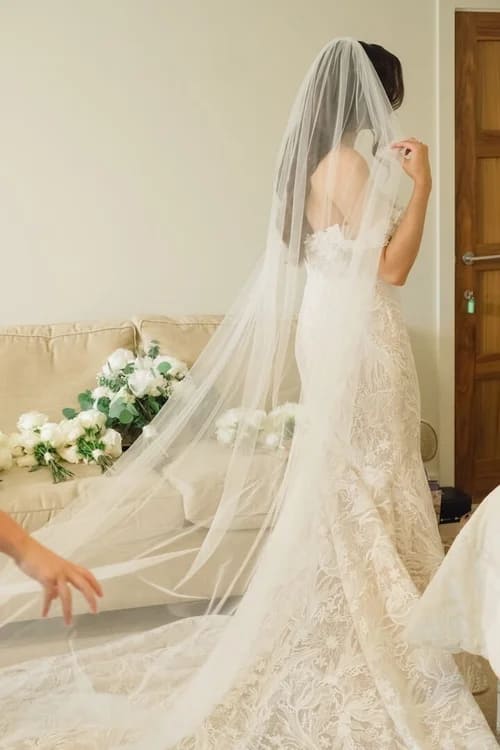
The “getting ready” portion of a wedding day is one of the most emotional, intimate, and storytelling-rich parts of the entire celebration. These wedding photos of the bride getting ready capture the quiet anticipation, joyful nerves, and deeply personal moments that unfold before the ceremony begins. Whether it’s the soft light falling across a bridal robe, the gentle laughter between bridesmaids, or the powerful emotion of a mother helping her daughter into her dress, these photographs become some of the most cherished in a bride’s final gallery.
This part of the day is often overlooked in planning, yet it directly influences the quality, cohesiveness, and emotional depth of your wedding album. Getting-ready photos help tell the complete story—from the first curl of hair to the last spritz of perfume before the bride walks down the aisle. In many cases, couples say these photos bring back memories they didn’t realize would mean so much until long after the wedding.
Below, we dive deep into every detail you need to understand about these images, starting with one essential question:
What Are “Bride Getting Ready” Wedding Photos?
Before we talk timelines and tips, it’s important to clearly define what this category of wedding photography includes. Bride getting ready wedding photos cover the entire pre-ceremony preparation period—typically beginning as hair and makeup start and ending just before the first look or ceremony lineup.
These photos document more than physical preparation. They reveal emotion, connection, and anticipation—elements that give your wedding gallery its heart.
Why These Pre-Ceremony Moments Matter
The hours before the ceremony are filled with rich layers of emotion: excitement, joy, reflective calm, nervous energy, and meaningful interactions between loved ones. This is the bride’s final transition from everyday life into the moment she becomes a wife.
Why these moments matter so much:
- They capture raw, unfiltered emotion that can’t be recreated later.
- They highlight relationships—especially with mothers, siblings, and bridesmaids.
- They tell the beginning of the wedding-day story, showing the buildup to the big moment.
- They preserve moments you may not fully remember due to nerves or timeline rush.
- They help your wedding album feel cinematic and complete.
A compelling insight:
According to a survey by WeddingWire, 67% of brides say the photos taken before the ceremony ended up being the most sentimental, even more than couple portraits or reception photos. Emotional storytelling is what elevates a wedding gallery from beautiful to unforgettable.
The Story Your Getting-Ready Photos Help Tell
Every wedding album is a story with a beginning, middle, and end. Without the “getting ready” chapter, the narrative feels incomplete.
These photos help tell a fuller story by capturing:
- The quiet before the celebration
- The transformation—from casual attire to full bridal elegance
- The relationships and support system surrounding the bride
- The anticipation as the ceremony approaches
- The symbolism of the small details that reflect the bride’s style and personality
Think of these photos as the emotional foundation of your wedding day narrative. They add context that amplifies the significance of the ceremony that follows.
How These Photos Fit Into Your Full Wedding Gallery
From a photographer’s perspective, the getting-ready period creates visual consistency and emotional depth.
Here’s how they fit into the full wedding story:
| Wedding Gallery Section | Purpose | Emotional Tone | Why It Matters |
| Getting Ready Photos | Introduce characters + details | Anticipation, joy | Begins the story visually and emotionally |
| Ceremony Photos | Capture vows + union | Sacred, powerful | Defines the purpose of the day |
| Portraits | Showcase couple and bridal party | Romantic, posed, elevated | Creates iconic images |
| Reception Photos | Document celebration | Fun, energetic | Completes the storytelling arc |
Without getting-ready photos, the wedding gallery jumps abruptly to the ceremony without the emotional buildup that makes the day feel whole.
Quote from a professional photographer:
“Without the bride’s getting ready images, it feels like opening a book directly to chapter three. The story loses its magic.” – Elena Rios, Wedding Photographer of 12+ years
Why Wedding Photos of the Bride Getting Ready Are So Important
The significance of wedding photos of the bride getting ready goes far beyond simple documentation. This is the part of the day where emotion, detail, storytelling, and personality collide—and the result is a collection of images that often becomes the bride’s favorite portion of the entire wedding gallery.
Unlike the ceremony or reception, which follow a structured timeline, the getting-ready period is filled with organic, unscripted, and emotionally honest moments. These photos capture the essence of who the bride is, who stands beside her, and what the moment truly feels like—not just what it looks like. They bring sentiment and context to the entire wedding story.
Emotional Storytelling and Candid Moments
Getting-ready photos are among the most emotionally charged images of the day. The energy in the room is unique—excited, nervous, joyful, and reflective all at once. Brides often look back on these pictures and remember the exact emotion they were feeling in that single moment.
Types of emotional moments commonly captured include:
- The bride laughing with her bridesmaids
- A quiet moment of reflection before the ceremony
- Tears during a letter exchange from the groom
- A mother’s emotional reaction seeing her daughter in her gown
- The soft pause as the bride looks in the mirror for the first time fully dressed
Because these emotions are spontaneous, they feel genuine—something posed portraits can’t always replicate.
Fun fact:
A study from The Knot reported that 72% of brides said their getting-ready photos helped them relive the emotions of their wedding day more vividly than any other part of their gallery.
Capturing Bridal Details Before the Day Gets Busy
One of the main reasons photographers value this period is that it offers time to capture the bridal details—the rings, invitations, jewelry, shoes, perfume, and dress—before the day becomes chaotic. These details are often overlooked but are incredibly important for:
- Album storytelling
- Vendor features (like florist or dress designer credits)
- Bridal blogs or publications
- Sentimental value
Most brides spend months choosing these details, and they deserve beautiful, thoughtful photography.
Common bridal details captured include:
- Wedding dress
- Shoes
- Jewelry (necklace, bracelet, earrings)
- Perfume bottle
- Invitation suite
- Bridal bouquet
- Veil and hair accessories
- Vows book
- Heirloom items (brooches, charms, pins)
These elements anchor the bride’s personal style in the gallery.
Connecting the Morning Prep to the Ceremony Narrative
A wedding album is like a movie—every scene builds toward the climax. The getting-ready moments help create that buildup.
These photos make the transition from preparation to celebration seamless because they:
- Introduce the “characters” (bridesmaids, mom, close friends)
- Show the behind-the-scenes perspective of becoming a bride
- Capture the shift from casual to glamorous
- Build emotional anticipation before the aisle walk
- Establish visual consistency from morning to night
Photographers often describe these images as the “visual prologue” of the day.
Without getting-ready photos, the gallery can feel abrupt—like a story missing its opening chapters.
Why Photographers Consider This Time “Golden Content”
Photographers often say the getting-ready window produces some of their favorite and most frame-worthy images, and for several reasons:
- Lighting is often soft and natural, especially near windows.
- Details are fresh—hair, makeup, flowers, and décor are untouched.
- Emotions are authentic, not posed or prompted.
- The environment is intimate, which makes storytelling stronger.
- There’s flexibility—unlike the ceremony, which has strict timing.
Many stunning portfolio images come from the getting-ready portion because it blends portraiture, photojournalism, and editorial detail work into one seamless block of time.
When Should the Photographer Arrive for Bride Getting Ready Photos?
Choosing the right arrival time for your photographer is one of the most important decisions you can make when planning your wedding morning. The timing determines how many moments they can capture, how relaxed the morning feels, and whether your photographer has enough space to document both candid emotions and intentionally composed portraits.
Many brides underestimate how quickly the morning passes. Between hair, makeup, bridesmaids, detail shots, and emotional moments, the hours can disappear in a flash. Having your photographer arrive too late often results in missed memories—especially the meaningful “pre-dress” moments such as robe photos, detail flat lays, or reading a letter from the groom.
To ensure nothing important is overlooked, here’s everything you need to know about scheduling your photographer’s arrival for the wedding photos bride getting ready period.
Ideal Timeline (with Sample Schedules)
The golden rule:
Your photographer should arrive 60–90 minutes before the bride steps into her wedding dress.
This window gives enough time to capture:
- Bridal details
- Robe or pajama photos
- Hair and makeup finishing touches
- Bridesmaids helping with accessories
- The bride getting into her gown
- Emotional moments with family
- Candid interactions and behind-the-scenes storytelling
Below are sample timelines based on common wedding-day structures.
📌 Standard Afternoon Wedding Timeline (Ceremony at 4:00 PM)
| Time | Activity |
| 11:30 AM | Hair & makeup begin |
| 12:30 PM | Bridesmaids finishing touches |
| 1:00 PM | Photographer arrives (detail shots + candid prep) |
| 1:30 PM | Bride makeup finishing touches |
| 2:00 PM | Bride gets into gown |
| 2:20 PM | Bridal portraits |
| 2:40 PM | Bridesmaids dressed + group photos |
| 3:00 PM | First look (optional) |
| 4:00 PM | Ceremony |
This timeline ensures plenty of breathing room while keeping everything smooth and relaxed.
📌 Early Afternoon Wedding Timeline (Ceremony at 2:00 PM)
| Time | Activity |
| 8:30 AM | Hair & makeup start |
| 9:30 AM | Bridesmaids touch-ups |
| 10:00 AM | Photographer arrives |
| 10:30 AM | Bride makeup finishing |
| 10:45 AM | Getting into dress |
| 11:15 AM | Bridal portraits |
| 12:00 PM | Group photos |
| 1:00 PM | Travel / ceremony prep |
| 2:00 PM | Ceremony |
Earlier weddings require even earlier preparation, and photographer arrival must adjust accordingly.
📌 Destination Wedding Timeline (Ceremony at Sunset)
| Time | Activity |
| 1:00 PM | Hair & makeup begin |
| 2:00 PM | Bridesmaids finishing touches |
| 2:30 PM | Photographer arrives |
| 2:45 PM | Detail and room shots |
| 3:15 PM | Bride touch-ups |
| 3:30 PM | Bride gets dressed |
| 4:00 PM | Bride portraits |
| 5:00 PM | First look |
| 6:00 PM | Sunset ceremony |
Destination weddings often have more flexibility, but sunset ceremonies require careful planning for lighting.
What to Do if You Have a Morning Wedding
Morning weddings, such as brunch weddings or courthouse ceremonies, move much faster than traditional timelines. This means fewer opportunities for a leisurely storytelling arc.
Tips for morning weddings:
- Start hair and makeup earlier than you think—between 6–7 AM is common.
- Have the photographer arrive right when you start makeup finishing touches, not at the very beginning.
- Gather all detail items the night before to maximize efficiency.
- Keep the getting-ready space decluttered to avoid wasting precious minutes.
A sample morning timeline might look like this:
| Time | Activity |
| 6:00 AM | Hair & makeup begins |
| 7:15 AM | Photographer arrives |
| 7:30 AM | Detail photos |
| 8:00 AM | Bride finishing touches |
| 8:20 AM | Bride gets dressed |
| 8:40 AM | Bridal portraits |
| 9:00 AM | Travel to ceremony |
| 10:00 AM | Ceremony |
The key is efficiency, not speed.
How Long Getting-Ready Photos Usually Take
A typical bride getting ready session takes 2 to 2.5 hours with the photographer present. However, the total preparation window is usually longer—4 to 5 hours from start to finish.
Here’s how that time is generally divided:
| Photo Type | Time Needed |
| Detail shots | 20–40 minutes |
| Hair & makeup candids | 15–20 minutes |
| Bride getting dressed | 20–30 minutes |
| Emotional moments | 10–20 minutes |
| Bridal portraits | 20–30 minutes |
| Bridesmaids photos | 20 minutes |
Having these buffers prevents the morning from feeling rushed and ensures your photographer captures the full narrative of the wedding photos of the bride getting ready.
Where Should You Take the Bride Getting Ready Photos?
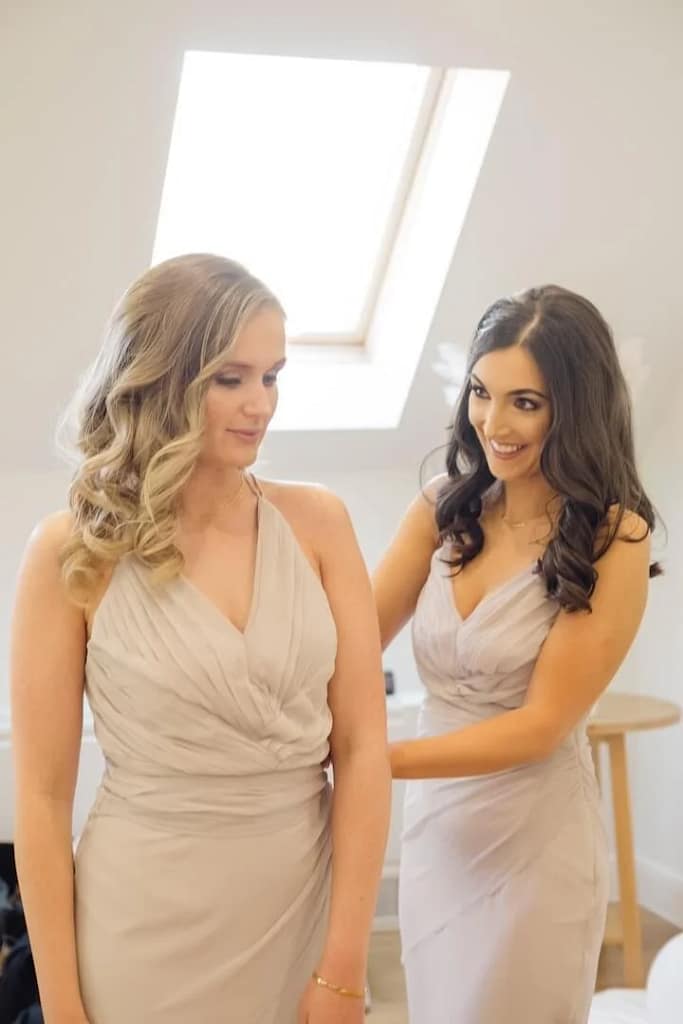
Choosing the right location for your wedding photos of the bride getting ready plays a major role in the quality, tone, and emotional feel of your images. While the photographer’s skill is crucial, the environment you choose will determine the lighting, colors, composition, and even the mood captured in these photos. A cluttered hotel room with no windows tells a very different story than an airy bridal suite with soft, natural light and thoughtful décor.
Many brides don’t realize how much the location impacts the final gallery until they see the images. That’s why it’s essential to plan ahead and select a space that supports beautiful photography—not just convenience.
Below, we explore the best options for getting-ready locations, what makes a room photo-friendly, and how to prepare the space before your photographer arrives.
Choosing the Ideal Location (Hotel, Home, Airbnb, or Venue Suite)
Every type of getting-ready location has pros and cons. The best choice depends on your style, your wedding timeline, and your personal preference.
1. Bridal Suite at the Venue
This is often the most convenient choice because it keeps everything in one place.
Pros:
- Easy access to ceremony and reception areas
- Consistent aesthetic with the venue’s style
- Designed for spaciousness and comfort
- Typically includes large mirrors, chairs, and makeup areas
Cons:
- Some bridal suites may be dim or windowless
- Others may be styled very boldly, limiting photographic versatility
2. Hotel Room
Hotels are a classic option and work especially well for destination weddings or couples hosting guests from out of town.
Pros:
- Clean, minimal backdrops
- Reliable climate control
- Often large windows
- Easy logistics for hair and makeup teams
Cons:
- Rooms are sometimes small or cluttered
- Neutral hotel décor may feel impersonal
3. Airbnb or Vacation Rental
These spaces have become extremely popular because they offer comfort and style.
Pros:
- Natural light and open floor plans
- Beautifully styled interiors—perfect for photos
- Multiple rooms for bridesmaids and family members
- Often more space than hotels
Cons:
- Must ensure check-in time aligns with your schedule
- Décor can be unpredictable—photos rely heavily on the chosen home
4. Your Home or a Family Home
Warm, familiar, and sentimental.
Pros:
- Emotional value
- Comfort and familiarity for everyone
- Personal items can enhance storytelling
Cons:
- Potential clutter or mismatched décor
- Lighting is highly variable
What Makes a Space Photo-Friendly
Beautiful getting-ready photos rely heavily on the room’s lighting, layout, and overall aesthetic. Photographers can only work with what the space naturally provides, so selecting a location with strong elements helps elevate every image.
A photo-friendly room includes:
- Large windows with ample natural light
- Neutral or softly colored walls that don’t clash with the dress
- Plenty of floor space for movement and group shots
- Minimal clutter or easily removable decor
- A clean, aesthetically pleasing background
- Good mirrors and seating areas
If you’re unsure whether your chosen space works well for photography, ask your photographer—they’ll identify good lighting and angles instantly.
Tips for Preparing the Room Before the Photographer Arrives
Even a beautiful room can become messy during the rush of hair, makeup, and bridesmaid excitement. A few simple steps can transform the space from chaotic to camera-ready.
Here’s how to prepare the room:
- Declutter surfaces—remove bags, clothes, food containers, plastic wrappers.
- Keep only photo-friendly items visible (flowers, robes, accessories).
- Assign one corner for belongings and messy items.
- Open all blinds or curtains before the photographer arrives.
- Turn off artificial overhead lights to avoid mixed-color lighting.
- Keep the dress, veil, and accessories in a clean, centralized spot.
- Set out detail items for easy flat-lay photography.
Photographers often say that a clean, well-lit room can elevate a gallery by 30–50% simply because distractions are removed.
Natural Light vs. Artificial Light
Lighting is the single most important factor in capturing stunning bride getting ready photos. While photographers can adapt to many environments, natural light almost always produces softer, more flattering images.
Why Natural Light Is Ideal
- Enhances skin tones
- Creates airy, romantic images
- Offers consistent color balance
- Helps avoid harsh shadows
- Gives photographers flexible posing options
Brides often describe natural-light photos as “dreamy,” “timeless,” or “editorial,” which is why many photographers strategically position the bride near windows.
When Artificial Light Is Necessary
In some cases—like hotel rooms without windows or early-morning weddings—natural light may be limited.
Photographers may use:
- LED video lights
- Softboxes
- Bounce flashes
- Reflectors
Artificial light can absolutely create stunning images when used correctly, but it requires more setup time and expertise.
Avoiding Mixed Light
A mix of natural light and overhead amber lighting often creates uneven skin tones or unwanted color casts in photos.
Quick rule:
If natural light is available, turn off all warm-colored overhead lights.
What to Include in “Wedding Photos Bride Getting Ready” Moments
Capturing the wedding photos bride getting ready portion of the day is all about selecting the right moments, meaningful details, and emotional highlights. This section ensures nothing important is missed and helps brides — and photographers — plan a smooth, beautiful start to the day.
1. The Essential Details Every Bride Should Capture
Small details may seem minor in the moment, but they tell a powerful story later. They help set the scene, preserve heirlooms, and elevate the aesthetic of the gallery.
Most Important Bridal Details to Photograph
Below is a table outlining must-capture items and why they matter:
| Detail | Why It Matters |
| Wedding dress | Symbolic centerpiece of the day; sets tone for the wedding style. |
| Veil | Adds elegance and romantic textures in photos. |
| Shoes | Personalized fashion touch; often overlooked but beautiful in detail shots. |
| Jewelry | Heirlooms or special purchases that hold emotional value. |
| Perfume bottle | Aesthetic detail that captures the bride’s personal style. |
| Bouquet | Adds color and theme continuity to detail photos. |
| Invitation suite | Helps create storytelling flat-lay compositions. |
| Rings | One of the most symbolic details; often styled with florals or textures. |
| Something borrowed/blue | A sentimental tradition that captures personality and heritage. |
Pro tip for photographers:
Bring a styling kit with ribbon, ring boxes, wax seals, and neutral fabric. It instantly elevates detail photos and helps unify the gallery aesthetic.
2. Bridal Beauty Moments Worth Capturing
The bride’s hair and makeup process is not just preparation — it’s a transformation. These images add emotional buildup and showcase artistry.
Key Beauty Moments to Photograph
- Makeup application (foundation, lashes, lipstick)
- Hair styling (curling, pinning, final touches)
- Bride looking into the mirror
- Makeup artist’s tools + action shots
- Close-ups of eye, lip, and highlight details
- Final touch-up before getting into the dress
These are often soft, emotional images thanks to natural light and relaxed expressions.
Why Beauty Moments Matter
- They capture anticipation and excitement.
- They document the transformation from everyday bride to wedding-ready.
- They create beautifully feminine images with soft light and warm tones.
- They showcase the team behind the bridal look — MUAs love using these photos for their portfolios.
3. The Emotional “Putting on the Dress” Sequence
One of the most iconic parts of wedding photos bride getting ready is the moment the bride steps into her dress.
Must-Have Shots During the Dressing Sequence
- Bride stepping into the dress
- Mother or maid of honor fastening the back
- Bridesmaids helping with straps, veil, or skirt layers
- Buttoning corset or zipping gown
- Close-up of hands fastening details
- Bride putting on earrings, necklace, bracelet
- Bride stepping into her shoes
- Veil placement moment
These images combine emotion, movement, and storytelling, making them some of the most treasured shots of the day.
4. Accessory Moments (Jewelry, Shoes, Perfume)
These transitional moments help round out the story.
Small Moments That Make Beautiful Photos
- Spraying perfume
- Lacing shoes or fastening buckles
- Slipping on rings
- Arranging veil and hair accessories
- Securing a garter
- Adjusting earrings
These shots often feature soft textures and well-lit close-ups that add artistry to the final gallery.
5. Bride + Bridesmaids Getting Ready
Group moments are essential, fun, and often the most candid part of the morning.
Best Group Photos to Include
- Bridesmaids in matching robes or pajamas
- Toasting with champagne
- Aesthetic group candid moments
- Bridesmaids reacting to bride in her dress
- Helping the bride prepare
- Reading letters or exchanging gifts
Case Study: The “First Look with Bridesmaids” Trend
In 2024 weddings, photographers reported a 63% increase in brides requesting a bridesmaid first look.
This creates:
- Huge emotional reactions
- Viral social-media content
- Authentic expressions and laughter
- A natural build-up to the ceremony
6. Emotional Moments With Family
Some of the most meaningful wedding photos bride getting ready moments involve loved ones.
Must-Capture Family Moments
- First look with dad
- Bride with mom during dressing
- Bride hugging siblings
- Reading a letter from parents
- Presenting a gift to a parent
- Tears, smiles, and emotional reactions
These are the moments people don’t always plan, but they become the photos families cherish for decades.
7. Candid Moments Throughout the Morning
Not every moment has to be posed. Some of the best bridal getting ready photos are candid and natural.
Examples of Great Candid Moments
- Bride laughing with friends
- Bridesmaids steaming dresses
- Bride sitting by the window thinking quietly
- Touching up lip gloss
- Final deep breath before putting on dress
- Soft moments between bride + parents
Candid images bring authenticity to the gallery and balance out the posed portraits.
8. Final Bridal Portraits Before Leaving
Once the bride is fully ready, photographers take a series of polished portraits.
Essential Pre-Ceremony Bridal Portraits
- Bride standing by a window
- Sitting portraits with bouquet
- Full-length gown shot
- Close-up of hair and makeup
- Veil drop photos
- Soft, elegant bridal poses
- Editorial-style fashion poses
Why These Shots Matter
These portraits are often used for:
- Large prints
- Thank-you cards
- Albums
- Social media
- Heirloom displays
How to Pose for Beautiful “Wedding Photos Bride Getting Ready” Images
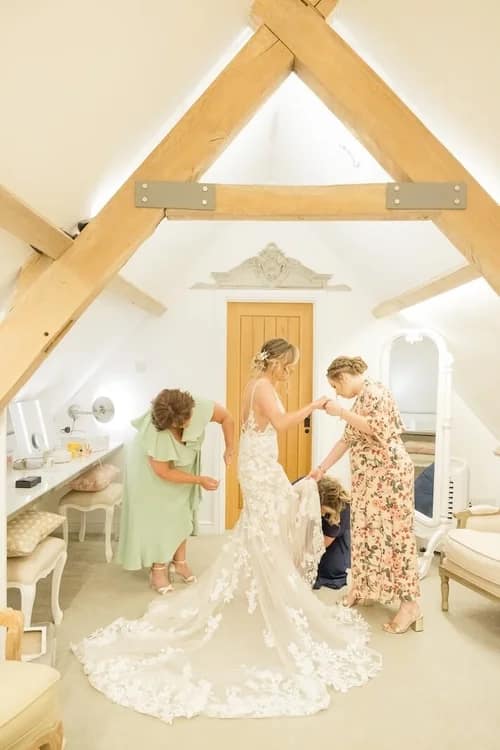
Posing during wedding photos bride getting ready doesn’t have to feel awkward or staged. In fact, the best photos often come from simple movements and natural actions that feel relaxed and authentic. This section breaks down easy pose ideas, flattering angles, and tips for feeling confident in front of the camera.
1. Natural, Relaxed Posing Tips for the Bride
The goal of bridal getting-ready portraits is soft, elegant, feminine movement rather than stiff, posed positioning. Here’s how to achieve that effortlessly:
Simple Posing Principles
- Use soft hands — slightly relaxed fingers look more elegant than stiff, straight hands.
- Angle your body slightly away from the camera to create natural curves.
- Engage your posture — shoulders down, neck long, chest open.
- Use natural movement like adjusting your dress or touching your earrings.
- Look toward natural light (usually a window) for the most flattering skin tones.
- Shift weight to the back foot for a more graceful stance.
Easy Movement Prompts
These help you avoid stiff posing and create natural emotion in photos:
- “Slowly run your hand down the dress fabric.”
- “Look down at your bouquet as if you’re smelling it.”
- “Take a deep breath and give a soft smile.”
- “Adjust your earring, veil, or bracelet.”
- “Gently sway your hips side to side for body movement.”
These prompts turn awkward posing into effortless, candid-looking images.
2. The Best Angles for Bride Getting Ready Photos
Angles make or break bridal portraits — especially during the getting-ready portion.
Most Flattering Angles
- 45-degree body angle toward window light
- Slight chin down to sculpt the jawline
- Eyes looking slightly off-camera for soft, romantic energy
- Hands brought up near the face to frame features naturally
Photographers typically shoot from:
- A slightly elevated angle for flattering face and neckline shots
- A side profile when the bride applies lipstick or perfume
- A wider angle when capturing movement or dress details
Quick Angle Tip
A bride standing at a 45° angle to the window is one of the most flattering positions for wedding photos bride getting ready. It highlights the dress, creates natural highlights on the face, and softens shadows.
3. Bridal Portrait Poses During Final Touches
Some of the most iconic “getting ready” portraits come from these easy-to-recreate actions:
Top Final-Touch Pose Ideas
- Spraying perfume with one hand delicately lifted
- Placing earrings while looking into the mirror
- Holding bouquet at waist level
- Looking out the window with serene expression
- Adjusting a strap, veil, or bodice
- Sitting on the edge of a chair holding the dress
- Soft laughter pose with bridesmaids nearby
These create timeless and story-rich images.
4. Veil Posing Ideas (Always Stunning!)
Veils add softness, movement, and visual drama.
Gorgeous Posing Ideas With a Veil
- Bride holding veil out to the side
- Close-up of veil draped over the bride’s face
- Veil toss moment (assistant throws it gently)
- Walking pose with veil trailing behind
- Veil wrapped around shoulders for romantic mood
- Bride peeking from behind veil
These are perfect for brides who want editorial-style images in their wedding photos bride getting ready gallery.
5. Sitting and Boudoir-Style Poses
Sitting poses are flattering, elegant, and ideal when space is limited.
Most Flattering Sitting Poses
- Sit on chair edge, knees angled sideways
- One leg crossed slightly in front of the other
- Softly lean forward for a feminine silhouette
- Hold bouquet low while gazing down
- Sit by window with veil spread around
Boudoir-style images (optional):
- Wearing robe or lingerie set
- Soft sheet backdrop
- Bride playing with hair or adjusting robe
- Close-up of collarbone or shoulder
These add sensual but classy depth to the morning story.
6. Posing Tips for Bridesmaids & Family
Group portraits should feel candid, not overly staged.
Simple Poses for Bridesmaids
- Gather around helping with dress
- Laughing together on the bed
- Toasting champagne
- Hugging the bride
- Looking at the bride’s dress in admiration
Family Pose Ideas
- Mom buttoning the dress
- Dad seeing bride for first time
- Siblings giving a supportive hug
- Trios of bride + mom + grandma
These images add emotional richness and are often family favorites.
7. Posing Mistakes to Avoid
Avoid anything that looks stiff, unnatural, or distracting.
Common Mistakes
- Over-posing — looking too “staged”
- Hands flat or stiff
- Shoulders raised too high
- Chin tilted too far up
- Poor posture
- Standing square to the camera
- Not using natural light
By avoiding these, your wedding photos bride getting ready moments will look effortlessly beautiful.
How to Capture Candid “Wedding Photos Bride Getting Ready” Moments
Candid moments are what make wedding photos bride getting ready feel alive, emotional, and truly unforgettable. These are the images that tell the raw, behind-the-scenes story of the morning — the excitement, laughter, nerves, and pure joy. This section explains how brides, photographers, and even bridesmaids can help create and capture these natural moments without anything feeling forced.
1. What Makes a Candid Getting-Ready Photo Truly Great?
Authentic candid images usually include these elements:
- Real emotion — laughter, tears, excitement, nerves
- Movement — walking, adjusting accessories, talking
- Interaction — with mom, bridesmaids, makeup artist
- Story — something happening, not just posing
- Environment — messy rooms tell stories too
A great candid moment is often unplanned, which is why photographers stay alert and ready to shoot constantly.
3 Key Ingredients of a Great Candid Shot
| Ingredient | Why It Matters |
| Emotion | Makes the moment relatable and memorable. |
| Movement | Adds life and energy to the frame. |
| Context | Helps the viewer understand the full story. |
2. Easy Ways Brides Can Create Natural Candid Moments
Brides don’t have to “perform.” Instead, simple actions help create organic candids.
Do These Simple Movements
- Walk around the room naturally
- Touch your earrings, veil, bouquet, or dress
- Laugh with bridesmaids
- Practice deep breaths to relax your face
- Sip champagne
- Look out the window
- Read a letter from your partner
- Give hugs freely
These actions photograph beautifully and feel real.
Avoid These
- Looking at the camera too often
- Asking “what should I do with my hands?”
- Standing perfectly still
- Constantly adjusting hair or makeup unnecessarily
The goal is to forget the camera exists.
3. Candid Moments Brides Never Realize Are Photogenic
Some of the BEST moments happen without planning — and brides often don’t realize how cinematic they look.
Magical Candid Moments Worth Capturing
- Bride stepping into her dress
- Bridesmaids reacting to the first look
- Mom tearing up while watching makeup
- Bride practicing vows quietly
- Bride laughing while robe sleeves fall in place
- Slipping on shoes while sitting near a window
- Bride and bridesmaids dancing to music
- Holding hands with mom or sister during nerves
- Bride looking at herself in the mirror for the first time
These become cherished emotional images.
4. Candid Storytelling Ideas for Bridesmaids
Bridesmaids play a major role in creating natural emotion.
Encourage Bridesmaids to:
- Tell funny stories
- Play music
- Dance or joke around
- Help with dress buttons
- Fix the veil and fluff the train
- Give the bride a pep talk
- Toast champagne
- Write a small note for the bride to read
Their laughter and energy help create vibrant candid images.
5. How Photographers Capture Perfect Candids
Professional photographers use specific strategies to capture real getting-ready moments.
Photographer Techniques
- Shoot from afar using long lenses
- Stay quiet to avoid interrupting natural moments
- Use continuous shooting mode for movement
- Observe carefully — best moments happen between poses
- Capture transitions (walking, adjusting items)
- Shoot from different levels (high, low, side angles)
- Use window light for soft, emotional tone
Photographer Insider Tip
The second before and after a posed moment often creates the BEST candid photo. That’s when brides relax and show their true emotion.
6. The Most Important Candid Moment: The Bridal First Look (With Family or Bridesmaids)
The “first look” during getting ready is always powerful.
Types of First Looks
- Bride + Bridesmaids
- Bride + Mom
- Bride + Dad
- Bride + Siblings
- Bride + Grandparents
These reactions — laughter, shock, tears — create incredibly emotional images.
Tips for a Great First Look
- Clear space for a clean background
- Use natural light
- Have everyone close their eyes or turn around
- Capture the moment from multiple angles
This moment routinely becomes a bride’s favorite image from the entire morning.
7. Candid Moments to Add to Your Shot List
Here are high-value candid ideas your photographer should always capture:
Top Must-Have Candid Shots
- Bride getting hair styled
- Makeup artist applying final touches
- Bride stepping into dress
- Bridesmaids zipping the gown
- Bride reading note from groom
- Bride hugging her mom
- Bridesmaids cheering
- Bride practicing walking in dress
- Close-up hands holding bouquet
- Bride smiling during veil placement
- Bride laughing during robe photos
These tell a complete visual story of the getting-ready experience.
How to Plan a Stress-Free Morning for Beautiful Bride Getting Ready Photos
The best wedding photos bride getting ready happen when the morning flows smoothly and naturally. Stress, clutter, and rushed timelines can impact both the mood and the quality of your images. Planning ahead ensures a calm, enjoyable experience that produces timeless photographs.
1. Hair and Makeup Timing
Timing hair and makeup correctly is essential. Hair and makeup often take 2–3 hours for the bride, with additional time for bridesmaids.
Tips for Hair & Makeup Scheduling
- Start 2.5–3 hours before you need to be dressed
- Schedule bridesmaids first, then bride to ensure final touch-ups
- Build extra buffer time for hair and makeup fixes
- Consider natural-light timing — photographers prefer morning light for soft, flattering tones
2. Keeping the Room Organized
A clean, well-prepared space ensures the photographer can capture stunning detail shots.
Room Organization Checklist
- Clear clutter: bags, jackets, unnecessary décor
- Set out bridal details (shoes, jewelry, invitation suite)
- Assign one area for personal items to prevent chaos
- Open curtains and blinds before photographer arrives
- Remove unnecessary lighting or electronics that create color casts
Even small organizational steps can make a huge difference in the final gallery.
3. Staying on Schedule Without Rushing
Rushed mornings create stress and hinder photography opportunities. A realistic schedule allows time for both candid moments and staged shots.
Scheduling Tips
- Work backward from ceremony time
- Build 15–20 minute buffers for delays
- Communicate clearly with hair/makeup team about timing
- Allow 30–45 minutes for detail and getting-ready photography
- Avoid cramming too many activities into the same hour
Consistency and planning reduce tension and allow natural emotions to shine.
4. Communicating Expectations to Bridesmaids
Bridesmaids play a big role in creating an enjoyable getting-ready environment. Clear communication prevents conflicts or rushed moments.
Bridesmaid Guidance
- Arrive on time, ideally 30 minutes before hair/makeup starts
- Wear robes or outfits that photograph well
- Keep the space tidy
- Avoid prolonged phone use during photos
- Encourage laughter and natural interaction
Bridesmaids who understand the plan help photographers capture authentic, joyful moments.
5. Why Relaxing Improves Your Photos
Calm, happy, and comfortable brides photograph better than stressed ones. Relaxation influences body language, facial expressions, and overall mood.
Relaxation Tips
- Play favorite music to create a cheerful vibe
- Take deep breaths or short meditation breaks
- Enjoy light snacks and hydration to prevent fatigue
- Focus on bonding with your bridal party
- Smile naturally — don’t force poses
A relaxed bride moves more gracefully, laughs more freely, and naturally creates candid moments photographers love.
6. Creating a Contingency Plan
Even with the best planning, mornings can be unpredictable. A backup plan ensures photography continues smoothly.
Contingency Ideas
- Have a secondary room with natural light if the main space is unavailable
- Pack extra hair/makeup supplies for last-minute fixes
- Confirm all vendors and bridal party know arrival times
- Have a clear timeline printed and visible
Flexibility paired with planning ensures the morning is stress-free, resulting in beautiful wedding photos of the bride getting ready.
FAQs About Wedding Photos of the Bride Getting Ready
Many brides have questions about wedding photos bride getting ready. This section answers the most common queries, helping couples feel prepared and confident while ensuring photographers capture every important moment.
Do All Couples Need Getting-Ready Photos?
Not necessarily, but they are highly recommended. These photos capture emotional, behind-the-scenes moments that can’t be recreated later. Couples who skip this time often regret missing candid reactions, detail shots, and authentic storytelling.
Pro tip: Even a short 45–60 minute session can yield meaningful images.
How Many Getting-Ready Photos Will I Receive?
The number varies depending on the photographer and wedding timeline. On average:
| Timeline | Approx. Number of Getting-Ready Photos |
| 1 hour | 15–30 images |
| 2 hours | 40–70 images |
| 3+ hours | 70–120 images |
This includes detail shots, candid moments, and bridal portraits.
Should the Groom Also Have Getting-Ready Photos?
Yes! Groom getting-ready photos are often just as meaningful. They capture candid moments, detail shots (watch, cufflinks), and emotional reactions before the ceremony. Many photographers schedule the groom either simultaneously at a separate location or slightly later.
Can You Take Getting-Ready Photos at a Hotel?
Absolutely. Hotels are popular for destination weddings or brides who travel. Key considerations:
- Ensure the room has ample natural light
- Clear clutter from surfaces
- Use neutral or complementary décor
- Check with hotel staff for permission to move furniture if needed
What if the Room is Messy or Too Small?
Even small or messy spaces can produce stunning photos:
- Use tight framing and angles to avoid clutter
- Focus on details, faces, and hands
- Clear at least one corner for flat lays or dress shots
- Use creative perspectives to make the space look intentional
How Long Do Getting-Ready Photos Usually Take?
On average: 2–2.5 hours. This covers:
- Bridal details (20–40 minutes)
- Hair and makeup candids (15–20 minutes)
- Dress sequence (20–30 minutes)
- Candid interactions (10–20 minutes)
- Bridal portraits (20–30 minutes)
Adding buffer time ensures nothing is rushed.
What Should Bridesmaids Do During These Photos?
Bridesmaids can help make the photos more meaningful:
- Wear matching robes or outfits
- Assist the bride with dress, veil, and jewelry
- Participate in candid moments (laughing, toasting, chatting)
- Keep the space tidy
- Follow photographer cues for group shots
Should I Have a First Look Before or After Getting-Ready Photos?
Most couples schedule first looks after the getting-ready photos. This allows:
- Complete bridal portraits without interruption
- Bridesmaids to be included in candid moments
- Emotional moments to unfold naturally
First looks can also occur later if the timeline requires, but it may reduce variety in morning images.
What If My Photographer Arrives Late?
If a photographer arrives late:
- Prioritize must-have shots first (dress, jewelry, first look with mom)
- Capture essential details quickly
- Keep the atmosphere calm to maintain natural expressions
- Adjust timeline for remaining candid moments
Preparation and communication minimize stress in these scenarios.
Are Getting-Ready Photos Posed or Candid?
They are typically a mix. Professional photographers aim for:
- Candid moments — laughter, tears, interactions
- Posed or semi-posed moments — dress sequence, portrait shots, veil styling
- Detail shots — flat lays, accessories, invitations
The balance ensures both authenticity and elegance.
Mistakes to Avoid During Bride Getting Ready Photos
Even small missteps can affect the quality of wedding photos bride getting ready. Avoiding common mistakes ensures that your gallery is cohesive, beautiful, and emotionally rich. Below are the top pitfalls and how to prevent them.
Rushing the Morning
Mistake: Trying to cram too many activities into a short window.
Why it’s a problem: Rushed mornings create stress, reduce authentic emotion, and make it hard for photographers to capture meaningful moments.
How to avoid:
- Build a realistic timeline with 2–3 hours for getting ready
- Include 15–20 minute buffers between tasks
- Focus on quality moments, not quantity
Poor Lighting Choices
Mistake: Shooting in rooms with dim, harsh, or mixed lighting.
Why it’s a problem: Poor lighting creates unflattering images and unnatural colors.
How to avoid:
- Choose rooms with large windows and natural light
- Turn off warm overhead lights that conflict with daylight
- Ask your photographer to bring soft lighting if necessary
Cluttered Spaces
Mistake: Messy rooms with visible luggage, bags, or random objects.
Why it’s a problem: Clutter distracts from the subject and ruins flat-lay detail shots.
How to avoid:
- Assign a specific area for personal items
- Declutter surfaces before photography starts
- Prepare props and details in a dedicated clean space
Ignoring Candid Opportunities
Mistake: Focusing only on posed photos.
Why it’s a problem: Skipping candid moments misses emotional storytelling and authentic interactions.
How to avoid:
- Encourage laughter, natural interaction, and movement
- Let the photographer observe without constant direction
- Capture moments before and after posed sequences
Not Preparing Accessories or Details
Mistake: Forgetting to have shoes, jewelry, bouquet, invitation suite, or heirlooms ready.
Why it’s a problem: Delays detail shots and can compromise visual storytelling.
How to avoid:
- Collect all details the night before
- Assign someone to organize and display items for flat-lays
- Keep items near the bride but out of cluttered areas
Overcrowding the Room
Mistake: Too many people in the room at once.
Why it’s a problem: Overcrowding leads to distractions, less candid intimacy, and harder photography logistics.
How to avoid:
- Limit the number of people present at one time
- Stagger bridesmaids’ hair and makeup schedules
- Keep the core group (mom, maid of honor, bride) for key moments
Overthinking Poses
Mistake: Trying too hard to “pose perfectly” in every shot.
Why it’s a problem: Over-posing looks stiff, unnatural, and forced.
How to avoid:
- Focus on small movements and natural gestures
- Listen to photographer prompts for simple actions
- Relax and interact naturally with people and objects
Forgetting to Relax and Enjoy the Moment
Mistake: Stressing about timing, appearance, or photography.
Why it’s a problem: Tension shows in facial expressions and body language.
How to avoid:
- Play music, take deep breaths, and sip water
- Enjoy bonding with bridal party
- Remember this morning is part of the wedding story
Tips to Make Your Bride Getting Ready Photos Look Stunning
Capturing beautiful wedding photos bride getting ready involves more than just showing up with a camera. A combination of preparation, styling, timing, and collaboration with your photographer ensures your images are both timeless and visually captivating. Below are practical tips to make your getting-ready gallery shine.
Prepare Your Space for Photography
The environment sets the foundation for every image.
Tips:
- Natural light: Choose a room with large windows for soft, flattering light.
- Declutter: Remove unnecessary items and personal belongings.
- Neutral backgrounds: Light walls, minimal patterns, and soft décor photograph well.
- Flat-lay area: Reserve a clean surface for detail shots like invitations, rings, and accessories.
- Mirrors: Position mirrors strategically for reflection shots without capturing clutter.
A thoughtfully prepared space allows the photographer to focus on emotion and detail rather than adjusting surroundings.
Organize Your Details
Small details make a big impact in storytelling and create editorial-quality images.
Must-Have Detail Shots:
- Dress (hanging, folded, or on mannequin)
- Shoes and jewelry
- Veil and hair accessories
- Perfume and cosmetics
- Invitation suite and stationery
- Rings, heirlooms, or sentimental items
Pro tip: Bring a small box or tray for organizing jewelry and smaller accessories—photographers love clean compositions.
Optimize Lighting
Lighting is everything for soft, romantic bridal portraits.
Best Practices:
- Use window light whenever possible
- Turn off overhead amber lights that clash with natural light
- Use reflectors or softboxes if needed to fill shadows
- Position the bride at a 45° angle to the window for flattering highlights
Good lighting enhances skin tones, textures, and the delicate details of the dress and veil.
Coordinate Outfits and Robes
Matching robes or coordinated colors create visually cohesive and Instagram-worthy images.
Tips:
- Select robes in soft, neutral, or pastel colors
- Avoid bold, clashing patterns
- Include mom, bridesmaids, and sisters in similar tones for group shots
- Ensure robes or outfits don’t distract from the dress in later shots
Robes not only look stylish but also make candid group moments more visually appealing.
Encourage Natural Emotion
The most captivating images are authentic, emotional, and candid.
Ways to Encourage Emotion:
- Play upbeat or sentimental music
- Share funny or heartfelt stories
- Allow private moments between bride and loved ones
- Smile naturally and relax — small movements like adjusting the dress, hair, or veil help produce authentic expressions
Photographers often say that the moments between poses produce the most treasured images.
Timing and Pacing
Plan your schedule carefully to avoid rushing, which can affect both mood and image quality.
Scheduling Tips:
- Start hair and makeup early to allow for unhurried photography
- Give at least 30–45 minutes for detail and candids
- Leave buffer time for unexpected delays
- Prioritize must-have shots first: dress, jewelry, veil, first look with family
A well-paced morning leads to relaxed, authentic, and visually stunning images.
Use Props Creatively
Props add personality, style, and interest to images.
Ideas for Bridal Props:
- Coffee mug or champagne glass
- Personalized robe or slippers
- Flower arrangements in the room
- Sentimental letters from loved ones
- Decorative trays or boxes for detail shots
Props enhance storytelling and help create a cohesive visual narrative.
Collaborate With Your Photographer
The bride-photographer relationship is crucial for amazing images.
Tips for Collaboration:
- Discuss your must-have shots and “non-negotiables”
- Share inspiration boards for style and mood
- Trust the photographer’s guidance on posing, lighting, and angles
- Allow the photographer to capture candid moments naturally
A cooperative, communicative approach ensures that your wedding photos bride getting ready are both artistic and authentic.
Conclusion and Key Takeaways for Wedding Photos Bride Getting Ready
Wedding photos of the bride getting ready are more than just pictures—they’re a story of emotion, anticipation, and beauty that set the tone for the entire wedding day. Capturing this part of the morning preserves memories that will be cherished for decades.
Key Takeaways
- Start Early and Plan Timing
- Schedule your photographer 60–90 minutes before putting on the dress.
- Allow buffer time for hair, makeup, and candid moments.
- Schedule your photographer 60–90 minutes before putting on the dress.
- Choose the Right Location
- Rooms with natural light, neutral backgrounds, and enough space work best.
- Hotel rooms, bridal suites, or well-styled Airbnbs are ideal.
- Rooms with natural light, neutral backgrounds, and enough space work best.
- Focus on Details and Storytelling
- Capture jewelry, shoes, veil, invitations, and other sentimental items.
- Include candid moments with bridesmaids and family.
- Capture jewelry, shoes, veil, invitations, and other sentimental items.
- Encourage Natural Emotion and Movement
- Laugh, interact, and move naturally.
- Avoid stiff poses; soft gestures create timeless images.
- Laugh, interact, and move naturally.
- Organize and Prepare the Space
- Declutter the room and set up a dedicated area for detail shots.
- Open blinds or curtains for soft, flattering light.
- Declutter the room and set up a dedicated area for detail shots.
- Collaborate With Your Photographer
- Communicate your must-have shots and preferences.
- Trust their guidance for angles, lighting, and candid moments.
- Communicate your must-have shots and preferences.
- Relax and Enjoy the Moment
- A calm, happy bride naturally creates more stunning and authentic photos.
- Music, light conversation, and bonding with bridesmaids help capture real emotion.
- A calm, happy bride naturally creates more stunning and authentic photos.
Final Thoughts
The getting-ready portion of the wedding is an irreplaceable opportunity to document honest emotion, beautiful details, and meaningful connections. By planning carefully, preparing the environment, and collaborating with your photographer, you ensure that your wedding photos bride getting ready become some of the most treasured and timeless images of your special day.
“The getting-ready photos aren’t just pictures—they are the opening chapter of your wedding story.” — Professional Wedding Photographer