

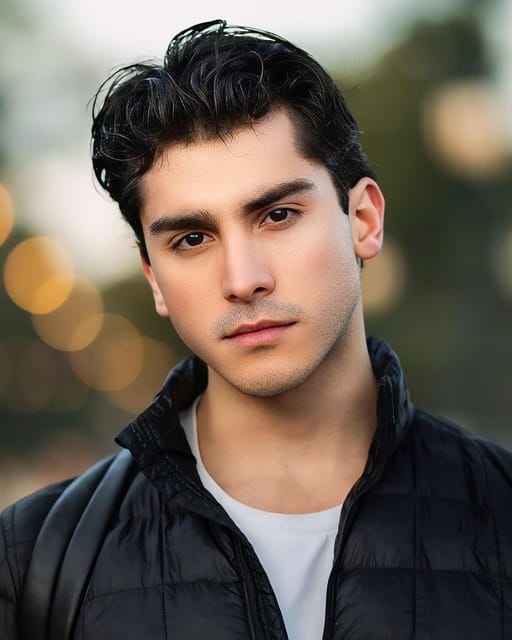
A headshot is more than just a picture — it’s your digital first impression. Whether it’s for LinkedIn, your company website, acting portfolio, or personal brand, your headshot communicates professionalism, personality, and credibility before you even say a word.
But there’s one question nearly everyone asks before stepping in front of the camera: “What should I wear in a headshot?”
The truth is, your outfit can make or break your photo. The right clothing can highlight your confidence, complement your features, and align perfectly with your professional goals. The wrong one, however, can distract, dull your natural tones, or even make your photos look outdated.
According to a study by Harvard Business Review, people form a first impression in just seven seconds, and visual cues like clothing, color, and posture play a massive role in that judgment. That’s why selecting what to wear in a headshot isn’t just about fashion — it’s about strategy.
In this guide, you’ll learn:
- The best colors and styles to wear for professional headshots.
- What to avoid when planning your outfit.
- Specific outfit ideas for men, women, and professionals across industries.
- Tips to coordinate your look with background, lighting, and brand tone.
- And how to feel authentically confident during your photo session.
By the end, you’ll know exactly how to dress for your next headshot — whether it’s corporate, creative, or casual — so that your outfit enhances your image instead of overpowering it.
“A great headshot doesn’t just show what you look like — it shows who you are.”
— Lara Chen, Professional Portrait Photographer
✅ Key Takeaway:
Your headshot wardrobe isn’t about wearing what’s trendy — it’s about wearing what represents you and your brand. The right outfit communicates professionalism, approachability, and confidence before you even speak.
Why Outfit Choice Matters for a Headshot
Your outfit is one of the most powerful storytelling tools in your headshot. It doesn’t just fill the frame — it defines how others see you. Before someone reads your bio or hears your voice, your photo already sends signals about your personality, profession, and confidence level.
A well-chosen outfit communicates credibility and attention to detail, while a mismatched or distracting wardrobe can create confusion or inconsistency with your brand. In professional settings, especially on platforms like LinkedIn or corporate websites, that first impression can determine whether someone sees you as trustworthy, approachable, or even hireable.
1. The Psychology of Clothing and Color in Headshots
Studies in color psychology reveal that certain hues subconsciously influence how people perceive you:
| Color | Emotional Impact | Best For |
| Blue | Trust, stability, intelligence | Corporate headshots, LinkedIn |
| Black | Authority, sophistication | Executive portraits |
| Gray | Balance, neutrality | Universal background color |
| White | Purity, clarity, simplicity | Creative or lifestyle portraits |
| Red | Confidence, energy | Marketing or personal branding shots |
| Green | Harmony, freshness | Outdoor or environmental headshots |
Wearing the right color palette can help reinforce your professional message. For instance, if you’re a financial advisor, shades of navy or charcoal project reliability. If you’re a designer or artist, softer or more creative tones might better express your brand’s character.
2. The Link Between Clothing and Confidence
When you feel good in what you’re wearing, it naturally shows on camera. Confidence translates to relaxed posture, genuine smiles, and approachable energy — all qualities that make a headshot feel authentic and inviting.
Photographers often say that confidence beats perfect styling, but the right outfit amplifies that confidence. That’s why choosing comfortable, well-fitted clothing is more important than following trends.
“A confident subject makes for a powerful portrait. Your clothing should help you feel like the best version of yourself — not like you’re trying too hard.”
— Daniel Rowe, Headshot Specialist, NYC
3. How Wardrobe Impacts Your Brand Identity
Your headshot should align with your personal or corporate brand. For example:
- A lawyer or executive might lean toward tailored suits or structured blazers.
- A tech founder or creative might prefer smart-casual styles — clean, minimal, and relatable.
- A fitness coach or lifestyle influencer could go for athletic-inspired, bright, or relaxed looks.
Consistency is key. Your clothing should reflect not only who you are but also who your audience expects to see. A mismatched outfit (like a bright hoodie in a law firm profile photo) can dilute your message or confuse potential clients.
4. Why Photographers Care About What You Wear
Professional photographers often guide clients on wardrobe because they understand how fabric, texture, and color interact with lighting. For instance:
- Shiny fabrics reflect studio light and can create unwanted glare.
- Busy patterns can distort under certain lenses.
- Loose or wrinkled clothing can add unnecessary editing work or distract from facial expressions.
Many photographers recommend bringing two to three outfit options to a session. This allows flexibility based on lighting, background color, and overall tone of the photoshoot.
✅ Pro Tip:
Before your headshot session, take a few test photos in natural light wearing your chosen outfits. Review how the colors look on camera and how the clothing fits when sitting or standing — it often looks different from what you see in the mirror.
In short:
The right outfit enhances your message. The wrong one can distract from it. Your wardrobe is an essential part of visual communication — an opportunity to tell the world who you are before saying a single word.
General Rules for What to Wear in a Headshot
When deciding what to wear in a headshot, the goal is to create a look that feels professional, timeless, and true to you. Whether it’s a corporate portrait, actor’s portfolio, or social media profile, a few universal rules can help you choose an outfit that photographs beautifully and communicates confidence.
These guidelines are based on input from professional photographers, stylists, and branding experts — and they apply to both men and women across all industries.
1. Keep It Simple and Classic
Simplicity is key. Choose solid colors and clean lines that let your face take center stage. Busy patterns, logos, or flashy designs tend to pull attention away from your expression — and the headshot should always be about you, not your clothing.
A simple wardrobe doesn’t mean boring. Subtle textures like wool, linen, or cotton can add depth and sophistication without overwhelming the photo. The best outfits are often neutral and timeless, meaning they’ll still look professional years from now.
Best Simple Options:
- Solid-color blouses or button-down shirts
- Tailored blazers or structured jackets
- Plain crew-neck or V-neck tops in flattering tones
2. Fit Is Everything
A perfectly fitted outfit will always photograph better than an expensive but ill-fitting one. Too-loose clothing can make you appear smaller or sloppy, while overly tight outfits can be unflattering and restrict natural movement.
Here’s a quick fit checklist before your session:
- Make sure shoulder seams align correctly.
- Avoid bunching or excess fabric around the waist or sleeves.
- Test how your outfit looks while seated — many headshots are taken sitting.
- If possible, tailor your jacket or shirt for a sharp, clean silhouette.
“Good fit equals confidence. Confidence equals connection — and connection is what makes a great headshot.”
— Sarah Miles, Portrait Stylist
3. Avoid Distracting Elements
The smallest detail can stand out in a headshot. Avoid clothing with:
- Large logos or brand names — they date your photo and distract.
- Bold stripes or polka dots — they can cause visual distortion on camera (known as the moiré effect).
- Excessive accessories — large earrings, chunky necklaces, or flashy watches draw attention away from your eyes.
- Wrinkled or shiny fabrics — they reflect light unevenly and look unpolished.
Instead, aim for minimal, refined elements. A small necklace or delicate earring can enhance your look without stealing focus.
4. Choose Flattering Necklines
Your neckline plays a subtle but powerful role in how your headshot frames your face.
| Neckline Type | Best For | Avoid If |
| V-Neck | Lengthens neck and slims face | Too low-cut for corporate photos |
| Crew Neck | Balanced, clean look | Shortens neck for some body types |
| Collared Shirt | Professional, structured | Collars are wrinkled or oversized |
| Scoop Neck | Softens angular features | May appear too casual in formal portraits |
Pro Tip: When in doubt, try on multiple tops and take a few selfies in natural light. What looks great in the mirror can appear totally different on camera.
5. Stick to Mid-Tones and Solids
Bright white can wash you out under strong lighting, while pure black can sometimes lose detail. Mid-tone colors (like navy, charcoal, olive, burgundy, or soft blue) are universally flattering and provide a balanced contrast against most backgrounds.
If you love color, pick tones that complement your skin tone and eyes rather than dominate the frame. For example, jewel tones (like emerald, sapphire, and plum) often photograph beautifully.
6. Dress for Your Industry (But Stay Authentic)
Your outfit should match the expectations of your field — without sacrificing your individuality.
- Corporate roles: Classic business attire like tailored blazers, collared shirts, and solid colors.
- Creative industries: Smart-casual looks, stylish layers, or textures that express personality.
- Actors and models: Simple, body-flattering tops in neutral tones — casting agents want to see you, not your clothes.
- Freelancers and entrepreneurs: Clean, approachable styles that align with your brand tone.
Authenticity always wins. Don’t wear something you’d never wear in real life just because it looks “professional.” The best headshots capture real confidence, not forced formality.
7. Prioritize Comfort and Movement
You’ll need to move, pose, and smile during your headshot session. Choose outfits that allow comfortable movement without bunching or pulling. Feeling restricted or uneasy in your clothes will show in your posture and expressions.
Comfort equals confidence — and confidence is what creates that natural, genuine headshot everyone wants.
✅ Quick Summary — General Rules for What to Wear in a Headshot:
- Choose solid colors over patterns.
- Ensure a flattering, tailored fit.
- Avoid logos, wrinkles, or shiny fabrics.
- Pick necklines that complement your face shape.
- Coordinate with your industry and brand style.
- Prioritize comfort and authenticity.
What Colors to Wear in a Headshot
Choosing the right colors to wear in a headshot can make all the difference between a photo that pops and one that falls flat. Color affects not only how you look but also how people feel when they see your image. From skin tone balance to emotional impact, every color sends a subtle message — and when used strategically, it can help your headshot look polished, powerful, and professional.
Best Colors to Wear for Professional Headshots
When it comes to professional photography, solid, medium-tone colors tend to work best. These shades balance lighting, complement most skin tones, and help draw attention to your face — not your outfit.
Here’s a breakdown of top-performing colors and why they work so well:
| Color | Why It Works | Best For |
| Navy Blue | Projects trust, professionalism, and calm authority. | Business and corporate headshots |
| Charcoal Gray | Neutral yet strong; excellent for blending with any background. | Executive portraits |
| Soft Blue or Teal | Brightens complexion and adds a sense of approachability. | LinkedIn profiles, healthcare, and customer-facing roles |
| Burgundy or Maroon | Adds warmth and richness without being overpowering. | Creative professionals, coaches, consultants |
| Olive or Forest Green | Conveys balance and grounded energy. | Outdoor headshots or lifestyle brands |
| Muted Purple or Plum | Suggests creativity and confidence. | Artists, designers, or entrepreneurs |
“Color isn’t just aesthetic — it’s psychological. The right color choice can increase perceived trustworthiness by up to 30%.”
— Color Marketing Group, 2023 Report
Neutral Tones — Always a Safe Bet
If you’re unsure what to wear, neutral tones (like beige, tan, light gray, or navy) are nearly foolproof. These shades keep the focus where it should be — on your face and expression.
Neutrals also work beautifully with both light and dark backgrounds, giving photographers flexibility to adjust lighting without causing harsh contrast.
Examples of timeless neutral combinations:
- Light gray shirt + navy blazer
- White blouse + camel jacket
- Charcoal top + beige background
- Navy suit + crisp white shirt
Colors That Flatter Your Skin Tone
To look natural and radiant on camera, choose colors that complement your skin undertone:
| Skin Undertone | Flattering Colors | Avoid These Shades |
| Cool (pink or bluish undertone) | Jewel tones like sapphire, emerald, or deep purple | Yellow, orange, and tomato red |
| Warm (golden or olive undertone) | Earth tones like rust, mustard, or forest green | Pure white, icy blue |
| Neutral (mix of both) | Most colors — best with muted versions of bright tones | Very bright neons or stark contrasts |
Pro Tip: Hold different colored shirts up to your face in natural light. If a color brightens your skin and eyes, it’s likely a winner. If it dulls or exaggerates redness, skip it.
Coordinating With Your Background
Color choice doesn’t happen in isolation — your background plays a huge role.
Here’s a simple guide to balancing outfit colors with backdrop tones:
| Background Type | What Works Best | What to Avoid |
| White or Light Background | Mid-tone colors like navy, teal, burgundy | White or pastel tones that blend in |
| Dark or Black Background | Lighter shades like gray, sky blue, or cream | Black or dark navy that disappear |
| Outdoor/Natural Setting | Earth tones, olive, denim, or soft blue | Bright neon or artificial colors |
| Studio Gray or Gradient Backdrop | Most solid tones (gray is neutral) | Clashing primary colors |
Example: A navy shirt on a white background looks crisp and modern, while a cream blouse against a dark gray backdrop creates warmth and contrast.
What Colors to Avoid in a Headshot
Even though color is personal, certain shades consistently perform poorly on camera:
- ❌ Neon colors: They reflect light onto your skin and distort your natural tone.
- ❌ Bright white: It can wash out your complexion under studio lighting.
- ❌ Pure black: It sometimes loses detail, especially in low-light settings.
- ❌ Strong reds or oranges: These hues can overpower your facial features and dominate the image.
- ❌ Exact background matches: Avoid blending in — contrast makes you stand out.
Case Study:
A 2022 portrait studio experiment by HeadshotCrew found that clients wearing mid-tone blues and grays received 28% more positive feedback on LinkedIn compared to those in high-contrast black or white. Balanced tones made subjects appear more approachable and competent.
Color Psychology in Branding and Professionalism
Color influences perception subconsciously. Here’s how certain shades shape impressions:
| Color | Conveys |
| Blue | Trust, professionalism, calm |
| Gray | Balance, sophistication |
| Red | Confidence, energy |
| Green | Growth, balance |
| White | Simplicity, honesty |
| Black | Authority, elegance |
When choosing your outfit, think about your brand identity:
- Want to appear reliable and confident? Go for navy or gray.
- Want to seem innovative and bold? Try deep red or forest green.
- Want to express creativity and warmth? Jewel tones like plum or burgundy work beautifully.
✅ Quick Recap — Best Colors to Wear in a Headshot:
- Stick with mid-tone, solid colors.
- Avoid neons, harsh whites, or overly bright hues.
- Choose colors that complement your skin tone.
- Ensure contrast with your background.
- Let color support your brand message, not distract from it.
What to Wear in a Headshot for Different Professions
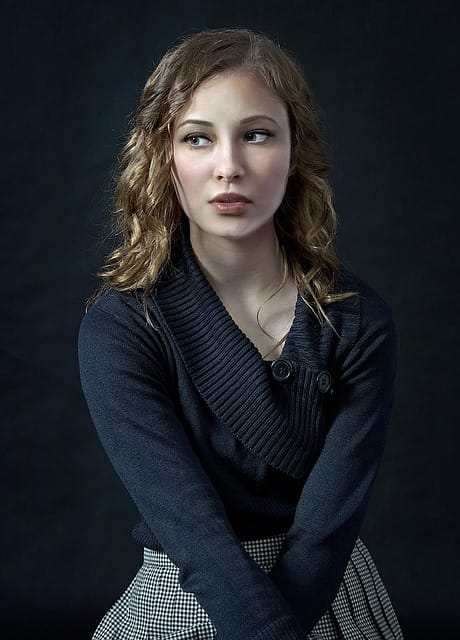
Not all headshots are created equal — and neither are the wardrobes behind them. What you wear should reflect your industry, your role, and your personal brand. Whether you’re an executive, a creative professional, or a freelancer, your clothing choices should communicate the right message to your audience before you even speak.
Below, we’ll break down how to dress for various professional settings so your headshot aligns perfectly with your goals and image.
Corporate or Business Headshots
If you work in a corporate environment — think finance, law, consulting, or executive leadership — your headshot should convey authority, trust, and professionalism.
Recommended Outfits:
- Men:
- Dark or mid-tone suits (navy, charcoal, or black).
- Crisp, light-colored shirts (white, light blue, or pale gray).
- Simple ties in solid or subtle patterns.
- Dark or mid-tone suits (navy, charcoal, or black).
- Women:
- Structured blazers with solid tops or silk blouses.
- Neutral tones like beige, navy, or black.
- Minimal accessories such as stud earrings or delicate chains.
- Structured blazers with solid tops or silk blouses.
Pro Tip: Keep your clothing freshly pressed and tailored. Wrinkled or oversized clothing instantly diminishes your professional image.
Why It Works:
Corporate clients and recruiters tend to trust images that reflect reliability and composure. Clean lines and classic cuts visually communicate discipline and attention to detail.
“A corporate headshot should say ‘I’m confident and dependable,’ not ‘I’m overdressed for my own brand.’ Choose timeless over trendy.”
— Alex Moreno, Corporate Branding Photographer
Creative or Personal Branding Headshots
For creative professionals — designers, writers, artists, marketers, coaches, and entrepreneurs — your headshot should reflect authenticity and personality while still appearing polished.
Recommended Outfits:
- Smart-casual looks like tailored jeans with a blazer, or a relaxed button-up.
- Textured fabrics (linen, wool, denim) to add depth.
- Pops of color that reflect your brand palette (e.g., teal, mustard, burgundy).
- Subtle accessories or props (like glasses, notebooks, or a camera) that tell your story.
Why It Works:
Personal branding headshots aim to make you look approachable and relatable. You want to convey that you’re real, not overly formal or stiff. The best approach is to look like an elevated version of your everyday self.
Case Example: A freelance designer in Los Angeles opted for a soft blue denim shirt and a minimalist background. The result? A relaxed, approachable vibe that increased client engagement on her portfolio site by 35%.
Actor or Model Headshots
Actors and models use headshots as casting tools, not just profile pictures. The focus should always be on your face, expression, and versatility, not on your outfit.
Recommended Outfits:
- Fitted, solid-color tops — avoid busy prints or layers.
- Mid-tone shades like charcoal, navy, olive, or burgundy.
- Bring multiple looks: casual (T-shirt or simple blouse) and formal (jacket or button-up).
- Keep makeup and accessories minimal; casting directors want to see you.
What to Avoid:
- Loud prints, off-shoulder tops, or trendy statement pieces.
- Overly styled hair or excessive makeup.
Why It Works:
Headshots for actors and models serve as a blank canvas for casting agents. Simplicity ensures the focus remains on facial expression and emotional range — not fashion.
LinkedIn or Professional Profile Headshots
LinkedIn is one of the most common places for headshots to appear, and your outfit should reflect a balance between professionalism and approachability.
Recommended Outfits:
- Men: Button-down shirt with or without a blazer; avoid loud ties.
- Women: Smart-casual tops, clean blazers, or tailored dresses.
- Stick to solid mid-tones — they photograph well across devices.
Why It Works:
LinkedIn audiences value authenticity. A professional yet approachable photo can boost your connection rate by up to 21%, according to a 2023 LinkedIn Image Engagement Study.
Pro Tip: If you’re in a creative or startup environment, you can tone down the formality. A crisp shirt or blouse with soft lighting can be just as effective as a full suit.
Industry-Specific Style Snapshot
Here’s a quick overview of outfit direction by profession:
| Industry | Recommended Look | Avoid |
| Finance / Legal | Formal suit or blazer, neutral colors | Bold prints, bright colors |
| Tech / Startup | Smart-casual, open-collar shirts | Ties (too formal), wrinkled clothing |
| Creative Fields | Stylish, brand-aligned colors | All-black or overly corporate looks |
| Healthcare | Clean, calm tones (blue, white, green) | Distracting jewelry |
| Education / Coaching | Soft colors, approachable layers | Flashy patterns |
| Entertainment / Acting | Simple solids, fitted tops | Statement pieces, trendy logos |
✅ Key Takeaways — What to Wear in a Headshot for Different Professions:
- Match your industry tone but maintain individuality.
- Choose outfits that reflect your role and audience expectations.
- Keep clothing simple, clean, and properly fitted.
- Let your personality and professionalism share equal focus.
What to Wear in a Headshot for Women
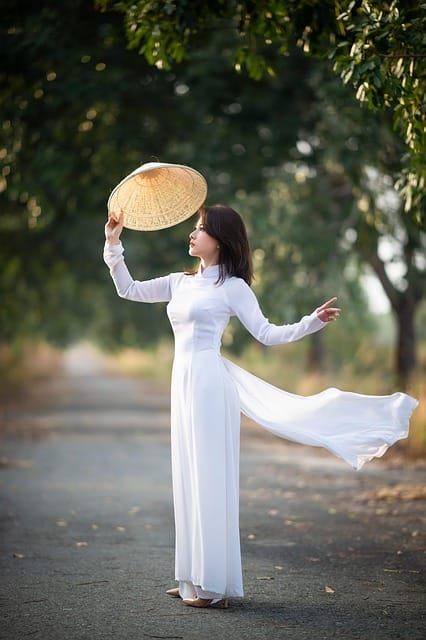
When planning what to wear in a headshot for women, the goal is to look polished, confident, and natural — not overdone or overly styled. The best headshots highlight your face and expression while your clothing subtly supports your personal or professional brand. Whether you’re preparing for a corporate, creative, or acting portrait, these outfit tips will help you choose the perfect look for your photo session.
1. Choose Classic, Flattering Outfits
Headshots often frame you from the chest up, which means the neckline, shoulders, and color of your outfit play a huge role in how the photo turns out. Opt for structured, timeless pieces that enhance your figure and project professionalism.
Great Choices Include:
- Tailored blouses in solid colors.
- Simple dresses with clean lines.
- Blazers or lightweight jackets for depth and contrast.
- Knitted or woven tops that hold their shape.
Avoid clothing with wrinkles, thin straps, or low-cut necklines — these can look unbalanced on camera or detract from your expression.
“What photographs best is often what feels best. If you feel powerful and comfortable, that confidence will come through every frame.”
— Rachel Kim, Headshot Stylist & Photographer
2. Pick the Right Neckline for Your Face Shape
Your neckline can make a big difference in how your face is framed in the final photo. Here’s a quick reference to help you choose what works best:
| Face Shape | Recommended Neckline | Why It Works |
| Round | V-neck or scoop neck | Adds length and structure to the face. |
| Oval | Crew or high neckline | Keeps balance and proportion. |
| Square | Soft scoop or rounded neckline | Softens angles and jawline. |
| Heart-shaped | Slight V-neck or bateau | Balances forehead and chin. |
When unsure, a modest V-neck or scoop neck works for nearly everyone — it elongates the neckline and adds an elegant touch.
3. The Power of Color and Texture
Color can instantly elevate your headshot. For women, softer tones tend to create warmth and approachability, while richer tones convey confidence and sophistication.
Best Color Families for Women’s Headshots:
- Soft neutrals: beige, taupe, ivory, light gray.
- Jewel tones: emerald, sapphire, amethyst, ruby.
- Earth tones: rust, olive, mustard.
- Classic darks: navy, charcoal, forest green.
Avoid pure white (which can wash you out) and bright neons (which distract).
Textures can also add subtle interest — fabrics like silk, cotton, and wool photograph beautifully, while shiny or glittery materials can reflect too much light.
Pro Tip: Combine a neutral blazer with a colored blouse for a balanced, professional contrast that adds depth to your portrait.
4. Accessorize Lightly and Intentionally
Accessories should complement, not compete with your outfit. In a headshot, even small jewelry pieces can become focal points if they’re too shiny or oversized.
Do:
- Wear small stud earrings or delicate hoops.
- Choose simple necklaces that align with your neckline.
- Use minimal makeup to enhance natural features (avoid heavy contouring or shimmer).
Don’t:
- Wear statement necklaces or oversized earrings.
- Use glossy or reflective makeup that bounces light.
- Over-accessorize — less is always more in photography.
“Accessories should whisper elegance, not shout for attention.”
— Megan Thomas, Image Consultant
5. Hair, Makeup, and Grooming Tips for Women’s Headshots
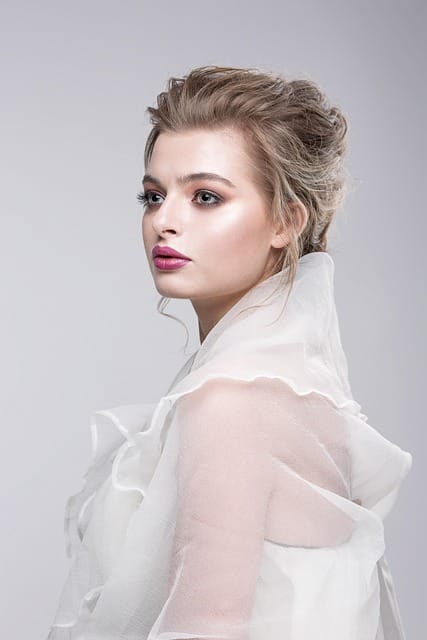
A well-groomed look completes your outfit. The goal is to look like your best self — not like a completely different person.
Hair:
- Keep it styled naturally, avoiding tight ponytails or heavy hairspray.
- If you color your hair, touch up roots a few days before the shoot.
- Bring a brush or comb for last-minute adjustments.
Makeup:
- Stick to neutral, matte tones that even out your skin without adding shine.
- Use light powder to reduce glare.
- Define eyes and brows, but keep lips subtle and natural.
Skin & Nails:
- Moisturize well — dry skin shows on high-resolution cameras.
- Neutral nail polish or bare nails always look clean and professional.
Pro Tip: Avoid makeup with SPF for studio lighting — it can create an unwanted flash reflection on your skin.
6. Outfit Combinations That Always Work
Here are tried-and-tested outfit combinations that consistently photograph well:
| Occasion | Suggested Outfit | Why It Works |
| Corporate Headshot | Navy blazer + white blouse | Timeless, structured, and professional. |
| Creative/Entrepreneur Headshot | Soft blouse + statement blazer | Adds personality without losing polish. |
| LinkedIn or Online Profile | Jewel-tone top + neutral background | Draws attention to face and eyes. |
| Actor/Performer Headshot | Solid fitted top (neutral tone) | Keeps focus on expression and emotion. |
7. Confidence Is the Best Accessory
The most powerful element in any photo isn’t your outfit — it’s your attitude. Choose clothes that make you feel empowered, relaxed, and authentically yourself.
If you’re uncertain, bring two or three outfit options to your shoot. A good photographer will help you decide what works best under their lighting setup and with your background tone.
“Confidence can’t be Photoshopped — but the right outfit helps you wear it naturally.”
— Elena Ruiz, Portrait Coach
✅ Quick Recap — What to Wear in a Headshot for Women:
- Stick to solid, classic outfits that fit well.
- Choose colors that complement your skin tone.
- Go minimal on accessories and natural on makeup.
- Opt for flattering necklines and neat hairstyles.
- Let your authentic confidence be the star of the photo.
What to Wear in a Headshot for Men
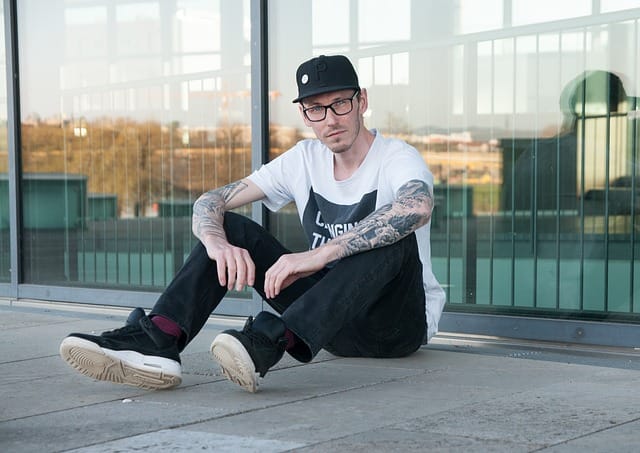
When it comes to what to wear in a headshot for men, the key is to strike a balance between professionalism, simplicity, and personality. Your clothing should fit well, complement your complexion, and reflect your role or industry — whether you’re an executive, a creative professional, or an entrepreneur.
A well-planned outfit instantly communicates credibility, attention to detail, and confidence — three qualities that make a powerful first impression in both corporate and personal branding photos.
1. Start with the Right Fit
Fit is everything in a headshot. Because the frame focuses on your upper body, poorly fitting shirts or jackets are instantly noticeable.
Quick Fit Guidelines:
- Shirts: Should lie flat on the chest and collar without pulling or gaping. Avoid oversized or wrinkled shirts.
- Blazers: The shoulder seam should align perfectly with your shoulder edge. Avoid boxy fits.
- Collars: Keep collars crisp and clean — especially if you’re skipping a tie.
- Tees and sweaters: Should hug your frame lightly, not cling to it.
“The camera loves structure. A well-fitted blazer or shirt defines your posture and elevates your entire image.”
— Mark DeLuca, Commercial Photographer
2. Color Choices That Photograph Best
The right color can make your skin tone look healthier, your eyes stand out, and your overall image appear sharper.
| Skin Tone | Best Colors | Avoid |
| Fair | Navy, charcoal, deep green | White, light beige |
| Medium/Olive | Blues, teals, burgundy | Bright red, neon colors |
| Dark | Light gray, royal blue, soft pastels | Dark brown, black (can lose contrast) |
Pro Tip:
When in doubt, navy and charcoal gray are universally flattering and always professional for men’s headshots.
3. The Shirt: Simplicity Wins
Your shirt is often the first thing visible below your face, so it must complement your skin tone and avoid distractions.
Best Options:
- Solid-colored, button-down shirts (no patterns or logos).
- Subtle textures like oxford or twill fabrics.
- Crisp white or light blue for classic professional looks.
- A muted pastel or jewel tone for a touch of personality.
Avoid:
- Bold stripes or checks — they can cause a moire effect (a distracting pattern) on camera.
- Logos or visible branding.
- Overly trendy styles that may not age well in photos.
4. Blazers, Jackets, and Layering Tips
Layering adds dimension and structure to your photo. A blazer or lightweight jacket can instantly elevate your look.
Styling Ideas by Occasion:
- Corporate or Executive Headshots: Navy or charcoal suit jacket with a white or light blue shirt. Add a subtle tie if needed.
- Entrepreneur or Creative Headshots: Unstructured blazer over a crewneck or henley shirt. Relaxed yet smart.
- Casual or Lifestyle Headshots: Fitted sweater or denim jacket layered over a neutral T-shirt. Clean, modern, and authentic.
If you wear a suit, make sure your jacket fits snugly around the shoulders and doesn’t wrinkle when buttoned.
5. Should You Wear a Tie?
Whether to wear a tie depends on your industry and personal brand:
- Yes, wear a tie: For corporate, legal, or financial professions where formality signals authority.
- Skip the tie: For tech, creative, or personal branding headshots, where approachability and modernity are valued.
If you do wear a tie, choose solid or subtly patterned designs in colors that contrast well with your shirt — deep burgundy, navy, or dark green often work beautifully. Avoid shiny silk ties that reflect light.
6. Grooming and Presentation
Clean grooming is just as important as clothing in men’s headshots. Even the best outfit can’t make up for an unkempt appearance.
Hair:
- Get a haircut 3–5 days before your session (not the same day).
- Use a light styling product for a natural finish.
Beard:
- Trim or shape neatly — avoid scruff unless it aligns with your personal brand.
- For a clean-shaven look, shave on the morning of the shoot to prevent stubble shadows.
Skin:
- Moisturize to avoid dryness and shine.
- Use a light matte powder if you tend to get oily under lights.
Pro Tip: A little preparation goes a long way — photographers can retouch small imperfections, but clean grooming enhances your natural confidence.
7. Outfit Combinations That Always Work for Men
| Headshot Type | Recommended Outfit | Why It Works |
| Corporate | Navy blazer + white shirt + subtle tie | Clean, classic, and authoritative. |
| Business Casual | Light button-down + dark blazer | Balanced mix of relaxed and professional. |
| Creative/Startup | Crewneck sweater + jacket | Approachable and modern. |
| Lifestyle | Fitted T-shirt + open shirt | Natural and personable vibe. |
8. Details That Make the Difference
Small details often separate a good headshot from a great one:
- Iron your shirt to remove wrinkles.
- Avoid lint or stray hair on clothing.
- Skip flashy watches or jewelry that can distract.
- Bring an extra shirt or jacket to the session in case of wrinkles or spills.
“Details are silent signals — people might not notice what’s perfect, but they’ll notice what’s off.”
— Jason Cooper, Corporate Branding Expert
✅ Quick Recap — What to Wear in a Headshot for Men:
- Choose well-fitted clothing that complements your build.
- Stick with solid colors — navy, charcoal, white, or muted tones.
- Layer with a structured blazer for professionalism.
- Groom neatly — hair, beard, and skin all matter.
- Avoid patterns, logos, or overly trendy pieces.
What to Wear in a Headshot for Professional or Corporate Settings
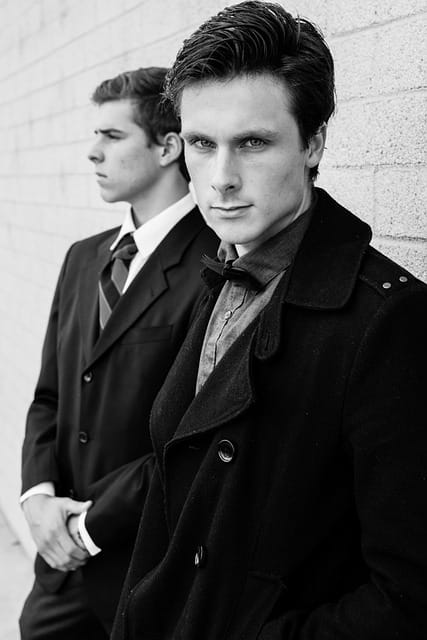
When deciding what to wear in a professional headshot, the goal is to project credibility, trust, and competence. Corporate headshots are often used on company websites, LinkedIn profiles, press releases, and business cards — all places where your image represents your professional brand. The right outfit can make you look polished and confident, while the wrong one might come across as casual or inconsistent with your company’s image.
1. Understand the Corporate Dress Code
Before your headshot session, it’s important to know your industry’s dress culture. A financial executive, a lawyer, and a marketing consultant might all need professional headshots — but their visual presentation should differ slightly.
| Industry | Recommended Look | Style Notes |
| Finance / Law / Corporate Leadership | Suit jacket, collared shirt, tie (for men), or blouse/blazer combo (for women) | Structured, formal, and classic. |
| Tech / Startups | Smart-casual (blazer over T-shirt or open-collar shirt) | Confident, modern, and approachable. |
| Marketing / Creative Agencies | Stylish but not flashy — muted colors, minimal patterns | Reflects personality with professionalism. |
| Healthcare / Education | Solid colors, clean cuts, no heavy accessories | Calm, trustworthy, and friendly appearance. |
Understanding this context ensures your outfit fits naturally within your professional ecosystem.
2. Go for Timeless, Not Trendy
Corporate headshots often stay in use for 2–5 years, so it’s best to avoid fashion fads that can quickly date your photo.
Stick with:
- Neutral tones: navy, charcoal, white, beige, and muted blues or greens.
- Structured silhouettes: tailored jackets, crisp shirts, or fitted blouses.
- Minimal accessories: simple jewelry or classic watches.
Avoid:
- Flashy colors or bold patterns.
- Trend-driven clothing that may look outdated in a year.
- Distracting textures like sequins, heavy knits, or leather.
“Your professional headshot should age like a good suit — timeless, clean, and relevant for years.”
— Sarah Lin, Corporate Brand Photographer
3. Focus on Fit and Fabric
High-quality fabrics and proper tailoring can dramatically improve how you look on camera. Clothing that’s too tight or loose can distort your shape and distract from your face.
Pro Tips:
- Choose fabrics with a matte finish — shiny materials reflect light and create glare.
- Ensure blazers fit snugly on the shoulders and don’t wrinkle when buttoned.
- For shirts and blouses, press or steam them before the session. Wrinkles are magnified in high-resolution photography.
- Avoid synthetic fabrics that cling under studio lighting.
A well-fitted outfit instantly makes you look more confident and professional, even before you speak a word.
4. Choosing the Right Colors for Corporate Headshots
Colors should complement your skin tone and convey authority without overpowering the image.
Best Color Palettes for Corporate Headshots:
- Navy Blue: Trusted, intelligent, and universally flattering.
- Charcoal Gray: Professional, understated, and works for all skin tones.
- White or Off-White: Clean and bright, ideal for undershirts or blouses.
- Muted Jewel Tones: Deep emerald, burgundy, or sapphire for subtle personality.
Colors to Avoid:
- Bright red or orange — can dominate the frame.
- Pure black — may reduce contrast on darker backgrounds.
- Neon or reflective tones — distract from your face.
Tip: Always test your outfit in similar lighting to what your photographer will use. Some colors reflect light differently in studio vs. natural light settings.
5. Layering for Depth and Dimension
Layering adds structure and visual interest to your headshot. A simple jacket, vest, or cardigan can help create contrast between your outfit and the background.
For Men:
- Blazer over a dress shirt (with or without a tie).
- Sweater layered over a collared shirt for smart-casual brands.
For Women:
- Blouse under a structured blazer or tailored jacket.
- Subtle necklaces or scarves that don’t distract from the neckline.
Layers also help balance lighting by adding shadow and definition — particularly useful in studio portraits.
6. Grooming, Accessories, and Final Touches
A clean, polished appearance is just as important as your clothing.
Grooming Essentials:
- Ensure your hair is styled neatly and away from your face.
- Keep makeup natural and matte — avoid shimmer.
- Trim or shape facial hair for a neat appearance.
- Avoid perfumes or colognes that could cause allergies during studio sessions.
Accessories:
- Stick to small, non-reflective jewelry.
- Avoid loud ties, flashy cufflinks, or bright scarves.
- Use belts, buttons, or lapel pins sparingly — subtle details look refined but not distracting.
7. Examples of Successful Corporate Headshot Outfits
| Professional Role | Suggested Outfit | Why It Works |
| Executive / CEO | Navy or charcoal suit, light shirt, minimal accessories | Strong leadership presence and authority. |
| Consultant / Manager | Blazer, open-collar shirt, clean lines | Smart, professional, and approachable. |
| Marketing / Designer | Tailored blazer with soft color pop | Balanced professionalism with creativity. |
| Entrepreneur / Startup Founder | Modern blazer over plain tee | Stylish, confident, and modern branding. |
8. The Subtle Power of Confidence
Even the best clothing won’t compensate for discomfort or stiffness in front of the camera. Wear something you feel great in — comfort breeds confidence, and confidence radiates authenticity.
“The camera captures energy as much as it captures appearance. Dress in a way that lets you feel natural and self-assured.”
— David Monroe, Business Portrait Photographer
✅ Quick Recap — What to Wear in a Corporate Headshot:
- Dress according to your industry and company culture.
- Choose neutral, timeless colors that age well.
- Prioritize fit, fabric, and layering for structure.
- Keep accessories and grooming minimal but polished.
- Let your confidence and professionalism be the lasting impression.
What to Wear in a Headshot for Creative or Personal Branding
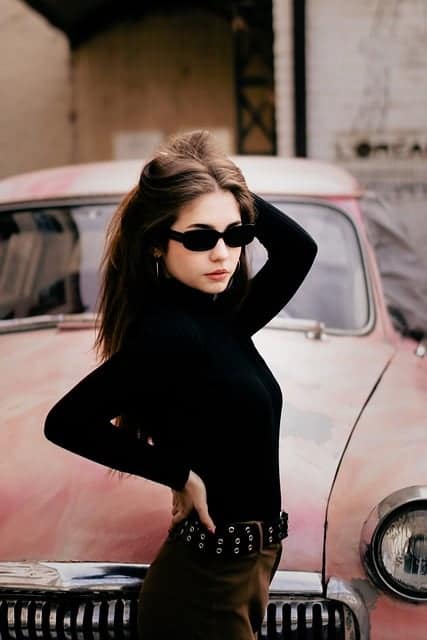
When planning what to wear in a headshot for personal branding or creative professions, the goal shifts from traditional professionalism to authentic expression. Unlike corporate portraits, creative or entrepreneurial headshots are designed to tell your story, capture your energy, and differentiate you from the crowd.
Your clothing becomes part of your brand identity — communicating who you are, what you stand for, and how you want people to feel when they interact with you or your business.
1. Dress to Reflect Your Brand Personality
Think about what you want your audience to feel when they see your photo. Is your brand bold and vibrant, or calm and minimalist? Your clothing should align with those emotional cues.
Examples of Brand-Driven Styling:
| Brand Type | Style Direction | Example Outfit |
| Creative Professional (Designer, Artist, Photographer) | Stylish, unique, with a touch of personality | Patterned shirt, solid blazer, accessories that reflect individuality |
| Entrepreneur or Coach | Approachable yet confident | Neutral tones with one accent color that matches brand palette |
| Influencer or Lifestyle Blogger | On-trend, vibrant, relatable | Casual chic outfit in brand-aligned colors |
| Wellness or Mindset Coach | Soft, calming, organic fabrics | Beige, sage green, or white linen tops with minimal jewelry |
“Personal branding headshots should feel like you on your best day. Not like you’re wearing a costume.”
— Olivia Zhang, Brand Portrait Photographer
2. The Role of Color in Personal Branding Headshots
Color psychology plays a massive role in how your audience perceives your personal brand. Since creative or personal branding headshots are often used on websites, social media, and marketing materials, color consistency matters.
| Color | Message It Conveys | Best Used For |
| Blue | Trust, intelligence | Business coaches, digital marketers |
| Yellow | Optimism, creativity | Influencers, creators, wellness brands |
| Green | Growth, harmony | Wellness, sustainability, health fields |
| Red | Confidence, power | Entrepreneurs, speakers, leaders |
| Purple | Luxury, creativity | Artists, consultants, designers |
| Neutrals (white, beige, gray) | Simplicity, professionalism | Minimalist brands, tech founders |
Try to wear one or two colors that match your brand palette — this makes your image feel cohesive across your website, social media, and digital platforms.
3. Layering and Textures for Personality
Layering helps add depth and visual interest to your photo without overwhelming the frame. Since creative headshots often include half-body or environmental shots, your clothing’s texture and variety can subtly enhance storytelling.
Effective Layering Examples:
- Denim jacket over a soft T-shirt for a casual creative look.
- Textured cardigan or blazer paired with jeans or chinos.
- Rolled-up sleeves for a relaxed, approachable vibe.
Avoid overly glossy fabrics, as they can reflect light and look unnatural. Instead, go for cotton, wool, linen, or textured weaves that feel natural on camera.
4. Patterns, Prints, and Visual Interest
Unlike corporate portraits, creative headshots can safely include subtle patterns or prints, as long as they don’t distract from your face.
Do:
- Choose small, consistent patterns (checks, stripes, florals).
- Mix patterns with solid layers for balance.
- Match patterns with your background for visual harmony.
Don’t:
- Wear loud or busy prints that dominate the image.
- Combine multiple patterns in one look.
- Use large logos or text-heavy shirts — they draw attention away from your expression.
“Patterns can add energy, but they should complement your face — not compete with it.”
— Ethan Brooks, Lifestyle Photographer
5. Accessories and Props for Personal Branding Shoots
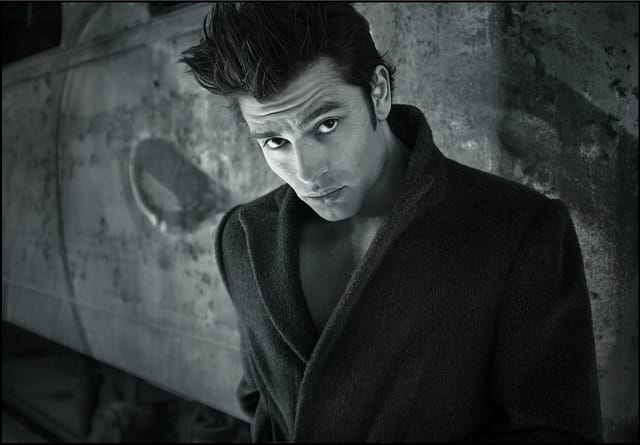
Creative and personal branding headshots allow for a bit more freedom with props and accessories, especially when they help communicate your story.
Examples:
- A laptop or camera for digital or photography professionals.
- Notebooks or books for authors and coaches.
- Art supplies or instruments for creatives.
- Branded mugs, pens, or merch for small business owners.
Keep props minimal and purposeful — they should enhance the story, not clutter the frame.
For accessories:
- Use simple jewelry, scarves, or watches that match your outfit tone.
- Avoid large, reflective, or noisy items that distract from your expression.
6. Pose and Styling Coordination
Because personal branding shoots are often more dynamic than traditional portraits, your outfit should allow for freedom of movement and versatility.
Choose outfits that let you comfortably:
- Sit, stand, and move naturally.
- Adjust poses without wrinkling or pulling.
- Convey energy and authenticity — not stiffness.
Bring 2–3 outfit options that represent different aspects of your brand — for example, one formal, one casual, and one creative. Your photographer can help select the combination that best fits your visual story.
7. Case Study: Creative Branding Done Right
Client: Maya Lopez — Freelance Graphic Designer
Goal: Refresh personal website and portfolio with approachable, creative headshots.
Approach:
- Outfits in brand colors (sage green and beige).
- Minimal accessories, soft curls, and natural makeup.
- Neutral background with one “action” shot (designing on laptop).
Result:
Her new photos increased client inquiries by 38% within three months, as visitors felt a stronger personal connection to her online presence.
“I realized that dressing as my brand made all the difference. It wasn’t about looking perfect — it was about looking real.”
— Maya Lopez
✅ Quick Recap — What to Wear in a Creative or Personal Branding Headshot:
- Align clothing colors with your brand palette.
- Use textures and layers to add visual depth.
- Keep patterns subtle and coordinated.
- Choose props and accessories that tell your professional story.
- Prioritize comfort, authenticity, and consistency with your brand identity.
What to Wear in a Headshot for Actors and Performers
When deciding what to wear in a headshot for actors, the focus shifts from corporate branding to character representation and authentic personality. Unlike business headshots, acting headshots serve as a marketing tool for casting directors, agents, and producers — a visual resume that communicates who you are and the roles you can play.
Your wardrobe choices can make or break that first impression. The right outfit doesn’t just look good — it tells a story.
1. Understand the Purpose of an Acting Headshot
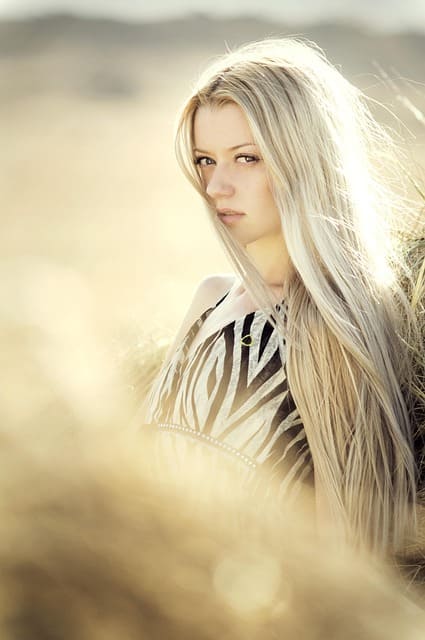
Acting headshots are meant to showcase you, not the clothes you wear. Your outfit should never overshadow your face or expression. Instead, it should:
- Highlight your natural look and type.
- Fit the genre or roles you typically audition for.
- Complement your complexion, hair color, and eye tone.
Think of your outfit as a subtle frame that helps casting directors imagine you in character.
“A headshot should make the viewer say, ‘I can see this person in that role,’ not ‘Wow, nice shirt.’”
— Lydia Marsh, Casting Director, Los Angeles
2. Dressing for Your Acting Type
Casting directors often categorize actors into “types” — your physical appearance, demeanor, and energy influence the roles you’re most likely to get. Your wardrobe should subtly emphasize that type.
| Actor Type | Recommended Look | Style Tips |
| Corporate / Professional | Collared shirt, blazer, or simple blouse | Neutral tones, no patterns |
| Everyday / Relatable | Solid-colored T-shirt, henley, or casual button-down | Soft fabrics, approachable vibe |
| Edgy / Dramatic | Darker tones, leather jacket, layered textures | High contrast, confident attitude |
| Romantic / Friendly | Light tones, soft sweaters, delicate textures | Warm, approachable palette |
| Comedic / Quirky | Colorful shirt, layered casual wear | Keep it playful but natural |
Avoid costumes — aim for suggestive styling, not literal character outfits.
For example:
- Instead of a police uniform, wear a dark navy shirt with structured shoulders.
- Instead of scrubs, wear a soft teal or green top to imply a healthcare role.
3. Best Colors for Actor Headshots
Colors can help casting directors visualize your energy. Neutral tones are timeless, but certain shades can add personality or hint at your acting range.
Best Color Families for Actors:
- Earth tones: olive, brown, rust, beige — natural and grounded.
- Soft neutrals: white, cream, gray — versatile and clean.
- Muted blues and greens: calming, trustworthy.
- Deep reds or purples: bold but elegant for dramatic looks.
Avoid:
- Neon or overly saturated colors.
- Loud patterns, logos, or reflective fabrics.
- Bright whites on light backgrounds (can wash you out).
Pro Tip: Casting directors tend to prefer photos that look like you in real life — not overly styled or color-enhanced.
4. Necklines and Fit Matter
Since headshots are tightly framed, the neckline of your shirt becomes a defining visual element.
Flattering Necklines for Actors:
- V-necks: Add structure and elongate the neck (good for most face shapes).
- Crew necks: Simple and casual; perfect for commercial looks.
- Scoop necks: Softer and more approachable for women’s portraits.
- Henleys: Great for relaxed, character-driven looks.
Make sure your clothing fits well around your shoulders and neckline — anything too loose or baggy will look sloppy, while tight clothing can create tension.
5. Multiple Looks for Versatility
Actors typically need 2–4 different looks to represent their range. Each should highlight a different tone or character possibility.
Example Breakdown:
| Headshot Look | Purpose | Example Outfit |
| Commercial Look | Friendly, everyday appeal | Solid color T-shirt or blouse |
| Dramatic Look | Intense, emotional depth | Dark fitted shirt, minimal styling |
| Professional Look | Corporate or authoritative roles | Blazer or button-down shirt |
| Character Look | Niche or stylized role | Outfit hinting at type (artist, detective, teacher) |
Bringing multiple wardrobe options to your session allows your photographer to guide you on what looks best on camera for each purpose.
6. Grooming and Makeup Tips for Actors
For actors, your grooming should be natural and true to your everyday appearance. Overly styled hair or heavy makeup can mislead casting professionals.
Hair:
- Keep your usual hairstyle — casting directors want to recognize you in person.
- Avoid drastic cuts or color changes right before your shoot.
- Use a light styling product to avoid frizz without stiffness.
Makeup:
- Use natural tones that even skin tone and reduce shine.
- Avoid shimmer or heavy contouring.
- A light powder can help reduce glare from studio lighting.
Facial Hair (for men):
- Trim neatly if you normally have a beard or mustache.
- If you’re often clean-shaven for roles, show up freshly shaved.
7. Case Study: The Power of Wardrobe in Casting
Client: Jordan Ellis — Aspiring Film Actor
Goal: Create a headshot portfolio for agency submission.
Approach:
- Chose 3 looks: friendly commercial, serious dramatic, and creative indie.
- Outfits: light blue tee (commercial), dark gray henley (dramatic), and denim jacket (creative).
- Neutral background to emphasize expressions.
Result:
Jordan booked two commercial auditions within a month. The casting feedback? “His headshots made him instantly relatable — we could see multiple character possibilities right away.”
8. Quick Tips for Actor Headshot Success
✅ Do:
- Bring 3–5 outfit options.
- Stick to solid, well-fitted pieces.
- Match your look to your acting niche.
- Keep hair and makeup natural.
🚫 Don’t:
- Wear costumes or graphic tees.
- Experiment with new hairstyles right before your shoot.
- Choose trendy clothes that might date your photos.
“A great headshot is about clarity and connection. The wardrobe should frame your essence, not define it.”
— Anna Patel, Acting Coach
✅ Quick Recap — What to Wear in a Headshot for Actors and Performers:
- Choose outfits that match your casting type and personality.
- Use color and fit to convey energy without distraction.
- Bring multiple looks to highlight your versatility.
- Keep grooming and makeup natural and authentic.
- Aim for subtle storytelling — not full costumes.
What to Wear in a Headshot for Different Skin Tones and Body Types
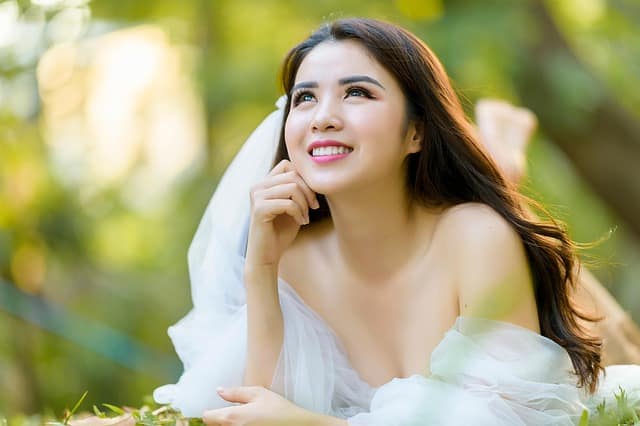
Choosing what to wear in a headshot isn’t just about style or trend — it’s about harmony. The best outfits enhance your natural coloring, skin tone, and body shape, allowing your features to shine authentically on camera. Understanding how colors and clothing proportions interact with your complexion and build can make the difference between a good photo and an unforgettable one.
Let’s explore how to select the perfect wardrobe based on skin tone and body type, with practical, easy-to-follow advice.
1. What to Wear in a Headshot for Different Skin Tones
Color harmony plays a major role in how flattering your headshot turns out. The right shades can bring warmth to your skin, brighten your eyes, and make your photo feel alive. The wrong ones can make you look tired, pale, or washed out.
Here’s a breakdown by skin undertone — the subtle hue beneath your skin’s surface that affects how colors appear on you.
| Skin Tone | Undertone Type | Best Colors for Headshots | Colors to Avoid |
| Fair / Light | Cool (pink, red, bluish) | Jewel tones like sapphire, emerald, plum; cool grays, navy | Pale yellows, oranges, pastels that wash out |
| Medium / Olive | Neutral or warm (green, golden) | Earth tones, teal, burgundy, rust, deep blues | Lime green, mustard, overly bright reds |
| Tan / Caramel | Warm (golden, bronze) | Coral, cream, forest green, maroon | Pure white, neon colors, icy blues |
| Dark / Deep | Cool or warm (red or blue undertones) | Bold colors like royal blue, gold, emerald, white | Browns too close to skin tone, dull grays |
Quick Tip:
Hold a piece of silver and gold fabric near your face in natural light. If silver makes your skin glow, you have cool undertones. If gold is more flattering, you’re warm-toned.
2. Patterns and Textures Based on Skin Tone
While solid colors are best for most headshots, subtle textures can add visual depth — especially on camera.
- For fair skin, opt for smooth fabrics like cotton or silk that contrast gently with the skin.
- For medium or olive tones, light textures like linen or soft knit look natural and approachable.
- For darker skin tones, consider rich fabrics like velvet or matte jersey that enhance depth and richness without glare.
Avoid shiny or reflective materials that bounce too much light off your face, especially in professional lighting setups.
3. What to Wear in a Headshot for Different Body Types
Even though headshots focus primarily on the upper body, fit and proportion still matter immensely. The wrong neckline or sleeve length can distort your frame, while the right one can create balance and confidence.
| Body Type | Best Necklines / Fits | Avoid |
| Petite or Short Neck | V-neck or scoop neck (elongates the neck) | Turtlenecks, high collars |
| Tall / Slender | Crew neck, boat neck (adds width, balances height) | Deep plunges or oversized necklines |
| Broad Shoulders | Slight V-neck or open collar (softens width) | Boat necks or shoulder-padded tops |
| Full Bust / Curvy | Structured V-neck or wrap-style top | High necks that overemphasize the chest |
| Athletic / Square Frame | Soft fabrics, curved lines | Boxy cuts, stiff materials |
When it comes to fit, aim for:
- Tailored over tight – Snug but comfortable clothes prevent fabric bunching or pulling.
- Mid-weight fabrics – Avoid ultra-thin materials that cling or heavy fabrics that add bulk.
- Clean lines – The simpler the silhouette, the stronger your presence in the frame.
4. Color Contrast and Background Considerations
A key element in headshot photography is contrast. Your wardrobe should stand out against the backdrop without overwhelming it.
| Background Color | Recommended Outfit Colors |
| White / Light Gray | Jewel tones, darker neutrals (navy, charcoal, emerald) |
| Black / Dark Gray | Soft or medium tones (light blue, cream, tan) |
| Outdoor / Natural | Muted earth tones, olive, denim, warm browns |
| Studio Neutral (Beige, Taupe) | Contrasting colors like forest green, burgundy, or navy |
If you’re unsure of the backdrop your photographer will use, bring a few options — one light, one medium, and one dark outfit. This gives you flexibility on the day of the shoot.
5. Accessorizing by Skin Tone
Accessories can elevate your outfit subtly — but the color and metal tone matter.
- Cool undertones: Silver, white gold, platinum.
- Warm undertones: Gold, copper, or rose gold.
- Neutral undertones: Mix metals; both can work well.
Avoid anything that reflects too much light (large stones, shiny metallics) as they can create glare spots on camera. Keep accessories small, minimal, and complementary to your outfit, not distracting.
6. Case Study: Finding the Perfect Color Balance
Client: Elena M. — Corporate Consultant
Challenge: Her previous headshots made her appear tired due to mismatched colors.
Solution: Switched from beige blouses (too close to her warm olive skin) to deep teal and navy tones.
Result: Her new photos appeared brighter and more professional. Casting and clients commented that she looked “more confident and refreshed.”
This small wardrobe change dramatically improved her visual brand consistency and camera presence.
7. Quick Tips Summary — Dressing by Skin Tone & Body Type
✅ Do:
- Choose colors that complement your undertones.
- Pick necklines that enhance your natural proportions.
- Use contrast between clothing and background.
- Test your outfit under natural and artificial light.
🚫 Don’t:
- Wear clothes that blend too closely with your skin tone.
- Choose overly tight or baggy tops.
- Mix too many textures or patterns.
“The best outfit is one that disappears, allowing your personality and confidence to fill the frame.”
— Ava Grant, Professional Portrait Photographer
What Colors to Avoid in Headshots (and Why)
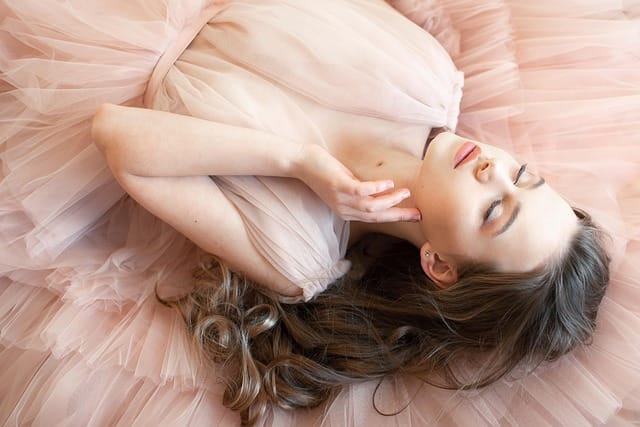
When deciding what to wear in a headshot, the wrong color choice can be just as impactful as the right one — and not in a good way. Certain hues can distort your complexion, clash with studio lighting, or distract from your expression. The goal of a great headshot is to make your face the focal point, not your outfit.
Below, we’ll explore the colors that don’t photograph well, why they cause issues, and how to make smarter, camera-friendly color choices.
1. Pure White — Too Bright for the Camera
Why to Avoid:
White may seem timeless, but in photography, it often overpowers your face. Studio lighting tends to reflect heavily off bright whites, which can cause:
- Washed-out skin tones
- Loss of texture in clothing
- Unwanted glare or halo effects around your shoulders
Alternative:
Opt for off-whites like cream, ivory, light gray, or soft beige. These tones still feel crisp but reflect light more evenly, keeping the focus on your face.
2. Neon and Highly Saturated Colors
Why to Avoid:
Neon greens, pinks, yellows, and oranges draw too much attention and can distort skin tones. Digital cameras struggle with neon hues, often causing:
- Overexposure and pixel noise
- Reflected color on skin (e.g., neon green reflecting onto your neck or jawline)
- A dated, unprofessional appearance
Alternative:
Try muted versions of bright shades — instead of neon pink, choose rose or mauve; replace lime with olive; swap bright yellow for mustard or gold.
Fact: According to a 2023 headshot photography study by Pixpa, over 75% of photographers said neon colors were the most common wardrobe mistake clients make.
3. Bright Red — Overpowering and Distracting
Why to Avoid:
While red is powerful and bold, it’s also dominant on camera. It draws the viewer’s attention away from your eyes and mouth — the areas where connection happens. Red also tends to bleed in digital photography, especially under studio lighting.
Alternative:
Choose burgundy, maroon, or rust tones — they retain warmth and authority without overwhelming the image.
“Red looks fantastic in fashion, but for headshots, it competes with your expression instead of complementing it.”
— Ethan Cole, Portrait Photographer, NYC
4. Black — Too Harsh for Certain Lighting Conditions
Why to Avoid:
While black can feel elegant, it can flatten your features under studio lighting. In photos with dark backgrounds, black clothing can make you appear to “fade” into the backdrop. For lighter complexions, it may create an overly stark contrast.
Alternative:
Use charcoal, navy, or dark gray — these tones offer depth and professionalism without absorbing too much light.
5. Patterns, Stripes, and Logos
Why to Avoid:
Busy patterns can make your headshot appear cluttered or chaotic. Fine stripes and checks may also cause a moiré effect — a visual distortion where the pattern flickers or ripples in digital images.
Logos and text on shirts are another no-go, as they:
- Distract from your expression
- Date the image (especially if the logo changes)
- Shift focus from you to the brand you’re wearing
Alternative:
Stick to solid colors or subtle, textured fabrics. If you want variety, layer with a solid-color jacket, scarf, or accessory.
6. Colors Too Close to Your Skin Tone
Why to Avoid:
If your clothing is nearly the same color as your skin, it creates visual blending, making your neck and shoulders appear to disappear on camera. This lack of contrast can make your face look disconnected from your body.
Examples:
- Fair skin with beige or pale pink tops
- Olive skin with khaki or light brown clothing
- Deep skin tones with dark chocolate or muted bronze
Alternative:
Aim for at least one to two shades lighter or darker than your natural skin tone to create clean separation and definition.
7. Shiny, Reflective, or Metallic Fabrics
Why to Avoid:
These materials catch and reflect light in unpredictable ways, creating hot spots or uneven brightness. Shiny fabrics can also emphasize wrinkles or texture in clothing.
Alternative:
Choose matte finishes — cotton, linen, or knit fabrics that absorb light evenly and photograph beautifully.
Pro Tip: If you love the look of shimmer, keep it subtle — a soft silk blouse or satin lapel is fine, but avoid full metallic finishes.
8. Overly Trendy Colors
Why to Avoid:
What’s fashionable today can look outdated next year. Since professional headshots are often used for 2–5 years, overly trendy colors or cuts can quickly make your image feel old-fashioned.
Example:
Bright “millennial pink” or ultra-violet might feel current now but may look dated later.
Alternative:
Go for classic, timeless hues: navy, deep green, soft blue, or muted burgundy. These stay relevant and professional across industries and time.
9. Color Psychology and Headshots
Certain colors subtly affect how people perceive you. In a professional context, these psychological cues can influence how employers or clients view your personality and competence.
| Color | Psychological Impression | Best Used For |
| Blue | Trustworthy, calm, reliable | Business, tech, education |
| Gray | Neutral, balanced, sophisticated | Corporate, finance, consulting |
| Green | Growth, creativity, freshness | Healthcare, wellness, sustainability |
| Burgundy / Deep Red | Confidence, passion, leadership | Executives, entrepreneurs |
| White / Cream | Clean, honest, open | Creative, health, lifestyle |
Using this color psychology chart can help you pick tones that not only photograph well but also align with your personal brand.
10. Quick Recap — Colors to Avoid in Headshots
🚫 Avoid:
- Pure white and pure black (too extreme for lighting)
- Neon and overly bright shades
- Busy patterns, logos, or stripes
- Shiny or reflective fabrics
- Colors that match your skin tone
- Trendy colors that will date quickly
✅ Do Instead:
- Choose solid, matte, camera-friendly colors.
- Use mid-tone hues that complement your complexion.
- Prioritize contrast between your outfit and background.
- Keep attention on your face, not your wardrobe.
“When in doubt, simplicity wins. The best wardrobe colors for headshots are those that help your face — and your confidence — take center stage.”
— Sophia Lin, Professional Branding Photographer
Accessories, Jewelry, and Layering Tips for Headshots
When planning what to wear in a headshot, accessories, jewelry, and layering are subtle tools that can elevate your look, add depth, and enhance your personal or professional brand. Done correctly, they complement your outfit and frame your face — done incorrectly, they can distract or overwhelm.
This section breaks down how to use these elements effectively for headshots.
1. The Role of Accessories in Headshots
Accessories are like the punctuation in a sentence — they accentuate your style without stealing attention.
Good accessory use:
- Enhances personality or brand style
- Creates depth and visual interest
- Complements your outfit and skin tone
Common Mistakes:
- Overly flashy pieces that draw the eye away from your face
- Reflective or shiny metals that create glare
- Large or dangling items that interfere with framing
2. Jewelry Tips
Jewelry should be minimal, elegant, and proportional to the frame of the headshot. Since headshots usually show the upper torso and face, small pieces are generally better.
For Women:
- Small stud earrings or delicate hoops
- Simple chains or pendants
- Thin bracelets or rings (if visible, keep them subtle)
For Men:
- Classic watches (avoid oversized or flashy styles)
- Wedding bands or minimal rings
- Simple cufflinks if wearing a dress shirt (optional and subtle)
Avoid:
- Large statement necklaces or earrings
- Reflective, shiny stones
- Anything that could interfere with your hair or clothing lines
Pro Tip: Jewelry should enhance your appearance, not compete with it. It should never become the focal point of the image.
3. Layering for Depth and Texture
Layering clothing can add dimension and professionalism to headshots. Layers break up solid blocks of color, create contrast, and make photos more visually appealing.
Effective Layering Ideas:
- Blazers and Jackets: Adds structure and authority (works for men and women).
- Cardigans and Sweaters: Softens the look for creative or lifestyle branding.
- Scarves: Subtle textures or colors can frame the face beautifully, especially for women.
Tips for Layering:
- Avoid too many layers that create bulk or wrinkles.
- Choose fabrics that maintain shape under movement.
- Ensure colors complement each other and don’t clash with your background.
4. Using Colors and Metals in Accessories
Your accessories should enhance your skin tone and outfit:
| Skin Tone | Best Metal for Jewelry |
| Cool (pink undertones) | Silver, platinum, white gold |
| Warm (yellow/olive undertones) | Gold, copper, rose gold |
| Neutral | Both warm and cool metals work |
Clothing and Layering Colors:
- Stick to solid, complementary tones for jackets, blazers, or scarves.
- Avoid shiny or reflective layers that catch studio lights.
- Muted tones often work best for layered pieces to avoid distracting from your face.
5. Accessories for Personal Branding or Creative Headshots
For creative, entrepreneurial, or lifestyle headshots, accessories can be a branding tool:
- A watch or bracelet that represents your professional style.
- A scarf or lapel pin that adds personality and color.
- Props or small items that hint at your profession (camera, notebook, art tool).
Keep accessories purposeful, subtle, and consistent with your personal brand. The key is to enhance, not overpower.
6. Quick Checklist for Headshot Accessories and Layering
✅ Do:
- Use minimal jewelry that frames the face.
- Add a single layering piece for depth (blazer, scarf, or cardigan).
- Match metals and accessory colors to your skin tone.
- Test your layers in natural and studio lighting.
🚫 Don’t:
- Over-accessorize with multiple flashy items.
- Wear reflective jewelry that creates glare.
- Layer too many bulky items that wrinkle or shift during the shoot.
- Distract from your face with bright, contrasting accessories.
“Accessories are the subtle accents that make a headshot feel intentional. When used right, they add sophistication and personality without stealing focus.”
— Emma Cole, Professional Portrait Stylist
Headshot Outfit Do’s and Don’ts — Quick Reference Guide
When planning what to wear in a headshot, having a clear set of do’s and don’ts can save time, prevent mistakes, and ensure your photo looks polished and professional. This quick reference guide summarizes the key wardrobe principles for any type of headshot, from corporate to creative or acting.
1. Headshot Outfit Do’s
✅ Do Choose Solid, Camera-Friendly Colors
- Navy, charcoal, muted blues, greens, burgundy, or jewel tones
- Complement your skin tone and create contrast with the background
✅ Do Prioritize Fit and Tailoring
- Clothing should be well-fitted but comfortable
- Avoid overly loose or tight garments
- Structured layers like blazers or cardigans add polish
✅ Do Keep It Simple and Timeless
- Stick with classic, neutral styles over trendy pieces
- Minimal patterns or subtle textures are best
- Timeless outfits age well and remain relevant
✅ Do Groom and Accessorize Thoughtfully
- Hair and makeup should look natural and camera-ready
- Minimal jewelry or accessories that enhance rather than distract
- Layer strategically to add depth without bulk
✅ Do Test Your Outfit
- Check colors in natural light and under studio lighting
- Take test photos to see how textures, colors, and layers look on camera
✅ Do Bring Options
- 2–3 outfits for variety and flexibility
- Mix neutral, medium, and slightly bold tones
- Include casual, professional, or creative looks depending on purpose
2. Headshot Outfit Don’ts
🚫 Don’t Wear Pure White or Pure Black
- White reflects too much light, black can flatten features
- Opt for off-whites, cream, navy, or charcoal instead
🚫 Don’t Choose Neon or Loud Colors
- Bright, saturated tones distract from the face
- Avoid neon greens, pinks, yellows, or overly vibrant reds
🚫 Don’t Wear Busy Patterns or Logos
- Fine stripes, checks, or large graphics can create distortion
- Solid or subtly textured fabrics photograph best
🚫 Don’t Over-Accessorize
- Avoid large statement jewelry or flashy items
- Keep accessories proportional and minimal
🚫 Don’t Ignore Fit or Proportion
- Baggy or oversized clothing appears sloppy
- Tight clothing may create pulling or unflattering lines
🚫 Don’t Forget Your Skin Tone and Background
- Avoid colors too close to your skin tone
- Consider the background to ensure contrast and visibility
3. Quick Reference Table — Headshot Outfit Guidelines
| Category | Do | Don’t |
| Colors | Solid, camera-friendly, flattering to skin tone | White, black, neon, overly bright colors |
| Patterns | Minimal textures or subtle patterns | Busy prints, stripes, logos |
| Fit | Well-tailored, comfortable | Too loose or too tight |
| Layers | Blazers, cardigans, scarves for depth | Bulky, wrinkled, reflective layers |
| Accessories | Minimal, proportional, enhances outfit | Large, flashy, reflective, distracting |
| Style | Timeless, professional, or brand-appropriate | Trendy or dated styles |
4. Final Tips for a Polished Headshot
- Comfort Equals Confidence: Wear clothing that allows natural movement. Confidence translates directly to the photo.
- Plan for Your Audience: Corporate, creative, or acting — dress according to how you want to be perceived.
- Keep It Face-Focused: Your outfit should support your expression and personality, not overshadow it.
- Test Before the Shoot: Quick trial photos in similar lighting prevent last-minute surprises.
“A headshot is about presenting your best self in a single frame. Follow the do’s, avoid the don’ts, and your outfit will help you shine.”
— Laura Kim, Professional Headshot Photographer
Final Tips and Preparing Your Outfit for a Headshot
Choosing what to wear in a headshot is only part of the process. Proper preparation ensures your clothing, grooming, and accessories look their best on camera, helping you achieve a polished, professional, and authentic result. This section provides actionable tips to prepare your outfit and maximize your headshot impact.
1. Plan Your Outfit in Advance
Don’t wait until the day of the shoot. Planning your wardrobe ahead of time gives you:
- Time to test colors, fabrics, and layers under natural light.
- Opportunity to iron or steam clothing to remove wrinkles.
- A chance to coordinate accessories and jewelry for balance.
Pro Tip: Lay out your full outfit, including shoes, layers, and accessories, the night before. Seeing everything together helps prevent last-minute wardrobe errors.
2. Try On and Test Your Clothes
Before your shoot, try everything on and take test photos:
- Check how colors appear on camera (especially if your background is light or dark).
- Make sure your clothing fits comfortably and allows movement.
- Assess whether accessories are subtle and proportional.
- Test different poses to see if sleeves, collars, or layers wrinkle or shift.
“Test your wardrobe in the mirror and on camera. What looks good in real life may not translate well in a photo.”
— Daniel Harris, Professional Portrait Photographer
3. Pay Attention to Grooming and Hygiene
Clothing works best when paired with clean, polished grooming:
- Hair should be styled naturally and away from the face.
- Makeup should be matte, enhancing your features without heavy shimmer.
- Facial hair should be trimmed or shaped for men.
- Moisturize skin to avoid dryness or shine.
- Avoid strong perfumes or colognes in studio sessions to prevent irritation.
Even the best outfit will look off if grooming is neglected.
4. Plan for Layering and Backup Options
Bring 2–3 outfit options to your session:
- One neutral or professional look
- One medium-tone option for contrast
- One slightly bold or creative option for personality
Layered pieces, like blazers, cardigans, or scarves, add depth and allow photographers to experiment with visual composition. Backup options ensure you’re ready for lighting, background, or stylistic changes.
5. Consider the Background and Lighting
The final appearance of your outfit depends on the studio setup or location:
- Contrast with the background: light clothing against dark backgrounds and vice versa.
- Avoid reflective or shiny fabrics that bounce studio lights.
- Check how colors look under natural versus artificial light.
Many photographers recommend bringing a small swatch of your intended clothing to test lighting.
6. Stay Comfortable and Confident
Your clothing should help you feel confident and natural in front of the camera:
- Avoid overly tight, heavy, or stiff fabrics.
- Wear familiar pieces that reflect your professional or personal brand.
- Confidence translates to better posture, expression, and presence in photos.
“The camera captures energy as much as appearance. Wear what makes you feel poised, authentic, and professional.”
— Sophia Lin, Headshot Photographer
7. Last-Minute Checklist for Your Headshot Outfit
✅ Before the shoot:
- Iron or steam clothing
- Test outfits in similar lighting
- Bring multiple options and layering pieces
- Coordinate accessories and jewelry
- Groom hair, skin, and facial hair
- Ensure comfort and freedom of movement
🚫 Avoid:
- Last-minute shopping or outfit changes
- Wrinkled or stained clothing
- Overly trendy or flashy colors
- Ignoring the impact of background or lighting
8. Final Takeaway
Preparation is just as important as the wardrobe itself. By planning ahead, testing your clothing, and coordinating layers, colors, and accessories, you can ensure that your headshot communicates confidence, professionalism, and authenticity.
A well-prepared outfit combined with polished grooming will allow your face, expression, and personality to shine — which is exactly what makes a headshot successful.