


What Is Fashion Photo Composition?
In fashion photography, composition is far more than just arranging elements within a frame — it’s the art of visual storytelling.
Fashion photo composition refers to how every part of an image — from the model and clothing to the background and lighting — works together to create a cohesive, emotionally engaging photograph. It’s what transforms a simple shot of clothing into a powerful image that communicates mood, luxury, or identity.
When you look at the pages of Vogue, Harper’s Bazaar, or a Gucci campaign, notice how your eyes move across the image. The model’s pose, the color contrast, the balance between subject and space — all of this is intentional.
That’s the essence of fashion photo composition.
Why Composition Matters More Than You Think
A well-composed fashion image can make or break a campaign.
It influences how viewers perceive a brand, how much attention an image grabs in a feed, and even how long a viewer looks at it. According to a 2024 Adobe survey on visual marketing trends:
“Images with clear composition and focal hierarchy increase engagement by up to 65% on visual platforms like Instagram and Pinterest.”
Composition determines:
- Where the viewer’s eye goes first.
- How the mood or theme feels (romantic, bold, mysterious, luxurious).
- What story the image tells — is it about elegance, rebellion, minimalism, or vibrancy?
Fashion Photography vs. Other Genres
While composition is important in all types of photography, fashion photo composition has its own rules and priorities.
| Genre | Primary Focus | Composition Style |
| Portrait Photography | Expression & personality | Centered or rule-of-thirds |
| Street Photography | Moment & movement | Spontaneous, layered |
| Product Photography | Clarity & detail | Clean, symmetrical |
| Fashion Photography | Story, style, and mood | Dynamic, narrative-driven |
Fashion photographers often push the boundaries of traditional composition rules. They may intentionally break symmetry, exaggerate perspective, or blur parts of the frame — all to highlight the emotion and attitude of the clothing.
Visual Storytelling in Fashion Composition
Every successful fashion photo tells a story.
Maybe it’s about empowerment through design, youthful rebellion, or sustainable luxury. Composition helps communicate that story visually — without needing words.
A photographer might:
- Use low angles to convey dominance or confidence.
- Frame a model off-center to create tension or intrigue.
- Choose muted tones and wide spaces to express minimalism and calm.
Each compositional choice guides emotion and meaning.
Semantic Keywords to Reinforce SEO
To help this article rank highly, here are the semantic keyword variations woven naturally throughout this section:
- fashion composition techniques
- photo framing in fashion
- visual layout in fashion photography
- fashion photo storytelling
These terms not only improve search engine visibility but also help readers discover this content when searching for similar phrases.
Key Takeaway
Fashion photo composition is the visual language of style.
It shapes how we experience clothing through images — defining tone, emotion, and brand identity. Understanding it is the first step toward mastering professional fashion photography.
Why Fashion Photo Composition Matters in Fashion Photography
When it comes to creating a truly captivating fashion image, composition is everything. It doesn’t matter how luxurious the outfit is or how striking the model looks — without thoughtful fashion photo composition, even the most expensive shoot can fall flat. Composition is what transforms visual chaos into a clear story, guiding the viewer’s eyes and emotions with purpose.
1. Composition Directs the Viewer’s Eye
In fashion photography, every detail — the tilt of a model’s head, the fold of a fabric, or the slant of light — contributes to the overall flow of the image. Good composition ensures the viewer’s attention naturally lands where it should: on the clothing, accessories, or brand message.
For example:
- Leading lines in architecture or streets can draw attention toward the model.
- Rule of thirds placement ensures the outfit doesn’t feel static.
- Framing through mirrors or arches subtly focuses attention on key elements like a handbag or jewelry.
When executed well, these techniques guide the viewer’s journey through the photo, ensuring that the brand’s story unfolds visually.
2. Emotional Storytelling Through Composition
The best fashion photos don’t just display clothes — they evoke emotion. Composition is the tool photographers use to build that emotional connection. By manipulating perspective, space, and angles, you can turn a simple outfit into a cinematic moment.
Think of a Dior campaign that feels timeless and elegant or a Balenciaga editorial that feels futuristic and edgy. Both brands use composition intentionally to convey their core values.
A few emotional effects created by composition include:
- Symmetry → calmness, sophistication, and structure
- Diagonal lines → energy, movement, rebellion
- Negative space → minimalism, luxury, isolation
- Close framing → intimacy, vulnerability
Each compositional choice becomes a form of visual emotion that complements the designer’s vision.
3. Composition Defines the Brand’s Visual Identity
Fashion brands thrive on consistent visual storytelling. The way photos are composed across campaigns helps audiences instantly recognize the brand — even without logos.
For instance:
- Chanel often uses soft lighting and elegant symmetry to communicate timeless femininity.
- Alexander McQueen favors dramatic asymmetry and stark contrast, reinforcing bold avant-garde themes.
- Gucci leans toward layered, almost chaotic compositions that celebrate individuality and maximalism.
This consistency builds brand recognition. Over time, a viewer can identify a brand’s style just by glancing at its photo composition — proving that composition isn’t just an artistic choice, but a strategic branding tool.
4. The Impact of Composition on Engagement and Sales
Strong composition doesn’t just look good — it drives performance. In today’s digital landscape, where consumers scroll through hundreds of images daily, the photos that stop them are those with clear focus, depth, and visual harmony.
A 2023 HubSpot visual content study found that:
Fashion posts with structured composition (balanced space, clear focal point, cohesive color palette) received 47% more engagement on average than randomly composed images.
Moreover, e-commerce brands benefit directly from better composition. Online shoppers are more likely to click on and purchase from photos that have:
- Clean, balanced layouts
- Consistent lighting
- Clear emphasis on product details
Thus, understanding fashion photo composition isn’t just about aesthetics — it’s about business performance and brand credibility.
5. Composition as a Storytelling Bridge Between Designer and Audience
At its heart, fashion photography is a collaboration between designer, model, and photographer. Composition acts as the bridge between a designer’s vision and the audience’s perception.
A designer might envision a dress as bold and empowering. Through composition — perhaps a low angle emphasizing height and strength, or dramatic lighting that accentuates structure — the photographer visually translates that concept. The result is not just a beautiful photo, but a visual narrative that communicates the essence of the collection.
Key Takeaway
Fashion photo composition is not just about arranging elements — it’s about controlling perception.
It determines how the viewer experiences a fashion image, influences emotional connection, and reinforces brand identity. Mastering composition means mastering the ability to communicate through visuals.
The Core Principles of Fashion Photo Composition
Understanding the core principles of fashion photo composition is the foundation for creating visually powerful and emotionally resonant images.
While creativity plays a big role, these principles provide a framework — a visual grammar that helps photographers communicate clearly and beautifully.
Below, we explore the essential composition rules and techniques that shape the world’s most iconic fashion photographs.
Rule of Thirds in Fashion Photography
The rule of thirds is one of the most fundamental concepts in composition — and it’s particularly effective in fashion photography.
Imagine dividing your frame into a 3×3 grid. The intersections of these lines are where the viewer’s eye naturally goes first. Placing your subject or fashion elements (like a handbag or shoe) along these points creates balance and natural visual interest.
How to use it in fashion photo composition:
- Position the model slightly off-center for a more dynamic feel.
- Align accessories, props, or textures along the vertical or horizontal lines.
- Keep open space on one side to create tension or elegance.
For example, in a Vogue editorial shoot, the model might occupy one-third of the frame while soft light fills the remaining two-thirds. This technique emphasizes not only the outfit but also the environment and emotion.
Pro Tip: Break the rule intentionally when you want a bold, unconventional effect — like placing the model dead center for symmetry or dominance.
Leading Lines and Movement
Leading lines are visual paths that guide the viewer’s eye through the frame toward the main subject. In fashion photography, these lines can come from architecture, streets, staircases, fabric folds, or even the model’s pose.
Examples of leading lines in fashion photo composition:
- A runway or street directing attention toward the model.
- Diagonal shadows that draw the eye to the outfit’s key details.
- The angle of a model’s arm or leg creating flow and direction.
This technique adds depth, dynamism, and visual rhythm, turning static images into ones that feel alive and cinematic.
“Every line in a fashion image should have a purpose — to lead, not distract.”
— Peter Lindbergh, Fashion Photographer
Balance and Symmetry
Balance in fashion photo composition refers to the visual harmony between elements — how colors, shapes, and subjects are distributed across the frame.
Symmetry is one form of balance, often used to convey structure, elegance, and timelessness.
Balanced composition techniques:
- Position the model and props so that neither side of the frame feels heavier.
- Use color balance — e.g., a bright red dress offset by neutral tones.
- In group fashion shots, distribute visual weight evenly among models.
When to use symmetry:
- Editorials that emphasize luxury, poise, or minimalism.
- Studio shoots where clean backgrounds highlight the model’s stance.
A Chanel perfume ad often uses perfect symmetry — the product centered, lighting evenly distributed, and space balanced — to evoke a sense of perfection and sophistication.
Framing and Cropping
Framing draws attention by using objects or elements to encase the subject. In fashion photo composition, this can be architectural shapes, mirrors, doorways, or even fabrics.
Examples:
- A model photographed through a car window or curtain.
- Jewelry framed by hands or hair.
- Urban backgrounds that create natural borders around the model.
Cropping, meanwhile, allows the photographer to control focus. By eliminating distractions, you emphasize key elements like texture, fabric detail, or silhouette.
Quick Tip: Avoid awkward crops that cut off joints or distort proportions — especially in full-body fashion shots.
Depth and Layering
Depth gives flat images a three-dimensional feel. In fashion photo composition, layering elements in the foreground, midground, and background adds realism and richness.
How to create depth:
- Use shallow depth of field to blur the background slightly.
- Position props or environmental textures (plants, walls, smoke) around the model.
- Play with overlapping subjects — for instance, having the model interact with objects.
Depth makes the viewer feel part of the scene, enhancing immersion and storytelling.
A Burberry campaign, for instance, might place the model in front of misty London streets — the blurred background adds mood while the sharp focus on the trench coat draws attention to craftsmanship.
Negative Space in Fashion Photography
Negative space refers to the empty areas around the subject. In fashion photography, this technique emphasizes the model and outfit by reducing visual clutter.
Benefits of using negative space:
- Conveys luxury and sophistication.
- Draws attention directly to fashion details.
- Creates emotional calm or isolation.
Minimalist brands like COS and The Row use negative space masterfully — wide, empty backgrounds make their designs feel more premium and intentional.
Visual Example (conceptual):
| Composition Style | Effect |
| Busy, cluttered background | Distracts from clothing |
| Clean, open space | Highlights outfit and pose |
| Controlled contrast | Creates focus and emotion |
Remember: Simplicity is power in fashion photo composition. The more air your image has to breathe, the more your subject stands out.
Key Takeaway
The core principles of fashion photo composition provide structure for creativity.
When photographers master rules like the rule of thirds, leading lines, and balance — then learn when to break them — they gain control over the viewer’s experience. These principles don’t limit creativity; they give it direction.
Elements That Influence Fashion Photo Composition
Mastering fashion photo composition means understanding not just where to place things in the frame, but how different elements interact to shape the viewer’s perception.
Composition is never isolated — it’s affected by lighting, color, pose, background, and styling, all working together to create harmony or tension.
Below are the core elements that influence composition and how to use each one effectively to produce stunning, editorial-quality fashion images.
Lighting and Shadows
Lighting is arguably the most powerful tool in fashion photography. It defines texture, reveals detail, and sets the overall mood of the composition.
The way light interacts with the model and clothing directly impacts balance, contrast, and emotional tone.
Types of lighting and their effects on fashion composition:
| Lighting Type | Effect on Composition | Best For |
| Soft Light | Smooths textures, reduces harsh contrast | Beauty, luxury, editorial fashion |
| Hard Light | Creates dramatic shadows and strong contrast | Avant-garde, bold, high-fashion |
| Backlighting | Outlines silhouettes and adds glow | Romantic or ethereal styles |
| Directional Light | Shapes depth and dimension | Studio and portrait fashion shots |
Pro Tip:
Use shadows deliberately — not as flaws, but as compositional tools. Shadows can add rhythm, balance, and mystery to your frame. In monochrome fashion photography, shadow play can replace color as a storytelling device.
“Light creates shape, and shape defines fashion.”
— Mario Testino, Fashion Photographer
Color Theory in Fashion Photography
Color is a language of its own in fashion photo composition. It can express brand identity, evoke emotion, or establish contrast between subject and background.
Understanding color theory helps photographers make deliberate choices that enhance composition rather than distract from it.
Common color strategies in fashion photography:
- Monochromatic schemes — Using one dominant color for elegance and cohesion.
- Example: A beige outfit against a sandy desert background for tonal harmony.
- Example: A beige outfit against a sandy desert background for tonal harmony.
- Complementary colors — Opposite hues on the color wheel (like blue and orange) create striking visual contrast.
- Example: A cobalt blue dress against a golden background.
- Example: A cobalt blue dress against a golden background.
- Analogous colors — Adjacent hues for smooth transitions and calm aesthetics.
- Example: Forest green paired with teal and olive tones.
- Example: Forest green paired with teal and olive tones.
- Neutral palettes — Whites, greys, and blacks for minimalism and luxury.
- Common in brands like The Row, Celine, and COS.
- Common in brands like The Row, Celine, and COS.
Color also helps set emotional tone — warm colors feel passionate or energetic, while cool colors convey calm and sophistication.
Posing and Body Angles
A model’s pose is central to fashion composition. The human body becomes both subject and shape, influencing line direction, symmetry, and rhythm within the frame.
Effective posing techniques for strong composition:
- Diagonal poses create energy and flow — perfect for editorial storytelling.
- Elongated lines (e.g., arms or legs extended) enhance height and grace.
- Contrapposto stance — when weight is shifted to one leg — adds natural movement.
- Gestural poses (subtle hand or head tilts) help balance visual tension.
Angles matter too.
- Low-angle shots empower the model and highlight bold fashion.
- High angles soften and diminish dominance, ideal for gentle, intimate moods.
Tip: Always align poses with the designer’s intent.
If the collection is about freedom, choose open and fluid body language. If it’s structured couture, go for symmetrical, architectural posing.
Background Selection
The background acts as the stage for your fashion composition. It can either complement or compete with your subject — the difference between editorial harmony and visual chaos.
Choosing the right background:
- Minimalist backgrounds (e.g., plain walls, neutral textures) emphasize fashion details.
- Textured backgrounds (urban streets, rustic architecture) add context and storytelling.
- Natural environments (beaches, forests, deserts) evoke freedom and organic beauty.
- Studio backgrounds offer total control — lighting, color, and symmetry can be fine-tuned.
When selecting backgrounds, always ask:
Does this scene enhance the clothing or distract from it?
Fashion photographers often use depth of field to subtly blur backgrounds — keeping focus on the subject while maintaining context.
Styling and Accessories
Composition doesn’t end with the camera — styling is a major part of visual balance. The textures, patterns, and accessories a model wears directly affect how the image reads.
Tips for styling in fashion composition:
- Avoid over-accessorizing; too many visual points create clutter.
- Use contrasting materials (like silk vs. leather) to add texture variety.
- Coordinate color palettes between wardrobe and environment.
- Incorporate props only when they support the narrative.
A delicate necklace can draw attention to the neckline, while a structured handbag can anchor the lower frame. Each accessory should serve a compositional purpose, not just a decorative one.
Visual Harmony Between Elements
When all these elements — lighting, color, pose, background, and styling — are aligned, the result is visual harmony.
This is the sweet spot of fashion photo composition: where nothing feels forced, and every element seems naturally placed.
Checklist for compositional harmony:
- Does lighting complement the clothing’s texture?
- Are colors cohesive and emotionally aligned with the theme?
- Does the pose lead the viewer’s eye naturally through the frame?
- Is there a clear focal point?
- Do all elements support the fashion story?
Key Takeaway
Every visual decision — from lighting direction to accessory placement — shapes the final composition.
Fashion photography isn’t just about capturing beauty; it’s about designing it. Understanding how these elements interact is what separates a snapshot from a story.
Common Mistakes in Fashion Photo Composition (and How to Avoid Them)
Even the most skilled photographers sometimes overlook small details that can dramatically impact a photo’s quality.
In fashion photo composition, precision matters — every misplaced hand, uneven light source, or cluttered background can distract from the essence of the fashion story.
Below are the most common composition mistakes in fashion photography and how to avoid them to ensure your images stay clean, powerful, and professional.
1. Overcrowding the Frame
A common mistake among beginners is trying to include too much in one shot — multiple props, busy backgrounds, and complex poses.
This creates visual chaos, pulling attention away from the clothing or subject.
Why it happens:
Photographers often want to showcase creativity or context but end up diluting focus.
How to fix it:
- Keep your focal point clear: decide what you want viewers to notice first.
- Use negative space strategically to isolate your subject.
- Simplify — fewer props often mean stronger storytelling.
Pro Tip: Before pressing the shutter, glance through your viewfinder and ask,
“What’s the first thing my eye goes to?”
If the answer isn’t the model or outfit, something needs to go.
2. Ignoring the Background
Even with perfect lighting and posing, a distracting background can ruin composition. A poorly chosen background can make an image feel unbalanced or unprofessional.
Common background issues:
- Cluttered objects, people, or signage in the frame
- Distracting colors that clash with the clothing
- Horizon lines cutting through the model’s head or body
How to fix it:
- Use shallow depth of field to blur distractions.
- Choose neutral tones or clean architecture to enhance the outfit.
- Adjust the model’s position or angle rather than editing later.
Fashion icons like Annie Leibovitz often use minimalist or textured backgrounds to elevate the clothing — proving that simplicity enhances sophistication.
3. Poor Use of Perspective and Angles
Angles can dramatically affect how an outfit or model appears. Shooting from the wrong perspective may distort proportions or weaken the photo’s impact.
Common mistakes:
- Shooting from eye level for every frame — leads to flat, uninspired composition.
- Using extreme wide-angle lenses without purpose — causes body distortion.
How to fix it:
- Experiment with low angles to emphasize height and power.
- Use high angles for softness and vulnerability.
- Find the angle that flatters the design — for example, side shots for gowns with flow, or frontal shots for tailored suits.
“Fashion is about attitude, and the camera angle defines that attitude.”
— Nick Knight, British Fashion Photographer
4. Unbalanced Lighting
Lighting controls mood, texture, and visual balance. If one side of the frame is too bright or too dark, it breaks the harmony of fashion photo composition.
Common lighting issues:
- Harsh shadows obscuring clothing details.
- Flat lighting that removes depth and interest.
- Overexposed highlights washing out colors or fabric texture.
How to fix it:
- Always check the histogram on your camera to ensure balanced exposure.
- Use reflectors or diffusers to soften shadows.
- Balance ambient light with artificial light for a cohesive look.
Quick Guide to Lighting Balance:
| Lighting Setup | Common Error | Fix |
| Natural Light | Too much contrast at midday | Shoot during golden hour |
| Studio Lighting | Harsh one-sided light | Add fill light or reflector |
| Backlighting | Loss of facial detail | Adjust exposure or use front fill |
5. Cropping at the Wrong Points
Cropping mistakes can make even professional fashion photos look awkward.
Cutting off the model’s feet, hands, or head unnaturally interrupts the image’s flow.
How to fix it:
- Avoid cropping at joints (elbows, knees, wrists).
- Follow natural breaks — mid-thigh, waist, or shoulder lines.
- Plan your crop in-camera rather than fixing it during editing.
Pro Tip:
Always compose with print, social media, and web formats in mind. For example, vertical crops perform better on Instagram, while horizontal layouts suit websites and editorials.
6. Forgetting the Brand’s Narrative
Every fashion image should communicate the brand’s identity and tone.
If composition choices don’t align with the designer’s message, the result feels disjointed and off-brand.
Example:
- A minimalist fashion line should not have cluttered, high-contrast backgrounds.
- A rebellious streetwear brand may lose impact if shot in a sterile, symmetrical setup.
Solution:
Before shooting, ask:
“What story does this brand tell, and how can composition reinforce that?”
When composition and brand vision work in sync, the image becomes timeless.
7. Over-Editing or Post-Processing Mistakes
Post-production should enhance composition, not replace it.
Many photographers make the mistake of over-cropping, over-saturating, or blurring backgrounds unnaturally — resulting in loss of authenticity.
How to fix it:
- Use editing tools like Lightroom and Photoshop to fine-tune, not recreate.
- Maintain natural shadows and realistic skin tones.
- Keep colors aligned with the brand’s palette and visual tone.
Key Takeaway
Good fashion photo composition is often about knowing what to remove, not what to add.
Avoiding clutter, misalignment, and over-editing ensures your photos stay elegant, intentional, and brand-focused.
The best compositions look effortless — but they’re built on discipline and attention to every detail.
Advanced Fashion Photo Composition Techniques
Once you’ve mastered the fundamentals of fashion photo composition, the next step is to explore the artistic depth behind the craft.
Advanced composition techniques allow photographers to move from simply “taking pictures” to creating visual experiences.
These methods blend intuition, geometry, and storytelling — tools that make an image not only beautiful but also unforgettable.
Using Motion and Blur for Dynamic Storytelling
Movement adds energy and life to fashion photography.
Rather than freezing every detail, skilled photographers use motion blur to convey flow, emotion, and spontaneity.
Applications of motion in fashion photo composition:
- Flowing fabric shots: A slow shutter speed captures fabric movement, symbolizing elegance or freedom.
- Walking poses: The blur of a moving leg or dress hem introduces rhythm and vitality.
- Wind-blown hair: Adds softness and natural grace.
Technical tip:
Use a shutter speed between 1/15 and 1/60 seconds to create controlled blur while maintaining subject clarity.
“Fashion should feel alive. If the photo looks static, the story stops.”
— Steven Meisel, Vogue Photographer
Motion can also symbolize emotion — excitement, chaos, passion — making the composition more narrative and cinematic.
Perspective and Angles for Visual Impact
Perspective shapes how viewers experience the subject. In fashion photo composition, the choice of angle can dramatically change how an outfit or model is perceived.
Popular perspective techniques:
- Low-angle shots: Emphasize strength and power, often used in editorial or couture shoots.
- High-angle shots: Soften the image, suggesting vulnerability or delicacy.
- Tilted angles (Dutch tilt): Add energy and rebellion, popular in street fashion and youth campaigns.
Example:
A Balenciaga campaign might use a low, tilted angle against urban architecture — making the model appear dominant and futuristic. In contrast, a Dior haute couture editorial may prefer soft, symmetrical high-angle shots that highlight detail and refinement.
Quick Reference Chart:
| Angle Type | Effect | Best Used For |
| Low Angle | Power, confidence, dominance | High fashion, bold editorials |
| High Angle | Softness, vulnerability | Beauty or minimalist shoots |
| Dutch Tilt | Rebellion, drama, energy | Streetwear, youth brands |
Golden Ratio and Advanced Grids
While the rule of thirds is popular, professional photographers often rely on the golden ratio (also called the Fibonacci spiral) for more organic balance.
The golden ratio creates compositions that feel naturally pleasing to the human eye, often used in fine art and luxury fashion imagery.
How to use it in fashion composition:
- Align the model’s face or focal point along the spiral curve.
- Place secondary details (like accessories) near the outer sections of the spiral.
- Let the viewer’s eye travel through the image fluidly rather than linearly.
Brands like Hermès and Louis Vuitton often employ golden ratio layouts in campaigns to evoke timelessness and elegance.
Tip: Many modern cameras and editing software (like Lightroom and Capture One) include grid overlays for the golden ratio to assist during framing and cropping.
Minimalist and Conceptual Fashion Composition
In high-end fashion photography, minimalism is a statement of sophistication.
Instead of filling the frame with information, photographers strategically remove distractions to let form, fabric, and emotion speak louder.
Principles of minimalist composition:
- Use neutral backgrounds and clean lines.
- Allow generous negative space around the subject.
- Focus on one emotional theme or garment detail.
- Simplify color palettes — often monochrome or muted tones.
Conceptual photography takes minimalism further — using geometry, abstraction, or surreal settings to transform fashion into visual art.
Example:
Photographer Tim Walker often blends conceptual elements — oversized props, dreamlike perspectives — to tell stories that feel both theatrical and poetic.
These images don’t just display clothing; they invite interpretation, turning fashion into emotion.
Using Reflection and Mirrors
Mirrors and reflective surfaces create fascinating opportunities for depth, repetition, and symbolism in fashion photo composition.
Ways to use reflections effectively:
- Capture both front and back of an outfit in one frame.
- Symbolize duality, vanity, or identity — themes often explored in fashion editorials.
- Add layers of space and perspective without cluttering the frame.
Tip:
Reflections require precise lighting to avoid glare. Always test angles using smaller mirrors before final setup.
Creative Use of Shadows and Silhouettes
Shadows and silhouettes can transform ordinary photos into works of art.
They emphasize form, shape, and movement while leaving details to the viewer’s imagination.
Shadow composition ideas:
- Use shadows to extend lines and guide the eye.
- Highlight garment outlines using side lighting.
- Combine hard and soft shadows for dimensional contrast.
Silhouettes, on the other hand, work beautifully for editorial and campaign storytelling, especially when showcasing distinct shapes or avant-garde designs.
Layered Storytelling (Foreground and Background Integration)
In advanced composition, layering creates depth and narrative complexity. Instead of keeping the model isolated, integrate environmental context — reflections, textures, or blurred foregrounds — to make the photo feel cinematic.
Example:
- Shooting through glass or fabric creates mystery.
- Including environmental elements like smoke, mist, or flowers adds storytelling layers.
This technique allows you to tell more than one story in a single frame, inviting the viewer to look longer — which increases engagement, especially in digital campaigns.
Key Takeaway
Advanced fashion photo composition transforms photography into storytelling.
Techniques like motion, perspective, and minimalism empower photographers to create emotional, artful images that transcend simple product display. The goal isn’t perfection — it’s connection. Every visual choice should evoke feeling and memory.
Tools and Techniques to Improve Your Fashion Photo Composition
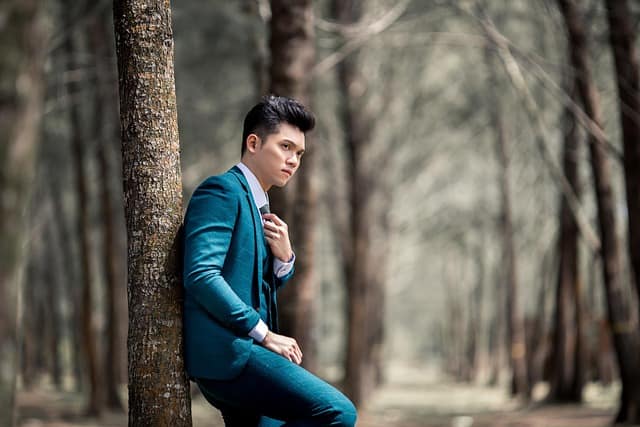
Creating stunning fashion photo compositions doesn’t happen by chance — it’s a blend of artistry, preparation, and the right tools. While creativity fuels vision, technical precision ensures that every image looks polished and purposeful.
In this section, we’ll explore the best equipment, software, and composition techniques professionals use to consistently deliver impactful fashion imagery.
1. Essential Camera Gear for Fashion Photography
Having the right gear doesn’t automatically make you a great photographer — but it does give you the flexibility and control to craft your vision effectively.
Recommended Camera Types
- Full-frame DSLRs or Mirrorless Cameras – Offer exceptional detail, color depth, and low-light performance.
Examples: Canon EOS R5, Nikon Z7 II, Sony A7R V. - Medium Format Cameras – Ideal for editorial and luxury campaigns where image quality is paramount.
Examples: Hasselblad X2D 100C, Fujifilm GFX 100S.
Lenses for Composition Control
- 50mm prime lens: Perfect for portraits; delivers natural perspective.
- 85mm lens: Ideal for tight fashion portraits with beautiful bokeh.
- 24–70mm zoom: Great all-rounder for full-body and environmental shots.
- 35mm lens: Adds cinematic depth and is perfect for storytelling compositions.
| Lens Type | Ideal For | Composition Benefit |
| 50mm | Portraits | Balanced, natural look |
| 85mm | Editorial close-ups | Smooth background separation |
| 35mm | Street & lifestyle fashion | Environmental context |
| 24–70mm | Runway/editorial | Flexible framing and perspective |
Pro Tip:
Choose lenses based on how you want the audience to feel, not just technical specs. Wide lenses create intimacy and context; telephoto lenses create elegance and isolation.
2. Lighting Tools for Compositional Balance
Lighting shapes composition — it directs the viewer’s focus, defines texture, and sets emotional tone.
Key Lighting Tools:
- Softboxes & Diffusers: Soften light, reduce harsh shadows, and add elegance.
- Reflectors: Bounce light onto shadowed areas for balance.
- Ring Lights: Ideal for beauty and editorial shots, offering uniform brightness.
- Continuous LED Panels: Provide real-time light control, useful for motion-based compositions.
- Natural Light Modifiers: Sheer fabrics, window blinds, or reflectors to manipulate sunlight.
Lighting Rule of Thumb:
The direction of your light should guide the composition — always illuminate what you want viewers to notice first.
3. Composition Tools and Aids
Modern technology offers powerful tools that help photographers visualize and refine fashion photo composition before and after shooting.
In-Camera Tools:
- Grid overlays (Rule of Thirds, Golden Ratio): Enable balanced framing in real-time.
- Electronic level indicators: Help maintain symmetry in architectural or editorial shots.
- Focus peaking: Ensures critical sharpness on your main subject.
Editing and Planning Tools:
- Adobe Lightroom: For fine-tuning color balance and exposure alignment.
- Capture One: Favored by professionals for its color accuracy in fashion editing.
- Canva or Milanote: For creating mood boards and pre-shoot visualization.
Bonus Tool:
Use AI-powered composition analyzers (like Skylum Luminar Neo’s Composition AI) to automatically detect balance issues and suggest crop adjustments.
4. Posing Techniques That Complement Composition
In fashion photography, composition and posing work hand-in-hand.
Even the perfect lighting and framing can fail if the pose feels stiff or misaligned.
Key posing principles:
- Create natural angles: Avoid straight limbs — bent joints create dynamic lines.
- Work with triangles: Use arms and legs to form triangular shapes, leading the eye toward the subject.
- Show fabric flow: Encourage subtle movement to highlight texture and form.
- Adjust to camera level: For low-angle shots, elongate posture; for high angles, soften expressions.
“Fashion is movement frozen in time. The pose must feel alive, not arranged.”
— Mario Testino, Fashion Photographer
5. Using Technology to Refine Composition
AI and Software-Based Tools
Artificial Intelligence has transformed how photographers approach fashion photo composition. Today’s tools can assist with framing, lighting, and even storytelling.
AI tools for composition improvement:
- Luminar Neo: Automatic subject framing and balance suggestions.
- Adobe Sensei (Photoshop): Detects subjects and recommends cropping options.
- Remove.bg or Generative Fill: Helps isolate subjects for cleaner compositions.
Mobile Apps for On-the-Go Creativity
- PhotoPills: For planning outdoor lighting and sun positioning.
- Snapseed: Quick mobile retouching and crop alignment.
- Unfold: Great for previewing composition layouts for Instagram or lookbooks.
6. The Power of Planning and Pre-Visualization
Great composition begins before the shoot.
Pre-visualizing the outcome saves time and enhances creative direction.
Steps for effective planning:
- Create a mood board with reference poses, lighting ideas, and wardrobe notes.
- Scout locations and evaluate their symmetry, color palette, and light direction.
- Sketch compositions (even roughly) to pre-plan camera placement and subject position.
- Collaborate with stylists and models to align the artistic vision.
“A great photo isn’t found; it’s built — one intentional choice at a time.”
7. Continuous Learning and Experimentation
The world’s best fashion photographers never stop experimenting.
Composition trends evolve, and staying fresh requires constant learning.
How to keep improving:
- Study fashion magazines and campaigns for new visual trends.
- Recreate famous compositions to understand their geometry.
- Analyze your favorite photographers — Helmut Newton, Ellen von Unwerth, Peter Lindbergh — and study how they use lines, space, and balance.
- Attend composition workshops or take online masterclasses.
Pro Challenge:
Limit yourself to one lens or one color palette per shoot. Constraints often spark creativity and force new compositional ideas.
Key Takeaway
The best tools in fashion photo composition don’t just enhance images — they enhance vision.
A combination of the right gear, thoughtful lighting, strong posing, and digital precision creates photographs that stand out in a saturated fashion industry.
Technology and creativity are most powerful when they work together.
Case Studies: Great Examples of Fashion Photo Composition
Studying successful examples is one of the most effective ways to master fashion photo composition.
While theory teaches the rules, real images show how those rules are broken — intentionally — to create visual masterpieces.
Let’s explore a few case studies from leading photographers and fashion campaigns that demonstrate exceptional use of composition, light, and storytelling.
1. Peter Lindbergh — Minimalism and Emotional Depth
Style Focus: Black-and-white emotional realism.
Key Brands: Vogue, Dior, Prada.
Peter Lindbergh’s photography is a masterclass in simplicity and emotional connection.
He often used plain backgrounds, soft natural light, and minimal props to direct the full emotional energy toward the model’s expression.
Compositional Takeaways:
- Negative space is used to create intimacy and vulnerability.
- Symmetry and eye-level framing make the subject feel approachable and raw.
- Lack of color emphasizes texture, emotion, and authenticity.
“Lindbergh redefined fashion photography by showing that truth is more powerful than perfection.”
— Vogue Editorial Tribute
Why It Works:
His compositions remove distraction, focusing solely on human emotion — proving that simplicity is timeless in fashion photography.
2. Annie Leibovitz — Narrative and Dramatic Composition
Style Focus: Conceptual storytelling through elaborate sets and lighting.
Key Brands: Vanity Fair, Louis Vuitton, Disney, Vogue.
Annie Leibovitz is renowned for transforming fashion photography into visual theater.
Every photo tells a story — often cinematic, surreal, and emotionally layered.
Compositional Takeaways:
- Use of leading lines: Props, furniture, and architecture guide the viewer’s gaze toward the model.
- Balance between chaos and control: Her frames are busy but meticulously structured.
- Golden ratio alignment: Key elements (face, garments, props) follow Fibonacci-based curves for visual harmony.
Example Case:
In her Vogue Alice in Wonderland series, models are placed within fantastical, dreamlike worlds — yet the composition remains grounded through precise geometry and light control.
| Technique | Application in Leibovitz’s Work |
| Rule of Thirds | Maintains subject balance within complex scenes |
| Layering | Adds narrative depth with background storytelling |
| Color Composition | Uses saturated palettes to enhance emotion |
Why It Works:
Leibovitz proves that bold, story-driven composition can still maintain balance and elegance — ideal for luxury and editorial campaigns.
3. Nick Knight — Experimental and Modern Composition
Style Focus: Avant-garde, futuristic, and visually disruptive.
Key Brands: Alexander McQueen, SHOWstudio, Vogue Italia.
Nick Knight’s work challenges traditional fashion composition.
He often embraces unconventional angles, abstract framing, and motion blur to capture fashion as movement and transformation.
Compositional Takeaways:
- Dynamic movement: Models are often caught mid-motion, emphasizing energy.
- Color and shadow experimentation: High-contrast lighting defines edges dramatically.
- Asymmetry: Breaks traditional balance for emotional impact.
“Fashion should reflect the time we live in — and composition must evolve with it.”
— Nick Knight, SHOWstudio Interview
Why It Works:
Knight’s experimental use of color, technology, and asymmetry brings a sense of modern rebellion — essential in contemporary fashion imagery.
4. Mario Testino — Glamour and Controlled Perfection
Style Focus: Polished, elegant, and timeless.
Key Brands: Gucci, Versace, Vogue, Vanity Fair.
Mario Testino’s compositions blend luxury with human charm.
He creates intimacy within grandeur — making the viewer feel both awe and connection.
Compositional Takeaways:
- Perfect symmetry for a polished aesthetic.
- Controlled lighting that highlights skin tones and fabric sheen.
- Balanced use of foreground and background: Adds depth without clutter.
Example:
In his Versace campaigns, models often pose in perfectly balanced frames, with architectural backdrops echoing the structure of the garments.
Why It Works:
Testino shows that composition doesn’t have to be overly creative to be effective — precision and balance create timeless sophistication.
5. Tim Walker — Fantasy and Conceptual Artistry
Style Focus: Whimsical, narrative, and surreal fashion storytelling.
Key Brands: Gucci, Vogue, W Magazine.
Tim Walker treats composition as a portal to another world.
His photos feel like dreams brought to life — oversized props, eccentric color palettes, and intricate spatial layering.
Compositional Takeaways:
- Layered storytelling: Every corner of the frame adds meaning.
- Color harmony: Bold yet deliberate color contrasts enhance emotional tone.
- Depth creation: Combines foreground props and background elements to immerse the viewer.
“In fashion photography, composition is the stage — and imagination is the performance.”
— Tim Walker
Why It Works:
Walker’s compositions invite viewers to linger — each image unfolds like a narrative painting, merging high fashion with visual fantasy.
6. Campaign Example — Dior “The Art of Color” (2016)
Creative Director: Peter Philips
Photographers: Paolo Roversi, Richard Burbridge, and others.
This campaign explored how color itself becomes the focal point of fashion photo composition.
Each frame centered on one color theme — red, blue, gold — with matching clothing, makeup, and background tones.
Compositional Strategy:
- Monochromatic harmony: The dominant color guided emotional tone.
- Centered framing: Emphasized the model’s gaze and expression.
- Symmetry + contrast: Balanced vibrancy with calmness.
Why It Works:
It demonstrates how strong color theory and consistent composition can make even minimalist shots feel powerful and brand-aligned.
Key Takeaway
Studying great fashion photographers reveals one truth:
There’s no single formula for perfect composition — but every masterpiece shares intent, clarity, and emotional direction.
Whether it’s Lindbergh’s simplicity, Leibovitz’s storytelling, or Knight’s rebellion, the best fashion photo compositions communicate emotion first — technique follows naturally.
Tips for Mastering Fashion Photo Composition
Mastering fashion photo composition takes more than technical knowledge — it’s about developing an eye for visual storytelling, emotional resonance, and brand alignment.
The best fashion photographers blend creative instinct with precision, turning every frame into a statement.
Below are professional tips and strategies to help you refine your fashion composition skills and build an unmistakable visual identity.
1. Understand the Purpose Before You Shoot
Before pressing the shutter, ask yourself:
“What story am I telling — and who am I telling it for?”
Composition choices must serve a purpose.
If you’re shooting for a luxury brand, emphasize symmetry, soft lighting, and refined posing.
If it’s streetwear or youth culture, use off-center framing, harsh lighting, and dynamic angles.
Pro Tip:
Write down three words that define the shoot’s tone (e.g., “bold, elegant, mysterious”) and use them to guide every composition decision — from lighting to cropping.
2. Focus on Visual Hierarchy
Every photo should have a clear visual hierarchy — a defined path for the viewer’s eye.
How to create it:
- Place the main subject along compositional lines (rule of thirds or golden ratio).
- Use contrast — brighter tones, sharper focus — to emphasize the focal point.
- Guide the viewer’s eye using leading lines like fabric folds, shadows, or architecture.
| Element | Function in Composition |
| Contrast | Directs initial focus |
| Leading Lines | Guides visual movement |
| Color | Evokes emotion and unity |
| Framing | Adds balance and storytelling context |
When hierarchy is clear, even complex photos feel cohesive and intentional.
3. Keep the Frame Clean
Fashion photography is about attention to detail.
Distractions — stray hair, cluttered backgrounds, awkward hand positions — can weaken even the best composition.
Checklist before every shot:
- Is the background clean and free of visual noise?
- Are lines straight (walls, floors, horizons)?
- Does nothing draw focus away from the outfit or model?
- Are accessories adding to the story, not cluttering it?
“Simplicity is the soul of elegance.”
— Coco Chanel
Clean frames make your subject — and your skill — stand out.
4. Master Light as a Compositional Tool
Lighting isn’t just technical — it’s emotional.
It sculpts your composition and sets the tone.
Use light to:
- Define shape: Side lighting creates depth and texture.
- Highlight emotion: Backlight adds mystery; soft front light brings intimacy.
- Direct attention: Bright light naturally draws the viewer’s gaze.
Advanced tip: Combine hard and soft light sources to balance drama and realism.
This technique, often used by Annie Leibovitz, adds painterly dimension to fashion portraits.
5. Develop an Intentional Color Strategy
Color is one of the most powerful elements in fashion photo composition.
It conveys mood, brand identity, and emotional tone.
Approaches to color composition:
- Monochrome: One dominant color for sophistication.
- Complementary colors: Opposite hues (e.g., red/green) for vibrancy.
- Analogous colors: Adjacent hues (e.g., blue/teal/purple) for harmony.
Example:
A pastel color palette may evoke softness and femininity (perfect for bridal fashion), while high-contrast colors scream modernity and confidence (great for urban or streetwear brands).
“Color is a power which directly influences the soul.”
— Wassily Kandinsky
6. Use Depth and Layers for Visual Interest
Flat images feel lifeless.
Adding depth through foreground, midground, and background elements creates a 3D feel that immerses viewers.
How to add depth:
- Position objects slightly in front of the model.
- Use environmental context (mirrors, windows, smoke, or shadows).
- Blur the background (wide aperture) while keeping the subject crisp.
Depth transforms a static fashion image into a living narrative.
7. Direct Poses that Complement the Composition
Composition isn’t only about space — it’s about how the subject lives in that space.
A pose can enhance lines, rhythm, and flow within the frame.
Tips for directing models:
- Encourage movement — walking, turning, or adjusting clothing.
- Create diagonal lines with limbs for energy.
- Avoid symmetry unless intentional — asymmetry feels more dynamic.
Pro insight:
When working with flowing fabrics, time your shots as the fabric reaches its peak motion arc. This adds elegance and drama simultaneously.
8. Study and Recreate Iconic Shots
One of the fastest ways to learn is by recreating classic fashion compositions.
Try mimicking the light, framing, and pose — not to copy, but to understand the structure behind success.
Study sources like:
- Vogue archives
- SHOWstudio (Nick Knight)
- Tim Walker’s editorials for W Magazine
- Old Harper’s Bazaar covers
By reverse-engineering professional work, you begin to internalize balance, proportion, and storytelling instinctively.
9. Embrace Experimentation
While learning composition rules is vital, knowing when to break them is where artistry begins.
Experiment with:
- Unusual crops (cutting off part of the frame for intrigue).
- Harsh directional lighting for dramatic tension.
- Off-center subjects to create visual unease.
“If your pictures aren’t good enough, you’re not close enough.”
— Robert Capa
Innovation happens at the edge of imperfection — don’t be afraid to take risks.
10. Build a Signature Style
Finally, great photographers develop a recognizable compositional voice — something unique across all their images.
It may be how you frame, your preferred color palette, or how you use light and motion.
How to build it:
- Identify what themes or moods attract you most (minimalism, fantasy, realism).
- Keep your editing consistent — tone, contrast, and texture unify your brand.
- Seek feedback, but trust your instincts.
- Let emotion lead — not trends.
Your signature composition is what sets you apart in the competitive fashion world.
Key Takeaway
Fashion photo composition is an evolving language — part science, part art.
It demands observation, discipline, and experimentation.
Whether you’re shooting for high fashion or independent designers, the goal is the same: to tell a story that lingers in the viewer’s mind.
With consistent practice and a creative eye, you’ll move from composing photographs to composing art.
Conclusion: Mastering the Art of Fashion Photo Composition
Fashion photo composition is more than a visual technique — it’s a storytelling language that fuses creativity, technical mastery, and emotional intelligence.
Every successful fashion photograph results from deliberate choices — how you frame the subject, use light, balance colors, and convey emotion.
From the early elegance of Peter Lindbergh to the avant-garde vision of Nick Knight, the masters of fashion photography prove one thing:
Composition is what transforms fashion into art.
When done right, composition doesn’t just display clothing — it creates atmosphere, defines brand identity, and evokes emotion. Whether it’s a minimalist studio portrait or a high-concept editorial shoot, composition determines how audiences perceive style, personality, and power.
Key Takeaways
| Core Principle | Description |
| 1. Intentional Storytelling | Every composition must communicate emotion, mood, or message — not just aesthetics. |
| 2. Simplicity and Focus | Eliminate distractions; make the subject and fashion the undeniable focal point. |
| 3. Master the Light | Lighting defines structure, mood, and depth — it’s your most powerful compositional tool. |
| 4. Color as Emotion | Use color to enhance brand identity and emotional tone. |
| 5. Experiment and Evolve | Learn the rules, then break them creatively to find your signature style. |
Final Thoughts
If you’re serious about mastering fashion photo composition, remember this:
Great fashion photography is never accidental. It’s built on observation, patience, and intention. Every prop, pose, and shadow in the frame should contribute to the story you’re trying to tell.
Keep studying, experimenting, and refining your craft. Over time, your eye for balance and beauty will sharpen naturally — until composition becomes instinctive.
“Fashion photography is about capturing dreams in a frame.
Composition is how we make those dreams believable.”
— Anonymous Fashion Photographer
Next Steps for Photographers
If you want to grow as a fashion photographer:
- Revisit your favorite shoots and analyze composition patterns.
- Study fashion magazines and editorials with a critical eye for framing and light.
- Practice deliberate shooting — focus on one compositional principle per session (like leading lines or symmetry).
- Build a portfolio that reflects both technical skill and emotional storytelling.
With dedication, you can move from simply taking photos to crafting timeless visual stories — the kind that capture not just style, but spirit.
Final Keyphrase Reminder
Fashion photo composition is the heartbeat of compelling fashion imagery.
It’s the invisible structure that turns models into muses and outfits into art. Master it — and you master the art of fashion itself.


