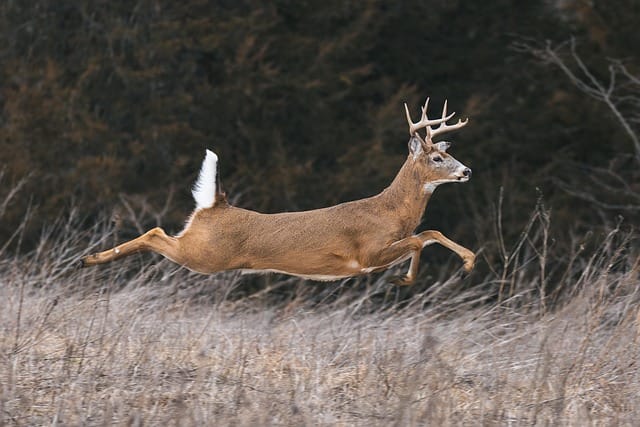


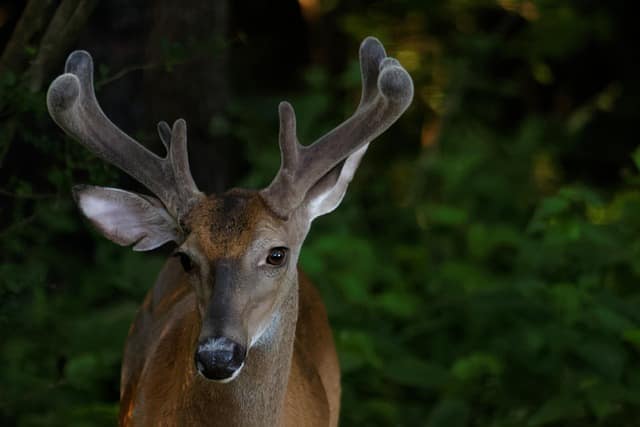
Spotting big bucks on trail camera is one of the most exciting parts of modern deer hunting. Trail cameras give hunters the ability to observe wildlife in its natural habitat without disturbing it, providing a clear picture of deer movement, feeding patterns, and rut behavior. For hunters and wildlife enthusiasts alike, having consistent trail camera photos of mature bucks is invaluable for planning hunting strategies, tracking trophy deer, and understanding local deer populations.
Trail cameras, also known as game cameras, are equipped with motion sensors and infrared technology that allow for remote monitoring of wildlife activity. They capture images and videos during both day and night, giving hunters a unique insight into the elusive behavior of big bucks. Over the years, trail cameras have become a critical tool for anyone serious about hunting trophy deer. By using the right camera, placing it strategically, and analyzing the images carefully, hunters can significantly increase their chances of locating and harvesting mature bucks.
This guide will cover everything you need to know about big bucks on trail camera: from understanding deer behavior, choosing the right equipment, and setting up cameras strategically, to reading photos and analyzing deer movement patterns. Whether you are a beginner looking to spot your first trophy buck or an experienced hunter aiming to improve your trail camera strategy, this post will provide actionable tips backed by practical knowledge and data from real hunting experiences.
Understanding Trail Cameras
Trail cameras are essential tools for spotting big bucks on trail camera and monitoring wildlife activity. These cameras are designed to operate in the wild, often in remote locations, capturing photos or videos automatically when motion is detected. Understanding how trail cameras work, the types available, and the features that matter most can significantly improve your chances of capturing high-quality images of trophy bucks.
What Is a Trail Camera?
A trail camera, also called a game camera, is a remote camera used primarily for wildlife observation. Most trail cameras use motion sensors to detect movement within a certain range, triggering the camera to take a photo or video. Modern trail cameras also include infrared night vision, which allows them to capture images in complete darkness without startling deer.
Trail cameras serve multiple purposes:
- Monitoring deer populations: Hunters and wildlife managers can track deer numbers and movements over time.
- Identifying mature bucks: By capturing images of antler size and body structure, trail cameras help hunters identify trophy deer.
- Scouting hunting locations: Cameras reveal which trails, feeding areas, and bedding spots are most frequently used by deer.
Types of Trail Cameras for Big Bucks
There are several types of trail cameras, each suited to different hunting strategies. The main types include:
- Passive Infrared (PIR) Cameras:
- Detects the heat emitted by animals.
- Less likely to spook deer due to no visible flash.
- Best for long-term scouting of big bucks in heavily trafficked areas.
- Detects the heat emitted by animals.
- Active Infrared Cameras:
- Uses an infrared beam to detect motion.
- Often captures more consistent photos in low-light conditions.
- Can be better for capturing night activity of deer.
- Uses an infrared beam to detect motion.
- Cellular Trail Cameras:
- Sends photos and videos directly to your phone or email.
- Ideal for hunters who cannot frequently check cameras in person.
- Useful for tracking deer patterns in real time.
- Sends photos and videos directly to your phone or email.
Key Features to Look for in a Trail Camera
When setting up cameras for spotting big bucks, certain features are critical:
| Feature | Why It Matters for Big Bucks |
| Image Quality | High resolution (12MP+) ensures you can clearly see antler size and body details. |
| Trigger Speed | Fast trigger speed (≤0.5s) helps capture deer before they move out of frame. |
| Battery Life | Long-lasting batteries allow for weeks of operation in remote areas. |
| Detection Range | A range of 60–80 feet covers larger trails and food sources effectively. |
| Night Vision | Infrared LEDs allow clear night shots without spooking deer. |
| Durability & Weatherproofing | Rugged design ensures the camera withstands rain, snow, and extreme temperatures. |
| Memory & Storage | Supports SD cards or cloud storage for long-term data collection. |
By understanding these types and features, hunters can choose cameras specifically suited for spotting big bucks, ensuring clear, actionable data for both scouting and hunting.
Why Big Bucks Appear on Trail Cameras
Capturing big bucks on trail camera isn’t just about having the right equipment—it’s also about understanding why bucks show up in certain areas and when. Deer behavior, seasonal patterns, and environmental factors all play a role in how often and where mature bucks are photographed. By understanding these elements, hunters can maximize their chances of spotting trophy deer.
Understanding Deer Behavior
Deer, especially mature bucks, are creatures of habit. They tend to follow consistent travel routes, often moving between feeding areas, water sources, and bedding spots. These travel corridors are ideal locations for placing trail cameras because they increase the likelihood of capturing big bucks.
Key behavior patterns of mature bucks:
- Feeding patterns: Bucks often feed during early morning and late evening. During the rut, feeding may occur sporadically between rut-related activity.
- Territorial behavior: Mature bucks maintain larger home ranges than younger deer and may avoid heavily trafficked areas.
- Solitary movement: Unlike younger bucks, mature bucks often travel alone or in small groups, especially outside of the rut.
Seasonal Behavior and Trail Camera Success
Understanding seasonal deer behavior is crucial for maximizing trail camera results:
- Pre-Rut (Late August – Early October): Bucks start moving more actively but remain cautious. Cameras near feeding areas can capture early antler development and activity patterns.
- Rut (Mid-October – Early December): Bucks roam more frequently in search of does, making this period ideal for capturing photos of mature bucks on trail cameras. Movement is less predictable but more frequent, especially during daylight hours.
- Post-Rut (Late December – February): Bucks often recover from rut activity, focusing on feeding and regaining body condition. Cameras can reveal bedding areas and travel corridors for next year’s hunting strategy.
How Trail Cameras Help Identify Trophy Bucks
Trail cameras allow hunters to observe antler size, body condition, and age class of bucks without disturbing them. Photos over time can help identify:
- Trophy potential: Bucks with wide antler spreads, multiple points, and heavy mass.
- Health and vitality: A healthy buck shows muscle definition, full body weight, and alert posture.
- Patterns of movement: Regular appearances in certain areas indicate preferred trails or feeding spots.
By combining knowledge of deer behavior with strategic trail camera placement, hunters can consistently capture images of big bucks on trail camera. Over time, this information helps create a detailed map of buck activity, greatly increasing the chances of a successful hunt.
Setting Up Trail Cameras for Big Bucks
Proper setup is the difference between blurry, empty shots and consistent photos of big bucks on trail camera. Strategic placement, the right height and angle, and timing are essential for capturing clear images of trophy deer. This section breaks down how to set up trail cameras effectively to maximize results.
Choosing the Right Location
Location is the most critical factor for spotting big bucks. Deer are creatures of habit and tend to use the same trails, feeding areas, and bedding sites repeatedly. Some tips for selecting the ideal camera location include:
- Trail intersections and funnels: Place cameras where deer naturally narrow their path, such as between a feeding area and bedding site.
- Food sources: Cornfields, soybean fields, and mast-producing trees are high-traffic areas for bucks.
- Water sources: Rivers, ponds, and small streams attract deer, especially during dry months.
- Bedding areas: Cameras near dense cover can reveal where bucks rest during the day.
- Avoid high human activity: Bucks are cautious; setting cameras away from roads, trails, and human scent increases success.
Best Height and Angle for Trail Cameras
Correct height and angle are critical to capturing detailed images of bucks, especially their antlers:
- Height: Typically, 3–4 feet off the ground is optimal. This height captures the full body of most deer while remaining high enough to avoid false triggers from small animals.
- Angle: Slightly angle the camera downward, focusing on the deer’s chest and head area. This ensures antlers are clearly visible.
- Multiple cameras: Using two cameras at different angles on the same trail can provide better coverage and improve the chances of capturing clear photos.
Timing and Frequency
The timing of when you place and check your cameras can affect the number of big bucks photographed:
- Seasonal placement: Set cameras before the rut begins to observe pre-rut patterns. Continue checking throughout the rut to capture peak activity.
- Check frequency: Avoid checking too often, which can disturb deer. Typically, every 7–10 days is sufficient.
- Day vs. night activity: Adjust camera settings for both daylight and night photography. Infrared cameras can capture nocturnal activity without spooking deer.
Pro Tip: Keep a log of all camera placements, photos, and dates. Over time, this data will reveal patterns in buck movement and help optimize future setups.
By carefully choosing locations, adjusting height and angle, and timing your camera checks strategically, hunters can maximize the likelihood of capturing big bucks on trail camera and gain invaluable scouting information.
Reading Trail Camera Photos Like a Pro
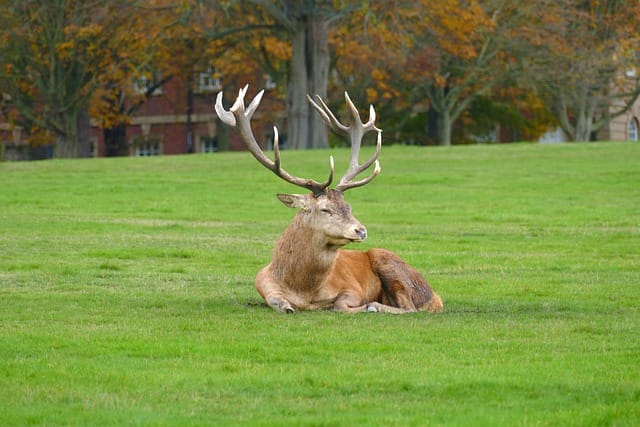
Capturing images of big bucks on trail camera is only half the battle. The real advantage comes from knowing how to read and interpret those photos to understand deer behavior, identify trophy bucks, and plan effective hunting strategies. This section will guide you through analyzing trail camera images like an expert.
Identifying Big Bucks
Recognizing a mature buck from a trail camera photo involves more than just looking at antlers. Here’s what to focus on:
- Antler size and structure: Look for wide spreads, multiple points, and heavy mass. Mature bucks often have thick beams and tines longer than 4 inches.
- Body size and shape: A big chest, muscular neck, and broad back often indicate an older, healthy buck.
- Behavioral posture: Alert, confident body language can indicate a dominant buck familiar with the area.
Quick Tip: Keep a reference chart of deer age and antler size to help estimate the maturity of bucks in your photos. For example:
| Age Class | Typical Antler Characteristics | Body Traits |
| 1.5 years | Small spikes or short tines | Leaner, less muscular |
| 2.5 years | Some branching, narrower spread | Slightly more body mass |
| 3.5+ years | Wide spread, multiple points, heavy mass | Full body, muscular neck and chest |
| 5+ years | Trophy antlers, significant mass | Very broad body, strong presence |
Understanding Deer Behavior Through Photos
Trail camera photos can reveal patterns about when, where, and how bucks move. Here’s what to look for:
- Movement patterns: Note which times of day bucks appear. Early morning and late evening are peak movement periods.
- Trail usage: Regular appearances on certain trails indicate primary travel corridors.
- Feeding areas: Multiple photos around a food source can show preferred feeding spots.
- Social behavior: Bucks traveling with does or alone can indicate rut activity.
Case Study: A hunter in Iowa used a network of cameras across 50 acres and noticed a 4.5-year-old buck consistently traveling a specific trail at 6:30 AM. By marking this pattern, the hunter successfully harvested the buck during the peak rut week.
Using Photos to Improve Hunting Strategy
Analyzing your trail camera images allows you to:
- Decide which stands or hunting locations are most effective.
- Predict peak movement times for trophy bucks.
- Avoid spooking deer by understanding their travel patterns.
By carefully studying big bucks on trail camera, hunters gain invaluable insights that go beyond just seeing the deer—they learn when, where, and how these bucks move, giving them a strategic edge in the field.
Advanced Trail Camera Techniques for Big Bucks
Once you understand the basics of spotting big bucks on trail camera, advanced techniques can take your scouting strategy to the next level. These strategies focus on maximizing coverage, leveraging technology, and avoiding common mistakes that can reduce your chances of capturing high-quality images of trophy deer.
Using Multiple Cameras Strategically
One of the most effective ways to increase the likelihood of photographing big bucks is to deploy multiple cameras in a coordinated grid. This approach allows you to cover more ground and capture deer that roam widely:
- Camera grid setup: Place cameras along primary trails, near feeding areas, and around bedding zones. Overlapping coverage ensures no activity goes unnoticed.
- Funnel points: Focus cameras on natural funnels such as narrow trails between fields or ridgelines where deer are forced to pass.
- Varied angles: Set cameras at different heights and angles on the same trail to capture multiple perspectives of bucks, improving the chance of identifying antler size and body mass accurately.
Leveraging Technology
Modern trail cameras come with technology features that simplify scouting and provide real-time insights:
- Cellular trail cameras: Transmit photos directly to your phone or email, reducing the need to physically check cameras. This minimizes disturbance and allows you to track big bucks remotely.
- App integration: Many cameras come with companion apps that organize photos, track deer patterns, and even suggest optimal camera placements based on activity data.
- Data analysis tools: Software can analyze photo patterns, helping identify peak movement times, rut activity, and which bucks are repeatedly using the area.
Avoiding Common Mistakes
Even the best trail cameras can fail if basic mistakes are made. Common pitfalls include:
- Poor placement: Cameras too far off trails or food sources may never capture significant activity.
- Checking cameras too frequently: Disturbing deer repeatedly can cause them to avoid the area.
- Using low-quality cameras: Slow trigger speed, poor night vision, or low resolution can result in missed opportunities.
- Ignoring seasonal behavior: Not adjusting camera placement for rut, pre-rut, or post-rut activity reduces success.
Pro Tip: Rotate cameras every few weeks to follow deer movement patterns and prevent deer from becoming “camera shy.”
By combining strategic placement, modern technology, and careful monitoring, hunters can consistently capture images of big bucks on trail camera, gaining critical information for both scouting and hunting.
Perfect! Let’s move on to the next section:
Legal and Ethical Considerations
While big bucks on trail camera can be exciting to track, it’s important to follow legal regulations and ethical practices. Responsible use of trail cameras ensures sustainable hunting, respects wildlife, and keeps you within the law.
Hunting Regulations Regarding Trail Camera Scouting
Laws regarding trail camera use vary by state and region. Key points to consider:
- Scouting restrictions: Some states restrict the use of trail cameras during certain periods or in specific public hunting areas. Always check local regulations before placing cameras.
- Hunting from cameras: Using trail cameras to directly locate and harvest a deer without following proper hunting practices may be illegal in some areas.
- Check-in and tagging rules: Even with trail camera scouting, hunters must follow mandatory tagging and reporting procedures when harvesting deer.
Respecting Property and Landowner Rules
- Private property: Always get permission before placing cameras on private land. Respect the property boundaries and remove cameras promptly if permission is withdrawn.
- Public lands: Some public lands have strict rules on camera placement, especially during hunting seasons. Failure to comply can result in fines or confiscation of equipment.
Ethical Hunting Practices
- Avoid disturbing deer: Frequent checking of cameras or excessive human scent can cause deer to avoid areas entirely.
- Responsible placement: Avoid setting cameras in areas where they may disrupt natural feeding or bedding behavior.
- Transparency with landowners: Share your trail camera activity with landowners if requested; ethical cooperation builds trust and allows continued access.
Following legal and ethical guidelines ensures that your use of trail cameras for spotting big bucks contributes to sustainable hunting practices. Not only does this protect wildlife populations, but it also maintains your credibility and reputation in the hunting community.
Frequently Asked Questions About Big Bucks on Trail Cameras
When it comes to spotting big bucks on trail camera, hunters often have a lot of questions. Understanding the answers to these common queries can help maximize success and improve scouting strategies.
Can Trail Cameras Really Help You Hunt a Trophy Buck?
Yes. Trail cameras provide valuable insights into deer movement, feeding patterns, and antler growth. By consistently monitoring trails, feeding areas, and bedding zones, hunters can identify mature bucks and make informed decisions on stand placement and hunting timing.
How Close Should I Place My Trail Camera to Deer Trails?
The ideal placement is typically 10–15 feet off the main trail, angled slightly downward. This position captures clear images while minimizing false triggers from small animals. Cameras should also be positioned in natural funnels or narrow corridors where deer must pass.
How Long Should I Leave a Camera in One Spot?
For optimal results, leave cameras in the same location for 7–14 days, depending on deer activity. Checking too frequently can disturb deer and reduce the chance of capturing big bucks, while leaving cameras too long without reviewing data may miss seasonal patterns or shifts in deer movement.
Do Bucks Avoid Trail Cameras?
Most bucks do not notice trail cameras if placed discreetly. Using natural cover, scent control, and infrared or no-glow cameras ensures minimal disturbance. Occasionally, older bucks may avoid areas with frequent human scent or visible cameras, so careful placement is key.
Can Trail Cameras Identify Deer Age and Health?
Yes. By studying body size, neck thickness, chest width, and antler characteristics, hunters can estimate age and health. For example, a mature buck (3.5+ years) often has a wide chest, muscular neck, and heavy antlers, whereas younger bucks are leaner with less antler mass.
Pro Tip: Keep a trail camera journal to record patterns, age estimates, and antler development over the season. This will help track big bucks year after year and refine hunting strategies.
Tips for Maximizing Trail Camera Success
Capturing big bucks on trail camera consistently requires more than just placing a camera and waiting. Implementing strategic practices can dramatically improve the quality and quantity of your photos, giving you better insights for scouting and hunting.
Rotate Camera Locations
- Follow deer movement: Bucks often shift their travel patterns depending on food availability, weather, and rut activity. Moving cameras every few weeks helps track these changes.
- Avoid overusing one spot: Deer can become wary of cameras in high-traffic areas. Rotating cameras reduces the risk of deer avoiding the site.
Use Natural Cover to Hide Cameras
- Blend with surroundings: Use branches, leaves, or bark to conceal cameras and avoid alerting deer.
- Avoid shiny surfaces: Cameras with reflective parts can spook deer when sunlight hits them.
Combine Food Plots and Water Sources
- Strategic placement: Cameras near food plots, mast trees, or water sources naturally attract deer.
- Peak activity observation: These areas often show the largest bucks during early morning and late evening feeding times.
Take Notes and Track Patterns
- Maintain a journal: Record dates, times, and observations from each camera. Over time, this will reveal movement patterns, preferred trails, and antler growth of bucks.
- Analyze seasonal trends: Note pre-rut, rut, and post-rut activity. This helps predict where bucks will move and when they are most active.
Optimize Camera Settings
- Fast trigger speed: Ensures you capture deer before they move out of frame.
- High-resolution images: Allows you to see antler details clearly.
- Infrared night vision: Capture nocturnal activity without spooking deer.
Pro Tip: Use Multiple Cameras Together
Setting up a network of cameras across your property increases the chance of spotting the same buck from different angles, providing better antler identification and behavioral insights.
By following these tips, hunters can maximize their chances of capturing big bucks on trail camera, turning scouting into actionable intelligence for successful hunting.
Conclusion
Capturing big bucks on trail camera is both an art and a science. With the right equipment, strategic placement, and a deep understanding of deer behavior, hunters can consistently identify mature bucks, track their movements, and plan successful hunts. Trail cameras provide invaluable insights into feeding patterns, travel routes, and seasonal behavior, giving hunters a significant advantage over relying solely on field observation.
Key takeaways for spotting big bucks on trail camera include:
- Choose the right camera: Look for high resolution, fast trigger speed, long battery life, and night vision capabilities.
- Understand deer behavior: Recognize travel corridors, feeding areas, bedding zones, and seasonal patterns.
- Strategically place cameras: Use trails, funnels, food plots, and water sources, adjusting height and angle for optimal coverage.
- Analyze photos carefully: Study antler size, body condition, and movement patterns to identify trophy bucks.
- Leverage technology and advanced techniques: Use cellular cameras, multiple angles, and apps for real-time monitoring and pattern analysis.
- Follow legal and ethical practices: Respect hunting regulations, property boundaries, and minimize disturbance to deer.
By consistently applying these strategies, hunters can not only spot big bucks on trail camera but also develop a data-driven approach to hunting that increases success year after year. Trail cameras are more than just scouting tools—they are a way to understand the behavior of some of the most elusive and prized animals in the wild.
Pro Tip: Keep a detailed trail camera journal and review your data at the end of each season. This allows you to build long-term insights into deer populations and patterns, giving you a strategic advantage for years to come.