


Introduction — Why You Must Learn How to Promote Your Photography Business
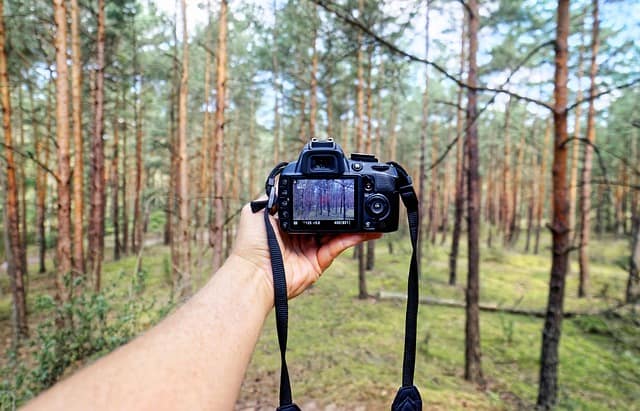
Running a photography business takes more than just capturing beautiful images — it’s about capturing attention. In today’s digital-first world, even the most talented photographers struggle to find clients if they don’t know how to promote their photography business effectively. You might have an incredible portfolio, but without visibility, your ideal clients won’t even know you exist.
Promoting a photography business means developing a strategic mix of online marketing, brand building, and community networking that ensures your name shows up exactly where your potential clients are looking — whether that’s on Google, Instagram, or at a local wedding fair.
According to a 2024 industry survey by Zenfolio, 67% of photographers say marketing is their biggest business challenge, followed by pricing and client management. Yet, photographers who consistently invest in promotion see up to 45% higher booking rates than those who rely solely on word-of-mouth.
Let’s face it — photography is an art, but marketing is the engine that keeps it running. Learning how to market and promote your photography business gives you control over your income, visibility, and growth. Whether you’re a portrait photographer, a wedding specialist, or a product shooter, having a clear promotion plan can elevate your brand from “local freelancer” to “trusted visual storyteller.”
💡 What You’ll Learn in This Guide
In this comprehensive post, we’ll walk through every major marketing strategy to promote your photography business successfully — from building your brand identity to mastering social media, SEO, and paid ads.
We’ll also explore:
- Online marketing strategies that build long-term visibility
- Offline promotion ideas to connect with your local audience
- Proven marketing tools and examples to inspire your next move
- Real-world case studies from successful photographers
📊 Photography Promotion at a Glance
| Marketing Channel | Goal | Example Strategy | ROI Potential |
| Social Media | Build audience and showcase work | Daily Instagram posts + Reels | High |
| Website SEO | Rank for local search terms | “Wedding Photographer in London” | Very High |
| Email Marketing | Retain past clients | Monthly newsletters | Medium |
| Paid Ads | Fast client acquisition | Google Local Ads | High |
| Networking | Build referrals | Partner with event planners | Long-term |
Each of these plays a role in your overall marketing ecosystem. The secret is not doing them all at once, but doing the right ones strategically — and consistently.
🎯 The Mindset Shift You Need Before Marketing
Before diving into tactics, here’s one truth:
“You’re not just selling photos. You’re selling memories, emotions, and stories that last a lifetime.”
This shift in thinking transforms how you talk about your work online. Clients don’t buy photos — they buy how those photos make them feel. When you learn how to promote your photography business with that in mind, your marketing becomes more human, engaging, and effective.
So, let’s start with the foundation — understanding why promotion matters and how it builds a thriving, profitable photography brand.
Understanding Why Promotion Matters for Photographers
Promoting your photography business isn’t just about getting more eyes on your work — it’s about creating a sustainable and profitable brand that people trust. Many talented photographers struggle to make a living, not because of lack of skill, but because they don’t invest time in marketing themselves effectively.
Let’s explore why promotion is the backbone of success in photography and how it impacts your growth, visibility, and client relationships.
🧭 Why Marketing Your Photography Business Is as Important as Your Photography Skills
Photography is both an art and a business. And in business, visibility equals opportunity. You might take stunning portraits or capture breathtaking landscapes, but if no one knows about your services, your bookings will remain slow.
Promotion gives your talent exposure. It helps your target clients — the ones who want your style of photography — discover you among thousands of competitors.
According to HubSpot’s 2024 State of Marketing Report, 81% of small businesses that market consistently online experience higher client retention and faster growth. This shows that marketing isn’t a luxury — it’s a necessity.
Think of it this way:
Your photography business is like a camera lens — marketing helps you focus it sharply on the right audience.
💡 The Benefits of Promoting Your Photography Business
When you actively market and promote your photography business, you unlock several advantages beyond just attracting new clients:
| Benefit | Why It Matters | Example |
| Brand Awareness | People remember your name and style | Consistent social media presence builds recognition |
| Client Trust | Marketing with testimonials and portfolios builds credibility | Reviews on Google and Instagram create social proof |
| Steady Inquiries | Promotion leads to more consistent bookings | SEO traffic and ads bring year-round leads |
| Pricing Power | Recognized brands can charge premium rates | Branded photographers command higher value |
| Referrals & Partnerships | Visibility attracts collaborations | Event planners, makeup artists, and venues reach out to you |
Promotion doesn’t just grow your audience — it multiplies your opportunities.
🌍 The Connection Between Marketing, Branding, and Promotion
Many photographers mix up the terms marketing, branding, and promotion, but understanding their difference can change how you approach your business:
| Term | Definition | Example in Photography |
| Branding | Your identity, tone, and style that people associate with you | A consistent editing style or color tone |
| Marketing | The strategy used to reach your audience | SEO, email campaigns, and social media ads |
| Promotion | The actions that push your brand into the spotlight | Launching discounts, contests, or collaborations |
These three work together seamlessly. A strong brand identity attracts attention, a smart marketing strategy spreads your message, and strategic promotions convert that attention into paying clients.
📈 The Data: How Promotion Impacts Photography Business Growth
Recent industry studies prove that active promotion correlates directly with business growth:
- 📊 PPA (Professional Photographers of America) reports that photographers who invest at least 20% of their business time in marketing earn 2x more annual revenue on average.
- 💬 74% of photographers say Instagram is their top client acquisition channel.
- 🖥️ 60% of clients first discover a photographer through Google Search or local business directories.
These stats reveal one powerful truth — visibility drives bookings.
The more places potential clients can find your name, the stronger your brand authority becomes.
🎨 The Emotional Side of Promotion
People don’t just hire photographers; they hire experiences. When you promote your photography business, you’re communicating the emotional value of your work. You’re showing people how your photos can freeze time, capture joy, or tell their unique story.
This emotional connection turns casual viewers into loyal customers. As marketing expert Seth Godin said:
“People do not buy goods and services. They buy relations, stories, and magic.”
Your job as a photographer is to show that magic through every channel you use — from your website to your Instagram feed.
⚙️ What Happens When You Don’t Promote
Failing to market your photography business is like keeping your camera lens cap on — no matter how much effort you put in, no one sees the result.
Here’s what typically happens when photographers neglect promotion:
- Low website traffic and online visibility.
- Inconsistent bookings or complete off-seasons.
- No recognition in local markets.
- Missed collaboration opportunities.
- Difficulty raising prices due to lack of perceived value.
On the other hand, consistent and strategic promotion creates momentum — once people start talking about your brand, it begins to grow organically.
✅ Key Takeaway
Promotion is not optional; it’s an investment in your business’s future. The moment you start treating your photography like a brand rather than just a skill, you shift from chasing clients to attracting them.
Step 1 — Define Your Photography Brand and Target Audience
Before you can effectively learn how to promote your photography business, you must first understand who you are as a brand and who you’re trying to reach. Many photographers skip this foundational step, but it’s what separates a struggling freelancer from a thriving photography entrepreneur.
Defining your brand and target audience gives your marketing direction, clarity, and purpose. Instead of trying to appeal to everyone, you’ll learn how to attract the right people — those who love your style, value your work, and are willing to pay your rates.
🎨 Build a Strong Photography Brand Identity
Your photography brand identity is the emotional and visual representation of your business. It’s not just your logo or color palette — it’s the way you make people feel when they see your work.
A brand identity answers the question:
“What makes my photography different from everyone else’s?”
Here are the key elements that shape your brand:
| Element | Description | Example |
| Style & Aesthetic | The look and tone of your photos — moody, bright, vintage, candid, cinematic, etc. | Light & Airy Wedding Photography |
| Voice & Personality | The tone you use in captions, website copy, and interactions | Friendly, elegant, romantic, or bold |
| Values & Story | The “why” behind your business — what drives you | “Capturing love stories that last generations” |
| Visual Consistency | Colors, logo, typography, and presentation | Same filter or editing tone across platforms |
| Client Experience | How clients feel from first contact to photo delivery | Personalized email updates, fast turnaround |
“Your brand is what other people say about you when you’re not in the room.” — Jeff Bezos
A clear and consistent brand identity ensures that when people see your work online or in print, they instantly recognize it as yours. That recognition builds trust, which is the foundation of effective marketing.
🎯 Identify Your Ideal Clients
One of the biggest mistakes photographers make is trying to serve everyone. In reality, the best marketing happens when you narrow your focus.
Knowing your ideal client helps you:
- Tailor your marketing messages to their needs.
- Choose the right social media platforms.
- Create pricing and packages that resonate with them.
- Save time and money by targeting your promotions effectively.
Start by asking these questions:
- What type of photography do I love most (weddings, portraits, commercial, newborn, fashion)?
- Who benefits most from my style and expertise?
- Where do my ideal clients spend their time online?
- What challenges do they face when hiring a photographer?
- How can I solve their problems uniquely?
👩💼 Creating a Client Persona (Example)
A client persona is a detailed profile of your perfect customer. Here’s an example for a wedding photographer:
| Persona Name | Romantic Rachel |
| Age | 27 |
| Occupation | Graphic designer |
| Location | Chicago |
| Interests | Pinterest, wedding blogs, travel |
| Goals | Wants elegant, storytelling wedding photos |
| Challenges | Overwhelmed by too many options, looking for trustworthy reviews |
| Preferred Channels | Instagram, wedding directories, Pinterest |
| Decision Factors | Style consistency, testimonials, price transparency |
When you know who “Rachel” is, your content — from blog posts to ads — becomes more personal and persuasive. Instead of writing “Book a wedding photographer,” you write, “Looking for timeless, romantic wedding photos that tell your story? Let’s capture your love beautifully.” That’s what resonates.
🔍 How to Research Your Target Audience
If you’re not sure who your ideal clients are yet, start with data-driven insights:
- Google Analytics – See which demographics visit your website most.
- Instagram Insights – Check your audience’s age, gender, and location.
- Client Surveys – After every shoot, ask clients what they liked most about your work.
- Competitor Analysis – Look at who follows other local photographers in your niche.
These tools help you identify patterns — maybe your followers are mostly young couples, or maybe small business owners. Once you see who engages most with your content, you can focus your promotion on them.
🏗️ Why Brand and Audience Clarity Matters for Promotion
When your brand message and target audience align, marketing becomes effortless. Instead of shouting into the void, you’re speaking directly to the people who are already listening.
For instance:
- A luxury portrait photographer shouldn’t market on bargain listing sites — they should focus on high-end branding and client experience.
- A family photographer will see more success through Facebook and local mom groups than through corporate LinkedIn ads.
Clarity saves resources — you’ll know exactly where to spend your time, energy, and ad budget for the highest return.
✅ Key Takeaway
Your photography brand is your identity; your audience is your direction. Together, they create the foundation of a marketing strategy that feels authentic and effective. Once you’re clear on who you are and who you serve, every piece of content, post, and ad will have a purpose.
Step 2 — Build a Professional Photography Website
If you want to promote your photography business successfully, having a professional, SEO-optimized website is non-negotiable. Your website is more than a digital portfolio — it’s your 24/7 marketing machine. It’s where potential clients learn about you, view your work, and decide whether to book your services.
A well-designed website positions you as a professional, trustworthy photographer, not just another social media account with nice pictures. It gives you control over your online presence and helps you appear in search results where people are actively looking for photographers like you.
🌐 Why a Website Is Essential for Promoting Your Photography Business
Many photographers rely solely on Instagram or Facebook to showcase their work, but that’s risky. Social media platforms are rented space — algorithms change, reach drops, and accounts can get hacked or banned. Your website, on the other hand, is owned media. It’s your online headquarters.
Here’s why it’s essential:
- First Impressions Matter: According to Adobe’s digital experience study, 38% of visitors will leave a site if the layout is unattractive.
- Search Engine Visibility: With SEO optimization, your website can rank for keywords like “wedding photographer in New York” or “affordable portrait photography near me.”
- Credibility and Trust: A professional website makes you look reliable and established.
- Lead Generation: Integrated contact forms and booking options help you convert visitors into clients directly.
“Think of your website as your digital storefront — it should be as inviting and impressive as your best photograph.”
🖥️ What to Include on Your Photography Website
Every element on your website should serve a purpose — to attract, engage, and convert visitors. Below is a detailed checklist of what your site should include:
| Page/Section | Purpose | Best Practices |
| Homepage | First impression and brand overview | Use striking hero images, a short intro, and clear navigation |
| Portfolio/Gallery | Showcase your best work | Organize by category (wedding, portrait, product, etc.) and limit to your top photos |
| About Page | Build trust with your story | Include your journey, style, and why you love photography |
| Services Page | Explain your offers clearly | Mention packages, pricing (if possible), and what’s included |
| Testimonials | Display social proof | Add reviews from happy clients with names or photos |
| Blog Section | Improve SEO and authority | Share tips, stories, and case studies related to your niche |
| Contact Page | Convert visitors into leads | Include form, phone, email, and social links |
🔍 Optimize Your Website for SEO
If your website isn’t showing up in search results, you’re missing out on free, qualified leads. SEO (Search Engine Optimization) ensures Google understands your content and connects it with people searching for your services.
Here’s how to optimize your site effectively:
1. Keyword Optimization
- Use specific keywords like:
- wedding photographer in [your city]
- professional portrait photography services
- how to promote your photography business (in blog posts)
- wedding photographer in [your city]
- Add your keywords in:
- Page titles
- Headings (H1, H2, H3)
- Image alt text
- Meta descriptions
- URLs
- Page titles
2. Fast Load Speed
- Compress all images before uploading using tools like TinyPNG or ShortPixel.
- Use modern hosting services optimized for creatives (e.g., Squarespace, Wix Studio, or WordPress with Elementor).
- Avoid large sliders or videos on your homepage that slow loading.
3. Mobile Optimization
Over 70% of web traffic now comes from mobile devices. Make sure your website:
- Loads quickly on phones.
- Uses responsive layouts.
- Has clickable buttons and readable text.
4. Metadata and Schema
Add structured data like Local Business Schema to help Google display rich snippets with your location, reviews, and contact info.
5. Backlink Building
- Guest post on wedding or photography blogs.
- Collaborate with vendors who can link back to your site.
- Submit your portfolio to online directories like WeddingWire or The Knot.
📷 Visual Storytelling on Your Website
Your images should speak before your words do. Choose your portfolio carefully — quality over quantity.
- Feature diverse but cohesive images that reflect your brand identity.
- Use captions to tell mini-stories about each session or client experience.
- Showcase before-and-after edits to demonstrate skill and creativity.
“Your portfolio should not show everything you can do — it should show what you want to be hired for.”
If you specialize in multiple niches (e.g., weddings and corporate photography), consider creating separate landing pages for each audience to improve SEO targeting.
📈 Example: A Photography Website That Converts
Case Study:
Jane Rivera Photography is a lifestyle portrait photographer based in Austin, Texas. She redesigned her website with:
- Clean, minimalist design
- Keyword-optimized pages for “Austin family photographer”
- Client testimonials and mini-session packages
Result:
Within three months, Jane saw:
- 54% increase in organic traffic
- 2.3x more booking inquiries
- Ranked on Google’s first page for her target keyword
This proves that even small SEO changes can have a massive impact on your bookings.
🛠️ Bonus: Tools to Build and Manage Your Photography Website
| Tool | Purpose | Why It’s Great |
| Squarespace / Wix | Easy drag-and-drop website builders | Sleek templates for photographers |
| WordPress + Elementor | Full customization and SEO control | Best for long-term scaling |
| Pixieset / SmugMug | Client gallery management | Secure delivery and proofing system |
| Google Analytics | Track visitors and sources | Measure which pages convert best |
| Yoast SEO Plugin | Optimize metadata easily | Beginner-friendly SEO tool |
✅ Key Takeaway
Your website is the core of your online marketing strategy. It’s where all your promotional efforts — from social media to ads — should lead potential clients.
A professional, fast, and visually appealing website not only attracts clients but converts them into bookings.
Once your foundation is solid online, the next step is to amplify your visibility using social media marketing for photographers — one of the most powerful tools in your promotion toolkit.
Step 3 — Use Social Media to Grow and Promote Your Photography Business
Social media has transformed the way photographers attract clients and showcase their talent. If you want to learn how to promote your photography business, mastering social media is one of the most powerful — and cost-effective — strategies available. With billions of active users across platforms like Instagram, Facebook, TikTok, and Pinterest, you have access to a global audience waiting to discover your work.
However, promoting your photography business on social media requires more than just posting pretty pictures. It’s about building a personal brand, connecting with your ideal clients, and turning followers into paying customers through strategy and consistency.
📸 Why Social Media Is Crucial for Promoting a Photography Business
- Visual-first platforms like Instagram and Pinterest are built for showcasing images — your photography thrives here naturally.
- Direct engagement allows you to build relationships with clients in real-time through comments, messages, and shares.
- Low-cost marketing: You can reach thousands of people without spending a fortune on ads.
- Brand awareness: Every post, story, or reel helps you strengthen your brand identity.
- Portfolio replacement: Many clients now browse Instagram before checking your website.
“People don’t just buy photos — they buy stories, personalities, and experiences. Social media lets you share all three.”
🌍 Choosing the Right Social Media Platforms for Photographers
Not all platforms are equal. The key is to focus on the ones that align with your audience and your photography niche.
| Platform | Best For | Tips to Maximize Results |
| Portrait, fashion, wedding, travel, lifestyle | Use reels, carousels, and stories. Engage daily. Post behind-the-scenes shots. | |
| Family, wedding, and local clients | Join community groups, share albums, and use Facebook Events. | |
| Wedding, newborn, and styled photography | Create themed boards with SEO-optimized pins (titles + descriptions). | |
| TikTok | Creative, Gen-Z-focused photographers | Share tips, transformations, time-lapses, and behind-the-scenes videos. |
| Corporate, headshot, and event photographers | Post professional achievements, client features, and photography insights. | |
| YouTube | Educators or vlog-style photographers | Share tutorials, reviews, or client stories to build long-term authority. |
💡 Building a Consistent and Engaging Brand
When promoting your photography business online, consistency is key. Every post should reflect your unique style, personality, and values.
1. Define Your Brand Style
Ask yourself:
- What emotions do I want my photos to evoke?
- What colors or tones define my editing style?
- What kind of clients do I want to attract (e.g., romantic couples, edgy creatives, corporate professionals)?
Stick to a cohesive aesthetic — whether it’s warm and nostalgic, cool and moody, or bright and modern — so followers instantly recognize your work.
2. Use a Consistent Posting Schedule
- Post 3–5 times per week.
- Use scheduling tools like Later, Buffer, or Planoly.
- Focus on quality over quantity — one great post is worth more than five random ones.
3. Share a Mix of Content Types
To keep your feed engaging:
- Portfolio images: Your best work — polished and professional.
- Behind-the-scenes shots: Show your creative process, setup, or candid client moments.
- Educational posts: Share photography tips, camera settings, or posing advice.
- Client testimonials: Turn satisfied clients into advocates.
- Personal content: Give a glimpse into your life to humanize your brand.
📊 Best Practices: How to Promote Your Photography Business on Instagram
Instagram remains the most influential platform for photographers. According to Statista (2024), over 70% of potential clients use Instagram to research local services, including photographers.
Step-by-Step Instagram Strategy:
- Optimize Your Profile
- Use a clear profile photo (ideally your logo or a professional portrait).
- Write an SEO-optimized bio, e.g., “Wedding Photographer in Chicago | Romantic, Timeless & Story-Driven Photography.”
- Include your website link or Linktree with booking info.
- Use a clear profile photo (ideally your logo or a professional portrait).
- Curate Your Feed
- Alternate between close-ups, wide shots, and emotional portraits.
- Keep your color palette consistent.
- Avoid overposting — aim for 1–2 strong images daily or every other day.
- Alternate between close-ups, wide shots, and emotional portraits.
- Use Hashtags Strategically
- Mix broad hashtags (#portraitphotography, #weddingphotographer) with niche and local ones (#nycweddingphotographer, #moodyportraits).
- Use up to 25–30 hashtags per post.
- Rotate hashtags weekly to avoid being flagged as spammy.
- Mix broad hashtags (#portraitphotography, #weddingphotographer) with niche and local ones (#nycweddingphotographer, #moodyportraits).
- Leverage Instagram Stories and Reels
- Stories: Share updates, sneak peeks, and Q&As.
- Reels: Short videos showing before-and-after edits, transformations, or location scouting perform extremely well.
- Stories: Share updates, sneak peeks, and Q&As.
- Engage Authentically
- Reply to every comment and DM.
- Follow and interact with other creatives or potential clients.
- Tag makeup artists, venues, and models — collaboration helps cross-promote each other.
- Reply to every comment and DM.
📈 Case Study: Social Media Growth Example
Photographer: Daniela Torres – Wedding Photographer, Los Angeles
- Used a consistent Instagram Reels strategy with storytelling captions.
- Posted 3 reels per week, showing behind-the-scenes wedding moments.
- Used Pinterest boards to pin her photos linking back to her website.
Results in 4 months:
| Metric | Before | After |
| Instagram Followers | 2,800 | 12,600 |
| Monthly Website Visits | 450 | 2,300 |
| Wedding Bookings | 4 | 11 |
Her content focused on storytelling and authenticity — not just pretty photos. By giving followers a peek into her creative process, she turned them into loyal fans and paying clients.
🧠 Bonus: Tools to Streamline Your Social Media Promotion
| Tool | Purpose | Why It’s Useful |
| Canva | Create branded posts, stories, and pins | Easy templates for photographers |
| Later / Planoly | Schedule Instagram & Pinterest posts | Saves time and maintains consistency |
| CapCut / InShot | Edit short-form videos | Perfect for reels and TikToks |
| Hashtag Expert | Find trending hashtags | Increases discoverability |
| Meta Business Suite | Manage Facebook + Instagram from one place | Track analytics and schedule posts |
✅ Key Takeaway
Social media is the heartbeat of modern photography marketing. When used strategically, it can generate leads, build brand awareness, and establish you as an expert in your niche — all without massive ad spend.
Your goal should be to build relationships, not just followers. Create engaging, valuable, and visually consistent content that connects emotionally with your audience.
Once your social presence is growing, it’s time to turn that audience into clients through networking and partnerships — both online and offline.
Would you like me to continue to Step 4 — Network and Build Partnerships to Expand Your Photography Business?
Step 4 — Network and Build Partnerships to Expand Your Photography Business
Networking is one of the most powerful and sustainable ways to promote your photography business. While social media and SEO attract digital attention, real-world relationships open doors to new opportunities, referrals, and collaborations that can fuel long-term growth.
In photography — a people-driven industry — who you know often matters as much as what you know. Strategic partnerships and professional connections can help you reach ideal clients faster and establish yourself as a trusted name in your niche.
🤝 Why Networking Matters in the Photography Industry
Building relationships is essential because:
- Referrals drive bookings — people trust recommendations from other professionals and clients.
- Collaborations boost visibility — working with complementary creatives exposes your work to new audiences.
- Learning opportunities — connecting with other photographers, videographers, or designers helps you grow your craft.
- Brand credibility — being associated with reputable vendors enhances your reputation.
“Your network is your net worth — and in photography, relationships often pay better than ads.”
🧩 Types of Networking That Help Promote Your Photography Business
Let’s explore the best ways to connect with others and build partnerships that lead to real growth.
1. Local Networking
- Attend community events, art fairs, and photography exhibitions.
- Offer to photograph local businesses or charities in exchange for exposure and backlinks.
- Partner with wedding planners, makeup artists, florists, or event venues — industries that constantly need photographers.
- Join local chambers of commerce or creative networks.
Example:
A wedding photographer who partners with a local bridal boutique can display their framed photos in-store. In return, the boutique refers its clients to the photographer. Both businesses grow through collaboration.
2. Online Networking
- Join Facebook or LinkedIn photography groups to share advice and find projects.
- Engage in online communities like Reddit (r/photography) or forums such as DPReview.
- Leave thoughtful comments on other photographers’ posts — genuine engagement leads to recognition and collaboration.
3. Professional Associations
Consider joining organizations such as:
- Professional Photographers of America (PPA)
- National Press Photographers Association (NPPA)
- Wedding and Portrait Photographers International (WPPI)
Membership often includes access to:
- Workshops and masterclasses
- Legal and business resources
- Networking conferences
💡 Building Partnerships That Benefit Both Sides
A great partnership benefits everyone involved. When promoting your photography business, look for mutually valuable collaborations instead of one-sided deals.
Here are some win-win examples:
| Partnership Type | You Provide | You Get |
| Event Planner | Professional event photos | Referrals for future events |
| Fashion Designer / Brand | Product or lookbook photography | Exposure to their audience |
| Venue Owner | Free styled shoot coverage | Permission to market your photos with location tags |
| Influencer / Blogger | Creative content photoshoots | Social media mentions and backlinks |
| Nonprofits | Coverage of charity events | Press exposure and credibility |
Tip: Always draft a simple written agreement outlining expectations and image usage rights to protect both parties.
📸 Case Study: Collaboration That Multiplied Bookings
Photographer: Mark Evans – Commercial & Product Photographer, Toronto
Mark partnered with a local coffee brand to shoot product photos for their launch campaign. The company credited him in all social posts and PR coverage. Within a few months:
- His work appeared in three online magazines.
- Website traffic increased by 65%.
- He landed four new corporate clients through referrals.
This proves the power of strategic collaborations over traditional ads.
🧠 Networking Etiquette and Best Practices
To truly stand out when networking:
- Be authentic: Focus on building real relationships, not just selling yourself.
- Offer value first: Share advice, assist on projects, or promote others before asking for favors.
- Follow up: Send thank-you emails or messages after meeting someone.
- Stay visible: Post consistently about your collaborations and tag your partners.
- Show appreciation: A small gesture, like sharing partner content, strengthens long-term bonds.
💬 Real-World Networking Ideas
Here are practical networking actions you can start today:
- Host a “Mini Session Day” — invite local influencers or vendors for free short photoshoots.
- Attend photography meetups or workshops — connect with peers and mentors.
- Join styled shoots — collaborative photoshoots that let multiple vendors showcase their work together.
- Send personalized thank-you cards after projects. Small touches build loyalty.
- Collaborate on social media giveaways with local brands — you’ll both gain new followers.
🧭 Bonus: Tools to Manage Networking and Partnerships
| Tool | Purpose | Why It’s Helpful |
| HoneyBook / Studio Ninja | Client relationship management | Keeps track of collaborations and leads |
| Airtable / Notion | Partnership database | Manage contacts, tasks, and event notes |
| Canva | Create collaboration proposals | Design beautiful pitch decks |
| Google Sheets | Simple partnership tracking | Log names, contacts, and follow-ups |
| LinkedIn Sales Navigator | Advanced networking | Find and connect with business professionals |
✅ Key Takeaway
Networking and partnerships can supercharge your photography business in ways that ads cannot. By connecting with local professionals, engaging online communities, and offering value first, you build a network of advocates who help promote your work naturally.
Your next step? Combine these relationship-building strategies with content marketing and blogging to position yourself as an expert and attract clients through organic search.
Step 5 — Content Marketing & Blogging to Promote Your Photography Business
If you want to establish long-term visibility and authority, content marketing and blogging are non-negotiable. While social media gives you short-term exposure, a well-optimized blog helps your photography business show up in Google searches, attract organic traffic, and build trust with potential clients over time.
In fact, according to HubSpot, businesses that blog consistently generate 55% more website visitors than those that don’t. For photographers, that means your blog can become one of your most powerful marketing tools — helping you get discovered by local clients searching for services like “wedding photographer in New York” or “how to plan an engagement photoshoot.”
🧠 Why Blogging Is Essential for Promoting a Photography Business
A photography blog isn’t just a digital journal — it’s your SEO powerhouse. Each post you publish is an opportunity to rank for new keywords, answer your audience’s questions, and showcase your expertise.
Here’s how blogging helps you promote your photography business effectively:
- Boosts SEO Visibility — Google loves fresh, valuable content. Each blog post increases your chances of ranking for long-tail keywords.
- Builds Client Trust — Writing guides, tips, or behind-the-scenes posts shows clients your professionalism and knowledge.
- Drives Targeted Traffic — Blog content attracts people actively searching for photography-related topics or services.
- Encourages Bookings — Readers who find your blog helpful are more likely to hire you.
- Strengthens Brand Identity — Sharing personal stories, experiences, or creative ideas humanizes your brand.
🖋️ What to Write About on Your Photography Blog
Your content should balance SEO-focused topics and client-focused storytelling. The best blogs educate, entertain, and inspire — all while subtly promoting your services.
Here are blog topic ideas for photographers:
Educational & Informative Posts
- “How to Choose the Perfect Wedding Photographer”
- “What to Wear for Your Family Photoshoot”
- “Best Locations for Engagement Photos in [Your City]”
- “10 Tips for Stunning Portrait Photography”
- “How to Pose Naturally in Photos”
Behind-the-Scenes & Personal Stories
- “The Story Behind My Favorite Wedding Shoot”
- “A Day in the Life of a Professional Photographer”
- “Before and After: Photo Editing Transformation”
Client Features & Case Studies
- “Sarah & James’ Romantic Beach Engagement Session”
- “Capturing the Essence of Corporate Brand Photography”
- “How We Photographed a 500-Guest Wedding in Just One Day”
SEO-Focused Posts
These target keyword-rich searches like:
- “How to promote your photography business online”
- “Affordable portrait photographers near me”
- “Photography pricing guide 2025”
By mixing educational, personal, and SEO content, you build a well-rounded blog that appeals to both readers and search engines.
🔍 SEO Tips for Blogging as a Photographer
If you’re serious about ranking high on Google, you need to optimize your blog posts properly. Here’s how:
| Optimization Area | Best Practice | Example |
| Main Keyword | Include in title, intro, and conclusion | How to Promote Your Photography Business |
| URL / Permalink | Keep under 75 characters | /how-to-promote-your-photography-business |
| Headings (H1, H2, H3) | Add keywords naturally | “Social Media Tips for Promoting Your Photography Business” |
| Meta Description | 155–160 characters | “Learn how to promote your photography business using SEO, blogging, and social media.” |
| Alt Text | Describe images with keywords | “Wedding photographer capturing candid moments in Paris.” |
| Internal Links | Link to other posts or services | “Read our guide on client onboarding.” |
| External Links | Link to authority sites | “According to Forbes, content marketing increases trust by 81%.” |
📸 Example: Blog Strategy for a Wedding Photographer
Photographer: Lina Grace – Wedding Photographer, Austin
Strategy:
Lina started publishing two blog posts per month, focusing on local search intent like “Austin wedding photographer tips.” She optimized each post with targeted keywords, location tags, and internal links to her portfolio.
After 6 months:
- Her website traffic increased by 132%.
- 80% of new inquiries came from organic Google searches.
- Several of her blog posts ranked on page 1 of Google for local wedding photography terms.
Key Lesson: Blogging is not about instant results — it’s about building consistent, long-term visibility that keeps generating clients even when you’re not running ads.
📈 Visual: Blogging ROI Comparison
| Marketing Method | Cost | Time to See Results | Longevity | ROI (Return on Investment) |
| Paid Ads | High | 1–2 weeks | Short-term | Medium |
| Social Media | Medium | 1–3 months | Medium | High |
| Blogging (SEO) | Low | 3–6 months | Long-term | Very High |
Blogging may take time to show results, but its compounding effect ensures steady traffic and bookings for years.
🧰 Best Blogging Tools for Photographers
| Tool | Purpose | Why It’s Useful |
| WordPress / Squarespace / Wix | Blog hosting | Easy to set up with SEO plugins |
| Yoast SEO / Rank Math | SEO optimization | Guides you through on-page SEO |
| Grammarly | Grammar and clarity checks | Ensures readability |
| Canva | Blog graphics and infographics | Enhances visual appeal |
| Google Search Console | Track blog performance | Identify top-ranking posts |
✍️ Content Repurposing Tips
Make your blog work harder by turning one piece of content into multiple forms:
- Convert a blog post into a YouTube video or Instagram carousel.
- Turn tips into Pinterest pins with backlinks to your blog.
- Use client case studies as email newsletters.
- Share blog highlights on LinkedIn or Facebook groups.
Repurposing content expands your reach and strengthens your brand presence across multiple platforms.
✅ Key Takeaway
Content marketing and blogging are the foundation of long-term success for photographers. They attract qualified leads, improve SEO rankings, and build brand trust — all while showcasing your voice and creativity.
By consistently publishing optimized, valuable content, you position yourself as an authority in your photography niche, ensuring that potential clients find you when searching for services online.
Step 6 — Build and Optimize Your Photography Website for SEO
Your website is the digital home of your photography business — the place where first impressions are formed, inquiries are made, and bookings happen. If social media is where clients discover you, your website is where they decide whether to hire you.
To truly master how to promote your photography business, you need more than just a pretty portfolio — you need a strategically optimized website that loads fast, ranks high, and converts visitors into paying clients.
🏠 Why a Website Is Essential for Photographers
Many photographers underestimate the power of a professional website, relying solely on social platforms. However, a well-built website offers long-term control and credibility that no social app can match.
Here’s why your website is a must-have tool to promote your photography business:
- Professionalism: It shows clients that you’re serious about your craft and business.
- Control: You own your content — unlike social media, your site isn’t affected by algorithm changes.
- SEO Benefits: Your website helps you appear in Google searches (e.g., “portrait photographer near me”).
- Portfolio Showcase: It organizes and displays your best work beautifully.
- Booking Hub: You can automate inquiries, bookings, and payments directly from your site.
“Your website is your 24/7 sales rep — it speaks for your brand even when you’re not online.”
⚙️ Step-by-Step Guide to Building an SEO-Optimized Photography Website
Let’s go through the key components that make your site both visually stunning and search-engine-friendly.
🧱 1. Choose the Right Platform
Choose a website builder that fits your technical comfort and customization needs:
| Platform | Best For | Pros | Cons |
| WordPress | Full customization, advanced SEO | Powerful, flexible, scalable | Learning curve |
| Squarespace | Creatives and small studios | Beautiful templates, easy use | Limited SEO control |
| Wix | Beginners | Drag-and-drop simplicity | Slightly slower performance |
| Pixieset / Format | Photographers | Built-in client galleries, sleek design | Less flexibility |
| Showit | Visual artists | Unique layouts, integrates with WordPress | Higher cost |
✅ Pro Tip: Use a custom domain (e.g., www.janedoephotography.com) — it builds credibility and professionalism.
🔍 2. Optimize for SEO from the Start
Search Engine Optimization (SEO) helps your website show up on Google when potential clients search for services you offer.
Here’s how to optimize your photography website step by step:
A. Keyword Optimization
- Identify local keywords such as:
- “Wedding photographer in Chicago”
- “Lifestyle photography packages”
- “Affordable portrait photographer near me”
- “Wedding photographer in Chicago”
- Use these in:
- Page titles and meta descriptions
- Headings (H1, H2)
- Image alt text
- URLs (e.g., /wedding-photography-chicago)
- Blog posts and service pages
- Page titles and meta descriptions
B. Technical SEO
Ensure your site performs well behind the scenes:
- Compress images using tools like TinyPNG or ShortPixel.
- Improve site speed (under 3 seconds is ideal).
- Use SSL (https://) for security.
- Submit your sitemap to Google Search Console.
C. Local SEO
Local visibility is crucial for photographers.
- Claim your Google Business Profile and ensure NAP (Name, Address, Phone) consistency across all listings.
- Add location-specific pages (e.g., “New York Wedding Photographer”).
- Collect Google Reviews and embed them on your site.
🖼️ 3. Design a User-Friendly Portfolio
Your portfolio is the heart of your website. It should tell stories, not just display images.
Tips for building a stunning, client-friendly portfolio:
- Showcase your best 20–30 images — not every photo you’ve ever taken.
- Organize galleries by category (e.g., weddings, portraits, brands).
- Use high-resolution but optimized images for fast loading.
- Add short captions to describe moments or settings.
- Include testimonials next to featured galleries for credibility.
🧠 Tip: Storytelling captions help SEO too — Google can’t “see” images, but it can read your text.
🧭 4. Include Essential Pages That Convert
Your website should guide visitors through a clear journey: learn → like → trust → book.
| Page | Purpose | SEO Tip |
| Home Page | First impression, quick overview | Include main keyword + location |
| Portfolio | Showcase best work | Use descriptive titles and captions |
| About Page | Tell your story, build connection | Include your name, city, and niche |
| Services / Pricing | Detail what you offer | Use clear CTAs (“Book Your Session”) |
| Contact Page | Let clients reach out easily | Include form + map + direct email |
| Blog Page | SEO and storytelling | Regularly updated content keeps site fresh |
📈 5. Add Clear Calls-to-Action (CTAs)
Every page should guide users toward an action.
Examples:
- “Book Your Session” (Contact Form)
- “View Wedding Packages” (Service Page)
- “Download Pricing Guide” (Lead Magnet)
- “Read More Stories” (Blog)
Use contrasting buttons and clear language to make CTAs visible and irresistible.
📲 6. Make Your Website Mobile-Friendly
Over 70% of clients browse photography websites on their phones. A poor mobile experience can kill your conversions.
Checklist for mobile optimization:
- Ensure fast load times.
- Use large, readable fonts.
- Simplify navigation menus.
- Test galleries on both iOS and Android.
- Avoid large pop-ups that block content.
🧰 7. Tools for Website Optimization
| Tool | Purpose | Why It’s Useful |
| Google Analytics | Track visitor behavior | See what pages drive bookings |
| Yoast SEO (WordPress) | On-page optimization | SEO checklist for every post |
| TinyPNG | Image compression | Keeps photos high quality but light |
| GTmetrix / PageSpeed Insights | Speed test | Identify and fix performance issues |
| Hotjar | Heatmaps & user behavior | Understand how visitors interact |
🧩 Case Study: A Photographer’s Website SEO Transformation
Photographer: Ella Rhodes – Lifestyle Photographer, London
Ella redesigned her website focusing on SEO and local optimization. She:
- Used keyword-rich titles (“Lifestyle Photographer in London”).
- Added testimonials and optimized images.
- Blogged twice a month.
- Embedded her Google Map and reviews.
Results after 5 months:
| Metric | Before | After |
| Monthly Website Traffic | 620 | 3,400 |
| Google Rankings | Page 5 | Page 1 for 6 keywords |
| Monthly Inquiries | 3 | 15+ |
Her bookings increased by over 400%, proving how crucial website optimization is for success.
✅ Key Takeaway
A beautifully designed website is only half the equation — optimization turns beauty into business.
By focusing on SEO, usability, and storytelling, your website becomes a client conversion machine that works for you around the clock.
It’s your chance to own your digital real estate, showcase your art, and stand out in a crowded photography market.
Step 7 — Master Paid Advertising and Email Marketing to Promote Your Photography Business
Once your website and organic strategies are in place, it’s time to amplify your reach using paid advertising and email marketing. These two tactics are powerful for attracting consistent clients, nurturing leads, and building a loyal photography brand that stays top-of-mind.
If you’ve ever wondered how top photographers keep getting steady bookings even during off-seasons — this is their secret weapon.
💰 1. Paid Advertising: Fast-Track Your Growth
Paid advertising helps you reach potential clients instantly, bypassing the slow pace of organic marketing. When executed strategically, it can generate quick bookings, brand visibility, and targeted leads for your photography business.
A. Why Paid Ads Work for Photographers
- Instant visibility: Appear on top of Google or social media searches for your niche (e.g., “Maternity photographer in Austin”).
- Highly targeted: You can filter by age, location, interests, or even relationship status (e.g., engaged couples for wedding photography).
- Scalable: You can start small and increase your budget as results improve.
- Retargeting: Ads can “follow” people who previously visited your site but didn’t book yet.
“Paid advertising doesn’t just sell photos — it sells the experience of being captured beautifully.”
📸 B. Types of Paid Ads for Photography Businesses
Let’s explore the most effective platforms and how to use each.
| Platform | Best For | Ad Type | Average ROI | Pro Tip |
| Google Ads | Local search visibility | Search ads (keywords) | 400–600% | Target keywords like “wedding photographer near me.” |
| Meta Ads (Facebook/Instagram) | Visual storytelling | Image & video ads | 300–500% | Use behind-the-scenes Reels or before-after edits. |
| Pinterest Ads | Lifestyle & wedding photography | Promoted pins | 250–400% | Link pins to portfolio pages or blog posts. |
| TikTok Ads | Younger audiences | Short-form video ads | 200–350% | Showcase transformations or client reactions. |
C. How to Run a Successful Ad Campaign
- Define Your Goal: Do you want more bookings, website visits, or email sign-ups?
- Identify Your Audience: Focus on local targeting — city, age, interests, and intent.
- Craft Compelling Visuals: Use your best shots or emotional short videos.
- Write Strong Copy: Combine emotion with clarity.
Example: “Your love story deserves timeless photos. Book your 2025 wedding session today.” - Use Lead Magnets: Offer a free guide like “What to Wear for an Engagement Session.”
- Track Results: Use tools like Facebook Pixel or Google Analytics to measure ROI.
📊 D. Sample Budget Breakdown for Paid Ads
| Platform | Monthly Budget | Estimated Reach | Expected Leads |
| Google Ads | $300 | 5,000 local searches | 15–25 leads |
| Facebook/Instagram | $200 | 8,000+ views | 10–20 leads |
| $100 | 6,000 impressions | 8–12 leads |
💡 Pro Tip: Always start small (around $10–15/day) and scale up campaigns that show results.
💌 2. Email Marketing: Build a Loyal Photography Audience
While ads bring in new leads, email marketing nurtures them into loyal clients who book repeatedly and refer others. It’s one of the most underrated tools for photographers.
A. Why Email Marketing Works So Well
- Keeps you connected with past and potential clients.
- Builds trust and authority over time.
- Drives traffic back to your blog or portfolio.
- Promotes seasonal offers and exclusive mini sessions.
- Delivers high ROI — for every $1 spent, email marketing returns about $36 (DMA Research, 2024).
🧠 B. Building Your Photography Email List
- Create Lead Magnets:
Offer something valuable in exchange for emails, such as:
- “The Ultimate Guide to Choosing the Right Wedding Photographer”
- “10 Tips to Look Natural in Photos”
- “Mini Session Style Guide”
- “The Ultimate Guide to Choosing the Right Wedding Photographer”
- Use Opt-in Forms:
Add them to:
- Homepage and blog sidebar
- Exit-intent pop-ups
- After booking forms
- Homepage and blog sidebar
- Segment Your List:
Divide your audience into groups for tailored messages:
- Wedding clients
- Families
- Brand or product clients
- Past vs. new clients
- Wedding clients
🖋️ C. What to Send in Your Photography Emails
| Email Type | Purpose | Example Subject Line |
| Welcome Email | Introduce your brand | “Welcome to timeless memories with [Your Name] Photography” |
| Newsletter | Share updates or blog posts | “See our favorite fall engagement shoots 🍂” |
| Promotions | Offer discounts or mini sessions | “Now booking 2025 wedding sessions — 10% off early birds!” |
| Educational | Build trust | “How to prepare for your first photoshoot” |
| Follow-up | Re-engage old leads | “Still dreaming of perfect portraits?” |
✨ Pro Tip: Use storytelling. Clients connect emotionally with personal stories and real experiences.
⚙️ D. Tools to Simplify Your Email Marketing
| Tool | Purpose | Best For |
| Mailchimp | Easy automation and templates | Beginners |
| Flodesk | Beautiful design, photography-friendly | Visual creatives |
| ConvertKit | Segmentation and funnels | Advanced users |
| MailerLite | Affordable all-in-one | Small businesses |
Set up automation like:
- A welcome series introducing your brand
- A thank-you email after bookings
- A holiday campaign offering special photo packages
📈 E. Real-World Case Study: Paid Ads + Email Magic
Photographer: Alex Torres – Portrait & Branding Photographer, Los Angeles
- Ran a $300 Facebook ad campaign targeting professionals aged 25–40.
- Offered a free “Personal Branding Photoshoot Checklist” as a lead magnet.
- Captured 540 email leads in one month.
- Followed up with a 3-email sequence showing portfolio highlights and testimonials.
- Booked 18 new clients, earning over $5,400 in revenue.
Result: A 1700% ROI — proving the synergy of ads + email marketing is unbeatable.
💡 F. Tips to Maximize Results
- Combine Ads and Email: Run retargeting ads for subscribers who didn’t book.
- Test Everything: Try different visuals, offers, and subject lines.
- Stay Consistent: Send at least 1–2 emails per month.
- Use Analytics: Measure open rates, click rates, and conversions.
- Personalize Messages: Use first names and past shoot data for better engagement.
✅ Key Takeaway
Paid advertising helps you get discovered fast, while email marketing builds lasting client relationships. Together, they form a powerful duo that keeps your calendar full and your brand unforgettable.
When you invest strategically in these two channels, you’re not just promoting your photography business — you’re building a sustainable client acquisition system that works long-term.
Step 8 — Collaborations, Networking, and Partnerships to Grow Your Photography Brand
One of the most powerful — and often underestimated — ways to promote your photography business is through collaborations and networking. In the photography industry, your relationships can open more doors than any advertisement ever could.
People trust recommendations from others they already know, and that trust transfers directly to you. Whether you’re just starting out or have been shooting for years, collaborating with others in the creative or event space can expand your reach, build authority, and generate referrals faster than almost any other marketing strategy.
🤝 1. Why Collaborations Matter in Photography Marketing
When you collaborate, you’re essentially borrowing each other’s audiences. You get exposure to new potential clients while providing mutual value — often without spending any money on ads.
Let’s take a simple example:
If you’re a wedding photographer, collaborating with makeup artists, florists, or event planners puts you in front of couples who already need photography services. It’s win-win marketing at its best.
“Networking isn’t about collecting contacts — it’s about building genuine connections that grow your business naturally.”
🌟 2. Best Types of Collaborations for Photographers
Here’s a breakdown of some highly effective collaboration ideas that work across different photography niches:
| Collaboration Type | Who to Partner With | Goal/Outcome | Example |
| Styled Shoots | Makeup artists, fashion stylists, florists | Content creation, portfolio building | A themed bridal shoot shared on Instagram |
| Cross-Promotions | Local creatives or small businesses | Audience exchange | “Tag-to-win” social media giveaways |
| Vendor Partnerships | Event planners, venues, decorators | Client referrals | “Preferred vendor” listing on venue websites |
| Influencer Collabs | Micro or local influencers | Social proof & exposure | Influencer posts about their photoshoot |
| Brand Collaborations | Apparel, skincare, or lifestyle brands | Paid campaigns or barter | Shooting brand content for local brands |
| Workshops & Webinars | Other photographers or educators | Education & lead generation | Hosting joint masterclasses on posing or lighting |
📸 3. How to Start Collaborations the Right Way
Not every collaboration leads to success. The key is to approach the right people, with the right offer, at the right time.
A. Identify Who Aligns With Your Brand
- Choose people whose style, audience, and values match yours.
- Example: If you shoot fine-art portraits, collaborate with elegant bridal designers or luxury venues — not casual clothing brands.
B. Offer Genuine Value
Instead of asking, “Can you promote me?” — approach with what you can offer.
For instance:
“I’d love to collaborate on a styled shoot. I can provide professional images for your social media and we can tag each other for exposure.”
C. Make It Easy
- Outline what’s included (e.g., number of images, dates, promotion plan).
- Create a shared mood board using tools like Pinterest or Canva.
- Communicate expectations early (usage rights, tags, credits).
D. Follow Up Professionally
After the collaboration:
- Deliver edited images promptly.
- Tag and credit all collaborators on posts.
- Send a thank-you note or a small gift — little gestures make big impressions.
🧩 4. Building a Local Photography Network
Local networking can skyrocket your visibility and client base — especially for photographers who rely on in-person shoots (weddings, portraits, family sessions, etc.).
Here’s how to do it effectively:
A. Attend Local Events
Join wedding expos, art fairs, and creative workshops in your area. Bring your portfolio (digital or printed) and business cards.
Pro Tip: Offer to take free event photos and share them with organizers — your work will reach hundreds of attendees organically.
B. Join Professional Associations
- Professional Photographers of America (PPA)
- Wedding & Portrait Photographers International (WPPI)
- Local creative guilds or photography clubs
These memberships often come with networking events, online directories, and learning opportunities.
C. Build Vendor Relationships
Create a vendor referral list — and share it with your clients. It’s a great way to build loyalty among local businesses.
| Vendor Type | Example | How to Collaborate |
| Makeup Artists | @glamstudio.pk | Offer behind-the-scenes content |
| Wedding Venues | The Grand Marquee | Become a preferred photographer |
| Event Planners | Luxe Moments Co. | Create vendor promo packages |
| Florists | Bloom & Co. | Exchange styled content for credits |
💬 5. Use Social Media Collaborations to Grow Faster
Social media is the perfect space to amplify collaborations and grow visibility through mutual promotion.
Tactics to Try:
- Tag all collaborators in posts, reels, and stories.
- Share behind-the-scenes clips — audiences love authenticity.
- Do joint Instagram Lives discussing photography or styling tips.
- Participate in local photography hashtag challenges.
- Host “giveaway” campaigns (e.g., Win a free couple’s photoshoot + makeup session!).
“Collaborations make marketing feel less like competition and more like community.”
🏆 6. Case Study: How Networking Changed a Photographer’s Career
Photographer: Samantha Liu – Destination Wedding Photographer, Singapore
- Partnered with 2 wedding planners and 1 florist for a styled shoot.
- Shared the project on Instagram, tagging all vendors.
- The planner featured her on their blog (backlink boost!).
- Booked five new destination weddings in under 60 days.
Result: Her collaboration not only increased her bookings but also tripled her website traffic from referral links.
💡 7. Expert Tips for Successful Networking
- Give Before You Get — Offer something valuable upfront (free content, collaboration ideas, or shoutouts).
- Be Consistent — Show up at events regularly. Don’t network only when you need work.
- Maintain Relationships — Follow up, congratulate peers, and celebrate their wins.
- Document Everything — Capture your collaborations to use as portfolio or social proof.
- Turn Connections Into Clients — Many collaborations naturally lead to paid projects if you nurture the relationship.
✅ Key Takeaway
In the world of photography, your network is your net worth. Building authentic partnerships and collaborations helps your business grow faster, creates credibility, and keeps your client pipeline full — even during slow months.
When you learn how to promote your photography business through strong relationships, you’re not just marketing — you’re building a community of advocates who help your brand shine.
Step 9 — Leveraging SEO and Blogging to Build Long-Term Visibility for Your Photography Business
If you want your photography business to grow consistently without constantly spending on ads, then you must understand SEO (Search Engine Optimization) and blogging. These two strategies are the foundation of sustainable marketing — they help you rank higher on Google, attract clients organically, and establish yourself as an expert photographer in your niche.
When people search for “best wedding photographer near me” or “maternity photoshoot ideas”, your website should be one of the first results they see. That’s how you build visibility, trust, and bookings — on autopilot.
🌐 1. Why SEO is Essential for Promoting Your Photography Business
SEO is what helps your photography website appear in Google searches when potential clients are actively looking for services like yours. Unlike social media, where content fades fast, SEO keeps working 24/7, driving steady traffic and leads over time.
Benefits of SEO for Photographers:
- Increased visibility: Be discovered by clients searching online.
- More organic traffic: Get leads without paying for ads.
- Higher credibility: Top-ranking sites are trusted more.
- Better ROI: SEO brings long-term results compared to short-term ads.
“Social media gets you seen today. SEO gets you found forever.”
🧠 2. SEO Basics Every Photographer Should Know
SEO might sound technical, but it’s simply about making your website easy for Google and humans to understand. Here’s a breakdown:
| SEO Element | What It Means | How to Apply It to Photography |
| Keywords | Search terms people use | Use phrases like “New York wedding photographer” in titles and content |
| On-Page SEO | Optimizing pages for search | Add keywords to titles, meta descriptions, and image alt text |
| Technical SEO | Improving website structure | Make your site mobile-friendly and fast |
| Local SEO | Targeting nearby clients | Add your location and Google Business profile |
| Backlinks | Getting other sites to link to you | Guest post or get featured in blogs and directories |
📸 3. Keyword Strategy for Photography Businesses
Start by identifying what your ideal clients are searching for. Think like your customer — not like a marketer.
A. Keyword Types:
| Type | Example Keywords | When to Use |
| Service Keywords | “Wedding photographer in Chicago” | Your main pages (homepage, portfolio) |
| Intent Keywords | “How much does a portrait session cost?” | Blog posts & FAQs |
| Informational Keywords | “What to wear for engagement photos” | Blog content |
| Local Keywords | “Best photographer in Lahore” | Google My Business & contact pages |
B. Tools for Keyword Research:
- Google Keyword Planner
- Ahrefs / SEMrush
- Ubersuggest
- AnswerThePublic (great for blog ideas!)
💡 Pro Tip: Focus on long-tail keywords — they’re more specific and less competitive (e.g., “outdoor family photographer in Dallas”).
🏗️ 4. How to Optimize Your Photography Website for SEO
Your website is your digital studio. If it’s slow, confusing, or not optimized for search, potential clients will click away before they ever see your work.
Here’s a quick SEO checklist for photographers:
✅ Website Optimization Checklist
| Area | What to Do | Why It Matters |
| Title Tag | Include keyword + location | Appears on Google results |
| Meta Description | Write a 155–160 character summary | Boosts click-through rates |
| Alt Text on Images | Describe photos (e.g., “bride and groom sunset shot”) | Improves image search visibility |
| Mobile-Friendly Design | Use responsive templates | 70% of visitors browse on mobile |
| Fast Load Speed | Compress images under 100KB | Keeps bounce rates low |
| Internal Linking | Link blogs and service pages | Helps SEO and user navigation |
| Schema Markup | Add structured data | Enhances local search visibility |
| HTTPS Security | Use SSL certificate | Builds trust and ranking power |
✍️ 5. Blogging: The Secret Weapon for Photography SEO
Blogging is more than just writing — it’s storytelling that helps both Google and your audience connect with your brand.
Each blog post you publish gives search engines another opportunity to rank your website for relevant keywords.
Benefits of Blogging for Photographers:
- Attracts traffic for long-tail searches
- Positions you as an expert in your niche
- Gives clients helpful resources (increasing trust)
- Strengthens local SEO with location-based posts
Examples of Blog Topics:
- “10 Tips for Amazing Outdoor Family Photos”
- “Best Engagement Photo Locations in Lahore”
- “What to Expect at Your Newborn Photoshoot”
- “Wedding Photography Timeline: How to Plan Perfectly”
- “Behind the Lens: My Favorite Bridal Moments”
Each of these keywords can bring you hundreds of monthly visitors — all looking for photographers like you.
🧾 6. Structure Your Blog Posts for SEO Success
Follow this structure when writing:
- Catchy SEO Title:
“How to Prepare for Your Engagement Photoshoot (Photographer’s Guide)” - Intro Paragraph:
Clearly state what readers will learn. Mention your keyword early. - Subheadings (H2/H3):
Use variations of your main keyword (e.g., “Engagement Photo Outfit Ideas”) - Lists and Visuals:
Add checklists, examples, or image galleries. - Internal Links:
Link to your portfolio or booking page. - Conclusion with Call-to-Action (CTA):
“Ready for your engagement shoot? Let’s create magic together — book your session today!”
🔍 7. Local SEO: Dominate Your City’s Search Results
For photographers, local SEO is a game-changer because most clients search nearby.
Here’s how to improve your local ranking:
A. Optimize Google Business Profile
- Add business name, address, phone number (NAP consistency).
- Upload professional images regularly.
- Collect client reviews.
- Post updates about promotions or shoots.
B. List on Local Directories
- Yelp
- WeddingWire
- The Knot
- Local photography associations
C. Encourage Reviews
Positive reviews not only attract clients but also boost your search ranking. Always reply to reviews — Google values active engagement.
📈 8. Case Study: Blogging for SEO Success
Photographer: Emily Johnson – Wedding Photographer, Texas
- Started blogging twice a month using SEO-friendly titles.
- Topics included “How to Choose a Wedding Photographer in Texas” and “Top 10 Hill Country Wedding Venues.”
- Within six months, website traffic grew by 350%, and she ranked on page one for 12 local search terms.
- Result: Booked 17 new weddings purely from organic leads.
💡 9. Tools for Photography SEO and Blogging
| Tool | Purpose | Why It’s Useful |
| Yoast SEO (WordPress) | On-page SEO optimization | Guides keyword placement |
| Google Search Console | Track site performance | Monitors ranking & errors |
| Canva / Adobe Express | Blog graphics | Enhances visual appeal |
| TinyPNG / Squoosh | Image compression | Boosts load speed |
| Google Analytics | Measure traffic & conversions | Understand audience behavior |
✅ Key Takeaway
SEO and blogging may take time to show results, but once they do, the payoff is huge. A well-optimized photography website can bring in free, targeted traffic for years.
When you learn how to promote your photography business using SEO and blogging, you’re investing in long-term brand authority, visibility, and credibility — the kind that keeps your calendar full even when your ads are off.
Step 10 — Measuring Results, Tracking Growth, and Scaling Your Photography Business Marketing
You’ve now learned how to promote your photography business through social media, SEO, collaborations, paid ads, and email marketing — but here’s the final (and most overlooked) step: tracking what’s actually working.
Without data, you’re marketing blindly. With data, you can make smarter, faster decisions that save money and grow profits.
This step is about understanding which strategies bring clients, which ones don’t, and how to scale your business sustainably.
📊 1. Why Tracking Results is Essential for Photographers
Many photographers spend hours creating content, running ads, and posting on social media — but never check the results. That’s like shooting in the dark.
By tracking your marketing performance, you can:
- Identify your most profitable marketing channels
- Understand client behavior and preferences
- See where leads come from (Google, Instagram, referrals, etc.)
- Eliminate wasted time on low-performing efforts
- Focus energy on what drives bookings and revenue
“What gets measured, gets improved — and what gets improved, grows.”
🧮 2. The Key Metrics You Should Track
Here are the most important KPIs (Key Performance Indicators) every photography business should monitor regularly:
| Category | Metric | What It Means | Why It Matters |
| Website Performance | Traffic, Bounce Rate, Conversion Rate | How many people visit and book | Shows which pages attract clients |
| Social Media | Engagement Rate, Follower Growth, Clicks | Interaction and audience size | Measures content effectiveness |
| Email Marketing | Open Rate, Click Rate, Unsubscribes | Email performance | Reveals engagement and trust |
| Paid Ads | CTR, Cost per Lead, ROI | How ads perform | Ensures ad spend efficiency |
| Client Bookings | New Clients, Repeat Clients, Referrals | Business growth | Tracks long-term brand success |
| Revenue | Monthly Income, Average Order Value | Financial health | Determines scaling capacity |
📌 Example:
If 60% of your bookings come from Instagram, but Facebook ads have a low ROI — it’s time to double down on Instagram marketing.
🧰 3. Tools to Measure and Analyze Performance
You don’t need expensive software — just the right mix of tools to track key data points.
| Tool | Purpose | What You Can Track |
| Google Analytics 4 (GA4) | Website analytics | Traffic, sessions, conversions |
| Google Search Console | SEO performance | Keywords, rankings, errors |
| Meta Insights (FB/IG) | Social media analytics | Reach, engagement, ad data |
| Canva Analytics / Pinterest Insights | Content performance | Pin saves, clicks, views |
| Mailchimp / Flodesk | Email marketing stats | Open and click rates |
| Studio Ninja / HoneyBook | Client management | Leads, bookings, revenue |
| Notion / Airtable / Excel | Custom dashboards | Combine all data in one view |
💡 Pro Tip: Check your analytics at least once per month to identify trends, spikes, or drops in performance.
🧭 4. How to Evaluate What’s Working
Use this 3-step framework every month:
Step 1: Review Your Top Sources
Find out where your best clients are coming from:
- Google (organic search)
- Instagram / TikTok
- Referrals / Word-of-mouth
- Email marketing
- Paid ads
You can ask every client during booking:
“How did you hear about me?”
Record this data in a spreadsheet — over time, you’ll know exactly which marketing channels deliver the highest ROI.
Step 2: Analyze Conversion Paths
Look at the client journey:
- Saw you on Instagram
- Visited your website
- Read your blog post
- Filled out contact form
Knowing this helps you understand how to nurture leads more effectively.
Step 3: Adjust and Repeat
If something’s working — amplify it.
If something’s failing — fix it or drop it.
For example:
- If your SEO blog posts generate leads, publish two per month.
- If an ad isn’t performing, change visuals or targeting.
- If your newsletter gets high engagement, promote it more.
🚀 5. Scaling Your Photography Business Marketing
Once you know what works, the next step is to scale strategically — without burning out or losing focus.
A. Automate Your Marketing
Use tools to save time:
- Later / Buffer for social media scheduling
- Mailchimp / ConvertKit for automated emails
- Zapier to connect forms and CRMs
- Google Sheets + Analytics API to automate data reporting
Automation allows you to stay consistent — even during busy shooting seasons.
B. Outsource or Hire Help
As your business grows, outsource tasks like:
- Blog writing (SEO copywriters)
- Social media management
- Photo editing
- Admin / client communication
Freeing up time means you can focus on creative work and client experience — where your real value lies.
C. Diversify Your Offerings
Scaling doesn’t just mean “more clients” — it can also mean more income streams.
Ideas:
- Sell prints, presets, or editing tutorials
- Offer online photography workshops
- Create a YouTube channel or blog to generate passive income
- Partner with local brands for sponsored shoots
This not only boosts revenue but also strengthens your authority in the photography community.
📈 6. Case Study: Turning Data into Growth
Photographer: Noah Davis – Brand & Product Photographer, Toronto
- Tracked ad performance and website analytics for 6 months.
- Found that 80% of clients came from Google searches, not social media.
- Shifted budget from Instagram ads → SEO optimization and blogging.
- Website traffic grew 420%, and monthly bookings doubled.
Result: By focusing on data-backed strategies, Noah increased annual revenue by 62% without increasing total marketing spend.
💡 7. Continuous Improvement Mindset
Marketing isn’t a one-time task — it’s an ongoing process of testing, refining, and scaling. The most successful photographers treat marketing like photography itself: a craft that improves with practice.
Follow these best habits:
- Review analytics monthly.
- Set quarterly goals (traffic, leads, conversions).
- A/B test your CTAs, ads, and subject lines.
- Refresh your portfolio and website every 6 months.
- Stay updated on photography trends and SEO changes.
“Growth is not luck — it’s the result of consistent, measurable improvement.”
✅ Key Takeaway
To successfully promote your photography business, you must track what’s working, refine what’s not, and repeat what drives growth.
Numbers don’t lie — and they’ll guide you toward smarter marketing decisions, higher ROI, and more creative freedom.
When you treat marketing as both an art and a science, your business stops being unpredictable and starts becoming unstoppable.
🎯 Conclusion and Action Plan — Putting It All Together to Promote Your Photography Business
You’ve now gone through a complete roadmap on how to promote your photography business, from crafting a strong brand identity to building an online presence, using social media, leveraging SEO, and tracking your marketing success. But reading alone won’t change your business — action will.
This final section ties everything together into a practical action plan you can start applying today.
🧭 1. Recap — The 10 Core Steps to Promote Your Photography Business
Let’s briefly summarize everything we covered so you can see the big picture clearly:
| Step | Strategy | Goal |
| 1 | Define Your Brand and Target Audience | Stand out with a clear identity |
| 2 | Build a Professional Photography Website | Create a strong digital home base |
| 3 | Optimize for SEO | Get found on Google by local clients |
| 4 | Use Social Media Smartly | Engage and attract ideal followers |
| 5 | Network and Collaborate | Build referrals and partnerships |
| 6 | Use Paid Ads Effectively | Boost visibility and attract leads fast |
| 7 | Build an Email List | Turn followers into repeat clients |
| 8 | Create Valuable Content | Show authority and expertise |
| 9 | Ask for Reviews and Referrals | Build social proof and trust |
| 10 | Measure Results and Scale | Identify what works and grow efficiently |
Each step builds on the previous one — together, they form a sustainable and scalable photography marketing ecosystem.
🧰 2. 30-Day Action Plan to Start Promoting Your Photography Business
To make this easy, here’s a practical 30-day roadmap you can follow:
| Week | Focus Area | Key Tasks |
| Week 1 | Branding & Website | Define your niche, logo, and tone. Create or update your portfolio website. |
| Week 2 | SEO & Social Media Setup | Optimize your website for local SEO. Create Instagram, TikTok, and Pinterest content calendars. |
| Week 3 | Networking & Email Marketing | Connect with vendors, join photography groups, set up your email newsletter. |
| Week 4 | Ads, Content, and Analytics | Run one ad campaign, publish two blog posts, and review analytics to plan next month. |
💡 Pro Tip: Don’t try to do everything at once. Pick two strategies at a time — master them before expanding.
📸 3. Long-Term Marketing Habits for Photographers
Consistency is more important than intensity.
Here are habits that will keep your photography business growing year-round:
- Post regularly on social media (even once a week is better than nothing).
- Engage with your audience — reply to DMs, comments, and emails promptly.
- Update your portfolio after every major shoot.
- Ask happy clients for testimonials — every 3–5 shoots.
- Learn new skills like Reels, blog SEO, or AI photo editing tools.
- Reinvest a portion of profits into marketing every month.
These small but steady actions compound over time, creating unstoppable growth.
🌍 4. Case Study: Turning Passion into a Recognized Brand
Photographer: Emma Wright, Lifestyle Photographer – Austin, TX
Emma began with a small client base and inconsistent bookings.
She implemented the strategies you’ve read about:
- Redesigned her website with SEO optimization.
- Started a blog on “Austin family photography tips.”
- Collaborated with local florists and makeup artists.
- Launched an Instagram ad campaign targeting brides.
Results after 6 months:
- Website traffic grew by 310%
- Instagram following increased by 4x
- Bookings doubled, and 40% of new clients came through referrals
Emma’s success wasn’t luck — it was strategy + consistency.
💬 5. Expert Tip — Focus on Relationships, Not Just Reach
“People don’t buy photos — they buy the feeling your photos give them.”
The heart of marketing your photography business isn’t algorithms, hashtags, or fancy tools — it’s connection.
When clients trust and relate to you, they’ll book you again and again.
So always prioritize:
- Clear communication
- Authentic storytelling
- Personal touches (handwritten notes, thank-you gifts)
Your business will grow faster through human connection than through any marketing hack.
🚀 6. Final Takeaway: Your Photography Business Growth Formula
If you remember just one formula from this entire guide, let it be this:
Consistency + Creativity + Data = Sustainable Growth
- Consistency builds recognition
- Creativity makes your brand memorable
- Data shows you where to invest your energy
Promoting your photography business isn’t about doing everything — it’s about doing the right things consistently.
✅ 7. Your Next Steps
Here’s how to take immediate action starting today:
- Audit your current online presence (website, social media, Google).
- Identify your top 3 client sources.
- Create one long-form blog post for SEO.
- Launch one small ad campaign to test local reach.
- Track everything — and repeat what works best.
If you stay consistent for even 90 days, you’ll see a noticeable boost in visibility, leads, and revenue.
🌟 Conclusion
Learning how to promote your photography business is not about mastering every tool — it’s about understanding your audience, showcasing your talent strategically, and building genuine relationships.
With the right combination of branding, SEO, content, and analytics, you can go from being “just another photographer” to becoming the go-to professional in your niche.
So grab your camera, refine your brand story, and start implementing these strategies today — because your next dream client is already looking for you online.