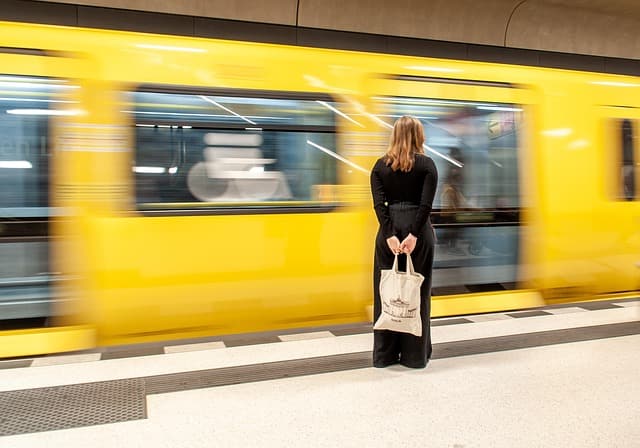


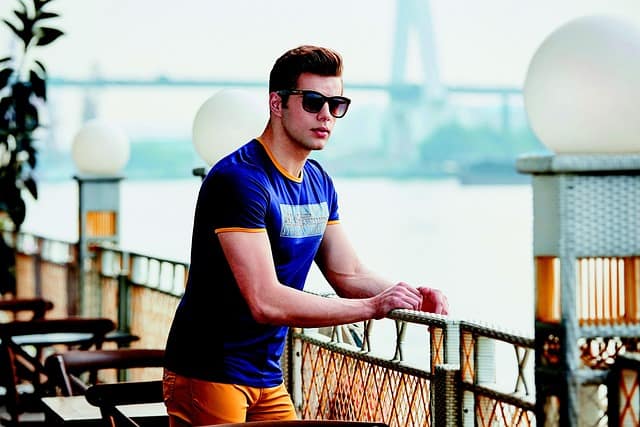
In today’s digital-first world, visuals are no longer optional — they’re the foundation of your brand identity. From social media feeds to product pages, the images your audience sees define how they perceive and remember you. This is where lifestyle brand photography comes in — a creative approach that brings your brand’s story to life through authentic, relatable imagery.
Unlike traditional studio or catalog photography, which focuses mainly on product features, lifestyle brand photography captures the experience behind your brand. It’s not just about showing what your product looks like — it’s about communicating how it feels to use it, what lifestyle it fits into, and why it matters to your audience.
“People don’t buy products; they buy better versions of themselves.”
— Donald Miller, Building a StoryBrand
Think about the last time you scrolled through Instagram or a brand’s website and felt instantly drawn in. Maybe it was a wellness brand sharing photos of peaceful morning routines, or a fashion label showing confident people in real-life moments. That emotional connection doesn’t happen by chance — it’s created through strategic, intentional lifestyle photography for brands.
Why This Guide Matters
This comprehensive guide will take you step-by-step through:
- What lifestyle brand photography really is
- Why it’s essential for modern marketing
- How to plan and execute an effective brand photoshoot
- Tips for lighting, posing, and editing
- How to use lifestyle images across your marketing platforms
- Real-world examples, mistakes to avoid, and future trends
Whether you’re a startup trying to define your visual identity or an established brand seeking to refresh your marketing visuals, mastering lifestyle brand photography can help you build an emotional bridge between your business and your audience.
Quick Stats to Know
| Statistic | Insight |
| 90% of information transmitted to the brain is visual | Source: 3M Research |
| Visual content gets 94% more views than text-only content | Source: MDG Advertising |
| Consistent brand imagery can increase revenue by 23% | Source: Forbes |
What You’ll Learn
By the end of this article, you’ll understand how to:
- Tell your brand story visually
- Create authentic, relatable imagery
- Build a consistent visual identity
- Use lifestyle photography to drive engagement and sales
What Is Lifestyle Brand Photography?
At its core, lifestyle brand photography is the art of capturing authentic, story-driven images that represent a brand’s personality, values, and audience in real-life contexts. It’s about showing the lifestyle your product or service enables, not just the product itself. These images help customers visualize how your brand fits seamlessly into their world — how it can elevate their everyday moments, reflect their identity, and align with their aspirations.
In simple terms, lifestyle photography for brands blends storytelling and marketing. Instead of sterile studio shots with plain backgrounds, lifestyle brand photography immerses your product in environments that evoke emotion, context, and relatability.
“Lifestyle photography doesn’t just sell a product — it sells a feeling.”
— Creative Director, Emily Carter
Key Characteristics of Lifestyle Brand Photography
- Real-life Scenarios: Photos feature people interacting naturally with the product in authentic settings — a coffee cup in hand during a morning routine, sneakers on a city street, or skincare used in a daily ritual.
- Emotion and Storytelling: The focus is on how the image makes viewers feel. It’s about connection, trust, and lifestyle aspiration.
- Brand Alignment: Every visual element — color, mood, lighting, and wardrobe — reflects your brand’s voice and mission.
- Audience Focus: The imagery is built for your specific demographic, resonating with their values and daily experiences.
Lifestyle Brand Photography vs. Product Photography
| Feature | Lifestyle Brand Photography | Product Photography |
| Purpose | Show lifestyle, emotion, and brand story | Showcase product details |
| Environment | Real-world context (outdoors, homes, workplaces) | Controlled studio setup |
| Emphasis | Experience, emotion, people | Product features, specifications |
| Connection | Builds emotional bond and trust | Focuses on functionality |
| Example | A model using eco-friendly shoes while hiking | A close-up of shoes on a white background |
Traditional product photography has its place — it’s clean, informative, and perfect for eCommerce listings or catalogs. However, it lacks emotional depth. Lifestyle brand photography bridges that gap by telling a story your audience can relate to. For example, a tech company might show someone enjoying their new tablet while traveling, instead of just displaying the gadget on a desk.
The Goal of Lifestyle Brand Photography
The main goal is to create imagery that humanizes your brand and establishes a sense of belonging. Customers today value authenticity more than perfection — they’re drawn to brands that reflect their world and their aspirations. When done right, lifestyle imagery becomes your visual language — consistent across your website, social media, email campaigns, and ads.
According to Nielsen’s Global Trust in Advertising Report, 92% of consumers trust organic, authentic brand content over traditional ads. This is why lifestyle brand photography has become a cornerstone of modern marketing strategies — it turns ordinary visuals into emotional storytelling tools that build trust, community, and conversion.
Mini Case Study: Glossier
Glossier, a beauty brand known for its minimalist aesthetic, built an empire around lifestyle photography. Instead of glossy, high-end studio shoots, their visuals feature real customers using products in natural settings — at home, in front of mirrors, or outdoors.
The result?
- Their Instagram engagement rate is 2–3x higher than average beauty brands.
- Customers say Glossier feels “authentic and relatable.”
This approach exemplifies how lifestyle brand photography strengthens identity and transforms customers into brand advocates.
Why This Matters for Your Brand
In 2026, consumers crave transparency and connection more than ever. Lifestyle photography for brands offers that by replacing staged perfection with genuine human moments. Whether you’re a local business or a global company, showcasing how your brand fits into daily life makes it easier for your audience to imagine it in theirs — which is the first step toward conversion.
Why Lifestyle Brand Photography Matters
In a crowded digital landscape, lifestyle brand photography is not just a creative choice — it’s a strategic necessity. Consumers today are overwhelmed with information and marketing noise. What cuts through that clutter isn’t another sales pitch — it’s visual storytelling that feels authentic, human, and emotionally resonant.
Lifestyle brand photography allows businesses to show, not tell, who they are and what they stand for. When done right, it transforms casual viewers into loyal followers and repeat customers.
1. Builds Emotional Connection with Customers
Humans are wired for stories and emotions — not data or features. According to Harvard Business Review, emotionally connected customers are more than twice as valuable as highly satisfied ones.
Lifestyle imagery taps into this emotional connection by:
- Showing how a product fits into daily life rather than just what it looks like.
- Helping customers see themselves in your brand story.
- Creating moments of relatability that spark instant trust and recognition.
For example, a photo of someone sipping your coffee brand during a calm morning tells a deeper story than a photo of the coffee bag itself. It suggests peace, comfort, and self-care — emotions your audience can feel.
“Visual storytelling isn’t about showing your product. It’s about showing what your customer becomes after using it.”
— Brand Strategist, Amy Porterfield
2. Strengthens Brand Consistency
Every touchpoint — from your website and Instagram grid to your email banners — contributes to how customers perceive your brand. Consistency in tone, color, and style reinforces brand identity.
Lifestyle brand photography helps ensure:
- A cohesive look and feel across platforms
- A recognizable brand aesthetic that builds familiarity
- A professional image that increases trust
According to Lucidpress’s Brand Consistency Report, consistent brand presentation can increase revenue by up to 33%.
| Benefit | Description |
| Visual Recognition | Consistent imagery makes your brand instantly recognizable. |
| Professionalism | Cohesive visuals convey credibility and attention to detail. |
| Emotional Memory | Audiences associate colors, tones, and styles with your brand. |
When your visuals tell one unified story, customers start to remember your brand — even when your logo isn’t visible.
3. Builds Trust and Authenticity
Today’s consumers can spot fake or overly polished content in seconds. They crave realness — unfiltered, believable imagery that reflects genuine experiences. Lifestyle brand photography achieves this by portraying:
- Real people instead of models
- Real settings instead of artificial backgrounds
- Real moments instead of staged perfection
According to Stackla’s Consumer Content Report, 86% of consumers say authenticity is a key factor when deciding which brands to support.
That’s why lifestyle brand photography works so well — it shows your brand living in the real world, not just existing in ads.
4. Increases Engagement and Conversions
Compelling visuals drive clicks, shares, and sales. The MDG Advertising Visual Content Report found that:
- Content with relevant images gets 94% more views than text-only posts.
- Visual content increases engagement rates by 2.3x on social media platforms.
Lifestyle brand photography directly contributes to higher conversion rates by:
- Grabbing attention quickly in fast-scrolling environments
- Encouraging viewers to spend more time on your website or feed
- Helping customers make faster purchasing decisions
Example: A fashion brand showing a customer wearing their jacket in an everyday scene (rather than on a mannequin) helps viewers visualize how it would look and feel — shortening the buying decision.
5. Reinforces Brand Storytelling
Every brand has a story — but not every brand knows how to tell it visually. Lifestyle brand photography is storytelling through imagery. It reinforces your brand message and values without using words.
Whether your story centers on sustainability, luxury, wellness, or innovation, the right imagery can translate those values into a consistent visual language.
Example:
- A sustainable fashion brand might feature models in natural settings, using earthy tones and sunlight.
- A tech startup might use lifestyle photography showing collaboration, creativity, and modern living spaces.
Each image tells a piece of your brand’s story — helping customers understand who you are before they even read a single line of text.
6. Encourages Social Sharing and Virality
Visual storytelling fuels social media. Platforms like Instagram, Pinterest, and TikTok are driven by aesthetics and lifestyle appeal.
Lifestyle brand photography gives your audience shareable, aspirational visuals that they want to repost, pin, or feature in their own content.
When users share your lifestyle images, they’re not just spreading content — they’re advocating for your brand. This organic amplification can generate massive reach without additional ad spend.
In Summary: Why It Matters
| Impact Area | How Lifestyle Brand Photography Helps |
| Emotional Connection | Builds empathy and relatability |
| Brand Consistency | Creates a cohesive visual identity |
| Authenticity | Establishes trust and transparency |
| Engagement & Sales | Boosts clicks and conversions |
| Storytelling Power | Turns products into experiences |
In short, lifestyle brand photography matters because it humanizes your brand. It turns marketing into storytelling, and products into meaningful experiences. In a world where people buy based on how something makes them feel, these visuals become one of your most powerful marketing assets.
Elements of Effective Lifestyle Brand Photography
Creating stunning lifestyle brand photography isn’t just about taking nice pictures. It’s about capturing the soul of your brand — the feelings, values, and experiences that make your business unique. Each image should communicate your brand identity while connecting emotionally with your audience.
Let’s explore the key elements that make lifestyle brand photography effective, impactful, and unforgettable.
1. Brand Storytelling
Every great brand tells a story, and every story deserves powerful visuals. Lifestyle brand photography is visual storytelling at its finest — it communicates your brand’s journey, mission, and promise through images.
Your story should answer:
- Who are we as a brand?
- What do we stand for?
- How do our products or services fit into people’s lives?
Example:
- A coffee company might focus on “slow living” — showing morning rituals, cozy kitchens, and real people enjoying moments of calm.
- A tech brand might highlight innovation, productivity, and collaboration through images of people using their products in modern workspaces.
“Your brand is a story unfolding across all customer touchpoints.”
— Jonah Sachs, Author of Winning the Story Wars
Pro Tip:
Before every shoot, create a visual story plan — a short document describing your brand message, emotional tone, and desired audience reaction. This ensures every photo aligns with your overall narrative.
2. Authenticity and Relatability
The golden rule of modern marketing: authenticity beats perfection.
Audiences are tired of overly posed or airbrushed visuals. They crave images that feel real — ones they can relate to, not just admire.
Authentic lifestyle photography includes:
- Natural expressions and candid moments
- Real environments (homes, streets, parks)
- Real customers or ambassadors instead of professional models
Case Study: Airbnb
Airbnb built its global image on authenticity. Instead of glossy hotel-like shots, they feature real hosts and travelers in real homes. This approach created a sense of belonging and trust — helping Airbnb redefine the hospitality industry.
| Authentic Photography | Overly Staged Photography |
| Feels genuine and emotional | Feels commercial or forced |
| Builds trust and relatability | Creates distance from audience |
| Encourages social engagement | Feels less shareable |
Tip: When in doubt, choose honest over perfect. Imperfections — a stray hair, natural lighting, or an unfiltered smile — can make your imagery more believable and effective.
3. Consistent Visual Aesthetic
Consistency is what transforms random images into a cohesive brand experience.
Every element — from lighting to editing style — should feel like part of one visual family.
Your visual aesthetic includes:
- Color Palette: Aligns with your brand colors.
- Lighting Style: Soft and natural, or bold and contrast-heavy, depending on your brand personality.
- Editing Tone: Bright and airy, moody and cinematic, or vibrant and colorful.
- Composition Style: Minimalist, lifestyle-driven, or artistic.
Example:
Brands like Apple or Glossier have mastered visual consistency. Whether you see their website, Instagram feed, or ad campaign — their tone and look are unmistakable.
| Aesthetic Element | Example | Effect |
| Neutral color palette | Beige, white, muted tones | Calming and modern |
| Warm lighting | Golden hues | Invokes comfort and positivity |
| Consistent filters | Soft matte finish | Builds visual familiarity |
Pro Tip:
Create a Brand Photography Style Guide that defines your preferred lighting, color grading, framing, and posing. Share it with every photographer and creative partner to maintain consistency across all visuals.
4. Target Audience Alignment
Your lifestyle photos should speak directly to the people you’re trying to attract. That means understanding your audience’s values, habits, and aspirations — and reflecting them authentically in your imagery.
Ask these questions before every photoshoot:
- What does my ideal customer’s daily life look like?
- What emotions do I want them to feel when they see these images?
- What kind of visuals inspire them to engage or buy?
Example:
- A wellness brand might target millennials seeking balance — showing yoga, nature, and mindfulness.
- A tech startup might focus on Gen Z — using dynamic, fast-paced imagery that emphasizes creativity and connectivity.
“Speak your customer’s visual language — not yours.”
— Visual Branding Strategist, Lisa Jacobs
Audience Alignment Tips:
- Analyze competitors’ visuals and audience engagement.
- Conduct customer surveys to understand lifestyle preferences.
- Use analytics tools (like Instagram Insights or Google Analytics) to track which visuals perform best.
5. Emotional Tone and Mood
The emotional tone of your photography dictates how your brand feels to the audience.
Colors, lighting, and facial expressions all influence emotion subconsciously.
Examples of Emotional Tone:
| Emotion | Photography Style | Example Industry |
| Calm & Relaxed | Soft light, warm tones, minimalism | Wellness, skincare |
| Energetic & Bold | High contrast, vibrant colors | Fitness, sportswear |
| Luxurious & Exclusive | Low light, moody tones, elegant details | Jewelry, high-end fashion |
Your chosen tone should match your brand promise. If your message is “empowerment,” show confidence and energy. If it’s “comfort,” emphasize warmth and intimacy.
6. Composition and Framing
Composition isn’t just a technical detail — it’s a storytelling device. How subjects are positioned can change the entire message of a photo.
Composition Tips for Lifestyle Brand Photography:
- Rule of Thirds: Place your subject off-center for a natural, dynamic look.
- Negative Space: Leave breathing room for visual balance (great for ad layouts).
- Leading Lines: Use lines in the environment (roads, furniture, walls) to draw attention to the subject.
- Context Over Perfection: Don’t crop out the environment — it helps tell the lifestyle story.
Example:
A wellness brand showing a person meditating by a window with soft natural light — not centered, but framed by shadows and textures — feels real and serene, perfectly reflecting the brand’s energy.
7. Cohesion Across Platforms
Finally, ensure that your lifestyle brand photography remains consistent across websites, social media, ads, and print materials.
This visual harmony improves brand recall and enhances the user experience.
Checklist for Cohesion:
- Same tone and color palette across all platforms
- Consistent messaging and composition
- Unified filters or presets for editing
- Brand logo or signature subtly placed (where applicable)
Summary Table: Core Elements of Lifestyle Brand Photography
| Element | Purpose | Key Takeaway |
| Brand Storytelling | Communicate values visually | Every photo should tell a story |
| Authenticity | Build trust and relatability | Use real people and settings |
| Visual Aesthetic | Ensure brand consistency | Create a style guide |
| Audience Alignment | Reflect customer lifestyle | Know your audience deeply |
| Emotional Tone | Set mood and connection | Choose lighting and color carefully |
| Composition | Strengthen storytelling | Use framing and depth |
| Platform Cohesion | Reinforce brand identity | Maintain consistency everywhere |
In essence, effective lifestyle brand photography is strategic art. It blends aesthetics, psychology, and storytelling to create visuals that resonate and convert.
When every element — from lighting to emotion — works in harmony, your brand photography becomes not just beautiful, but memorable and meaningful.
Planning a Lifestyle Brand Photoshoot
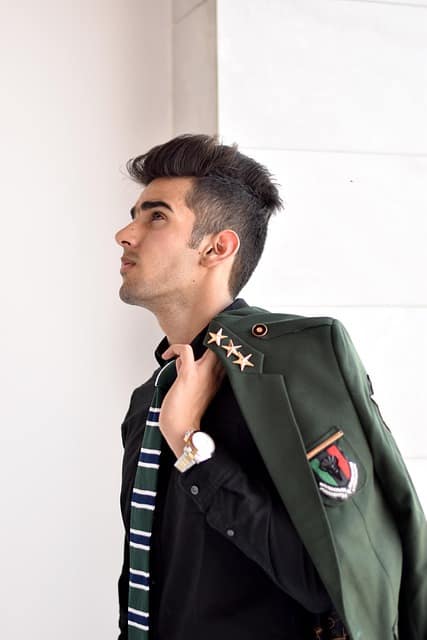
Successful lifestyle brand photography doesn’t start behind the camera — it starts with strategy. Every shot should serve a purpose: communicating your brand’s values, connecting with your audience, and strengthening your visual identity.
Planning your photoshoot with intention ensures you capture not just great images, but images that sell your story.
Below is a complete roadmap to help you plan and execute a high-impact lifestyle photoshoot for your brand.
1. Define Your Brand Vision
Before you even think about cameras, props, or lighting, you must define what story you want to tell.
Ask yourself:
- What message do I want my audience to feel when they see these images?
- What lifestyle does my product represent?
- What emotions am I trying to evoke — comfort, confidence, adventure, simplicity?
Example:
If you run a sustainable fashion brand, your photos should communicate conscious living — using natural textures, organic settings, and warm, earthy tones.
If you’re a luxury skincare brand, your imagery should evoke elegance and serenity — clean backgrounds, soft lighting, and minimal design.
“A successful photoshoot begins long before the camera turns on. It starts with clarity — about your story, your message, and your audience.”
— Sarah D. Hill, Brand Photographer
Tip:
Create a brand vision board using tools like Pinterest or Milanote. Include sample images, color palettes, and tone references. This becomes your creative compass throughout the project.
2. Choose the Right Photographer
Your photographer is not just a technician — they’re your creative partner.
A skilled lifestyle brand photographer understands how to merge storytelling with strategy. They know how to translate your brand identity into compelling visuals.
What to Look for in a Lifestyle Brand Photographer:
- Experience with brand or commercial lifestyle photography
- A portfolio that aligns with your aesthetic
- Strong understanding of natural light and candid composition
- Ability to direct people naturally and capture emotion
- Communication skills and collaborative approach
Questions to Ask Before Hiring:
- Can you share examples of past lifestyle shoots for brands similar to ours?
- How do you approach visual storytelling in your work?
- Do you offer creative direction or pre-shoot consulting?
- How do you ensure visual consistency across multiple shoots?
Pro Tip:
If possible, choose a photographer who understands your industry — they’ll instinctively know how to position your product in its ideal context.
3. Select the Perfect Location
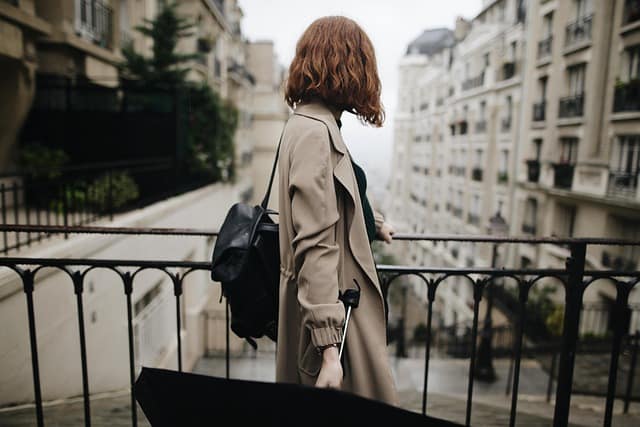
Location sets the stage for your story. It provides the context that makes your brand photography feel real and relatable.
Factors to Consider:
- Relevance: Does the setting align with your brand identity?
- Lighting: Does it offer natural light or require artificial setup?
- Accessibility: Is it easy to reach for your team and models?
- Aesthetics: Does the space match your desired tone — minimal, rustic, urban, or natural?
Examples:
| Brand Type | Ideal Location | Visual Effect |
| Fitness brand | Gym, park, beach | Active, energetic |
| Home décor | Cozy living room, studio apartment | Warm, homely |
| Outdoor gear | Forest, mountain, or campsite | Adventurous, free |
| Tech startup | Modern co-working space | Sleek, creative |
“The environment is a silent character in your brand story — make sure it speaks your language.”
Tip:
If you’re unsure about locations, scout multiple spots and shoot test images to evaluate lighting and mood before finalizing.
4. Props, Wardrobe, and Styling
Props and clothing choices make your brand narrative tangible.
Everything in the frame — from a coffee mug to the color of someone’s shirt — should enhance your story and complement your brand palette.
Prop & Styling Checklist:
- Use items that your audience would actually use in real life.
- Keep props on-brand — avoid clutter or irrelevant details.
- Choose wardrobe colors that match or complement your brand’s tones.
- Maintain texture balance — mix soft, hard, and neutral surfaces.
Example:
If you’re photographing an eco-friendly skincare line:
- Use linen towels, wooden brushes, plants, and ceramic bowls.
- Dress models in neutral or organic fabrics like cotton or linen.
- Keep the color scheme soft, natural, and consistent.
Pro Tip:
Create a styling guide before the shoot — list every prop, wardrobe piece, and color tone you’ll use. This ensures consistency across campaigns.
5. Build a Detailed Shot List
A shot list is your photoshoot roadmap. It keeps the process organized, ensures you don’t miss key moments, and helps maintain brand alignment.
Example Lifestyle Brand Photography Shot List:
| Type of Shot | Description | Purpose |
| Hero Shot | Main image that represents your brand essence | Website banners, ads |
| Product in Use | People using your product naturally | Relatability |
| Detail Close-ups | Macro shots of textures or features | Highlight craftsmanship |
| Behind-the-Scenes | Casual moments of setup or laughter | Humanize your brand |
| Environmental Shot | Wide view showing product in context | Adds depth and realism |
| Lifestyle Portraits | People living your brand story | Emotional connection |
Tip:
Label each shot with its intended use (website, Instagram, ad campaign). This helps you capture content tailored for specific platforms.
6. Set the Mood: Lighting and Timing
Lighting can make or break your photos.
For lifestyle brand photography, natural light is often best — it feels authentic, soft, and emotionally warm.
Ideal Times to Shoot:
- Golden Hour (Sunrise or Sunset): Creates flattering, natural glow.
- Early Morning Light: Crisp, calm, and professional.
- Overcast Days: Softens shadows and highlights details.
If shooting indoors, use diffused light from large windows or softbox setups to mimic natural sunlight.
| Lighting Type | Best For | Effect |
| Natural daylight | Lifestyle & portrait shots | Soft and organic |
| Studio softbox | Controlled environments | Clean and consistent |
| Reflectors | Balancing light | Brightens dark areas |
Pro Tip: Always test lighting conditions before the shoot day — especially if the location has mixed indoor/outdoor spaces.
7. Prepare for Flexibility
Even the best-planned photoshoots can face hiccups — weather, lighting changes, last-minute cancellations.
Plan a backup location, alternate angles, and secondary shot ideas in case things shift unexpectedly.
Checklist for Flexibility:
- Backup batteries and memory cards
- Portable lighting options
- Flexible wardrobe options
- Rain plan for outdoor shoots
- Quick access to editing software or preview tools
8. Budget and Logistics
Finally, establish a realistic budget that covers:
- Photographer fees
- Location permits or rentals
- Wardrobe, props, and makeup
- Equipment and lighting rentals
- Travel and catering costs
Tip:
Create a spreadsheet for expenses and assign responsibilities to your team. A well-managed logistics plan ensures the creative process flows smoothly.
Sample Pre-Shoot Planning Timeline
| Stage | Timeframe | Key Tasks |
| Concept Development | 2–3 weeks before shoot | Define vision, mood board, goals |
| Photographer Selection | 2 weeks before | Review portfolios, finalize contract |
| Location & Props | 1–2 weeks before | Secure locations, prep styling |
| Shot List & Logistics | 1 week before | Finalize details, confirm schedule |
| Photoshoot Day | Scheduled day | Execute shoot with flexibility |
| Review & Editing | 1–2 weeks after | Select, retouch, and optimize images |
In short, planning a lifestyle brand photoshoot is about blending structure with creativity.
The more detailed your preparation, the more freedom you’ll have to experiment and capture authentic, brand-driven moments. When vision meets execution, you’ll walk away with images that don’t just look beautiful — they feel like your brand.
Posing, Lighting, and Composition Tips for Lifestyle Brand Photography
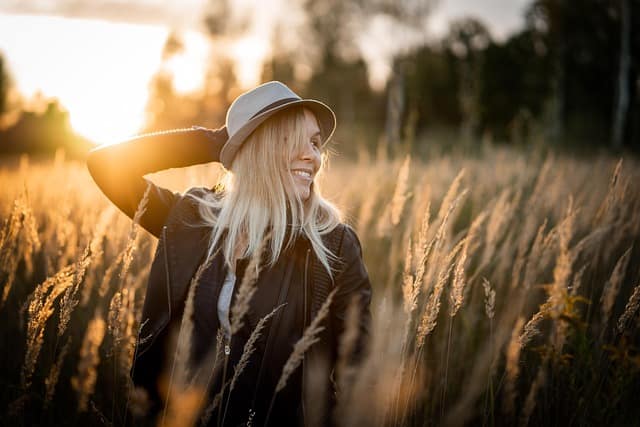
Capturing the essence of a brand through photography requires more than a good camera. It’s about understanding how light, pose, and composition interact to tell a story that feels natural, inspiring, and on-brand.
Let’s break down each of these critical elements in depth.
1. Posing for Authenticity
The best lifestyle brand photos don’t look posed — even though they are.
Your goal is to create moments that look candid but feel intentional.
Key Principles of Authentic Posing:
- Encourage Movement: Ask your models to walk, talk, or interact with the product naturally. Motion creates realism.
- Capture Transitions: The moments before or after a pose often produce the most genuine expressions.
- Avoid Overly Staged Shots: Perfect symmetry or forced smiles can feel unnatural. Focus on real emotion.
- Use Environmental Interaction: Let your subjects use the environment — sit on a couch, hold a coffee, touch a surface — to tell a story.
Example Poses for Lifestyle Brand Photography:
| Type | Example Pose | Emotion Conveyed |
| Relaxed Interaction | Person sipping coffee while chatting with a friend | Comfort, connection |
| Action Moment | Jogger tying shoes mid-run | Energy, motivation |
| Quiet Reflection | Model reading in sunlight | Calm, focus |
| Hands in Motion | Applying skincare, adjusting glasses, typing | Realism, engagement |
“The magic happens when your subject forgets about the camera and simply lives the story you’re telling.”
— Benjamin Clark, Commercial Photographer
Pro Tip:
Use continuous shooting mode to capture multiple frames per second — you’ll often find the most authentic shot in the in-between moments.
2. Lighting: The Emotional Backbone
Lighting sets the emotional tone for your lifestyle brand photography.
Whether it’s warm morning sunlight or dramatic studio light, lighting determines how your audience feels about your brand.
Types of Lighting for Lifestyle Photography:
| Lighting Type | Description | Best For | Mood Created |
| Natural Light | Sunlight, window light, outdoor glow | Lifestyle shoots, candid photos | Soft, organic, real |
| Golden Hour Light | Early morning or late afternoon sun | Outdoor lifestyle shoots | Warm, emotional, cinematic |
| Softbox Lighting | Diffused studio lighting | Product + lifestyle mix | Clean, polished |
| Backlighting | Light source behind subject | Creative, artistic shots | Dreamy, emotional |
| Reflector Fill | Bounces light to soften shadows | Portraits, product use | Balanced, gentle tone |
Lighting Tips:
- Always observe the light before setting up your shot. The direction and intensity matter more than your gear.
- Use natural reflectors — white walls, floors, or even clothing — to bounce light softly onto your subject.
- Avoid harsh midday light unless using shade or diffusers.
- If shooting indoors, position subjects near large windows and use sheer curtains for a soft effect.
Pro Tip:
For brands seeking consistency across campaigns, document your lighting setup — note the time of day, angles, and camera settings. This creates a repeatable “brand lighting style.”
3. Composition Techniques for Strong Visual Impact
Composition determines where the viewer’s eye travels when they see your photo.
In lifestyle brand photography, great composition ensures your audience instantly understands what’s important — the story, the product, and the emotion.
Fundamental Composition Rules:
- Rule of Thirds:
Divide your frame into 3×3 sections and place the subject along these lines. This creates balance and focus. - Leading Lines:
Use architectural or natural lines (roads, furniture edges, light patterns) to draw attention toward your subject or product. - Depth and Layers:
Include foreground and background elements to create realism and immersion. - Framing within a Frame:
Use windows, doorways, or objects to frame your subject. It adds dimension and visual interest. - Negative Space:
Leave breathing room around your subject to make it stand out — especially effective for minimalistic brands. - Symmetry and Balance:
Great for brands that emphasize calm, order, or precision.
Example Comparison:
| Composition Style | Best Used For | Example |
| Rule of Thirds | Lifestyle scenes | Model sitting off-center with product in frame |
| Symmetry | Modern, luxury, tech brands | Product centered in clean backdrop |
| Leading Lines | Adventure/outdoor brands | Path leading to subject |
| Negative Space | Minimalist or wellness brands | Subject surrounded by airy white background |
“Composition is how you guide emotion without words. It’s storytelling through structure.”
— Lydia Jones, Visual Director at Modern Story Co.
4. Color Psychology in Composition
Color affects how viewers feel about your brand images.
Your choice of tones, saturation, and contrast should reflect your brand personality and target audience.
Color Associations Table:
| Color Palette | Emotion/Meaning | Ideal For |
| Warm (Red, Orange, Yellow) | Energy, warmth, creativity | Fitness, travel, lifestyle brands |
| Cool (Blue, Green) | Calm, trust, serenity | Wellness, skincare, tech |
| Neutral (Beige, White, Gray) | Sophistication, minimalism | Luxury, fashion, modern brands |
| Earthy (Brown, Olive, Terracotta) | Nature, authenticity | Sustainable, eco-conscious brands |
Pro Tip:
Maintain a consistent color palette across all photoshoots to strengthen visual brand recognition. Tools like Adobe Color or Coolors can help you map your color harmony.
5. Framing for Multiple Platforms
When shooting lifestyle brand photos, remember that your content will appear in multiple formats — website banners, Instagram, ads, and print.
Framing Guidelines:
- Vertical (4:5) for Instagram posts
- Horizontal (16:9) for websites and ads
- Square (1:1) for profile grids
- Extra-wide for banner hero shots
Shoot each scene from multiple distances and angles so you can crop later without losing quality or composition balance.
Example Workflow:
- Capture a wide shot → sets context
- Capture a medium shot → focuses on interaction
- Capture a close-up → highlights details
This variety gives you content flexibility across all marketing channels.
6. Case Study: Patagonia’s Lifestyle Photography
Brand: Patagonia
Objective: Reflect authenticity, environmental responsibility, and adventure.
Execution:
- Used real people, not models.
- Shot outdoors with natural light and candid expressions.
- Emphasized storytelling through vast landscapes and organic textures.
- Maintained earthy color tones and minimal editing.
Result:
Patagonia’s visuals became synonymous with sustainability and freedom — proving that honest, story-driven photography can build massive emotional connection.
Summary
Posing, lighting, and composition are the cornerstones of impactful lifestyle brand photography. Together, they control how your audience feels, what they focus on, and how they connect to your message.
When these elements work in harmony, your images don’t just show your brand — they embody it.
Editing and Post-Production Best Practices for Lifestyle Brand Photography
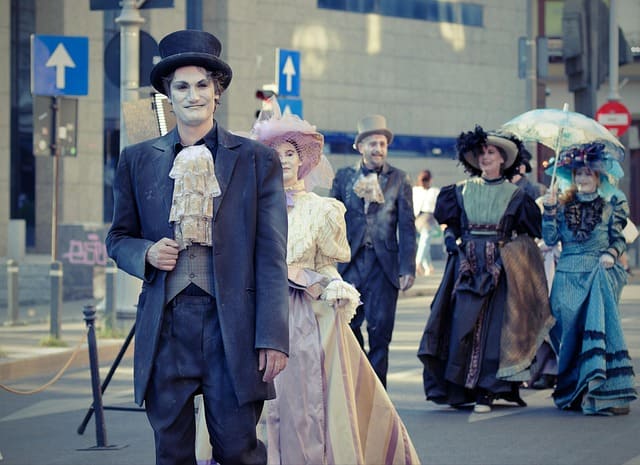
Once the shoot wraps up, the real artistry begins in post-production. Editing is where your raw visuals are refined into cohesive, on-brand assets that truly reflect your brand’s tone and story.
Effective editing isn’t about heavy filters or over-saturation — it’s about consistency, mood, and alignment with brand identity.
Let’s dive into the essential steps and techniques for editing lifestyle brand photos professionally and purposefully.
1. The Purpose of Editing in Lifestyle Brand Photography
Editing is not just about “fixing” photos — it’s about fine-tuning your brand’s emotional message.
In lifestyle brand photography, your editing style communicates:
- Mood (warm, soft, bright, moody, minimalist)
- Professionalism (consistent tones and textures)
- Brand Personality (luxury, adventure, sustainability, creativity)
“Editing is the bridge between what the camera sees and what the brand feels.”
— Elena Foster, Visual Branding Expert
When done right, editing ensures every image looks like it belongs to the same visual family — even across different campaigns and seasons.
2. Establish a Consistent Editing Style
Before you start editing, define your visual style guide. This ensures every photo you publish supports your overall aesthetic and brand identity.
Visual Style Factors to Define:
- Color Temperature: Warm (golden, cozy) or cool (calm, modern)?
- Contrast Level: Soft and airy or bold and dramatic?
- Exposure: Bright and clean or dim and moody?
- Saturation: Natural tones or vivid, eye-catching colors?
- Texture and Clarity: Smooth and polished or gritty and raw?
Example:
| Brand Type | Editing Style | Description |
| Luxury Fashion | High contrast, cool tones | Clean, sharp, elegant |
| Eco-friendly Brand | Warm, desaturated | Natural, earthy, authentic |
| Tech or Startup | Bright, balanced | Energetic, modern, innovative |
| Wellness or Skincare | Soft, low contrast | Calm, minimal, pure |
Pro Tip:
Create Lightroom presets or Photoshop actions to apply consistent edits across all brand photos. This speeds up workflow and ensures uniformity.
3. The Essential Editing Workflow
A structured editing process saves time and maintains quality.
Here’s a professional-grade workflow you can follow for every photoshoot:
Step 1: Select and Organize
- Import all images into your editing software (e.g., Adobe Lightroom).
- Use rating and flagging systems to shortlist the best shots.
- Eliminate duplicates, test shots, and blurry images.
- Create folders by theme or platform (e.g., Website, Instagram, Ads).
Step 2: Correct Exposure and White Balance
- Adjust exposure, contrast, highlights, and shadows to balance lighting.
- Fix white balance — ensure skin tones and colors look natural.
- Use the “Auto” tool as a starting point but always fine-tune manually.
Step 3: Color Grading
- Apply your chosen color palette consistently.
- Use HSL (Hue, Saturation, Luminance) sliders to refine tones.
- Keep colors consistent with brand mood (e.g., soft neutrals for luxury, bright tones for lifestyle brands).
- Avoid over-editing — subtlety builds authenticity.
Step 4: Skin and Texture Retouching
- Use spot removal or healing brushes to remove minor blemishes or distractions.
- Retain skin texture — overly airbrushed photos look fake and untrustworthy.
- Sharpen key details (eyes, product edges, fabric textures).
Step 5: Cropping and Framing
- Use the rule of thirds for balance.
- Adjust for platform requirements (vertical for social, horizontal for web).
- Maintain space for overlays like text or branding elements.
Step 6: Export and Optimize
- Export high-resolution versions for print and web-optimized files (JPEG or WebP) for digital use.
- Compress images to improve page speed without losing quality.
- Rename files using SEO-friendly filenames, e.g., lifestyle-brand-photography-shoot.jpg.
4. Maintain Brand Cohesion Across Campaigns
Cohesion builds recognition. Your audience should be able to glance at an image and immediately associate it with your brand.
Checklist for Brand Consistency:
- Use the same color grading and tone across all photos.
- Keep backgrounds and environments consistent with brand values.
- Ensure lighting and composition match previous campaigns.
- Create a shared brand style guide for all team members and collaborators.
Example:
Apple’s product lifestyle photos always follow:
- White or light gray backgrounds
- Minimalist composition
- Natural reflections
- Consistent exposure
This simplicity makes Apple’s visuals unmistakable — regardless of product or platform.
5. Editing Tools for Lifestyle Brand Photography
Here’s a list of professional tools that streamline editing and enhance your workflow:
| Tool | Purpose | Highlights |
| Adobe Lightroom | Photo editing & color grading | Presets, batch editing, easy adjustments |
| Adobe Photoshop | Retouching & advanced compositing | Layers, masks, object removal |
| Capture One | Professional-grade color control | Precise tone editing |
| Canva Pro | Quick design integration | Overlay text, templates, resizing |
| DxO PhotoLab | Noise reduction & lens correction | Great for outdoor shoots |
| AfterShoot / Narrative Select | AI photo culling | Saves time on selection process |
Pro Tip:
If you’re managing large brand libraries, use Digital Asset Management (DAM) tools like Bynder or Pixpa to organize and store edited assets with tags, captions, and metadata.
6. Real-World Example: Glossier’s Visual Editing Strategy
Brand: Glossier (beauty & skincare)
Objective: Create a consistent, minimal aesthetic that reflects authenticity and approachability.
Editing Approach:
- Uses soft pastel tones with high exposure and low contrast.
- Emphasizes real skin texture — no over-retouching.
- Maintains consistent white backgrounds across product and lifestyle shots.
- Subtle color grading enhances warmth without overpowering the image.
Result:
Glossier’s imagery feels real, youthful, and emotionally inviting. The brand’s editing approach helped it dominate visual platforms like Instagram — where authenticity drives engagement.
7. Exporting with SEO and Platform Optimization
Even in photography, SEO matters. Optimized images help your website rank higher and load faster.
SEO Image Optimization Tips:
- Rename files with keyword-rich names (e.g., lifestyle-brand-photography-tips.jpg).
- Add descriptive alt text (e.g., “woman enjoying coffee during lifestyle brand photoshoot”).
- Use WebP format for web — smaller file size, better quality.
- Maintain image dimensions appropriate to your platform.
Recommended Sizes:
| Platform | Optimal Size | Format |
| Website hero banner | 1920×1080 px | JPEG/WebP |
| Instagram post | 1080×1350 px | JPEG |
| Facebook ad | 1200×628 px | JPEG |
| Pinterest pin | 1000×1500 px | PNG/WebP |
Summary
Editing is where your lifestyle brand photography gains polish, consistency, and emotional power.
A carefully edited image builds trust, communicates professionalism, and enhances your visual storytelling.
In the world of digital branding, consistency is key — and thoughtful post-production turns a collection of images into a cohesive brand identity.
Measuring the Impact of Lifestyle Brand Photography
Beautiful photos mean little without results.
To ensure your lifestyle brand photography is driving awareness, engagement, and revenue, you need to measure its impact using clear data and performance indicators.
In this section, we’ll explore how to track, analyze, and optimize your photography’s performance across all digital touchpoints.
1. Why Measuring Matters
Investing in professional lifestyle photography can be costly — from creative direction to editing and distribution.
Tracking performance ensures you understand what’s working, what’s not, and where to improve.
Key Benefits of Measurement:
- Proves ROI on your creative investment
- Identifies top-performing content and styles
- Informs future photoshoots with data-driven insights
- Strengthens alignment between marketing and creative teams
“Creative intuition is valuable — but data validates your instincts.”
— Caroline Finch, Brand Strategy Analyst
2. Define Clear KPIs (Key Performance Indicators)
Before you launch a campaign featuring new lifestyle photos, establish specific goals and corresponding KPIs.
Example Goals and KPIs Table:
| Goal | KPI | Measurement Method |
| Increase brand awareness | Impressions, reach | Social media analytics, Google Ads reports |
| Boost engagement | Likes, shares, comments, saves | Platform insights (Instagram, LinkedIn) |
| Improve conversion rates | Click-throughs, sign-ups, purchases | Google Analytics, CRM tracking |
| Enhance trust and perception | Brand sentiment | Surveys, feedback forms, review analysis |
| Strengthen SEO | Organic traffic, ranking improvement | Google Search Console, SEMrush |
Pro Tip:
Don’t track everything — focus on 3–5 meaningful metrics that directly connect to your marketing objectives.
3. Analyze Website Performance
Your website provides rich insights into how users respond to your visual content.
Key Metrics to Track:
- Bounce Rate: Do users stay longer on pages with lifestyle images?
- Session Duration: Do they explore more when imagery tells a story?
- Conversion Rate: Are product-in-use photos leading to higher sales or inquiries?
- Heatmaps (via Hotjar or Crazy Egg): Show where users’ eyes and clicks focus most.
Example Insight:
| Page Type | Bounce Rate Before Lifestyle Photos | After Adding Lifestyle Photos | Improvement |
| Product Page | 62% | 39% | +23% engagement |
| About Page | 54% | 33% | +21% retention |
Interpretation:
Authentic imagery reduces bounce rates and improves dwell time because it strengthens emotional connection and trust.
4. Track Social Media Engagement
Lifestyle brand photography often performs best on social media, where visual storytelling drives interaction.
Metrics to Track:
- Engagement Rate per Post = (Likes + Comments + Shares) / Followers × 100
- Saves & Shares: Strong indicators of valuable, relatable content.
- Follower Growth: Do new lifestyle photos correlate with growth spikes?
- Content Reach: Compare organic vs. paid reach.
Example Observation:
A skincare brand switches from product-only shots to real lifestyle scenes:
- Engagement rate increases by 57%
- Saves double within 30 days
- Follower growth accelerates by 1.8x
Pro Tip:
Use UTM tracking links on posts to attribute conversions from specific images or campaigns.
5. Evaluate Ad Campaign Performance
For paid advertising, visual performance can be measured precisely.
Ad Metrics to Track:
| Metric | What It Measures | Why It Matters |
| CTR (Click-Through Rate) | % of viewers who click | Gauges image appeal |
| CPC (Cost Per Click) | Cost per engagement | Indicates efficiency |
| Conversion Rate | % who take desired action | Measures success |
| ROAS (Return on Ad Spend) | Revenue per $1 spent | Determines profitability |
Case Example:
A travel brand tested two ad creatives:
- A: Generic beach photo (stock image) → CTR: 0.9%
- B: Real lifestyle photo of couple at resort → CTR: 2.4%, 165% increase
Lesson: Authenticity converts.
6. Use A/B Testing to Identify What Works
A/B testing lets you scientifically determine which visuals resonate most.
How to Run a Visual A/B Test:
- Select one variable — e.g., background, pose, lighting style.
- Create two versions of your ad or landing page.
- Split your audience evenly.
- Measure engagement, clicks, or conversions.
Example Test:
| Variant | Visual Focus | CTR | Result |
| A | Solo product shot | 1.3% | Baseline |
| B | Product-in-use lifestyle shot | 2.7% | +107% better performance |
Pro Tip:
Run A/B tests continuously — even small differences in color, expression, or framing can significantly influence user behavior.
7. Collect Qualitative Feedback
Data tells you what works; feedback tells you why.
Gather insights directly from your audience through:
- Social media polls or comments (“Which look do you prefer?”)
- Customer surveys (“What do these images make you feel?”)
- Focus groups for major brand campaigns
Insight Example:
If users describe your images as “authentic,” “aspirational,” or “relatable,” you’re achieving emotional alignment. If they say “generic” or “unrealistic,” you may need to refine tone and styling.
8. Tools for Measuring Visual Performance
| Tool | Function | Best For |
| Google Analytics 4 | Tracks engagement, conversion rates | Website performance |
| Meta Insights / Instagram Analytics | Monitors reach, saves, engagement | Social content |
| Hotjar / Crazy Egg | Heatmaps, session recordings | User behavior |
| SEMrush / Ahrefs | SEO keyword tracking | Organic image traffic |
| Canva Brand Kit Analytics | Visual asset performance | Creative consistency |
| Brandwatch / Sprout Social | Sentiment analysis | Audience perception |
Pro Tip:
Integrate data across these platforms using dashboards (e.g., Google Looker Studio) for a unified view of your brand performance.
9. Adjust and Evolve Based on Data
The best brands adapt their visual strategy based on insights.
Use the data you gather to:
- Refine your brand photography style over time
- Identify which themes, colors, or models perform best
- Optimize shoot budgets toward proven styles
- Update content regularly to stay fresh and relevant
Example:
If analytics show that warm-toned images of people outdoors perform 40% better than studio shots, invest more in natural settings for your next campaign.
10. Summary
Measuring the success of your lifestyle brand photography is about blending creativity with data.
Every great photo can — and should — serve a business purpose.
By tracking key performance metrics, running A/B tests, and gathering real feedback, you can refine your visual storytelling into a powerful, ROI-driven marketing strategy.
“Your photos should not only look good — they should perform.”
— Alicia Grant, Digital Brand Consultant
Common Mistakes to Avoid in Lifestyle Brand Photography

Even the most beautifully styled shoot can miss the mark if it doesn’t serve your brand’s goals.
Lifestyle brand photography requires more than nice visuals — it needs strategy, authenticity, and emotional connection.
Here are the most common pitfalls brands make — and how to avoid them.
1. Lack of Brand Alignment
Many brands fall into the trap of creating stunning photos that look good but don’t align with their brand identity.
Example Mistake:
A wellness brand using moody, dark imagery that feels more suited for luxury fashion.
Fix:
Start every shoot with a brand photography style guide that defines:
- Brand tone and color palette
- Core values and personality traits
- Target audience demographics
- Visual examples (mood boards or sample shots)
Pro Tip:
Every image should answer this question:
“Does this photo look and feel like our brand?”
2. Overly Staged or Inauthentic Shots
Modern audiences crave realness. Perfectly polished, obviously posed photos often feel unrelatable and untrustworthy.
Why It Hurts:
- Makes your brand seem disconnected from real life
- Reduces emotional engagement
- Performs poorly on social media (especially Instagram and TikTok)
Fix:
- Capture real moments instead of forced poses
- Use natural lighting whenever possible
- Feature diverse, relatable models instead of only idealized ones
- Include behind-the-scenes or candid shots in your visual mix
“People don’t buy perfection — they buy connection.”
— Seth Godin, Marketing Expert
3. Inconsistent Visual Style Across Platforms
A brand that looks different on every channel confuses customers.
Your Instagram, website, and ads should tell one consistent story.
Example of Inconsistency:
| Platform | Image Style | Result |
| Website | Bright, minimal lifestyle shots | Professional |
| Dark, moody filters | Confusing | |
| Ads | Generic stock photos | Disconnected brand feel |
Fix:
Develop a brand photography framework — defining color tones, lighting preferences, angles, and editing styles.
Ensure all creators (in-house or freelance) follow this standard.
4. Ignoring Storytelling
A common mistake is focusing only on the product — not the story around it.
Lifestyle photography isn’t about the object; it’s about the experience, emotion, and transformation it represents.
Example:
Instead of photographing a yoga mat alone, show someone meditating by a sunny window. The story shifts from “here’s our product” to “here’s how peace feels.”
Fix:
Use a storytelling approach:
- Scene: Where is this moment happening?
- Character: Who’s in the image and what are they feeling?
- Action: What’s happening in the scene?
- Emotion: What message should viewers take away?
5. Relying Too Heavily on Stock Photography
Stock images can fill gaps — but overusing them can dilute your brand identity.
Why It’s a Problem:
- Stock photos lack originality
- They’re often overused by other brands
- They don’t reflect your real people or story
Fix:
Invest in custom photography. Even small brands can plan cost-effective shoots:
- Batch-shoot multiple scenes in one day
- Use real customers or employees as models
- Capture lifestyle imagery during real events or interactions
Data Insight:
A Nielsen Norman Group study found that authentic photos drive 35% higher engagement than stock images in marketing materials.
6. Neglecting Technical Quality
Even great storytelling loses power if the visuals look amateurish.
Common Technical Mistakes:
- Poor lighting or harsh shadows
- Blurry or low-resolution images
- Over-editing (oversaturation or heavy filters)
- Inconsistent image dimensions
Fix:
- Use high-quality equipment (DSLR or mirrorless cameras)
- Shoot in RAW format for flexible editing
- Hire experienced retouchers who maintain a natural look
- Optimize image sizes for web (under 200KB) to ensure fast loading
7. Forgetting About SEO Optimization
A surprising number of brands skip SEO image optimization, missing valuable traffic opportunities.
SEO Mistakes to Avoid:
- Missing or vague image filenames (e.g., “IMG_3029.jpg”)
- No alt text for accessibility and indexing
- Large, uncompressed images slowing page load
- No use of keyword-rich captions or descriptions
Fix:
- Rename files descriptively: lifestyle-brand-photography-coffee-morning.jpg
- Use descriptive alt text like “woman enjoying coffee using sustainable brand mug.”
- Compress images (TinyPNG, Squoosh)
- Include your target keyword (“lifestyle brand photography”) naturally in captions and context
Quick SEO Checklist:
✅ Keyword in file name
✅ Alt text written
✅ Image compressed
✅ Caption optimized
8. Not Measuring Results or Iterating
You can’t improve what you don’t measure.
Brands often post photos, then move on — without assessing how they perform.
Fix:
- Track engagement, conversion, and click data for each campaign
- Run A/B tests with different visual styles
- Identify patterns (lighting, colors, emotions) that drive performance
- Regularly update your brand photo library with top-performing visuals
Case Study:
A fashion e-commerce brand discovered that photos shot in natural outdoor light increased conversions by 32% compared to studio images. This insight informed all future shoots — and boosted annual sales significantly.
9. Overcomplicating the Composition
Complex, cluttered photos can overwhelm rather than inspire.
Minimal, focused imagery often performs better online.
Fix:
- Keep your main subject clear and central
- Use negative space strategically
- Simplify props and backgrounds
- Follow the rule of thirds for balance
Remember: clarity equals impact.
10. Ignoring Diversity and Inclusivity
Representation matters.
Brands that showcase only one type of lifestyle or demographic risk alienating parts of their audience.
Fix:
Include diversity across:
- Ethnicities
- Ages
- Body types
- Genders
- Lifestyles and abilities
Example:
A study by Getty Images found that brands using diverse imagery saw a 44% increase in audience trust.
Final Thoughts: Building Better Lifestyle Brand Photography
Avoiding these mistakes transforms your brand imagery from “nice pictures” to powerful marketing assets that tell your story, connect with your audience, and drive measurable growth.
Remember:
- Stay authentic.
- Stay consistent.
- Always measure and adapt.
“In brand photography, small creative choices make massive strategic impact.”
— Visual Storyteller, Lauren Hom
Conclusion: The Power of Lifestyle Brand Photography
In today’s fast-paced digital world, lifestyle brand photography isn’t just about capturing beautiful images — it’s about creating visual experiences that tell your brand’s story, connect emotionally with your audience, and drive business results.
Every image you publish — from your homepage hero banner to your Instagram grid — is a piece of your brand’s identity. When those visuals are authentic, strategic, and emotionally compelling, they transform your marketing from simple promotion to meaningful storytelling.
Let’s recap what makes lifestyle brand photography so impactful:
| Core Benefit | Why It Matters |
| Authenticity | Builds trust and emotional connection with your audience |
| Consistency | Reinforces brand recognition across all channels |
| Storytelling | Communicates your values and lifestyle without words |
| Engagement | Increases clicks, shares, and conversions |
| Data-Driven Refinement | Ensures every image contributes to measurable growth |
When used strategically, lifestyle imagery can turn a small business into a recognizable lifestyle brand — one people relate to, talk about, and return to again and again.
Key Takeaways for Your Brand
If you’re building or refining your visual identity, remember these essential steps:
- Start with strategy — define your brand’s tone, audience, and emotional message.
- Tell stories, not sales pitches — focus on moments and feelings, not just features.
- Invest in quality — hire professionals or build in-house skills to maintain high standards.
- Be consistent — align your visuals across all digital platforms.
- Track performance — use analytics to guide future shoots and campaigns.
Your audience doesn’t just want to see your brand — they want to feel it.
That’s the real power of lifestyle brand photography.
Final Thought
“A photo can show your product — but a lifestyle photo shows your purpose.”
— Maya Lin, Creative Director
Lifestyle brand photography bridges the gap between marketing and meaning. It’s how brands humanize their presence, differentiate from competitors, and create emotional resonance that lasts beyond the scroll.
Whether you’re a startup or an established enterprise, investing in lifestyle imagery means investing in the emotional heartbeat of your brand.