

Introduction to Lifestyle Product Photography
In today’s competitive e-commerce and social media-driven world, lifestyle product photography has become a vital tool for brands to connect with their audience. Unlike traditional product photography that focuses solely on displaying a product against a plain background, lifestyle product photography tells a story. It shows products in real-life contexts, demonstrating how they fit into the everyday lives of potential customers. This approach helps consumers visualize the product in use, which significantly increases engagement and conversion rates.
For example, a watch photographed on a plain white background communicates the product’s design and features, but a lifestyle shot of the same watch worn during a morning coffee ritual conveys emotion, context, and a sense of aspiration. This storytelling aspect is what sets lifestyle photography apart.
Key Benefits of Lifestyle Product Photography:
- Enhanced Brand Identity: Lifestyle images communicate a brand’s personality and values.
- Improved Customer Connection: By showing products in relatable settings, customers are more likely to imagine themselves using the product.
- Higher Conversion Rates: Studies show that lifestyle imagery can increase online sales by up to 30% compared to standard product photos.
- Better Social Media Engagement: Lifestyle product images are more shareable and visually appealing on platforms like Instagram, Pinterest, and Facebook.
Quote:
“Lifestyle photography is not just about taking pictures—it’s about telling a story that resonates with your audience and inspires them to act.” – Creative Director, E-Commerce Brand
By the end of this guide, you’ll understand how to plan, shoot, and edit lifestyle product photography that not only looks professional but also drives results for your brand or business.
Importance of Lifestyle Product Photography for Businesses
Lifestyle product photography plays a pivotal role in modern marketing strategies because it connects products to real-life experiences, helping brands tell compelling stories and engage their audiences. Unlike standard product shots that show only the physical attributes of an item, lifestyle images immerse viewers in scenarios where the product naturally fits. This approach does more than just highlight features—it evokes emotion, builds trust, and drives purchasing decisions.
Boosting Brand Identity and Storytelling
Every brand has a unique story, and lifestyle product photography is a visual tool to communicate that story effectively. By carefully curating the setting, props, lighting, and models, photographers can convey:
- The personality of the brand (luxury, minimalistic, playful, adventurous)
- The emotional connection between customers and products
- How the product fits into everyday life or aspirational scenarios
For example, a high-end coffee brand can use lifestyle photography to show its mugs and beans being used in cozy morning rituals, thereby creating a relatable lifestyle experience for customers. This technique strengthens brand identity, making the products more than just items—they become part of a lifestyle customers aspire to.
Increasing Engagement and Sales
E-commerce research shows that lifestyle product images outperform standard product photos in terms of engagement and conversion. Consider these statistics:
- 70% of online shoppers say that image quality significantly influences their purchasing decision.
- Lifestyle images increase perceived value of the product, which can justify premium pricing.
- Brands that integrate lifestyle photography into social media campaigns see higher click-through rates and shares, driving organic reach.
Table: Impact of Lifestyle vs Standard Product Photography
| Metric | Standard Product Photo | Lifestyle Product Photo |
| Engagement Rate (Social Media) | 25% | 45% |
| Conversion Rate (E-commerce) | 12% | 30% |
| Average Time on Page | 40 sec | 75 sec |
As this table demonstrates, lifestyle photography doesn’t just make your product look good—it actively drives business performance.
SEO and Marketing Benefits
Lifestyle product photography also plays a role in digital marketing and SEO:
- Image SEO: Properly optimized lifestyle images with descriptive alt text can appear in Google image searches, driving organic traffic.
- Content Marketing: Lifestyle imagery enriches blogs, social media posts, and email campaigns, increasing engagement.
- Brand Differentiation: High-quality, story-driven visuals help distinguish your brand from competitors using generic product photos.
In essence, lifestyle product photography is both a creative and strategic asset, providing tangible returns in marketing, sales, and brand growth.
Case Study:
A fashion e-commerce brand replaced standard product photos with lifestyle shots showcasing models in real-life scenarios. Result: a 35% increase in conversion rates and a 50% higher engagement rate on Instagram posts.
Planning a Lifestyle Product Photography Shoot
Successful lifestyle product photography doesn’t happen by chance—it requires careful planning and a clear strategy. Every element, from understanding your brand to choosing the right location and props, plays a critical role in creating compelling visuals that resonate with your audience.
Defining the Brand and Target Audience
Before any photography shoot, it’s essential to define your brand identity and target audience. Understanding who you are trying to reach will influence the style, mood, and setting of your lifestyle photos.
- Brand Identity: Is your brand playful, luxurious, minimalistic, or adventurous? Your photography style should align with these characteristics.
- Target Audience: Consider age, lifestyle, and interests. For example, a sustainable skincare brand targeting millennials might use soft, natural lighting and relatable everyday scenes to convey authenticity.
- Messaging Goals: Determine the story you want your photos to tell. Are you highlighting convenience, luxury, or emotional connection?
By aligning your brand and audience, your lifestyle product photography will not only showcase your products but also resonate deeply with viewers, increasing the likelihood of engagement and sales.
Choosing the Right Products and Props
In lifestyle photography, context is everything. Selecting the right products and complementary props is key to creating images that feel authentic and visually appealing.
- Product Selection: Focus on products that are central to the story you want to tell. Prioritize bestsellers or items that fit your campaign theme.
- Props: Props should enhance the narrative without distracting from the main product. For example, a coffee mug could be styled with a book, croissant, and soft lighting to convey a cozy morning.
- Consistency: Props should reflect your brand’s identity and be consistent across your images to maintain a cohesive visual style.
Tip: Keep props minimal but purposeful. Every element in the frame should support the lifestyle story you’re telling.
Location and Setting Selection
Where you shoot your lifestyle product photos significantly impacts the mood, authenticity, and storytelling of the images.
- Studio Settings: Controlled lighting, consistent backgrounds, and full creative control make studios ideal for detailed shots. However, they may feel less “real-life” if not styled properly.
- Real-World Locations: Outdoor or in-home environments create authentic and relatable imagery. This could be a cozy kitchen, a coffee shop, or a park, depending on the product.
- Hybrid Approach: Many brands combine studio and real-world shots to balance technical perfection with authentic lifestyle storytelling.
Pro Tip: Scout locations ahead of time to check lighting, space, and props. Planning reduces on-site delays and ensures smooth production.
Key Takeaways
- Understand your brand identity and target audience before planning the shoot.
- Carefully select products and props to enhance storytelling without distraction.
- Choose a location that aligns with your brand and the story you want to convey.
- Planning is crucial to creating authentic, high-converting lifestyle product photography.
Equipment and Technical Setup for Lifestyle Product Photography
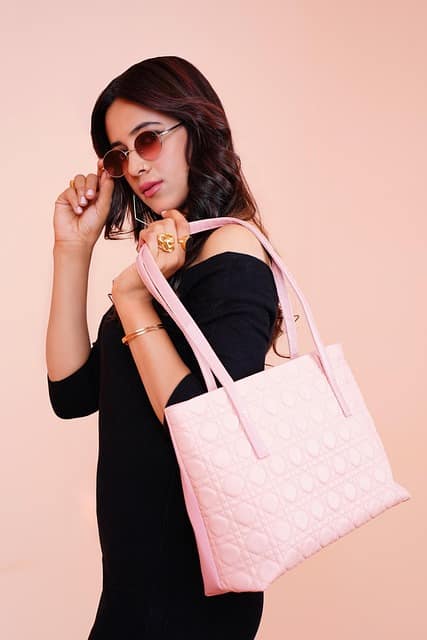
Creating high-quality lifestyle product photography requires more than just a good eye—it also depends on using the right equipment, lighting, and technical setup. While creativity and storytelling are critical, technical execution ensures your images look professional, polished, and ready for marketing or e-commerce platforms.
Cameras, Lenses, and Lighting
Choosing the right camera, lens, and lighting setup is essential for achieving sharp, vibrant, and visually engaging lifestyle images:
- Cameras: A DSLR or mirrorless camera with at least 20MP resolution is ideal for capturing detail. Popular options include the Canon EOS R5, Sony A7 IV, and Nikon Z6 II.
- Lenses: Prime lenses such as 35mm or 50mm are great for lifestyle shots because they provide sharpness, natural bokeh, and versatile framing. Zoom lenses like 24-70mm offer flexibility for different compositions.
- Lighting:
- Natural Light: Soft, diffused daylight works well for authentic and relatable images. Early morning or late afternoon provides warm, flattering tones.
- Artificial Light: Softboxes, LED panels, and reflectors help control shadows and consistency, especially in studio setups or indoor shoots.
- Natural Light: Soft, diffused daylight works well for authentic and relatable images. Early morning or late afternoon provides warm, flattering tones.
Pro Tip: Combining natural and artificial lighting can balance authenticity with professional polish, ensuring every shot aligns with your brand aesthetic.
Composition and Styling Tips
Composition and styling are critical for lifestyle product photography because they tell the story visually:
- Rule of Thirds: Place the product along gridlines or intersections to create visual balance.
- Leading Lines: Direct the viewer’s eye toward the product.
- Depth and Layers: Include foreground, middle ground, and background elements to make images dynamic and engaging.
- Color Palette: Ensure props, backgrounds, and products complement each other and your brand colors.
Tip: Avoid overcrowding the frame. Every element should support the narrative without distracting from the main product.
Using Models and Talent
Incorporating people in lifestyle product photography can significantly increase relatability and emotional engagement:
- Selection: Choose models that reflect your target audience. Authenticity is key—people should feel like the model could be them.
- Interaction with Products: Models should use products naturally, showing gestures, expressions, and interactions that tell a story.
- Posing and Direction: Avoid stiff or staged poses. Encourage candid moments and natural interactions to enhance authenticity.
Case Study:
A skincare brand hired models to use their products in a morning routine. By photographing authentic expressions and gestures, the brand increased social media engagement by 60% compared to static product-only shots.
Key Takeaways
- Use high-quality cameras, lenses, and lighting to ensure sharp, vibrant images.
- Focus on composition, depth, and styling to enhance storytelling.
- Incorporate models naturally interacting with products to increase relatability and engagement.
- Technical setup and creative direction go hand-in-hand for successful lifestyle product photography.
Post-Production and Editing for Lifestyle Product Photography
Even the most perfectly planned lifestyle product shoot requires post-production to refine images, enhance storytelling, and ensure they meet brand and marketing standards. Post-production is where your photos achieve polish, consistency, and visual impact.
Retouching Techniques
Retouching ensures your images look professional while maintaining authenticity:
- Color Correction: Adjust white balance, saturation, and contrast to ensure colors match the brand and appear natural.
- Background Editing: Remove distractions, clean up surfaces, and smooth textures without making the scene look artificial.
- Skin and Model Retouching: Subtle corrections enhance natural beauty without over-editing. Avoid heavy-handed edits that make images feel staged.
- Product Detailing: Highlight textures, patterns, and materials to make products visually appealing.
Pro Tip: Aim for a balance between realism and polish. Over-editing can reduce authenticity, which is the core of lifestyle product photography.
Optimizing Images for Web and Social Media
After retouching, images need to be optimized for various platforms to ensure fast loading, high quality, and better SEO performance:
- File Format: JPEGs are ideal for web and social media due to balance of quality and file size. PNGs are best for graphics or images requiring transparency.
- Resolution: 1080px to 2000px width for social media, 1500px+ for e-commerce product galleries.
- File Size: Compress images without losing quality to improve page load speed. Tools like TinyPNG or ImageOptim are helpful.
- Alt Text and Descriptions: Use descriptive, keyword-rich alt text for SEO. Example: “Lifestyle product photography of a luxury leather backpack in urban setting”.
Enhancing Storytelling in Post-Production
Post-production is not just about technical edits—it’s also about reinforcing your brand story:
- Lighting Adjustments: Enhance mood and emphasize key areas of the image.
- Tone and Color Grading: Consistent color palettes across images reinforce brand identity.
- Cropping and Framing: Refine composition to focus attention on products and interactions.
Example: A lifestyle shoot for a fitness brand used warm, golden-hour tones and slightly desaturated backgrounds to highlight energy and focus, enhancing the storytelling element of their campaign.
Key Takeaways
- Retouch images to enhance realism, polish, and product details.
- Optimize images for web, e-commerce, and social media with proper file size, format, and SEO-friendly alt text.
- Use post-production to enhance the narrative, reinforcing brand identity and product lifestyle context.
Quote:
“Post-production is where lifestyle photography transforms from good to exceptional. It’s the stage that gives images consistency, mood, and impact.” – Senior Retoucher, Commercial Photography Studio
Common Challenges in Lifestyle Product Photography
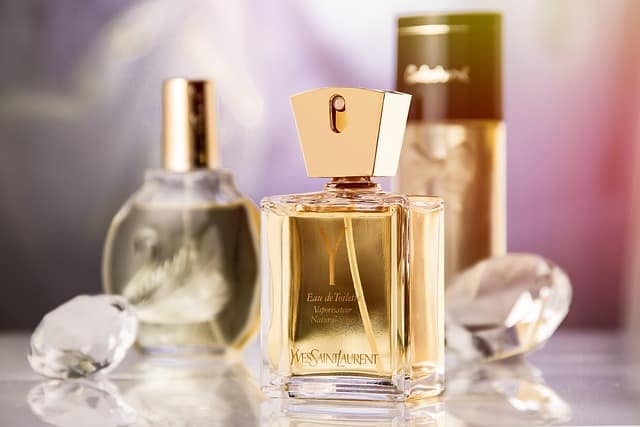
While lifestyle product photography can dramatically enhance a brand’s visual storytelling, it comes with its own set of challenges. Photographers and brands must navigate these obstacles carefully to ensure professional, authentic, and high-impact images.
Balancing Authenticity with Aesthetics
One of the biggest challenges is maintaining authenticity while creating visually appealing images:
- Overly staged photos can feel fake and fail to resonate with audiences.
- On the other hand, too casual or poorly composed shots can undermine professionalism.
- The key is to create natural scenarios where products look effortlessly integrated into everyday life.
Tip: Encourage candid interactions and natural expressions while maintaining a clear focus on the product.
Budget and Resource Management
Lifestyle product photography often requires props, models, locations, and equipment, which can increase costs:
- Hiring models, renting studios, or securing locations can quickly add up.
- Travel, permits, and props must be budgeted carefully to avoid overspending.
- Small brands can optimize by shooting in natural environments or using existing staff/models.
Tip: Prioritize high-impact shots and reuse props or locations across multiple products or campaigns to maximize efficiency.
Time Management and Planning
A lifestyle shoot can be time-intensive due to its attention to detail:
- Preparing props, scouting locations, and coordinating models requires careful scheduling.
- Delays can occur due to weather, lighting conditions, or last-minute adjustments.
- Proper planning, shot lists, and a clear storyboard can reduce wasted time and ensure all required images are captured efficiently.
Key Takeaways
- Authenticity is critical; avoid over-staging while maintaining polished aesthetics.
- Budget carefully for props, models, equipment, and locations; maximize resources effectively.
- Plan shoots meticulously with shot lists and storyboards to save time and prevent delays.
Case Study:
A home goods brand initially struggled with lifestyle shoots because the props and models didn’t reflect their target audience. After refining their storyboard and scouting authentic locations, they produced images that increased social engagement by 40% and conversions by 25%.
Trends in Lifestyle Product Photography
Keeping up with current trends in lifestyle product photography helps brands and photographers stay relevant, engage audiences, and maintain a fresh, appealing visual identity. These trends reflect evolving consumer preferences, social media aesthetics, and advancements in photography technology.
Minimalist and Clean Aesthetic
Minimalism continues to dominate lifestyle product photography, especially in e-commerce and modern branding:
- Clean backgrounds, neutral color palettes, and uncluttered compositions allow the product to stand out naturally.
- Minimalist lifestyle photography works well for luxury, tech, and health brands, where simplicity communicates quality and sophistication.
- Example: Apple’s product campaigns often use minimal props and neutral settings, highlighting design and functionality.
Tip: Use minimal props that complement the product and reinforce brand identity without distracting the viewer.
Real People and Everyday Scenarios
Consumers increasingly prefer authenticity over perfection:
- Lifestyle photography featuring real people in natural settings creates relatability and trust.
- Candid moments, casual interactions, and imperfect environments can be more persuasive than heavily staged studio shots.
- Example: A skincare brand photographing users applying products at home conveys comfort, realism, and accessibility.
Statistic: Research shows that lifestyle images featuring real people increase engagement rates by up to 35% compared to product-only shots.
Integrating Technology and AR/VR
Emerging technologies are shaping lifestyle product photography:
- 360-Degree Photography: Allows customers to view products from all angles in a realistic context.
- Augmented Reality (AR): Lets users visualize products in their own environment, enhancing the lifestyle experience.
- Virtual Reality (VR): Immersive experiences for high-end or niche products, making customers feel part of the lifestyle scene.
Example: Furniture and home decor brands are increasingly using AR-enabled lifestyle images, allowing buyers to virtually “place” items in their living spaces.
Key Takeaways
- Minimalist, clean aesthetics help products stand out and convey sophistication.
- Authentic lifestyle imagery featuring real people drives engagement, trust, and relatability.
- Integrating technology like 360-degree shots and AR/VR enhances the shopping experience and modernizes lifestyle storytelling.
Quote:
“The future of lifestyle product photography is immersive, authentic, and digitally enhanced. Customers want to feel the story, not just see the product.” – Creative Director, E-Commerce Innovations
Case Studies and Examples of Successful Lifestyle Product Photography
Examining real-world examples can provide valuable insights into how lifestyle product photography drives engagement, brand identity, and sales. By analyzing successful campaigns, photographers and brands can learn best practices and apply them to their own shoots.
Case Study 1: Fashion E-Commerce Brand
- Challenge: The brand relied solely on traditional product shots and struggled to differentiate itself in a crowded online marketplace.
- Solution: Introduced lifestyle photography featuring models in real-life scenarios, showcasing clothing in everyday activities like coffee breaks, street walks, and office settings.
- Results:
- Conversion rate increase: 35%
- Social media engagement: 50% higher shares and likes
- Brand perception: Viewed as more relatable and aspirational
- Conversion rate increase: 35%
Key Takeaway: Lifestyle imagery transformed the brand’s online presence by creating an emotional connection with the audience.
Case Study 2: Skincare Brand
- Challenge: Customers couldn’t visualize how products fit into their daily routines.
- Solution: Photographed real users applying products in their homes, emphasizing natural lighting, casual gestures, and relatable environments.
- Results:
- Increased email marketing CTR by 25%
- Higher perceived value of products, allowing premium pricing
- Boosted customer trust through authenticity
- Increased email marketing CTR by 25%
Key Takeaway: Using real people and everyday scenarios can significantly enhance credibility and engagement.
Case Study 3: Home Decor & Furniture Brand
- Challenge: Customers were hesitant to buy large items online without seeing them in context.
- Solution: Used lifestyle product photography to show furniture in styled living rooms and outdoor setups, combined with 360-degree images for a virtual try-before-you-buy experience.
- Results:
- Reduced product returns by 20%
- Increased online sales by 30%
- Enhanced customer confidence and satisfaction
- Reduced product returns by 20%
Key Takeaway: Lifestyle photography, when combined with technology, can bridge the gap between physical and online shopping experiences.
Key Lessons from Case Studies
- Authenticity Matters: Customers respond better to real-life scenarios and relatable models.
- Storytelling Drives Sales: Images that tell a story about how the product fits into a lifestyle encourage engagement and conversion.
- Invest in Quality: High-quality photography with thoughtful composition, lighting, and styling significantly impacts brand perception.
- Leverage Technology: 360-degree photography, AR, and VR can complement lifestyle images and improve customer experience.
Quote:
“Lifestyle product photography is more than just visuals—it’s about creating experiences that resonate, inspire, and convert.” – Marketing Director, Leading E-Commerce Brand
Tips for New Photographers Entering Lifestyle Product Photography
Breaking into lifestyle product photography can be both exciting and challenging. New photographers need to balance creativity, technical skills, and business acumen to build a strong portfolio and attract clients. Here are practical tips to help you succeed in this growing niche.
Build a Strong Portfolio
Your portfolio is your most powerful marketing tool:
- Showcase Variety: Include different product types, settings, and scenarios to demonstrate versatility.
- Highlight Storytelling: Choose images that clearly convey lifestyle and context, not just isolated products.
- Consistency: Maintain a consistent style, lighting, and tone to establish a recognizable personal brand.
Tip: Even self-initiated projects or mock shoots can be included in your portfolio if they demonstrate creativity and technical skill.
Network with Brands and Businesses
Connections are key to securing assignments:
- Attend industry events, trade shows, and photography meetups to meet potential clients.
- Reach out to small businesses or e-commerce brands offering to create sample lifestyle shoots.
- Use social media platforms like Instagram, LinkedIn, and Pinterest to showcase work and attract attention from brands.
Networking helps you not only find clients but also learn industry expectations and trends.
Develop a Consistent Style and Workflow
A unique and consistent style differentiates you from other photographers:
- Visual Style: Decide on your preferred lighting, color palette, and composition.
- Shooting Workflow: Plan your shoots efficiently with shot lists, mood boards, and timelines.
- Editing Style: Develop a recognizable post-production approach that enhances your portfolio.
Tip: A consistent workflow improves efficiency, reduces stress during shoots, and ensures every client receives professional-quality images.
Invest in Learning and Tools
- Technical Skills: Continuously improve camera handling, lighting, and composition techniques.
- Software: Master tools like Adobe Lightroom, Photoshop, and Capture One for post-production.
- Trends Awareness: Stay updated on lifestyle photography trends, social media aesthetics, and e-commerce requirements.
Quote:
“Invest in your craft, your tools, and your understanding of your client’s brand. Lifestyle photography is a blend of art, storytelling, and strategy.” – Professional Lifestyle Photographer
Key Takeaways
- Build a diverse and storytelling-focused portfolio to attract clients.
- Network with brands, businesses, and peers to create opportunities.
- Develop a consistent style and efficient workflow for professional results.
- Continuously invest in skills, tools, and trend awareness to stay competitive.
Conclusion
Lifestyle product photography is a powerful tool for brands and photographers alike. It goes beyond simply displaying products—it tells stories, evokes emotions, and creates relatable experiences that resonate with customers. By integrating authenticity, creativity, and technical expertise, lifestyle photography can significantly boost engagement, conversions, and brand loyalty.
Key Takeaways
- Storytelling Sells: Lifestyle images show products in real-life contexts, making them more appealing and relatable.
- Brand Identity Matters: Photography should reflect the brand’s personality, target audience, and values.
- Planning is Critical: From props and models to location and composition, thorough preparation ensures high-quality results.
- Technical Execution Counts: Cameras, lenses, lighting, composition, and post-production all play essential roles in creating professional images.
- Stay Updated: Follow trends, embrace technology like 360-degree photography or AR, and adapt to evolving social media and e-commerce standards.
Final Thought:
“Lifestyle product photography transforms ordinary products into experiences, turning viewers into customers. It’s where creativity, strategy, and authenticity meet to build strong brands.”
By understanding the nuances of lifestyle product photography and applying the techniques outlined in this guide, photographers and brands can create compelling, visually engaging content that connects with audiences and drives results.
✅ Next Steps for Photographers and Brands:
- Identify your brand identity and target audience.
- Plan lifestyle shoots carefully with props, models, and locations.
- Use the right equipment, lighting, and technical setup.
- Edit images to enhance storytelling while maintaining authenticity.
- Stay updated on trends, tools, and best practices in lifestyle product photography.