

Why Cannabis Product Photography Large Lit Matters
In the competitive cannabis industry, the quality of your product photography can make or break your brand image. Whether you are selling flower, concentrates, edibles, or accessories, cannabis product photography large lit setups provide the perfect way to showcase your products with clarity, depth, and professionalism. Large lit photography uses big, diffused light sources to evenly illuminate products, reducing harsh shadows and highlighting fine details like trichomes, textures, and vibrant colors that smaller lights often fail to capture.
High-quality photography is not just a marketing tool—it’s a business necessity. According to a study by MDG Advertising, 67% of consumers consider product images to be “very important” in purchasing decisions, especially in online retail environments where the product cannot be physically inspected. For cannabis brands, visually appealing images can drive trust, improve engagement, and increase conversions in e-commerce or dispensary platforms.
This comprehensive guide will explore everything you need to know about cannabis product photography large lit setups, including lighting equipment, camera settings, creative techniques, studio setups, and post-processing strategies. By the end of this guide, you’ll understand how to create high-quality cannabis images that capture attention, enhance brand value, and ultimately help sell your products.
What is Cannabis Product Photography Large Lit?
Definition of Large Lit Cannabis Photography
Cannabis product photography large lit refers to a lighting technique that uses large, diffused light sources to evenly illuminate cannabis products. Unlike small or harsh lights that create deep shadows and hotspots, large lit setups produce soft, even lighting that highlights textures, colors, and details without overwhelming the product.
In practical terms, “large lit” setups often involve softboxes, LED panels with diffusion, or large umbrella lights positioned strategically around the subject. This approach allows photographers to capture every nuance of the product—from the glistening trichomes on flower buds to the smooth texture of oils and edibles—while maintaining a clean, professional aesthetic.
This technique is particularly important in cannabis photography because of the visual complexity of the products. Flower buds have fine crystal-like trichomes, oils and concentrates can be reflective, and packaging often has intricate details. Using large lit setups ensures all these elements are visible and appealing to potential customers.
Importance of Lighting in Cannabis Photography
Lighting is the backbone of product photography. In cannabis photography, proper lighting does more than illuminate the product—it defines the mood, emphasizes quality, and influences consumer perception. Large lit photography provides several advantages:
- Enhanced Detail: Large, diffused light softens shadows and brings out micro-details in flower buds, concentrates, and edible textures.
- Accurate Colors: Proper lighting ensures true-to-life colors, which is essential for cannabis products where hue indicates potency, strain, or flavor.
- Reduced Post-Processing: Even lighting minimizes harsh contrasts and overexposure, reducing the need for heavy editing.
- Professional Appeal: Soft, consistent lighting conveys quality and sophistication, boosting brand perception.
For cannabis brands, high-quality images are not just aesthetic—they are a critical tool for e-commerce success. Platforms like Leafly, Weedmaps, and dispensary websites rely heavily on clear, professional visuals to inform and persuade buyers.
Types of Cannabis Products to Photograph
A comprehensive large lit cannabis photography session should consider the variety of products a brand offers. Each product type requires slight adjustments in lighting and composition:
- Flower/Buds: Focus on trichome detail, density, and vibrant colors. Use macro lenses and large diffused lighting to capture the crystalline texture.
- Edibles: Emphasize texture, colors, and shapes. Lighting should prevent shadows from obscuring details while keeping the food visually appetizing.
- Oils and Concentrates: Often reflective, these require careful placement of lights to avoid glare while maintaining rich color and texture.
- Accessories: Items like glassware, vaporizers, or packaging benefit from consistent, soft lighting to highlight design and branding.
Understanding the product type helps in choosing the right lighting, camera settings, and composition for each shot. For example, photographing a reflective concentrate jar differs significantly from capturing a fluffy, textured flower bud.
Key Takeaways from this Section:
- “Large lit” means using big, soft light sources for even illumination.
- Proper lighting is essential to highlight detail, color, and professionalism.
- Different cannabis products require tailored lighting techniques for the best visual outcome.
Essential Equipment for Large Lit Cannabis Product Photography
Creating stunning cannabis product photography large lit images requires the right combination of camera gear, lighting tools, and accessories. While creativity is essential, investing in professional equipment ensures consistency, quality, and efficiency in your shoots. Below is a detailed breakdown of the must-have equipment for cannabis photography using large lit setups.
Cameras and Lenses
The camera is the backbone of any product photography setup. While smartphones can produce good results for beginners, professional-grade images require DSLR or mirrorless cameras with interchangeable lenses.
- DSLR Cameras: Popular options include Canon EOS 5D Mark IV or Nikon D850, offering excellent resolution, dynamic range, and lens compatibility.
- Mirrorless Cameras: Sony A7R IV or Canon EOS R5 provide lightweight options with high megapixels and superb low-light performance.
- Macro Lenses: Essential for capturing trichome details in flower buds. A 100mm macro lens is ideal for cannabis photography.
- Standard Lenses: A 50mm or 35mm prime lens works well for edibles, packaging, and lifestyle shots.
Tip: Use cameras with high dynamic range (HDR) to capture both shadows and highlights, especially when dealing with reflective cannabis concentrates or glossy packaging.
Lighting Equipment
For large lit cannabis product photography, the key is soft, diffused, and even light. Several lighting options work well:
- Softboxes: Large softboxes spread light evenly and minimize harsh shadows. Ideal for macro shots of flower buds or reflective containers.
- LED Panels: Adjustable LED panels allow fine control over intensity and color temperature, ensuring accurate product colors.
- Umbrella Lights: Useful for evenly illuminating multiple products at once, especially in lifestyle or flat-lay photography.
- Diffusers and Reflectors: Soften light further and bounce it back onto the subject to fill in shadows.
Lighting Tip: Position lights at a 45-degree angle for most products to create subtle depth without producing glare on reflective surfaces.
Tripods and Stabilization Tools
Sharp, in-focus images are critical in cannabis product photography. Tripods help eliminate camera shake, especially during macro or low-light shoots.
- Standard Tripods: Adjustable height and sturdy legs are important for tabletop or studio shoots.
- Macro Tripods: Provide finer control over framing when shooting close-up flower details.
- Light Stands: Support large softboxes and LED panels securely.
Extra Tip: Using a remote shutter release or camera timer further reduces vibration for crisp images.
Accessories for Perfect Shots
Accessories elevate the final image quality and make your large lit cannabis photography setup more professional:
- Backdrops: White, black, or neutral-colored backgrounds highlight products without distraction.
- Props: Wooden boards, leaves, or glass trays can enhance visual appeal, but keep them subtle.
- Polarizing Filters: Reduce glare on reflective oils and glass packaging.
- Light Modifiers: Snoots, grids, and diffusers help control light direction and intensity.
Quick Equipment Checklist for Cannabis Product Photography Large Lit
| Category | Recommended Items | Purpose |
| Camera | DSLR or Mirrorless, Macro & Prime Lenses | High-resolution product shots, detail capture |
| Lighting | Softboxes, LED Panels, Umbrella Lights | Large lit, soft, even illumination |
| Stabilization | Tripod, Macro Tripod, Light Stands | Sharp, consistent shots, adjustable height |
| Accessories | Reflectors, Diffusers, Backdrops, Polarizers, Props | Enhance lighting, minimize glare, add aesthetic context |
Key Takeaways:
- High-quality cameras and lenses capture intricate details like trichomes and packaging textures.
- Large, diffused lighting creates the soft, even illumination essential for cannabis product photography.
- Accessories like backdrops, reflectors, and filters help achieve professional results consistently.
Setting Up Your Large Lit Cannabis Photography Studio
A well-organized cannabis product photography large lit studio is essential for creating professional-quality images. The studio setup influences how light interacts with your products, the composition of your shots, and the efficiency of your workflow. Whether you are photographing flower, edibles, oils, or accessories, following a structured approach will help you consistently capture stunning visuals.
Choosing the Right Backgrounds
The background sets the stage for your cannabis products. Selecting the right backdrop is critical for large lit photography, as it ensures the product remains the focal point.
- Solid Colors: White, black, or neutral gray backgrounds work best for clean, professional shots. White enhances brightness and clarity, while black emphasizes contrast and depth.
- Textured Backgrounds: Wood, marble, or fabric can add a subtle sense of context or luxury. Be cautious—textures should complement, not overpower, the product.
- Seamless Backdrops: Avoid visible folds or wrinkles, as they can create unwanted shadows or distractions in large lit setups.
Tip: Test your background under your lighting setup before shooting. Large lit setups can amplify minor imperfections in backdrops.
Positioning Lights for Large Lit Effects
The key to large lit cannabis product photography is creating soft, even light that highlights detail without harsh shadows or glare. A proper lighting setup can make a dramatic difference in how your products appear online.
Three-Point Lighting Setup:
- Key Light: Main light that illuminates the product. Place it at a 45-degree angle to the subject. Use a softbox or large diffuser for even light distribution.
- Fill Light: Reduces shadows created by the key light. Typically placed opposite the key light at lower intensity.
- Back Light (Optional): Adds depth and separation from the background. Great for transparent containers or glass accessories.
Extra Tips:
- Diffuse reflections on glossy jars or concentrates using a polarizing filter or bounce card.
- Adjust light height and distance to control shadows and highlights.
- For multiple products, ensure consistent lighting to maintain a cohesive look across shots.
Camera Settings for Large Lit Cannabis Photography
Proper camera settings are essential for capturing high-quality images in a large lit setup. Correct exposure, focus, and white balance ensure accurate product representation:
- ISO: Keep ISO low (100–400) to avoid noise.
- Aperture: f/8–f/16 for sharpness across the entire product. Use wider apertures for shallow depth-of-field macro shots.
- Shutter Speed: Adjust according to lighting; with a tripod, slower shutter speeds are fine.
- White Balance: Match the color temperature of your lights to avoid unnatural tones.
Pro Tip: Shoot in RAW format for maximum post-processing flexibility. RAW preserves color, highlights, and shadows better than JPEG.
Tips for Photographing Different Cannabis Products
Each product type presents unique challenges and opportunities for large lit photography:
- Flower/Buds: Use macro lenses to capture trichome details. Position the key light slightly above the product for depth.
- Edibles: Highlight texture and color by shooting from multiple angles. Avoid harsh shadows that distort shape.
- Oils and Concentrates: Use diffused lighting to minimize glare. Place a subtle backlight to enhance transparency and color richness.
- Accessories & Packaging: Ensure branding is readable. Adjust light to prevent reflections on glossy labels.
Key Takeaways:
- Choose clean, neutral backgrounds that complement the product.
- Use a three-point lighting setup to create soft, even illumination.
- Adjust camera settings to maintain accurate color and detail.
- Tailor lighting and composition to each cannabis product type for maximum impact.
Creative Techniques for Large Lit Cannabis Product Photography
Once your cannabis product photography large lit studio is set up, it’s time to explore creative techniques that elevate your images from standard product shots to visually compelling, brand-building photography. These strategies help highlight the unique qualities of your products while maintaining professional lighting consistency.
Using Shadows and Highlights
Even with large lit setups designed for soft, even light, subtle shadows and highlights add depth and dimension to your photos.
- Subtle Shadows: Use fill lights or reflectors to control shadow intensity. Shadows can create a sense of realism and three-dimensionality.
- Highlighting Texture: Position your key light slightly above or to the side to bring out surface details in flower trichomes, edible surfaces, or concentrate jars.
- Contrast Balance: Maintain soft lighting while using controlled highlights to emphasize product quality without overexposing details.
Pro Tip: Avoid flat lighting; a slight variation in shadow and highlight can make products appear more tactile and enticing.
Incorporating Lifestyle Elements
Adding context to your cannabis product photography can make images more engaging and relatable to potential customers. Lifestyle elements tell a story beyond the product itself:
- Props: Include subtle props like cannabis leaves, wooden trays, or glass jars. Avoid cluttering the frame.
- Environment: Consider natural textures like marble countertops or outdoor settings to evoke a lifestyle mood.
- Brand Identity: Props and setup should reflect your brand aesthetic—luxury, wellness, artisanal, or recreational.
Example Case Study:
A cannabis brand focusing on wellness photographed edibles on a white ceramic plate with soft morning light and a small green plant in the background. The result was Instagram-ready imagery that emphasized freshness and lifestyle, increasing engagement by 35% on social platforms.
Shooting Angles and Composition Tips
The right camera angles and composition make a huge difference in product appeal. For large lit cannabis photography, consider the following:
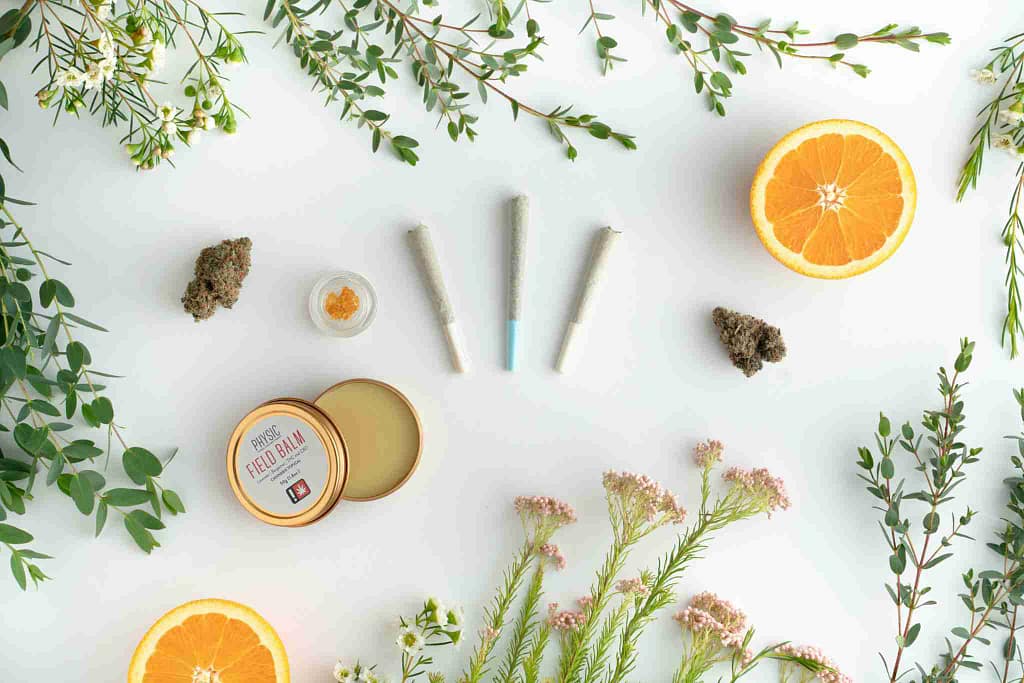
- Top-Down Shots: Ideal for flat-lay product arrangements or multiple items.
- Macro/Close-Up Shots: Perfect for capturing trichomes, textures, and details in concentrates or flower buds.
- Side Angles: Highlight packaging details or product height.
- Rule of Thirds: Position products off-center for a visually appealing composition.
- Symmetry: Works well for neat arrangements of multiple products or lifestyle setups.
Pro Tip: Always take multiple angles of each product to provide options for website galleries, social media, and marketing campaigns.
Post-Processing for Large Lit Cannabis Photography
Post-processing is a crucial step in transforming your large lit cannabis photos into professional-quality images. Editing can enhance color accuracy, texture, and visual appeal:
- Exposure & Contrast: Adjust brightness and shadows to emphasize product details.
- Color Correction: Match product colors to real-life hues—especially important for cannabis strains where color indicates quality and potency.
- Retouching: Remove dust, glare, or minor imperfections without altering product authenticity.
- Software Options: Lightroom, Photoshop, and Capture One are industry standards for professional cannabis photography.
Pro Tip: Keep edits subtle. Over-editing can make cannabis products appear artificial and mislead consumers. Authenticity is key in product photography.
Key Takeaways:
- Use subtle shadows and highlights to add depth.
- Incorporate lifestyle elements and props to tell a story.
- Experiment with multiple angles and compositions for visual variety.
- Post-process carefully to enhance details without losing authenticity.
Common Challenges in Cannabis Product Photography Large Lit
Even with a well-equipped studio and a large lit setup, cannabis product photography presents unique challenges. Understanding these issues in advance helps photographers plan solutions and maintain consistent, high-quality results.
Dealing with Reflective Surfaces
Many cannabis products, especially oils, concentrates, and packaged goods, have glossy or reflective surfaces. These can create unwanted glare and hotspots, even in large lit setups.
Solutions:
- Use diffused lighting with softboxes or umbrellas to soften reflections.
- Position lights at angles that minimize glare while still highlighting product features.
- Use polarizing filters on camera lenses to reduce reflections and enhance clarity.
Example: When photographing a glass oil bottle, placing the softbox slightly above and off-center while using a white reflector opposite the key light eliminated glare and made the liquid appear vibrant and natural.
Maintaining Consistent Color
Accurate color reproduction is critical in cannabis photography. Colors communicate quality, strain type, and product freshness. Poor lighting or camera settings can lead to color inaccuracies.
Solutions:
- Calibrate your monitor and camera regularly.
- Use white balance cards or color-check charts to ensure consistency across multiple shots.
- Adjust lighting temperature to match natural daylight (around 5500K) for true color representation.
Fact: Studies show that color consistency can improve purchase confidence by up to 40%, which is particularly important in e-commerce cannabis sales.
Handling Complex Product Shapes
Cannabis flowers, edibles, and accessories often have irregular shapes that cast unpredictable shadows or hide details.
Solutions:
- Use multiple light sources to fill shadows without flattening texture.
- Adjust the angle of the key light to highlight product form.
- Consider macro lenses for close-ups to capture detail in tricky shapes.
Legal and Compliance Considerations
Cannabis photography is not only technical—it is also regulated. Depending on your region, there are restrictions around advertising and displaying cannabis products:
- Avoid showing consumption or promoting use in marketing content if prohibited.
- Ensure imagery complies with local packaging and labeling laws.
- Only target audiences of legal age (21+ in most regions) when publishing marketing images.
Pro Tip: Always consult your local regulations before publishing cannabis product images online or in print. This ensures your marketing is compliant and protects your brand.
Key Takeaways:
- Reflective products require diffused light, correct angles, and sometimes polarizing filters.
- Consistent color is crucial for product authenticity and consumer trust.
- Irregular product shapes demand careful lighting and camera adjustments.
- Legal compliance is essential for all cannabis photography, particularly in advertising and online content.
Tips to Make Your Cannabis Product Photos Stand Out
Creating visually appealing cannabis product photography large lit images is not just about technical perfection—it’s about capturing attention, conveying quality, and telling a story. Here are practical tips to make your cannabis photos truly stand out in a crowded market.
1. Focus on Product Details and Textures
The beauty of cannabis products lies in their fine details. Highlighting textures and features helps your products look premium and authentic:
- Flower: Capture trichomes, leaf structure, and color variations using macro lenses.
- Edibles: Emphasize texture, icing, or toppings for a visually appetizing shot.
- Oils and Concentrates: Showcase clarity and color richness through soft, diffused lighting.
Tip: Always zoom in and shoot multiple angles to provide a comprehensive view of your product.
2. Emphasize Quality and Freshness
Consumers often evaluate cannabis quality visually, especially online. Large lit photography helps convey:
- Freshness and density of flower buds
- Smoothness and purity of oils and concentrates
- Attractive, clean packaging that communicates professionalism
Pro Tip: Use crisp lighting and neutral backgrounds to make products pop while avoiding clutter.
3. Use Creative Lighting for Visual Storytelling
Even in large lit setups, creative lighting techniques can differentiate your brand:
- Highlight products with rim lighting to create depth.
- Use colored gels subtly to evoke brand personality or strain identity.
- Experiment with soft shadows to add drama without hiding product details.
Case Study: A dispensary using soft backlighting in flower photography saw a 25% increase in social media engagement, as the images appeared more vibrant and premium.
4. Maintain Consistency Across Your Brand
Consistency builds recognition and trust:
- Use the same lighting setup for all product shots.
- Keep background, camera settings, and post-processing style uniform.
- Develop a brand photography guide for your team or collaborators.
Fact: Brands with consistent visual identity are perceived as 23% more trustworthy by consumers, making cohesive photography essential.
5. Experiment with Angles and Composition
Unique angles can turn ordinary product photos into eye-catching visuals:
- Overhead shots: Great for flat-lay displays of multiple products.
- Close-up shots: Perfect for trichome details or edible textures.
- Side angles: Emphasize packaging height and structure.
Tip: Take multiple shots per product to maximize options for e-commerce, marketing, and social media campaigns.
6. Optimize for E-Commerce and Social Media
Large lit photography produces high-quality images that perform well online:
- Resize images for website speed without losing clarity.
- Ensure images display well on mobile devices.
- Include alt text with keywords like “cannabis product photography large lit” for SEO.
Tip: Use lifestyle shots sparingly alongside product shots to enhance brand storytelling without distracting from the main product.
Key Takeaways:
- Highlight product textures and details to showcase quality.
- Use creative lighting to add depth and brand personality.
- Maintain consistency across shots to reinforce brand identity.
- Experiment with angles and composition for variety and engagement.
- Optimize images for online platforms, including SEO and mobile display.
Frequently Asked Questions (FAQs) About Cannabis Product Photography Large Lit
When it comes to cannabis product photography large lit, beginners and even experienced photographers often have questions about lighting, equipment, and techniques. Here are the most common FAQs with detailed answers:
1. What does “large lit” mean in cannabis photography?
Answer:
“Large lit” refers to using large light sources such as softboxes, LED panels, or umbrella lights to create soft, even illumination. The goal is to reduce harsh shadows, enhance product details, and maintain natural colors. This technique is particularly effective for cannabis photography because it highlights textures, trichomes, and the quality of products without glare or hotspots.
2. Can I do cannabis product photography at home?
Answer:
Yes! A small home studio can achieve professional results with:
- Large softboxes or diffused LED lights for even lighting
- Neutral backdrops like white, black, or gray
- A tripod to stabilize your camera
- Reflectors or light modifiers to fill shadows
Even with limited space, proper large lit setups and attention to detail can produce images suitable for e-commerce or social media.
3. What lighting setup works best for macro shots of buds?
Answer:
For macro photography of cannabis flower:
- Use a large softbox as your key light to evenly illuminate trichomes.
- Add a fill light or reflector on the opposite side to reduce shadows.
- Optional backlight to create separation from the background and enhance depth.
- Keep the light close but diffused to maintain softness while capturing tiny details.
4. How do I avoid shadows when photographing reflective products?
Answer:
Reflective surfaces like jars, concentrates, and glass accessories can create unwanted glare. To minimize shadows and reflections:
- Use diffused large lights rather than direct lighting.
- Adjust light angles to avoid direct reflection into the lens.
- Use polarizing filters on your camera lens to control glare.
- Employ white bounce cards to evenly fill shadows without overexposing highlights.
5. Should I hire a professional for cannabis product photography?
Answer:
It depends on your goals:
- Professional photographers bring expertise, high-end equipment, and consistent quality, which is valuable for branding, e-commerce, and marketing campaigns.
- DIY setups with proper large lit equipment can still produce high-quality results, especially for small businesses or social media content.
Tip: Many brands start with DIY photography for smaller campaigns and gradually invest in professional services as their product line expands.
Key Takeaways from FAQs:
- “Large lit” means soft, even lighting from big sources.
- Home setups can achieve professional results with the right tools and techniques.
- Proper angles, diffusers, and filters solve common challenges with reflective products.
- Professionals are valuable for high-stakes marketing, but DIY is feasible with preparation.
Conclusion
Cannabis product photography large lit is a powerful tool for brands looking to showcase their products professionally, attract customers, and boost sales. By combining large, diffused lighting with the right camera gear, creative techniques, and thoughtful studio setup, you can highlight the intricate details, textures, and colors that make cannabis products visually appealing.
Key takeaways from this guide:
- Lighting is everything: Large lit setups create soft, even illumination that emphasizes quality without harsh shadows.
- Equipment matters: High-resolution cameras, macro lenses, and stabilizing tools ensure sharp, detailed images.
- Tailor techniques by product: Flower, edibles, oils, and accessories each require specific angles, lighting, and composition approaches.
- Creative photography elevates brand perception: Use subtle shadows, props, and lifestyle elements to tell a story and engage your audience.
- Consistency and post-processing are crucial: Maintain uniform lighting, backgrounds, and color accuracy across all product images.
Professional or DIY, investing in cannabis product photography large lit setups pays off. High-quality images not only attract attention but also build trust with consumers, enhance your brand identity, and ultimately drive sales.
Whether you are photographing flower, concentrates, edibles, or accessories, applying these techniques ensures your cannabis products look premium, appealing, and market-ready.