

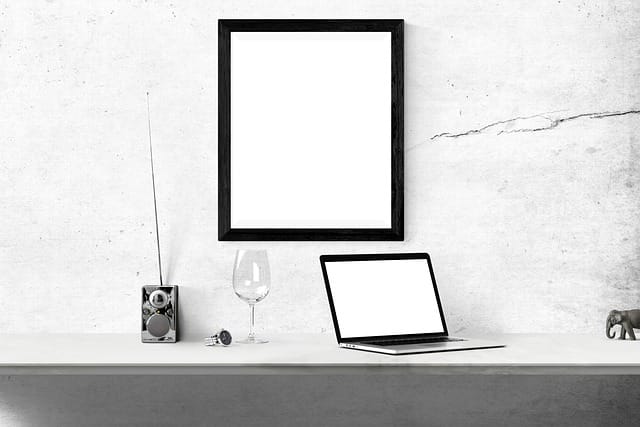
Choosing the right frame for your photos or artwork is more than just a decorative choice—it can enhance the aesthetic of your space and protect your memories for years to come. One of the most popular sizes for framing is the photo frame size 16×20. This size is versatile, offering enough space to showcase portraits, family photos, posters, and even small pieces of artwork without overwhelming a room.
A 16×20 frame works well both as a standalone statement piece and as part of a gallery wall. It strikes the perfect balance between size and flexibility, making it one of the top choices for photographers, artists, and interior designers alike. Whether you are framing a cherished family photo or a poster, understanding how to select the right 16×20 frame can save you time, money, and frustration.
In this comprehensive guide, we will explore everything you need to know about 16×20 photo frames, from choosing the right material and matting options to decorating tips, DIY ideas, and frequently asked questions. By the end, you’ll have all the knowledge to confidently select the perfect frame for your needs.
What Is a 16×20 Photo Frame?
A 16×20 photo frame refers to a frame that measures 16 inches in width and 20 inches in height (or vice versa, depending on orientation). This size is one of the most commonly used for medium to large prints and artwork because it provides a substantial visual presence without dominating a space. It works well in homes, offices, galleries, and public spaces.
Dimensions Explained
Understanding the dimensions is crucial when choosing a frame. A 16×20 frame accommodates photos or prints that are 16 inches by 20 inches, but many frames also allow for matting, which adds extra space around the photo. For example, using a 2-inch mat on all sides means your frame might hold an 12×16 photo in the center while the mat creates a polished, professional look.
- Portrait Orientation: 16 inches wide × 20 inches high
- Landscape Orientation: 20 inches wide × 16 inches high
- Metric Conversion: 16×20 inches = 40.6 x 50.8 cm
This flexibility makes the 16×20 frame ideal for both vertical portraits and horizontal landscapes.
Popular Uses
The 16×20 photo frame is incredibly versatile and can be used for:
- Family Portraits: Perfect for displaying in living rooms or hallways.
- Art Prints and Posters: Works for medium-sized art pieces, travel posters, and prints.
- Certificates and Awards: Adds elegance to diplomas or professional recognition.
- Creative Displays: Can hold collages, photo montages, or scrapbook pages.
Because of its size, it provides enough detail for viewers to appreciate the photo or artwork while still being manageable to hang on most walls.
Materials and Styles
16×20 frames come in a variety of materials and designs to suit any décor:
| Material | Pros | Cons |
| Wood | Classic, durable, warm aesthetic | Can be heavy; may warp over time |
| Metal | Sleek, modern, lightweight | Can feel cold or industrial |
| Plastic/Acrylic | Affordable, lightweight, variety of colors | Less durable; may look cheap |
| Composite/MDF | Budget-friendly, versatile finishes | Not as durable as solid wood |
Styles range from classic and ornate frames for traditional interiors to minimalist and modern frames for contemporary spaces. Some frames come with decorative finishes like metallic paint, distressed wood, or textured edges, which can add personality and flair to your display.
How to Choose the Right 16×20 Photo Frame
Selecting the perfect photo frame size 16×20 isn’t just about finding one that fits your picture—it’s about enhancing the overall presentation, complementing your home décor, and protecting your artwork or photo. A good frame should feel like an extension of what it holds, not a distraction from it. Below are the key factors to consider when choosing the right 16×20 photo frame for your space.
Considering the Artwork or Photo
Before buying a frame, start with what you want to display. The type of image or artwork will determine the best material, color, and even orientation.
Ask yourself:
- Is it a photograph, painting, or poster?
- Does the image have warm tones (reds, yellows, oranges) or cool tones (blues, greens, grays)?
- Do you want it to blend with your wall or stand out?
For example:
- A black and white photo looks stunning in a sleek black or white frame.
- A colorful landscape print might look better in a natural wood frame that complements its hues.
- Fine art pieces often benefit from a matted 16×20 frame, which adds a museum-quality touch.
💡 Pro Tip: Always hold your artwork next to potential frame finishes before purchasing—lighting and color perception can vary between stores and your home.
Selecting Frame Material
The material of your frame affects its durability, style, and price. Each has unique advantages:
- Wood Frames: Offer a timeless and warm feel. Ideal for portraits and traditional interiors.
- Metal Frames: Provide a sleek and contemporary look, often used for minimalist spaces or modern art.
- Acrylic or Plastic Frames: Lightweight and budget-friendly; great for children’s rooms or casual displays.
- Composite Frames (MDF): Mimic real wood at a lower price point and are available in many finishes.
When framing expensive art or photographs, invest in high-quality materials—cheap frames can discolor, warp, or damage prints over time.
Style and Décor Matching
Your 16×20 photo frame should complement your existing décor and the mood of the space.
| Interior Style | Recommended Frame Type | Example Finish |
| Modern/Minimalist | Thin metal or flat black wood | Matte black or brushed silver |
| Rustic/Farmhouse | Distressed wood or barnwood | Natural oak or weathered gray |
| Bohemian | Eclectic, colorful frames | Hand-painted or patterned |
| Classic/Traditional | Ornate wood frames | Mahogany, walnut, or gold leaf |
Tip: If your space already has a lot of visual elements, go for a simple frame to keep the focus on the photo itself.
Color and Finish Options
Color choice can dramatically impact how your framed piece looks on the wall. Consider the emotional effect and harmony with your photo:
- Neutral Frames (black, white, beige): Timeless and versatile. Great for almost any image.
- Natural Wood Finishes: Add warmth and texture to cozy interiors.
- Bold Colors (red, blue, gold): Perfect for accent walls or statement pieces.
🎨 Design Insight: Black frames highlight contrast, white frames soften visuals, and metallic frames add sophistication.
Glass and Acrylic Options
Protective glazing is one of the most important (yet often overlooked) aspects of choosing a frame. It shields your photo or art from dust, UV rays, and humidity.
Here are the most common options:
| Type | Description | Best For |
| Regular Glass | Clear and affordable; standard option | Everyday photos and prints |
| Non-Glare Glass | Reduces reflections under bright lighting | Rooms with lots of windows or lights |
| UV-Protective Glass | Blocks up to 99% of harmful UV rays | Valuable or irreplaceable photos |
| Acrylic (Plexiglass) | Lightweight and shatter-resistant | Large frames or children’s spaces |
If you plan to hang your 16×20 frame in a well-lit room or near a window, non-glare or UV-protective glass is worth the investment to preserve clarity and prevent fading.
🖼️ Expert Quote:
“A well-chosen frame not only enhances the art but also integrates it seamlessly into your living environment.”
— Rachel Donovan, Interior Designer at HomeStyle Studios
Matting and 16×20 Frames
Matting is one of the most powerful yet underrated ways to elevate a framed photo or artwork. In a photo frame size 16×20, a mat not only enhances the presentation but also protects the image from direct contact with the glass, preventing moisture and sticking over time. Whether you’re framing a family portrait, poster, or art print, understanding how to choose and use a mat can make your display look more professional and balanced.
What Is Matting?
A mat (or mat board) is the thick paper border that sits between the photo and the frame glass. Its purpose is both aesthetic and protective.
Matting creates visual breathing room around the image, drawing attention inward and emphasizing the artwork. It also ensures that the picture doesn’t touch the glass, which helps preserve the print’s condition by preventing condensation and surface damage.
Benefits of Matting a 16×20 Frame:
- Enhances visual focus on the image.
- Adds an elegant, gallery-quality finish.
- Protects the photo or artwork.
- Allows smaller prints to fit inside larger frames.
For example, if you have an 11×14 photo, you can use a mat with an inner window of 11×14 inside a 16×20 frame. This gives a balanced border around the photo and a more refined appearance.
How to Use Mats with a 16×20 Frame
When using a 16×20 photo frame, matting provides flexibility in what size image you can frame. Below are common mat sizes and how they adjust the image display area:
| Frame Size | Mat Opening | Photo Size | Border Width |
| 16×20 | 11×14 | 11×14 photo | 2.5 inches |
| 16×20 | 12×16 | 12×16 photo | 2 inches |
| 16×20 | 8×10 | 8×10 photo | 4 inches |
Pro Tip: Always make the mat opening slightly smaller (by about ¼ inch) than your photo. This prevents gaps and ensures the image stays firmly in place.
Matting can also be single, double, or even triple-layered, depending on the desired effect.
- Single Mat: Clean and minimal.
- Double Mat: Adds depth and contrast by layering two mat colors.
- Triple Mat: Used for high-end or formal artwork displays.
🖼️ Example: A black-and-white portrait looks striking with a white outer mat and a thin black inner mat for contrast.
Mat Color and Texture Ideas
Choosing the right mat color is both an art and a science. The color should enhance—not overpower—the photo or artwork.
Here’s a quick guide to choosing the right mat color for your 16×20 frame:
| Image Type | Recommended Mat Colors | Notes |
| Black & White Photos | White, black, gray | Neutral mats emphasize contrast |
| Colorful Art Prints | Off-white, cream, or one color from the artwork | Avoid pure white if the image has soft tones |
| Vintage or Sepia Photos | Tan, beige, brown | Complements warm tones |
| Modern Art | Bold accent colors | Adds vibrancy and energy |
| Minimalist Pieces | White or light gray | Keeps focus on the image |
Texture Matters Too:
- Smooth mats work for photography and clean visuals.
- Linen or fabric mats add sophistication for paintings or certificates.
🎨 Design Tip: Choose a mat color that matches one of the secondary tones in your photo. This subtly pulls the viewer’s eye into the composition and creates harmony.
Visual Balance Example
Let’s visualize how matting changes the perception of your framed image:
| Framing Style | Description | Visual Effect |
| No Matting | Photo directly behind glass | Clean but can look flat |
| Single White Mat | One layer around the image | Classic and timeless |
| Double Mat (White + Black) | Contrasting borders | Adds dimension and drama |
| Colored Mat | Blue, green, or beige | Adds personality and warmth |
Matting gives your 16×20 photo frame that professional edge — it transforms a simple picture into a centerpiece worthy of display. Whether you prefer subtle elegance or bold contrast, mats allow you to tailor the visual story your image tells.
Standard Photo Sizes That Fit a 16×20 Frame
A photo frame size 16×20 offers incredible flexibility when it comes to displaying different photo or print dimensions. While it’s designed to hold a 16×20 image exactly, this frame size can also accommodate smaller photos using matting, making it one of the most adaptable frame sizes for both professional photographers and home decorators.
Understanding which photo sizes fit comfortably in a 16×20 frame will help you choose the right layout and ensure your images look balanced and professional.
Common Photo Sizes That Fit a 16×20 Frame
Here’s a quick reference table showing how various photo sizes pair with a 16×20 frame:
| Photo Size | Fits 16×20 Frame With or Without Mat | Best Mat Opening Size | Recommended Use |
| 16×20 | Without mat | N/A | Full-size prints, posters, or artwork |
| 12×16 | With mat | 12×16 opening | Photography, portraits, landscape art |
| 11×14 | With mat | 11×14 opening | Family photos, art prints |
| 8×10 | With mat | 8×10 opening | Certificates, kids’ photos, small art |
| A3 (11.7×16.5) | With mat | 11.5×16 opening | International photo size fit |
From the table, you can see that the 16×20 frame isn’t limited to one photo size — by adjusting the matting, it can suit multiple print dimensions. This is one of the reasons photographers and galleries love 16×20 frames: they allow creative flexibility without needing to custom-build new frames each time.
Scaling Photos Without Losing Quality
When enlarging or printing images to fit a 16×20 photo frame, it’s important to maintain high resolution to avoid pixelation or blurriness.
Here’s a helpful print resolution guide:
| Frame Size | Minimum Resolution (Pixels) | Ideal Resolution (Pixels) |
| 8×10 | 1200 x 1500 | 2400 x 3000 |
| 11×14 | 1650 x 2100 | 3300 x 4200 |
| 12×16 | 1800 x 2400 | 3600 x 4800 |
| 16×20 | 2400 x 3000 | 4800 x 6000 |
🧠 Rule of Thumb: Always print at 300 DPI (dots per inch) for professional-quality results. For larger prints viewed from a distance, 200 DPI can still look great.
To avoid distortion when resizing photos:
- Maintain the original aspect ratio when enlarging.
- Use software like Adobe Photoshop, Canva, or Lightroom for controlled scaling.
- Avoid stretching the image—crop or resize proportionally instead.
If your original image doesn’t match the 16×20 ratio, you can:
- Crop strategically: Focus on the subject and remove background space.
- Add borders: Add white or colored borders digitally to fit the aspect ratio.
Aspect Ratio Explained
Aspect ratio refers to the proportional relationship between a photo’s width and height. A 16×20 frame has a 4:5 aspect ratio, which means not all images will fit perfectly without cropping.
| Photo Size | Aspect Ratio | Fits 16×20 Frame? |
| 4×5 | 4:5 | ✅ Perfect fit |
| 8×10 | 4:5 | ✅ Perfect fit |
| 12×18 | 2:3 | ⚠️ Needs cropping |
| 11×14 | ~3:4 | ⚠️ Slight cropping or matting |
| A4 (8.3×11.7) | ~1.41 | ❌ Won’t fit without matting |
✏️ Example: If you print a 12×18 image for a 16×20 frame, you’ll need to trim a bit from the top and bottom or use a custom mat to make it fit properly.
When to Use a Mat for Smaller Photos
Using a mat not only allows smaller prints to fit a 16×20 frame, but it also enhances the presentation and gives your image a professional finish. For example:
- An 8×10 photo with a 4-inch mat border looks balanced and clean.
- An 11×14 print in a 16×20 frame creates a gallery-style look perfect for wall displays.
🖼️ Quick Tip: If you’re displaying multiple 16×20 frames together (like in a gallery wall), keep your mat border sizes consistent to create symmetry and cohesion.
The photo frame size 16×20 gives you the freedom to frame a variety of images without sacrificing proportion or elegance. Whether you’re framing family portraits, landscapes, or certificates, understanding which photo sizes fit will help you achieve a polished and visually appealing display.
How to Measure for a 16×20 Photo Frame
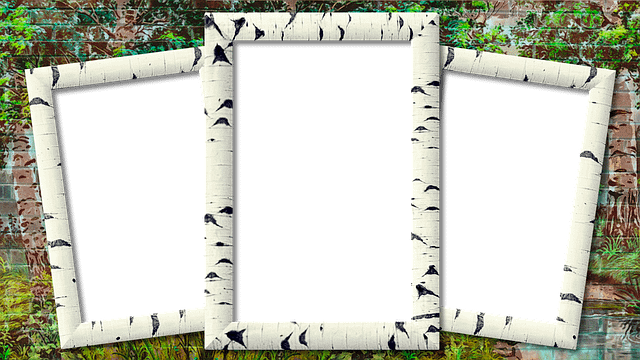
Getting the right fit for your photo frame size 16×20 starts with accurate measurements. Whether you’re framing a cherished family portrait, a piece of artwork, or a decorative poster, precise measuring ensures that your photo fits perfectly — not too tight and not too loose. Many framing mistakes stem from simple measuring errors, so taking a few extra minutes to measure properly can make a world of difference.
Step-by-Step Guide to Measuring Your Photo or Artwork
Follow these steps to accurately measure your image before purchasing a 16×20 frame:
- Lay the Photo Flat on a Table:
Make sure your photo or artwork lies completely flat. Curling or rolled edges can lead to inaccurate readings. - Measure the Width and Height:
Use a metal ruler or measuring tape (not a fabric one, which can stretch) to measure the exact width and height of the image in inches.
- For example, if your artwork is 11×14 inches, you’ll know you’ll need a 16×20 frame with an 11×14 mat opening.
- For example, if your artwork is 11×14 inches, you’ll know you’ll need a 16×20 frame with an 11×14 mat opening.
- Account for Matting:
If you plan to use a mat, measure both your artwork and the mat window. The mat opening should be slightly smaller (about ¼ inch) than your photo’s actual size. This overlap prevents the photo from slipping out of place inside the frame. - Check the Frame’s Inner Dimensions:
The “frame size” refers to the inside dimensions of the frame (the space where the photo fits). So, a 16×20 frame will have an inner opening that measures exactly 16 inches by 20 inches.
However, the outer dimensions of the frame (including its molding) can vary depending on the frame’s thickness and design. For example, a frame with a 1.5-inch border may measure 19×23 inches overall. - Consider Depth (Frame Rabbet):
The rabbet is the groove inside the frame where the glass, mat, photo, and backing board sit. If your framed piece includes multiple layers (like double mats or foam backing), ensure the frame’s depth can accommodate everything comfortably.
How to Measure a Frame for Replacement Photos or Artwork
If you already have a 16×20 photo frame and you’re replacing the photo inside, measure the existing artwork or the glass insert rather than guessing.
Here’s how:
- Remove the backing and measure the visible area of the mat window (if any).
- If there’s no mat, measure the exact glass dimensions — that’s your frame size.
- Write down your measurements clearly, e.g., 16×20 inches (inner dimension), 19×23 inches (outer dimension).
🧭 Expert Tip: Always double-check your measurements before ordering a custom mat or print — even a ¼-inch error can cause visible gaps or tight fits that warp the image.
Tips for Ensuring a Perfect Fit
- For Photos: Print slightly larger than needed and trim down for a snug fit.
- For Artwork: Leave a small breathing space (1/8 inch on each side) between the art and mat to allow for paper expansion.
- For Posters: Use poster mounts or corner tabs to avoid damaging the edges.
- For Canvas Prints: Measure from the outer edges of the stretched canvas, not just the printed area.
Common Mistake to Avoid:
Don’t assume that a “16×20 print” will fit perfectly in a “16×20 frame” if matting or backing is involved. Always check the full framing setup.
Measurement Example
Let’s say you want to frame a landscape photograph printed at 12×16 inches.
- Frame size: 16×20
- Mat window opening: 11.75×15.75 inches (slightly smaller than the photo)
- Border width: 2 inches on each side
That setup ensures perfect alignment, professional spacing, and a balanced look when hung on the wall.
Quick Measuring Reference Table
| Item to Frame | Actual Size (inches) | Suggested Frame Size | Mat Opening |
| Family photo | 11×14 | 16×20 | 10.75×13.75 |
| Poster | 16×20 | 16×20 | No mat |
| Art print | 12×16 | 16×20 | 11.75×15.75 |
| Certificate | 8×10 | 16×20 | 7.75×9.75 |
Why Proper Measuring Matters
A properly measured and fitted frame doesn’t just look better — it preserves your artwork by preventing pressure, warping, or uneven edges. Professional framers always measure twice to ensure perfect results, and with a little patience, you can achieve that same level of precision at home.
🖋️ Pro Tip: If you’re uncertain about mat dimensions or spacing, take your photo to a local frame shop. Many stores offer free measuring assistance or visualization tools before you buy.
Decorating With 16×20 Photo Frames
A 16×20 photo frame is the sweet spot for home décor — large enough to make a statement, yet small enough to work in almost any space. Whether you’re designing a feature wall, enhancing your workspace, or curating a gallery arrangement, this frame size provides the flexibility to express your style. The key is balancing proportion, color, and placement so the frames complement your overall interior design rather than compete with it.
Gallery Wall Ideas With 16×20 Frames
Gallery walls are one of the most popular ways to display multiple 16×20 photo frames. They allow you to combine different images, textures, and frame styles to tell a cohesive story.
Here are a few gallery wall layout ideas:
| Layout Type | Description | Best For |
| Symmetrical Grid | Evenly spaced rows and columns using matching 16×20 frames | Modern, minimalist homes |
| Asymmetrical Layout | Mixed frame sizes (16×20 with 11×14 or 8×10) for a dynamic look | Eclectic, creative spaces |
| Linear Arrangement | Horizontal or vertical line of identical frames | Hallways, offices, or staircases |
| Cluster Collage | Frames arranged organically without exact symmetry | Bohemian or casual interiors |
🎨 Design Tip: Maintain consistent spacing — 2 to 3 inches between frames — for a clean, intentional look.
Example Gallery Wall Setup:
- Top row: 2 x 16×20 frames (portraits)
- Bottom row: 3 x 11×14 frames (art prints or quotes)
- Spacing: 2 inches horizontally and vertically
This arrangement combines large focal points with supporting images to create visual rhythm and flow.
Displaying 16×20 Frames in Different Rooms
Living Room:
Use one or two 16×20 frames as statement pieces above a sofa, console table, or fireplace. Choose images that reflect warmth — family portraits, scenic landscapes, or abstract art with earthy tones.
Bedroom:
A pair of matching 16×20 frames can create balance on either side of the bed or above a dresser. Black-and-white photography or calming nature prints work beautifully in restful spaces.
Office or Workspace:
Motivational quotes, certifications, or minimalist artwork in sleek metal or wooden 16×20 frames add professionalism without cluttering the wall.
Hallways or Entryways:
Use a series of three or more 16×20 frames for a bold visual impact. Display travel photos, timeline collages, or themed prints that tell a story.
Creative Arrangements and Layouts
Think beyond traditional wall displays — 16×20 photo frames are versatile and can be styled in creative ways.
Here are some unique ideas:
- Floating Shelf Display: Lean two or three frames of varying heights against the wall on a floating shelf for a layered, casual look.
- Floor-Level Art Arrangement: In larger rooms, stand 16×20 frames on the floor next to furniture for an art gallery vibe.
- Mix with Mirrors or Clocks: Combine framed photos with mirrors, clocks, or typography art to create depth and interest.
- Vertical Stack: Stack two 16×20 frames vertically on narrow walls for a modern, space-saving design.
💡 Pro Insight: Group frames by theme — such as “travel memories” or “family milestones” — to give your display emotional resonance.
Using Color and Style for Cohesion
When mixing multiple 16×20 frames, use a common design element to unify the look:
- Consistent Frame Color: All black, white, or wood-toned for harmony.
- Matching Mat Style: Even if the frames differ, identical mat widths and colors tie everything together.
- Coordinated Art Style: Stick to one type of imagery — all photography, all illustrations, or all abstract prints.
Here’s a quick design reference:
| Design Goal | Frame Finish | Mat Color | Recommended Image Type |
| Calm & Modern | Matte black | White | Black & white photos |
| Warm & Inviting | Natural oak | Cream | Family portraits |
| Elegant & Sophisticated | Gold or brass | White or gray | Fine art prints |
| Trendy & Youthful | White or pastel | Bright accent | Graphic or typography art |
Balancing Scale and Proportion
When hanging 16×20 frames, pay attention to balance and proportion within the room:
- Hang frames at eye level (about 57–60 inches from the floor to the center of the frame).
- For displays above furniture, keep the bottom of the frame 6–8 inches above the surface.
- If combining sizes, arrange the largest frame (16×20) near the center or at the eye line as the focal point.
🧠 Quick Tip: Use paper templates of your frames to test layouts before hammering nails — this prevents unnecessary wall damage and helps you visualize spacing.
Case Study: Small Apartment Décor
Scenario:
Emma, a graphic designer living in a small studio, wanted to add personality to her apartment without cluttering the walls. She chose three 16×20 frames in matte white, each holding vibrant travel photos from Italy.
Result:
By spacing them evenly above her sofa (2 inches apart) and using identical mats, she created a cohesive, gallery-like display that brightened her small space and added visual height to her walls.
✨ “The 16×20 frame size was perfect — large enough to stand out, but not overwhelming for my tiny apartment,” Emma shared.
In summary, decorating with 16×20 photo frames allows you to transform any wall into a storytelling canvas. Whether you prefer symmetry, minimalism, or creativity, these frames adapt beautifully to your design style and space.
Where to Buy 16×20 Photo Frames
Finding the right 16×20 photo frame is about more than just size — it’s about quality, material, design, and budget. Whether you prefer to shop online or browse in-store, understanding your options helps ensure that you invest in a frame that enhances and protects your artwork or photographs.
This guide breaks down the best places to buy 16×20 frames, including online retailers, local stores, and custom framing services. We’ll also look at what to consider before purchasing, along with price ranges and materials comparisons.
1. Online Retailers for 16×20 Photo Frames
Online shopping offers convenience, variety, and often the best pricing. Here are some trusted e-commerce sites that carry photo frame size 16×20 in multiple styles and materials:
| Retailer | Highlights | Average Price Range (USD) |
| Amazon | Huge selection, customer reviews, Prime shipping | $12 – $60 |
| Walmart | Affordable bulk options and modern styles | $10 – $40 |
| Target | Trendy home décor styles and seasonal discounts | $15 – $50 |
| IKEA | Minimalist Scandinavian frames, solid quality | $14 – $45 |
| Wayfair | Designer-inspired frames and large wall art sets | $20 – $80 |
| Michaels | Craft and custom framing services with frequent coupons | $25 – $100+ |
| Framebridge | Premium, custom-made frames ordered online | $75 – $200 |
💡 Pro Tip: Always check product reviews and specifications. Some 16×20 frames list outer dimensions rather than inner dimensions, leading to confusion about fit.
2. Local and Retail Stores
For those who prefer to see and feel the frame before buying, visiting a local retailer can be a great option.
Top local options include:
- Michaels or Hobby Lobby: Offer both pre-made and custom frames. You can bring your print, choose the mat color, and get professional advice.
- HomeGoods, TJ Maxx, or Marshalls: Excellent for budget-friendly designer frames. Inventory changes often, so check regularly for new arrivals.
- Local Art Supply Stores: Typically carry higher-end wooden or metal frames suited for professional prints and exhibitions.
- Department Stores (e.g., Kohl’s, Macy’s): Carry reliable brands and frequent discounts during seasonal home décor sales.
🛍️ Insider Insight: Local stores often provide framing services that include glass cutting, matting, and professional assembly — saving you time and ensuring a perfect fit.
3. Custom Frame Shops
If you’re framing something valuable, oversized, or uniquely shaped, custom framing is worth the investment.
Benefits of custom 16×20 frames:
- Personalized design (color, texture, mat width, glass type).
- Museum-quality materials that protect against UV light and humidity.
- Expert craftsmanship with professional backing and hanging hardware.
Average custom frame cost:
$80 – $300 depending on materials and craftsmanship.
Recommended providers:
- Local independent frame shops (support small businesses).
- Framebridge or Simply Framed for online custom design and doorstep delivery.
- Michaels Custom Framing, which offers digital design previews before purchase.
🖼️ “Custom framing transforms a simple print into a piece of art,” notes interior designer Lisa Burton. “A well-framed 16×20 piece can completely elevate the mood of a room.”
4. Budget-Friendly Alternatives
If you’re decorating on a budget but still want quality, consider these strategies:
- Buy in Multi-Packs: Many online stores sell 2-, 3-, or 4-packs of 16×20 frames at discounted prices.
- DIY Framing Kits: Purchase frame molding and acrylic glass separately to assemble your own.
- Upcycling Old Frames: Repaint or refinish thrifted frames — a great eco-friendly option.
- Prints + Frame Bundles: Some art websites (like Society6 or Etsy) sell ready-to-hang prints with pre-fitted 16×20 frames included.
♻️ Eco Tip: Wooden frames from thrift stores can be sanded, painted, and fitted with new glass for less than $10 — an easy weekend project.
5. What to Look for Before You Buy
When shopping for a 16×20 photo frame, consider the following checklist to ensure quality and fit:
✅ Frame Material:
Choose between wood, metal, or composite depending on your aesthetic and budget. Wood adds warmth, while metal gives a modern edge.
✅ Glass Type:
Look for UV-protective or non-glare glass to preserve photo quality. Acrylic glass is lighter and shatter-resistant — ideal for children’s rooms or busy areas.
✅ Backing Quality:
Opt for acid-free backing to prevent long-term damage to photos and prints.
✅ Hanging Hardware:
Check that the frame includes sawtooth hangers or D-rings for easy wall mounting.
✅ Brand Reputation:
Stick to reputable brands known for durability — Nielsen Bainbridge, MCS Industries, and Umbra are reliable options.
Price Comparison Chart
| Frame Type | Material | Average Cost | Best Use |
| Budget Retail | Plastic / MDF | $10–$25 | Posters, simple photos |
| Mid-Range | Wood or Aluminum | $30–$70 | Home décor, art prints |
| Premium Custom | Solid Wood, UV Glass | $80–$250+ | Fine art, photography exhibitions |
🧭 Quick Buying Tip: If your photo or artwork holds sentimental or financial value, invest in mid- to premium-quality frames with archival materials.
Summary
There’s no single “best” place to buy a 16×20 photo frame — it depends on your goals.
- For convenience and variety: Amazon or Wayfair.
- For in-person design help: Michaels or local art shops.
- For quality and customization: Framebridge or independent frame makers.
- For budget décor: IKEA or Walmart multi-packs.
With the right frame source, your 16×20 prints can go from ordinary to museum-worthy in just a few steps.
DIY Framing Tips for 16×20 Photos
Framing your own artwork or photos doesn’t have to be complicated or expensive. With the right tools and a bit of patience, you can create a professional-looking 16×20 photo frame setup that enhances your image while protecting it for years.
Doing it yourself not only saves money but also allows for customization — from mat color and glass type to how your image is mounted. Let’s go through the process step by step.
Why DIY Framing?
Framing services can be pricey, with custom options ranging from $80 to $250 or more for a 16×20 piece. Doing it yourself can cost as little as $20–$50, depending on materials.
Benefits include:
- Budget savings without sacrificing quality
- Creative control over color, style, and layout
- Satisfaction of crafting something personal
- Easy maintenance — you can replace photos anytime
💡 Fun fact: According to the American Frame Association, 60% of homeowners now frame their own prints at home due to affordable online kits and tutorials.
Tools and Materials You’ll Need
Before you start framing, gather the following supplies:
| Tool / Material | Purpose |
| 16×20 photo frame | Holds your print securely |
| Mat board (optional) | Adds border and aesthetic depth |
| Backing board | Supports the photo |
| Mounting tape or photo corners | Attaches the image |
| Clean glass or acrylic sheet | Protects from dust and damage |
| Microfiber cloth | Cleans glass before assembly |
| Acid-free materials | Prevents yellowing and photo damage |
| Hanging hardware | Hooks or wires for wall mounting |
🧰 Pro Tip: Always use acid-free materials — regular tape or cardboard can discolor or warp your artwork over time.
Step-by-Step: How to Frame a 16×20 Photo
Follow these simple steps for a clean, gallery-quality result:
1. Prepare Your Workspace
Lay a soft towel or clean mat on a flat surface to prevent scratches on the frame or glass. Make sure your hands are clean and dry.
2. Clean the Glass or Acrylic
Wipe both sides using a microfiber cloth. Avoid using paper towels, as they can leave lint or tiny scratches.
3. Position the Mat (Optional)
If you’re using a mat board, place it face-down on your workspace. Make sure the opening aligns perfectly with your photo.
- Standard mat borders for 16×20 frames are typically 2 to 3 inches wide, leaving a visible photo area of about 11×15 or 12×16 inches.
4. Mount Your Photo
Use acid-free mounting tape or photo corners to secure your print to the backing board. Avoid applying tape directly to the photo surface.
⚠️ Common Mistake: Using standard scotch tape can cause long-term adhesive damage. Always opt for archival-quality materials.
5. Assemble the Frame
Stack the materials in this order:
- Frame glass or acrylic
- Mat board (if using)
- Mounted photo
- Backing board
Secure the backing using the clips or fasteners on the frame. Ensure the photo is centered and free from dust before sealing it.
6. Add Hanging Hardware
Most 16×20 photo frames come with sawtooth hangers or D-rings. Attach these securely to the back of the frame.
- For larger frames, use two D-rings with wire for better balance and stability.
7. Hang and Adjust
Use a level to ensure the frame hangs straight. Step back and check the alignment with surrounding décor or other frames.
DIY Framing Tips for a Professional Finish
- Mat Color: Use contrasting or neutral mats to make your photo pop.
- Glass Upgrade: Swap standard glass for UV-protective or anti-glare acrylic.
- Lighting: Use soft spotlights to accentuate framed artwork without causing glare.
- Theme Coordination: Keep mat colors consistent if displaying multiple frames together.
Example:
If you’re creating a travel photo wall, use identical black 16×20 frames with white mats to maintain visual harmony.
Quick Cost Breakdown
| Item | Estimated Cost (USD) |
| Pre-made 16×20 frame | $15 – $40 |
| Mat board | $5 – $15 |
| Acid-free tape & backing | $5 – $10 |
| Acrylic sheet upgrade | $10 – $20 |
| Total DIY cost | $35 – $75 |
Compared to professional custom framing, which can exceed $200, DIY framing is both economical and rewarding.
Common DIY Mistakes to Avoid
- Skipping Glass Cleaning: Dust or fingerprints trapped inside will be visible forever.
- Over-Tightening Clips: Can warp the backing or crack the glass.
- Incorrect Mat Opening: Measure twice — a too-small mat can crop important parts of your image.
- Using Non-Archival Materials: These can yellow or warp over time.
- Uneven Hanging: Use a bubble level or laser guide for perfect alignment.
🖋️ Expert Note: “The difference between a DIY frame and a professional one often comes down to precision,” says framing expert Daniel Roberts. “Take your time — neatness always pays off.”
Bonus: DIY Frame Makeover Idea
If you already own a 16×20 frame but want a fresh look:
- Sand it lightly and apply a new coat of paint (matte black, gold, or white).
- Replace standard glass with acrylic or museum glass for enhanced clarity.
- Add a custom mat in a bold color for personality.
In under an hour, you can transform an old frame into a stunning centerpiece.
DIY framing empowers you to display your photos creatively and confidently. With just a few materials, you can transform your 16×20 prints into professional-grade artwork that looks amazing on your walls.
Creative Ideas for Using 16×20 Frames
A 16×20 photo frame is more than just a border for your artwork — it’s a design element that can elevate your entire room. Because of its medium size, it’s large enough to grab attention but still versatile enough to fit in almost any setting. Whether you’re creating a gallery wall, showcasing travel memories, or styling a minimalist office, there are countless creative ways to make your frames stand out.
Let’s explore how you can transform this common frame size into a statement piece in your home or workspace.
1. Create a Gallery Wall With 16×20 Frames
Gallery walls are one of the most stylish and personal ways to display photos or art. 16×20 frames serve as perfect anchors for such displays because they balance well with smaller and larger sizes.
Design options for gallery walls:
| Style | Description | Best Paired With |
| Symmetrical Grid | Identical 16×20 frames evenly spaced in rows | Modern, minimalist homes |
| Mixed Media Layout | Combine 16×20 frames with smaller 8x10s or 11x14s | Eclectic, artistic interiors |
| Linear Arrangement | Line of 16×20 frames along a hallway or staircase | Narrow wall spaces |
| Cluster Collage | Randomized arrangement of 16×20 frames with mixed orientations | Casual, bohemian style |
Pro Tip: Use consistent spacing between frames (2–3 inches) to keep the layout clean and intentional.
🖼️ Example: Combine six 16×20 frames in two rows of three to create a balanced and modern gallery wall that becomes the centerpiece of your living room.
2. Turn 16×20 Frames Into Collage Displays
Instead of framing a single photo, use your 16×20 frame to create a collage of smaller prints. This technique works beautifully for family photos, pet portraits, or travel snapshots.
How to make a collage frame:
- Use a collage-style mat with multiple cutouts (4×6 or 5×7 openings).
- Arrange 4–6 smaller photos that tell a visual story.
- Include text labels or printed captions beneath each image for context.
Creative collage ideas:
- Family timeline: Photos from childhood to adulthood.
- Travel memories: One frame per destination.
- Seasonal highlights: Rotate photos by season — summer adventures, winter holidays, etc.
🎨 “A 16×20 collage frame becomes an emotional time capsule — one that tells your story at a glance.”
3. Showcase Art Prints and Posters
A photo frame size 16×20 perfectly fits standard art prints and posters, making it a go-to for design enthusiasts.
Where to find prints:
- Online art marketplaces like Society6, Etsy, and Displate.
- Museum and gallery shops for reproductions.
- DIY digital prints — you can print your own designs, quotes, or digital illustrations at home.
Styling tips:
- Use white or off-white mats to make colorful artwork pop.
- Pair with thin metal frames for a contemporary look.
- Mix typography prints (quotes or minimalist designs) with photos for balance.
4. Frame Fabric, Maps, or Keepsakes
You don’t have to limit your 16×20 frame to photos or posters. Think outside the box with these creative ideas:
- Fabric or Textile Art: Frame a patterned fabric, scarf, or embroidery piece for texture and warmth.
- Maps: Frame a map of your hometown, a favorite city, or your travel bucket list.
- Tickets and Memorabilia: Combine tickets, postcards, and event badges in one frame for a personal memory board.
- Pressed Flowers: Use a double-glass 16×20 frame to display dried flowers in a floating design.
Bonus Tip: Add labels, coordinates, or dates using a fine marker or printed tags for personalization.
5. Seasonal and Rotating Displays
Switching up your frames seasonally is an easy way to refresh your space without a full makeover.
Ideas by season:
- Spring: Floral prints, garden photos, or pastel artwork.
- Summer: Beach photography, sunset images, or travel snapshots.
- Fall: Rustic leaves, warm-toned portraits, or harvest-themed art.
- Winter: Holiday family portraits, snow landscapes, or minimalist black-and-white prints.
Use interchangeable mats or frames with easy-open backs to make seasonal changes simple.
🕒 “Rotating your framed art keeps your home décor dynamic — every few months, your walls tell a new story.”
6. Pair 16×20 Frames With Smaller Sizes
Combine 16×20 frames with other common sizes like 11×14 or 8×10 to create layers of visual interest.
Layout example:
- Center one 16×20 frame as the focal point.
- Surround it with four 11×14 frames and two 8x10s.
- Align the outer edges for cohesion, or stagger them for a relaxed, artistic look.
Matching Tip: Use the same color palette for all photos or the same frame finish (black, white, or wood) to keep the design unified.
7. Use Frames for Inspirational or Educational Displays
A 16×20 frame is also the perfect canvas for educational, motivational, or professional displays, such as:
- Vision boards: Frame your goals and affirmations for daily motivation.
- Certificates and diplomas: Give achievements a professional finish.
- Infographics or charts: Perfect for home offices or classrooms.
- Quotes or typography art: Simple black-and-white text can make a powerful statement.
💬 Quote: “A frame doesn’t just hold a picture — it frames an idea.”
8. Themed Wall Inspiration Ideas
Here are some popular themed ideas for using multiple 16×20 frames:
| Theme | Description | Frame Style Recommendation |
| Travel Wall | Display world map in center, surrounded by destination photos | Black or walnut frames |
| Family Heritage Wall | Lineage photos in sepia or B&W, labeled by generation | Antique gold frames |
| Nature Gallery | Botanical prints, wildlife shots, landscapes | Light oak or bamboo frames |
| Minimalist Monochrome | Black-and-white photography with clean white mats | Matte black frames |
| Art Student Showcase | Display sketches, abstract prints, and experimental art | White or metallic frames |
9. Frame Placement and Lighting Ideas
How you display your 16×20 frames matters as much as what you put inside them.
Lighting options:
- Picture lights: Mounted above the frame for focused illumination.
- Track lighting: Ideal for gallery walls.
- Natural lighting: Avoid direct sunlight to prevent fading — use UV glass if near windows.
Placement ideas:
- Center a 16×20 frame above furniture (like a console table or headboard).
- Align multiple frames with furniture edges for visual balance.
- Create a triptych effect by hanging three 16×20 frames side by side.
🌟 Expert Tip: When hanging multiple frames, keep the center of the display at eye level — around 57 inches from the floor — for museum-quality presentation.
10. Personalize With Digital or Smart Frames
In today’s tech-savvy world, you can even upgrade your 16×20 photo frame experience with digital displays.
Smart frame options:
- Aura Frame or Nixplay: These allow you to upload and rotate digital photos from your phone.
- Smart art frames: Some models let you switch between classic paintings, photography, and digital art at the tap of an app.
This gives you the flexibility to change images often — perfect for dynamic spaces or modern interiors.
A 16×20 frame is not just a standard size — it’s a creative tool that lets you express your story, mood, and personality. From timeless gallery walls to smart digital displays, the possibilities are endless.
Conclusion: Why 16×20 Photo Frames Are the Perfect Choice
Choosing the right frame size can completely transform the look and feel of your space, and the photo frame size 16×20 stands out as one of the most versatile and impactful options available. Whether you’re an art enthusiast, a home décor lover, or someone simply looking to preserve memories beautifully, the 16×20 frame provides the perfect blend of proportion, presence, and practicality.
1. The Perfect Balance of Size and Versatility
A 16×20 frame strikes the ideal balance — large enough to make a visual statement, yet not so big that it overwhelms smaller rooms. It works equally well in homes, offices, galleries, and even retail spaces.
- For personal photos: It’s large enough to highlight cherished memories.
- For artwork or posters: It provides ample space for detail and matting.
- For décor: It complements both modern and traditional interiors with ease.
💬 Quote: “The 16×20 frame is a decorator’s dream — bold, balanced, and endlessly adaptable.”
2. Why It’s the Go-To for Professionals and DIYers
From professional photographers to DIY decorators, the 16×20 photo frame remains a go-to favorite.
Here’s why:
- Standard compatibility: Most print labs and online stores offer 16×20 prints, making it easy to find matching artwork or photos.
- Wide material variety: Available in wood, metal, acrylic, and eco-friendly materials.
- DIY-friendly: Perfect size for self-framing projects — not too bulky or fragile.
- Customizable: Works beautifully with single or double mats for added depth.
Whether purchased off-the-shelf or custom-made, the 16×20 frame fits seamlessly into almost any design concept.
3. Key Takeaways
| Category | Why 16×20 Wins |
| Size & Scale | Medium-large — ideal for most rooms |
| Design Flexibility | Works in both portrait and landscape orientations |
| Affordability | Available across all price ranges |
| Ease of Use | Fits standard photo and poster sizes |
| Aesthetic Value | Adds sophistication without overpowering a space |
The 16×20 frame’s universal appeal lies in its adaptability — it can highlight a single photograph or anchor an entire gallery wall.
4. Framing with Purpose
A frame does more than hold an image — it elevates and protects it. The photo frame size 16×20 offers enough space to include professional matting, ensuring your images are showcased with balance and style.
Remember these expert framing principles:
- Always measure carefully before buying.
- Choose acid-free materials for longevity.
- Match your frame style to your room’s aesthetic.
- Use UV-protective glass if hanging in sunlight.
- Hang at eye level for a professional look.
🖼️ “Every photo deserves the right frame — one that enhances its beauty and preserves its meaning.”
5. Long-Term Value
A well-chosen 16×20 frame can last for decades. Unlike digital displays that come and go, physical frames carry emotional permanence — they mark milestones, evoke nostalgia, and bring warmth to your home.
By investing in quality frames (and occasionally rotating your art or photos), you create a living gallery that evolves with your life.
6. Final Thoughts
In the world of framing, size matters — but proportion, placement, and personality matter even more. The photo frame size 16×20 stands out as the ultimate combination of flexibility, affordability, and elegance.
Whether you’re hanging a timeless wedding portrait, showcasing a travel photo, or designing a modern gallery wall, this size adapts effortlessly. It’s large enough to command attention, yet subtle enough to blend with any décor style.
✨ In short: The 16×20 frame is not just a standard — it’s a classic.
Call to Action
If you’re planning your next home décor project or want to preserve your favorite memories, start with the 16×20 photo frame.
- Explore different materials and finishes to match your interior.
- Experiment with matting and layouts for visual depth.
- Don’t hesitate to mix creativity with practicality — framing should be both personal and expressive.
Suggested Next Reads
- 🖼️ “Best Frame Sizes for Gallery Walls: A Complete Guide”
- 🏡 “DIY Photo Wall Ideas for Modern Homes”
- 📸 “How to Print and Frame Photos Like a Professional Photographer”
In the end, every image tells a story — and the right frame helps it speak louder.
The photo frame size 16×20 is your perfect companion for turning everyday moments into timeless works of art.